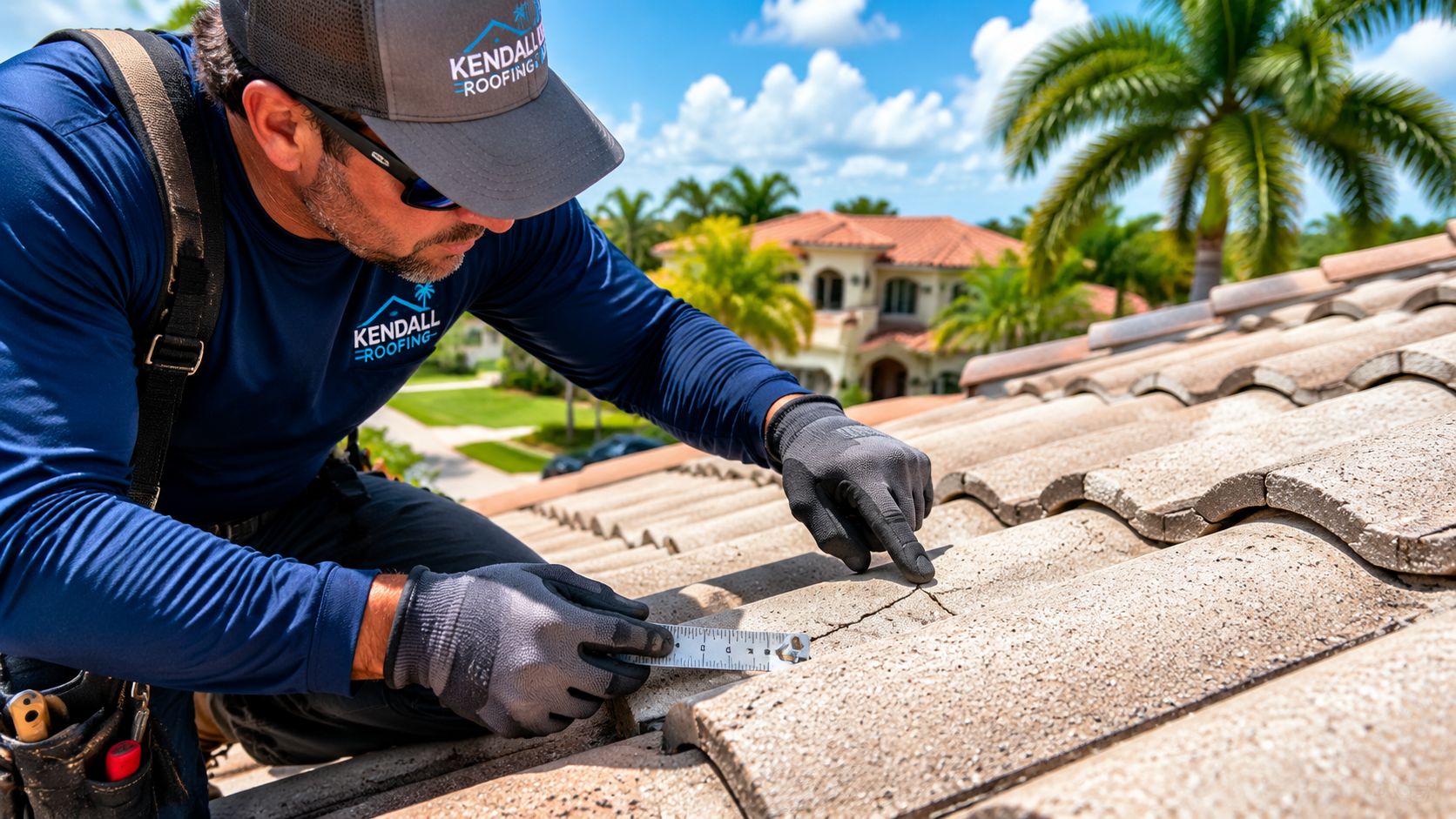
A roof leak in Kendall rarely starts as a dramatic hole over the dining room table. Most of the time, it starts with a stain that got a little darker, a tile that shifted after wind-driven rain, or a musty smell in a back room that nobody could quite place. Then the next storm hits, water finds the same weak path, and now you're searching for answers while moving furniture and setting out buckets.
That reaction is normal. The good news is that most roof problems leave clues before they become disasters. The hard part is knowing which clues point to a simple repair and which ones signal a bigger assembly problem. In Kendall, that matters even more because many concrete tile roofs installed during the 1980s and 1990s building boom typically last 25 to 40 years, which means a large share of local roofs are now in the repair-or-replace conversation, as noted by Kendall roofing service guidance on aging tile roofs.
This is the practical playbook homeowners need for roof repair in Kendall. It covers what to check from the ground, what to do in the first hours after a leak, how repair pricing really works, what the professional process should look like, and how to protect yourself during the insurance and contractor-selection stages.
Table of Contents
- That Drip Is More Than Just Rain
- Identifying Roof Damage From The Ground Up
- What To Do Right Now And What To Avoid
- Common Kendall Roof Repairs and Typical Costs
- The Professional Repair Process From Call to Completion
- How To Choose a Qualified Kendall Roofer
- Kendall Homeowner FAQs For Roofs and Hurricanes
That Drip Is More Than Just Rain
A ceiling drip during a South Florida storm feels like a plumbing problem until you trace what's really happening. Water is entering a roof assembly, moving along underlayment, decking, flashing, or fastener lines, and then showing up wherever gravity gives it an exit point. The spot you see inside often isn't the spot that failed outside.
That's why homeowners get in trouble when they treat roof leaks like isolated annoyances. A stain may look minor, but on many Kendall homes, the underlying roof system is old enough that the leak is tied to wear across a wider area, not one random defect. If the roof was built during the major local building wave of the 1980s or 1990s, age is part of the diagnosis whether you like it or not.
Practical rule: Don't judge roof damage by the size of the ceiling stain. Judge it by whether water is getting into the assembly more than once.
In the field, the pattern matters more than the drama. One cracked tile after a branch impact is one kind of repair. Repeated moisture around valleys, penetrations, eaves, or transitions is something else entirely. The first can be localized. The second usually means the roof has started losing its ability to shed water the way it was designed to.
Three signs usually tell me the problem deserves quick professional attention:
- The leak returned after what seemed like a previous fix.
- The stain spread sideways instead of just darkening in one small spot.
- The odor changed indoors, especially in closets, hallways, or attic-adjacent rooms.
That's the difference between panic and a plan. If you know you're dealing with a roof-system issue instead of “just a drip,” your next decisions get a lot clearer.
Identifying Roof Damage From The Ground Up
The safest inspection is the one you do without climbing the roof. You can learn a lot from the driveway, the yard, the second-floor windows, and the attic access if it's safe to enter.

If you want a simple visual reference while checking exterior lines and runoff paths, this roof inspection image reference can help you think through where water commonly shows up first.
Start Outside Before You Look Inside
Begin with the edges of the house. Roof failures often announce themselves on components below the roofline before the field of the roof looks obviously damaged.
Look for these exterior clues:
- Gutters and downspouts: Overflow marks, detached sections, or heavy granule or debris accumulation can suggest runoff problems or material breakdown uphill.
- Fascia and soffit: Peeling paint, swelling, staining, and soft spots often point to persistent edge leaks.
- Walls below valleys or roof transitions: Vertical staining can indicate repeated overflow or flashing failure higher up.
- Ground impact zone: Broken tile pieces, shingle fragments, or metal scraps after wind can give away where the roof has been compromised.
Then move indoors, but stay cautious. If you have attic access and the framing area is dry enough and safely reachable, check for darkened decking, damp insulation, rusted fasteners, and daylight showing through places that should be sealed. Inside living areas, note bubbling paint, crown molding separation, damp drywall, and that unmistakable stale smell that follows hidden moisture.
Water rarely travels in a straight line from roof surface to ceiling. It can move laterally before it finally drops.
Match The Clue To The Roof Type
Kendall homes commonly have tile, shingle, and low-slope or flat sections over additions, porches, or commercial-style areas. Each roof type fails a little differently.
Tile roofs usually show trouble through cracked tiles, slipped tiles, or uneven courses that break the water path. Don't assume the visible broken tile is the only issue. On older tile roofs, the underlayment and flashings often tell the bigger story.
Shingle roofs tend to reveal wear through curling tabs, missing pieces, exposed nail heads, dark patches where granules have worn off, and lifted edges after wind. If you can see irregular shingle lines from the ground, the roof has already moved enough to deserve a closer look.
Flat or low-slope roofs often hide damage until ponding, blistering, open seams, or edge deterioration become visible. Water can sit where drainage is poor, then work into seams and flashing transitions long before the leak shows indoors.
A smart homeowner check looks like this:
- Scan the whole roof plane first. Don't lock onto one obvious defect and ignore the surrounding pattern.
- Pay extra attention to penetrations. Vents, skylights, satellite mounts, and wall transitions leak more often than open field areas.
- Compare roof sections. If one slope looks newer, cleaner, flatter, or more settled than another, ask why.
- Document what you see. A few clear phone photos from safe positions make later conversations far more productive.
What To Do Right Now And What To Avoid
When a leak starts, your first job isn't to fix the roof. Your first job is to keep people safe and keep the interior damage from spreading.

First Moves Inside The House
Move electronics, rugs, furniture, and anything absorbent out of the drip zone. Put down buckets, plastic bins, towels, or a tarp to control splash. If water is bulging a painted ceiling and you're dealing with an active leak, that area needs professional judgment quickly because trapped water can bring drywall down.
Then document everything. Take photos of the ceiling stain, wet contents, damaged flooring, and any visible exterior issue you can safely capture from the ground. Keep a simple note of when you first saw the leak, which rooms were affected, and whether the problem appeared during wind-driven rain or steady rainfall.
Most important, start drying wet materials immediately. The EPA advises that wet materials should be dried within 24 to 48 hours to reduce the likelihood of mold growth, which is especially important in South Florida's humid climate, as noted in this guidance referencing EPA drying timelines after moisture intrusion.
Mistakes That Turn A Repair Into A Bigger Loss
The worst homeowner decisions usually come from urgency. I understand the instinct. You want to stop the leak now. But some actions create more damage than the leak itself.
Avoid these mistakes:
- Don't climb a wet roof: Tile gets slick. Shingles tear more easily when hot or wet. Damaged decking can fail underfoot.
- Don't smear roof cement everywhere: Random patch material often diverts water into harder-to-detect paths and complicates a proper repair later.
- Don't wait to call because the rain stopped: A roof leak that “goes away” in sunshine is still an active building-envelope problem.
- Don't throw away damaged materials or receipts: If insulation, drywall, flooring, or contents were affected, keep records.
- Don't sign paperwork under pressure: Emergency work still needs a clear written scope.
A temporary tarp can help in the right hands, but a tarp is not a repair. It buys time. It doesn't restore flashings, underlayment integration, tile attachment, or edge metal details.
If you can stop interior damage safely from inside the home, do that. If the next step requires getting on the roof, it's time for a roofer.
Common Kendall Roof Repairs and Typical Costs
Homeowners want a price fast, but roof repair in Kendall doesn't price like a menu board. Scope depends on what failed, how long it's been leaking, how accessible the area is, and whether the repair has to rebuild code-critical details instead of just replacing a visible surface piece.
One local roofing source notes that minor repairs are often completed in a day or less, and basic repair pricing is frequently cited in the low hundreds of dollars when the issue is localized. That same guidance also makes the key point: once moisture intrusion reaches decking, underlayment, or flashing interfaces, the repair becomes a system-level job and costs rise quickly, as described in this Kendall roof repair overview focused on failure mode and scope.
Why Small Repairs Aren't Always Cheap
Florida repair work isn't just about making the leak stop today. The repair has to restore wind and water performance. For Kendall homes, that means details matter. Roof systems and components are commonly required to be installed per manufacturer instructions and local code, with Florida and Miami-Dade style approvals often serving as the benchmark for fastening patterns, underlayment, and edge detailing. Even a small deviation in nail count, starter strip placement, or valley treatment can reduce uplift resistance and create leak paths, as reflected in roof repair specifications discussing fastening, starter strips, and valley membranes.
That's why a “small area” repair can still involve careful tear-out, inspection of the substrate, replacement of damaged components, and reinstallation that matches the surrounding assembly instead of just looking close enough from the street.
Typical Repair Categories
The table below gives practical ranges for common repair categories. These are 2026 estimates for planning purposes, not fixed quotes. Actual scope can move up or down based on access, material matching, hidden damage, and permit or code requirements.
| Repair Type | Common Roof System | Estimated Cost Range | Typical Timeframe |
|---|---|---|---|
| Localized shingle replacement and seal-up | Asphalt shingle | Low hundreds of dollars to higher repair pricing if surrounding components are affected | Often completed in a day or less when localized |
| Tile re-seating or replacement in a small area | Concrete tile | Low hundreds for minor localized work, higher if underlayment or battens are compromised | Often completed in a day or less when limited in scope |
| Flashing repair around vent, wall, or penetration | Tile, shingle, flat | Varies from basic repair pricing to substantially more when water has reached adjacent materials | Usually short-duration if isolated |
| Valley repair | Tile or shingle | Moderate to higher repair cost because water concentration makes detailing critical | Commonly requires more involved removal and reinstallation |
| Flat-roof seam or membrane repair | Flat or low-slope | Varies widely based on membrane condition and wet insulation or substrate below | Simple seam work can be quick, wet-system repairs take longer |
| Decking and underlayment restoration with surface repair | Tile, shingle, flat | Higher repair pricing because the job moves from patching to assembly restoration | Often extends beyond a basic same-day repair |
| Emergency leak stabilization and temporary dry-in | All systems | Depends on weather, access, and extent of affected area | Initial stabilization is fast, permanent repair follows |
A few trade-offs matter here:
- Matching materials matters: A repair that keeps the roof watertight but leaves mismatched tile fit or shingle profile can create future problems.
- Leak location matters: Valleys, penetrations, eaves, and transitions are detail-heavy zones. They're rarely patch-and-go areas.
- Hidden moisture changes everything: Once wood, insulation, or underlayment stays wet, the job stops being cosmetic.
The Professional Repair Process From Call to Completion
A good roof repair experience should feel orderly, not chaotic. The process usually tells you as much about the contractor as the final price does.

What A Good First Contact Looks Like
The first call should establish the basics quickly. What kind of roof do you have. Is the leak active. Is there visible interior damage. Has there been a recent storm event. A competent office or call-handling system should gather that information clearly, because roofers are often physically on active jobs when homeowners call. If you're curious how contractors solve that bottleneck, this breakdown of solving missed calls for roofers gives useful context on why responsiveness can vary.
After scheduling, the inspection should focus on cause, not just symptom. A pro checks the roof surface, transitions, penetrations, drainage behavior, and interior evidence. On steep or fragile systems, the inspection may start from the ground, attic, and eaves before anyone decides how to access the roof safely.
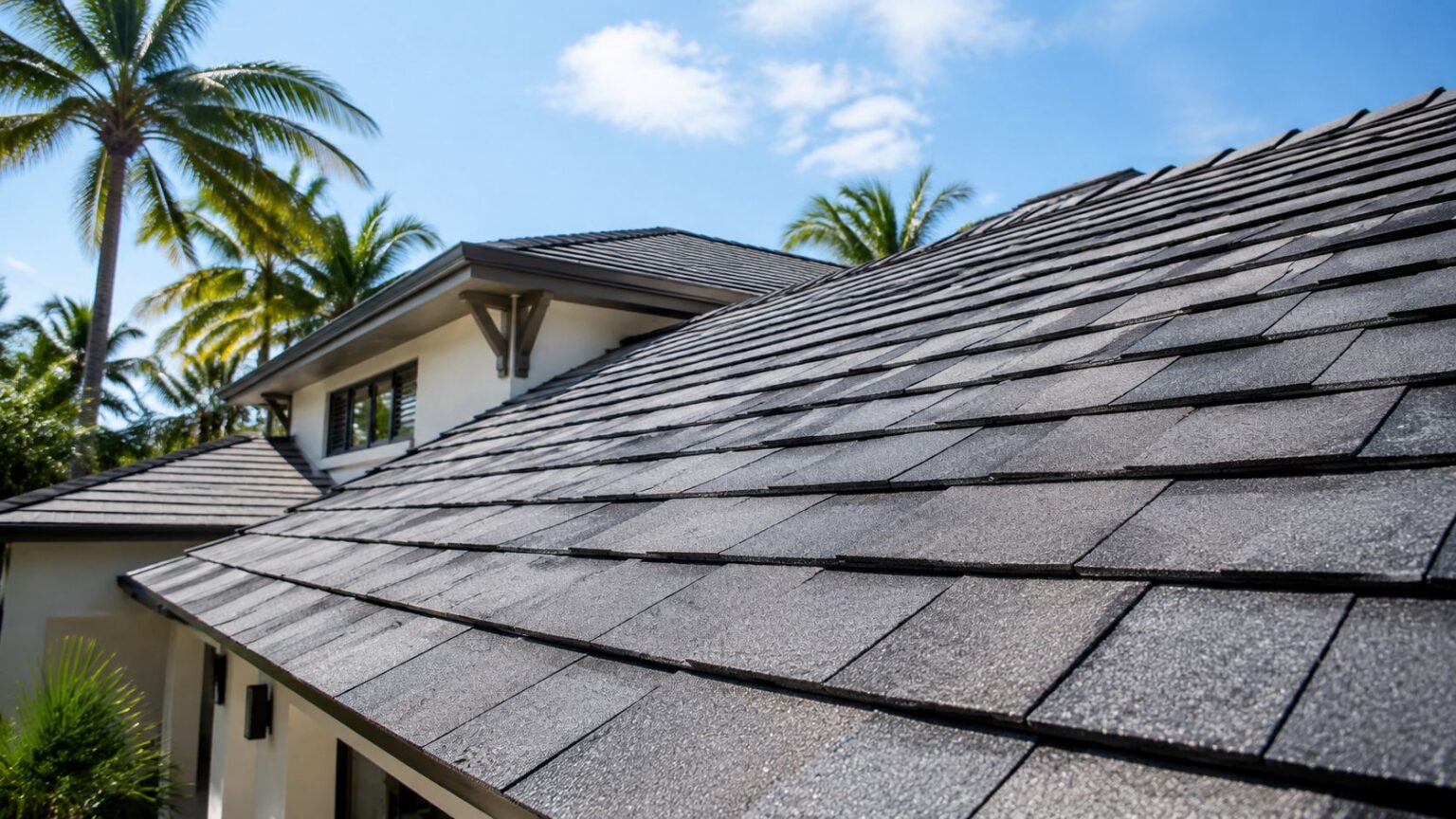
This kind of roof condition visual example is useful because it shows the sort of broad context a roofer needs, not just a close-up of one damaged spot.
What Happens On Repair Day
A proper written estimate should tell you what's being removed, what's being replaced, what temporary protection is included if weather interrupts the job, and what conditions could change the scope after tear-off. If a contractor can't explain the repair sequence in plain language, that's a warning sign.
On the workday itself, the crew should protect landscaping and nearby surfaces, remove only what's necessary to expose the failed area, inspect underlying components, and then rebuild the assembly in the correct order. For homeowners comparing options, Paletz Roofing and Inspections is one local company that handles repairs, inspections, and leak-related service work in South Florida.
The final walkthrough matters. You should understand what failed, what was corrected, whether any adjacent area deserves monitoring, and what paperwork to keep for warranty or insurance support.
A repair isn't complete when the dripping stops. It's complete when the failed detail has been rebuilt correctly and the site is clean.
How To Choose a Qualified Kendall Roofer
Most homeowners don't hire roofers often enough to have a reliable screening system. That's why bad bids win jobs. They sound simple, they promise speed, and they skip the details that protect the house.
The labor itself has real value. The Bureau of Labor Statistics reported 135,140 roofers employed nationwide in May 2023, with a median annual wage of $50,030 and a median hourly wage of $24.05, which is a useful reminder that roofing is skilled trade work, not just hauling material and spreading sealant, according to BLS roofer employment and wage data.
What To Verify Before You Sign
Don't start with price. Start with qualifications and scope control.
Check for these essential items:
- Florida licensing: Ask for the license information and verify it.
- Liability and workers' compensation coverage: Don't rely on verbal assurances.
- Local code fluency: In Kendall, roof details aren't optional workmanship preferences. They're performance issues.
- Written scope: The estimate should describe the repair area and method clearly enough that another roofer could understand what's included.
- Material compatibility: Tile profile, shingle type, underlayment approach, flashing metal, and sealant selection all matter.
- Cleanup expectations: Nails, tile fragments, underlayment scraps, and magnet sweep expectations should be discussed in advance.
If you're reviewing company materials, this Paletz Roofing and Inspections logo file is one example of the kind of branded documentation homeowners often see attached to estimates or inspection reports.

Why The Lowest Price Often Costs More
Cheap roof repairs usually save money by leaving something out. Sometimes it's prep. Sometimes it's flashings. Sometimes it's the time needed to chase the true source of the leak instead of patching where the stain appeared. You won't spot that omission on a one-line bid.
Ask direct questions instead:
- What do you believe failed first?
- What components will you remove to confirm that?
- What code-sensitive details are part of this repair?
- What happens if you open the area and find wet decking or deteriorated underlayment?
Those answers tell you whether you're talking to a mechanic or a patch artist.
Kendall Homeowner FAQs For Roofs and Hurricanes
Kendall homeowners ask practical questions, especially once storm season gets close. Good. That's the right time to think clearly, before the next emergency call.

Insurance And Documentation Questions
How should I document roof damage for an insurance claim?
Take clear photos from safe ground positions first. Then photograph every interior effect of the leak, including ceilings, walls, flooring, contents, and any temporary mitigation materials you used. Save receipts for tarps, drying equipment, emergency service, or damaged contents if applicable. Write down the date you discovered the issue and whether it followed a named storm or a standard rain event.
Should I call a roofer or the insurance company first?
If the roof is actively leaking, stopping further damage safely comes first. Many homeowners contact both in close succession. The roofer helps identify the likely failure and stabilize conditions. The insurer needs timely notice and documentation.
What should I keep in one folder?
Keep photos, videos, inspection notes, invoices, receipts, claim correspondence, and a copy of the contractor's written estimate. Organized records make claim discussions cleaner and reduce confusion later.
For homeowners trying to evaluate local contractors before storm season, resources on 2026 local SEO growth strategies can be useful in one narrow way. They help explain why some roofing companies appear everywhere online while others rely more on referrals, which reminds you to judge contractors by documentation and qualifications, not just search visibility.
Storm Prep And Temporary Protection Questions
Is a temporary tarp enough to wait out another storm?
Sometimes, but only as a short-term stabilization measure. A tarp can reduce active water entry if it's installed correctly and secured safely. It does not restore the roof assembly, and it can fail under more wind or prolonged rain.
What is a hurricane clip, and does my roof need one?
A hurricane clip is a metal connector used in the structural load path between roof framing and wall framing. Whether your home has them, needs upgrades, or can be economically retrofitted depends on the structure, age of the house, and broader code context. That's a framing and roofing conversation, not a guess-from-the-driveway issue.
How often should I have my roof inspected in South Florida?
At least periodically, and always after a significant storm, visible impact event, or recurring leak. The exact schedule depends on roof age, material, tree exposure, and prior repair history.
What's the biggest mistake after a hurricane?
Waiting too long because the damage “doesn't look that bad.” Many storm-related roof failures begin at edges, flashings, or under displaced surface materials. The home can stay dry for a short time and then start leaking on the next rain cycle.
If your roof took wind, debris, or repeated rain exposure, inspect early while the problem is still repair-sized.
If you need a clear next step, Paletz Roofing and Inspections handles roof repair, leak evaluation, inspections, and related roofing work across South Florida, including Kendall. A careful inspection now can tell you whether you need a localized repair, temporary stabilization, or a broader plan before the next storm tests the roof again.