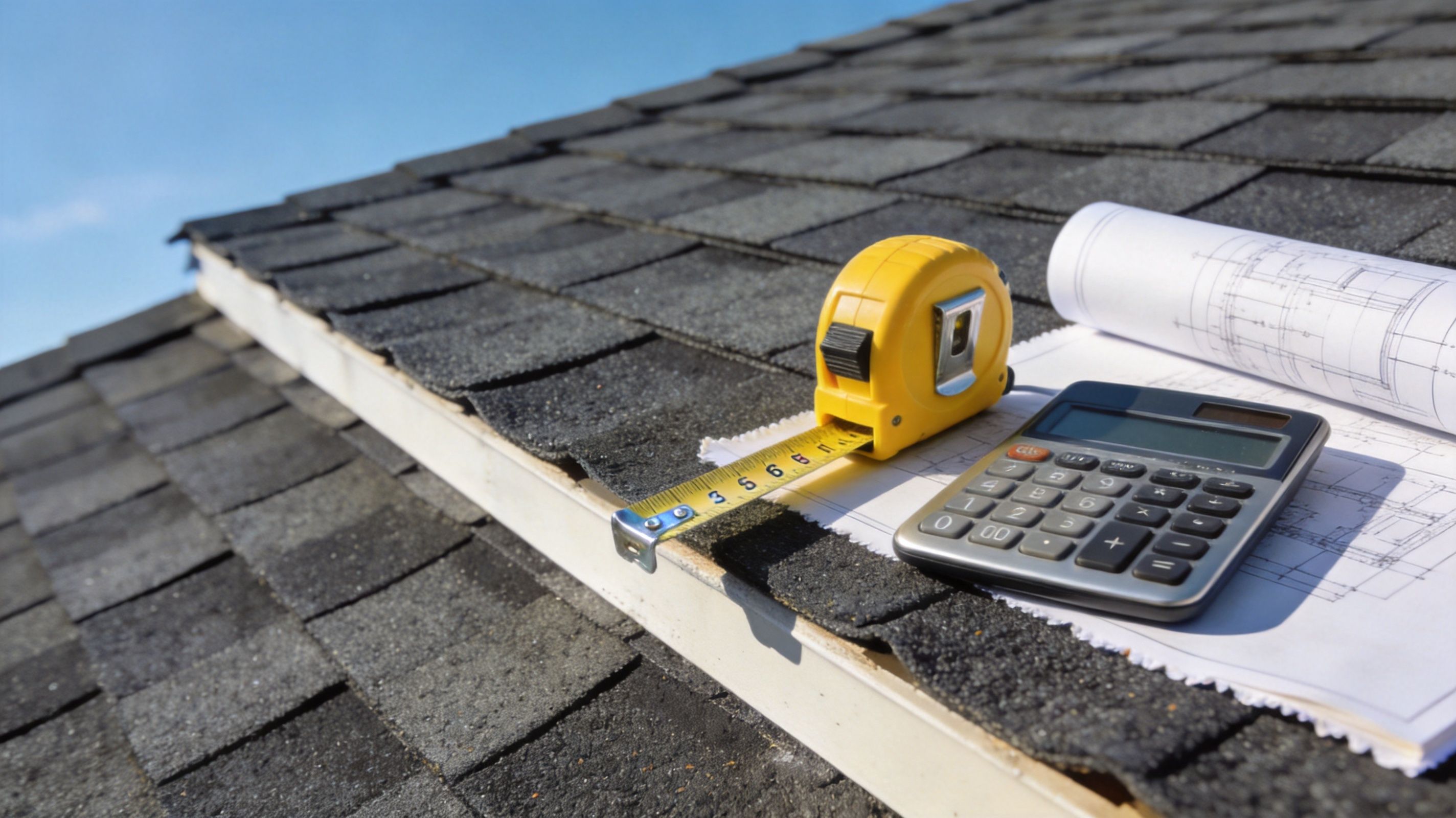
A standard shingle roof replacement in 2026 typically runs $7,000 to $32,000 for a residential project, with a national average around $16,000 and some market data putting the average homeowner closer to $10,000 depending on roof size, material, and location. In South Florida, most homeowners should expect quotes in the $9,000 to $30,000 range, and the total can climb higher when hurricane code upgrades, tear-off complications, or structural repairs are part of the job.
That gap is where most online calculators fall short. They give you a broad number based on square footage, but they usually miss the parts that move the price in Broward, Miami-Dade, and Palm Beach: high-velocity hurricane zone requirements, tougher installation standards, permit fees, disposal costs, and the rotten decking that only shows up after the old roof comes off.
The average cost to replace shingle roof isn't one number. It's a range shaped by material choice, labor, access, roof geometry, and local code. If you're budgeting for a replacement in South Florida, you need more than a national average. You need a quote that reflects what crews find and what inspectors require.
Table of Contents
- Understanding Your Shingle Roof Replacement Cost in 2026
- The Average Cost to Replace a Shingle Roof
- What a Standard Shingle Roof Estimate Includes
- Key Factors That Raise or Lower Your Final Price
- Navigating Permits and Other Common Add-On Costs
- Sample Shingle Roof Replacement Estimates
- How to Get an Accurate and Trustworthy Quote
Understanding Your Shingle Roof Replacement Cost in 2026
Shingle roof pricing did not level off going into 2026. The U.S. Bureau of Labor Statistics shows continued pressure in construction inputs through its Producer Price Index data for asphalt paving and roofing materials, and that matters because roof quotes usually follow material and labor increases with a delay, not all at once.
For a homeowner, that means any average cost to replace shingle roof number you find online is only a starting point. It can help set expectations, but it will not tell you what your house will cost until someone prices the roof you have.
That gap is wider in South Florida than in many other markets.
Here, the final number is shaped by wind-zone requirements, permit steps, and what shows up after tear-off. I have seen roofs that looked straightforward from the ground turn into a different job once the shingles came off and the crew found soft decking around penetrations, old repairs at valleys, or edge details that no longer meet current practice. Online calculators usually miss those costs because they price a clean, simple replacement, not the roof sitting on your house after years of heat, rain, and storm exposure.
Low bids often leave out the expensive parts.
A solid estimate should reflect conditions on site, including tear-off labor, disposal, underlayment, flashing details, ventilation work, permit handling, and the chance of decking replacement if rotten wood is uncovered. A local visual like this South Florida roofing project image shows why roof geometry, access, and weather wear can push a job well past a national average that looks reasonable on paper.
The Average Cost to Replace a Shingle Roof
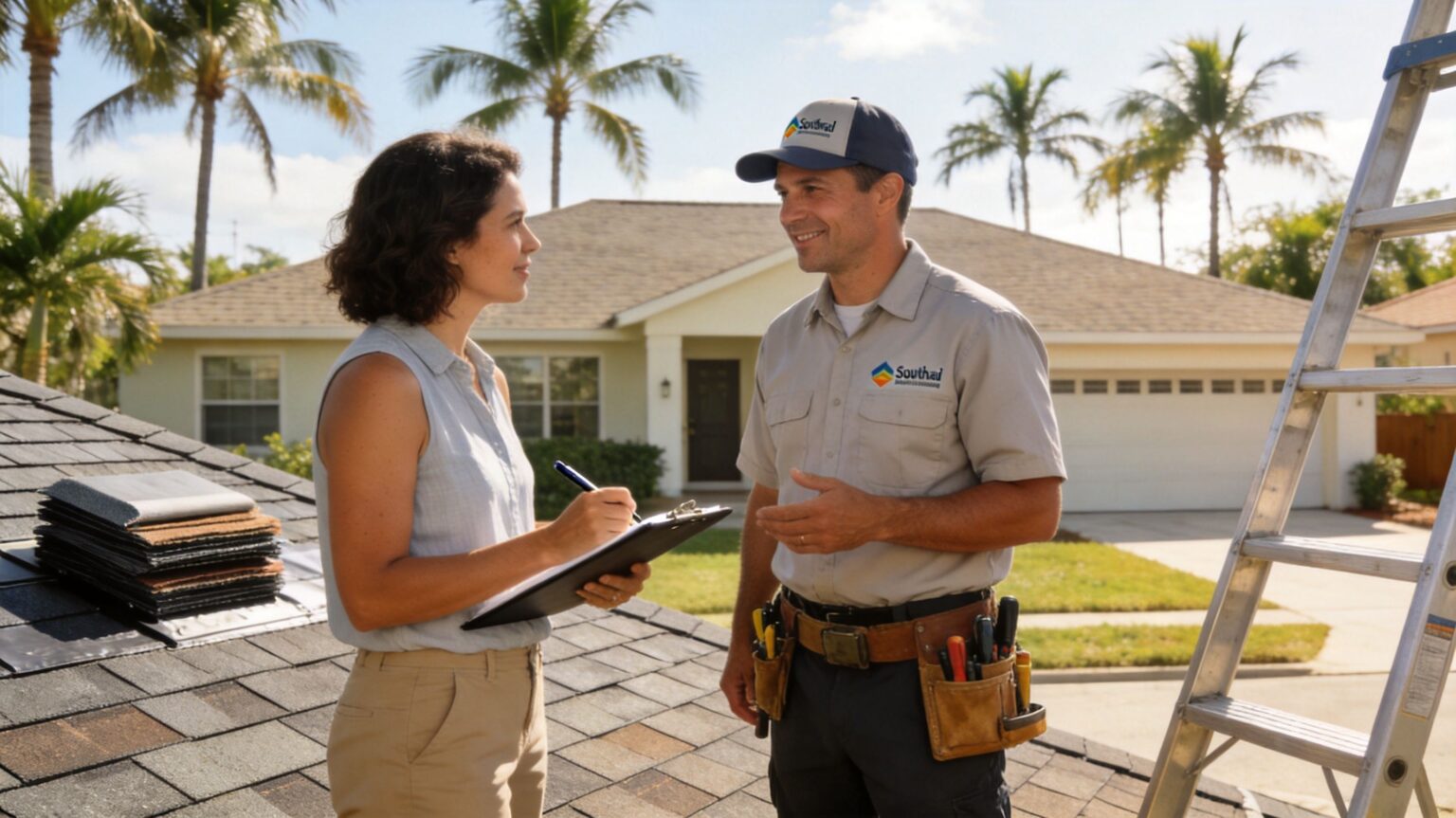
Industry pricing data collected by Forbes Home's roofing cost guide shows asphalt roof replacement commonly landing in the broad national range of several thousand dollars to well over $20,000, depending on size, material, and labor conditions. That spread is normal. It also explains why a number from an online calculator rarely matches a real quote in South Florida.

National numbers versus South Florida reality
National averages help with rough budgeting. They do not capture what drives pricing here.
In South Florida, shingle roof replacements often price higher because the work is shaped by high-wind installation requirements, permit costs, tougher inspection standards, and the condition of the deck after tear-off. A simple one-story roof with clean decking and easy access may stay closer to the lower end of the market. A roof with multiple facets, steep sections, older flashing details, or rotten wood found under the shingles can move fast in the other direction.
HomeAdvisor's roof replacement cost guide also places asphalt roof replacement in a wide national range, which lines up with what contractors see in the field. The part homeowners need to understand is that South Florida adds local cost drivers that national averages do not price well. The biggest misses are usually secondary water barrier requirements, upgraded attachment details, disposal costs, and wood replacement once the roof is opened up.
That is why two houses with similar square footage can end up with very different numbers on the estimate.
Estimated cost by roof size
For planning purposes, size still gives you a useful starting point. The table below uses the architectural shingle pricing range already established earlier in the article and applies it by roof size.
| Roof Size (Square Feet) | Average Cost Range (Architectural Shingles) |
|---|---|
| 1,500 | $6,000 to $12,750 |
| 2,000 | $8,000 to $17,000 |
| 2,500 | $10,000 to $21,250 |
| 3,000 | $12,000 to $25,500 |
Use those numbers as a budget range, not a promise.
They assume a fairly standard replacement before permit add-ons, code-related upgrades, and hidden repairs are added to the scope. In this market, those extra items are often what separate a cheap-looking quote from a realistic one.
Why home size and roof size are not the same
Homeowners often use air-conditioned square footage to estimate a roof. Roofers do not price that way because we replace roof surface, not livable area.
A 2,000-square-foot house can have more than 2,000 square feet of roofing once you account for pitch, overhangs, hips, valleys, attached garage sections, and porch tie-ins. On the other hand, a two-story home may have less roof area than its interior square footage suggests, but labor can still cost more because staging, fall protection, and material handling take longer at height.
Material choice matters too. Three-tab shingles usually keep the price lower, but they are less common on better replacements in South Florida. Architectural shingles are the standard target on many homes because they give a better balance of cost, wind performance, and appearance. Premium shingle lines can push the total much higher, especially on larger homes or front elevations where the owner wants a heavier profile.
The practical takeaway is simple. A real roof measurement, local code scope, and tear-off condition decide the final price far more than a national average does.
What a Standard Shingle Roof Estimate Includes
On a real South Florida reroof, the shingle bundle is only one line item. The quote should cover the full roof system, the tear-off, and the code-related work needed to get the job dried in and approved.

Materials in a normal replacement quote
A standard estimate starts with the visible roofing product, usually 3-tab or architectural shingles, then builds out from there. RSMeans construction cost data is widely used in the trades to price labor and materials, and it reflects what roofers already know in the field. The shingle itself is only part of the package.
A complete quote should list the materials that make the roof watertight and inspection-ready:
- Underlayment
- Starter shingles
- Field shingles
- Hip and ridge caps
- Drip edge
- Flashing at walls, pipes, vents, and transitions
- Fasteners and sealants
- Waste factor for cuts, hips, valleys, and trim-out
In South Florida, I also expect to see whether the estimate includes upgraded peel-and-stick details in vulnerable areas, replacement metal where needed, and the fastening pattern required for local wind exposure. Online calculators usually miss that part.
If a quote only says "shingles and labor," it is incomplete.
Why labor takes such a large share
Labor often takes a bigger share of the total than homeowners expect. HomeAdvisor's roofing cost guide notes that labor commonly accounts for a large portion of reroof pricing, often around 60% depending on the roof and region.
That tracks with what happens on site. A crew has to protect the property, remove the old roof, load out debris, inspect the deck, replace bad sections if needed, install underlayment correctly, flash every penetration, set shingles to manufacturer specs, clean up, and meet permit inspection requirements. A simple one-story gable moves faster than a steep cut-up roof with valleys, tied-in patios, and second-story staging.
South Florida adds another layer of labor cost. Crews spend more time on dry-in details, re-nailing where required, and correcting old work that will not pass current inspection. Those hidden tasks are why two estimates with the same shingle brand can still be far apart.
What a clean estimate should spell out
A dependable estimate should break out the scope clearly enough that you can tell what is included and what could become a change order later.
| Quote Item | What it covers |
|---|---|
| Tear-off | Removal of existing shingles and haul-away |
| Deck inspection | Review of sheathing after tear-off |
| Decking allowance or unit price | Whether rotten or delaminated wood is included, and how extra sheets are billed |
| Underlayment | Base dry-in layer and any upgraded membrane areas |
| Flashing work | Pipe boots, wall flashing, step flashing, valleys, and transitions |
| Shingle installation | Starter, field shingles, hips, ridges, and required accessories |
| Site protection and cleanup | Landscaping protection, magnetic sweep, dumpster, final debris removal |
| Permit handling | Filing, posting, inspections, and close-out if included |
The hidden-cost line items matter most. If the estimate is silent on rotten decking, permit fees, flashing replacement, or code-required fastening, expect the final price to move once the old roof comes off.
That is also why storm-related comparisons can get messy. Insurance conversations often focus on surface damage, while the contractor has to price the full replacement scope, including what is uncovered during tear-off. Cover Club hail insurance claim insights show the same problem from the claim side. Visible damage is only part of the bill.
A solid estimate states whether it assumes one layer of tear-off, whether deck repairs are billed by the sheet, what underlayment is being installed, and whether the quoted shingle is an entry line or a heavier architectural product. Those details separate a usable quote from a sales sheet.
Key Factors That Raise or Lower Your Final Price
A shingle roof replacement can swing by thousands of dollars even when two homes look similar from the street. In South Florida, the price spread usually comes from labor difficulty, code requirements, and what the crew finds after tear-off.

Roof shape, slope, and penetrations change labor time
Complex roofs cost more to replace because they take longer to dry-in, flash, and shingle correctly. Valleys, dormers, dead valleys, skylights, chimneys, plumbing stacks, and height transitions all slow production and create more cut work.
The National Association of Home Builders notes that roof design complexity affects both labor and material waste, especially on roofs with multiple planes, steep slopes, and intersecting sections. That is why two roofs with the same square footage can price very differently. One may be a simple walkable gable. The other may need extra harnessing, staging, custom flashing work, and more shingle waste from cuts and trim. See the NAHB discussion of roof shape, slope, and complexity for the broader design side of that issue.
Storm history also changes the labor side of the job. Roofs that have been patched after wind events often come apart slower, and they tend to hide uneven decking, abandoned fasteners, and flashing details that should have been replaced years ago.
South Florida code and wind-zone requirements raise the real number
This market is different from a generic online calculator. South Florida roofs are built and inspected under tougher standards because wind resistance is not optional here.
A Homewyse cost analysis for asphalt shingle installation notes that high-wind installation requirements and approved material standards can push local pricing above national averages. In practice, that usually shows up in the fastening pattern, underlayment choice, starter and ridge details, and the need to match products that meet Florida approval requirements.
Homeowners usually focus on the shingle brand. The bigger price driver is often the system below it. If the house needs upgraded dry-in protection, secondary water barrier details, or corrected fastening to satisfy local inspection, the cheaper-looking quote often stops being the cheaper job.
Tear-off can expose the costs calculators miss
This is the part many homeowners do not budget for. Once the old shingles come off, the crew may find rotten decking near valleys, chimney saddles, wall lines, or around old leaks that never showed on the ceiling.
In South Florida, I see this most often around low-slope tie-ins, roof-to-wall transitions, and areas that took repeated wind-driven rain. A quote based only on satellite measurements cannot see delaminated plywood, soft plank decking, or bad nail-holding from older wood.
That is why the final number sometimes changes after tear-off. The change is not automatically a red flag. It depends on whether the contractor explained up front how damaged wood is handled and priced.
For homeowners sorting out storm-related damage, broader claim context can help. These Cover Club hail insurance claim insights are worth reviewing because claim disputes often come down to documentation, scope, and what damage was visible before tear-off versus what was discovered during replacement.
Access, height, and site conditions affect crew efficiency
Some homes are harder to roof before a bundle is even loaded. Tight side setbacks, fenced yards, pool cages, solar equipment, fragile landscaping, limited driveway space, and overhead service lines all add labor.
A one-story home with clear access lets the crew move material faster and keep tear-off debris under control. A two-story house on a narrow lot takes more setup, more protection, and slower loading and cleanup. Homeowners do not always see that cost at first, but the contractor has to price the job based on how the house can be worked.
The same goes for steep sections. A roof does not need to be huge to be expensive. It just needs to be slow and risky to install properly.
Navigating Permits and Other Common Add-On Costs
On South Florida reroofs, the first quote is often not the final invoice because some costs cannot be confirmed until the permit is pulled, the county requirements are checked, and the old roof comes off.

Online calculators usually miss the same categories. They price shingles and labor, then gloss over the work needed to get a South Florida roof through code review and inspection. In this market, that gap matters.
What gets added after the base estimate
Permit fees are the obvious expense, but they are not the only one. Additional costs are often tied to local code compliance, disposal logistics, and conditions that are hidden until tear-off.
Common examples include:
- Permit and inspection costs: These vary by city and county, and they affect both price and scheduling.
- Secondary water barrier or upgraded underlayment details: Some homes need more than a basic replacement approach to meet current requirements.
- Hurricane tie-in items: Flashing, drip edge, fastener patterns, and attachment details can trigger upgrades once the existing system is exposed.
- Dump fees and haul-away: Heavy tear-offs cost more to load, remove, and dispose of than homeowners expect.
- Protection for pools, pavers, landscaping, and screened enclosures: On South Florida properties, keeping debris contained takes labor and setup time.
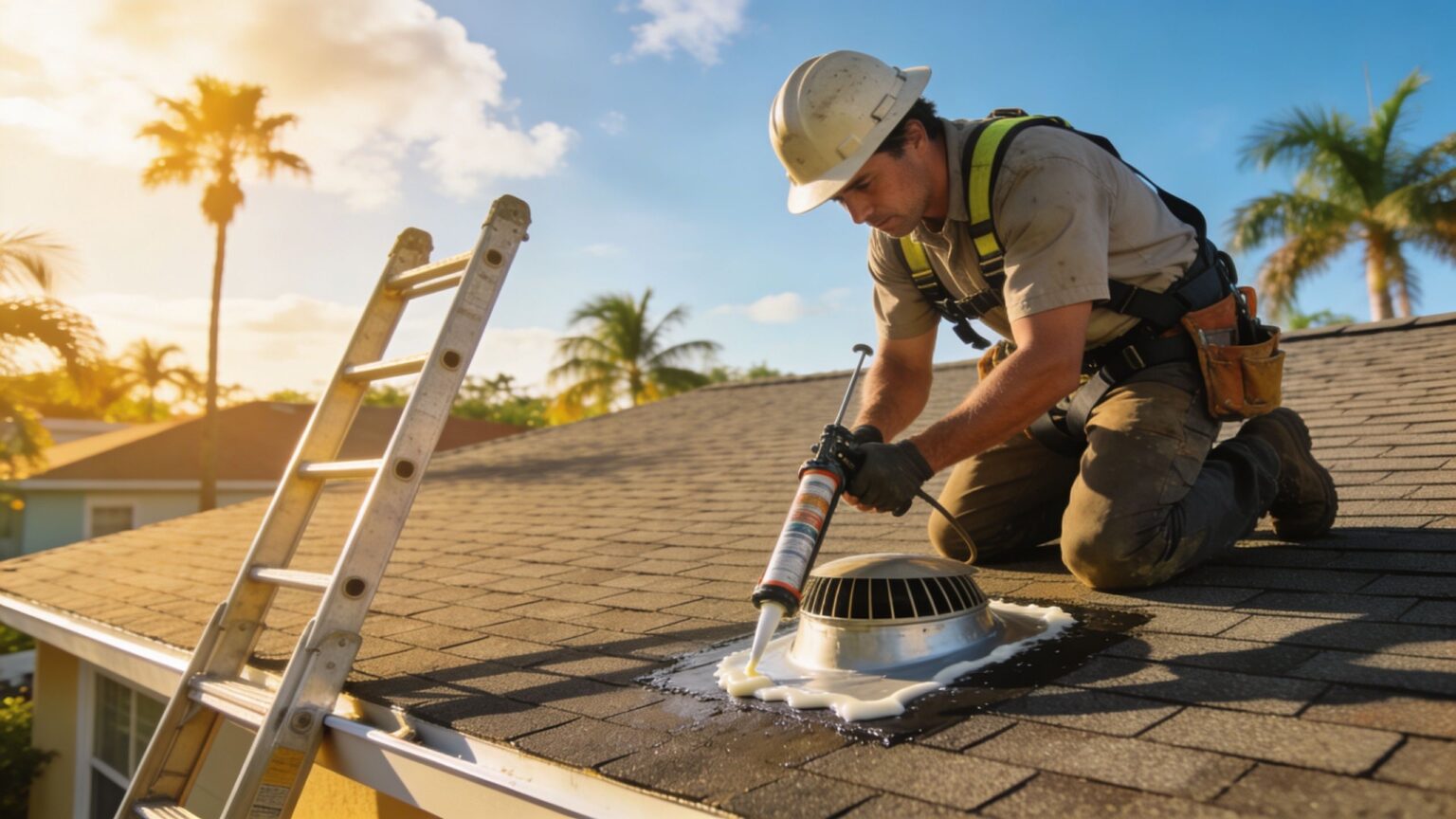
If you want a visual reference for the kind of roof details and site conditions that can affect these costs, this South Florida roof replacement project photo gives useful context.
Permits affect more than the paperwork
A permit is part of the project cost, but it also affects timing, inspection sequencing, and what the contractor is allowed to cover back up. If the municipality wants corrections before final approval, the job has to stop and address them. That is normal roofing work in Florida, not a sign that something has gone off the rails.
Homeowners doing broader renovation work often run into the same issue with other trades. This overview of residential project management in Jacksonville shows how municipal review, scheduling, and trade coordination can shape residential construction timelines.
The cost nobody can confirm from the ground
Decking repairs are the add-on that changes budgets fastest.
I can inspect from the attic, walk the roof, and probe suspect areas, but no roofer can guarantee the full condition of the wood deck before tear-off. In South Florida, long-term leaks, failed flashing around penetrations, and repeated wind-driven rain often leave localized rot that is invisible from the outside. Once shingles and underlayment are removed, soft plywood, split plank decking, or sections that will not hold nails properly have to be replaced before the new system goes on.
That is why the contract language matters. A solid proposal explains how damaged decking is billed, how photos are documented, and whether pricing is set per sheet or handled another clear way.
Ask these questions before you sign
A clean estimate should spell out the items that commonly create change orders:
- Is permit handling included?
- Are dump fees and haul-away included?
- Are drip edge, flashing replacement, and required code updates included?
- How is rotten or delaminated decking priced if found after tear-off?
- Is there any allowance for ventilation corrections or accessory reset work?
Those answers tell you more than a low headline number. On a South Florida shingle reroof, hidden costs usually come from code, weather exposure, and the condition of the wood under the old roof. That is the part many national averages miss.
Sample Shingle Roof Replacement Estimates
In South Florida, two shingle roofs with the same square footage can end up thousands apart once the roof is opened and the permit set is reviewed. That gap usually comes from complexity, code-driven upgrades, and hidden wood damage, not just shingle price.
Sample estimate for a simple single-story home
Take a basic one-story house with a clean gable or hip layout, one layer of old shingles, and decent access around the perimeter. On that kind of job, production moves faster, flashing details are limited, and the estimate usually stays closer to the lower end of the local range.
A typical quote for this roof often includes:
- Architectural shingles and matching starter, ridge, and underlayment components
- Tear-off and installation labor
- Permit filing and final inspection coordination
- Debris haul-off and dump charges
- Standard flashing replacement at the usual roof penetrations
The hidden cost on a "simple" roof is usually the deck. If the plywood under old leak areas is soft or delaminated, that line item shows up after tear-off, not before.
Sample estimate for a larger, cut-up roof
Now look at a two-story home with valleys, dormers, dead valleys, skylights, or wall tie-ins from an addition. That roof takes longer to tear off, longer to dry in, and more labor to shingle correctly. Every transition adds cutting, fastening, and flashing detail. In South Florida, that also means more spots where wind-driven rain has had years to work under old materials.
Manufacturers approved for High Velocity Hurricane Zone work often carry a higher material cost than basic laminated shingles sold in lighter-code areas. You can see approved roofing assemblies through the Miami-Dade County product approval search, and those product choices can push pricing up before labor is even counted. Labor pressure is real too. The U.S. Bureau of Labor Statistics has tracked higher wage levels for roofing contractors in recent years, which shows up fastest on steep, complex reroofs where crew time stretches out. If you need independent documentation on existing roof conditions before pricing repairs, you can find a surveyor with Survey Merchant.
That type of estimate often includes:
- Higher labor for multiple roof sections, valleys, and detail work
- More step flashing, counterflashing, and wall transition work
- Higher-cost approved materials for local wind and code requirements
- Extra dry-in protection if weather threatens during tear-off
- A larger allowance, or separate repair pricing, for rotten decking
For a visual example of the kind of roof shape that widens bids, this complex South Florida roof layout shows the sort of geometry that changes labor more than homeowners expect.
The main pricing mistake on a roof like this is comparing bids by total alone. One contractor may be pricing basic accessories and minimal flashing replacement. Another may already be carrying upgraded underlayment, Miami-Dade approved components, and more realistic labor for the cuts and tie-ins. On a complex South Florida reroof, the low number is often just the bid with the most missing assumptions.
How to Get an Accurate and Trustworthy Quote
The fastest way to get bad pricing is to ask for a roof quote without enough detail. The fastest way to get useful pricing is to insist on an inspection, a written scope, and clear assumptions.
What to ask before you sign
A trustworthy quote should answer basic questions without forcing you to guess. Ask the contractor:
- What shingle line is being quoted: Not just "architectural," but the actual product line.
- What tear-off assumptions are included: One layer, multiple layers, or unknown until exposed.
- How concealed deck damage is handled: Included allowance or separate repair item.
- Whether permit handling is included: Filing, scheduling, and close-out matter.
- What flashing is replaced versus reused: This is a common difference between bids.
If the answers stay vague, the quote probably will too.
What a dependable quote should include
A dependable roof proposal should be detailed enough that you can compare it against another one line by line. That doesn't mean every contractor will present the paperwork in the same format, but you should be able to identify the same core scope.
Look for:
- License and insurance information
- Exact roofing material description
- Clear statement of labor scope
- Permit responsibility
- Cleanup and disposal terms
- Warranty language
- Procedure for hidden damage
One local option homeowners use for this process is Paletz Roofing and Inspections, which provides roofing inspections and quotes in Broward, Miami-Dade, and Palm Beach. Whatever company you choose, the key is the same. The quote should be specific enough that surprises are reduced before the crew starts tearing off the old roof.

When to bring in another set of eyes
Sometimes a roofing quote isn't enough by itself. If you're dealing with storm damage, a property sale, or a dispute about roof condition, it can help to get an independent survey or inspection perspective. For homeowners searching for that type of review, this guide on how to find a surveyor with Survey Merchant is a useful starting point.
A good quote doesn't promise that nothing unexpected will happen. It explains what happens if it does.
The right next step is simple. Have the roof inspected on site. Get the measurement right. Get the scope in writing. Then compare proposals based on actual work, not just the lowest bottom-line number.
If you're in Broward, Miami-Dade, or Palm Beach and want a quote built around real roof conditions instead of a generic calculator, contact Paletz Roofing and Inspections. A proper inspection can identify code-driven requirements, likely add-on costs, and concealed trouble spots before they turn into budget surprises.