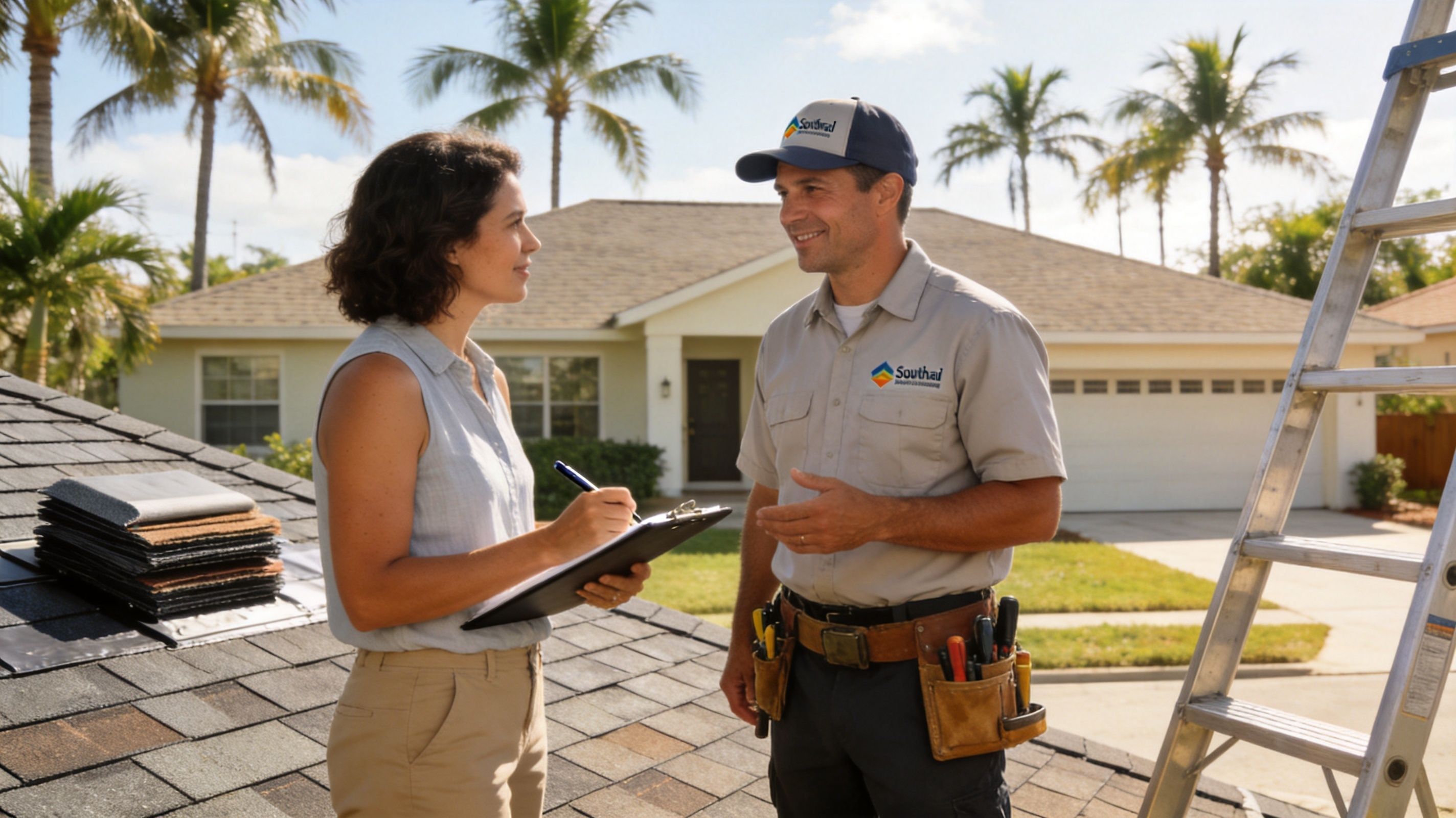
A roof doesn't usually fail because the shingle color was wrong or the brochure looked good. It fails because the contractor made bad decisions where the homeowner couldn't see them. Technical vetting reveals that 62% of roofing failures stem from poor contractor choice, often tied to unverified insurance or weak knowledge of local code, according to NRCA guidance on selecting a contractor.
In South Florida, that matters more than it does in calmer climates. A roof here takes wind, heat, UV, salt air, pounding rain, and sometimes a storm season that tests every flashing detail and fastening pattern on the house. If you want to know how to pick a roofing contractor, start with one rule: pick the company before you pick the material. The installer decides whether that roof lasts, leaks, or becomes an insurance fight.
Most homeowners don't hire roofers often enough to build a routine for it. That's normal. The mistake is treating it like a simple price-shopping job. It isn't. You're hiring someone to protect the structure, preserve insurability, and handle one of the most exposed systems on the property.
Table of Contents
- Why Your Choice of Roofer Matters Most
- Building Your Shortlist of Qualified Roofers
- How to Compare Roofing Bids and Materials
- Special Focus Navigating Insurance and Storm Scams
- The Final Check Contract and Warranty Review
- When to Contact a Professional for Your Roofing Project
- Frequently Asked Questions About Choosing a Roofer
Why Your Choice of Roofer Matters Most

A lot of homeowners think roofing success starts with the product. It starts with the hands installing it. The same shingle, tile, metal panel, or flat roofing membrane can perform very differently depending on fastening, flashing, underlayment transitions, ventilation details, and cleanup discipline.
South Florida exposes sloppy work fast. Wind finds loose edges. Rain finds weak valleys. Sun punishes cheap components. Salt air doesn't forgive shortcuts around exposed metals and sealants. That's why contractor selection isn't a paperwork exercise. It's risk control.
The installer controls the details that matter
A good roofer doesn't just “put on a roof.” A good roofer matches the system to the house, the neighborhood, and the code requirements that apply where you live. That includes the deck condition, attachment method, edge metal details, vent placement, drainage pattern, and how the crew protects landscaping, pool screens, driveways, and interiors during tear-off.
If those details are mishandled, the homeowner usually doesn't spot it on day one. Problems often show up later, after the final check clears.
Practical rule: If a contractor can't explain how they handle flashings, penetrations, and cleanup in plain language, don't trust them with the hidden parts of the job.
South Florida raises the cost of a bad decision
In this region, a roofing mistake isn't just a cosmetic issue. It can turn into interior water damage, mold concerns, failed inspections, claim disputes, or a roof that looks acceptable from the street but performs poorly during the first hard storm. That's why the essential task is vetting the contractor's process, not just admiring photos.
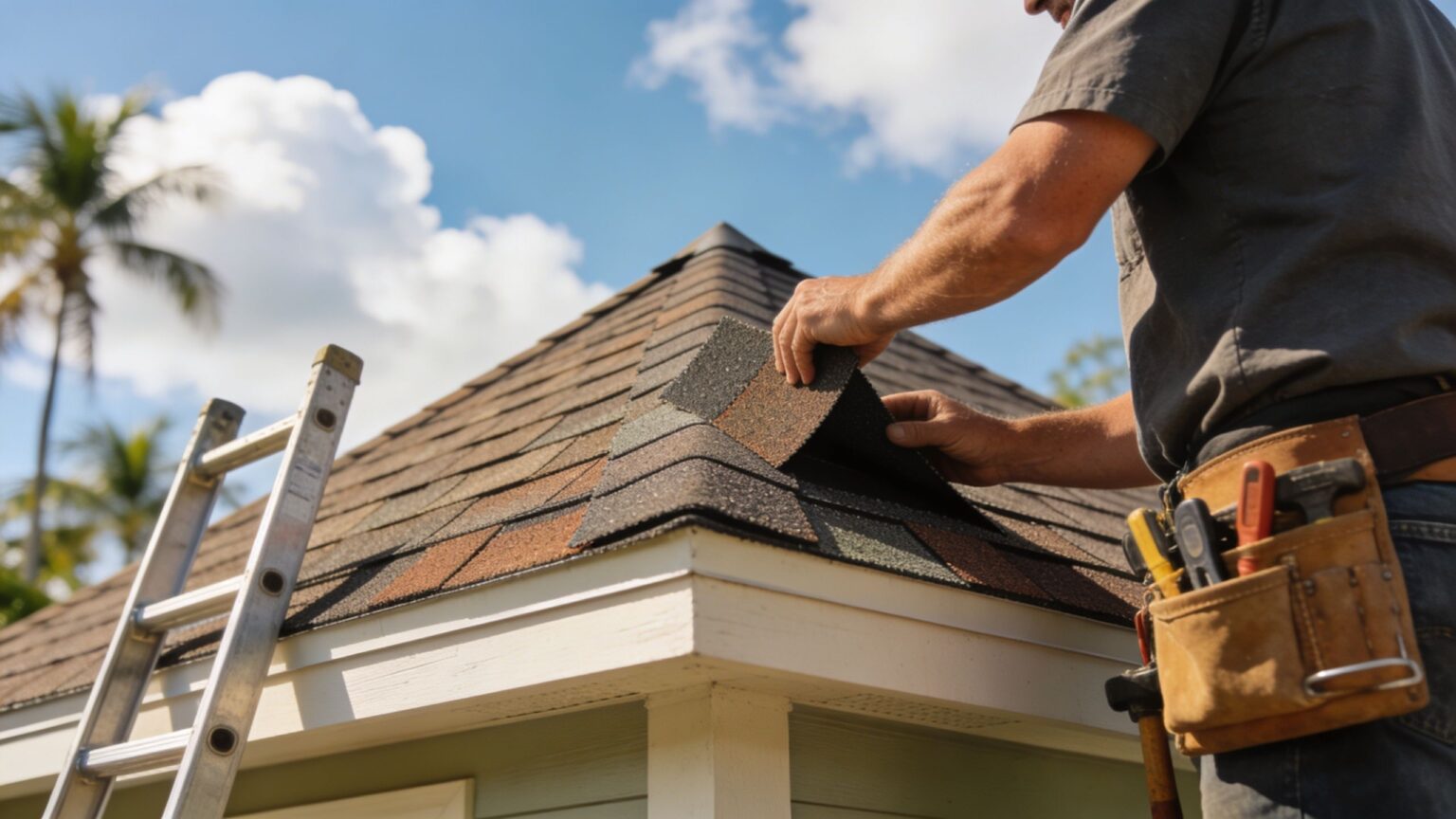
Homeowners who want a visual sense of the kind of roof conditions and project types common in this market can review this South Florida roofing project image reference. It's a reminder that roofs in this area aren't generic. They're exposed systems in a harsh environment.
What works and what doesn't
What works is boring in the best possible way. Established local presence. Clear documentation. Detailed proposals. Real answers to technical questions. Crews that show up when promised and finish clean.
What doesn't work is also predictable. Door knockers after storms. Vague promises. Tiny estimates with no scope. Pressure to sign before you've checked licensing and insurance. The homeowner who slows down and verifies usually makes the better hire.
Building Your Shortlist of Qualified Roofers

The shortlist stage is where most bad hires can be prevented. If you screen hard up front, you won't waste time collecting bids from contractors who should never have made the list.
A good starting point is trust. A 2024 Homeowner Roofing Survey shows that 61% of homeowners rank company reputation as the leading factor in their hiring decision, while 73% rely on word-of-mouth recommendations to find trusted contractors, according to Roofing Contractor's 2024 homeowner roofing survey. In practice, that lines up with what works on the ground. The safest lead usually comes from a neighbor, family member, property manager, realtor, or local insurance professional who has watched the contractor handle a project from start to finish.
Start with reputation and local proof
Don't begin with whoever is advertising the loudest after a storm. Begin with companies that have roots in Broward, Miami-Dade, or Palm Beach and can point to completed local work.
Ask people simple questions:
- Did the crew show up when scheduled: Reliability matters because roof jobs affect interior exposure, driveway access, and everyday life.
- Did the company communicate clearly: You want updates about permits, start dates, weather delays, and final inspections without chasing them.
- Did they finish clean: Good roofers protect landscaping, collect nails, and leave the property in order.
- Did they handle problems directly: Every project can hit a surprise. Deck repairs, permit timing, or hidden damage shouldn't turn into a fight.
Online reviews help, but use them carefully. Look for recent reviews, local addresses served, and comments that mention the type of project you need. A homeowner with a flat roof issue in coastal Palm Beach has different concerns than someone replacing old shingles inland.
Screen credentials before the first appointment
Narrow your list here. Before anyone climbs the roof or gives you a number, ask for documents.
Use this pre-screening checklist:
Florida license verification
Confirm the contractor holds the proper state licensing. Don't accept “we're licensed” as the full answer. Verify it.General liability coverage
Ask for proof of active insurance. You want current coverage, not an expired certificate saved on a phone.Workers' compensation coverage
If someone gets hurt on the job, you don't want gray areas about who carries the risk.Business identity
Check for a real local business presence. A truck and a cell number aren't enough in a storm market.Written estimates only
If the company wants to “ballpark it” verbally and push you toward a signature, move on.
A contractor who hesitates to provide paperwork before the sales pitch is telling you how the project will go.
Look for South Florida fit not just general roofing experience
A roofer can be experienced and still be the wrong choice for your house. Local fit matters. The contractor should understand the practical differences between shingle, tile, metal, and flat systems in a high-wind coastal environment. They should talk comfortably about drainage, attachment, flashings, and how the roof assembly performs in heat and storm conditions.
Ask questions that force real answers:
- What roofing systems do you install most often in this area
- How do you handle flashing details around penetrations and walls
- What will you check before deciding whether repair or replacement makes more sense
- Who pulls permits and who meets inspectors
- Will the same company that sold the job supervise the crew
Some homeowners also ask about manufacturer certifications. That can be useful because it suggests additional product training, but it shouldn't override the basics. Licensing, insurance, local track record, and a clear scope matter first.
Here's a simple way to narrow your shortlist:
| Screening item | Keep on list | Remove from list |
|---|---|---|
| Local presence | Has a real South Florida footprint and local project history | Hard to pin down or newly appeared after a storm |
| Paperwork | Provides license and insurance promptly | Dodges requests or sends partial documents |
| Communication | Answers questions clearly and directly | Uses pressure, vague language, or rush tactics |
| Project fit | Understands your roof type and local conditions | Talks in generic terms only |
One practical option in this market is Paletz Roofing and Inspections, a South Florida company serving Broward, Miami-Dade, and Palm Beach with inspections, repairs, and replacements across shingle, tile, metal, and flat roofing systems. That kind of service mix is useful when you want evaluation and installation capabilities under one roof, provided the documentation and scope are as solid as the sales conversation.
How to Compare Roofing Bids and Materials
A roofing estimate should help you think more clearly, not confuse you. If all you get is a lump-sum number with a few vague lines, you're not comparing bids. You're guessing.
The fastest way to make a bad choice is to compare totals without comparing scope. In South Florida, one bid can include stronger underlayment details, better flashing work, permit handling, disposal, and warranty clarity, while another looks cheaper because half the important items were left vague.
What a serious roofing proposal should include
Every serious bid should identify the actual work being done. That means the roof area being addressed, whether tear-off is included, what underlayment is proposed, how flashings are handled, whether rotten decking is addressed separately, what permits are included, and how cleanup and disposal are handled.
It should also specify materials with enough detail that you can compare one contractor to another. “Architectural shingles” isn't enough. “Tile roof” isn't enough. “Flat roof system” isn't enough. You want the system described clearly enough that another roofer could read the proposal and understand what's being installed.
Use this list when reviewing quotes:
Material specifics
Product type, manufacturer, color line if relevant, and any accessory components that affect performance.Underlayment and waterproofing Cheap proposals often become vague regarding these components. The bid should say what goes below the visible roof covering.
Flashing scope
Valleys, walls, chimneys, vents, skylights, curbs, and transitions need clear treatment in writing.Permits and inspections
The proposal should say who handles them.Cleanup and disposal
Tear-off debris, dump fees, magnet sweep, and site protection should be addressed.Repair allowances
If hidden deck damage is found, the process for approving additional work should be stated.
How low bids hide expensive problems
When homeowners ask how to pick a roofing contractor, this is often the turning point. A cheap bid feels concrete because it has a number attached to it. The hidden cost is in what was excluded, rushed, or substituted.
Experts advise rejecting bids that are 20 to 30% below the average market cost because those low prices often signal corner-cutting on essentials like underlayment or flashing, as explained in this guide on choosing a roofing contractor. In real jobs, that usually shows up as weak prep work, vague waterproofing language, or no meaningful explanation of transitions and penetrations.
If one estimate is dramatically lower, don't ask, “How did they save me money?” Ask, “What did they remove from the roof system?”
A pricing reference from another market can also help homeowners understand how roof costs vary by region, labor conditions, and project type. This overview of average roof replacement cost in Marietta is useful for seeing how cost discussions are usually broken down, even though South Florida roofing conditions and code demands are different.
For a visual example of the kinds of roofing assemblies and replacement conditions that should influence bid review, this project image reference for roof replacement work can help you think beyond the line at the bottom of the page.
Roofing Bid Comparison Checklist
| Detail | Contractor A Bid | Contractor B Bid | Contractor C Bid |
|---|---|---|---|
| Roof area and scope clearly defined | |||
| Tear-off included | |||
| Underlayment specified | |||
| Flashing replacement described | |||
| Permit handling included | |||
| Disposal and cleanup listed | |||
| Deck repair process explained | |||
| Start and completion expectations stated | |||
| Workmanship warranty described | |||
| Manufacturer warranty explained |
Compare value not just price
The right bid usually isn't the cheapest or the highest. It's the one that's detailed, technically sound, and easy to hold the contractor accountable to later. If a proposal is clear enough that you can point to a line item and ask a direct question, that's a good sign.
If it's fuzzy now, it'll be worse once the tear-off starts.
Special Focus Navigating Insurance and Storm Scams

The contractor search changes after a hurricane or major wind event. Homeowners aren't just trying to choose well. They're trying to choose fast, protect the interior, document damage, and make sense of insurance language while strangers knock on the door offering immediate help.
That's exactly when bad actors move in. Following Hurricane Ian, Florida witnessed a 300% surge in roofing fraud complaints, with storm chasers accounting for 60% of deceptive practices reported between 2023 and 2025, according to this discussion of choosing a roofing contractor after storms.
What happens after a major storm
A common South Florida pattern goes like this. The storm passes. A few shingles are in the yard, water stains appear near a vent stack or valley, and the homeowner starts calling around. Before those calls are returned, someone is already at the door saying they “were just in the neighborhood,” found major damage, and can get the insurance company to buy a whole new roof if you sign today.
That pitch is designed to short-circuit your judgment. It mixes urgency, fear, and convenience.
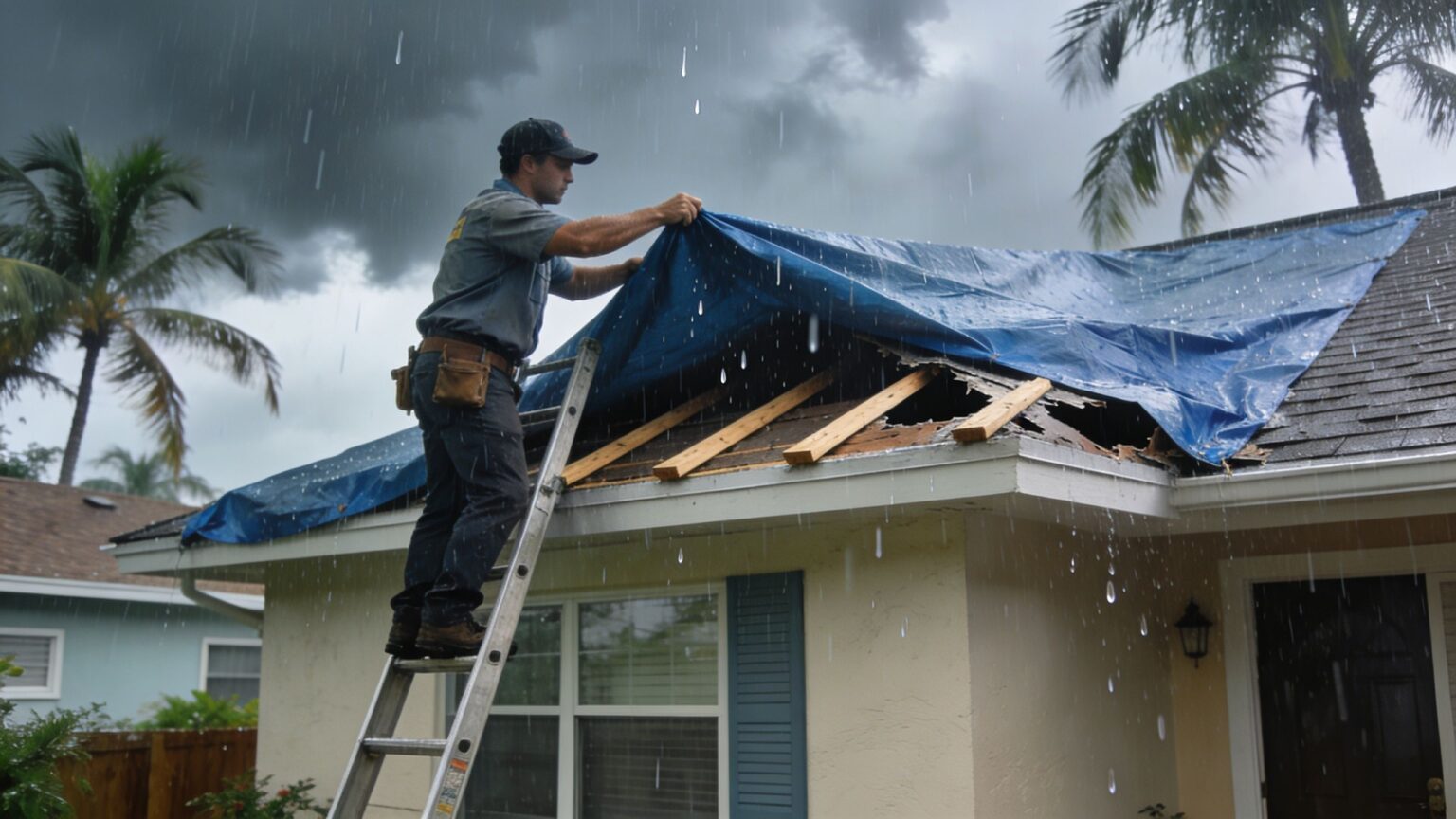
A legitimate roofer understands urgency too, but the process looks different. They document visible damage, explain what can and cannot be confirmed before a full inspection, and put emergency protection, temporary dry-in, or tarp work in proper context. They don't promise outcomes they don't control.
The red flags that show up fast
Storm scams usually become obvious if you know what to watch for.
Immediate signature pressure
If the contractor says the opportunity disappears unless you sign on the spot, slow down.Insurance promises in plain certainty
Nobody should guarantee that your carrier will approve a full roof replacement before the claim is properly reviewed.Vague paperwork
A one-page agreement with broad language is dangerous in a storm claim.No stable local footprint
Temporary operators often leave once the easy storm work dries up.
A storm claim is stressful, but stress is not a reason to lower your standards.
What a legitimate insurance roofing process looks like
A reputable contractor helps with documentation, scope discussions, and practical jobsite planning. They explain the roof condition in terms a homeowner can understand and can usually point out the difference between emergency mitigation, repair feasibility, and full replacement issues.
If you're trying to understand claim friction from the policyholder side, this article with guidance on fighting hail damage claims offers useful perspective on documentation and insurer disputes. It's focused on hail, but some of the claim-handling logic overlaps with storm-related roof losses more broadly.
What matters most is staying in control of the process. Ask who will communicate with the adjuster, what documents the contractor provides, how supplements are handled if hidden damage appears, and what happens if the insurer approves less work than expected.
The right roofing company won't make the situation feel flashy. They'll make it feel organized.
The Final Check Contract and Warranty Review
A roof contract should remove ambiguity. If it creates ambiguity, it protects the contractor more than it protects you.
By the time you reach this stage, the selling should be over. Now you're looking for a clean written agreement that states exactly what's happening, who is responsible for what, and what recourse you have if something goes sideways.
What the contract must say in writing
Read the contract like someone who might need to enforce it later. Because you might.
Look for these items in plain language:
Full scope of work
The contract should match the proposal. If the estimate said flashings, permits, disposal, and specific materials are included, the contract should reflect that.Payment schedule
You want a clear deposit structure, progress payment terms if any apply, and final payment timing.Start and completion terms
Roofing schedules can shift because of weather and inspections, but the contract should still explain the expected sequence.Change-order process
Hidden deck damage and similar discoveries happen. The contract should say how added work gets approved.Subcontracting language
If outside crews may be used, that should be disclosed.Cleanup responsibility
Final debris removal, nail sweep, and site protection should not be left to assumption.
A sound contract also addresses permits and final inspection responsibility. If the contractor says they handle those items, make sure that promise is written into the agreement.
How to read warranties without getting burned
Most homeowners hear “warranty” and assume they're protected from everything. Roofing warranties don't work that way. There are usually two separate categories to understand.
The first is the manufacturer's material warranty. That covers defects in the roofing product itself under the manufacturer's terms. The second is the workmanship warranty from the contractor. That covers installation-related issues. Those are different protections, and they should never be treated as interchangeable.
Ask direct questions:
- Who backs the workmanship warranty
- What exactly is covered
- What maintenance or conditions can affect coverage
- How is a claim made if there's a problem
- Is the warranty document provided in writing at project closeout
“A long material warranty doesn't fix a bad installation. The crew's workmanship is still the first line of defense.”
Don't skim exclusions. Trimmed-back branches, drainage neglect, unauthorized penetrations, poor attic conditions, and other property-side issues can complicate future claims depending on the roof type and warranty terms. If something in the wording seems broad or slippery, ask before signing.
A solid contractor won't act annoyed when you read the fine print. They'll expect it.
When to Contact a Professional for Your Roofing Project
Some homeowners wait too long because they think the only valid reason to call a roofer is when water is actively coming through the ceiling. That's one reason to call, but it's not the only one. In this climate, a roof often gives quieter warnings first. Granule loss, displaced tiles, lifted edges, rusting metal details, recurring small leaks, soft spots, and age-related wear all deserve attention before they turn into a larger repair or replacement decision.
Call before the leak gets bigger
A professional should be brought in when you notice storm-related damage, recurring moisture stains, visible material movement, ponding on a flat section, or signs the roof may be near the end of its service life. The same goes for real estate transactions, insurance questions, and post-storm uncertainty when you need documentation rather than guesswork.
For homeowners who want to learn how to pick a roofing contractor, the smartest first call often isn't for a replacement quote. It's for a proper inspection and diagnosis.
Inspection first is usually the smarter move
An emerging best practice is to separate inspection from installation. Data shows that free inspections from installers have a 35% bias toward full replacement, while an inspection-first approach can save homeowners 10 to 20% in the long term, according to Owens Corning guidance on choosing a contractor. That doesn't mean every installer inspection is unreliable. It means the homeowner should value diagnosis before sales.
In South Florida, that approach is especially useful because the right answer isn't always obvious from the ground. A tile roof may need targeted repair. A shingle roof may have isolated storm damage but solid remaining life in the broader field. A flat roof may need drainage correction and flashing work rather than a full tear-off.
If you want one company to handle both evaluation and roofing work, Paletz Roofing and Inspections visual brand reference reflects the kind of service pairing many local owners look for: inspection capability along with repair and replacement services across Broward, Miami-Dade, and Palm Beach.

The right time to contact a professional is usually earlier than people think. Before the stain spreads. Before the next storm. Before a buyer's inspector writes up half the roof. Before a small issue becomes a larger claim.
Frequently Asked Questions About Choosing a Roofer
How many roofing estimates should I get
Get enough estimates to compare scope, communication style, and technical approach. In practice, that usually means a small group of qualified contractors, not a pile of random names. Too many bids often creates noise instead of clarity.
Should I hire the roofer with the lowest price
Usually no. A low number can come from omitted details, weaker materials, thin labor planning, or unclear waterproofing scope. The better move is to compare written scope line by line and ask what is different.
Is local experience really that important
Yes. South Florida roofing isn't generic. The contractor should understand local permit expectations, storm exposure, roof type behavior in heat and rain, and the practical realities of working on homes in Broward, Miami-Dade, and Palm Beach.
What should I ask about cleanup
Ask how the crew protects landscaping, windows, driveways, pool areas, and AC equipment. Also ask who handles final debris removal and magnetic nail sweep. Cleanup standards tell you a lot about how the company runs the whole project.
Should I separate inspection from installation
In many cases, yes. A diagnosis-first approach can keep a homeowner from replacing a roof that can still be repaired responsibly. It also gives you a better foundation for comparing later proposals.
What if I manage a condo or multi-unit property
The process gets more complex because access, tenant communication, interior protection, and emergency response all affect the job. Property managers dealing with water intrusion and shared-building risk may also find these emergency restoration insights for multi-unit buildings useful alongside roofing-specific planning.
How do I know if a roofer is rushing me
Watch the pace of the paperwork. If the contractor wants signatures before documentation, pushes same-day commitment, avoids specific answers, or glosses over contract language, that's rushing. Good contractors don't fear informed customers.
If you need a roof inspection, repair assessment, or replacement quote in Broward, Miami-Dade, or Palm Beach, Paletz Roofing and Inspections is available to help. A careful evaluation upfront can clarify whether you need a repair, storm documentation, or a full reroof, and that usually leads to a better decision than guessing under pressure.