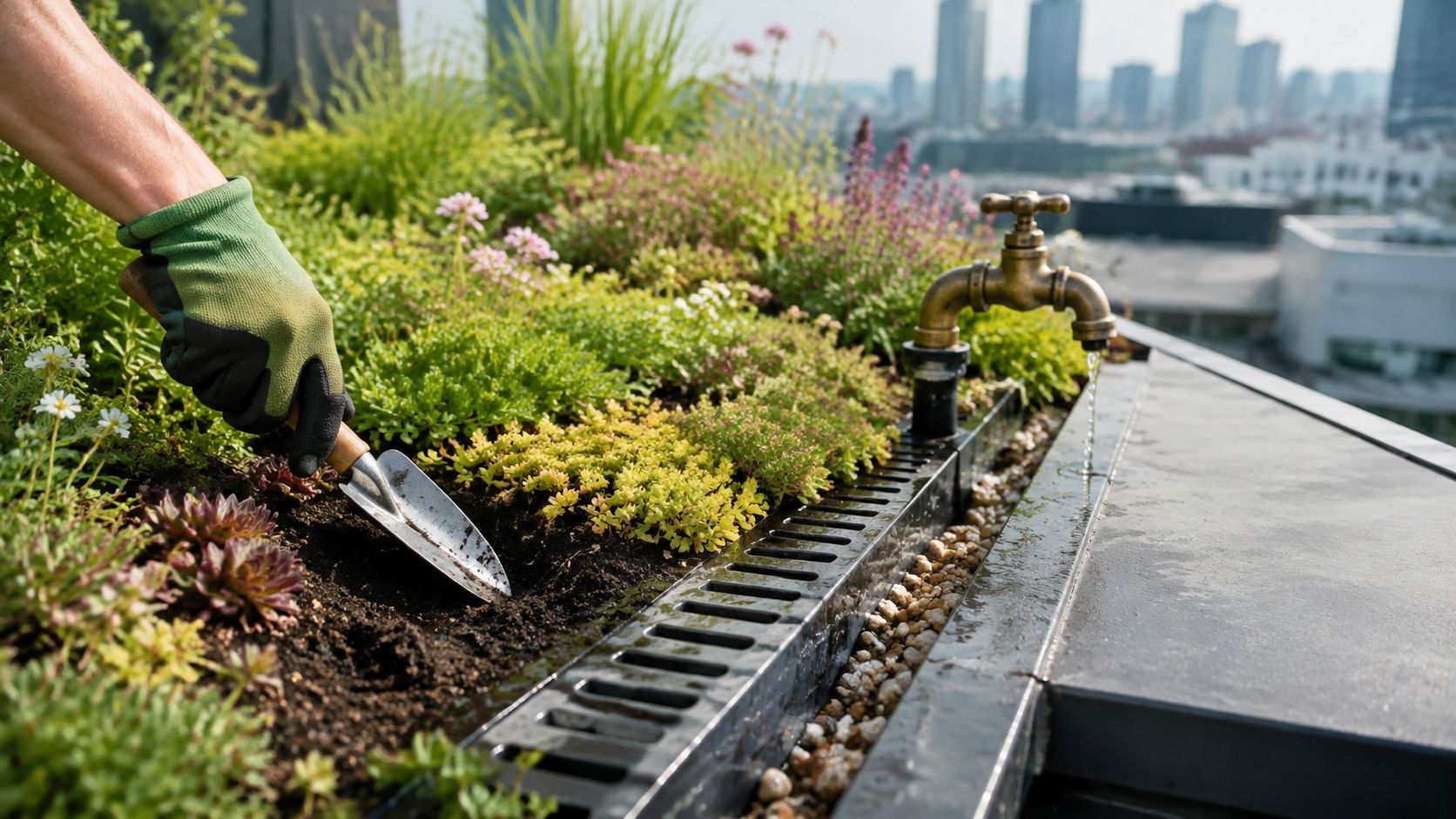
A living roof can outlast a conventional roof, but only if its early maintenance is handled with discipline. The counterintuitive part is that the hardest work usually comes after installation, not decades later. Authoritative guidance identifies the first 12 to 36 months as the establishment period, when weeds, insufficient moisture, poor plant coverage, and blocked drainage can set the direction for the entire system's service life. Minnesota's green roof maintenance guidance estimates living roofs can serve for 40 to 50 years, while a European technical paper notes 40 to 55 years, compared with roughly 10 to 15 years for conventional North American roofs.
In South Florida, the maintenance brief is tougher. Salt air, intense rainfall, hurricane winds, heat, and humidity attack the roof assembly from several directions at once. Plants may look healthy while debris is building around drainage outlets, fasteners are corroding, or the waterproofing layer is taking damage beneath the growing medium. Good living roof maintenance is therefore less about making the roof look manicured and more about protecting the drainage path, waterproofing, access zones, and plant community.
Table of Contents
- The True Cost and Scope of Living Roof Maintenance
- Establishment Period Best Practices
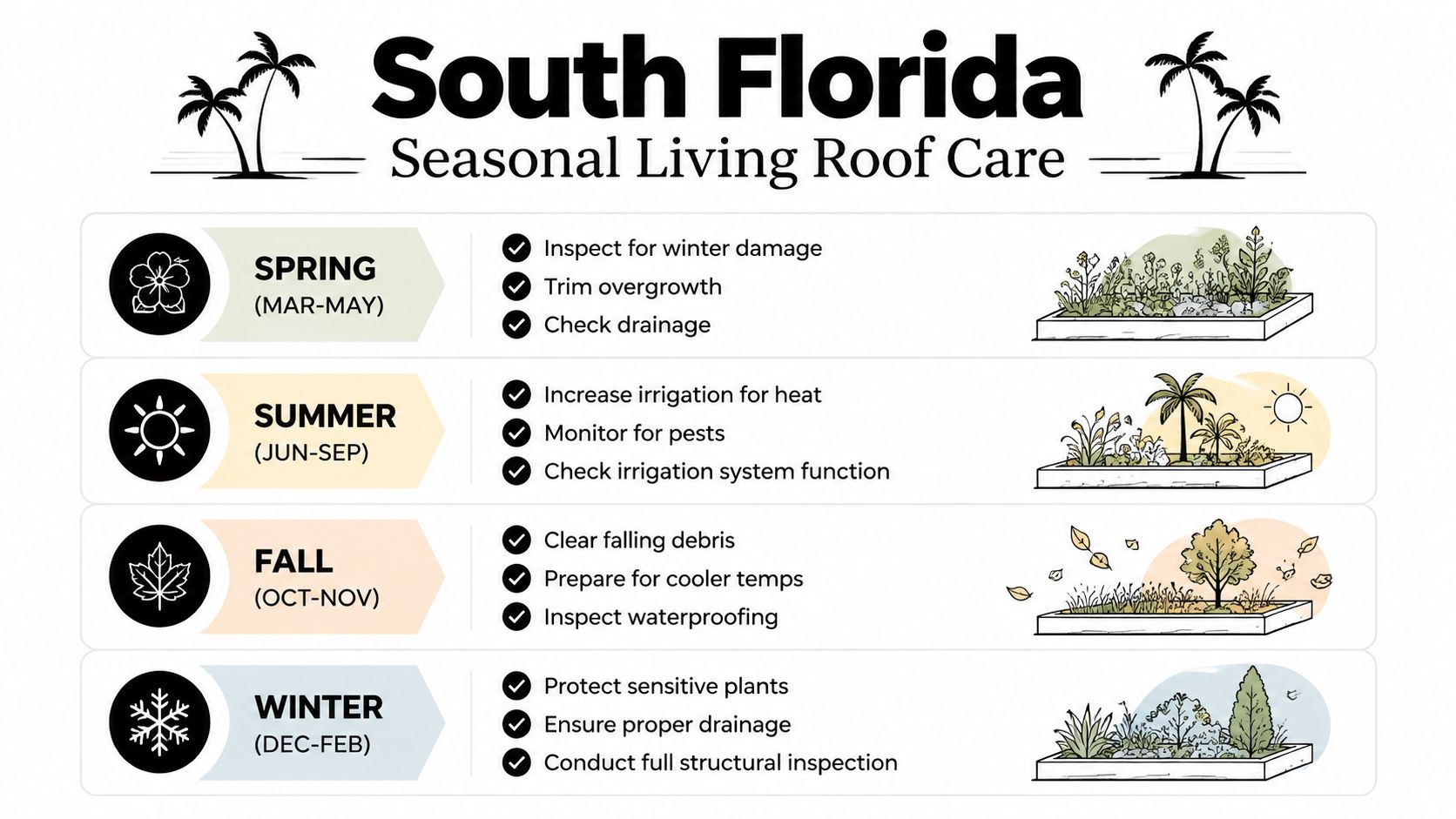
- South Florida Seasonal Care and Inspection
- DIY Maintenance vs. Professional Inspections
- Common Problems and Fixes
- When to Contact Paletz Roofing for Service
The True Cost and Scope of Living Roof Maintenance
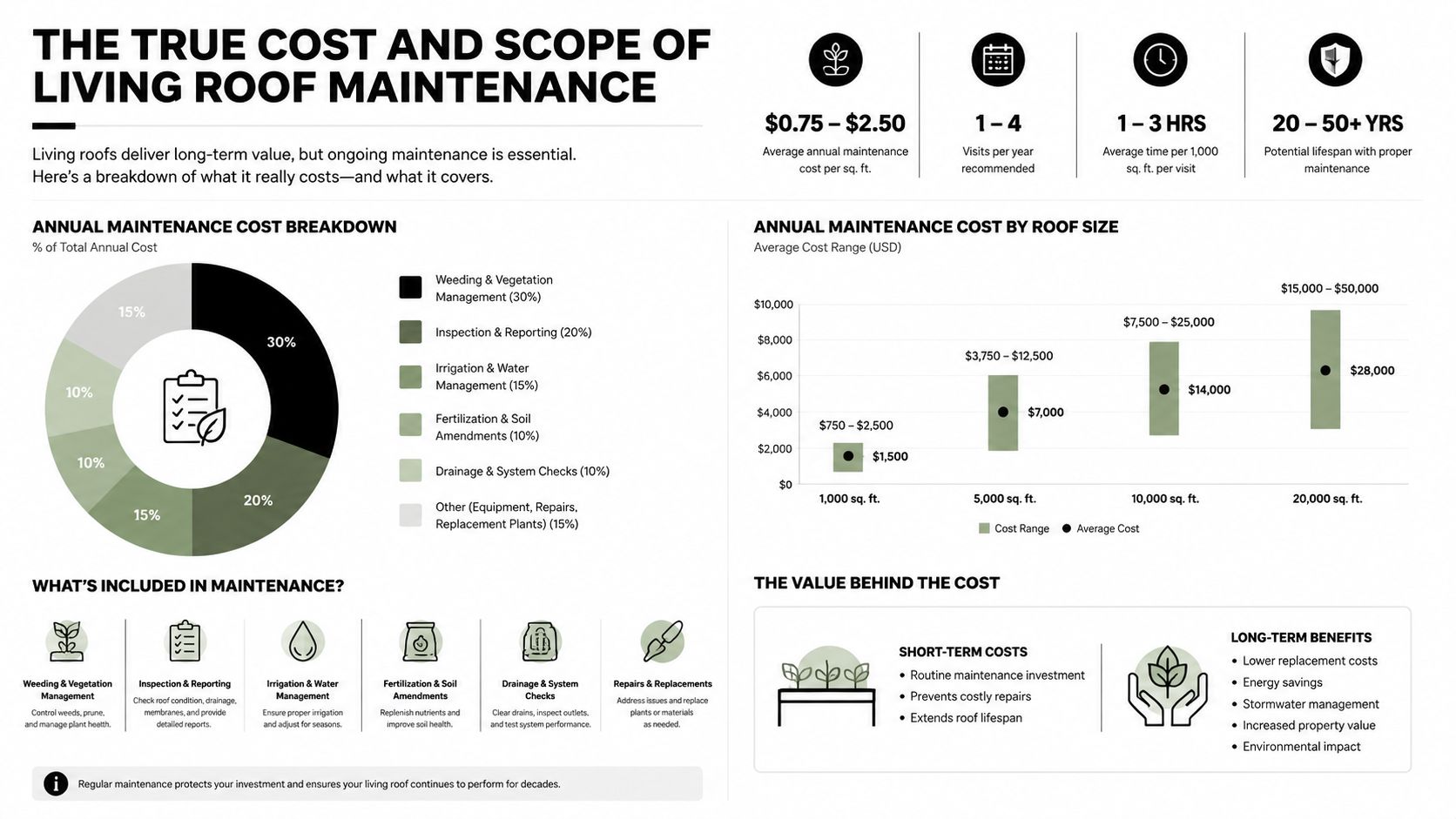
Living roof maintenance doesn't have one dependable annual price. Documented costs range from $0.13 to $3.45 per square foot per year, with higher expenses associated with weed pressure and frequent hand watering, according to a peer-reviewed study of green roof maintenance costs (published study). That spread isn't a minor budgeting detail. It shows that maintenance is a variable operating cost shaped by design, weather, labor, and how quickly small failures are corrected.
For extensive systems, neutral guidance commonly places routine maintenance around $0.75 to $1.50 per square foot per year (Chesapeake Bay Trust green roof guidelines). The same guidance translates that range to approximately $1,500 to $3,000 annually for a 2,000-square-foot roof, and about $7,500 to $15,000 annually for a 10,000-square-foot commercial roof. Minnesota guidance gives a lower post-establishment range of $0.10 to $1.00 per square foot per year after the first five years, showing why owners should separate startup costs from mature-system costs.
What changes the budget
Roof type matters first. Extensive roofs usually rely on hardy, lower-growing vegetation and need lighter intervention after establishment. Semi-intensive systems demand more seasonal attention, while intensive roofs behave more like raised gardens. EU technical guidance describes intensive systems as needing weekly or more frequent care, whereas extensive roofs may need only occasional irrigation and annual or biannual checks for weeds and drainage (European technical guidance).
Climate matters next. In humid, storm-prone locations, plants may grow aggressively, organic debris may accumulate quickly, and drainage components face repeated wetting. Salt-laden air adds another layer of risk around exposed metal components and inspection hardware. A roof that needs little irrigation can still require close inspection because water movement, not plant thirst, is often the more serious threat.
Labor intensity completes the calculation. The cited peer-reviewed study measured annual labor between 0.01 and 0.22 hours per square foot, linking the heavier workload to weeds and hand watering. Property owners comparing contractors should ask what the service includes, how drain access is handled, whether storm inspections are separate, and whether repairs to waterproofing or irrigation are billed outside the routine visit.
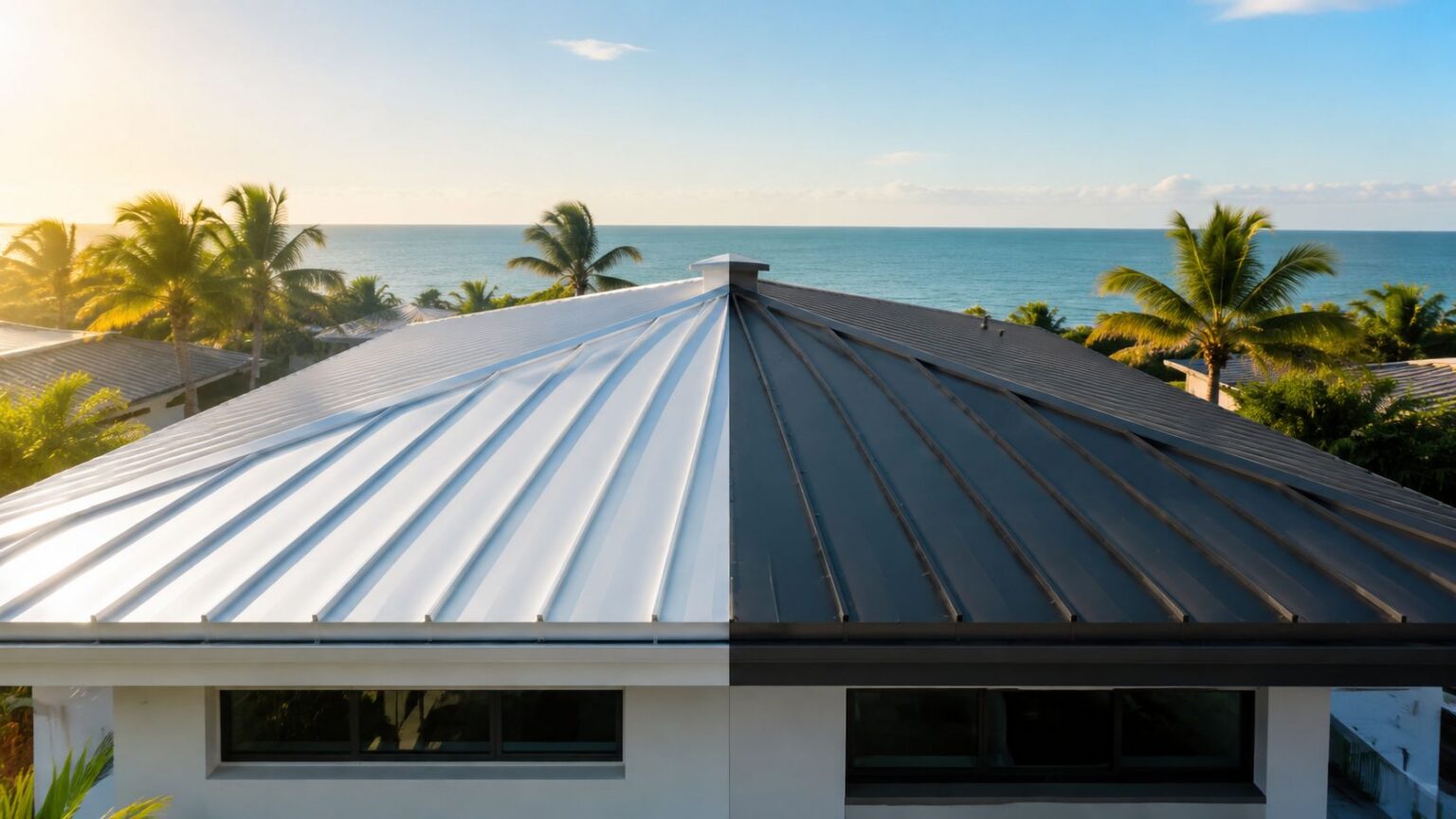
A roof layout diagram or material reference can also help owners understand where inspection zones sit, especially when comparing adjacent roof assemblies such as aluminum and steel roofing materials. For planting plans, a visual design tool such as AI garden design software can help organize plant groupings, but it can't replace structural review, drainage planning, or a maintenance specification.
Establishment Period Best Practices
The first 12 to 36 months determine whether a living roof becomes a stable system or a recurring repair project. During this period, plants are filling gaps, roots are developing through the growing medium, and weeds are competing for moisture and space. The maintenance crew should prioritize survival and coverage, not cosmetic perfection.
The first growing season
Start with a documented inspection route. Walk the roof only through designated access paths, and record plant coverage, bare patches, erosion, exposed membrane, displaced edging, and the condition of every visible drain and overflow. Minnesota guidance recommends inspecting plant growth and growing medium every two weeks during the first growing season, with weed control at intervals of two to four weeks (Minnesota maintenance guidance).
Use hand removal for weeds whenever possible. Pulling from damp growing medium is easier, but avoid disturbing established plants or lifting protective layers. Philadelphia guidance says herbicides must be avoided because they can contribute to root penetration of the waterproofing layer, and it recommends basing fertilization on soil testing, keeping soluble nitrogen between 1 and 4 ppm (Philadelphia Water Department guidance).
Water only when the system needs it. Supplemental irrigation is appropriate when rainfall stays below 0.5 inches over 10 to 15 days, according to Minnesota guidance. The GRO Green Roof Code states that irrigation is generally most important during establishment and can often be reduced or avoided on most extensive roofs once plant cover is achieved, provided the plants and water-storage capacity suit the site (GRO Green Roof Code).
A practical establishment calendar
- Early visits: Check plant condition, washout, bare areas, exposed edges, and drain visibility. Axter recommends a follow-up visit one month after installation to identify anomalies (Axter living roof maintenance guide).
- Growing-season rounds: Remove weeds before they seed, correct small areas of plant loss, and inspect irrigation emitters or hoses where installed.
- Later establishment review: Axter recommends another visit three to six months after installation to verify root growth and complete reinstatement work.
- Established transition: Philadelphia guidance describes three to four visits per year during establishment for basic weeding, fertilization, and infill planting. After establishment, that can fall to two annual inspection and light-weeding visits, although irrigated assemblies need more care.
Never postpone a drainage correction because the plants look good. A living roof can recover from a thin patch of vegetation. It can't reliably recover from water that stays trapped against the waterproofing system.
South Florida Seasonal Care and Inspection
South Florida roofs face a combination that generic northern maintenance schedules often miss. Broward, Miami-Dade, and Palm Beach properties must account for high humidity, salt spray, intense heat, tropical rainfall, and hurricane winds. The vegetation layer may soften temperature swings, but it doesn't make the drainage assembly, flashing, edge restraints, or waterproofing membrane immune to weather.
Spring and the start of the wet season
Begin with a full debris removal pass. Clear leaves, palm material, seed pods, and windblown litter from visible outlets, inspection chambers, perimeter gravel, overflow paths, and access routes. Don't rake aggressively across the growing medium, because a tool can displace media or damage shallow roots.
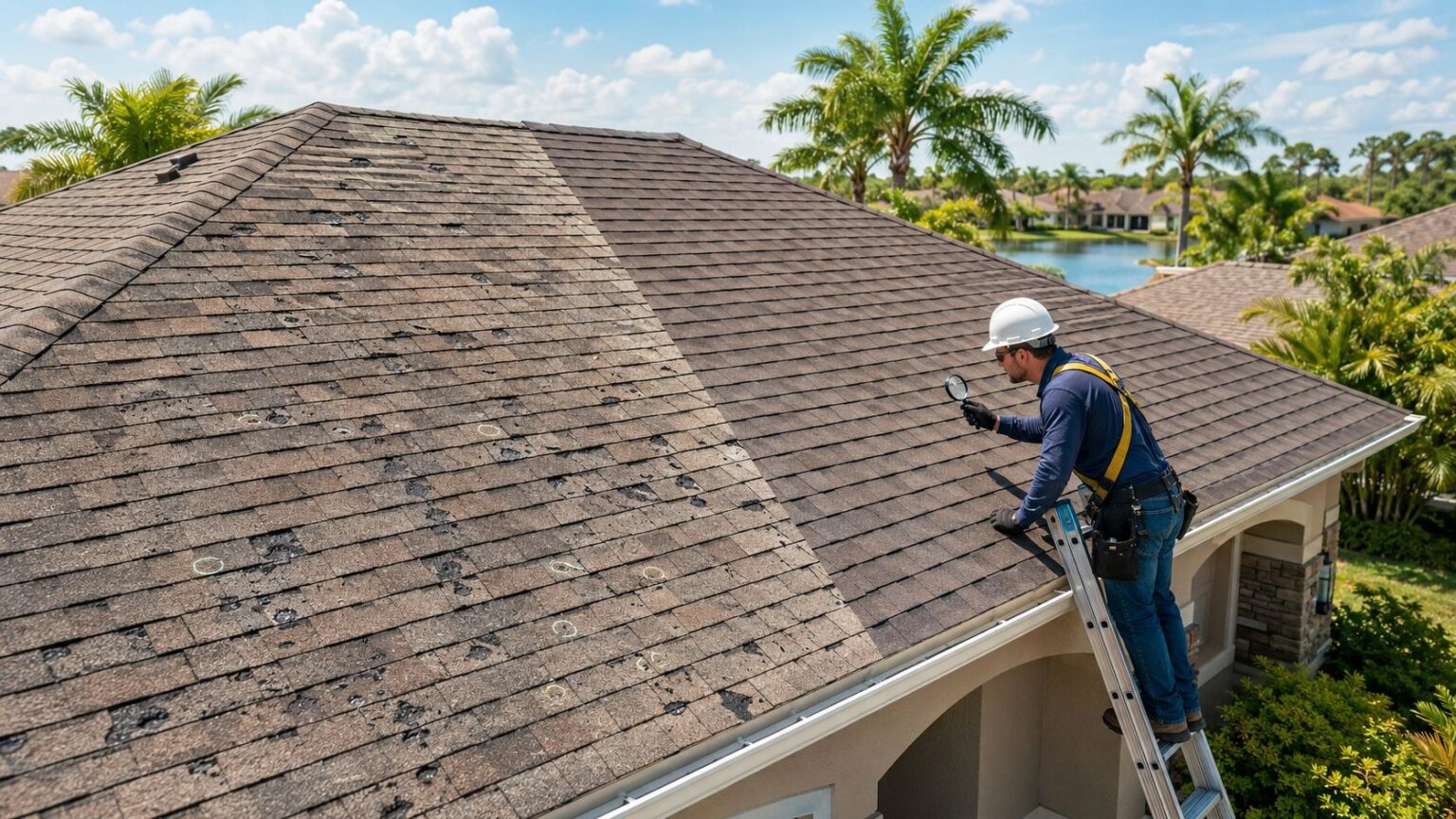
Inspect plant density and look for areas that stayed wet while neighboring areas dried normally. Check irrigation valves, filters, emitters, and control settings where irrigation is installed. A visual reference for storm-related roof damage can help staff recognize damage patterns before they climb onto the assembly, such as the indicators shown in this hail damage roof inspection reference.
Summer heat and salt exposure
Salt air deserves a deliberate inspection, not a passing glance. Examine exposed metal edging, fasteners, access covers, drain screens, and irrigation hardware for corrosion or deposits. Rinse compatible exposed components when the system design and manufacturer allow it, but don't flood the roof or direct water toward vulnerable seams.
During hot, dry spells, assess the growing medium before watering. The GRO code's central principle is useful here, irrigation should respond to plant demand and system capacity rather than run automatically without review. Overwatering can keep the assembly saturated, encourage unwanted growth, and increase pressure on drainage paths.
Storm preparation and recovery
Before a major storm, remove loose objects, secure service covers, check perimeter restraints, and make sure drains and overflows are open. Don't walk across saturated vegetation unnecessarily, and don't place equipment on the roof without confirming that the access route and load limits are appropriate.
After the storm, inspect the roof only when conditions are safe. Look for displaced edging, scoured growing medium, uprooted plants, blocked outlets, torn membranes at exposed areas, and standing water. Never cover a suspected leak with soil or vegetation before documenting and correcting the underlying defect.
Storm rule: Inspect drainage first, then inspect the plants. Water management failures can continue beneath vegetation long after the roof looks normal.
For property managers building a broader maintenance policy, a clear service standard and response process can make expectations easier to manage. Resources discussing how ensures happiness illustrate why defined follow-up and documented service matter, although living roof work still requires roofing-specific procedures.
DIY Maintenance vs. Professional Inspections
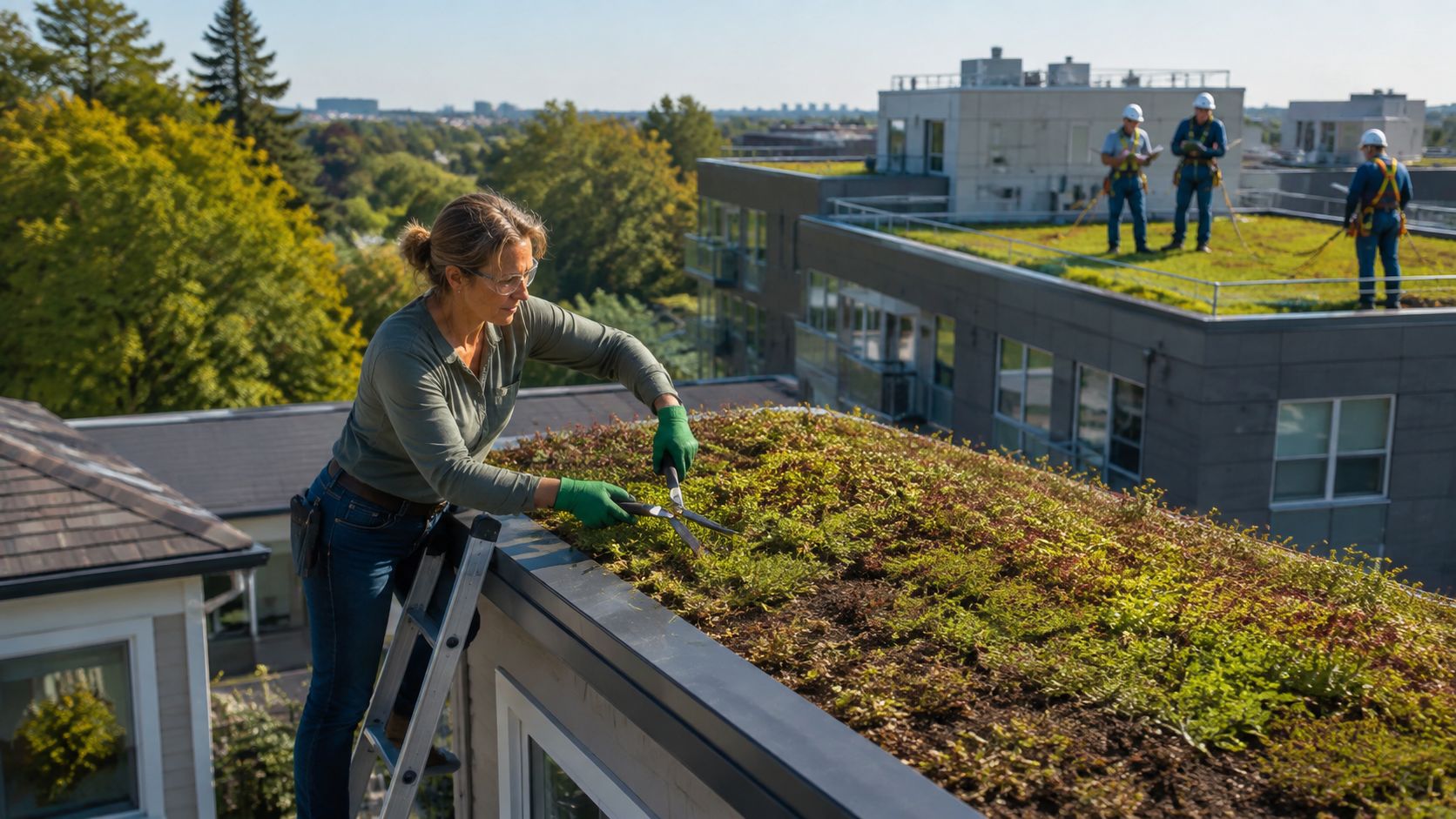
Homeowners can handle some living roof maintenance, but the safe boundary is narrower than they often think. Hand-pulling a weed from an accessible path is different from opening a drain chamber, testing substrate condition, evaluating ponding, or investigating a leak beneath a planted assembly.
Tasks a careful owner can manage
A homeowner or facility employee can usually perform ground-level observation and simple, low-impact work when the roof has safe access and the system documentation permits it.
| Suitable owner tasks | Professional-level tasks |
|---|---|
| Photographing bare patches and plant decline | Evaluating membrane integrity below the growing medium |
| Removing loose debris from approved access areas | Diagnosing concealed drainage or waterproofing failures |
| Hand-pulling isolated weeds | Testing substrate composition, moisture, and drainage performance |
| Checking visible irrigation components | Assessing structural capacity and saturated load concerns |
| Reporting standing water after rainfall | Completing storm damage inspections and repairs |
Keep a roof log with the inspection date, weather conditions, problem location, photographs, and action taken. That record helps distinguish a one-time storm event from recurring ponding or progressive plant loss.
Where DIY efforts go wrong
The first mistake is treating the growing medium like garden soil. Auburn University guidance specifies that green roof substrate should be a lightweight mineral compound, not topsoil, because topsoil is too heavy and stays too wet. The guidance gives a target water-holding capacity of 40% to 60% by weight, a dry bulk density of 35 to 50 pounds per cubic foot, and a drainage mat rate of at least 15 gallons per minute per foot (Auburn green roof guidance).
Adding ordinary soil, fertilizer, mulch, or an improvised drainage layer can change both water behavior and loading. The second mistake is walking wherever convenient. Foot traffic can compact the medium, crush plants, disturb edging, and place stress on a membrane that was never intended to be exposed.
The third mistake is working without fall protection. If the roof lacks safe edge protection or a defined access system, stop. A qualified roofing professional should handle the inspection, using the appropriate harnesses, equipment, and procedures. A landscaping contractor can be useful for vegetation work, and service models such as Dublin landscaping by Premier Gardens show how specialized grounds care can be organized, but roof safety and waterproofing expertise remain separate disciplines.
Common Problems and Fixes
More maintenance isn't automatically better. Overwatering, excessive weeding, chemical treatment, repeated replanting, and unnecessary disturbance can reduce the ecological value of a living roof. Recent research summarized in JRC materials found that plant diversity was positively influenced by roof age, replanting, and soil temperature, but negatively influenced by irrigation and chemical treatments. Invertebrate abundance declined with more replanting, weeding, and deeper substrates (JRC technical research).
That doesn't mean you should ignore weeds or let drains clog. It means each intervention needs a reason, a target, and a measured result.
Ponding water
Standing water after rainfall can indicate a blocked outlet, compacted growing medium, a displaced drainage component, or an underlying slope problem. First, photograph the location and note how long the water remains. Then inspect the nearest accessible outlet and overflow without digging through the assembly.
If debris blocks the visible path, remove it carefully. If water remains or the cause isn't obvious, stop before probing the membrane or shifting the growing medium. Drainage outlets and channels should be inspected at least twice a year, and the EU guidance identifies clogged drainage as the main failure mode across roof types.
Invasive weeds and bare patches
Hand-pull weeds while they're small, removing the root without tearing surrounding plants. Don't use herbicides, because Philadelphia guidance warns against them in living roof systems. A bare patch may result from drought, washout, shade, poor establishment, root damage, or unsuitable plant selection. Replant only after identifying the cause.
Blocked drains and storm debris
Leaves, windblown branches, and sediment can bridge over an outlet while appearing harmless from a distance. Clear the perimeter and drain opening with hand tools approved for the assembly. Never push debris deeper into the drainage layer.
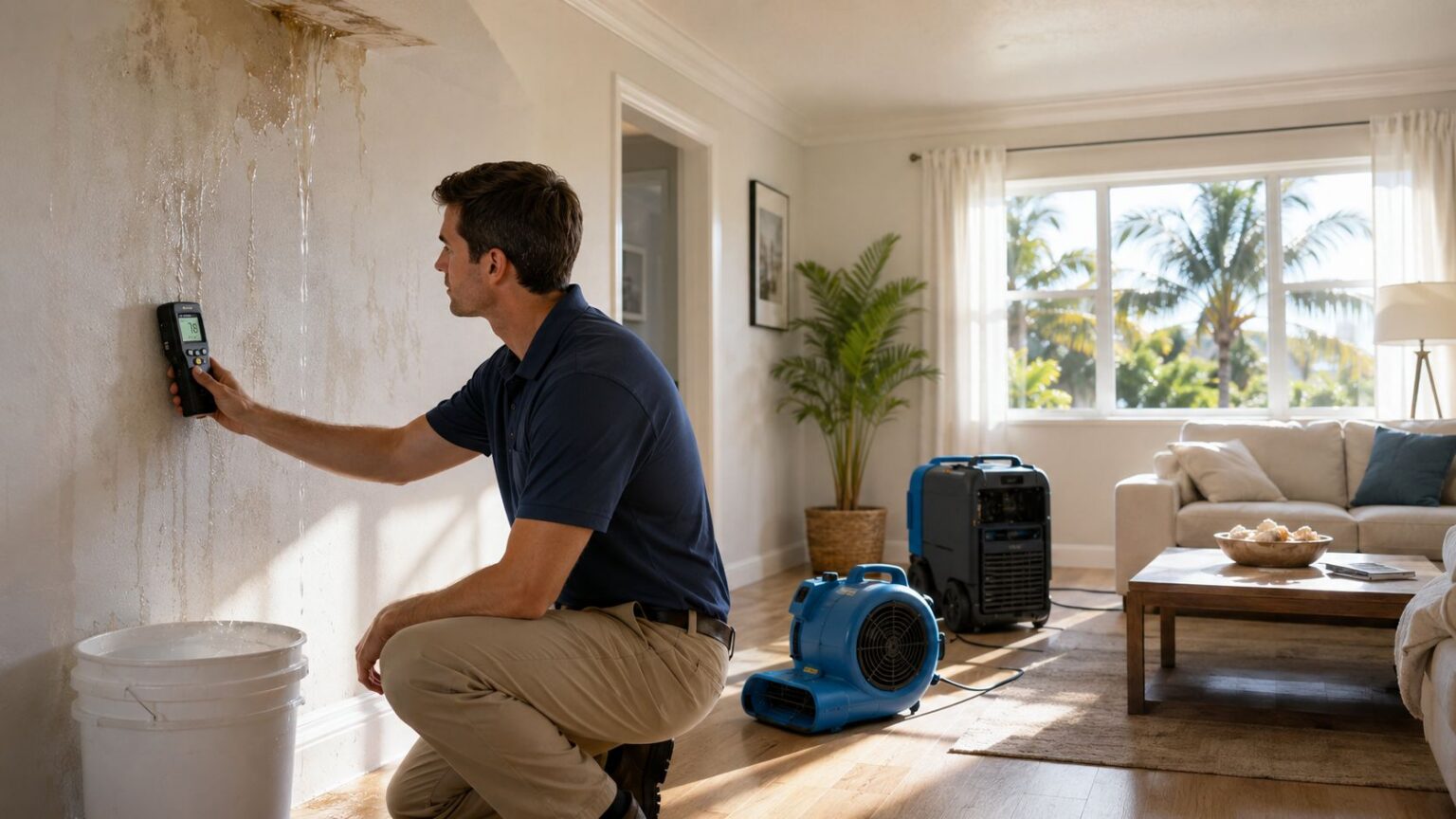
A useful visual aid for recognizing moisture-related building damage is this water damage mitigation reference. If interior staining, ceiling damage, persistent odor, or repeated ponding accompanies a roof problem, treat it as a building-envelope investigation, not a gardening task.
Irrigation problems
Plants that wilt may need water, but yellowing or persistently wet areas may point to poor drainage or excessive irrigation. Check emitters and distribution before increasing the schedule. The right fix may be less water, not more.
When to Contact Paletz Roofing for Service
The decision to call a roofing contractor should depend on risk, not on how difficult a weed is to pull. Routine vegetation work is one category. Any task involving the waterproofing layer, structural condition, concealed drainage, storm impact, or a suspected leak belongs in another.
A practical decision matrix
| Condition | Reasonable first response |
|---|---|
| Isolated weeds on a safe access route | Remove them by hand and record the location |
| Light debris near a visible outlet | Clear it without disturbing the assembly |
| Repeated ponding after outlet cleaning | Arrange a professional drainage inspection |
| Torn edging or displaced components after a storm | Keep people off the area and request an assessment |
| Interior staining or active leakage | Contact a roofing contractor promptly |
| Broad plant loss or severe washout | Coordinate roofing and vegetation specialists |
| Corrosion around exposed metal or access hardware | Request an inspection before replacement or coating |
| Suspected membrane damage | Don't dig or patch casually. Obtain a professional diagnosis |
The triggers that shouldn't wait
Call for service after a severe storm when you see displaced growing medium, exposed membrane, damaged edge restraints, blocked overflows, or new interior moisture. In coastal South Florida, salt-related corrosion also deserves attention when it affects fasteners, metal flashings, drain components, or access covers. A small corroded part can become a drainage or securement problem if it fails during the next weather event.
Professional intervention is also appropriate when the roof needs major replanting, substrate replacement, waterproofing work, structural review, or irrigation redesign. These jobs require coordination because one trade can damage another trade's work if the sequence is wrong. The vegetation crew shouldn't conceal a membrane defect, and a roofing crew shouldn't disturb established planting without a restoration plan.
The long-term standard
A well-maintained living roof doesn't receive constant attention. It receives the right attention at the right points, especially during establishment and after severe weather. Drainage inspections, documented storm checks, controlled irrigation, careful weed removal, and prompt waterproofing repairs protect both the roof and the ecological system above it.
Paletz Roofing and Inspections provides roof inspections, storm damage assessments, repairs, replacements, and preventive maintenance for residential and commercial properties across Broward, Miami-Dade, and Palm Beach counties. Visit Paletz Roofing and Inspections to schedule an inspection and protect your living roof's drainage, waterproofing, and long-term performance.