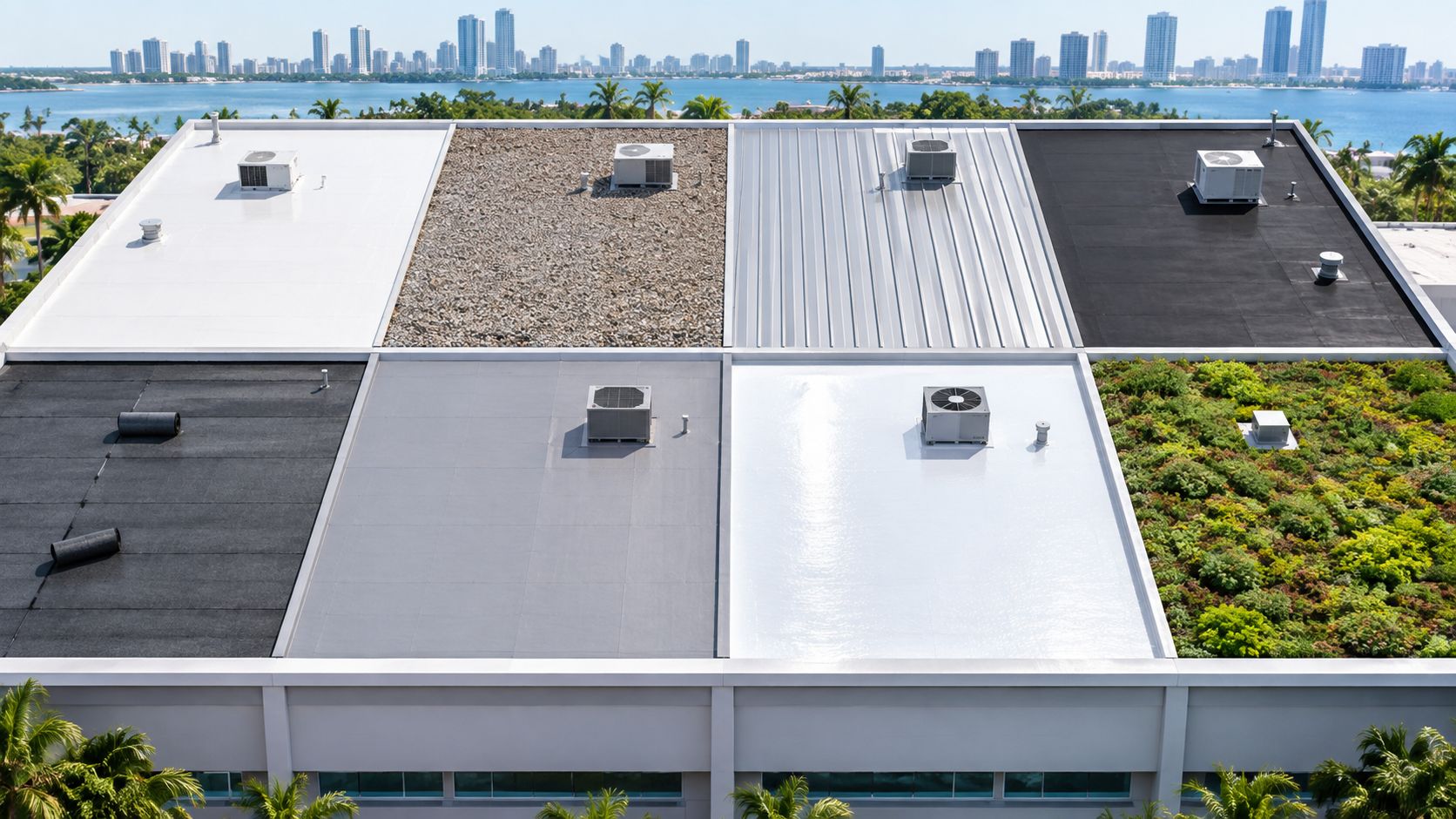
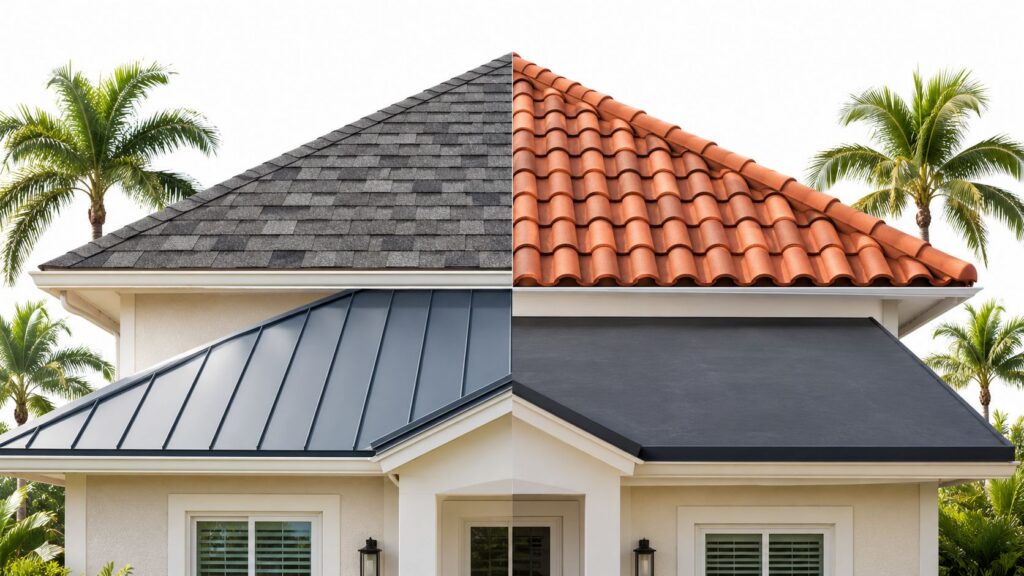
The main types of commercial roofing systems include TPO, EPDM, PVC, BUR, metal, SPF, modified bitumen, and green roofing. Single-ply membranes account for 32.5% of the global commercial roofing market in 2025, representing an estimated $7.4 billion market, but the best choice still depends on building use, roof slope, exposure, budget, and maintenance capacity.
That market shift is surprising when you consider that built-up roofing, or BUR, once dominated low-slope commercial construction. BUR held 45.7% of the low-slope roofing market in 2000, yet the cited industry survey found it represented only 6% of new low-slope construction and 9% of reroofing among NRCA members (IIBEC roofing trends). Newer membrane systems have changed the default specification, but that doesn't make one roof correct for every property.
A commercial roofing system is the complete roof assembly that protects a business or facility, including the membrane or covering, insulation, cover board, attachment method, flashing, drainage components, and penetrations. In South Florida, the right system must handle heat, ultraviolet exposure, heavy rain, hurricane wind, drainage limitations, rooftop traffic, and difficult installation conditions.
This guide compares eight systems through a Broward, Miami-Dade, and Palm Beach decision lens. Each section focuses on where the system works, where it creates problems, how installation affects performance, and what maintenance the owner should plan for.
Table of Contents
- 1. TPO Thermoplastic Polyolefin Roofing
- 2. EPDM Ethylene Propylene Diene Monomer Roofing
- 3. PVC Polyvinyl Chloride Roofing
- 4. Built-Up Roofing BUR Tar and Gravel
- 5. Metal Roofing Systems
- 6. Spray Polyurethane Foam SPF Roofing
- 7. Modified Bitumen Roofing
- 8. Green Vegetated Roofing Systems
- 8 Commercial Roofing Systems Comparison
- Match the System to the Building
1. TPO Thermoplastic Polyolefin Roofing
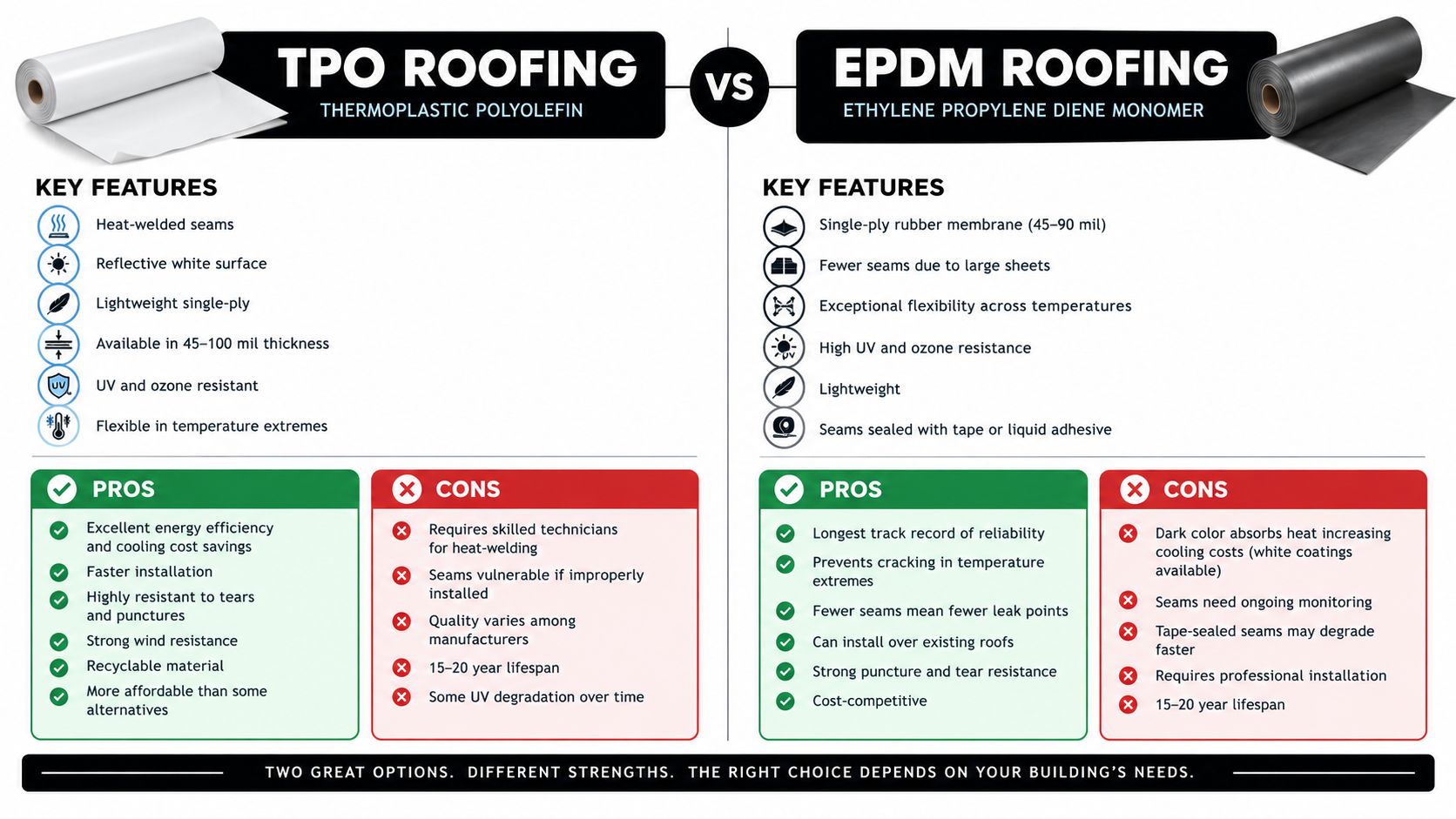
TPO is a heat-welded single-ply membrane made from thermoplastic compounds. Hot-air welding fuses the seams into a continuous waterproof surface, and its commonly available light-colored finish reflects solar radiation. These properties suit warehouses, shopping centers, office complexes, and other low-slope buildings where cooling demand, installation time, and reliable waterproofing all affect operating costs.
TPO has become a major commercial roofing system. In the NRCA industry survey cited in commercial roofing history and market data, TPO held 40% of the new-construction low-slope market and 30% of the reroofing market. A Western U.S. roofing market report placed TPO at 36.5% of the low-slope market in 2024. That figure provides market context, not a direct forecast for South Florida.
Where TPO earns its place
A white TPO roof can fit a Miami-Dade office property with sustained air-conditioning demand, since solar reflectance may help limit heat gain. It can also suit a Broward shopping center with regular rooftop service activity, provided the design includes walk pads and protection around HVAC equipment. A Palm Beach warehouse may benefit from TPO's light weight and efficient layout across a large, open roof.
South Florida performance depends heavily on installation quality. Poor seam welding, incomplete penetration detailing, weak perimeter and corner securement, or unprotected rooftop traffic can create leaks and wind vulnerabilities. Heavy rain also makes positive drainage, clear drains, and properly detailed flashing important. TPO can provide a long service life, but maintenance demands rise when ponding water, punctures, or repeated service traffic go unaddressed.
Practical rule: Treat seam quality, edge securement, drainage, and service paths as part of the TPO specification, not as final-stage details.
Schedule recurring inspections, clear drains, and repair punctures or seam defects before heavy rain exposes them. TPO can offer strong value, but a low installation bid becomes expensive when the contractor lacks heat-welding experience or underestimates hurricane-wind detailing.
2. EPDM Ethylene Propylene Diene Monomer Roofing
EPDM is a synthetic rubber membrane used on flat and low-slope commercial buildings. Its flexibility allows the assembly to accommodate movement, while broad sheets can reduce the number of field seams. That combination suits office parks, schools, medical facilities, and other properties where dependable waterproofing matters more than a highly reflective surface.
EPDM helped establish single-ply roofing as a major commercial category. Its weather resistance, repairability, and established installation methods continue to make it a practical option, even as reflective thermoplastic membranes have gained ground. The system often provides a long service life when the membrane, flashings, attachment method, and drainage design match the building.
South Florida strengths and limits
EPDM can work well on a Broward educational facility with limited rooftop traffic. A Miami-Dade medical building may also benefit from an installation process that limits disruption, provided the existing deck is sound and the membrane is properly secured. On a Palm Beach office park, flexibility around rooftop equipment is useful, but installers must detail penetrations, perimeter zones, and transitions carefully for hurricane wind.
Black EPDM absorbs more solar heat than a light-colored membrane. That can increase heat gain in South Florida, particularly where insulation or interior cooling capacity is limited. A compatible reflective coating may improve solar performance, but surface preparation, adhesion, and future recoating requirements affect the cost. Coating cannot correct ponding water, damaged flashing, or deteriorated seams.
Installation conditions also affect the budget. Adhesive, seam tape, or mechanically attached assemblies each require compatible substrates, clean surfaces, and careful weather management. Rooftop traffic can puncture the membrane, so walk pads and protection around HVAC service areas should be included where maintenance crews will work regularly. Hurricane exposure makes perimeter and corner securement, flashing, and edge detailing especially important.
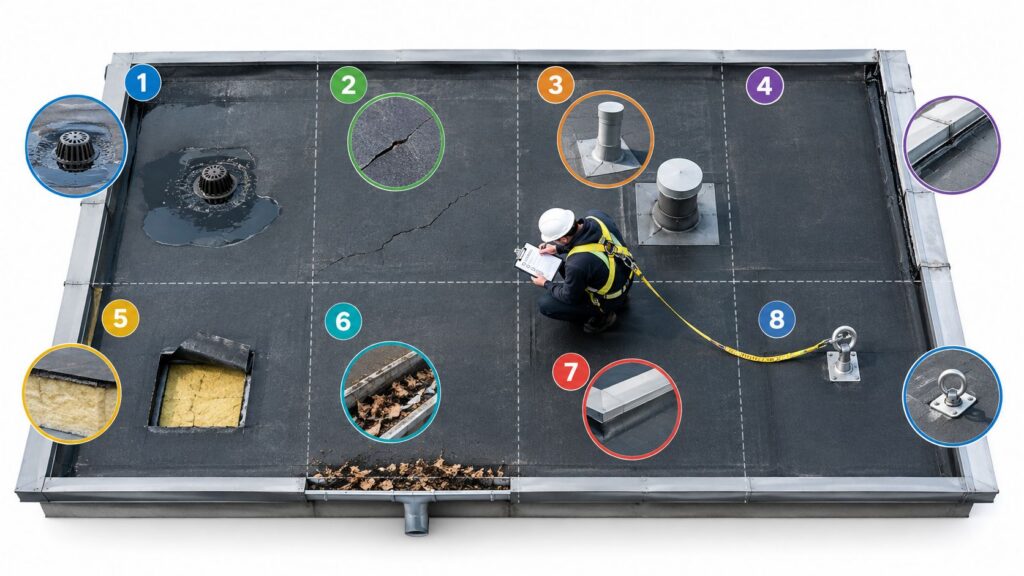
Inspect the roof after severe weather, clear drains, and address standing water before repeated rain exposes weak points. Repair small tears promptly and document seam work, coatings, and other repairs for future maintenance and warranty discussions. This flat-roof inspection checklist can support inspection planning.
EPDM is a poor fit where a highly reflective surface or frequent grease and chemical exposure drives the specification. It remains a sensible choice when flexibility, broad sheets, repairability, and proven weather performance outweigh those limitations.
3. PVC Polyvinyl Chloride Roofing
PVC is a thermoplastic single-ply membrane with heat-welded seams and strong resistance to moisture, chemicals, oils, and grease. That profile makes it especially useful for restaurants, food-service facilities, medical buildings, manufacturing plants, and commercial roofs crowded with exhaust systems or mechanical equipment.
The distinction between PVC and TPO often becomes clearer when the roof environment is difficult. TPO can offer an attractive balance of reflectivity and cost, while PVC is frequently selected when chemical exposure, grease, or demanding rooftop operations create a higher risk of membrane damage. PVC also provides a durable surface for service areas, although no membrane should be treated as indestructible.
A better fit for active roofs
Consider a Miami-Dade restaurant with kitchen exhaust equipment discharging near the roof. Grease and oils can create problems for systems that aren't designed for that exposure, so the specification should address chemical compatibility, flashing, exhaust locations, and cleaning procedures. A Broward medical facility may value PVC where maintenance crews regularly access rooftop equipment. A Palm Beach food-processing plant may choose PVC when puncture resistance and chemical resistance are central to the risk assessment.
The white finish commonly used in South Florida can support a cool-roof strategy. For low-slope roofs below 2:12 in Climate Zones 1, 2, and 3, energy-code guidance identifies a compliance path based on solar reflectance and thermal emittance or a three-year aged Solar Reflectance Index of 64 (cool-roof energy analysis). Code compliance still depends on the complete project and applicable requirements.
- Chemical exposure: Confirm compatibility with grease, oils, exhaust deposits, and cleaning products.
- Rooftop traffic: Install designated walk paths and require service crews to protect the membrane.
- Seam inspection: Have qualified personnel review heat-welded seams and penetrations as part of planned maintenance.
- Documentation: Keep records of repairs, cleaning, inspections, and equipment work.
PVC usually deserves consideration when the roof environment is harsher than a standard warehouse. Its higher material cost can be justified when it reduces exposure-related failures, but the decision should compare the full assembly and maintenance plan rather than membrane price alone.
4. Built-Up Roofing BUR Tar and Gravel
Built-up roofing uses multiple layers of bitumen and reinforcing fabrics, often protected by gravel or another surfacing layer. The system has a long commercial history and remains useful where owners want layered waterproofing, surface protection, and a roof assembly with substantial resistance to routine wear.
BUR's market decline doesn't erase its practical value. It means owners should choose it for the right building rather than assume it is the default. A low-slope institutional property with a sound deck, established drainage, and a maintenance team familiar with gravel-surfaced roofs may still benefit from BUR's repairable, multi-layer construction.
When the older system still works
An older Broward office building may continue performing well with BUR when inspections identify low spots, blisters, damaged flashings, and gravel displacement early. A Miami-Dade institutional building may value the system's dependable waterproofing approach where replacement disruption would be difficult. A Palm Beach retail building may use BUR when its structural capacity and existing assembly support the added material and installation requirements.
South Florida heat complicates bitumen work. Installation planning must account for worker safety, material handling, fumes, weather, and proper adhesion. Heavy rain during installation can compromise the assembly, while poor gravel distribution can leave areas exposed to ultraviolet damage and erosion.
A durable roof isn't maintenance-free. Gravel loss, blistering, cracks, blocked drains, and ponding water need prompt attention.
BUR also adds weight compared with some single-ply alternatives. A contractor should assess the deck, insulation, existing layers, drainage, and attachment conditions before recommending an overlay or replacement. Fire performance belongs to the complete assembly, not just the bitumen. Commercial roof fire ratings are tested using methods such as UL 790 or ASTM E108, and the deck, insulation, cover board, membrane, and slope can all affect whether the assembly achieves Class A, B, or C (commercial roof fire ratings).
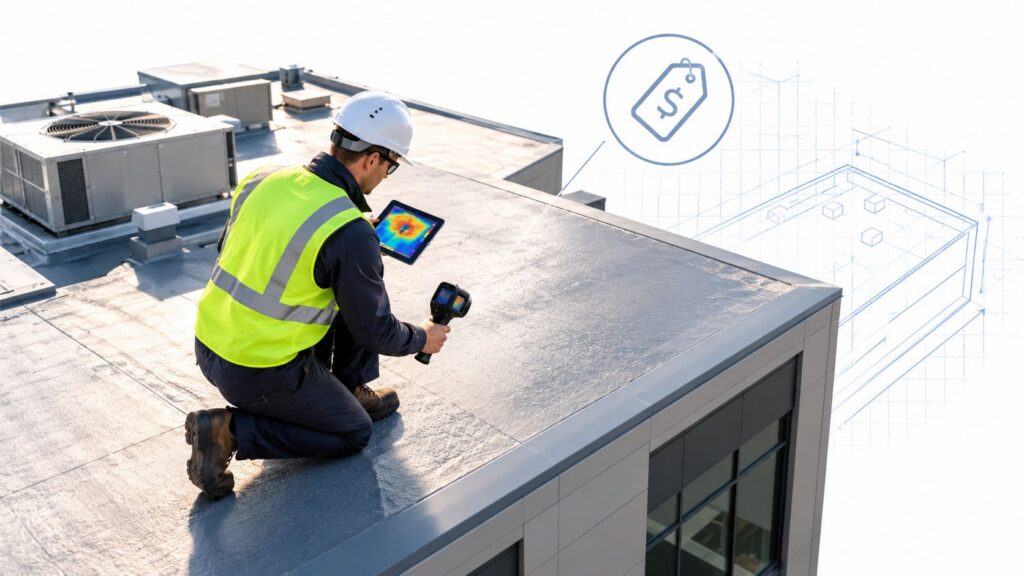
For planning purposes, a commercial roof inspection cost reference can help owners organize an inspection conversation, but the actual scope depends on roof access, assembly condition, and documentation.
5. Metal Roofing Systems
Metal roofing can be a strong choice for commercial buildings in South Florida, but its storm performance depends on engineering and installation rather than material alone. Common assemblies include standing-seam panels, corrugated panels, and other profiled systems. Raised, interlocking seams guide water toward drainage points and can provide a practical base for maintenance access and future solar work.
A Miami-Dade facility may use a properly engineered standing-seam roof where hurricane wind resistance is a priority. The design must account for panel gauge, clips, fasteners, edge details, substrate, and approved installation methods. Weak perimeter detailing or unsuitable attachment can undermine the assembly even when the panels themselves are durable.
Metal also handles intense sunlight well when the owner selects a coating and color suited to the climate. Reflective finishes can support energy goals, while the panel assembly may offer a long service life if corrosion, movement, and drainage are controlled. The trade-off is a higher upfront commitment than a basic membrane system, along with installation by a crew familiar with the chosen profile.
Roof geometry and daily use affect the decision. A Broward warehouse with broad, accessible roof areas may benefit from metal's durable surface and straightforward panel layout. A Palm Beach retail center adding solar must coordinate attachments with the roofing and structural teams so seams remain watertight and concentrated loads do not exceed design limits. Complex penetrations, valleys, and difficult transitions can make a low-slope metal roof slower and more expensive to detail.
Heavy rain requires properly sized gutters, valleys, penetrations, and transitions. South Florida humidity also makes condensation control, insulation, ventilation, sealants, fastener movement, and dissimilar-metal corrosion part of the design review. Storm-related dents may require localized repairs, and rain noise can affect offices, schools, and occupied retail spaces.
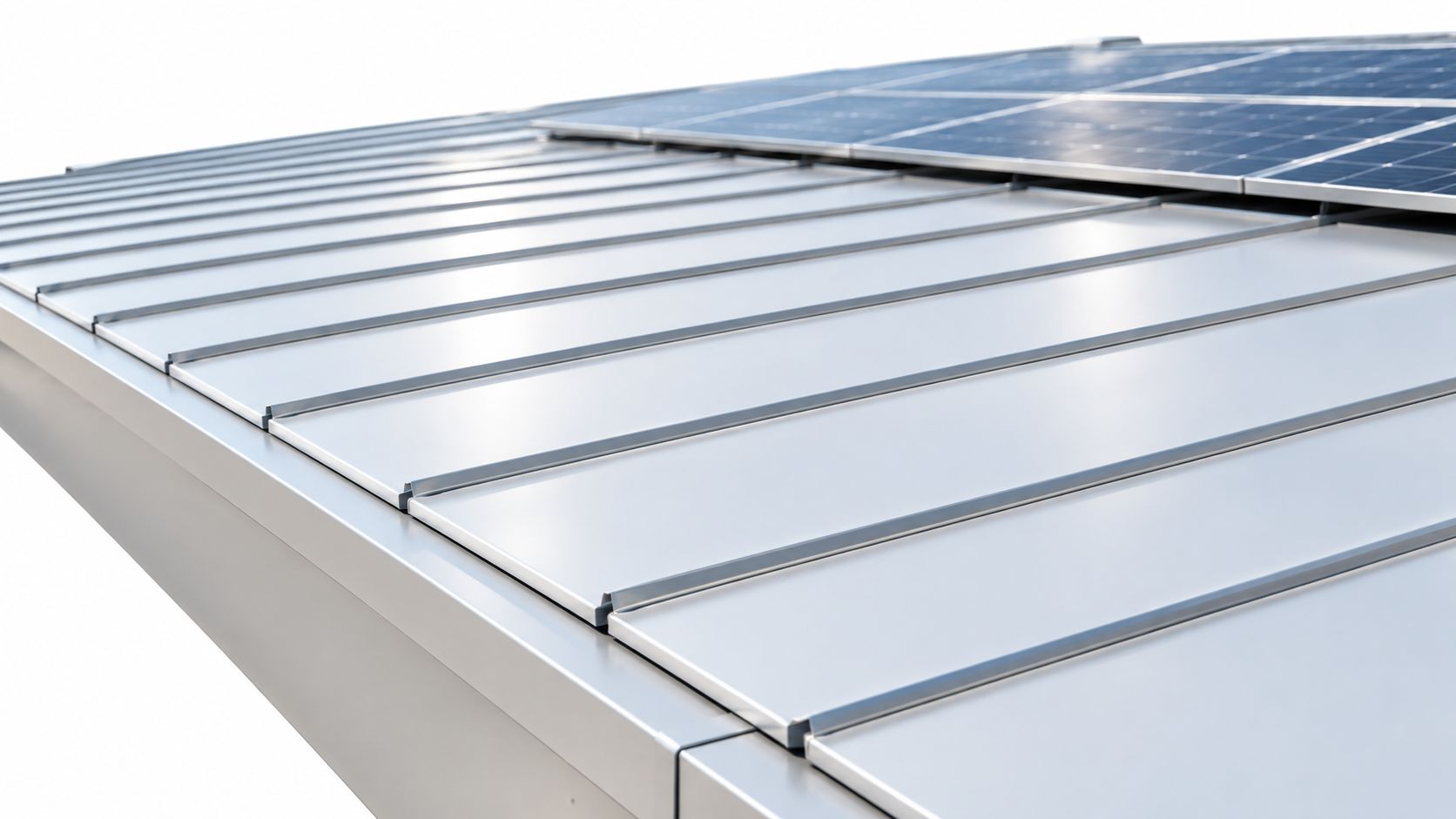
Before selecting metal, confirm the project's wind requirements, drainage layout, insulation or ventilation details, rooftop traffic expectations, and solar plans. Regular inspections should check fasteners, coatings, seams, flashings, sealants, and drainage points. For owners comparing replacement, retrofit, and other assemblies, this commercial roof replacement options guide can support an early evaluation.
6. Spray Polyurethane Foam SPF Roofing
SPF roofing begins as a liquid polyurethane spray applied directly to the prepared substrate. The material expands into a continuous foam layer, then receives a protective coating that helps shield it from ultraviolet exposure and weather. Because SPF combines insulation and waterproofing, it can be useful for retrofit projects, irregular roof shapes, and buildings with many penetrations.
The uniform application is SPF's main advantage in South Florida. Fewer field seams can reduce one category of leak risk, while the foam can follow contours that would make sheet membrane detailing more complicated. An office building in Miami-Dade with numerous curbs and penetrations may benefit from that adaptability. A historic Broward property may also use SPF when preserving the existing roof geometry is more practical than removing every layer.
Conditions determine the result
SPF is sensitive to application conditions. The substrate must be properly prepared, and the crew must control moisture, wind, temperature, spray thickness, and coating coverage. South Florida's humidity and sudden rain make scheduling important. Spraying during unstable weather can create adhesion, expansion, or coating problems that won't be solved by the system's theoretical insulation value.
A Palm Beach industrial building with complicated roof geometry may find SPF attractive because the material can conform around equipment and penetrations. The owner should still plan service paths and protection around high-traffic areas. Foam can be damaged by careless maintenance work, dropped tools, standing equipment, and unplanned drilling.
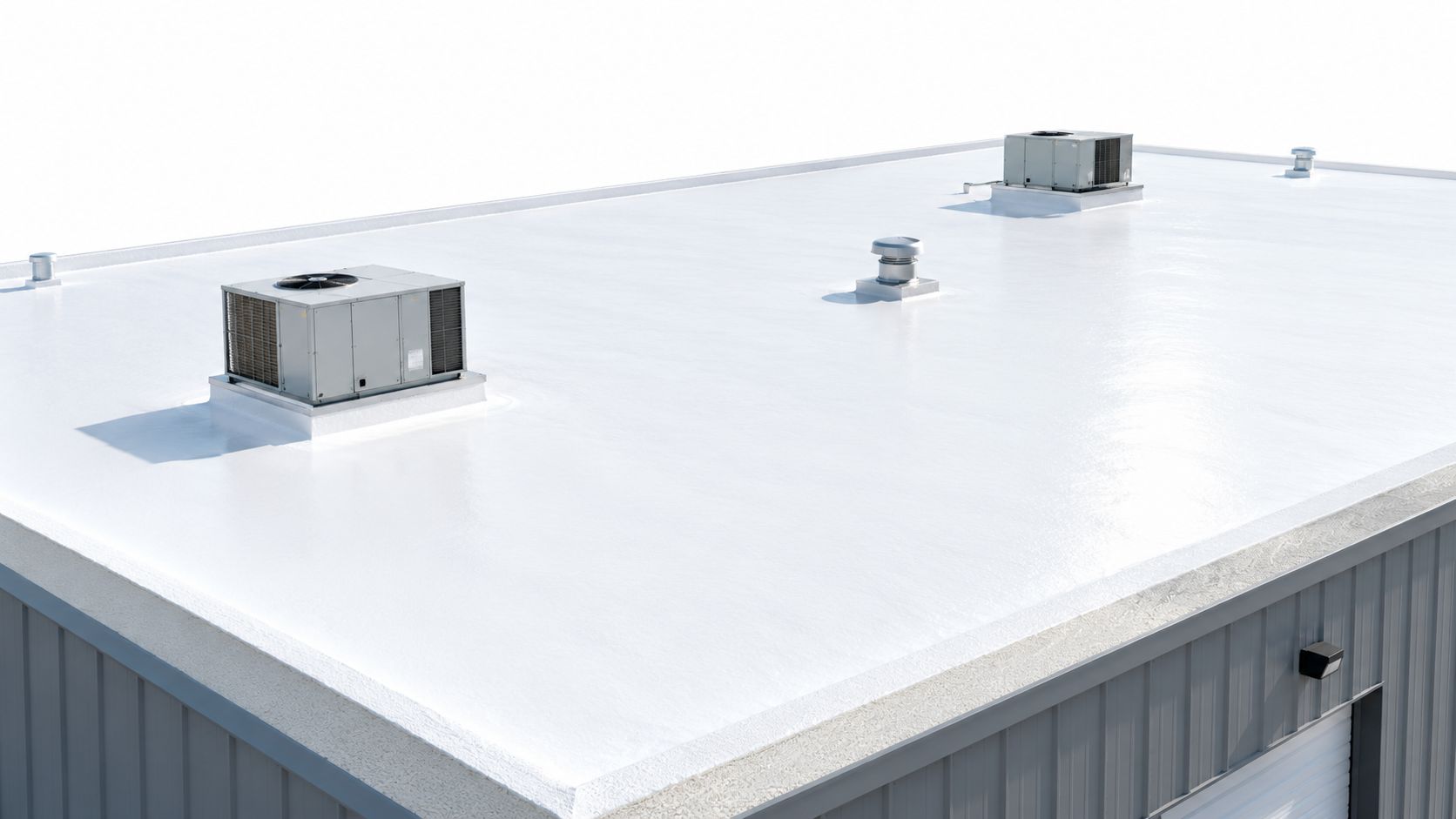
Inspect the coating for cracking, erosion, exposed foam, and damage around penetrations. Recoating is part of the lifecycle strategy, not an unexpected defect. Owners should also confirm how the contractor will repair the system if another trade cuts through the foam.
SPF works best when the owner commits to coating inspections and controlled rooftop access.
Choose SPF when the existing substrate, roof geometry, insulation goals, and installation conditions support it. Avoid treating it as a quick cover-up for an unstable deck or unresolved drainage problem.
7. Modified Bitumen Roofing
Modified bitumen gives commercial owners a layered asphalt membrane with more flexibility than traditional BUR. Polymer modifiers improve handling and movement tolerance, while torch-applied, cold-applied, and self-adhered options let contractors adjust installation to the building and jobsite. It fits between BUR and single-ply systems, with familiar detailing and good resistance to rooftop wear.
The best application depends on the property. A Broward commercial building may use it to renew an aging bituminous roof without reconstructing a full BUR assembly. A Miami-Dade multi-unit facility may select a self-adhered system when open-flame work conflicts with fire controls, occupancy, or nearby equipment. A Palm Beach retail property with irregular geometry and practical drainage paths may benefit from a layered membrane that can be detailed around curbs and penetrations.
Installation choice controls project exposure
Torch-applied membranes can create strong bonds, but they require trained crews, fire watches, suitable substrates, and coordination with occupants. Combustible materials, penetrations, mechanical units, and occupied spaces increase the planning burden. Cold-applied and self-adhered products reduce open-flame exposure, though they still depend on clean, dry surfaces, correct primer use where specified, and weather that supports adhesion.
South Florida conditions add pressure to the schedule. Heat affects material handling and worker safety, humidity can interfere with bonding, and sudden heavy rain can contaminate prepared surfaces. Poor detailing at drains, scuppers, curbs, and rooftop equipment can cause leaks or ponding even when the field membrane remains intact.
A practical inspection and maintenance plan should include Select the method deliberately: match the application to occupancy, fire restrictions, substrate condition, and access. Inspect the surface: check for granule loss, open laps, blisters, failed flashing, and equipment-related damage. Protect drainage: keep drains, scuppers, and overflow routes clear to limit standing water. Plan access: define walk paths and service procedures for HVAC contractors and other rooftop trades.
Modified bitumen can provide dependable waterproofing and a familiar repair path, but it still needs sound drainage and routine maintenance. It suits owners who value layered protection, controlled installation options, and a roof that can tolerate regular service traffic when access is managed.
8. Green Vegetated Roofing Systems
A green roof changes the building's operating requirements, not just its appearance. Vegetation and growing medium sit above a waterproofing membrane and drainage layer, creating opportunities for stormwater management, insulation, biodiversity, and occupant amenities. The trade-off is added structural loading, installation coordination, horticultural work, inspection difficulty, and maintenance cost compared with conventional systems.
A Miami-Dade corporate headquarters might justify that investment through an employee amenity and visible sustainability feature. A Broward educational institution could use the roof as a teaching environment, while a Palm Beach commercial development might combine vegetation with solar or rainwater strategies. Each application depends on the structure, drainage design, roof access, wind protection, and long-term maintenance budget working together.
Design the assembly around its operating demands
The waterproofing remains the primary defense against leaks, even though it sits beneath the growing medium. Before installation, an engineer should review structural capacity under saturated conditions, wind exposure, drainage paths, edge restraints, root protection, and repair access. South Florida's heat, UV exposure, humidity, intense rain, and hurricane winds make plant selection, erosion control, anchoring, and drainage performance particularly important.
A green roof also affects future repairs. Service paths and inspection chambers must let crews reach drains, edges, penetrations, and membrane areas without damaging the vegetation. Rooftop equipment work requires defined access routes, while heavy rain can expose blocked outlets or wash growing medium toward drainage points.
Structural review: Confirm that the building can support the complete assembly when wet, including retained water and saturated growing medium.
Plant selection: Choose species suited to South Florida heat and humidity, with irrigation demands that match the owner's maintenance capacity.
Drainage access: Keep inspection chambers, drains, overflow routes, and roof edges reachable after installation.
Maintenance contract: Assign responsibility for weeds, dead plants, irrigation components, erosion, storm cleanup, drainage, and waterproofing coordination.
Reporting: Record environmental and operational results for sustainability communications without claiming benefits the roof cannot document.
Green roofing suits owners who value ecological performance, occupant experience, or stormwater objectives and can fund ongoing care. It is a poor fit for weak structures, unresolved leaks, limited access, or teams unable to protect the membrane and drainage system during routine maintenance.
8 Commercial Roofing Systems Comparison
| System | 🔄 Implementation complexity | ⚡ Resources & cost | 📊 Expected outcomes & lifespan | Ideal use cases | ⭐ Advantages / 💡 Tips |
|---|---|---|---|---|---|
| TPO (Thermoplastic Polyolefin) Roofing | Moderate, heat-welded seams; requires certified installers | Low–Medium material cost; fast install; recyclable membrane | Good energy savings (reflective); 15–20 years; moderate UV aging | Low‑slope commercial buildings in hot climates, warehouses, shopping centers | ⭐ Energy-efficient cooling savings. 💡 Use 100 mil for high traffic; annual seam inspections. |
| EPDM (Ethylene Propylene Diene Monomer) Roofing | Low–Moderate, large sheets, taped/adhesive seams; professional install advised | Low material cost; fewer seams reduce labor; black color may raise cooling costs | Durable: 15–20+ years (some >25); requires seam monitoring | Retrofits, large flat roofs, institutional buildings, budget‑sensitive projects | ⭐ Proven long-term reliability. 💡 Apply white coating to reduce heat; biennial seam checks. |
| PVC (Polyvinyl Chloride) Roofing | Moderate, heat-welded seams; specialized crews recommended | Higher material cost than TPO/EPDM; longer lifespan offsets cost | Excellent chemical/grease resistance; 20–30 years with proper maintenance | Restaurants, medical, industrial sites, high-traffic roofs with chemical exposure | ⭐ Best single-ply for chemical & puncture resistance. 💡 Choose white finish; inspect seams every 2–3 years. |
| Built‑Up Roofing (BUR / Tar & Gravel) | High, multi-layer, labor-intensive, hot bitumen application | Lower material cost but high labor; heavy system requiring structural support | Seamless waterproofing; typical 15–20 years (some installations last much longer) | Low‑slope institutional/older commercial buildings where proven waterproofing is needed | ⭐ Time-tested, monolithic waterproof layer. 💡 Install in cooler months; plan for gravel maintenance and structural load. |
| Metal Roofing Systems | High, specialized fastening and sealing; thermal expansion considerations | High initial material & install cost; lightweight panels reduce structural load | Exceptional durability; 40–70 years; very low maintenance | Long‑term commercial buildings, hurricane‑prone regions, sites planning solar integration | ⭐ Longest lifespan and recyclability. 💡 Pair with solar; use light colors/coatings for heat reduction. |
| Spray Polyurethane Foam (SPF) Roofing | High, requires specialized equipment and trained applicators; weather-sensitive | Medium–High initial cost; protective coatings and re‑coats required | Seamless insulation + waterproofing; 20–30 years with periodic re‑coating; excellent R‑value | Retrofits, complex roof geometries, energy‑efficiency projects | ⭐ Superior insulation and seamless adhesion. 💡 Recoat every 5–10 years; apply in dry, moderate conditions. |
| Modified Bitumen Roofing | Moderate, multiple application methods (torch, self‑adhere, cold); installer skill varies | Affordable materials; faster install than BUR; some methods increase safety needs | Reliable waterproofing; 15–20 years; flexible and impact resistant | Cost‑sensitive commercial roofs, low slopes, retrofit situations | ⭐ Flexible, cost‑effective BUR alternative. 💡 Prefer self‑adhering to reduce fire risk; inspect for granule loss. |
| Green / Vegetated Roofing Systems | Very High, complex design, waterproofing, and structural coordination | Very high initial and ongoing costs; structural reinforcement often required | Strong environmental benefits; 40–50 years with maintenance; reduces runoff and cooling loads | Sustainable/LEED projects, corporate HQs, buildings seeking amenities and stormwater control | ⭐ Best for stormwater, insulation, and sustainability. 💡 Perform structural analysis and select native/drought‑tolerant plants. |
Match the System to the Building
No single commercial roofing system wins every South Florida project. TPO often fits large low-slope buildings that need a reflective surface, heat-welded seams, and a cost-conscious installation. EPDM can suit owners who value flexible rubber membrane performance and a familiar repair approach. PVC deserves closer attention where grease, oils, chemicals, or demanding rooftop traffic raise the consequences of membrane exposure.
BUR and modified bitumen remain relevant when the building already uses a bituminous assembly, when layered waterproofing suits the owner, or when the project team can manage the installation demands. Metal can be a strong choice for durability, storm-conscious detailing, architectural appearance, and solar coordination. SPF is valuable for complex retrofit geometry when the substrate and weather conditions support careful spraying. Green roofing is a specialized choice for properties prepared to manage structural, drainage, horticultural, and waterproofing requirements together.
The decision should start with the roof, not the product brochure. Evaluate:
- Roof slope and drainage: Identify low spots, undersized drains, blocked scuppers, overflow routes, and persistent ponding.
- Structural capacity: Confirm whether the deck can support a new assembly, rooftop equipment, solar panels, or saturated green-roof components.
- Rooftop equipment: Map HVAC units, exhaust systems, curbs, pipes, service routes, and future replacement paths.
- Exposure: Account for heat, ultraviolet light, heavy rain, wind uplift, debris, salt air, and hurricane conditions.
- Use of the building: Warehouses, restaurants, medical facilities, offices, schools, and retail properties place different demands on access and disruption.
- Chemical and grease exposure: Select a membrane that matches exhaust, oils, cleaning products, and industrial conditions.
- Foot traffic: Add walk pads, service routes, protection boards, and access controls where other trades work regularly.
- Installation constraints: Consider occupied spaces, open-flame restrictions, weather windows, odor, noise, staging, and business continuity.
- Lifecycle expectations: Compare repairability, coating or recoating needs, inspection requirements, replacement planning, and warranty conditions.
- Maintenance capacity: Choose a system the owner can realistically inspect, document, clean, and repair.
Fire performance must be evaluated at the assembly level. The complete roof package determines the final classification, and international systems similarly assess full roofing assemblies through external fire exposure tests such as EN 13501-5, with outcomes reported from BROOF(t1) through BROOF(t4) (roof fire classification documentation). Ask for the tested assembly, not just the membrane's product description.
Maintenance is also part of the ownership decision. NRCA-referenced guidance calls for at least two formal inspections per year, commonly in spring and autumn, plus an inspection within 48 hours after major weather events such as hail or high winds (commercial flat-roof maintenance guidance). Missing maintenance records can create warranty problems, so the facility team should establish inspection logs before the roof is installed.
A professional inspection should document the existing assembly, deck condition, insulation, drainage, penetrations, edge details, rooftop traffic, and storm damage. Paletz Roofing and Inspections is a relevant South Florida option for commercial inspections, repairs, replacements, and installation guidance across Broward, Miami-Dade, and Palm Beach counties. Before selecting a system, ask what is failing now, whether the deck can support the proposed assembly, how the roof will drain during intense rain, which wind details apply, how other trades will access equipment, what maintenance the warranty requires, and how the contractor will document the completed work.
Paletz Roofing and Inspections provides commercial roof inspections, repairs, replacements, and installation guidance for properties across Broward, Miami-Dade, and Palm Beach counties. Visit Paletz Roofing and Inspections to arrange a project evaluation and discuss which commercial roofing system fits your building, exposure, drainage, and maintenance plan.