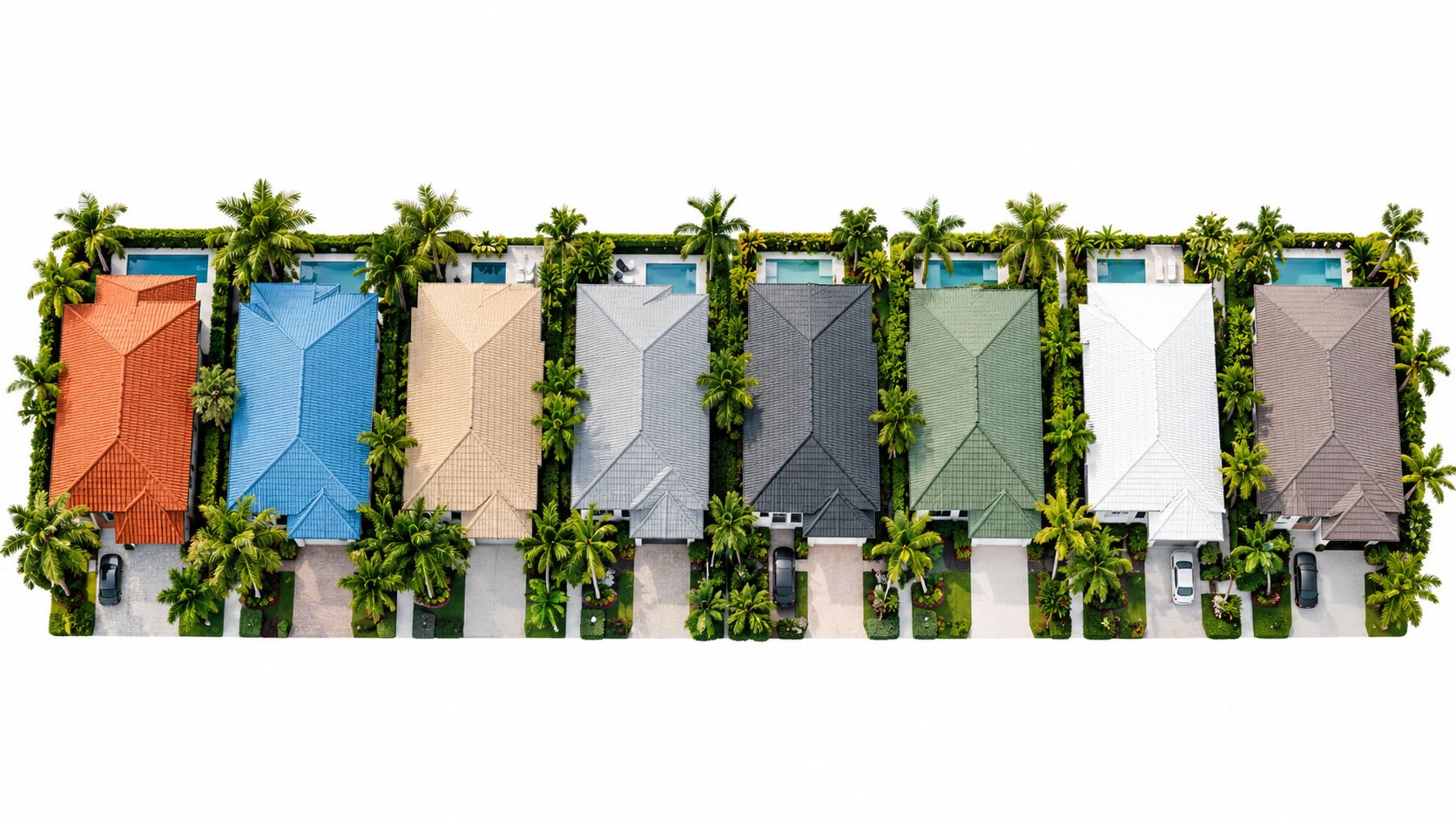
A roof's color can change more than the look of a home. It affects curb appeal, perceived property value, heat absorption, maintenance visibility, and whether the finish suits the architecture and roofing material. In South Florida, that choice also deserves a performance check. The U.S. Department of Energy's cool-roof guidance explains that dark roof materials typically reflect only 5% to 20% of incoming sunlight, while light-colored materials usually reflect 55% to 90%. A white roof can reflect up to 90%, making it the coolest common option for limiting heat gain.
That doesn't mean every homeowner should choose a white roof. Near-infrared-reflective pigments, coatings, tile profiles, and metal systems can change how a roof performs beyond what its visible color suggests. Compare samples in natural daylight, consider attic ventilation and reflective technology, verify HOA or neighborhood rules, and match the finish to the material before choosing from these eight roof color options. For additional color inspiration, review these roof paint options from Painters North.
Table of Contents
- 1. Classic Gray Roof Colors
- 2. Black and Dark Charcoal Roofs
- 3. Terracotta and Clay Red Roofs
- 4. Natural and Architectural Brown Roofs
- 5. Copper and Metal-Effect Roofs
- 6. White and Cool Roof Technology
- 7. Green and Weathered Copper Roofs
- 8. Slate Gray and Natural Stone-Look Roofs
- 8-Way Roof Color Comparison
- Match the Palette to the Roof, Climate, and Community
1. Classic Gray Roof Colors
Gray is a dependable choice for South Florida homes because it can look traditional, contemporary, or understatedly upscale depending on its tone and texture. Light gray keeps the roof visually airy and can suit a sun-exposed single-story home. Medium gray gives more visual weight without the stark contrast of black, while charcoal gray creates a sharper outline around white stucco, pale siding, or modern trim.
The material matters as much as the shade. Gray architectural shingles create layered variation, gray concrete or clay tiles bring a more substantial profile, and gray metal can give a clean standing-seam appearance. A flat-top contemporary home in Miami-Dade may benefit from a restrained charcoal finish, while a colonial-style property in Broward County may look more balanced with medium gray shingles or tile.
The four South Florida filters
- Curb appeal: Gray coordinates easily with white, cream, beige, blue, and many earth-tone exteriors. It's a safer choice when the home already has prominent stonework, shutters, or decorative trim.
- Heat performance: Light gray generally has an easier path to strong solar reflectance than charcoal. Don't judge performance by color name alone. Ask for the product's solar-reflectance information or ASTM E1980-based Solar Reflectance Index, commonly called SRI.
- Material compatibility: Gray is available across shingle, tile, coated-metal, and other roofing systems, but the texture can change the apparent color. Always inspect a full-size sample rather than a small showroom chip.
- Approval or maintenance risk: Neutral gray is often easier to coordinate with neighborhood expectations. Medium tones can also make ordinary dust and weathering less obvious than very pale finishes, but every roof still needs inspection and appropriate cleaning.
Practical rule: Compare gray samples against the actual stucco, siding, trim, and landscaping. Store lighting can make a cool gray appear much lighter or bluer than it will look on the roof.
2. Black and Dark Charcoal Roofs
Black and dark charcoal roofs create immediate contrast. They suit contemporary Miami-Dade homes with simple geometry, white walls, oversized windows, and restrained landscaping. They can also give a Palm Beach property a formal slate-like appearance when paired with traditional proportions and carefully selected trim.
The trade-off is solar exposure. The Lawrence Berkeley National Laboratory reports that, on a typical summer afternoon, a cool-colored roof reflecting 35% of sunlight stayed about 12°C, or 22°F, cooler than a traditional roof with the same appearance that reflected only 10% of sunlight. That comparison shows why visible color alone isn't enough. A dark-looking roof engineered with reflective pigments or coatings can perform differently from a conventional dark roof. Review the Lawrence Berkeley National Laboratory explanation of cool roofs when comparing products.
Where dark roofs work best
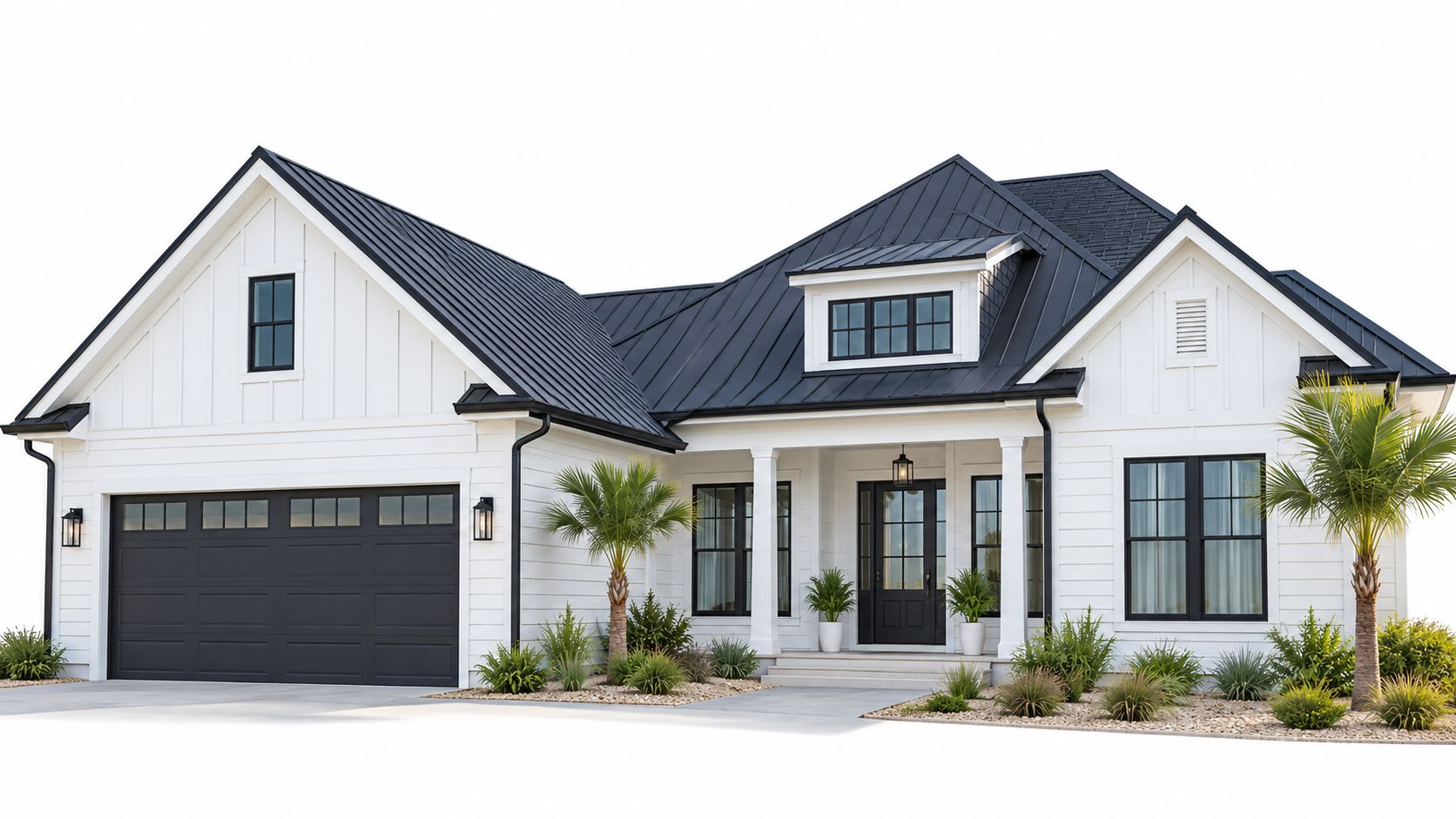
A black roof often works when the rest of the exterior is light and relatively simple. White horizontal siding, pale stucco, or a clean concrete facade can make the roof look intentional rather than heavy. The modern farmhouse shown below demonstrates how a dark metal roof can anchor a light exterior.
- Curb appeal: Strong contrast suits modern and transitional architecture, but a very dark roof can overwhelm a small, low-profile home.
- Heat performance: Specify a cool-roof-rated product, reflective coating, or near-infrared-reflective pigment where available. Pair the roof with effective attic insulation and ventilation.
- Material compatibility: Black metal, architectural shingles, synthetic slate, and tile can produce very different visual results. Check fasteners, flashing, coatings, and expansion details with the installer.
- Approval or maintenance risk: Dark surfaces can make fading, streaking, dust, and uneven weathering easier to notice. Confirm HOA rules before ordering, and make sure gutters and drainage details are designed for the selected system.
A dark roof can be the right aesthetic decision in South Florida, but it shouldn't be specified as a basic color choice. It should be specified as a dark-looking roof with a documented performance profile.
3. Terracotta and Clay Red Roofs
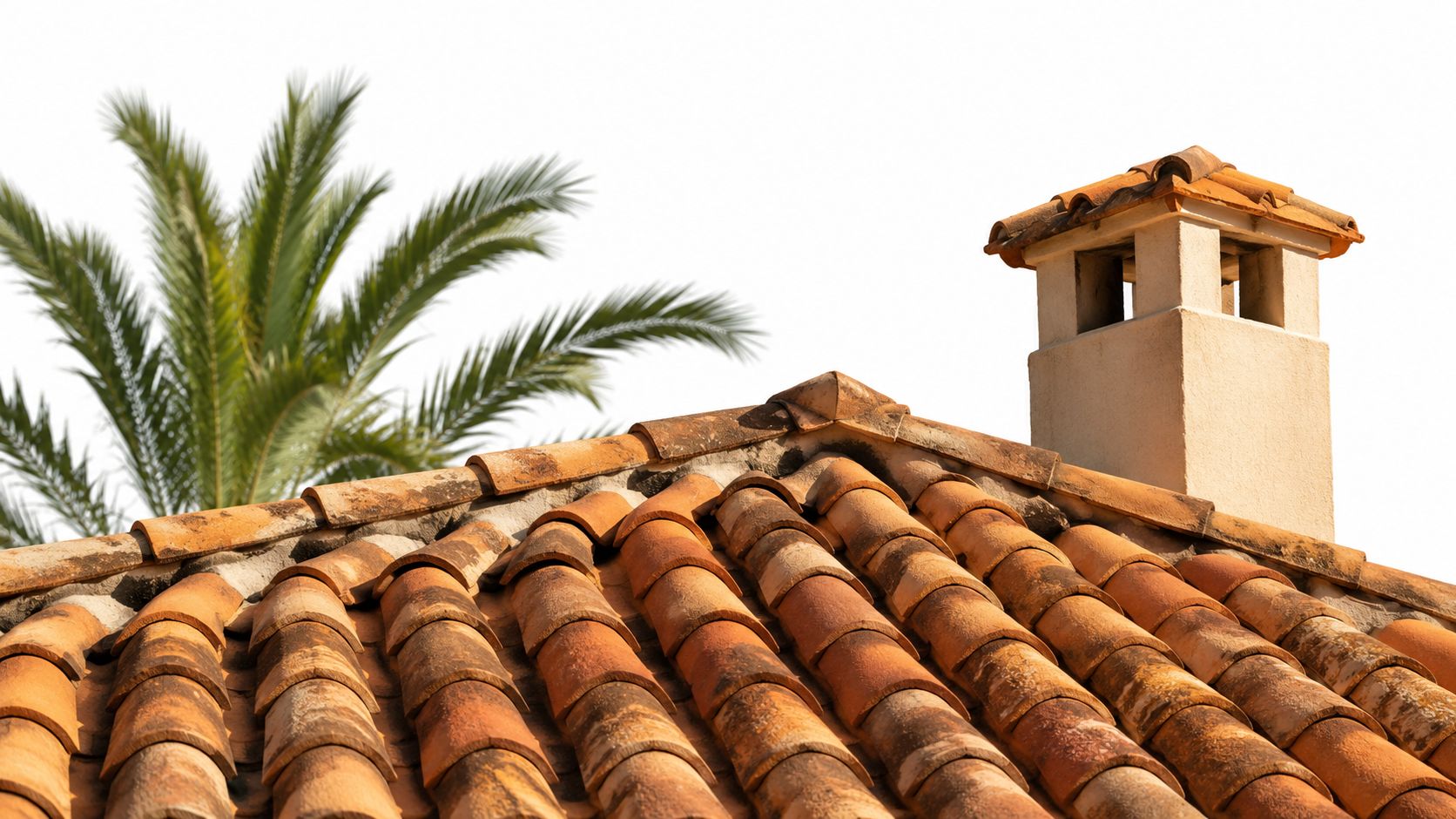
Terracotta makes the roof a visible part of the architecture, not a neutral background. Its warm red and orange tones suit Mediterranean, Spanish Colonial, and Southwest-inspired homes, especially those with white or cream stucco, arched openings, wood accents, and tropical landscaping. In historic areas of Miami-Dade and Coral Gables, the color can support the established architectural language.
Start with the exterior, then select the shade. Terracotta can feel disconnected beside cool blue-gray siding or highly minimalist detailing, while warm stucco and earthy finishes give it a stronger visual base.
The tile profile changes the result as much as the color. Barrel tiles create deep shadow lines and a traditional Mediterranean appearance. Flat or low-profile tiles look more restrained and may suit a transitional home. Concrete tiles can reproduce related red and orange tones, although their surface variation differs from clay.
Choose the complete tile system
Clay tile needs more planning than a finish sample suggests. Have the roof structure assessed for the selected system, including load distribution and support conditions. The installer should address underlayment, flashing, ventilation, fastening, ridge details, drainage, and future replacement procedures. South Florida weather can expose weaknesses in each of these components.
Use four decision filters before approving a sample:
Curb appeal: Compare tiles beside the actual stucco, trim, windows, driveway, landscaping, and fixed masonry. Warm surroundings usually help terracotta feel intentional.
Heat performance: Lighter terracotta blends are a sensible starting point for a hot, exposed roof. Request the product's performance information instead of assuming every tile color provides the same result.
Material compatibility: Confirm that the clay tile, underlayment, flashing, fasteners, ridge details, and repair tiles are specified as a compatible system. A structural review matters especially when replacing a lighter roofing system.
Approval or maintenance risk: Historic districts, HOAs, and planned communities may restrict tile color or profile. Cracked or mismatched replacement tiles are easy to notice, so record the manufacturer and selected color.
Choose the color only after confirming the structure, installation details, drainage plan, approval requirements, and replacement strategy. The visible red tone is one part of the decision.
4. Natural and Architectural Brown Roofs
Brown roofing covers a wide span, from pale tan and sand to walnut and deep chocolate. That range works well on homes with brick, stone, wood, stucco, or earth-tone paint. A Craftsman-style house often suits a medium brown architectural shingle, while a stucco home in Coral Springs or Plantation may look better with a warmer tan blend.
The advantage is how brown ties the roof to the rest of the property. Palms, mature trees, stone paths, and wood doors can make the roof feel connected to the site instead of dropped on top of it. The risk is choosing a sample that looks good on its own but fights fixed materials that will not change easily, such as brick, stone, or masonry trim.
Start with the exterior, not the swatch. Place samples beside the wall, trim, windows, driveway, and stonework, then judge them in full sun and shade. A brown with red undertones can support terracotta and warm brick. A brown with gray or muted green undertones usually sits more comfortably beside weathered stone or cooler stucco.
Curb appeal depends on undertone as much as color. A reddish brown and a gray brown can read very differently under South Florida sunlight, so the roof should echo the home's fixed materials rather than compete with them.
Heat performance also matters. Lighter tans and blended earth tones are generally the more practical starting point for a hot, exposed roof. Ask for reflectance and SRI for the exact product instead of assuming every brown will behave the same way.
Material compatibility changes the look in a big way. Architectural shingles add dimensional variation, while tile and metal create stronger surface patterns. The roof profile should support the architecture, not merely repeat the wall color.
Approval and maintenance risk are easy to overlook. Earth tones often blend with landscaping and everyday dust, but a busy roof pattern may be hard to approve in a uniform neighborhood. Request a sample installed on a south-facing area before you commit.
A brown roof should not match the house exactly. It should connect the house's fixed materials, trim, and landscape into one deliberate palette.
For a multi-family community, keep the range controlled if the buildings share one exterior scheme, and record the approved product before repairs begin. That reduces the chance of visible patches when replacements are needed.
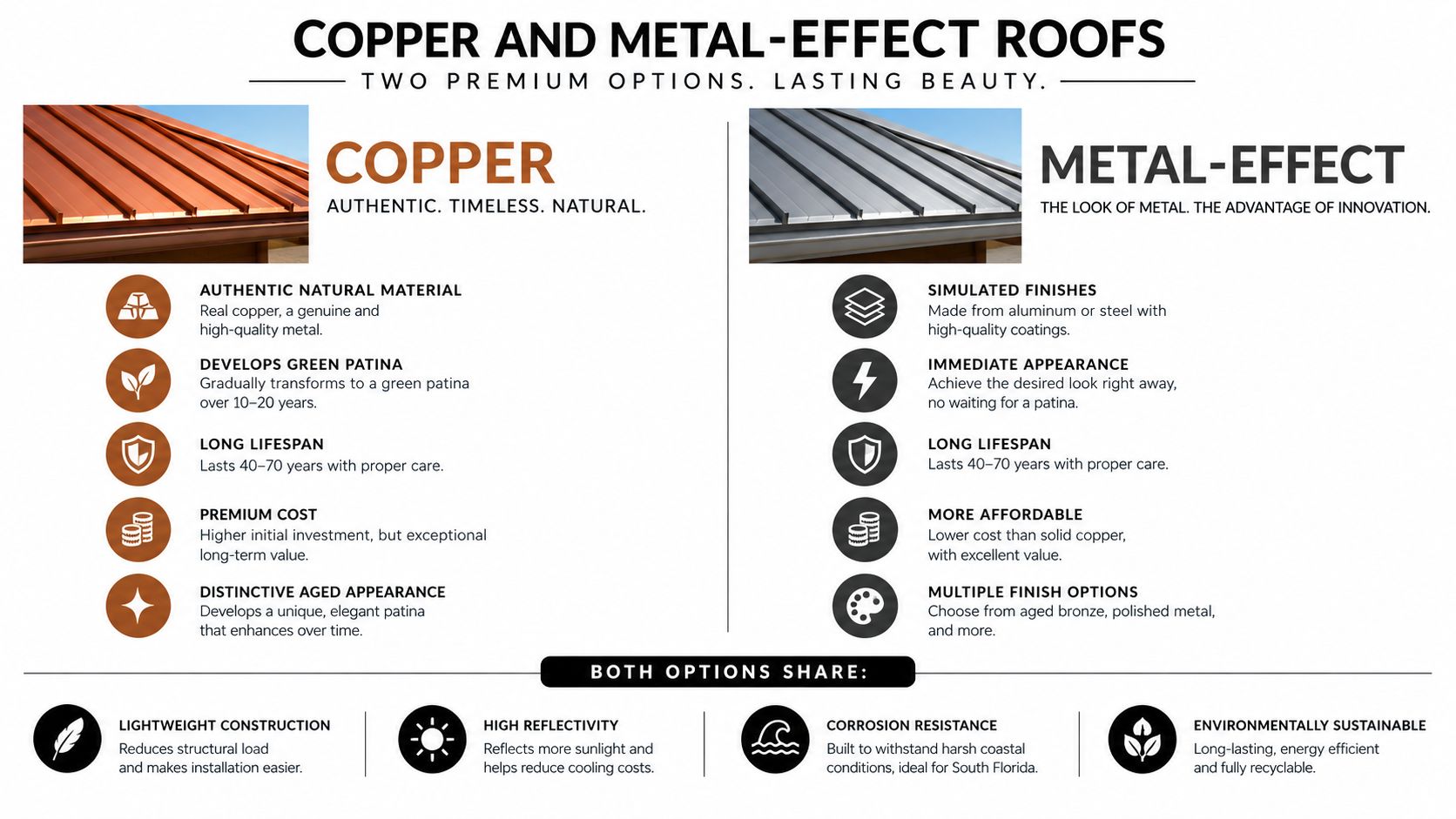
5. Copper and Metal-Effect Roofs
Copper and metal-effect roofs turn the roof into a visible design element. Fresh copper reads bright and reflective, then changes character as it weathers. Metal-effect products can imitate polished copper, aged copper, or a more controlled patinated finish, which gives owners more say over the starting appearance.
That choice matters in Palm Beach estates, downtown Miami commercial properties, coastal homes, and restoration work. A property owner who wants the aged look right away may prefer a pre-finished or pre-patinated product. A historic restoration may call for authentic copper detailing, even if the final appearance develops slowly over time.
For South Florida projects, the key question is how the finish performs in use. Copper roofs must be planned with compatible gutters, flashing, fasteners, and drainage parts. As patina develops, runoff can stain nearby light walls, paving, or other surfaces, so the protection plan needs to be set before installation starts.
A finish sample helps, but it does not solve everything. I would review the exact product on a south-facing area, confirm what will touch it, and check how the color reads beside trim, stucco, and plantings. A metallic roof can suit a refined exterior, yet it can overwhelm a small house or clash with a busy facade.
- Curb appeal: Copper gives a strong, high-end look, but the same finish can feel too dominant on a compact home.
- Heat performance: Ask for the finish's solar-reflectance and emissivity details. A metallic look does not tell you how the full roof assembly will behave.
- Material compatibility: Keep copper-compatible components together. Mixing metals or ignoring drainage details can lead to corrosion or staining.
- Approval or maintenance risk: HOA, historic, and commercial reviews may ask for physical samples. Keep records of the selected finish and how it will weather, so future repairs do not introduce a patch that stands out.
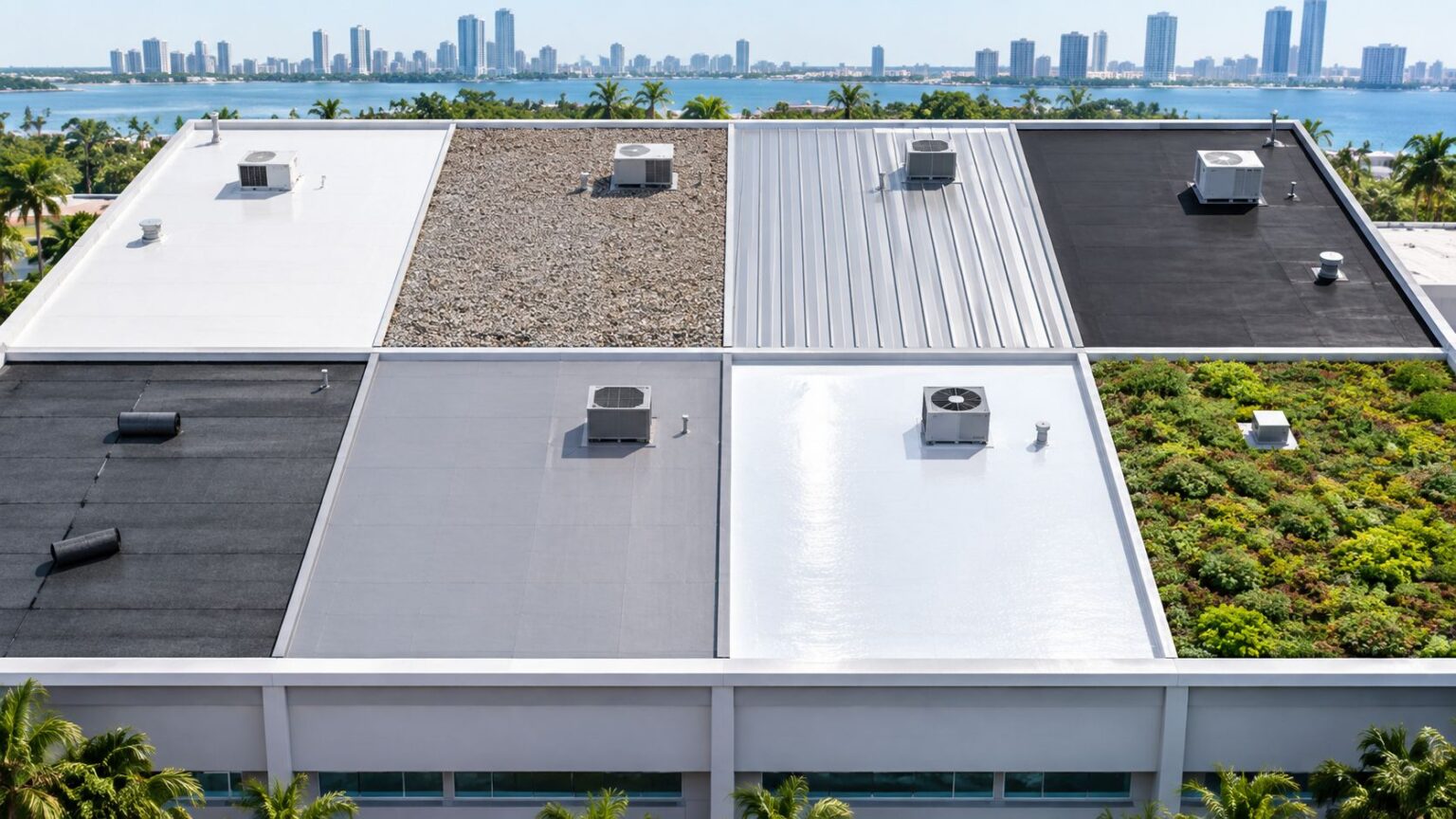
For commercial facility managers and architects comparing assemblies, this roofing systems reference image can help frame the discussion around material type, not color alone.
Copper works well when the design team accepts its aging process and plans for it. Confirm the finish, drainage plan, warranty terms, and repair process before the contract is signed.
6. White and Cool Roof Technology
White and other light-colored roofs give South Florida homeowners a practical performance edge in hard sun. The Department of Energy notes that dark materials typically reflect only 5% to 20% of sunlight, while light-colored materials reflect 55% to 90%. It also says a white or special cool-color roof can reflect up to 90% of incoming sunlight, which helps keep the roof cooler and lowers heat transfer into the home. See the Department of Energy consumer guide to cool roofs for the underlying explanation.
The look does not have to be stark white. Light cream, pale gray, and engineered cool colors can read cleaner on the house while still supporting reflectance. That matters on homes where bright white feels too commercial or may clash with HOA color rules.
White roofs work best when you judge the product, not the label. The Building America guidance on cool roofs and walls explains that roofing products in many colors can be designed for cool-roof performance with near-infrared-reflective pigments or coatings. It also points to ASTM E1980-based SRI as a useful benchmark, since higher values indicate better cool-roof performance.
The four filters still apply. Curb appeal: white and cream pair well with modern stucco, coastal architecture, and simple trim, but they also show dirt, streaking, and organic growth sooner. Heat performance: this is a strong starting point for solar reflectance, yet product data, ventilation, and insulation still need to be checked as a system. Material compatibility: reflective finishes exist across multiple roofing materials, so confirm coating compatibility, repair methods, and whether touch-ups will match the original finish. Approval or maintenance risk: some communities limit bright white or highly reflective roofs, so written approval and clear cleaning expectations matter.
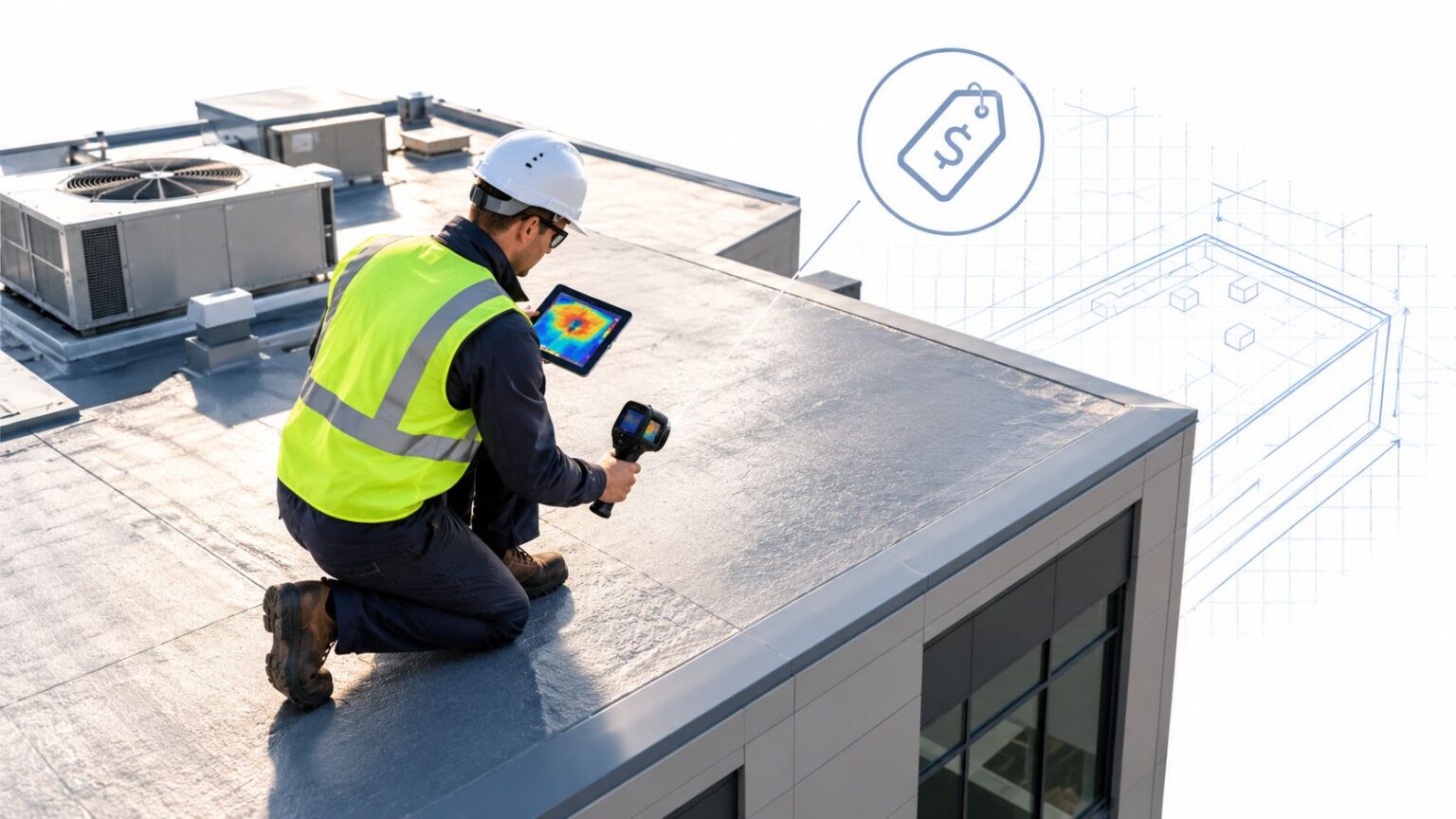
A practical choice usually comes down to how much visual brightness the homeowner will accept, how much maintenance the community will allow, and how much cooling value the roof system can prove on paper. For commercial properties, keep inspection records tied to the installed specification. This commercial roof inspection reference helps frame condition, reflectivity, drainage, and maintenance planning.
7. Green and Weathered Copper Roofs
Green roofs in this palette mean green-toned roofing or copper-inspired patina, not a planted roof. The look can be especially effective on properties with mature landscaping, stonework, white stucco, or traditional architectural details. It brings an aged, European or historic character to a South Florida home without relying on a conventional neutral.
There are two different decisions here. A pre-patinated product offers an immediate green appearance with a defined finish. Real copper develops its own surface over time, and the final tone depends on exposure, moisture, runoff, surrounding materials, and installation conditions. Those options shouldn't be presented as interchangeable.
Decide whether you want change or control
- Curb appeal: Muted green can complement palms, gardens, and gray stone. A bright or highly saturated green may look artificial unless the architecture and surrounding palette support it.
- Heat performance: Treat green as a visual category, not a performance guarantee. Ask for solar-reflectance data and SRI for the exact product, especially when comparing coated metal, tile, and composite materials.
- Material compatibility: Copper-safe gutters, flashing, and fasteners are essential for copper systems. Pre-finished products require the manufacturer's recommended substrate, coating, and repair method.
- Approval or maintenance risk: Historic properties and HOAs may have strict rules about visible roof color. Patina or runoff can affect pale walls and paving, so plan drainage carefully and document the finish for future repair matching.
Green and weathered copper roofs suit homeowners who want the roof to develop character or arrive with character already established. They're less suitable for buyers who need a perfectly stable color and minimal visual change.
Regular photographs can help track the appearance of a natural patina and create a useful record for property managers, insurers, and future contractors. That simple documentation also makes it easier to distinguish normal finish development from damage or staining.
8. Slate Gray and Natural Stone-Look Roofs
Slate gray and natural stone-look roofing can give a home the refined appearance of slate without requiring natural slate itself. Composite shingles, premium architectural shingles, and metal systems can reproduce some of slate's layered color variation, shadow, and dimensional character. These options suit Palm Beach estates, upscale Miami-Dade properties, and traditional homes that need a more formal finish.
The best products don't rely on one flat gray. They combine related tones, such as cool gray, muted charcoal, and subtle warmth, so the roof looks natural from the street. Ask to see a full-size installed sample or a product visualization that shows the pattern across a complete roof plane.
Test the stone effect against the architecture
- Curb appeal: Stone-look roofing works well with masonry, stucco, formal landscaping, and traditional or transitional architecture. It can look too elaborate on a very simple facade.
- Heat performance: Cool gray isn't automatically cool-roof material. Compare reflectance, emissivity, SRI, and coating information for each candidate instead of selecting by the name “slate.”
- Material compatibility: Composite, metal, and shingle systems differ in weight, fastening, flashing, repair, and weathering. Choose the profile that supports the home's roof pitch and architectural details.
- Approval or maintenance risk: A premium dimensional pattern may need HOA review, particularly where neighboring roofs use uniform colors. Check how UV exposure, replacement pieces, and future color matching will be handled.
This roof replacement options reference is useful when comparing the visual effect of a stone-look finish with the underlying roofing system.
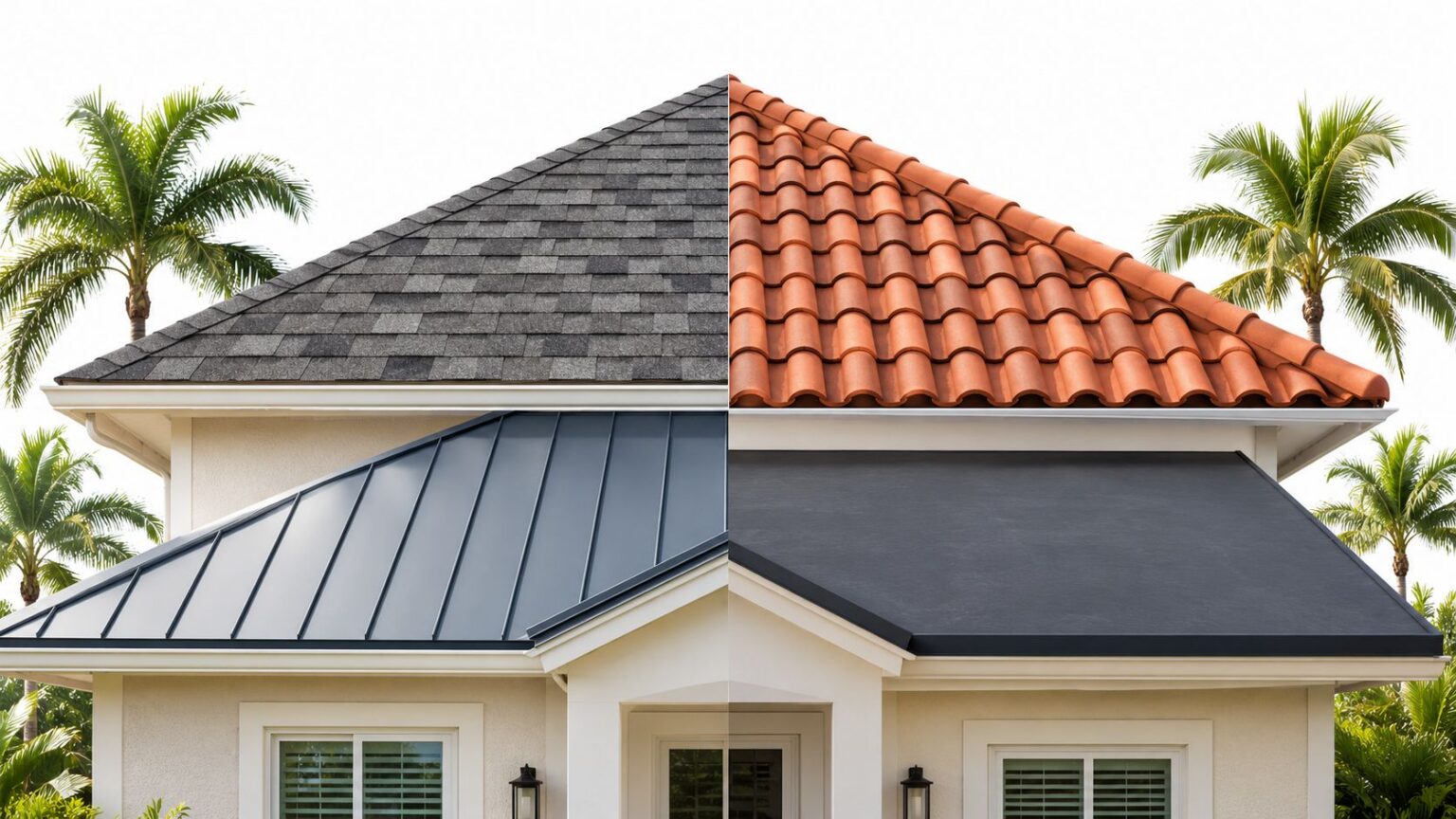
Natural stone-look roofing is a strong compromise for homeowners who want distinction without the visual limitations of a single solid color. Just make sure the sample shows the complete blend, not only the most attractive piece.
8-Way Roof Color Comparison
| Option | 🔄 Implementation Complexity | ⚡ Resource Requirements & Cost | 📊 Expected Outcomes | ⭐ Key Advantages | 💡 Tips |
|---|---|---|---|---|---|
| Classic Gray Roof Colors | Low, standard materials, easy repairs | Low–Medium, common shingles/tiles widely available | Balanced durability; neutral curb appeal; moderate heat performance | Timeless, versatile, resale-friendly | Choose light gray in direct sun; inspect every 2–3 years |
| Black and Dark Charcoal Roofs | Moderate, best with cool-roof tech and upgraded ventilation | Medium–High, reflective coatings, better insulation may be needed | High visual impact; higher heat without mitigation; possible higher cooling costs | Dramatic curb appeal; hides dirt/algae well | Use cool-roof rated materials and improve attic ventilation |
| Terracotta and Clay Red Roofs | High, specialized installers; structural considerations for weight | High, higher installation cost but very long life | Exceptional longevity (50–75+ years); authentic Mediterranean aesthetic | Long lifespan, fire resistant, high luxury value | Require structural assessment; hire experienced clay-tile installers |
| Natural and Architectural Brown Roofs | Low–Moderate, standard architectural shingles available | Low–Medium, widely available, moderate cost | Warm, cohesive aesthetics; good dirt concealment; moderate heat absorption | Blends with natural materials; versatile across styles | Sample shades against siding; choose lighter browns for heat efficiency |
| Copper and Metal-Effect Roofs | High, specialized installation and patina management | High, premium materials and installation costs | Long lifespan (40–70 years); strong corrosion resistance; distinctive look | Premium aesthetic, lightweight, reflective, recyclable | Understand patina timelines; use copper-safe gutters and proven manufacturers |
| White and Cool Roof Technology | Moderate, professional coatings and proper detailing | Medium, material cost offset by energy savings but higher cleaning needs | Significant energy savings (≈15–30%); extended material life; reduced heat load | Best energy efficiency; rebates/ENERGY STAR eligible; reduces urban heat | Prioritize ENERGY STAR materials; schedule regular cleaning to retain reflectivity |
| Green and Weathered Copper Roofs | High, expert installation; patina can be unpredictable | High, premium material and specialized sourcing | Long lifespan (40–70 years); evolving aged appearance; strong coastal performance | Unique historic character; excellent corrosion resistance | Consider pre-patinated options; plan for potential staining during patina formation |
| Slate Gray and Natural Stone-Look Roofs | Moderate, premium architectural shingles or metal alternatives | Medium–High, pricier than basic shingles but lighter than real slate | Upscale slate-like appearance with lower weight and cost; some color fade over 10–15 years | Authentic slate look without weight; textured, dimensional appearance | Choose premium architectural shingles; compare samples in natural light |
Match the Palette to the Roof, Climate, and Community
The best roof color isn't selected from a swatch in isolation. It comes from matching the palette, material, climate response, architecture, and approval requirements. South Florida homeowners should use a fixed decision sequence so a good-looking sample doesn't create a poor installation or maintenance outcome.
Start with the community. Confirm HOA, condominium, historic-district, and neighborhood requirements before requesting final bids. Ask whether the approval applies only to color or also to the profile, reflectivity, visible metal trim, tile shape, and finish sheen. A color that looks appropriate on a neighboring property may still be unacceptable if the proposed material or roof profile differs.
Next, match the color to the material and architecture. Terracotta and clay red generally make more sense on Mediterranean and Spanish Colonial homes than on a minimalist facade. Slate gray can support a formal or transitional design, while black can sharpen a modern exterior. Brown should relate to brick, stone, wood, and landscaping. White and cream can reinforce a clean coastal or contemporary appearance, but they may expose dirt and organic staining more readily.
Then compare performance data. The Department of Energy cool-roof guide shows why light and dark materials can behave differently in the sun, but visible color isn't the entire story. The Building America cool-roof resource explains that near-infrared-reflective pigments and coatings can help products of different visible colors perform as cool roofs. Request the exact product's solar reflectance, thermal emittance, and ASTM E1980-based SRI where available.
Use outdoor samples, not showroom lighting. View them in direct sun and shade, against the actual exterior, from the street, and beside fixed materials that won't be changed. If possible, place a sample on a south-facing section so you can evaluate the color under the exposure that matters most.
Finally, verify structural and installation needs. Tile, metal, composite, shingle, and flat-roof systems require different underlayments, flashings, fasteners, ventilation details, drainage planning, and repair methods. A professional inspection and color consultation before ordering can identify moisture concerns, structural questions, incompatible components, and maintenance risks early. For homeowners and property managers in Broward, Miami-Dade, and Palm Beach counties, Paletz Roofing and Inspections provides guidance, inspections, repairs, replacements, and installations for residential and commercial roofing systems. Their team can help connect the appearance you want with a roof assembly that suits the property.
For properties sensitive to their surroundings, roof color should also be considered alongside exterior lighting and planting. This guide to residential roofline lighting by Modern Yard Landscapes offers a useful reminder that the roof remains part of the home's overall nighttime and daytime presentation.
Paletz Roofing and Inspections offers roof inspections, repairs, replacements, and installations for shingle, tile, metal, and flat roofing systems across Broward, Miami-Dade, and Palm Beach counties. For help comparing roof color options, checking installation requirements, or planning maintenance, visit Paletz Roofing and Inspections to arrange guidance and a professional assessment.