
A roof replacement in Boca Raton isn't just another home improvement project; it's a critical investment shaped by Florida's intense climate and some of the strictest building codes in the country. The process means choosing hurricane-rated materials, navigating local permits, and finding a qualified contractor to make sure your home is shielded from sun, rain, and storms for decades.
Your Boca Raton Roof Replacement Overview
Deciding on a full roof replacement is a major step, but it’s an investment in your home's safety, value, and long-term health. Think of your roof as the first line of defense for everything inside your home. Here in Boca Raton, that defense has to be exceptionally strong to stand up to hurricane-force winds, torrential rain, and relentless sun.
This guide is your starting point, designed to give you a clear, comprehensive picture of what a roof replacement in Boca Raton really involves. Success hinges on a few key decisions:
- Material Selection: Choosing a material that gives you the right mix of durability, cost, and aesthetics for the South Florida climate.
- Code Compliance: Making sure your new roof meets the Florida Building Code, which has tough requirements for wind resistance and water barriers.
- Contractor Choice: Partnering with a licensed, insured, and experienced local roofer who gets the unique challenges of our area.
Key Factors for Boca Raton Homeowners
Unlike a new roof in other parts of the country, a project here is about upgrading your home's resilience. Florida actually leads the nation in residential roof replacements, a trend driven by our vulnerability to hurricanes and strict codes. In Boca Raton, where many homes have high-end materials, the average project cost can hit $85,000, especially for durable options like tile roofs that can last 40-50 years.
A new roof is one of the few home improvements that protects every other investment you have inside your home. By choosing the right materials and installer, you are safeguarding your property's value and your family's safety for the long haul.
To help you get started, we've put together a quick comparison of the most popular roofing materials we see in the area. Each one offers a different blend of cost, longevity, and storm protection, so it's essential to weigh them carefully. You can also see exactly how we evaluate roof conditions with our detailed inspection process.
Boca Raton Roof Replacement at a Glance
This table breaks down the essential details to help you compare your choices at a glance.
| Roofing Material | Average Cost (Per Sq. Ft.) | Typical Lifespan | Hurricane Wind Resistance |
|---|---|---|---|
| Architectural Shingle | $4 – $7 | 20-30 Years | Good to Excellent |
| Concrete Tile | $7 – $19 | 40-50+ Years | Excellent |
| Metal Roofing | $9 – $20+ | 40-70 Years | Superior |
| Flat Roofing (TPO/PVC) | $8 – $14 | 15-30 Years | Good to Excellent |
Choosing the right material is the first major step in securing your home. As you can see, the options vary widely in both upfront cost and long-term performance, making it a crucial decision for any Boca Raton homeowner.
Deciding Between Roof Repair and Full Replacement
Making the call between a patch job and a complete overhaul is one of the biggest decisions a Boca Raton homeowner can face. It's rarely as simple as just fixing a single leak. Think of it like your car's tires—a single nail puncture is an easy patch, but when the tread is bald across all four, a full replacement is the only safe option for the road ahead.
The same logic applies directly to your roof. An isolated issue, like a few shingles torn off in a storm, can often be handled with a straightforward repair. But when problems are widespread or the whole system is failing, a roof replacement in Boca Raton becomes a matter of protecting your home, not just a choice. Ignoring these larger issues is like putting a Band-Aid on a broken bone; it doesn't fix the real problem and almost always leads to more expensive damage down the line.
Unmistakable Signs You Need a Replacement
So, how do you know when your roof's "tread" is gone? Certain warning signs are too big to ignore and almost always point toward a full replacement. Keep an eye out for these red flags:
- Widespread Curling or Buckling Shingles: When shingles all over your roof are losing their shape, it’s a clear sign they're past their prime and can no longer keep water out.
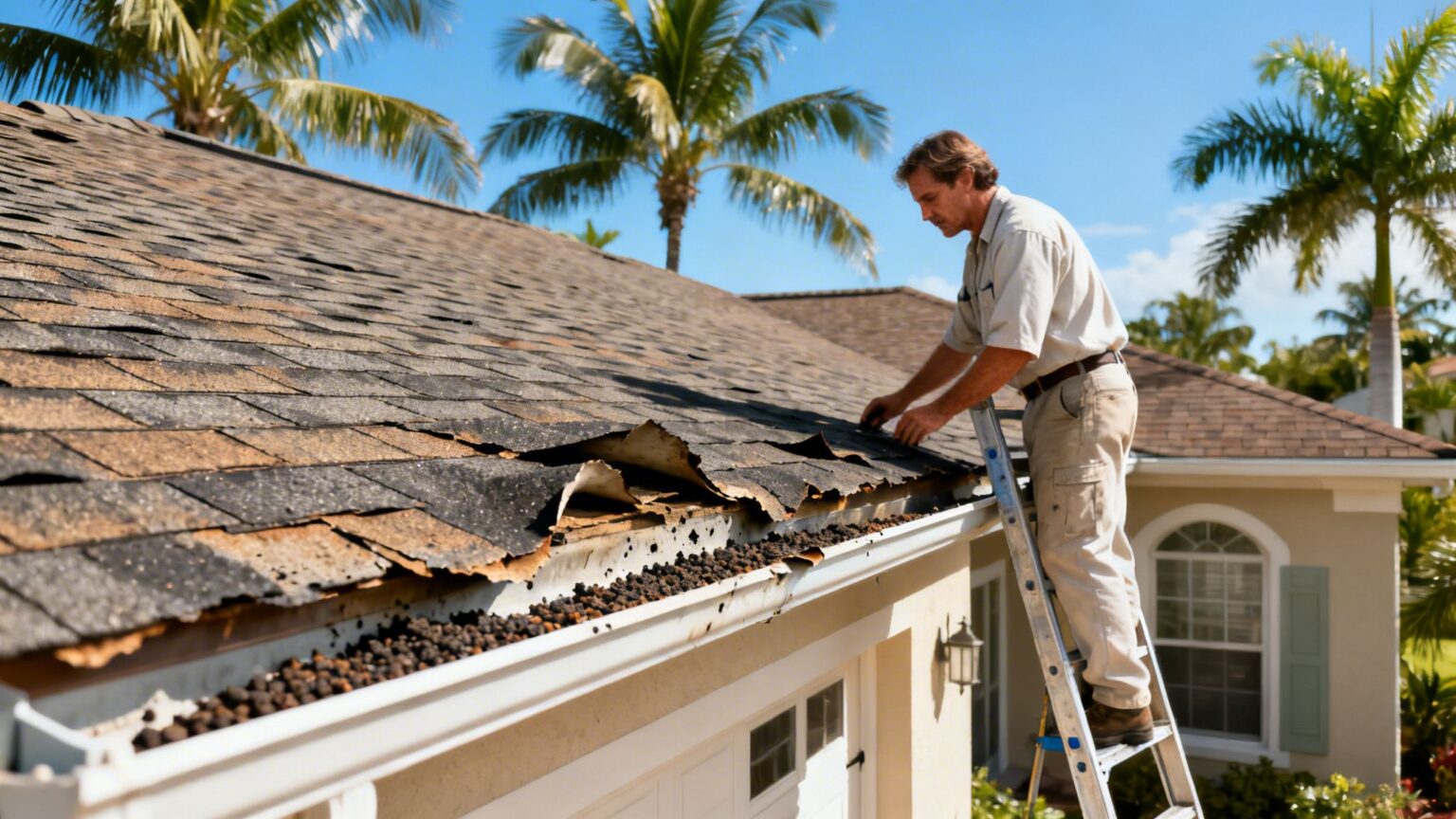
- Extensive Granule Loss: Do your gutters look like they're full of coarse, black sand? Those are the protective granules from your shingles. Widespread loss means the asphalt core is now exposed to the sun's brutal UV rays, which makes it brittle and prone to failure.
- Soft or Spongy Spots: If you (or a professional) walk on the roof and feel soft, spongy areas, that's a serious indicator of moisture damage in the underlying roof deck. This is a structural problem that demands immediate attention and almost certainly a new roof.
Advanced tools like drone roofing inspection software can give a detailed, bird's-eye view of your roof's condition, making it much easier to see the full scope of the damage and decide between a simple repair and a full replacement.
Understanding Florida's Critical 25% Rule
Beyond just visible wear and tear, a key regulation in Florida can actually make the decision for you. It's known as the 25% Rule, and it’s a non-negotiable part of the Florida Building Code designed to keep homes safe, especially in our hurricane-prone region.
The 25% Rule states that if more than 25% of a roofing section is repaired, replaced, or recovered within a 12-month period, the entire roofing section must be brought up to the current building code.
This flowchart can help you visualize the key material choices you'll face when a replacement becomes necessary, based on your budget and how close you are to the coast.

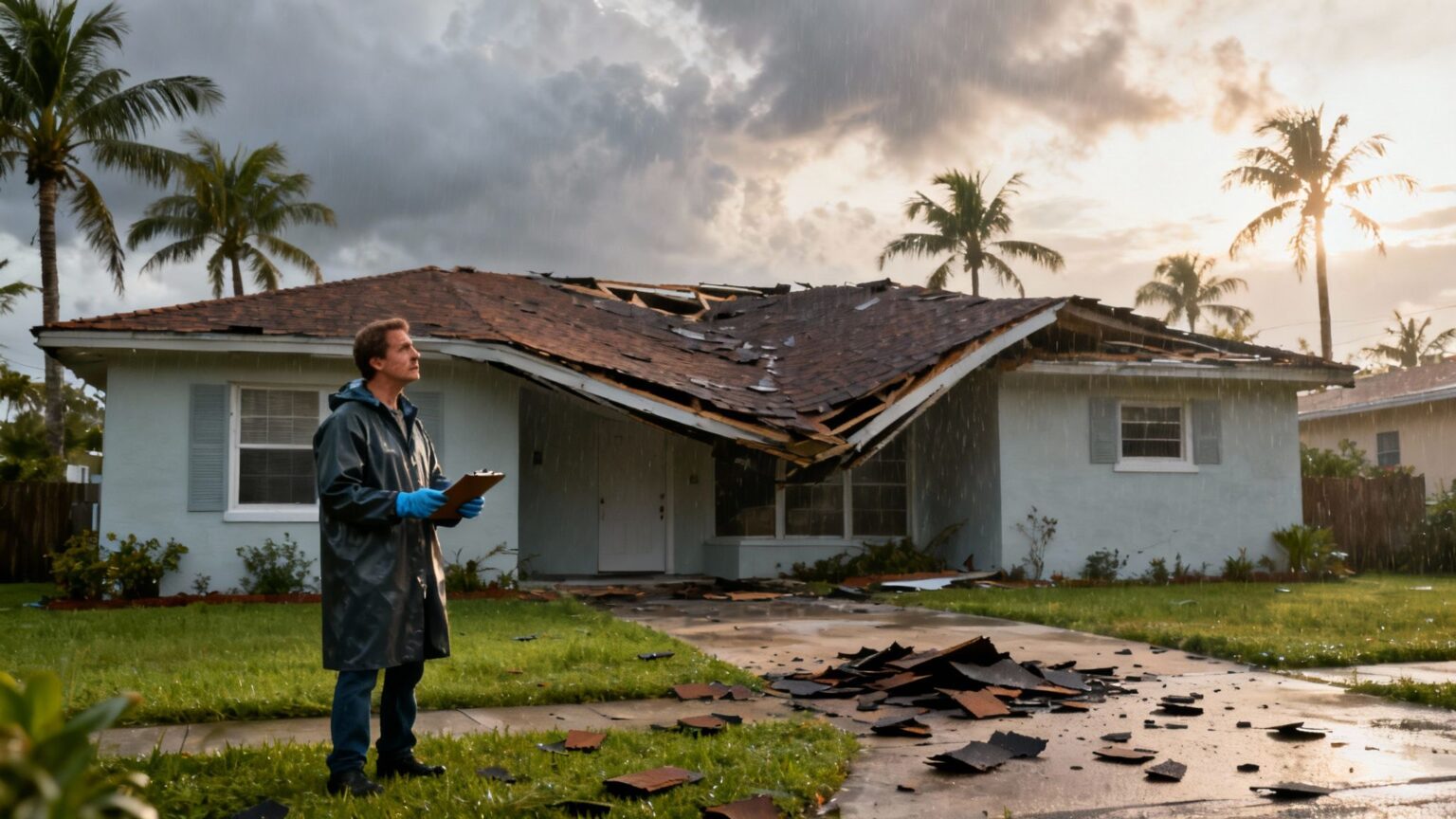
In practical terms, this rule means what starts as a "large repair" can legally trigger a full roof replacement. If a major storm damages a significant chunk of your roof, patching it up isn't an option—the law requires a complete replacement. This code ensures older roofs aren't just patched together but are fully upgraded to meet modern wind-load requirements, making your entire home safer for the next storm.
Understanding the Costs of a New Roof in Boca Raton
A full roof replacement is a major home investment, and figuring out what drives the final price is the first step to planning your budget. The total cost of a roof replacement in Boca Raton isn't a single number; it's a mix of several key factors, and each one plays a big part in the final estimate.
Think of it like building a custom car. You have the base model price, but the final cost really depends on the engine you pick, the quality of the tires, and the skill of the mechanic putting it all together. Your roof is no different. The three biggest cost drivers are its size and complexity, the materials you choose, and the specialized labor needed for a hurricane-rated installation.
Primary Factors Influencing Your Roof's Price Tag
Your roof's total square footage is the most obvious factor—a bigger roof means more materials and more labor hours. It's as simple as that. But complexity plays a huge role, too. A simple, low-pitched gable roof will always be less expensive to replace than a roof with multiple valleys, steep pitches, dormers, and skylights.
Each of these architectural features requires custom cuts, detailed flashing work, and more time on the job, all of which add up in labor costs.
The material you choose is the next major piece of the financial puzzle. As we've seen, options range from affordable architectural shingles to premium barrel tiles and incredibly tough metal panels. Each comes with a different price point, not just for the material itself but also for the specialized installation techniques it demands.
For instance, the sheer weight of a tile roof might require a structural check or even reinforcements to your roof deck—a step you wouldn't need for lighter asphalt shingles. This is a perfect example of why a tile roof replacement often carries a higher overall project cost, well beyond just the price of the tiles.
Sample Cost Breakdown for a Boca Raton Roof Replacement
To give you a clearer picture of where your money actually goes, here’s a sample breakdown of costs for a typical roofing project in our area. This estimate is based on a standard 2,000 sq. ft. roof.
Sample Cost Breakdown for a Boca Raton Roof Replacement
| Cost Component | Percentage of Total Cost | Description |
|---|---|---|
| Materials | 40% – 50% | This includes your chosen shingles or tiles, all underlayment, new flashing, and fasteners. |
| Labor | 35% – 45% | This covers the wages for the skilled crew tearing off the old roof and installing the new one to code. |
| Permits & Fees | 5% – 10% | The cost of pulling all necessary permits from the city of Boca Raton and any associated disposal fees. |
| Overhead & Profit | 10% – 15% | This covers the contractor's insurance, operational costs like vehicles and safety gear, and their profit margin. |
Keep in mind, these percentages can shift based on the complexity of your roof and the materials you select. A high-end material choice will naturally increase the material percentage of the total budget.
Smart Ways to Finance Your New Roof
Given the expense, especially here in South Florida, many homeowners are looking for smart ways to manage the cost. The insurance landscape has made proactive roof replacement more critical than ever, with many carriers now dropping policies for homes with roofs over 15 years old. This pressure has spurred a rise in flexible payment solutions.
Interestingly, homeowners are increasingly turning to modern financing methods. One recent study found that 35% of home repairs over $5,000 are now financed using Buy Now, Pay Later (BNPL) plans. In South Florida, where a typical tile roof replacement can start around $17,500, having accessible financing is vital. You can discover more about roofing financial trends and see how homeowners are adapting.
A new roof is an investment in your home's security and insurability. Exploring financing options like home equity loans or specialized roofing plans allows you to get the protection you need now without depleting your savings.
Besides BNPL, other popular options include:
- Home Equity Line of Credit (HELOC): This lets you use your home's equity to secure a low-interest line of credit for major projects.
- Specialized Roofing Loans: Many contractors, including Paletz, partner with lenders to offer financing plans designed specifically for roofing projects.
- FHA Title I Loans: These government-insured loans can be used for home improvements that make your home more livable and useful.
By understanding these cost factors and financing avenues, you can create a realistic budget for your roof replacement in Boca Raton that prioritizes safety, quality, and long-term value.
Choosing the Best Roofing Materials for South Florida

Picking the right material for your roof replacement in Boca Raton goes way beyond just curb appeal. It’s a critical choice that directly impacts your home’s safety, your monthly energy bills, and its value for years to come. Here in South Florida, a roof has a much tougher job than just keeping the rain out—it needs to be a fortress against hurricane-force winds, relentless UV rays, and suffocating humidity.
The right material for you will be a balance of durability, looks, and budget. It’s also vital that your choice complies with Florida's state building codes, which are some of the strictest in the nation for good reason. Let’s break down the most popular and effective options for our unique climate.
Asphalt Shingles The Affordable Standard
Asphalt shingles are the most common roofing material you’ll see across the country, and that’s almost entirely because of their price tag. For many homeowners, they offer the most budget-friendly path to a full roof replacement. Today’s architectural shingles are also a huge step up from the old "3-tab" styles, offering a more textured look and better wind resistance.
But that lower cost comes with a trade-off, especially in our climate. While they might last 20 to 30 years up north, the intense South Florida sun and heat can definitely shorten that lifespan. They’re a solid option if you’re on a tight budget, but you may be looking at another replacement sooner than with other, tougher materials.
Concrete and Clay Tile The Durable Classic
Take a drive through any of Boca Raton’s beautiful neighborhoods, and you’ll see the iconic look of tile roofing everywhere. Whether it’s the classic Mediterranean style of clay barrel tiles or the wide range of colors and shapes you can get with concrete, this material is practically part of the South Florida architectural DNA.
The biggest draw for a tile roof is its incredible longevity. A well-installed tile roof can easily last 50 years or more, making it a true "once-in-a-lifetime" investment for many homeowners. On top of that, they are exceptionally resistant to fire, rot, and insects.
The sheer weight of a tile roof is a key consideration. Its heft helps it resist hurricane wind uplift, but it also means your home's underlying structure must be strong enough to support it. A structural assessment is often required before installation.
The main downsides are the high upfront cost and all that weight. Tile is one of the pricier roofing options out there, and the installation is a very labor-intensive process. If your home wasn't originally designed for a tile roof, you might need to pay for structural reinforcement, which adds to the project’s bottom line.
Metal Roofing The Resilient Performer
Not too long ago, metal roofs were something you only saw on warehouses or commercial buildings. Now, they've become incredibly popular for homes, especially in hurricane-prone places like ours. A metal roof gives you an amazing combination of longevity, toughness, and energy efficiency, making it a top-tier choice for a roof replacement in Boca Raton.
Metal roofing systems, which come in large panels or even shingles that mimic other materials, bring some serious advantages to the table for Florida homeowners:
- Superior Wind Resistance: When installed the right way, some metal roof systems can handle wind gusts well over 150 mph, which is more than enough for even the most severe hurricanes.
- Exceptional Longevity: A quality metal roof can last anywhere from 40 to 70 years, putting it right up there with tile.
- Energy Efficiency: This is a big one for us. Metal roofs reflect the sun's heat instead of absorbing it, which can cut your cooling costs by up to 25%—a huge saving in our climate.
The initial investment for a metal roof is high, often costing as much or even more than tile. But when you look at its lifespan, resilience, and the money you'll save on energy bills, its long-term value is hard to beat. And if you're worried about noise when it rains, don't be. Modern installation with the right underlayment makes today's metal roofs just as quiet as any other.
The Roof Replacement Process from Start to Finish

Starting a roof replacement can feel like a massive project, but knowing exactly what’s going to happen—and when—strips away most of the anxiety. We find it’s best to think of it as a well-planned operation, where every step has a purpose and a place. From the initial inspection to the final nail sweep, understanding the workflow makes for a much smoother experience.
This walkthrough breaks down the key phases of a typical roof replacement in Boca Raton. By setting clear expectations for the timeline, potential hang-ups, and the day-to-day work, you can feel confident and in control from start to finish.
Phase 1 The Pre-Construction Steps
Long before the first shingle comes off, a series of critical steps have to happen behind the scenes. This initial phase is all about meticulous planning and prep work to make sure the project runs smoothly and meets all local building codes.
It all starts with a thorough inspection where we assess your current roof’s condition to give you a precise, detailed quote. As soon as you give the green light, we get the ball rolling on all the necessary paperwork.
A huge part of this pre-construction phase is pulling the required permits. In Boca Raton, this process can take several weeks, so it’s important to factor this administrative time into your project timeline. No work can legally begin until that permit is approved and posted on-site.
Once the permit is in hand, we order your chosen roofing materials and schedule the delivery. Your contractor will work with you to find a safe and convenient spot to stage the materials, which is usually on the driveway close to the house.
Phase 2 The Tear-Off and Deck Inspection
With permits secured and materials delivered, the real action begins. The first major task is the tear-off, where our crew removes every layer of your old roof right down to the bare wood deck. This is often the loudest and messiest part of the entire job, but it's absolutely non-negotiable.
Tearing off the old materials is the only way to perform a critical inspection of the roof deck—the plywood or OSB sheets that form the structural foundation for your entire roof. The crew is looking for:
- Soft or Spongy Spots: These are dead giveaways for moisture damage and wood rot.
- Delaminated Plywood: When the layers of plywood start separating, it’s lost its structural integrity.
- Water Stains: Dark stains point to past leaks that may have weakened the wood.
Any damaged sections of the deck must be cut out and replaced to create a solid, reliable base for the new roofing system. You can check out our gallery to see exactly what a properly prepared roof deck looks like before installation.
Phase 3 Building the New Roof System
Now, with a solid deck ready to go, the installation of your new roof can start. This isn’t just about nailing down shingles; it's about methodically building a multi-layered system engineered for decades of protection.
- Secondary Water Resistance Barrier: The very first layer we install is a peel-and-stick underlayment that seals directly to the roof deck. This is a strict requirement of the Florida Building Code and acts as a vital secondary barrier against water getting in, especially during a hurricane.
- Drip Edge and Flashing: Next, metal drip edge is installed along all the eaves to channel water correctly into the gutters. We also install brand-new flashing around chimneys, vents, and in valleys to seal these historically vulnerable spots.
- Final Roofing Material: Finally, your chosen roofing—whether it’s shingles, tile, or metal—is installed according to the manufacturer’s exact specifications and all local code requirements.
Once the installation is finished, the crew performs an exhaustive cleanup of your property, using magnetic rollers to hunt down any stray nails. A final walkthrough with you and the scheduling of the final city inspection are the last steps in completing your roof replacement in Boca Raton.
Finding a Trusted Roofing Contractor in Boca Raton
Picking out the right materials is a huge step, but choosing the right contractor for your roof replacement in Boca Raton is just as critical. A top-of-the-line roof installed poorly is doomed to fail. On the other hand, a quality installation from a true professional ensures your investment protects your home for decades to come.
Here in South Florida, you simply can't afford to gamble on a random roofer. The stakes are far too high. You need a contractor whose experience is measured in decades of local work, not just a few years in business. They must have a deep understanding of our demanding building codes and a proven track record of roofs that hold up to hurricane season, year after year.
Your Contractor Verification Checklist
Before you even think about signing a contract, it’s time to do some homework. Any reputable contractor will be transparent and have no problem providing proof of their qualifications. Think of it as a background check to protect your most valuable asset.
Use this checklist to vet any potential roofer:
- State Licensing: Is the contractor properly licensed in Florida? You can—and absolutely should—verify their license number with the Florida Department of Business and Professional Regulation (DBPR). A valid license, like a Certified Roofing Contractor license, proves they’ve met the state’s tough requirements.
- Comprehensive Insurance: Ask to see certificates for both general liability insurance and workers' compensation. Liability protects your property if it gets damaged, while workers' comp protects you from a lawsuit if a worker is injured on your job site.
- Local Experience and Portfolio: How long have they been serving the Boca Raton area specifically? Ask to see a portfolio of recent, local projects. This shows they’re familiar with the local permitting offices and building inspection processes.
A contractor's insurance is non-negotiable. If an uninsured worker gets hurt on your property, you could be held financially responsible for their medical bills. Always get a copy of their insurance certificate and call the insurance agency to confirm the policy is active.
Beyond the Basics: What to Look For
Once you've confirmed the must-haves, it's time to dig a little deeper. A truly great contractor brings more to the table than just a valid license. Look for a team that prioritizes clear communication, provides detailed written estimates, and offers strong warranties on both materials and workmanship.
They should be able to explain why they recommend certain materials and installation methods for your specific home. A trustworthy partner acts as an educator, empowering you to make confident decisions. This level of detail is a hallmark of true professionals, and you can see an example of this commitment in our own Paletz Roofing and Inspections approach. Partnering with an established expert is the final, crucial step in securing a roof built to last against the Florida elements.

Common Questions About Boca Raton Roofing Projects
Even with a solid plan, a big project like a roof replacement in Boca Raton is bound to bring up a few last-minute questions. It’s completely normal. To help you feel confident moving forward, we’ve put together answers to some of the most common concerns we hear from homeowners just like you.
How Long Does a Full Roof Replacement Take?
This is usually the first thing everyone wants to know. While the actual, on-site work is surprisingly fast—often just 2 to 5 days for a standard home—the entire process from signing the contract to final inspection takes a bit longer.
A good chunk of that time is spent on the necessary behind-the-scenes paperwork. Specifically, pulling permits from the city of Boca Raton can take several weeks. No professional roofer can touch your roof until that permit is approved, so it’s an unavoidable waiting period you’ll need to factor in. An experienced local contractor handles all of this for you, but it’s a critical step that sets the project's real-world timeline.
Does Homeowners Insurance Help Pay for a New Roof?
It’s a great question, and the answer is complex: sometimes. Yes, your homeowners insurance can absolutely cover a full roof replacement, but only when the damage was caused by a sudden, covered event—think a hurricane, a major storm, or a fire.
However, insurance policies almost never pay for a new roof simply because it's old and worn out. If your roof has reached the end of its natural lifespan, the replacement cost will be an out-of-pocket expense. It's also critical to know that many Florida insurers are now refusing to cover roofs over 15 years old, which makes being proactive about replacement a financial necessity for many homeowners.
A huge factor here is the Florida Building Code's 25% Rule. This rule states that if more than 25% of your roof is damaged, the entire roof section must be brought up to the latest, most stringent building code. This often means a full replacement is required, which your insurance may cover if the initial damage was from a covered storm.
How Can I Verify a Roofer's Credentials?
Verifying your roofer’s qualifications is single-handedly the most important thing you can do to protect your home and your wallet. Thankfully, it’s much simpler than most people think and gives you essential peace of mind.
To make sure you’re hiring a true professional for your roof replacement in Boca Raton, take these two simple steps:
- Check Their State License: Go to the Florida Department of Business and Professional Regulation (DBPR) website. You can search by the company or owner's name to confirm they are a "Certified Roofing Contractor" and that their license is active and in good standing.
- Ask for Proof of Insurance: A reputable roofer will have no problem showing you their certificates for General Liability and Workers' Compensation insurance. Don't just glance at the paper—call the insurance agency listed to verify the policy is current. This is what protects you from any liability if an accident happens on your property.
Taking a few minutes to complete these checks will help you weed out the unqualified operators and ensure you’re partnering with a legitimate local expert you can trust.
Ready to take the next step toward a safe, beautiful new roof? The team at Paletz Roofing and Inspections has over 30 years of experience protecting South Florida homes. Contact us today for a free, no-obligation inspection and a detailed quote. Get your free estimate now at paletzroofing.com.