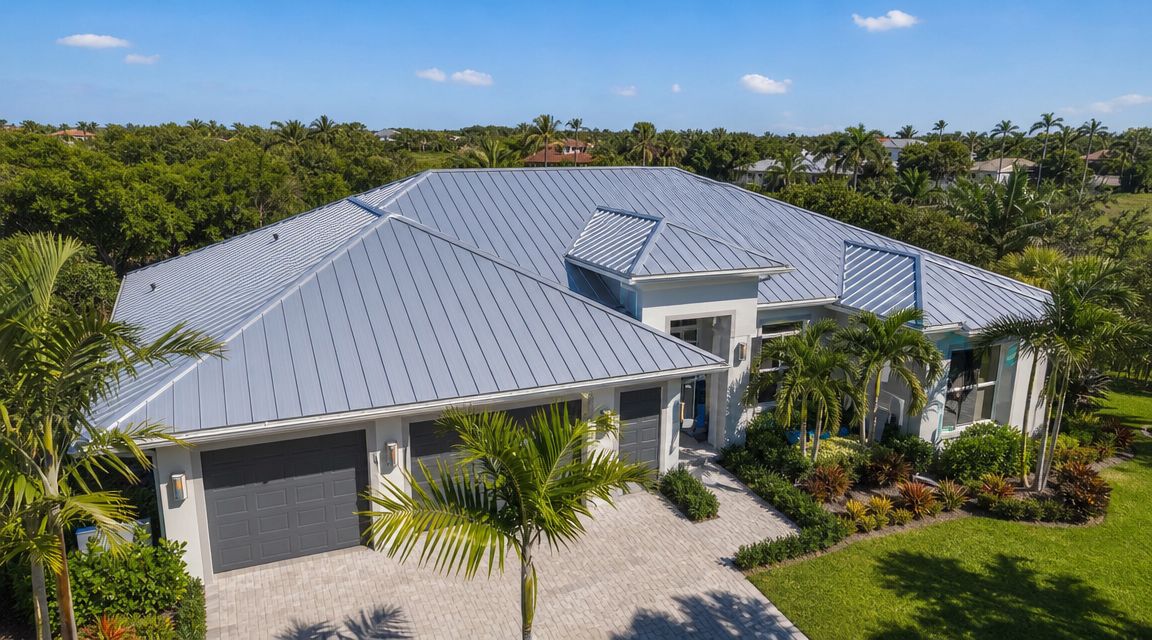
In Palm Beach County, 62% of closed roofing contracts were metal roofs, and 57% of homeowners asked about metal at the first inquiry stage according to a South Florida roofing survey summarized by Roofs by Rhino. That matters because it tells you metal roofing in Palm Beach Gardens isn't a fringe upgrade anymore. It's a mainstream buying decision in a market where wind, heat, salt exposure, insurance pressure, and long replacement cycles all shape what makes sense.
Most homeowners don't need another generic list of “metal roof benefits.” They need to know what works in Palm Beach Gardens, what costs more, what's worth paying for, and where contractors cut corners. It isn't just about whether metal looks good. The main concern is whether the roof system you buy today will still make financial sense decades from now in South Florida conditions.
Table of Contents
- Why Metal Roofing is a Smart Investment in Palm Beach Gardens
- Decoding Metal Roofing Materials for Coastal Florida
- Estimating Your Metal Roof Cost in Palm Beach Gardens
- The True Cost of Ownership Metal vs Other Roofing
- Navigating Palm Beach Gardens Permitting and Installation
- Long-Term Care for Your Palm Beach Gardens Metal Roof
- Frequently Asked Questions About Metal Roofing
Why Metal Roofing is a Smart Investment in Palm Beach Gardens
Metal roofing in Palm Beach Gardens makes sense when you treat it as a storm-ready building system, not just a premium finish. In South Florida, the roof takes sun, wind uplift, driven rain, and long periods of heat that wear out weak details fast. If the assembly is designed correctly, metal gives you a tougher shell with fewer failure points than many lower-cost options.

A local installation example cited a 24-gauge single-lock standing seam roof rated up to roughly 195 to 200 mph, with a manufacturer warranty of about 35 years, in a system where performance depended on panel gauge, seam design, fastening specs, and compliant underlayment, as shown in this local standing seam installation example. That's the right way to think about metal roofing. The visible panels matter, but they're only one part of the system.
For homeowners comparing options visually, this metal roof project image is a useful reminder that panel profile and finish are the easy part to notice. The harder part, and the more important part, sits underneath.
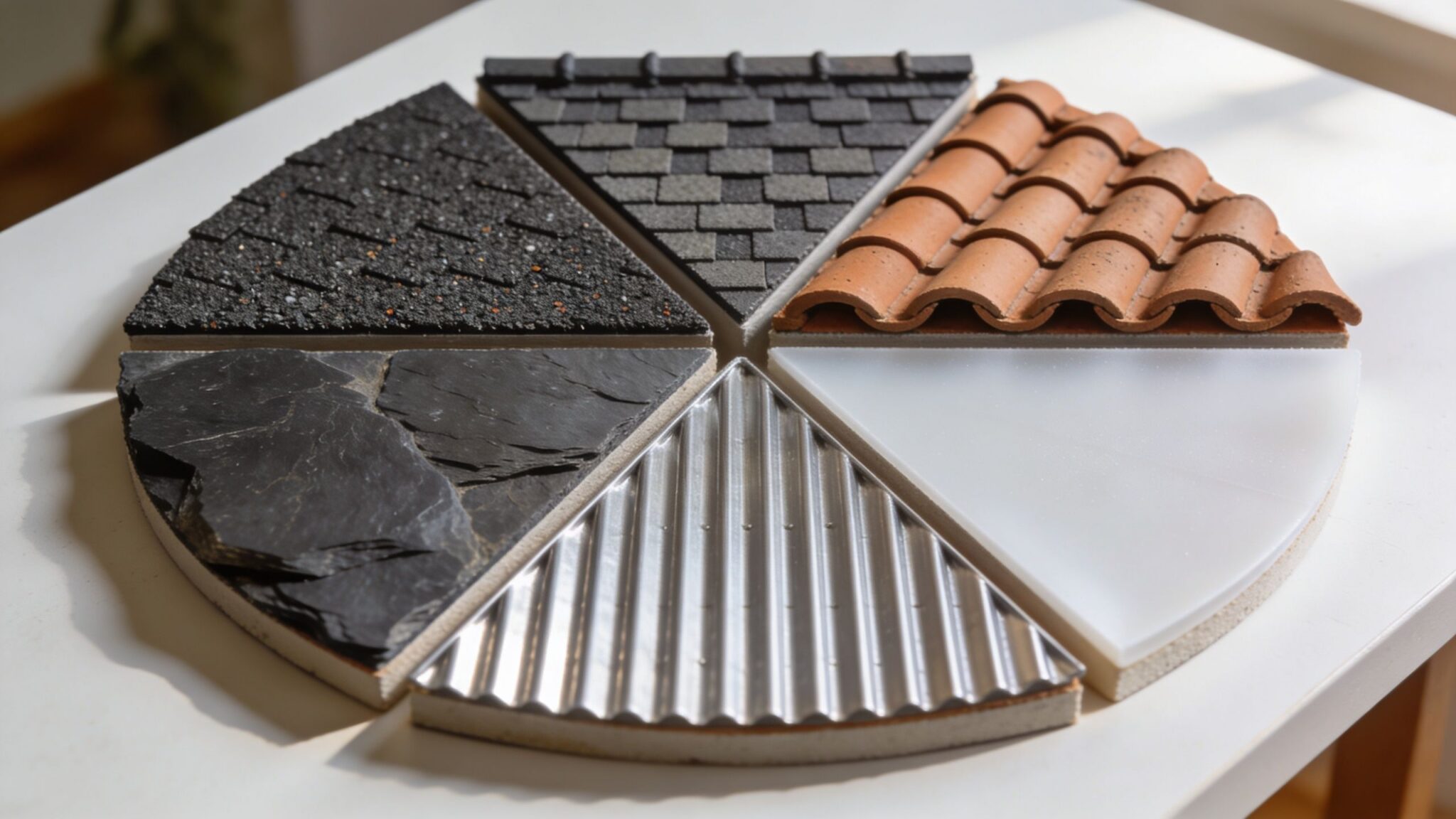
A roof system matters more than the panel alone
A lot of disappointing metal roofs come from one mistake. People buy “metal” as if every metal roof performs the same.
That's not how it works in Palm Beach Gardens. A strong system depends on several pieces working together:
- Panel profile: Standing seam generally gives cleaner water management and better concealed fastening than exposed-fastener systems.
- Gauge and seam type: Heavier panel construction and the right seam design affect uplift performance.
- Underlayment: Water control under the metal matters just as much as wind resistance above it.
- Flashing details: Valleys, sidewalls, penetrations, and transitions decide whether a roof stays dry after the first big storm.
- Attachment method: Clips, fasteners, spacing, and layout have to match product approvals and site conditions.
Practical rule: If a proposal spends more time on color choices than on underlayment, flashing, and fastening, it's not a serious metal roof proposal.
The county reroofing approach also allows synthetic underlayment that meets performance requirements and permits 3 3/4-inch AAMA 711 flashing tape as part of approved secondary water barrier detailing, which reinforces the point that good metal roofing is built as a wind-and-water assembly, not merely a top layer.
Why local buyers keep moving toward metal
Homeowners in Palm Beach Gardens usually come to metal for one of three reasons. They're tired of storm anxiety, they're tired of replacing lower-end materials on a shorter cycle, or they want a roof that fits the value of the home without acting delicate.
Metal works well here because it addresses local stress points directly. It sheds water fast. It handles sun better than many traditional coverings. And when it's specified properly, it gives stronger storm performance than homeowners often expect.
There's also a practical resale argument. Buyers in this market understand what a high-quality roof means. They may not know clip spacing or underlayment specs, but they know the difference between a roof that looks temporary and a roof that looks built for Florida.
A metal roof is a smart investment only when the contractor installs the whole assembly correctly. The panel alone won't save a bad job.
Decoding Metal Roofing Materials for Coastal Florida
Salt exposure can change the economics of a metal roof faster than homeowners expect. Pick the wrong metal for the site, and the roof can still look good on day one while costing more in maintenance, refinishing, or earlier replacement over the next few decades.
In Palm Beach Gardens, the first material decision is not color or panel width. It is substrate. Homes farther inland often pencil out well with Galvalume steel. Homes with heavier salt-air exposure usually justify aluminum because corrosion resistance affects service life, upkeep, and long-term value.
Galvalume steel for inland homes
Galvalume steel remains a common choice for residential standing seam roofs in inland parts of Palm Beach Gardens. For the right house, it gives a good balance of price, appearance, and expected lifespan.
That value depends on location. A home west of the Intracoastal and less exposed to constant salt carry can often use Galvalume without paying for a higher-cost alloy the site does not need. Over a 30 to 50 year ownership window, that matters. Spending more on aluminum inland can raise the initial contract total without producing enough extra life or insurance benefit to justify the premium.
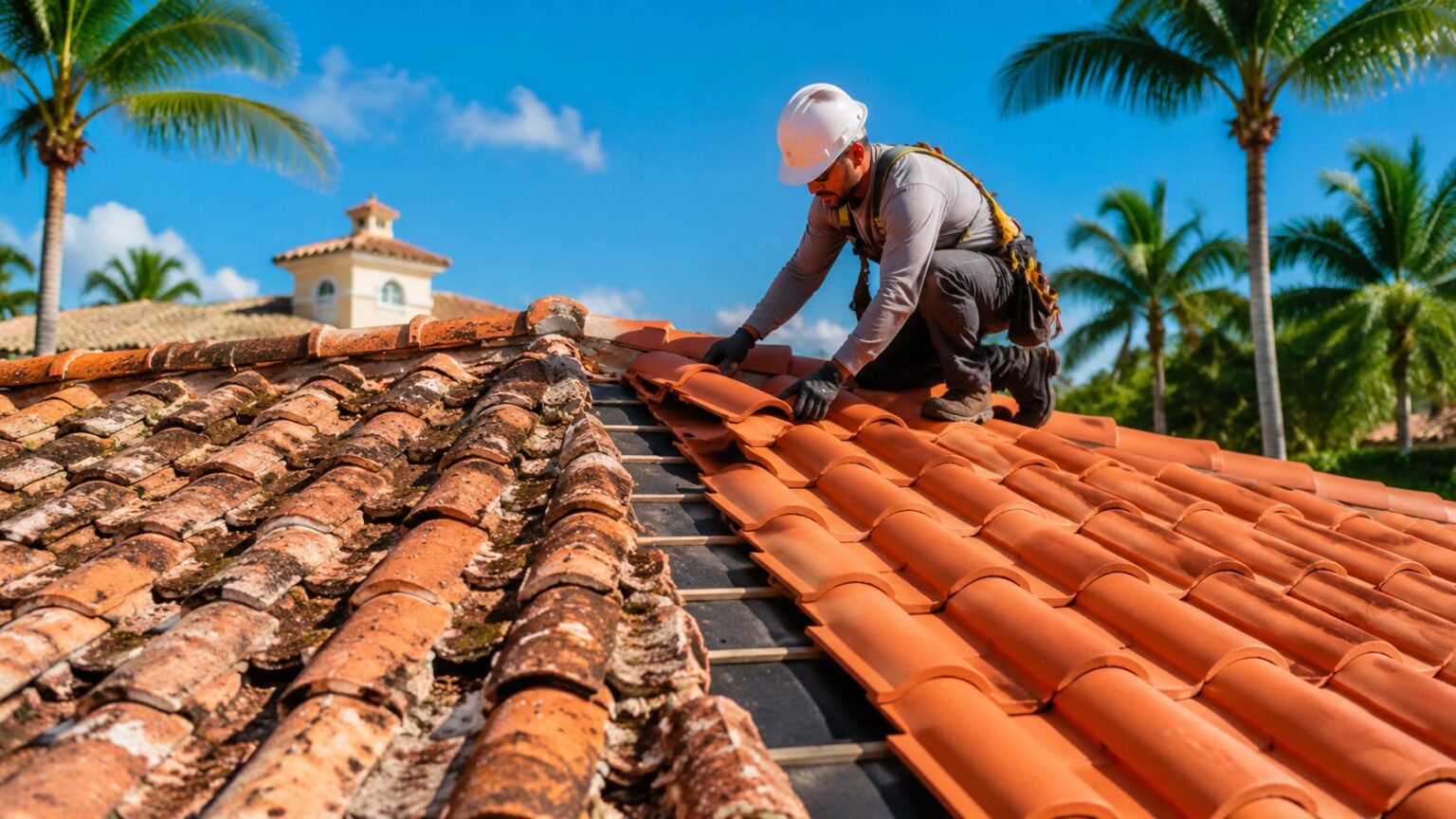
For homeowners comparing roof profiles, this standing seam material example shows the type of panel commonly used on higher-end residential metal systems.
Galvalume usually makes sense when the house checks these boxes:
- Inland or lower-salt exposure
- Standing seam is the target profile
- Budget matters, but the owner still wants a long-service roof
- The goal is lower lifetime replacement frequency than asphalt shingle
The trade-off is straightforward. Galvalume is less forgiving in harsher chloride exposure. If the property sits closer to stronger salt air, the lower upfront number can turn into the higher total cost of ownership.
Aluminum for salt-air exposure
Aluminum costs more, but near the coast it often earns that premium. It resists chloride-driven corrosion better than steel-based options, which is why it is commonly specified for homes with stronger salt exposure.
That changes the financial picture. A more expensive substrate can still be the cheaper roof over time if it reduces corrosion risk, service calls, coating issues, and the odds of an early replacement cycle. In Palm Beach Gardens, that is the comparison that matters. Homeowners should measure the roof over decades, not just at contract signing.
Finish quality matters too. Scratches, cut-edge treatment, and coating performance affect how well the roof holds up in South Florida sun and salt. For a general look at how protective finishes resist surface damage on metal, this article on best scratch resistant automotive paint gives useful background on coating behavior, even though roofing systems use different specifications and are exposed to different conditions.
Choose the metal for the exposure category and ownership timeline. That is how you control long-term cost.
Metal Roofing Material Comparison for Palm Beach Gardens
| Feature | Galvalume Steel | 5300 Series Aluminum |
|---|---|---|
| Best use case | Inland Palm Beach Gardens homes | Coastal and salt-air exposed properties |
| Common local role | Residential standing seam roofs where salt exposure is lower | Roofs specified for stronger chloride exposure |
| Corrosion resistance | Good in inland conditions | Better in harsher salt-air conditions |
| Typical system fit | Standing seam residential roofs | Coastal standing seam and metal tile systems |
| Cost direction | Lower upfront cost in many inland applications | Higher upfront cost, often justified near salt exposure |
| TCO risk | Can become more expensive if used in the wrong exposure zone | Can save money over time by avoiding corrosion-related issues |
A solid proposal should explain why the alloy fits the property, how close the house is to meaningful salt exposure, and what that choice does to 30 to 50 year ownership cost. If a quote skips that discussion, it is missing one of the biggest financial decisions in the whole roof system.
Estimating Your Metal Roof Cost in Palm Beach Gardens
Homeowners usually ask about price first, and that's fair. Metal roofing in Palm Beach Gardens sits in a real premium band, so you need to know whether the quote in front of you is realistic or padded.

What local pricing tells you
A recent Palm Beach cost guide places the average metal roofing job between $9,741 and $11,054, with a broader expected range of $9,084 to $11,710, and shows homeowners typically paying about $6 to $12 per square foot installed, with standing seam commonly quoted at $9 to $12 per square foot installed, according to this Palm Beach metal roofing cost guide. The same source includes a 1,282-square-foot standing seam project totaling $10,606.12, modeled at $8.84 per square foot.
Those numbers are useful as a baseline, not as a final quote for your house. In real estimating, roof geometry drives cost just as much as square footage. A simple roof and a chopped-up roof with hips, valleys, wall transitions, and multiple penetrations are not the same job.
What moves your quote up or down
A clean quote should separate the major cost drivers instead of hiding everything inside one lump sum. These are the items that usually push the price around:
Material choice
Standing seam, metal tile, steel, and aluminum don't price the same. The right material for the site matters more than chasing the lowest starting number.Roof complexity
Valleys, dormers, skylights, chimneys, and intersecting planes create labor and flashing work. That's where cheap bids often leave things out.Underlayment and water barrier details
A stronger assembly costs more upfront, but it's where a lot of long-term value comes from in South Florida.Removal and deck prep
Tear-off, disposal, and any deck corrections can change the job once the old roof comes off.Installation quality
Metal is less forgiving than people think. Good crews charge for precision because panel alignment, trim work, and watertight detailing take skill.
Don't compare metal roof estimates by total price alone. Compare scope. The cheapest bid often deletes the exact details that make metal roofing worth buying.
If you want to understand how estimators structure takeoffs and scope categories, a platform like Exayard roofing estimating software gives a useful look at how roofing costs are organized. Even if you're a homeowner, that framework helps you ask better questions when reviewing proposals.
A good quote should tell you what panel system is being used, what underlayment is included, how penetrations will be flashed, and whether trim and accessories match the manufacturer system. If those details are vague, the price isn't the problem. The missing scope is.
The True Cost of Ownership Metal vs Other Roofing
Most roofing pages stop at installed price. That's where homeowners get misled. The more useful question is what the roof costs you over decades of ownership, not what it costs the week it's installed.

A key gap in local content is that it usually doesn't quantify total cost of ownership versus shingle or tile over a 20 to 50 year horizon, including maintenance, insurance, energy implications, and replacement cycles, as noted in this analysis of the Palm Beach Gardens metal roofing content gap. That missing comparison is exactly where metal often makes the most sense.
Why upfront price is only part of the decision
A roof has several cost layers over time:
- Initial installation
- Repairs and maintenance
- Likely replacement timing
- Insurance treatment after wind-mit documentation
- Cooling performance and attic heat gain
- Disruption cost when the roof has to be replaced again
Metal usually starts higher. That part is obvious. The part many buyers miss is that lower-cost roofs can become more expensive ownership decisions if they need more attention, wear out faster in Florida conditions, or create another full replacement cycle while the metal roof is still in service.
Another practical issue is hassle. A homeowner who plans to stay in the property for a long time should care about how many times they'll have to reopen the roofing question. One of the strongest arguments for metal isn't just durability. It's avoiding repeat projects.
How to compare metal with shingle or tile honestly
The cleanest way to compare roof types is to use decision categories instead of forcing fake precision. Since many variables change by property, insurer, ventilation design, and HOA rules, the honest approach is to compare by ownership pattern.
| Ownership factor | Metal roofing | Traditional lower-cost roofing |
|---|---|---|
| Upfront cost | Higher | Lower |
| Storm-focused system value | Strong when installed as a full assembly | Varies more by material and installation details |
| Maintenance burden | Usually lighter, but not zero | Often higher over time |
| Replacement cycle pressure | Lower | Typically comes sooner |
| Suitability for long ownership | Strong | More sensitive to wear, age, and repeat replacement |
| Appeal to resilience-focused buyers | Strong in South Florida | More dependent on price point |
Here's the practical way I explain it to homeowners. If you expect to move soon and you're solving only for immediate budget, metal may not always be the simplest choice. If you expect to hold the property, care about storm performance, and don't want to revisit roofing on a shorter cycle, metal often looks better the longer you stretch the timeline.
Field view: The wrong way to buy a roof is to compare only invoices from installation week. The right way is to compare how many times you'll pay, repair, argue with insurance, and live through replacement.
Tile belongs in this conversation too, especially in neighborhoods where aesthetics matter. But tile brings its own trade-offs with weight, breakage, repair logistics, and detailing complexity. It can be an excellent roof. It's just not the same ownership profile as metal.
The main point is simple. Metal roofing in Palm Beach Gardens shouldn't be judged like a commodity product. It should be judged like a long-term capital upgrade.
Navigating Palm Beach Gardens Permitting and Installation
A metal roof can be excellent on paper and disappointing on the house if the installation process is sloppy. Permitting, product approvals, deck prep, underlayment, trim, and final inspection all matter. Homeowners don't need to manage the work, but they should understand the sequence well enough to spot weak project management.

What a properly managed project looks like
On a well-run project, the job usually follows a clear path.
Site review and scope confirmation
The contractor measures, checks roof complexity, identifies penetrations and transitions, and confirms the specified metal system.Permit handling
The reroof should move through local permitting with the correct documents and approved materials.Tear-off and deck inspection
Once the old roof comes off, the deck gets checked before anyone starts covering it back up.Underlayment and secondary water barrier work
This stage is critical in South Florida because it affects how the roof handles driven rain if the outer covering is compromised.Panel and trim installation
Good crews stay disciplined on alignment, clips, seams, flashing, and penetration details.Inspection and closeout
Final sign-off matters. So does jobsite cleanup and documentation.
One practical option homeowners in the area can consider for this kind of work is Paletz Roofing and Inspections, which provides metal roof installation, replacement, repair, and inspection services in South Florida. The key isn't the brand name. The key is whether the contractor can document the exact assembly being installed.
Where installations usually go wrong
Bad metal jobs tend to fail in predictable places:
- Penetrations: Plumbing stacks, vents, and mounted equipment need disciplined flashing.
- Transitions: Roof-to-wall areas and dead valleys expose rushed crews quickly.
- Mismatched components: Panels from one system and trim logic from another create problems.
- Underlayment shortcuts: Homeowners can't see it later, allowing weak scopes to hide.
- Crew inexperience: Metal looks simple from the driveway. It isn't simple on the roof.
A clean-looking roof can still be a badly built roof. Water testing and storm exposure reveal the difference.
Ask for the product approval path, underlayment type, flashing plan, and manufacturer system details before the first panel goes on. If the answers are vague before the contract, they'll be worse after the deposit.
Long-Term Care for Your Palm Beach Gardens Metal Roof
Metal roofs are low maintenance, not no maintenance. That distinction matters. A roof can last a very long time and still need periodic attention to keep small issues from turning into expensive ones.
Simple maintenance that protects the system
Most homeowners can handle the basic oversight from the ground and leave roof-level work to a professional.
A practical maintenance routine looks like this:
- Watch the roof after major storms: Look for displaced trim, loose debris, bent flashing, or anything unusual around penetrations.
- Keep gutters and valleys clear: Water has to move off the roof fast. Debris buildup creates drainage problems and can trap moisture.
- Check for contact from branches: Limbs rubbing against panel finishes or trim can wear surfaces over time.
- Look for sealant aging at vulnerable details: Pipe boots, exposed transitions, and accessory flashings deserve periodic review.
- Schedule inspections when something changes: A new stain, unusual noise, or visible movement is enough reason to call.
If you want a quick reference point for the kind of company service that typically supports this phase, this roof inspection service graphic reflects the inspection side of long-term roof care.

When to call a roofer instead of handling it yourself
Call a professional if you see lifted trim, recurring leaks, sealant failure around penetrations, corrosion concerns near fasteners or accessories, or any sign that a storm may have loosened part of the system.
Don't let general handymen improvise repairs on metal roofing. A lot of avoidable leaks start with the wrong sealant, the wrong fastener, or someone stepping where they shouldn't. Small corrections made correctly are cheap. Small corrections made badly turn into callbacks and interior damage.
Frequently Asked Questions About Metal Roofing
Is a metal roof loud in heavy Florida rain
A properly built residential metal roof in Palm Beach Gardens is usually not much louder than other roofing systems. The assembly matters more than the panel itself. Solid decking, underlayment, attic insulation, and ceiling construction all reduce sound.
I tell homeowners to ignore the barn comparison. Open agricultural buildings sound loud because there is very little between the panel and the people underneath. A finished home is a different setup.
Does metal attract lightning
Metal roofing does not increase the chance of a lightning strike. Height, location, nearby trees, and the overall structure play a much bigger role.
The practical question is what happens after the weather hits. Metal is noncombustible, and high-quality systems hold up well in wind when they are engineered and installed correctly. That matters more in Palm Beach Gardens than the old lightning myth.
Can solar panels go on a metal roof
Yes, and metal is often one of the better roof types for solar if the attachment method matches the panel profile. Standing seam systems are especially installer-friendly because some mounting options clamp to the seams and avoid extra penetrations.
The timing matters. If a roof is near the end of its service life, adding solar first is usually a mistake. On the cost side, pairing a long-life roof with a long-life solar system often makes more financial sense than putting panels over shingles that may need replacement halfway through the solar payback period.
Does metal help resale value
It often does, but buyers do not pay extra just because the listing says "metal roof." They respond to age, appearance, permit history, wind-mitigation features, and whether the roof still has decades of service life left.
That ties back to total cost of ownership. A buyer looking at a 40- to 50-year metal roof sees fewer replacement cycles than with asphalt shingles, possible insurance benefits, and lower cooling costs during long South Florida summers. A concrete tile roof can also last a long time, but tile repairs are usually more specialized and more expensive. Shingles cost less up front, but over 30 years many Palm Beach Gardens homes go through at least two shingle roofs. That replacement cycle changes the math.
Is a metal roof more expensive than shingles
Up front, yes. In Palm Beach Gardens, metal usually costs more than architectural shingles and less than premium tile, depending on profile, substrate, underlayment package, and the amount of detail work on the roof.
The better comparison is lifecycle cost, not just the first contract price. If a homeowner plans to stay in the house for a long time, metal often closes that gap through longer service life, fewer tear-offs, lower maintenance, and in some cases lower insurance and energy costs. If the plan is to sell in a few years, the payback depends more on neighborhood expectations and how much buyers value the upgrade.
How long does a metal roof last in coastal South Florida
Service life depends on the metal type, coating quality, distance from salt air exposure, and installation quality. In this market, a properly specified and properly installed metal roof can outlast asphalt shingles by a wide margin.
Coastal conditions are hard on every roof system. Salt, UV, wind-driven rain, and heat punish weak details fast. That is why panel type, fastener choice, underlayment, and flashing work matter as much as the material name on the proposal.
If you want a second opinion on condition, expected remaining life, or whether metal makes financial sense for your property, Paletz Roofing and Inspections can review the roof in a factual, non-sales way and point out the trade-offs.