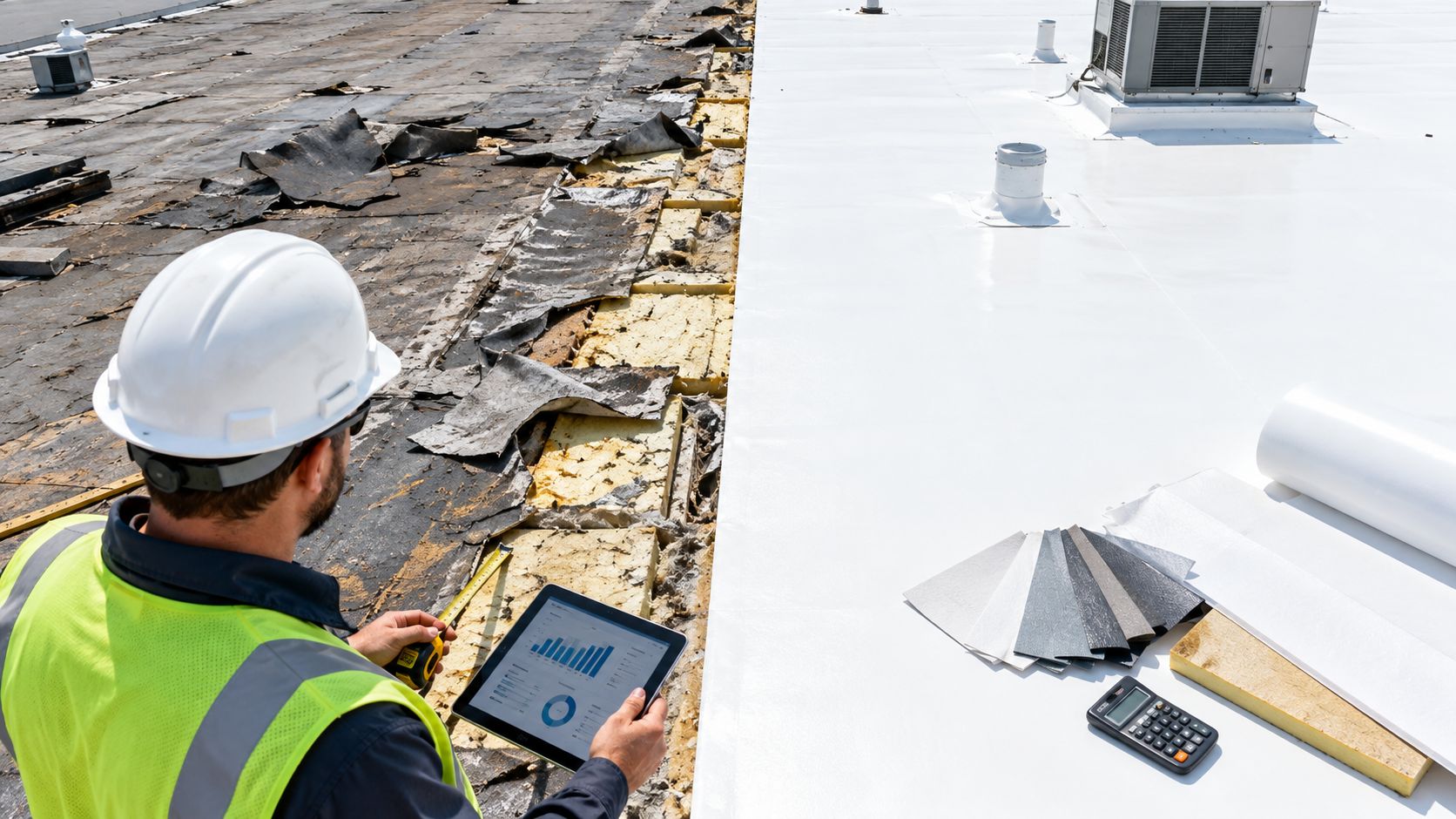
Most commercial flat roof replacements in 2026 fall between $7.50 and $16.00 per square foot installed, so a 10,000-square-foot roof can cost roughly $75,000 to $160,000 before unusual structural repairs or code upgrades. The final commercial flat roof replacement cost depends less on roof size alone than on the membrane, insulation, tear-off scope, deck condition, access, drainage, and South Florida wind requirements.
That spread is why a simple per-square-foot quote can be misleading. Two buildings with the same footprint may receive very different invoices because one needs only a new membrane while the other contains wet insulation, damaged decking, inadequate drainage, or an attachment system that doesn't satisfy current storm requirements. The membrane is visible, but the layers beneath it and the conditions around the building often control the budget.
Table of Contents
- Understanding Commercial Flat Roof Replacement Costs
- Comparing Common Flat Roof Membrane Systems
- Hidden Cost Drivers in Roof Replacement Projects
- Budgeting for Your South Florida Roof Project
- Replacement vs Reconditioning and Making the Financial Choice
- Preventing Costly Surprises with Proactive Maintenance
Understanding Commercial Flat Roof Replacement Costs
A roof's membrane system sets the starting point, but the installed price depends on the assembly and the building conditions. A 2026 commercial roofing cost report places installed TPO around $7 to $12 per square foot, EPDM around $5 to $14, and PVC around $9 to $14, depending on insulation, attachment method, tear-off, and detailing. The commercial roofing cost report supports comparing the complete scope rather than choosing a membrane by price alone.
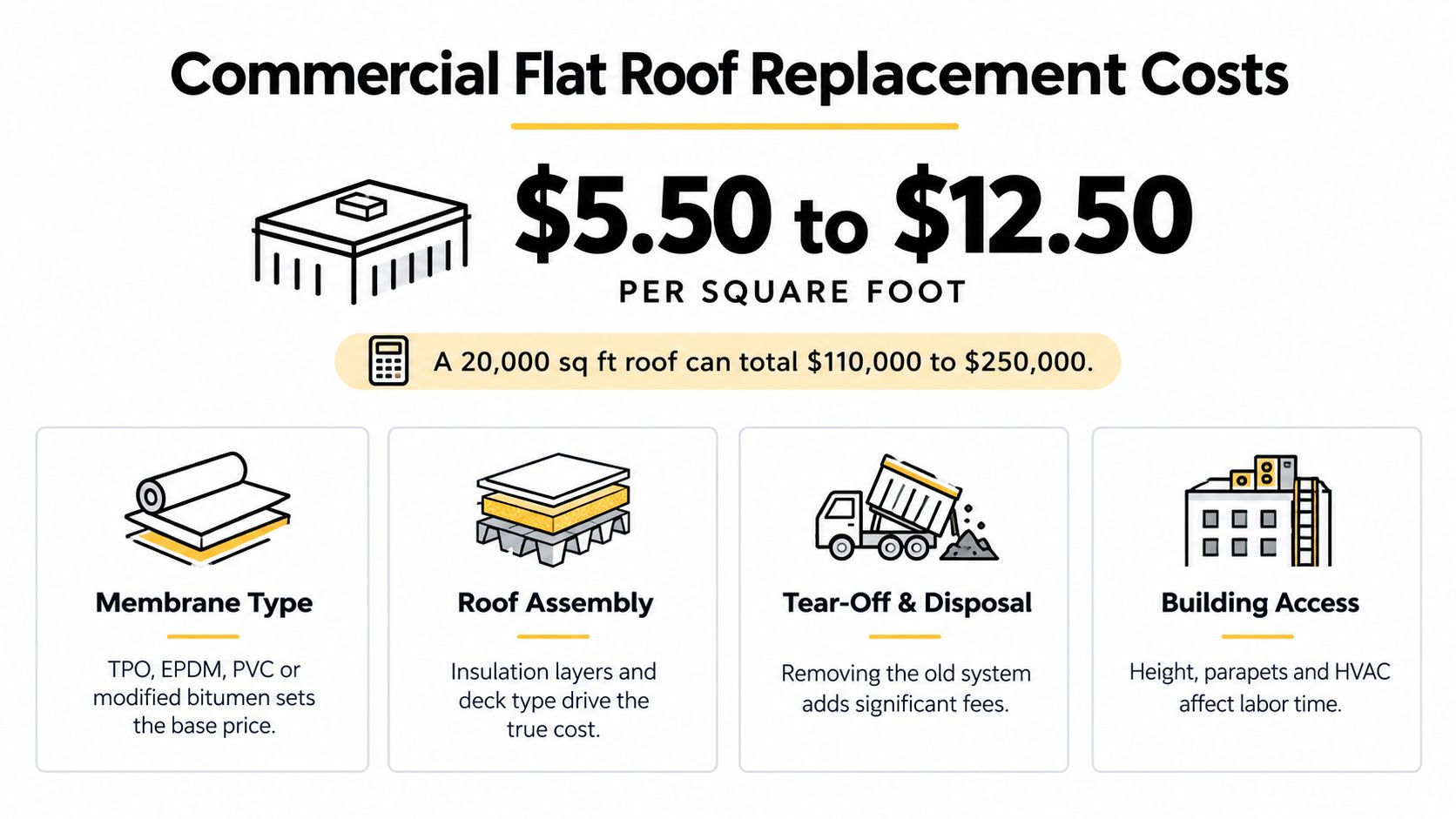
A 10,000-square-foot warehouse with clear access and dry insulation may receive a straightforward proposal. A similar South Florida building can become a five-figure surprise when moisture is trapped below the membrane, several roof layers require removal, HVAC equipment limits staging, or storm-code upgrades require additional fastening and edge work. The roof area stays the same. The scope changes.
Why the same roof size produces different bids
A contractor's estimate should describe the entire roof assembly, including insulation, cover board, fasteners or adhesive, flashings, edge details, drains, parapets, removal, disposal, labor, and warranty requirements. If those items remain vague, a low per-square-foot figure may omit work that appears later as a change order.
Installed cost guides commonly show a broad range because removal, labor, system type, access, and deck repairs vary from building to building. RoofVista's commercial flat-roof cost guide explains why a headline range cannot predict the final invoice without a defined scope.
Practical rule: Compare proposals by scope, not by the lowest number beside “per square foot.”
Ask each contractor to identify what happens if inspection reveals wet insulation, deteriorated decking, blocked drains, or inadequate wind-uplift protection. Those findings can change the work from membrane replacement to a larger assembly upgrade.
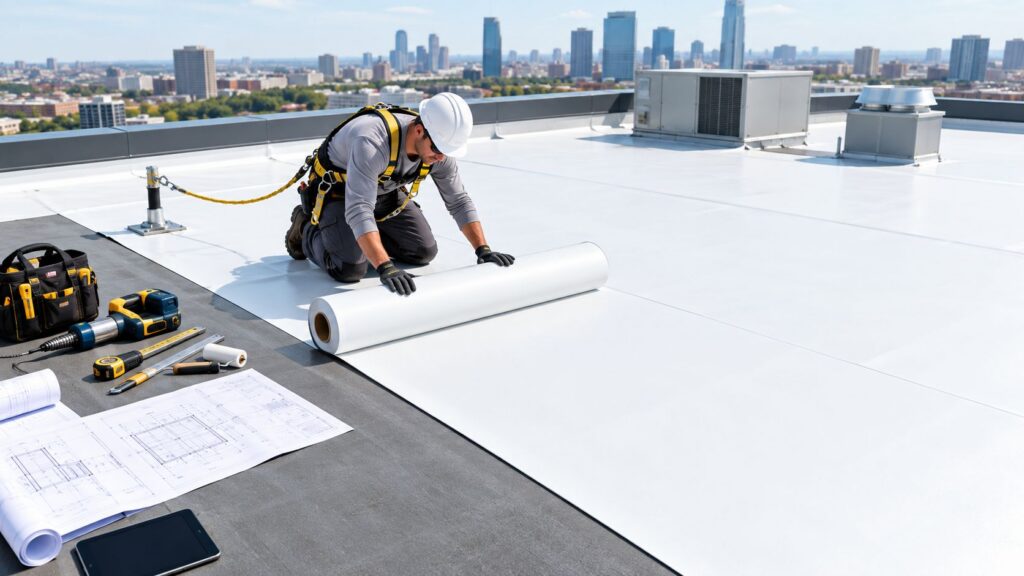
For owners reviewing an estimate, VerticalRent's pricing guide provides background on separating materials, labor, overhead, and margin. A roof inspection photo can also test whether access and labor assumptions match the site. This commercial roofing installation reference image illustrates the installation context that should support those assumptions.
Comparing Common Flat Roof Membrane Systems
Membrane selection sets the starting point, but South Florida conditions make the decision more practical than choosing the cheapest sheet. Intense sun, heat, heavy rain, ponding water, rooftop equipment, and wind exposure all affect how a system performs and how much detailing it requires.
One commercial cost guide lists typical material pricing at approximately $3.50 to $6 per square foot for EPDM, $4 to $7 for TPO, $5 to $8 for PVC, $4 to $8 for built-up roofing, and $4 to $7 for modified bitumen. Those figures describe material pricing, not a complete project invoice. The commercial flat-roof replacement cost guide notes that labor and assembly choices still shape the installed total.
| Membrane Type | Installed Cost per Sq Ft |
|---|---|
| EPDM | About $5 to $14, depending on assembly |
| TPO | About $7 to $12 |
| PVC | About $9 to $14 |
| Built-up roofing | About $4 to $8 for material pricing |
| Modified bitumen | About $4 to $7 for material pricing |
EPDM
EPDM often appeals to owners seeking a familiar rubber membrane and a flexible installation approach. Its pricing can be competitive, but the assembly matters, and a dark membrane absorbs more solar heat than a reflective white system. In a hot South Florida building, the owner should evaluate the roof's energy behavior, rooftop equipment, insulation, and expected maintenance rather than treating the lowest material range as the best value.
TPO
TPO is commonly selected for commercial buildings because reflective surfaces suit hot climates and heat-welded seams create a continuous bonded detail when installed correctly. The practical trade-off is quality control. Poorly prepared seams, rushed flashing work, or incompatible details can undermine an otherwise sound membrane choice.
PVC
PVC typically commands a higher material position than EPDM or TPO, but it can make sense where chemical exposure, grease, or demanding rooftop conditions influence the specification. Restaurants, food-service buildings, and certain industrial uses may justify the premium when the system's resistance characteristics reduce operational risk.
Built-up roofing and modified bitumen remain viable in specific assemblies, particularly where an owner values layered construction or an existing system makes a compatible repair strategy sensible. The right comparison is not “cheap versus expensive.” It is initial cost, building use, climate exposure, installation quality, warranty requirements, and future access.
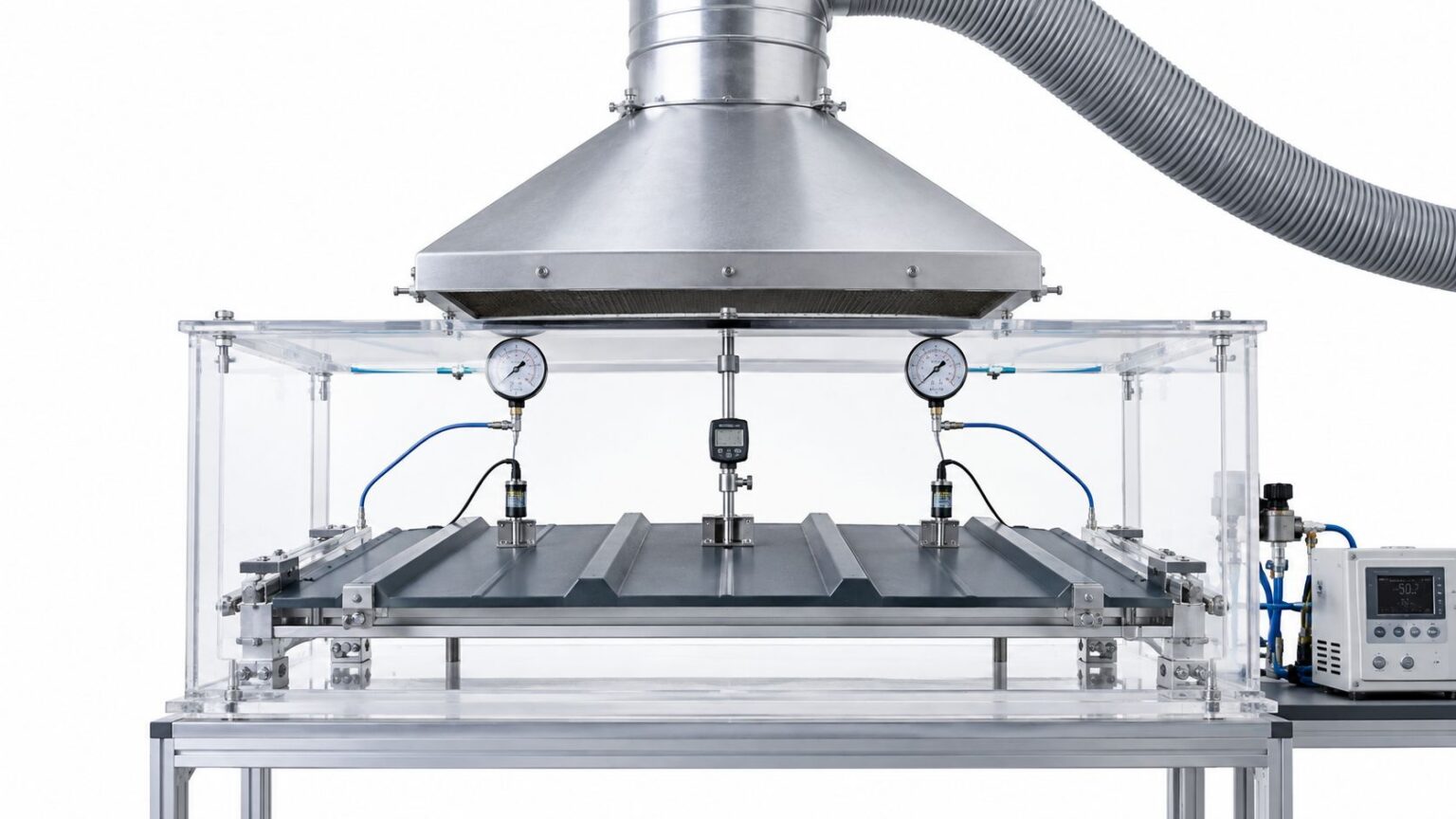
A roof's wind performance also deserves separate attention. This roof uplift testing laboratory reference illustrates why attachment and uplift resistance belong in the specification, especially for exposed South Florida properties.
Hidden Cost Drivers in Roof Replacement Projects
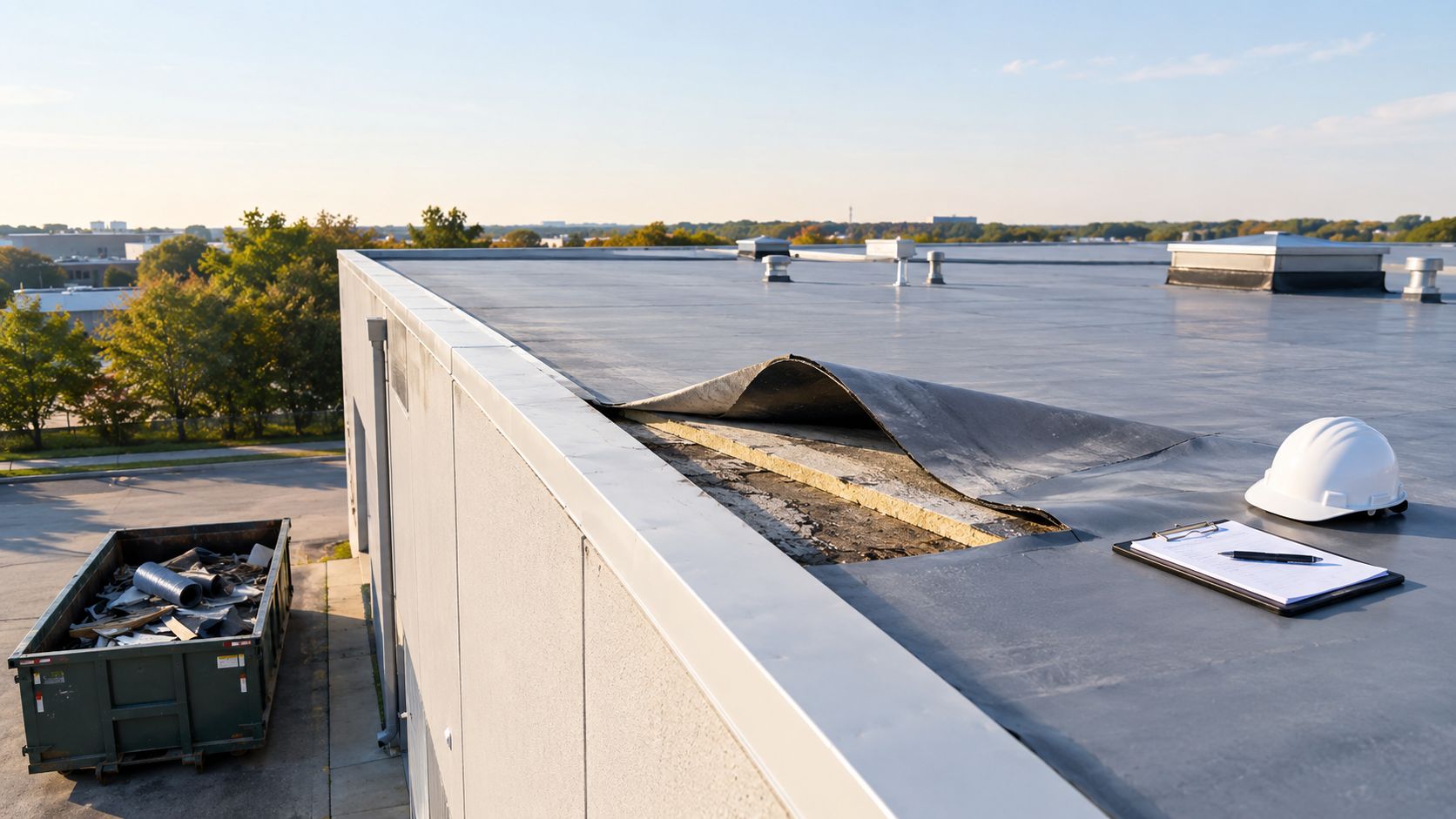
Most budget surprises come from work that isn't visible from the parking lot. A proposal may show a new membrane while treating tear-off, wet insulation, deck repairs, drainage corrections, and storm-code details as allowances or exclusions. That creates a low headline price and an unreliable capital forecast.
The cost stack matters more than the membrane price alone. Each hidden condition can turn a straightforward replacement into a five-figure change, especially when the contractor cannot verify the roof assembly until removal begins.
The cost stack beneath the membrane
Tear-off and disposal become more expensive when the existing roof contains multiple layers or materials requiring careful handling. Removing those layers exposes the substrate, where contractors may find deterioration that a surface inspection could not reveal. Confirm the assumed number of layers, hauling, landfill charges, and labor before approving the proposal.
Wet insulation deserves close attention in South Florida. Water can travel laterally through insulation, so the visible leak may sit far from the full saturated area. Leaving wet insulation beneath a new membrane traps moisture, reduces thermal performance, and creates a premature failure point. A proper scope should state how saturated areas will be located, removed, and replaced.
Deck repairs address the structural surface supporting the roof assembly. Corrosion, rot, or prolonged water exposure may require replacement or reinforcement before installation. The estimate should explain whether this work is included, measured by unit, or handled through a change order. Without that detail, the owner cannot compare bids accurately.
Code and wind upgrades may change attachment patterns, perimeter details, edge metal, flashing, and related components. South Florida storm exposure makes these requirements more than cosmetic improvements. The roof must be specified as a system that works with the building and current requirements, not as a membrane installed over whatever remains.
Access adds another cost layer. Cranes, lifts, restricted staging, occupied tenants, rooftop air-conditioning equipment, parapets, and limited loading areas slow material movement and installation. For a clearer view of how project overhead affects construction pricing, review AmbitionCFO's overhead calculation guide.
Ask for this before signing: a written list of included layers, exclusions, allowances, deck-repair pricing, disposal assumptions, drainage work, and wind-related details.
Budgeting for Your South Florida Roof Project
A practical planning range puts commercial flat roof replacement at $5 to $15 per square foot. One commercial pricing guide places TPO around $8 to $15 and EPDM around $10 to $15, while also identifying tear-off, insulation, access, and drainage as factors that can push the installed total higher. The planning benchmark from Joyland Roofing is useful for establishing a starting range, not for replacing a site-specific scope.
Build the budget from measured roof area and separate the work into four categories:
Removal and disposal. Confirm the number of existing layers and whether the price includes labor, hauling, and landfill charges. A recover system may suit some roofs, but inspection results and warranty requirements should determine that choice.
Insulation and cover board. Check whether the proposal removes wet insulation, adds insulation depth, or installs a cover board. In South Florida, moisture hidden below the membrane can turn a simple reroof into a larger tear-off and replacement project.
Deck preparation. Require a defined process for damaged metal, concrete, plywood, or other deck materials. The estimate should state whether repairs are included, measured separately, or handled through a unit allowance or change order.
Membrane and installation. Compare TPO, EPDM, PVC, built-up roofing, or modified bitumen only after matching insulation, attachment, flashing, edge, drain, and warranty assumptions. A lower membrane price can lose its advantage if it carries weaker details or excludes required accessories.
A practical estimating method
Multiply the measured roof area by a realistic planning range, then adjust the result after inspection. For example, a 25,000-square-foot retail roof budgeted at $8 to $12 per square foot produces a preliminary range of $200,000 to $300,000 before unusual structural repairs, access constraints, or storm-code work. Use the earlier 2026 installed range as a market reference, not as a guaranteed bid.
That calculation is a capital-planning screen. It does not replace a written scope. For South Florida properties, request separate discussion of wind-resistant attachment, perimeter enhancement, drainage performance, occupied-building staging, and storm-related inspection requirements. Wet insulation and code upgrades are common reasons a straightforward replacement becomes a five-figure surprise.
A proposal that skips those items may be pricing only the membrane. Compare complete assemblies, exclusions, allowances, and change-order terms before approving the project.
Replacement vs Reconditioning and Making the Financial Choice
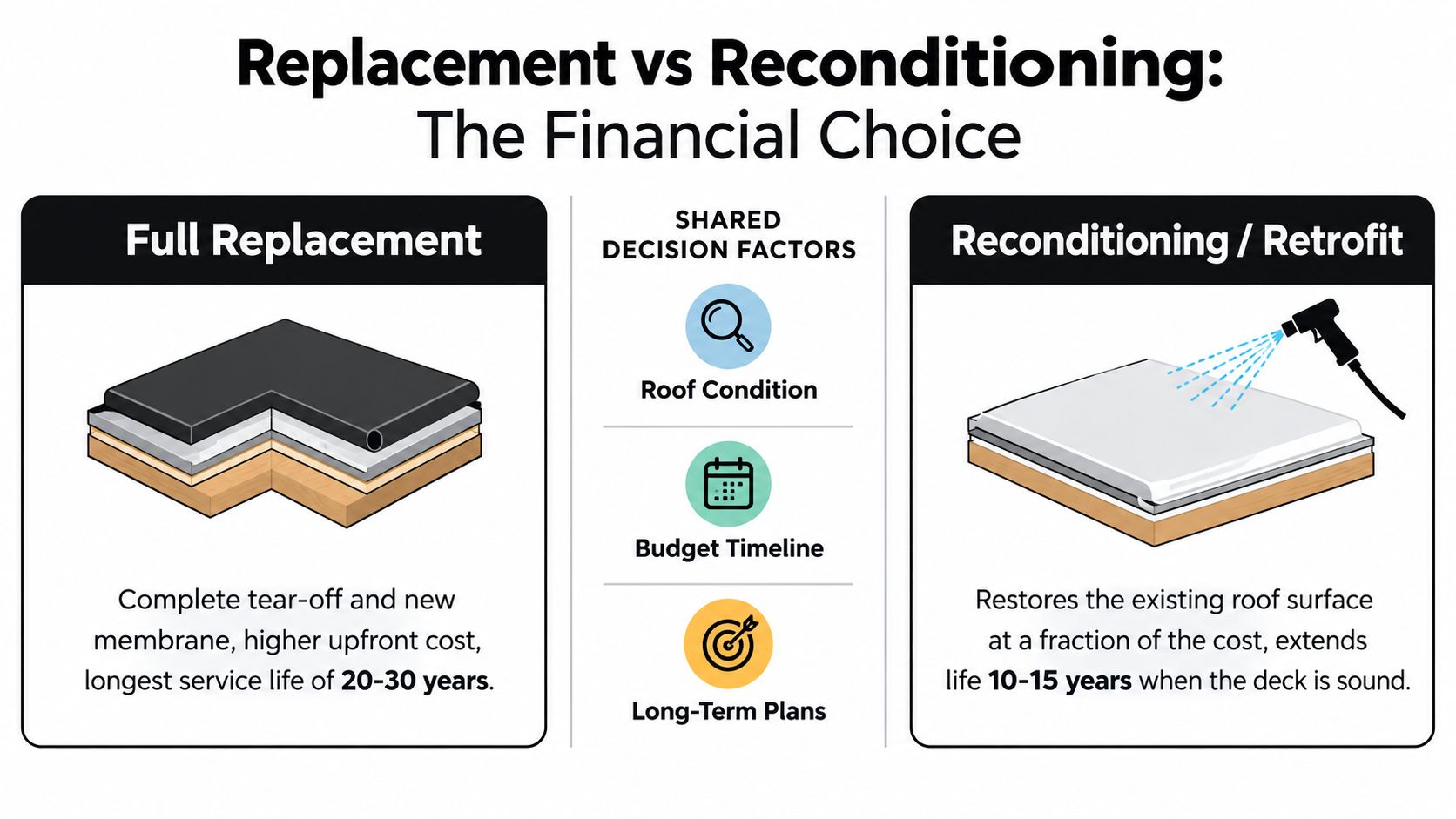
A full replacement is not automatically the soundest financial decision. Reconditioning, a retrofit, or a controlled delay can preserve a serviceable roof when the deck is sound and the existing assembly can accept the proposed work. That approach fails when moisture, structural damage, widespread membrane failure, or unresolved drainage defects remain below the surface.
Current market conditions make the choice more significant. Industry commentary describes a 20,000-square-foot flat roof that might have cost $140,000 to $160,000 in 2023 as ranging from $150,000 to over $320,000, depending on the system, region, and material availability. The same commentary reports an approximately 5.7% year-over-year increase in nonresidential roofing contractor prices by August 2026. Broader 2026 replacement estimates still cluster around $7.50 to $16.00 per square foot. Fortis' discussion of reconditioning versus replacement provides that market context.
When restoration can work
Reconditioning is defensible when inspection confirms a stable deck, contained moisture, functional drainage, and compatibility between the existing system and the proposed restoration treatment. It can reduce immediate disruption and postpone a full tear-off. It does not correct concealed defects. Applying a coating over wet insulation or damaged decking only conceals the cause and may make later investigation more difficult.
Replacement generally makes better financial sense when the roof has widespread saturated insulation, recurring leaks, failing seams across large areas, deteriorated flashing, or a substrate that cannot support another surface treatment reliably. Paying for a temporary repair in those conditions may create another mobilization while leaving the original failure in place.
How to decide
Ask three practical questions:
- What is the roof condition? Commission a moisture investigation and targeted test cuts where needed. Surface appearance cannot confirm what is inside the assembly.
- What is the budget timeline? If capital is available now, approving a defined scope may limit exposure to later material and labor changes. If funds are constrained, use a documented interim plan with clear monitoring and triggers for replacement.
- What are the building's long-term plans? A property intended for sale, redevelopment, or a major HVAC project may need a different roof strategy from a long-term hold.
A delay of six to twelve months can be manageable for a dry, stable assembly under active monitoring. It can also become financially reckless when each storm raises the risk of interior damage, wet insulation, and further moisture migration.
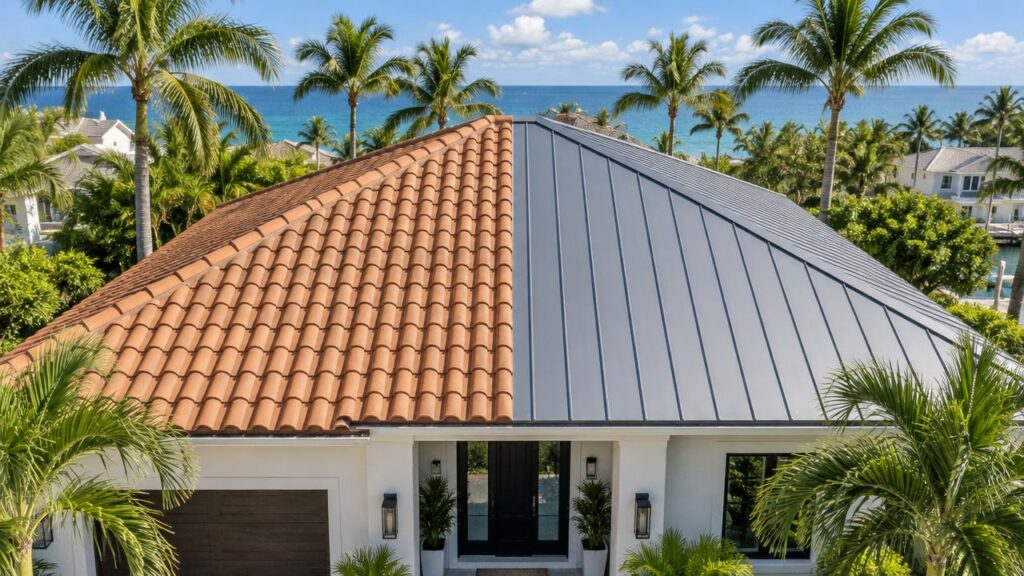
For a broader visual comparison of roofing assemblies and project choices, this roof comparison reference helps separate membrane selection from the larger decision of how the roof system supports the building envelope.
Preventing Costly Surprises with Proactive Maintenance
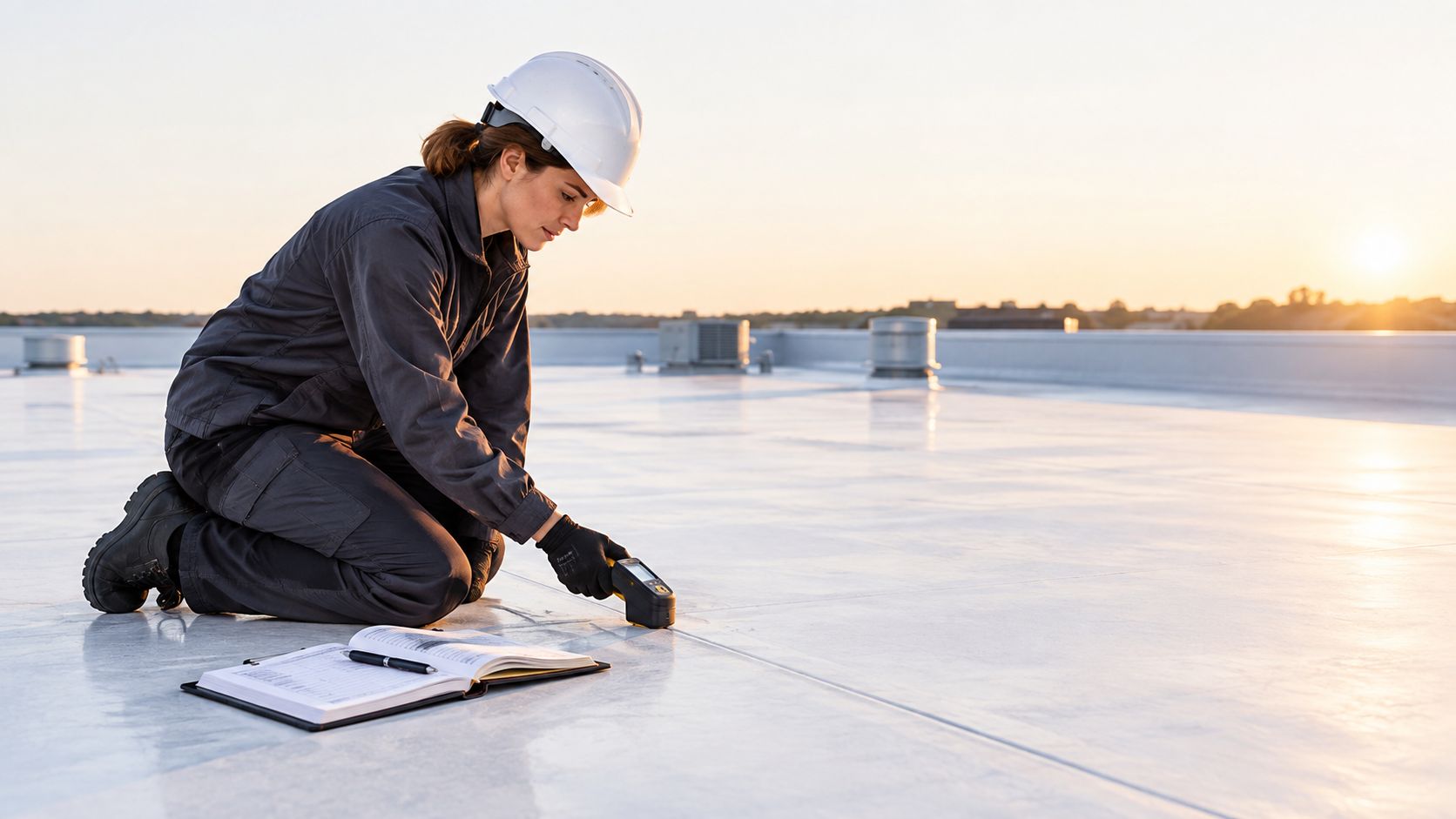
A roof inspection can identify repairable conditions before wet insulation, damaged decking, or storm code upgrades turn maintenance into a five-figure replacement surprise. Check failed sealants, blocked drains, loose edge details, damaged flashing, and ponding while the work remains defined and accessible. Once moisture reaches the insulation or deck, the scope becomes harder to predict.
South Florida roofs deserve inspections after severe weather and before the wet season. Examine penetrations, HVAC curbs, parapet edges, drains, scuppers, walk pads, and membrane seams. Clear debris before it restricts drainage. Use dated photographs to separate new storm damage from older conditions and to document areas that may require upgraded wind details during replacement.
Build a maintenance record
Keep the original roof specification, warranty documents, repair invoices, inspection photographs, leak locations, drain-cleaning records, and tenant complaints in one file. This history lets a contractor target moisture testing and test cuts instead of opening the entire assembly without a clear reason.
Use a written checklist for roof drainage to confirm that drains and scuppers stay clear, water has a defined path, and rooftop work has not damaged the membrane. Maintenance cannot prevent every replacement, but it gives owners more control over timing and pricing.
A predictable roof budget starts with a condition record, not a replacement quote.
Schedule inspections, review drainage after major storms, and request a written condition assessment when leaks return. Early documentation gives decision-makers time to compare repair, reconditioning, and replacement before interior damage disrupts operations.
Paletz Roofing and Inspections provides commercial roof inspections, repairs, replacements, and written estimates in South Florida, including reviews of hidden scope, tear-off, wind details, and system selection. Visit Paletz Roofing and Inspections to request an assessment.