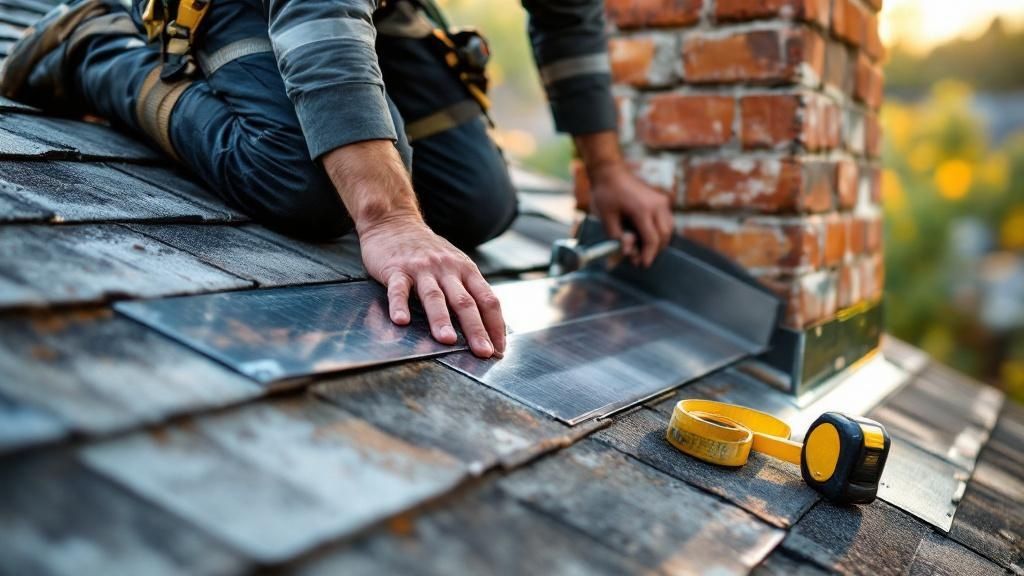
When it comes to protecting your home, the national average cost to replace roof flashing lands somewhere between $500 and $2,000. Of course, this is just a ballpark figure.
Simple fixes on an easy-to-reach, low-slope roof might only set you back a few hundred dollars. But if you're dealing with a complex job around a chimney or skylight, that number can easily climb past $3,000. Your final price tag really boils down to your location, the materials you choose, and whether the old, failed flashing caused any hidden damage.
A Financial Snapshot of Roof Flashing Replacement
Think of roof flashing as the essential raincoat for the most vulnerable seams on your house—places where the roof meets a wall, a chimney, or a vent pipe. When that raincoat rips, water sneaks in and starts causing all sorts of expensive problems.
Getting a handle on the typical cost to replace roof flashing is the first step in budgeting for this critical repair. It's how you stop a small leak from turning into a major structural headache.
Typical Cost Scenarios
Not all flashing jobs are created equal. The biggest factors driving the final cost are the location and complexity of the work. Replacing a straightforward section of step flashing along a wall is a much simpler—and cheaper—job than rebuilding a chimney’s intricate, multi-layered flashing system from scratch.
To give you a clearer picture of what to expect, we've put together a quick-glance table breaking down common replacement scenarios and their estimated costs.
Estimated Roof Flashing Replacement Costs at a Glance
This table gives you a solid baseline for budgeting, showing typical cost ranges for replacing different types of flashing. Keep in mind that these are estimates for standard jobs; if your roofer discovers rotted wood or other water damage, the final cost will be higher.
| Flashing Type | Average Cost Range (Materials & Labor) | Common Issues Addressed |
|---|---|---|
| Wall & Step Flashing | $400 – $1,000 | Leaks where a roofline meets a vertical wall, common on dormers or multi-level homes. |
| Roof Valley Flashing | $500 – $1,200 | Water intrusion in the "V" channels where two roof planes intersect. |
| Vent Pipe Flashing | $300 – $750 | Worn-out rubber boots or seals around plumbing vents, a very frequent source of small leaks. |
| Skylight Flashing | $600 – $2,500+ | Complex kits that demand precise installation to stop water from pooling and getting in. |
| Chimney Flashing | $700 – $3,000+ | Rusted, loose, or improperly installed metal causing significant water damage at the chimney base. |
These figures are a great starting point, but it's crucial to remember that severe, underlying damage can really push the costs up.
While the average roof repair for minor issues is around $750, a major water intrusion from failed flashing is a different story. A complete chimney flashing replacement can easily run from $1,500 to $4,000. If the roofer discovers the underlying roof decking is rotted out, the total cost for the project can soar to $5,000 or more. For a deeper look at these figures, you can explore more detailed roofing industry trends and cost data.
Understanding Roof Flashing and Its Critical Role
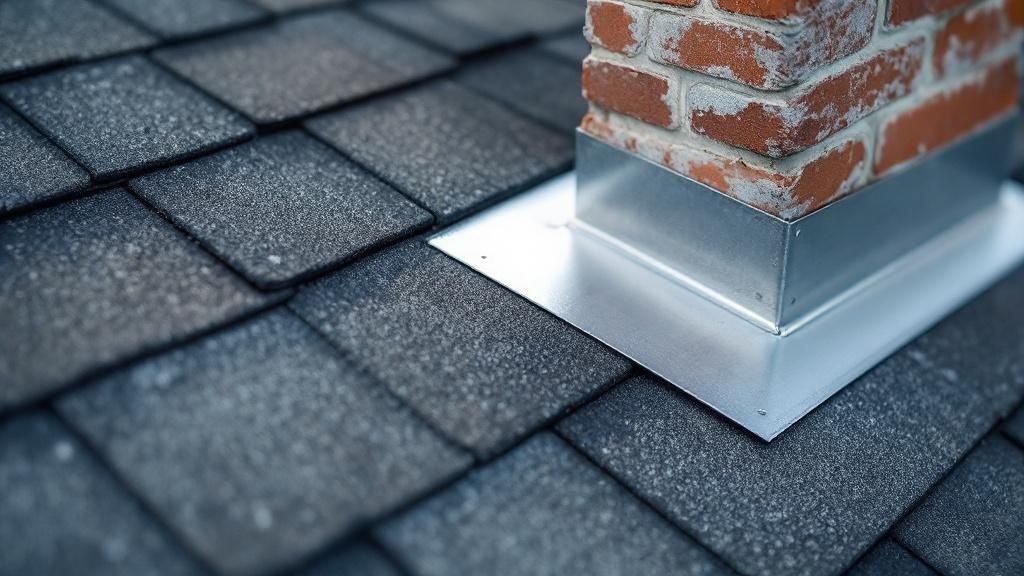
Before we can even talk about the cost to replace roof flashing, we need to get a handle on what this stuff actually does. Think of it like the gasket on a car's engine or the seal on a submarine hatch—it’s a small, often overlooked part that prevents catastrophic failure. Flashing isn't just an accessory; it's your roof's first and most important line of defense against water.
At its core, roof flashing is just thin pieces of metal, usually aluminum or steel, that get installed at the most vulnerable spots on your roof. These are any places where the smooth, continuous surface of your shingles gets interrupted, creating a natural weak point where water loves to sneak in.
Without flashing, every single seam, joint, and angle on your roof would be a leak just waiting to happen. Flashing acts as a channel, grabbing rainwater and expertly directing it away from these trouble spots and down into the gutters where it belongs.
Where Flashing Is Most Important
Some parts of a roof are just naturally more prone to leaks than others. These high-risk zones are where proper flashing isn't just a good idea—it's absolutely essential for keeping your home dry and protected for the long haul.
You will always find flashing installed in these key locations:
- Chimneys: The spot where a brick chimney pokes through the roof is a classic trouble area.
- Roof Valleys: These are the V-shaped channels where two sloped roof sections meet. They handle a massive volume of runoff during a storm.
- Vents and Pipes: Any pipe that sticks out of your roof—like plumbing vents or exhaust fans—needs a sealed flashing "boot" around its base.
- Skylights: A skylight is basically a giant hole in your roof deck that requires a complex, multi-layered flashing system to keep it watertight.
- Dormers and Walls: Wherever a roofline butts up against a vertical wall, a special type of layered flashing called "step flashing" is woven in with the shingles to block sideways, wind-driven rain.
The Consequences of Failure
When flashing gives out—whether it’s from rust, storm damage, or just a shoddy installation job—the results can be brutal and expensive. A tiny, unseen leak can silently rot out the wooden roof deck and attic beams for years before you ever notice a stain on your ceiling.
A minor oversight in flashing can quickly escalate, leading to thousands of dollars in water damage, hazardous mold infestations, and compromised structural integrity. Timely replacement is a crucial investment, not just a minor repair.
Once you understand this, it becomes clear why the cost to replace roof flashing is a necessary expense. This isn't just about patching a drip; it’s about protecting the entire structure of your home from the top down. A proactive repair will always, always be cheaper than a major restoration project later on.
Key Factors That Influence Your Replacement Quote
The cost to replace roof flashing is never a one-size-fits-all number. It’s more like a recipe, where a few key ingredients mix together to create the final price on your quote. Getting a handle on these variables is important—it explains why your neighbor’s seemingly simple job might cost three times less than yours.
The biggest factor is the flashing material itself. Your choices run from affordable aluminum and galvanized steel all the way up to premium, long-lasting copper. Each one has a different price tag per linear foot, which directly shapes your upfront costs.
Then there’s the sheer scope of the project. Swapping out a small, simple boot around a plumbing vent is a quick job. But a full flashing replacement around a massive brick chimney? That’s a whole different beast. It's a complex, labor-intensive project that involves custom cuts and multiple layers, driving the price up significantly.
Roof Complexity and Accessibility
Think of your roof's design as a roadmap for your roofer. A simple, low-slope ranch-style house is like a straight, flat highway—easy to navigate and work on. Labor costs for these jobs are almost always lower because the crew can move efficiently and safely without a lot of extra setup.
On the other hand, a steep, two-story home with a bunch of dormers is more like a winding mountain pass. This kind of roof creates challenges that add directly to your final bill.
- Steep Pitch: Roofs with a sharp incline demand extra safety gear, like harnesses and roof jacks. This slows the work down and bumps up the labor hours.
- Height and Access: A second or third-story roof means more time and effort just getting materials and tools up and down, adding to the labor costs.
- Obstacles: Working around skylights, multiple vents, and complicated rooflines requires more intricate work and custom fabrication, which takes more time.
A roofer's quote reflects not just materials, but also the time, risk, and specialized skill required. A difficult-to-access, high-pitched roof can easily double the labor costs compared to a straightforward, walkable roof.
Labor Rates and Hidden Damage
Labor costs are rarely the same from one town to the next and can vary dramatically depending on where you live. Rates in major cities are often higher than in rural areas to cover different operating costs and market demand. Even the professional-grade equipment roofers use, like an efficient Milwaukee M18 Fuel Coil Roofing Nailer, is an indirect factor that reflects the cost of doing business.
Finally, the biggest wild card in any roof flashing replacement is the potential for hidden damage. When the old flashing failed, it may have let water seep underneath, rotting the wood decking or sheathing. A roofer can't see this until they pull up the old shingles and flashing. If they find rot, those materials have to be replaced, which will add both material and labor costs to your final invoice.
Comparing Flashing Costs by Material and Type
Choosing the right material for your roof flashing is a classic balancing act. It's all about weighing the upfront cost against long-term durability and, of course, how it looks on your home. The material you pick is one of the single biggest drivers of the final cost to replace roof flashing.
Think of it like buying tires for your car. You could go with a budget-friendly option that gets the job done for now, or you can invest in a premium set that offers superior performance and lasts a whole lot longer. Each material comes with its own price tag per linear foot, which directly shapes your total quote.
This chart breaks down the three core parts of any flashing replacement bill: the cost of the materials, the roofer's labor, and any extra charges for tricky or complex jobs.
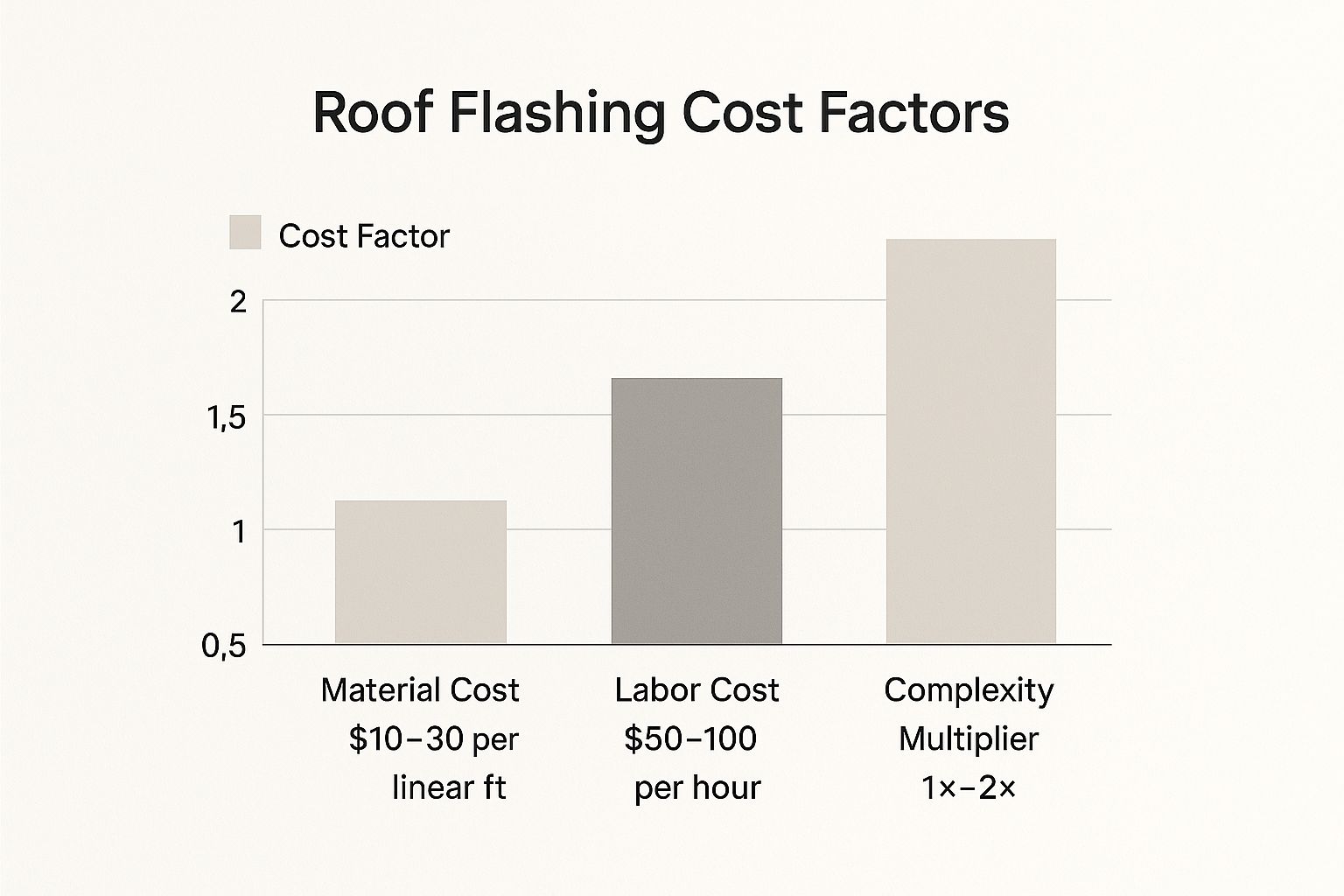
As you can see, while the material costs are a big piece of the puzzle, labor rates and the difficulty of the job can easily have just as much, if not more, of an impact on the final price.
Budget-Friendly and Mid-Range Options
For most homeowners, the name of the game is reliable protection that doesn't empty the wallet. That’s where materials like aluminum and galvanized steel really shine, offering a solid mix of performance and affordability.
-
Aluminum Flashing: This is often the most cost-effective choice, typically running $8 to $15 per linear foot installed. It's lightweight, easy for roofers to shape and install, and naturally resists rust, making it a go-to for standard residential projects.
-
Galvanized Steel Flashing: A step up in toughness, galvanized steel is coated with zinc to fend off rust. It costs a bit more, around $10 to $20 per linear foot, but it holds up much better against dents and damage from things like falling branches.
These materials are the workhorses of the flashing world. They can easily last 20-30 years, often matching the lifespan of a typical asphalt shingle roof, and provide dependable protection for a very reasonable investment.
Premium Materials for Lasting Performance
If you've got a historic home, a high-end roof, or you simply never want to think about your flashing again, premium materials like copper offer unmatched durability and a truly distinctive look.
Copper Flashing: Often called the "lifetime" option, copper is incredibly durable and can last well over 60 years. Its aesthetic appeal is second to none, and it develops a beautiful patina over time. But this level of quality comes at a price—expect to pay $35 to $60+ per linear foot installed.
While the initial sticker shock is real, choosing copper can be a smart long-term move, especially if you have a slate or tile roof that's also designed to last for generations.
To give you a clearer picture, here’s a quick breakdown of how these common flashing materials stack up against each other.
Comparison of Roof Flashing Materials
| Material Type | Cost per Linear Foot (Approx.) | Expected Lifespan | Pros & Cons |
|---|---|---|---|
| Aluminum | $8 – $15 | 20-25 years | Pros: Very affordable, rust-proof, easy to form. Cons: Softer and more prone to dents, can corrode from contact with certain materials. |
| Galvanized Steel | $10 – $20 | 25-30 years | Pros: Stronger than aluminum, durable, cost-effective. Cons: Zinc coating can wear away over time, leading to rust. |
| Copper | $35 – $60+ | 60+ years | Pros: Extremely durable, develops a beautiful patina, lifetime solution. Cons: Very high upfront cost, requires specialized installation. |
As you can see, the right choice really depends on your budget, your roof type, and how long you plan to stay in your home. A higher upfront investment in something like copper can pay for itself by avoiding future replacement costs.
How Location on the Roof Affects Cost
Beyond the material itself, where the flashing is located plays a massive role in the final price. Replacing a simple vent pipe flashing might be a quick, straightforward job for a roofer. But rebuilding the flashing around an entire chimney? That's a whole different ballgame.
Chimney flashing is a highly complex task that demands meticulous, multi-layered work from a skilled roofer to get it right. It’s not just one piece of metal; it’s an integrated system of step flashing, counter flashing, and aprons.
The cost to replace roof flashing is a significant part of overall roof expenses, and this is especially true as both material and labor prices continue to climb. For example, a complex job like a full chimney flashing rebuild can run anywhere from $1,500 to $4,000 on its own. This shows just how heavily one component can influence the total cost of major roof work.
You can learn more about how these expenses fit into the bigger picture by exploring the latest data on rising roofing costs. Understanding how different flashing types and locations contribute to your quote is crucial for making an informed decision.
How to Save Money on Roof Flashing Replacement
While replacing your roof flashing is a crucial investment in your home's health, it doesn’t have to drain your bank account. With a bit of smart planning, you can bring the final bill down considerably without ever cutting corners on quality.
One of the best moves you can make is to bundle the job with other roofing work. If you know a full reroof is on the horizon, it’s far more cost-effective to handle the flashing at the same time. This simple strategy saves a ton on labor and setup costs because the crew and all their equipment are already on site.
Timing your project can also lead to some serious savings. Most roofers are slammed during the fall and spring. If you can schedule your flashing replacement during their off-season—think late winter or early summer—you might just get a more competitive quote from companies looking to keep their teams busy.
Smart Shopping and Long-Term Thinking
Whatever you do, don't just accept the first quote that comes your way. It’s absolutely essential to get at least three to five detailed estimates from licensed and insured local contractors. This isn't just about comparing the bottom-line price; it’s about looking at the scope of work, the materials they propose, and the warranty they offer. That's how you find the best overall value.
You also need to think beyond the immediate price tag. Sure, budget-friendly aluminum is tempting, but investing in a more durable material like galvanized steel or even copper can save you a bundle in the long run. Spending a little more today on a material that lasts twice as long means you won’t be paying for this same replacement again in ten years.
And while a small fix might seem like a good DIY project, it's a risky bet. Properly deciding between DIY and professional services is critical, as a botched job can lead to thousands of dollars in water damage repairs that are far more expensive than hiring a pro in the first place.
The Power of Preventative Maintenance
Honestly, the single best way to save money on flashing is to catch problems before they spiral into full-blown emergencies. Proactive maintenance is your most powerful tool for keeping costs down.
A regular, professional roof inspection can turn a potential $2,000 emergency replacement into a simple $500 preventative repair. An expert can spot the early signs of rust, sealant failure, or loose sections that can be fixed quickly and cheaply—long before water has a chance to sneak in.
By using these strategies—bundling jobs, scheduling smartly, getting multiple quotes, choosing durable materials, and investing in regular inspections—you can take control of your roof flashing costs and protect your home without overspending.
Protecting Your Home with Quality Flashing

At the end of the day, the cost to replace roof flashing is much more than just another line item on your home maintenance budget. Think of it as a critical investment in your home’s long-term health and stability. This small, often overlooked component is the only thing standing between a dry, secure interior and thousands of dollars in water damage repairs.
Understanding what drives the cost is your best tool for navigating this essential project. Every factor, from the choice of materials and the complexity of your roof to local labor rates, plays a part in the final quote you receive. Knowing these details empowers you to have a real, informed conversation with any contractor you talk to.
An investment in professionally installed, high-quality flashing is an investment in peace of mind. It secures your most valuable asset against the elements, preventing costly structural issues down the line and preserving your home's value for years to come.
Remember, hiring a qualified, insured professional is completely non-negotiable for a job this important. By getting multiple quotes and taking a proactive approach, you can lock in a fair price for a high-quality repair. This ensures your home stays protected, reinforcing the structural integrity that keeps your family safe and dry, no matter what the weather throws at you. You're not just fixing a roof; you're safeguarding your future.
Frequently Asked Questions
When you're dealing with a potential roof repair, a lot of questions can pop up. Getting straight answers is the best way to feel confident about the decisions you're making and really understand the cost to replace roof flashing. Let's tackle some of the most common things homeowners ask about this critical maintenance task.
We've put together some clear, simple answers to help you get ready for your roofing project, giving you the information you need when you need it.
Can I Replace Roof Flashing Myself to Save Money?
It's always tempting to go the DIY route to save a few bucks on labor, but replacing roof flashing is a tricky job that’s really best left to the pros. Getting a truly watertight seal requires a specific skill set, and you might be surprised to learn that improper installation is one of the biggest culprits behind serious roof leaks.
A professional roofer comes equipped with the right safety gear for working on a dangerous slope, the correct tools for the job, and the experience to know what to do when something unexpected pops up. The risk of accidentally causing thousands of dollars in water damage just isn't worth the potential savings.
The money you might save on a DIY attempt can vanish in an instant. A single installation mistake can lead to costly repairs for widespread water damage, rotted wood, and even mold growth.
What Are the Warning Signs of Failing Flashing?
You can often spot trouble right from your own yard, maybe with a pair of binoculars if you want a closer look. Keeping an eye out for these red flags is the best way to catch a problem before it turns into a major headache.
Here’s what you should be looking for:
- Visible Rust or Corrosion: Any orange spots or discoloration on the metal is a dead giveaway that its protective coating has worn off and it's starting to break down.
- Cracks, Holes, or Gaps: Even a tiny opening is like rolling out the welcome mat for water to get into your home's structure.
- Loose or Bent Sections: If the flashing is pulling away from the chimney, a wall, or the roof deck, its seal is broken, and it's no longer doing its job.
- Interior Water Stains: See any discoloration on your ceiling or walls, especially near a chimney, vent, or skylight? That’s a huge clue that the flashing directly above has failed.
How Long Does Roof Flashing Typically Last?
The lifespan of your roof flashing really comes down to two things: the material it’s made from and the kind of weather you get in your area. Most standard materials are designed to last about as long as a typical asphalt shingle roof, but harsh weather can definitely shorten that timeline.
For example, your common aluminum or galvanized steel flashing will generally hold up for 20-30 years. On the other hand, premium materials like copper are a lifetime fix and can last well over 60 years. But things like storm damage, a falling tree limb, or even just a poor installation job from the start can cause any type of flashing to fail much sooner—which is exactly why regular inspections are so important.
At Paletz Roofing and Inspections, we bring over 30 years of expertise to every single job, making sure your home is protected with properly installed, high-quality flashing. If you've noticed any of these warning signs or you're just worried about the state of your roof, don't wait for a small leak to become a huge problem. Contact us today for a free, no-obligation quote and let our certified professionals give you the peace of mind you deserve. Visit us at https://paletzroofing.com to schedule your inspection.