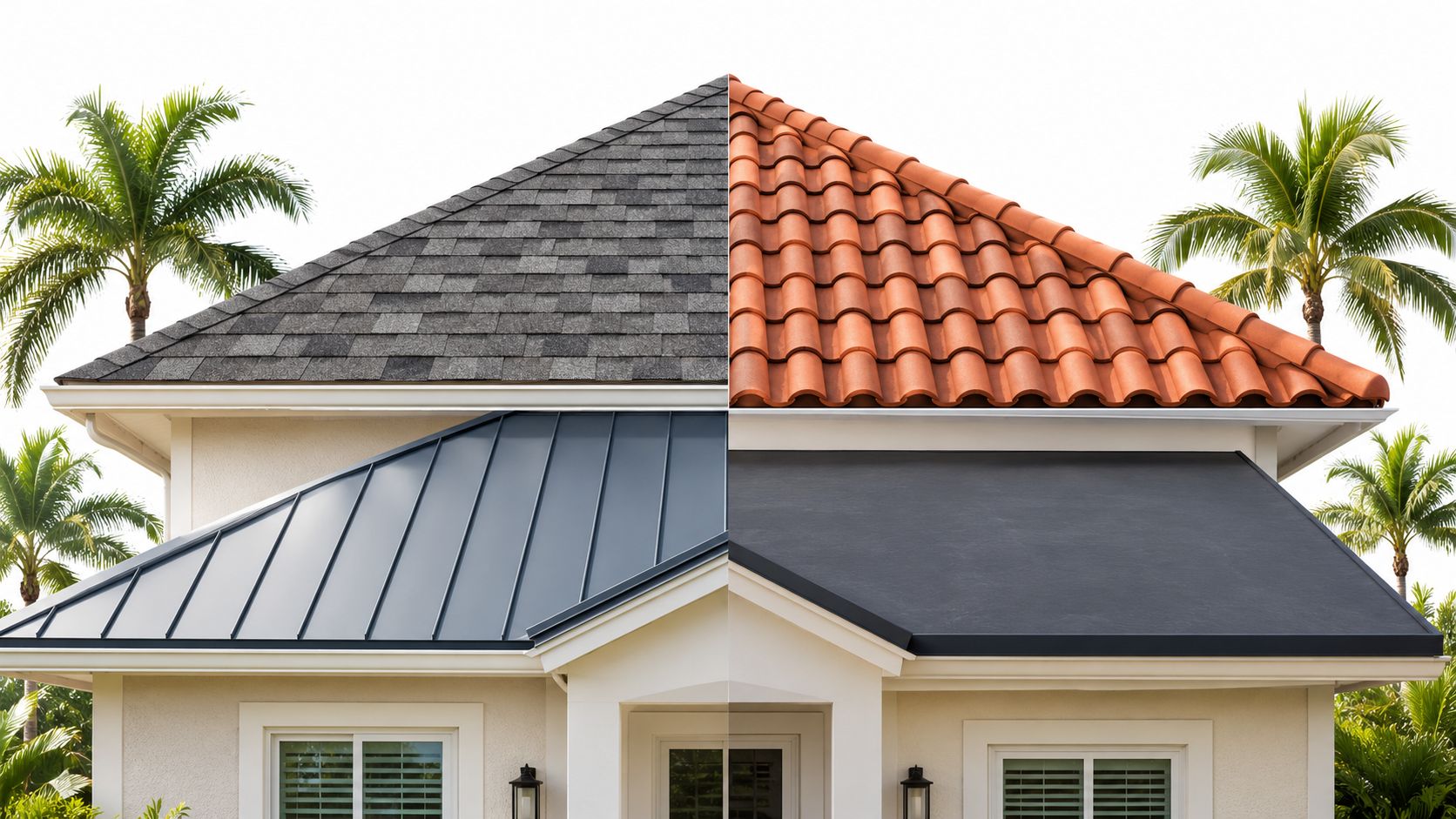
What if the most important roof replacement option isn't a material at all, but deciding whether your existing roof should be preserved? The right choice starts with the roof deck, active leaks, storm exposure, roof slope, and how long you plan to own the property. A sound system may qualify for maintenance, a coating, restoration, or a carefully evaluated overlay. A roof with widespread moisture damage, failed seams, structural deterioration, or repeated storm damage usually needs a more complete solution.
Florida homeowners also need to account for heat, ultraviolet exposure, heavy rain, humidity, salt air, and hurricane winds. Those conditions can change how a roof ages and how much maintenance it demands. The best roof replacement options balance performance, appearance, structural capacity, budget, and ownership horizon rather than treating one material as universally superior.
This guide compares ten practical approaches, from asphalt shingles and tile to metal, flat membranes, restoration, and preventive care. Paletz Roofing and Inspections supports inspections, damage assessments, free quotes, repairs, replacements, and material guidance for properties across Broward, Miami-Dade, and Palm Beach counties. Start with the condition assessment, then choose the system that fits the building's future.
Table of Contents
- 1. Asphalt and Architectural Shingles
- 2. Tile Roofing Systems
- 3. Metal Roofing
- 4. Flat Roof Systems TPO, EPDM, and PVC
- 5. Modified Bitumen Roofing
- 6. Slate Roofing
- 7. Cool Roof Coatings and Reflective Systems
- 8. Roof Maintenance Programs and Preventive Services
- 9. Green Roofs and Living Roof Systems
- 10. Roof Restoration and Rejuvenation Systems
- 10 Roof Replacement Options: Side-by-Side Comparison
- Match the Roofing Decision to the Building's Future
1. Asphalt and Architectural Shingles
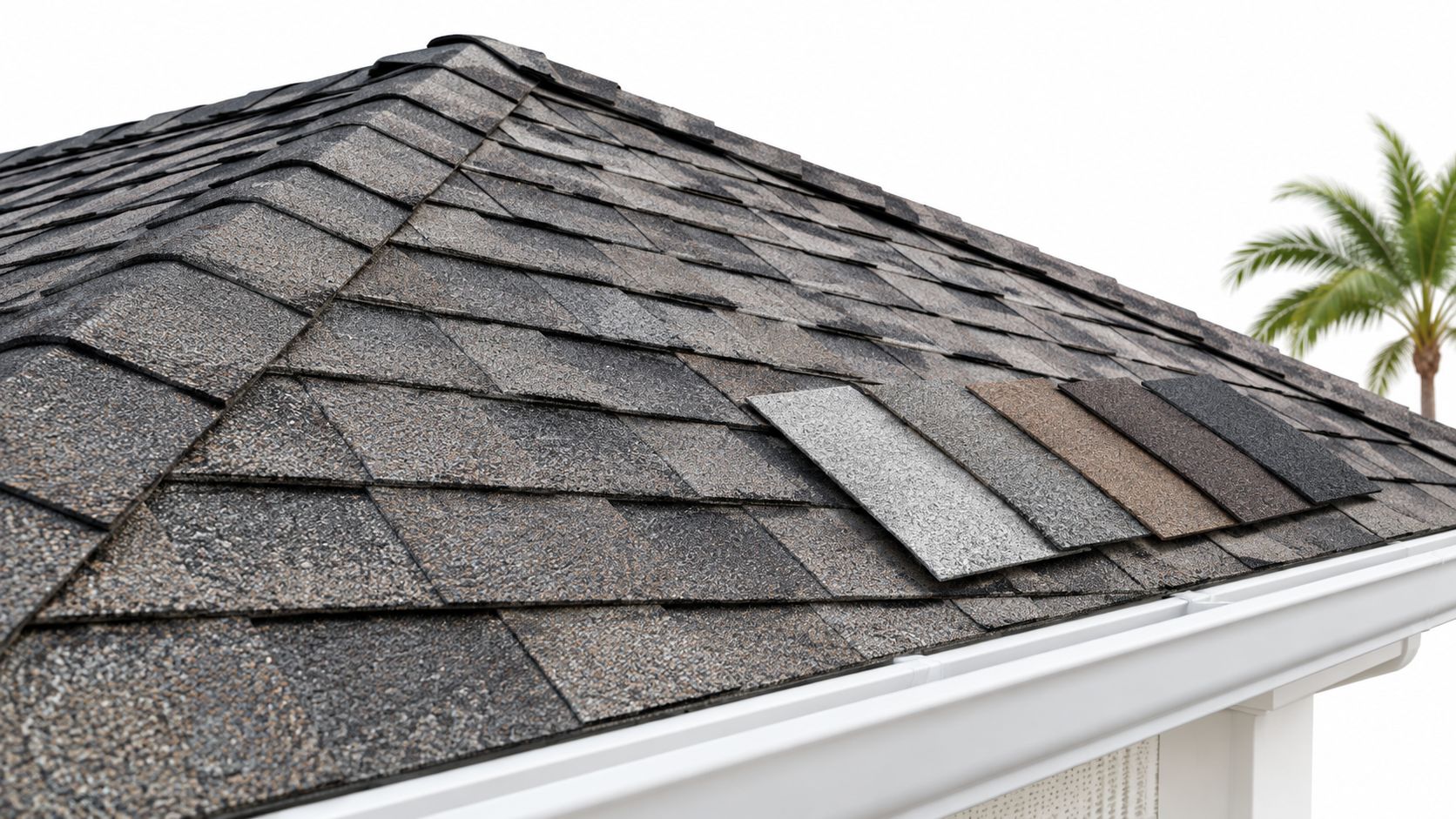
Asphalt shingles remain a practical choice for many Florida homes because they're widely available, visually flexible, and generally easier to install and repair than heavier premium materials. Three-tab shingles typically last about 15 to 20 years, while architectural shingles commonly last about 25 to 30 years, according to this roof lifespan guide by material. Architectural shingles use laminated, three-dimensional construction, which gives a home more visual depth and can provide better wind resistance and durability than basic three-tab products.
For a South Florida replacement, architectural shingles usually make more sense than three-tab shingles when the roof structure, slope, and budget allow. They suit renovation projects in Broward County neighborhoods, newer residential developments, and homeowners who want improved curb appeal without moving to tile or metal.
What to specify
- Wind performance: Verify that the selected shingle system has wind rating certifications meeting or exceeding 120 mph where required by the project and local code.
- Heat management: Light or reflective colors can reduce solar heat absorption, especially on homes with limited attic insulation.
- Ventilation: Proper attic ventilation helps manage heat buildup that can accelerate shingle deterioration.
- Algae resistance: Choose algae-resistant ratings for shaded roofs or properties surrounded by trees.
- Installation quality: Require installation according to the manufacturer's specifications and applicable local building codes so warranty conditions remain intact.
Schedule inspections every 2 to 3 years to check granule loss, lifted tabs, flashing, and concealed moisture. Shingles work well when installed correctly, but they're less suitable where the owner wants a very long ownership horizon or where the roof's structural design favors a heavier tile system.
2. Tile Roofing Systems
Clay and concrete tile offer a premium combination of appearance, durability, and weather resistance. They're common on Mediterranean and Spanish Colonial homes throughout South Florida, as well as high-end properties in Palm Beach and exclusive Miami-Dade communities. Tile also suits resort facilities and commercial buildings where architectural character matters as much as weather protection.
The main trade-off is weight and installation complexity. Clay tile may last about 50 to 100 years, while concrete tile commonly lasts about 40 to 70 years, based on this comparison of roof lifespans by material. That long service potential can support a long-term ownership plan, but only if the structure, underlayment, attachment method, and drainage details are appropriate.
Before choosing tile, request a structural engineering assessment. The assessment should confirm that the roof framing and deck can support the proposed system, particularly if the home previously had shingles or a lighter covering. A tile replacement also deserves a detailed review of the underlayment, flashing, valleys, penetrations, eaves, and attachment pattern.
Practical rule: Tile performance depends on the complete assembly, not just the visible pieces.
Use a tile specialist who understands South Florida building codes and hurricane installation requirements. Plan biennial cleaning where humidity, nearby vegetation, algae, or moss create buildup. Lighter tile colors can reduce heat absorption, while darker colors may better match the home's design but increase solar gain. Tile resists salt air and ultraviolet exposure well, yet individual tiles can crack from impact or poor foot traffic, so future maintenance should always use designated access paths.
3. Metal Roofing
Metal roofing gives homeowners a broad range of options, including steel, aluminum, and copper in standing-seam or exposed-fastener configurations. It works particularly well on modern homes, coastal properties, warehouses, industrial facilities, and agricultural or equestrian buildings that need durable, low-maintenance coverage over large areas.
The service-life advantage can be substantial. Standing-seam metal commonly lasts about 40 to 70 years, according to this material lifespan reference. Metal can also reflect solar energy effectively when paired with an appropriate finish and insulation strategy. Its performance near the coast depends heavily on the metal, coating, fasteners, cut edges, and installation details.
For coastal Palm Beach, Broward, and Miami-Dade properties, aluminum or a suitable Galvalume finish can offer better corrosion resistance than an improperly selected steel system. Standing seam is generally preferable to exposed fasteners where the owner prioritizes weather resistance and long-term seam integrity. Exposed-fastener roofs can be economical, but the fasteners and washers remain maintenance points as the system ages.
Installation details that matter
- Compatible hardware: Use fasteners, clips, sealants, and underlayment specified for the exact panel system.
- Thermal control: Add adequate insulation below the panels to reduce heat transfer and noise from heavy rain.
- Finish selection: Light-colored finishes can limit heat absorption in Florida's hot climate.
- Inspection planning: Arrange a professional inspection at 5 to 10-year intervals to check seams, fasteners, coating condition, penetrations, and corrosion.
Metal isn't automatically the best choice for every home. It can require more specialized installers, and poor detailing around skylights, vents, chimneys, and wall transitions can undermine an otherwise durable system. Get a written scope that identifies the metal type, finish, attachment method, ventilation, insulation, and coastal exposure requirements.
4. Flat Roof Systems TPO, EPDM, and PVC
Low-slope roofs need a different strategy from steep-slope shingle or tile roofs. TPO, EPDM, and PVC membranes create waterproof barriers for commercial offices, retail centers, multifamily buildings, condominiums, industrial facilities, warehouses, and contemporary homes with flat-roof designs.
TPO and EPDM have different maintenance profiles and exposure characteristics. Typical service life is about 7 to 20 years for TPO, 15 to 25 years for EPDM, and 20 to 30 years for built-up roofing systems, according to this roof lifespan guide. For South Florida, TPO is often the stronger starting point because its light-colored surface and heat resistance suit intense sun and ultraviolet exposure. PVC can also be appropriate where chemical resistance or particular project requirements matter.
The drainage design deserves as much attention as the membrane. Specify at least 1/8 inch per foot of roof slope, or use tapered insulation to direct water toward drains and scuppers. Ponding can stress seams, increase maintenance demands, and expose defects that a material change alone won't fix.
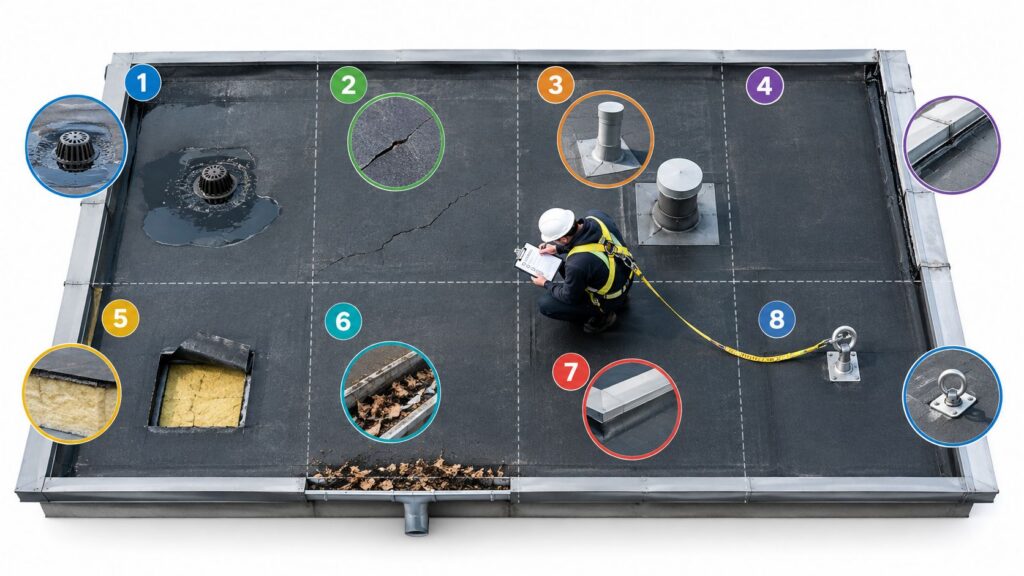
Schedule annual inspections, with additional reviews after storms. Inspectors should focus on membrane punctures, seam integrity, flashing, drains, gutters, penetrations, and areas where equipment or contractors regularly walk. Use protective walkway pads and keep foot traffic on designated routes. Insulation beneath the membrane can improve indoor comfort and reduce cooling demand, but the assembly must be designed so moisture doesn't become trapped.
5. Modified Bitumen Roofing
Modified bitumen is an asphalt-based low-slope system strengthened with polymer modifiers. Contractors install it in overlapping sheets using hot-mop methods, cold adhesives, or torch-down techniques. It can serve mid-range commercial buildings, utility structures, industrial facilities, and retrofit projects where the owner wants a durable waterproof surface without choosing a premium membrane system.
This approach works best when the existing substrate is suitable and the project team can control preparation. The roof should be evaluated for wet insulation, damaged decking, failed flashing, open seams, and drainage problems before anyone discusses an overlay. A new membrane placed over unresolved moisture or structural defects only hides the problem.
Reflective topcoats can reduce heat absorption and improve the roof's surface performance in Florida. The coating must be compatible with the modified bitumen and applied to a properly prepared surface. Torch-down work deserves particular caution. Only qualified, licensed applicators should use open-flame installation, and the scope should address fire prevention, nearby combustible materials, penetrations, and post-installation inspection.
Where this system fits
- Budget-conscious commercial work: Modified bitumen can balance economy and durability for buildings that don't require a more specialized membrane.
- Retrofit planning: An overlay may be viable when the existing roof is dry, stable, and permitted by the assembly and local requirements.
- Traffic protection: Add walkway systems around service equipment and other high-traffic locations to reduce punctures.
- Maintenance scheduling: Plan inspections about every 3 to 5 years, with earlier reviews after major storms or unusual activity.
Modified bitumen isn't a shortcut around drainage, flashing, or preparation. Ask the contractor to identify the installation method, membrane layers, cover board, insulation, edge metal, warranty terms, and maintenance responsibilities in writing.
6. Slate Roofing
Natural slate is a premium roofing material made from quarried metamorphic rock. It provides a distinctive appearance and can support a very long ownership horizon. Slate and copper can last more than 100 years, according to this roof lifespan comparison, but that potential depends on sound structure, appropriate detailing, quality installation, and access to matching replacement pieces.
Slate suits historic mansion restoration in Palm Beach, ultra-luxury homes in Miami-Dade, and estates where period-appropriate appearance matters. It's not usually a practical substitution for a lightweight roof without a structural review. The framing, deck, fasteners, underlayment, valleys, flashings, and snow-related details may differ from those used with asphalt, even though snow isn't the primary concern in Florida.
Engage a slate specialist with documented experience and references for comparable work. A structural engineer should confirm load capacity before commitment. The project should also document the quarry, slate color, size, thickness, installation pattern, and fastener type. That information makes future spot repairs far easier.
Slate should be treated as a complete building system and a long-term stewardship decision, not as a decorative shingle upgrade.
Budget for insurance that reflects the material's full replacement value and specialized labor. Establish a relationship with a supplier who can help source matching slate later. Restrict foot traffic to designated pathways with protective systems because walking directly on slate can crack or dislodge pieces. Slate can be exceptionally durable, but it's unforgiving of inexperienced installation and careless maintenance.
7. Cool Roof Coatings and Reflective Systems
A cool roof coating is a liquid-applied finish that reflects solar radiation and reduces roof surface temperatures. It can improve the energy behavior of a sound roof and protect the underlying surface from ultraviolet exposure and weathering. In South Florida, coatings can be useful for commercial warehouses, industrial buildings, multifamily properties, condominiums, municipal facilities, and residential retrofit projects.
A coating doesn't correct a failing deck, saturated insulation, widespread leaks, or severe storm damage. The existing roof must be inspected, cleaned, repaired, and dried first. Seams, flashing, penetrations, blisters, open edges, and damaged membrane areas need attention before the coating is applied.
Choose elastomeric or polyurethane products based on the roof substrate, expected traffic, ponding exposure, and manufacturer requirements. Verify ENERGY STAR certification where the project specification calls for it. Reflective finishes can be particularly useful on buildings with high cooling demand, but the contractor should explain how the coating interacts with the existing membrane or roofing material.
Plan the application
Schedule application during South Florida's dry season, from November through May, so the surface can be prepared and the coating can cure without avoidable rain disruption. Annual inspections should check adhesion, cracking, wear paths, ponding areas, seam treatment, and reflectivity.
A 5 to 10-year recoating schedule may be appropriate depending on the product, exposure, traffic, and inspection findings. Investigate utility rebates and PACE financing options, but confirm eligibility and total repayment terms before treating either as part of the project budget. Coatings work when the substrate deserves preservation. They don't make a failed roof new again.
8. Roof Maintenance Programs and Preventive Services
Sometimes the most cost-effective roof replacement option is delaying replacement responsibly. A structured maintenance program combines inspections, cleaning, minor repairs, debris removal, flashing reviews, and preventive treatments. It can help homeowners, property managers, commercial owners, facility teams, and real estate investors identify small defects before water reaches insulation, ceilings, walls, electrical components, or occupied areas.
South Florida roofs need attention to vegetation, humidity, intense sun, wind-driven rain, and storm debris. Clean gutters and remove debris every 3 to 6 months where vegetation is heavy. Schedule additional inspections after major storms, even when leaks aren't immediately visible. Wind can loosen flashing, lift edge materials, crack tiles, and damage rooftop equipment without creating an obvious interior symptom.
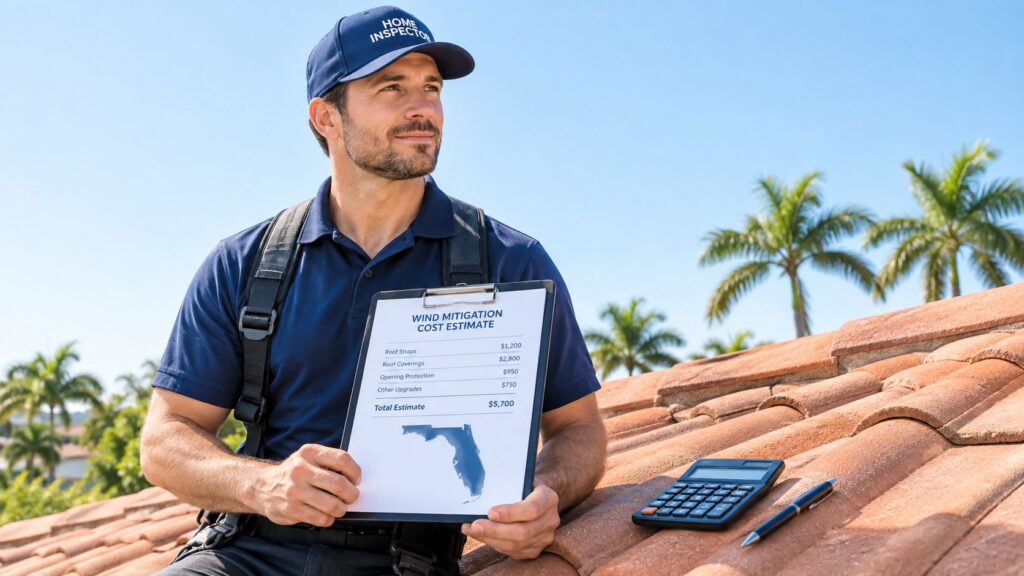
A useful program keeps detailed records of inspection dates, photographs, repairs, treatments, invoices, warranties, and storm observations. Those records can support warranty documentation, insurance discussions, lender requirements, property sale preparation, and capital planning. Ask for prioritized recommendations rather than a long list that treats every defect as equally urgent.
Maintenance principle: Fix the source of water entry, not only the stain it created indoors.
Annual service agreements can provide priority scheduling and predictable oversight, but read the exclusions. Confirm whether emergency response, cleaning, minor materials, documentation, and post-storm inspections are included. Maintenance won't rescue a roof with widespread structural failure, but it can help a sound system reach its realistic service potential and give the owner more time to plan a replacement.
9. Green Roofs and Living Roof Systems
Green roofs place vegetation over a waterproofing membrane and drainage assembly. They can moderate roof temperatures, manage stormwater, create habitat, and support sustainability goals on commercial offices, public facilities, parking structures, educational buildings, and modern residential developments in urban South Florida.
The system can be extensive, with a shallow growing medium and lower-maintenance plants, or intensive, with deeper substrate and a broader design scheme. Extensive systems are usually the simpler starting point for owners seeking limited maintenance. Native South Florida plants can reduce irrigation demands, but plant selection still needs to account for wind exposure, salt air, intense sun, rainfall patterns, and periods of drought.
Structural capacity must be confirmed before the project moves forward. The roof needs a durable waterproofing system, root protection, drainage, overflow provisions, edge restraint, safe access, and a maintenance plan. Water retained in the growing medium adds load, and the design must account for saturated conditions rather than relying only on dry weight.
Build the operating plan first
Install automated irrigation to supplement seasonal rainfall, particularly during the establishment period of 12 to 24 months. Plan for monitoring, weeding, plant replacement, drainage inspection, and membrane protection. A contractor who understands roof systems should work alongside the roofing and structural teams.
Green roofs can support LEED or other sustainability objectives, but certification benefits should be documented rather than assumed. Request performance guarantees that clearly address waterproofing and structural integrity. A living roof is an integrated building system. It's a poor fit when the owner can't fund access, irrigation, inspection, and plant maintenance after installation.
10. Roof Restoration and Rejuvenation Systems
Roof restoration combines cleaning, repairs, coating, reinforcement, and preventive detailing to preserve an aging system that remains structurally suitable. It can fit commercial offices, industrial buildings, condominium associations, municipal facilities, institutional properties, and portfolios where owners need to phase capital work instead of replacing every roof immediately.
Restoration may add 10 to 20 years of service when the substrate is suitable, based on the project scope and system selected. That figure is not a guarantee. Moisture testing, core samples where appropriate, visual inspection, seam review, flashing evaluation, and deck assessment should determine whether restoration is technically defensible.
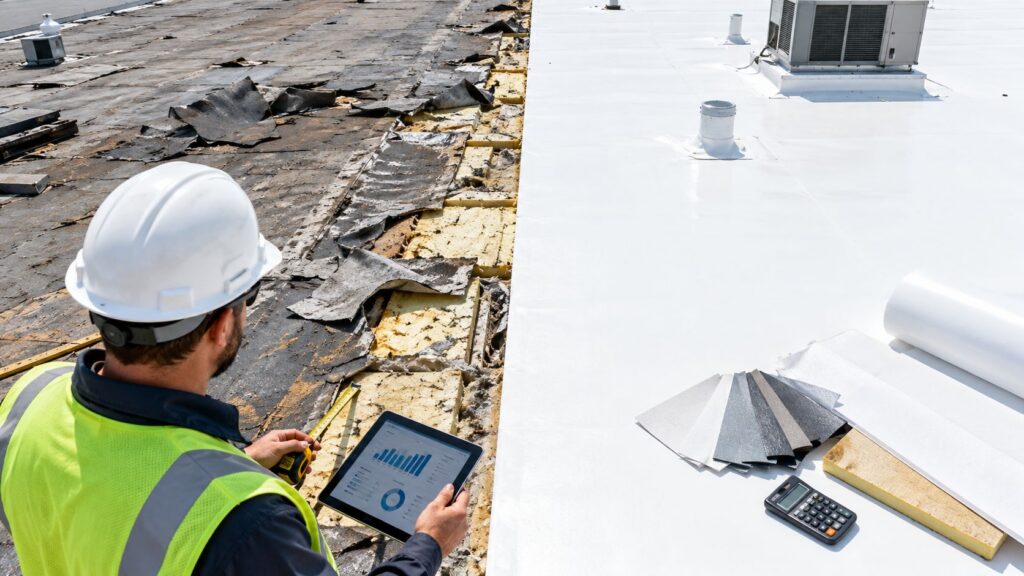
Premium acrylic elastomeric coatings can be considered for South Florida exposure, but the specification should identify film thickness, reinforcement, adhesion requirements, repairs, edge treatment, and ponding limitations. Reinforcement membranes are useful in high-wear areas, recurring problem locations, seams, transitions, and penetrations. Restoration should take place during a dry period so the substrate is prepared properly and the coating can cure.
Restoration versus replacement
- Choose restoration: The roof is dry, structurally sound, repairable, and has a membrane or surface compatible with the proposed system.
- Choose replacement: Moisture testing shows widespread saturation, the deck is deteriorated, leaks are pervasive, or the existing assembly can't support reliable repairs.
- Protect the investment: Establish a post-restoration inspection and cleaning program instead of treating the coating as maintenance-free.
- Document the work: Keep moisture reports, photographs, product data, warranties, invoices, and maintenance requirements for future buyers, lenders, and insurers.
Request an extended warranty that addresses coating adhesion and seam integrity, with clear exclusions. Restoration works when preparation is rigorous. It does not turn an unstable roof into a dependable one.
10 Roof Replacement Options: Side-by-Side Comparison
| Option | 🔄 Implementation Complexity | ⚡ Resource requirements & efficiency | ⭐ Expected outcomes (durability / performance) | 📊 Ideal use cases | 💡 Key advantages / brief tips |
|---|---|---|---|---|---|
| Asphalt & Architectural Shingles | Low–Moderate; straightforward install; architectural slightly more complex | Low material & labor cost; lightweight; readily available | ⭐ Moderate, 15–30 yrs (architectural ~20–25); decent wind resistance if rated | Residential replacements, budget-sensitive curb‑appeal upgrades | 💡 Use architectural for wind resistance; choose light colors; ensure ventilation and correct fastening |
| Tile Roofing Systems | High; heavy materials require skilled installers and structural prep | High material & installation cost; heavy weight; long service life | ⭐ High, 50–100+ yrs; excellent wind (150+ mph), UV & salt resistance | High‑end homes, Mediterranean/Spanish styles, coastal properties | 💡 Require structural engineer, certified installers, proper underlayment; prefer lighter colors |
| Metal Roofing | Moderate; requires specialist for seams, fastening and flashing | Medium–high cost; lightweight; recyclable; energy‑efficient (reflective) | ⭐ High, 40–70 yrs; reduces cooling 20–30%; wind 120–150+ mph | Modern residences, coastal properties, commercial/industrial buildings | 💡 Choose standing seam and aluminum/Galvalume for corrosion; insulate to reduce noise |
| Flat Roof Systems (TPO / EPDM / PVC) | Moderate; seam quality, slope and drainage critical | Cost‑effective for large areas; lightweight; easy access for equipment | ⭐ Moderate, 15–30 yrs depending on membrane; white TPO improves reflectivity | Commercial, multi‑family, modern flat‑roof residences | 💡 Prefer TPO in South Florida; ensure minimum slope or tapered insulation; inspect annually |
| Modified Bitumen Roofing | Moderate; multiple application methods (torch, adhesive, hot‑mop) | Mid cost; heavier thermal absorption (dark surface); suitable for overlays | ⭐ Moderate, 10–20 yrs; flexible but shorter than premium single‑ply or metal | Mid‑range commercial, retrofit overlays, industrial | 💡 Use reflective topcoats to reduce heat; ensure licensed torch applicators; biennial checks |
| Slate Roofing | Very high; specialized craftsmen, careful handling and structural reinforcement | Very high upfront cost; very heavy; limited contractor availability | ⭐ Very high, 75–200+ yrs; unparalleled longevity and fire resistance | Historic restorations, ultra‑luxury estates, landmark properties | 💡 Require structural engineering and slate specialists; document sourcing for future repairs |
| Cool Roof Coatings & Reflective Systems | Low–Moderate; surface prep & application quality critical | Low cost per sq ft ($0.50–$1.50); quick install; periodic recoating | ⭐ Moderate, extends substrate life; recoats every 5–10 yrs; cooling reduction 15–30% | Energy retrofits, warehouses, residential upgrades, municipal buildings | 💡 Verify substrate condition first; choose ENERGY STAR products; schedule during dry season |
| Roof Maintenance Programs & Preventive Services | Low; organizational scheduling and routine inspections | Low recurring cost ($200–600/yr); high ROI by avoiding emergencies | ⭐ High impact, extends life 5–10 yrs; prevents large failures and claims | Property management, condos, commercial portfolios, investors | 💡 Inspect after storms; keep records for warranties; negotiate annual agreements |
| Green Roofs & Living Roof Systems | High; complex design, waterproofing, drainage and horticultural planning | High initial cost ($10–25+/sq ft); added structural load and ongoing maintenance | ⭐ High, extends membrane life 50+ yrs; reduces stormwater and heat island effects | Sustainable commercial/residential, LEED projects, public facilities | 💡 Conduct structural assessment; prefer extensive systems with native plants; plan irrigation & maintenance |
| Roof Restoration & Rejuvenation Systems | Moderate; assessment and prep determine success; coatings & repairs applied | Cost‑effective (40–60% less than replacement); quick turnaround | ⭐ Moderate‑High, adds ~10–20 yrs when substrate suitable; eco‑friendly | Buildings needing life extension, phased capital planning, condos | 💡 Require moisture testing first; use premium acrylic elastomerics; include reinforcement in problem areas |
Match the Roofing Decision to the Building's Future
The right roof replacement options emerge from a practical sequence, not from a color board alone. Begin with a professional inspection that documents the roof covering, deck, underlayment, flashing, ventilation, drainage, penetrations, and signs of storm or moisture damage. Ask the inspector to distinguish cosmetic wear from conditions that affect the roof assembly's ability to protect the building.
Next, determine whether the existing system supports maintenance, coating, restoration, or an overlay. Local rules often limit how many shingle layers a roof can carry. The International Residential Code permits a new layer over one existing asphalt shingle layer under certain conditions, but a roof with two existing layers requires a tear-off to the deck before new shingles are installed, as explained in this roofing code guide. Local permit rules can be more restrictive, so the contractor should verify requirements before work begins.
The repair-versus-replacement decision also needs a lifecycle view. Verisk reported an average roof replacement cost of $17,631 in 2025, compared with an average roof repair cost of $4,699, as shown in its State of America's Roofs report. Those figures aren't a quote for your property, but they illustrate why repeated repairs, hidden moisture, and short-term fixes deserve careful comparison with a complete project.
A full tear-off can reveal damaged decking, failed flashing, inadequate underlayment, and ventilation defects that an overlay may leave hidden. It also creates more disruption, debris, labor, and preparation work. An overlay or restoration can preserve a suitable existing assembly, but only when the condition assessment supports that approach and local rules allow it.
Use the property to narrow the material choice
Select the system based on:
- Roof slope: Steep-slope homes may suit shingles, tile, metal, or slate. Low-slope roofs need membrane, modified bitumen, built-up, coating, or restoration solutions.
- Structural capacity: Tile, slate, and green roofs require confirmation that framing and decking can carry the assembly.
- Climate exposure: Coastal properties need careful corrosion and salt-air planning. All Florida roofs need attention to heat, ultraviolet exposure, humidity, heavy rain, and hurricane winds.
- Maintenance tolerance: A roof that's difficult to access or inspect may need a different material and service plan from one on a managed commercial property.
- Appearance: Tile, slate, metal, and architectural shingles create different architectural results and repair requirements.
- Ownership horizon: Asphalt may suit a shorter ownership plan, while metal, tile, slate, or copper may make more sense for long-term owners who can justify higher initial investment.
Budget comparisons should separate the complete scope rather than compare material prices alone. An itemized quote should identify preparation, removal, decking repairs, underlayment, roofing material, ventilation, flashing, permits, cleanup, warranty terms, and the expected timeline. It should also state what happens if concealed damage appears after removal.
A 2026 homeowner survey found that 92% of full roof replacement customers reported being satisfied or very satisfied, compared with 87% for partial replacements. The same roofing facts and statistics survey found that roughly 67% spent between $5,000 and $20,000, while nearly 59% of full replacements cost $10,000 or more. These figures don't determine the right choice for an individual home, but they reinforce the importance of comparing the scope and expected outcome, not only the initial repair invoice.
Insurance can change the financial calculation. A replacement cost value policy may allow payment for the cost to replace an approved roof, subject to policy terms. An actual cash value policy pays the depreciated value instead. Travelers explains that a 25-year composition shingle roof may depreciate at 4% per year, meaning a 10-year-old roof could have 40% deducted in an ACV calculation, as described in its guide to insurance depreciation. Recoverable depreciation works differently. Under some replacement cost policies, the insurer withholds part of the approved amount and releases it after completed work is documented, while an ACV policy doesn't provide that second payment, according to this explanation of recoverable depreciation.
Finally, arrange a documented assessment and free quote from a licensed and insured roofing professional, especially after a major storm or when you see leaks, ponding, granule loss, cracked tiles, or failed seams. Paletz Roofing and Inspections provides inspections, damage assessments, repairs, replacements, and guidance on shingle, tile, metal, and flat roofing systems across Broward, Miami-Dade, and Palm Beach counties. A professional can connect the condition report to the installation method, permit requirements, material selection, warranty, and maintenance plan.
Paletz Roofing and Inspections can inspect Florida roofs, assess storm or leak damage, complete repairs, and prepare free quotes for replacement, restoration, and material-specific projects. Visit Paletz Roofing and Inspections to discuss the roof's condition, compare practical roof replacement options, and schedule the next assessment.