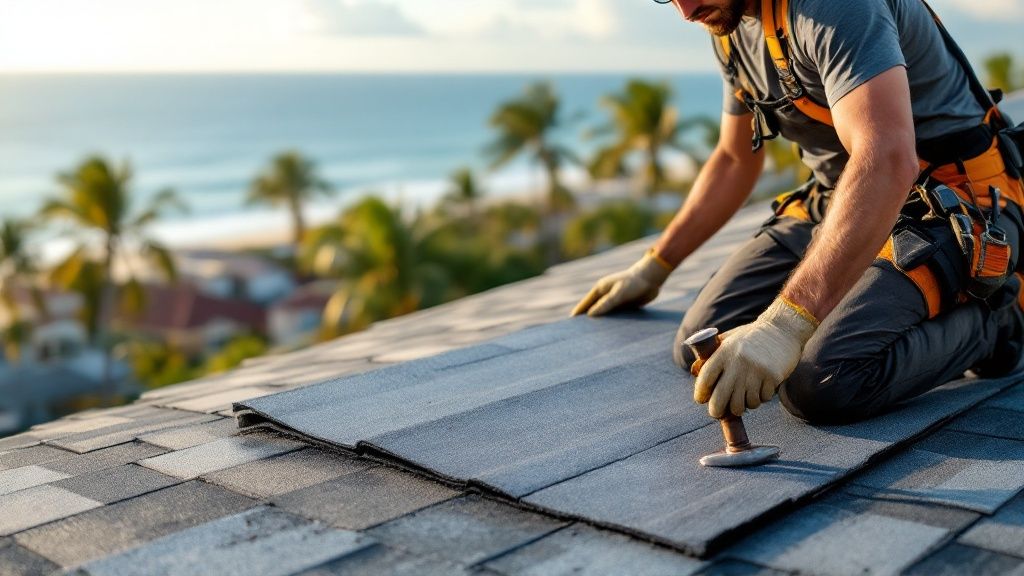
Living in Lighthouse Point has its perks, but our beautiful coastal environment is absolutely brutal on shingle roofs. That combination of intense sun, salt spray, and storm activity means a shingle roof here just doesn't last as long as it would inland. Proactive shingle roof repair in Lighthouse Point isn't just about fixing a problem—it’s essential maintenance to protect your home.
Coastal Climate and Your Shingle Roof
The same environment we love is relentlessly tough on your home's first line of defense. The salty air, constant humidity, and powerful UV rays from the Florida sun team up to accelerate the aging process of asphalt shingles. This isn't a slow, gentle decline; it's a constant environmental assault.
That salt in the air is especially corrosive. It slowly breaks down the adhesive holding the protective granules on your shingles. Once those granules are gone, the underlying asphalt is exposed directly to the sun, leading to cracking, brittleness, and curling—all classic signs that a repair is on the horizon. A dead giveaway is finding a bunch of those granules collecting in your gutters.
If you're not sure what that looks like, we've put together a handy visual guide to common roof damage to help you spot the warning signs.
Shingle Lifespan in Our Climate
This unique coastal climate has a measurable impact on how long different types of shingles hold up. In Florida, even higher-quality architectural shingles that might last decades elsewhere often only make it 15 to 20 years here, and that's if they're properly maintained.
The thinner, more basic 3-tab shingles fade and deteriorate even faster. It's not uncommon to see them failing after just 10-12 years under the relentless sun, humidity, and salty air. You can get more insights on Florida roof longevity to see how our state compares.
Key Takeaway: In Lighthouse Point, proactive inspection and timely repairs are non-negotiable. Ignoring what seems like a small issue—a few curled shingles or some minor granule loss—can quickly escalate into widespread damage, forcing a full, costly replacement.
Knowing what to look for is the first step in protecting your investment. The real trick is being able to tell the difference between a minor cosmetic issue and a sign of impending roof failure. The table below breaks down the common damage symptoms we see in our area, helping you get a better handle on the urgency.
Common Shingle Damage Signs in Lighthouse Point
This quick guide will help you identify what you're seeing on your roof and understand how serious it might be.
| Symptom | What It Looks Like | Urgency Level (Low/Medium/High) | Potential Cause |
|---|---|---|---|
| Granule Loss | Dark spots on shingles; grit in gutters. | Medium | Normal aging, UV exposure, salt spray corrosion. |
| Curling Shingles | Edges of shingles are turned up or curled under. | High | Heat absorption, poor attic ventilation, age. |
| Cracked Shingles | Visible cracks or splits in the shingle surface. | High | Wind damage, thermal shock, physical impact. |
| Missing Shingles | Bare patches on the roof. | High | High winds, improper nailing, adhesive failure. |
| Algae Stains | Dark, vertical streaks (usually on north-facing slopes). | Low | Airborne algae growth, common in humid climates. |
| Buckling Shingles | Wavy or rippled appearance across the roof. | Medium | Improper installation, poor ventilation, moisture. |
Catching these signs early is your best defense. A small repair now is always better than a massive headache later.
Decoding Shingle Roof Repair Costs
Let's talk about the bottom line. Figuring out the potential investment for a shingle roof repair in Lighthouse Point is key to budgeting smart and knowing a fair quote when you see one. The prices aren't just pulled out of thin air; they’re a direct reflection of how complex the job is, the specific materials needed, and the skilled labor required to shield your home from our unique coastal climate.
The single biggest factor driving the cost? The scope of the damage. A simple fix, like replacing a handful of shingles ripped off by a tropical storm, is going to be on the lower end of the spectrum. But if you're dealing with a more involved repair, say, a leak that’s already damaged the underlying roof deck, the price will naturally be higher because of the extra work and materials involved.
Key Factors Influencing Your Repair Bill
Several moving parts come together to build the final estimate for your roof repair. If you know what they are, the quotes you get from local contractors will make a lot more sense.
- Extent of Damage: Are we talking about a small patch of five shingles, or a much larger section of twenty? The more shingles and related materials required, the more it's going to cost. It's a simple numbers game.
- Underlying Issues: This is a big one. If water got past the shingles and started rotting the plywood sheathing underneath, that sheathing has to be replaced. Period. This adds significant labor and material costs you might not have expected.
- Roof Pitch and Accessibility: A steep, two-story roof is just plain harder and more dangerous to work on than a low-slope, single-story ranch. Crews need extra safety gear and more time to get the job done right, and that’s reflected in the labor costs.
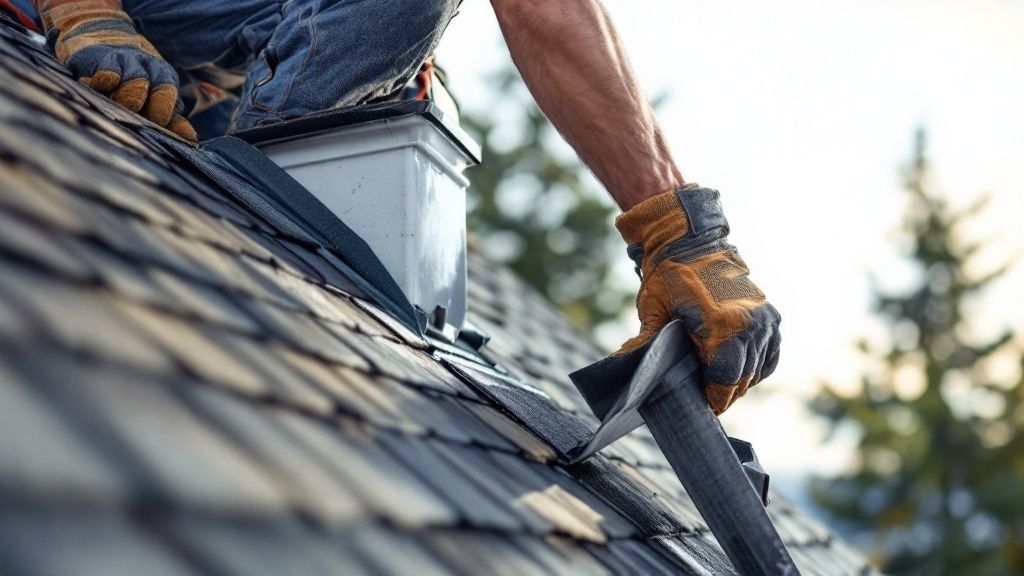
- Flashing and Vents: Leaks love to start around chimneys, skylights, or plumbing vents. Repairing or replacing the metal flashing in these tricky spots takes real precision and is far more complex than just swapping out a few shingles in an open field.
A true professional roofer doesn't just slap a patch on the visible problem; they dig in to find the root cause. This investigative approach is what stops a small leak from turning into a massive interior water damage nightmare, saving you a fortune in the long run.
Typical Cost Scenarios in Lighthouse Point
To give you a clearer picture, it helps to look at local data for a baseline. Here in Lighthouse Point, the typical range for a shingle roof repair lands somewhere between $380 and $1,800. Most homeowners end up spending right around the $1,100 mark on average.
This price range covers all sorts of common issues. A minor job could just be securing a few loose shingles, while more extensive work like fixing a sagging section of the roof is obviously more involved. It’s also important to remember that labor is a huge part of this, often making up about 60% of the total bill. You can get a better sense of how different projects stack up by exploring local roofing cost breakdowns.
Let's walk through two common scenarios we see all the time:
- Minor Wind Damage: A classic post-storm call. A few shingles are lifted, maybe a couple are missing entirely. This is a pretty straightforward repair that involves color-matching new shingles, carefully prying up the surrounding ones, and nailing down the replacements correctly. This job would definitely fall on the lower end of that cost spectrum.
- Skylight Leak: You see water stains on the ceiling around your skylight. This repair is much more detailed. It means removing shingles, inspecting and most likely replacing the flashing, sealing everything meticulously, and then perfectly reinstalling the shingles. Because it’s a more delicate and time-consuming job, the cost pushes toward the higher end of the average range.
Ultimately, the only way to know for sure is to get a detailed, itemized quote. That’s the best way to understand the specific costs for your shingle roof repair in Lighthouse Point.
What a Professional Repair Actually Involves
It helps to know what goes into a professional repair so you can spot quality work and ask the right questions. It’s a lot more than just slapping some tar on a leak. A proper fix is a methodical process meant to restore your roof’s integrity and stop future problems in their tracks. This isn't just about looks—it’s about making sure your home is buttoned up and ready for the next South Florida downpour.
The real work starts long before anyone picks up a shingle. A meticulous inspection is the absolute foundation of any good repair. A seasoned pro won't just glance up and spot a missing shingle; they'll get on the roof to look for the subtle signs of trouble, like granule loss, tiny cracks, or failing sealant around vents and flashing. They're basically playing detective, tracing the water's path to find the real entry point, which is often nowhere near where the stain shows up on your ceiling.
Preparing the Work Area for Safety
Once the problem spots are pinpointed, a professional crew gets the site ready. This is more than just propping a ladder against the wall. They’ll take the time to protect your landscaping, siding, and windows with tarps to catch falling debris and those pesky stray nails.
Safety is always the top priority. This means:
- Securing the perimeter: A clear work zone is established to keep your family and pets out of harm's way.
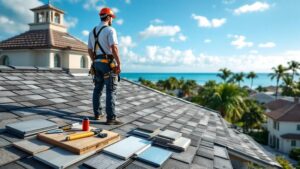
- Proper equipment: On the steeper pitches common in Lighthouse Point, you'll see them using harnesses and safety ropes.
- Material staging: Shingles, tools, and other gear are placed in a secure spot that won’t put extra stress on the roof structure.
This whole prep phase is a dead giveaway of a professional team. It shows they respect your property and are committed to doing the job right without creating new headaches.
The Art of the Shingle Repair
With the site prepped and safe, the actual repair can begin. The techniques here are precise, ensuring the new work blends seamlessly with the rest of your roof.
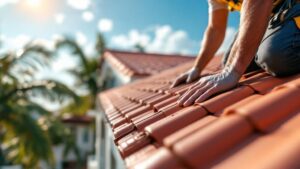
Replacing damaged shingles is a common task. A roofer will carefully break the sealant on the shingles above the damaged one using a flat pry bar. Then, they'll remove the old nails and slide the bad shingle out. The new shingle slides into its place and is fastened with roofing nails in a very specific pattern—a detail that is absolutely critical for wind resistance.
Pro Tip: A quality repair never involves driving nails through the exposed face of a shingle. Nails should always be hidden by the overlapping shingle above it. Exposed nail heads are just future leaks waiting to happen.
Another vital area is the flashing. This metal stripping around chimneys, vents, and skylights is a notorious source of leaks. A professional repair might involve taking off the surrounding shingles, applying a fresh, high-grade sealant, or replacing the flashing entirely if it’s rusted out. This is delicate work that takes real expertise to get a perfectly watertight seal.
If you're curious about what this looks like, you can see a visual of a detailed flashing repair here. It's this kind of meticulous attention to detail that truly defines a lasting shingle roof repair in Lighthouse Point.
Choosing the Right Roofer in Lighthouse Point
Picking a contractor for your shingle roof repair is easily the most important decision you'll make. A great repair comes down to the skill and honesty of the roofer you hire. Getting it right means a secure, lasting fix. Getting it wrong? That's a fast track to bigger problems and more money out of your pocket.
Your search should start with the absolute non-negotiables. Any roofer you even consider must be licensed in Florida and carry both general liability and worker's compensation insurance. This isn't just about paperwork—it's your shield against liability if someone gets hurt on your property. Don't just trust a "yes" on the phone; ask to see the certificates.
Questions to Ask Every Potential Roofer
Once you've confirmed their credentials, it's time to dig a little deeper. How a roofer answers the following questions tells you a lot about their real-world experience and professional standards. Don't be timid here; a reputable contractor will have clear, confident answers.
- Experience with Local Codes: "How familiar are you with Lighthouse Point's specific building codes for roof repairs?" Our local rules, especially around wind resistance, are no joke. You need someone who knows them by heart.
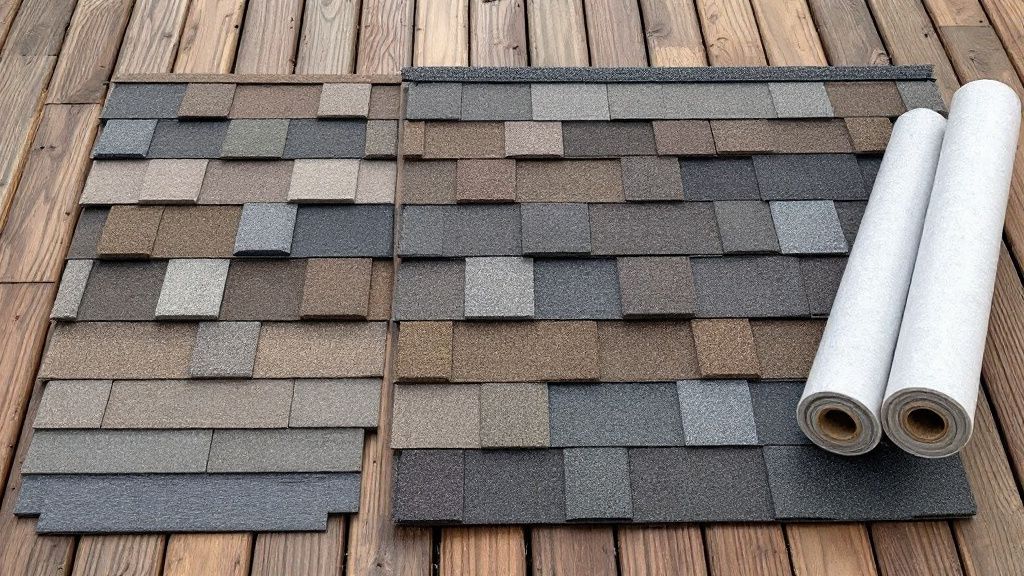
- Material Sourcing: "What brands of shingles and underlayment do you typically use, and why?" This question reveals whether they prioritize quality materials designed for our coastal climate or just grab the cheapest stuff available.
- Warranty Details: "Can you walk me through your warranties on both labor and materials?" Always get this in writing. A strong labor warranty shows the roofer stands behind their crew's work.
Key Insight: A detailed, itemized quote is the hallmark of a true professional. Vague, one-line estimates are often a smokescreen for cheap materials or surprise upcharges later. Insist on a breakdown of costs for labor, shingles, underlayment, flashing, and debris removal.
Comparing Quotes Beyond the Price Tag
It's smart to get a few quotes, but comparing them effectively means looking well beyond the bottom-line number. That tempting low bid might be a red flag for cut corners. I suggest using a simple checklist to see the real value each company is offering.
| Evaluation Point | Roofer A | Roofer B | Roofer C |
|---|---|---|---|
| Florida Licensed & Insured? | Yes | Yes | Yes |
| Provided Written Warranties? | Yes | No | Yes |
| Used Brand-Name Materials? | Yes | No | Yes |
| Detailed, Itemized Quote? | Yes | No | Yes |
| Local Lighthouse Point Experience? | Yes | Yes | No |
This kind of side-by-side comparison helps you make a choice based on reliability and long-term security, not just the initial price. Looking at an example of a completed repair project can also give you a feel for their standards. Ultimately, picking the right roofer ensures your shingle roof repair in Lighthouse Point will protect your home for many years to come.
Deciding Between Repair and Replacement
It's one of the biggest questions we hear from homeowners: "Do I just need a patch, or is it time for a whole new roof?" Making the right call on your shingle roof repair in Lighthouse Point goes way beyond the immediate cost—it’s about the long-term health and safety of your home. A few shingles ripped off by a storm? That's usually a straightforward repair. But if you're dealing with issues that keep popping up, it might be a sign of a bigger, underlying problem.
The decision often comes down to a few key factors, and the first one is always age. Here in our coastal climate, roofs just don't last as long. If your shingle roof is getting close to that 15 to 20-year mark, even small problems can signal that the whole system is losing its fight. Constantly paying for repairs on an old roof is like throwing good money after bad.
Another huge red flag is how often you're calling a roofer. If it feels like an annual tradition or a post-storm ritual, you're probably just patching a system that's failing piece by piece. Widespread issues, like seeing large dark patches from granule loss or finding shingles that are curled and brittle all over, are clear signs of systemic failure.
Making an Informed Choice
This infographic breaks down the decision-making process, looking at the severity of the damage and your budget to help point you in the right direction.
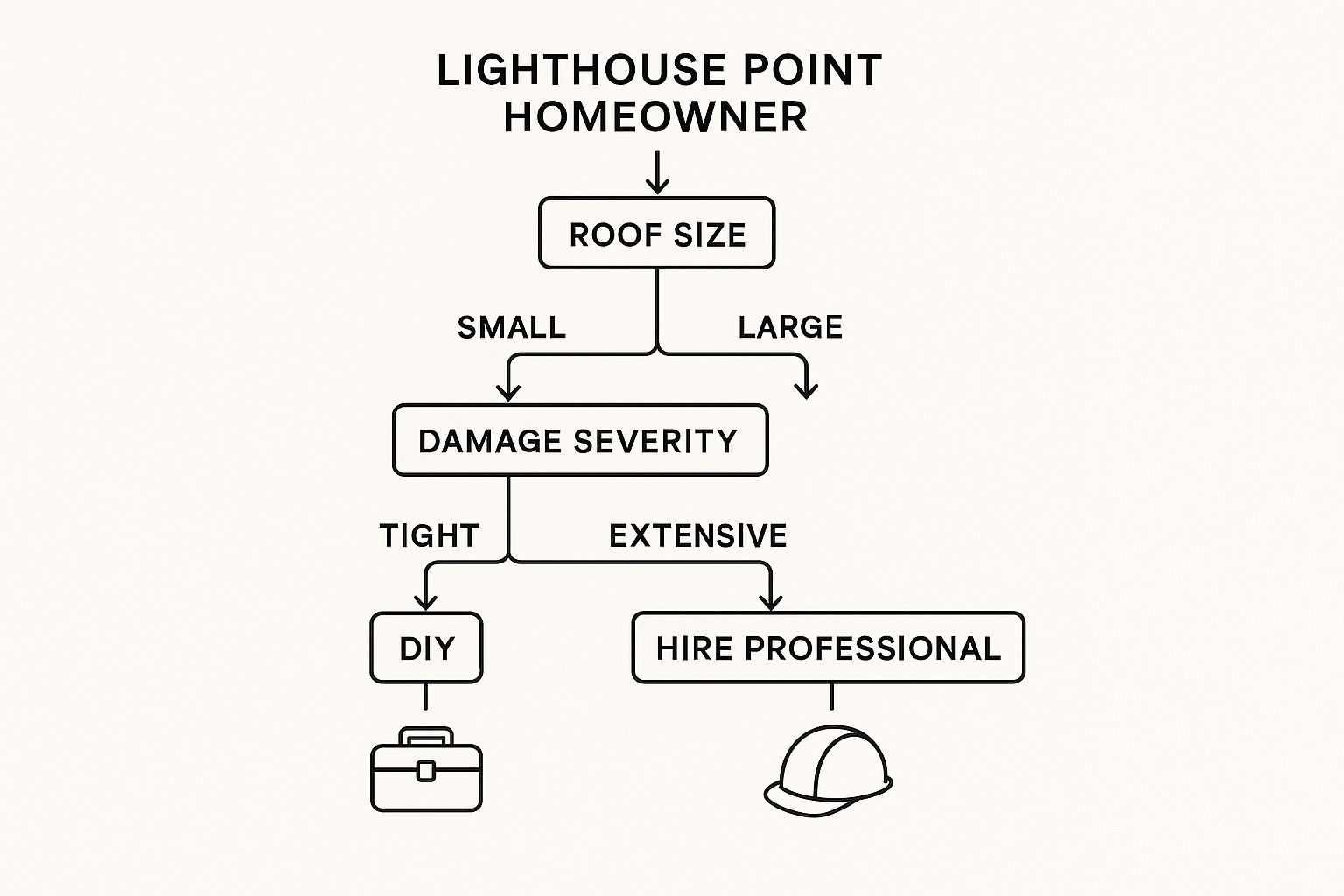
As you can see, minor, isolated damage is a perfect candidate for a targeted repair. But when the problems are widespread, a full replacement often becomes the smarter, more financially sound choice in the long run.
To really help you weigh your options, I've put together a direct comparison of the things that should guide your decision. It's not always a simple choice, but looking at it this way should bring some clarity.
A repair is a quick fix for a specific problem. A replacement is a long-term investment in your home's security and value, which is especially critical here in a hurricane-prone area like Lighthouse Point.
Decision Matrix Repairing vs Replacing Your Shingle Roof
This side-by-side comparison should help you decide the best course of action for your specific situation.
| Factor to Consider | Best for Repair | Indicates Replacement is Needed |
|---|---|---|
| Age of Roof | Under 15 years old and generally in good condition. | Approaching or past its expected 20-year lifespan. |
| Extent of Damage | Localized damage, affecting less than 30% of the roof. | Widespread issues like curling, cracking, or granule loss. |
| Leak History | A single, isolated leak that is easily traced and fixed. | Multiple persistent leaks in different areas of the house. |
| Future Plans | You plan to sell the home within the next few years. | You intend to stay in the home for the long term. |
| Aesthetic Concerns | A few mismatched shingles won't bother you. | You want a uniform look and improved curb appeal. |
At the end of the day, choosing between repair and replacement is both a financial and a practical decision. The absolute best way to get a clear, unbiased picture of your roof's real condition is with a professional inspection. It will give you the confidence to make a choice that protects your property for years to come.
Common Questions About Shingle Roof Repairs
When it comes to shingle roof repair in Lighthouse Point, it’s only natural to have a few questions. The whole process can feel a bit daunting, but getting straight answers is the best way to feel confident and make smart choices for your home. We've put together some of the most common concerns we hear from homeowners just like you every single day.
One of the first things people ask is, "How long will a typical repair take?" For small-scale jobs, like replacing a handful of shingles ripped off by the wind, a good crew can often be in and out in just a few hours. But if we're dealing with something more complex, like a stubborn leak that’s damaged the decking underneath, the project might stretch into a full day or possibly two.
What About Insurance and Material Choices
Insurance is, without a doubt, a huge topic. We constantly get asked if a homeowner's policy will cover the repair work. The honest answer is: it almost always comes down to what caused the damage. Damage from a storm—think high winds or hail—is usually covered. On the other hand, problems that crop up from simple old age or a lack of maintenance are typically not.
Then there's the matter of materials. The goal is always to match your existing shingles perfectly, not just for looks but for performance. A true professional will take the time to identify the exact type and color of your shingles. This ensures the repair blends in seamlessly and protects your home's curb appeal. They should also be using materials specifically rated for our high-wind coastal environment here in Florida.
Here's a pro tip: Always, always document any roof damage with photos before any work starts. This creates an undeniable record for your insurance company and can make the claims process dramatically smoother. It’s the best way to ensure you get the full coverage you're entitled to.
It also helps to understand what causes roof damage in the first place, so you can prevent future issues. Beyond big storms, a lot of problems start small. For example, knowing the common problems caused by clogged gutters can help you head off water backup that silently rots away your roof's decking and fascia boards.
How Do I Know the Repair Will Last
Finally, every homeowner wants to know that the fix is going to hold up. A reputable contractor will always stand behind their work, no questions asked. Here’s what really guarantees a repair that lasts:
- Proper Technique: It's not just about slapping on a new shingle. Using the correct nailing patterns and sealing methods is absolutely critical to a long-lasting fix.
- Quality Materials: The repair shouldn't be a weak link. The job should use materials that are equal to—or even better than—what's already on your roof.
- Labor Warranty: Always ask for a written warranty on the workmanship. This is your contractor's promise that they did the job right and that it will stand up to the elements.
Asking these questions from the get-go helps ensure you're partnering with a professional who puts quality and long-term protection first.
If you're dealing with roof issues and need clear answers from a team you can trust, Paletz Roofing and Inspections is here to help. We provide expert assessments and durable repairs to protect your Lighthouse Point home. Schedule your free inspection today at https://paletzroofing.com.