
Your roof is your home's first line of defense against the elements, but it doesn't last forever. While some signs of wear are obvious, others are subtle indicators that a critical failure could be just one storm away. Ignoring these warnings can lead to catastrophic damage, from pervasive leaks and structural rot to skyrocketing energy bills. This is especially true in South Florida, where intense sun, heavy rains, and hurricane-force winds constantly test your roof's integrity.
But how can a homeowner in Broward, Miami-Dade, or Palm Beach County distinguish between a simple repair and the need for a full replacement? This guide will walk you through the eight most critical signs you need a new roof, providing actionable insights to help you make an informed decision. Understanding these key indicators is essential for protecting your property investment, ensuring your family's safety, and knowing precisely when to call in a professional for an assessment.
We'll explore everything from the age of your roofing materials to the hidden messages found in your attic and gutters. This curated list will give you the confidence to act before a small problem becomes a costly disaster, equipping you with the knowledge to proactively manage one of your home’s most vital assets.
1. Age of Roof (20+ Years)
While many homeowners look for dramatic visual cues like leaks or missing shingles, the single most reliable predictor of roofing failure is often its age. Every roofing material has an expected lifespan, and as your roof approaches the end of this period, its ability to protect your home diminishes significantly, making it one of the most critical signs you need a new roof. For the most common material, asphalt shingles, this timeline is typically 20 to 25 years.
Think of a roof's lifespan like the warranty on a major appliance; it's engineered to perform reliably for a set duration. Once it surpasses that age, the materials begin to break down, granules wear away, and the shingles become brittle. This degradation happens even if the roof appears fine from the ground, leaving it vulnerable to the next major storm or heatwave.
Know Your Roof's Lifespan
Different materials have vastly different life expectancies. Understanding what's on your home is the first step in proactive replacement planning. Here are some typical timelines, keeping in mind that factors like the intense South Florida sun and hurricane-force winds can impact these estimates:
- Asphalt Shingles: 20-25 years
- Wood Shingles/Shakes: 25-30 years
- Metal Roofing (Galvalume, Aluminum): 40-70 years
- Clay or Concrete Tile: 50-100+ years
Key Insight: Don't wait for a failure to occur. If your asphalt shingle roof was installed two decades ago, it has already served its primary protective life. Proactively replacing it prevents the catastrophic (and expensive) damage that an age-related failure can cause.
Actionable Steps for Homeowners
If you aren't sure of your roof's age, check home inspection reports from when you purchased the property or look for a building permit on your local county's website. If those aren't available, a professional inspection is in order. As your roof enters its "senior years" (around the 15-20 year mark for shingles), it’s wise to schedule annual professional inspections to monitor its condition and budget for an inevitable replacement.
2. Missing, Cracked, or Curling Shingles
While a roof's age is a long-term indicator, visible damage to your shingles is an immediate, unmistakable red flag. Shingles are the first line of defense against the elements, and when they are compromised, so is your entire home. Widespread missing, cracked, or curling shingles are not just cosmetic issues; they are one of the most urgent signs you need a new roof.
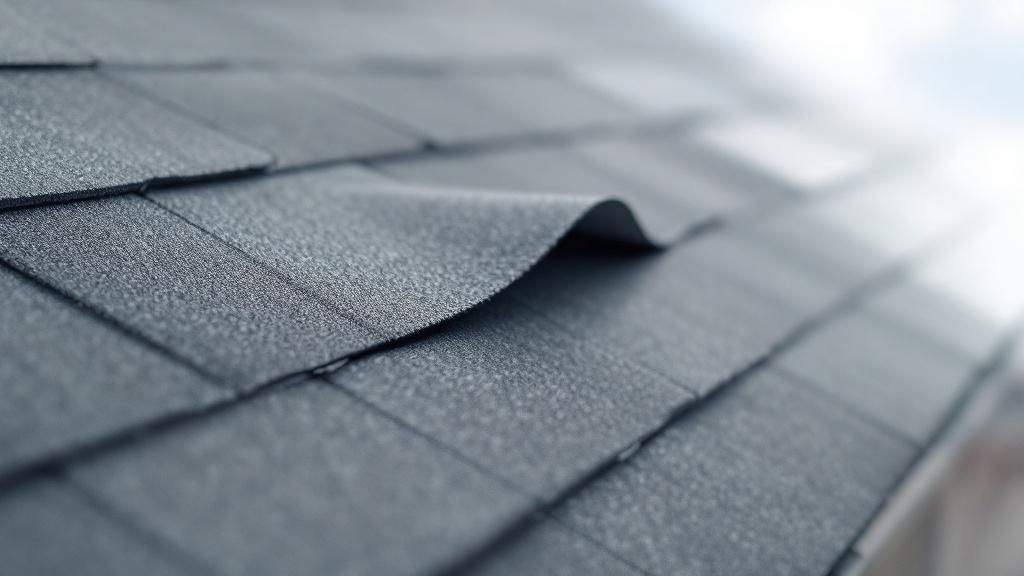
Think of each shingle as a scale on a suit of armor. When one is missing, cracked, or deformed, it creates a weak spot. A single missing shingle exposes the underlayment and decking to direct sunlight and water, accelerating deterioration. Similarly, cracked or curling shingles have lost their flexibility and water-shedding capabilities, making them ineffective against wind-driven rain and vulnerable to being torn off completely.
Identifying Compromised Shingles
You don't need to be a roofing expert to spot these issues, but you do need to know what to look for. These forms of damage indicate that the shingles have reached the end of their functional life due to age, heat exposure, or physical stress.
- Curling Shingles: The edges of the shingles are lifting or curling upwards, creating a cup-like shape. This is often a sign of advanced age and excessive heat absorption.
- Cracked Shingles: You’ll see random cracks appearing across the shingle surface, often due to wind damage or thermal shock.
- Missing Shingles: There are obvious bare patches where shingles have been completely blown off, typically after a significant storm.
- Bald Spots / Granule Loss: Look for dark, "bald" spots where the protective mineral granules have washed away, exposing the underlying asphalt. You'll often find these granules accumulating in your gutters.
Key Insight: A few damaged shingles can sometimes be repaired, but if the problem is widespread across multiple sections of your roof, it indicates systemic failure. A full replacement is often the only way to restore the roof's integrity and prevent imminent leaks.
Actionable Steps for Homeowners
Regular visual inspections from a safe location are crucial, especially after severe weather events. Use a pair of binoculars to safely scan your roof from the ground for any of the damage types listed above. Take note of any loose shingle tabs, pieces of shingle in your yard, or excessive granules in your gutter downspouts. Document any visible damage with photographs, as this can be valuable information for a professional roofer and for potential insurance claims.
3. Granules in Gutters and Downspouts
When cleaning your gutters, finding a small amount of sandy, gravel-like material might not seem alarming, but it can be one of the most revealing signs you need a new roof. These tiny specks are asphalt shingle granules, a crucial protective layer that shields your roof from the sun's harsh UV rays and harsh weather. When you start finding excessive amounts in your gutters or at the base of your downspouts, it signals that your shingles are losing their primary defense mechanism and are nearing the end of their life.
Think of these granules as the sunscreen for your roof. As they wear away, the underlying asphalt is exposed directly to the elements, particularly the intense South Florida sun. This exposure causes the shingles to become brittle, accelerates their deterioration, and makes them significantly more susceptible to cracking and wind damage. While a minor amount of "shedding" is normal for a brand-new roof as loose granules wash off, a consistent accumulation is a clear warning sign.
What Granule Loss Looks Like
Pay attention to what you're finding during routine gutter maintenance. This will help you gauge the severity of the issue and decide when to call a professional for an inspection. The evidence can be quite obvious once you know what to look for:
- Piles of "Sand": You'll see accumulations of black, grey, or colored grit that matches your roof, looking like coarse sand in your gutters.
- Washed-Out Channels: After a heavy rain, look for dark channels of granules washed out onto your driveway or walkways from the downspouts.
- Visible Bare Spots: From the ground, you may start to see dark, "bald" patches on your shingles where granules have completely worn away.
Key Insight: Widespread granule loss is an irreversible process. Once the protective layer is gone, the shingle's aging process speeds up dramatically. Ignoring this sign means you're allowing your roof's core structure to become vulnerable to rapid failure.
Actionable Steps for Homeowners
Being proactive is key to monitoring this subtle but critical sign. After cleaning your gutters, make it a habit to check them again after the next significant rainstorm. If you see a fresh collection of granules, it confirms that the loss is active and ongoing, not just a remnant from a past issue. If you observe consistent shedding or can see bare spots on your roof, it's time to schedule a professional roof inspection to assess the extent of the damage and plan for a replacement.
4. Water Stains and Leaks in Attic or Ceilings
When water starts appearing inside your home, it's no longer a potential issue; it's definitive proof of a roofing system failure. Interior water damage, whether it's a subtle brown stain on your ceiling or an active drip during a rainstorm, is one of the most urgent and undeniable signs you need a new roof. The waterproof barrier designed to protect your property has been breached, and immediate action is required to prevent further damage.
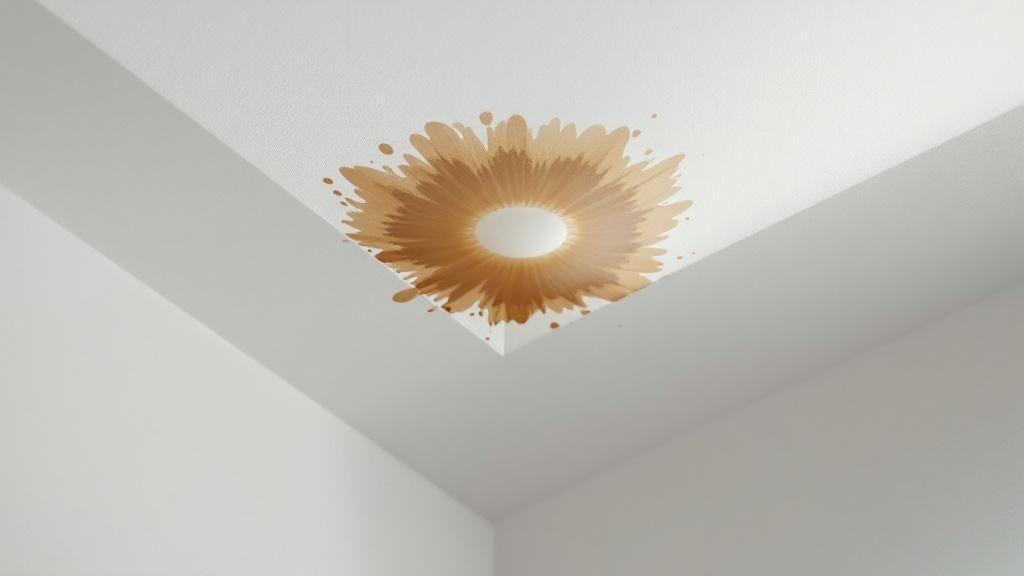
A small leak can seem like a minor annoyance, but the visible stain is often just the tip of the iceberg. By the time water travels through your roofing materials, decking, insulation, and drywall, it has likely caused widespread unseen damage. This moisture compromises your home's structural integrity, ruins insulation, and creates the perfect environment for mold and mildew to thrive.
Identifying the Source and Severity
Tracking a leak can be difficult, as water often travels far from the initial entry point before becoming visible. Regular attic inspections are crucial for early detection. Be on the lookout for:
- Dark, circular stains on drywall or plaster ceilings.
- Musty or damp odors in your attic or upper-level rooms.
- Damaged or compressed insulation that feels damp to the touch.
- Visible drips or wet spots on the attic floor or rafters during or after rain.
Key Insight: A ceiling leak is a critical symptom of a compromised roof. Even if it stops and starts with the weather, the underlying vulnerability remains. Addressing it quickly prevents small problems from escalating into major structural repairs and health hazards.
Actionable Steps for Homeowners
If you discover a leak, take immediate steps to mitigate damage while you arrange for a professional inspection. Place buckets to catch dripping water and use a flashlight to inspect your attic after every significant storm. Mark any wet spots you find with chalk or a flag to help the roofer pinpoint the problem area. If you've noticed water stains, it's crucial to address them promptly, as unchecked moisture can lead to serious issues. Learn more about how to avoid mold in your home and damp buildings.
5. Sagging or Drooping Roof Areas
While other roofing issues can develop slowly, a sagging roof is an urgent, high-priority problem that signals deep structural distress. A dip, bow, or curve in your roofline isn't just a cosmetic issue; it's a critical indicator of underlying failure and one of the most serious signs you need a new roof. Ignoring it can lead to catastrophic collapse and pose a significant safety hazard to everyone in the building.
This sagging often results from prolonged water damage that has rotted the roof decking or even the structural trusses and rafters beneath. It can also be caused by the sheer weight of saturated materials, multiple layers of old shingles, or inadequate structural support from the initial construction. This isn't just a roofing problem; it's a structural emergency that requires immediate and expert attention.
Spotting the Signs of Structural Sagging
A sagging roof can manifest in ways that are not always confined to the roof itself. Be vigilant for these interconnected warning signs that point to a compromised structure:
- Visible Dips: Obvious low spots or "saddles" in the roof ridge or flat sections.
- Interior Ceiling Issues: Noticeable sagging or staining on ceilings directly below the affected roof area.
- Sticking Doors and Windows: As the structure shifts under stress, it can warp door and window frames, making them difficult to open or close.
- Cracked Interior Walls: New or expanding cracks in drywall or plaster can indicate the building is settling unevenly due to roof-related structural strain.
Key Insight: A sagging roof is beyond a simple repair. It almost always necessitates a full roof replacement along with significant structural repairs to the decking and potentially the underlying framing. This is a job for experienced professionals, not a DIY project.
Actionable Steps for Homeowners
If you notice any signs of sagging, you must act swiftly to protect your property and ensure safety. Do not walk on the affected area of the roof. Instead, call a certified roofing contractor or a structural engineer immediately for an emergency assessment. Document the sagging with clear photos from a safe distance and check your homeowner's insurance policy to understand your coverage for structural failures. Getting multiple professional opinions is wise to ensure you get a comprehensive and accurate repair plan.
6. Damaged or Deteriorating Flashing
While shingles cover the broad surfaces of your roof, it's the flashing that protects its most vulnerable areas: the seams, joints, and penetrations. Flashing consists of thin pieces of metal or other impervious material installed to prevent water from entering at points like chimneys, vents, skylights, and valleys. When this critical component fails, it's a direct invitation for water intrusion and a major warning among the signs you need a new roof.
Think of flashing as the essential sealant in a high-pressure system. If the seals crack, rust, or come loose, the entire system is compromised, regardless of how strong the other parts are. Often, flashing materials like galvanized steel or the rubber boots around vent pipes will degrade faster than the shingles themselves, creating hidden leaks that can cause significant damage before they become obvious.
Identify Flashing Weak Points
Knowing where to look is key to catching flashing failure early. These problem areas are notorious for being the source of persistent leaks that can rot your roof's underlying structure. Pay close attention to these common spots:
- Chimneys: Look for rusted, separated, or missing step flashing along the sides of the chimney base.
- Vents and Pipes: Check the rubber or neoprene boots around plumbing vents for cracks, splits, or deterioration from UV exposure.
- Roof Valleys: Ensure the metal flashing in the valleys where two roof planes meet is not dented, rusted, or full of debris.
- Dormers and Walls: Inspect where the roof meets a vertical wall, ensuring the flashing is intact and properly layered with the siding.
Key Insight: Flashing issues are a leading cause of roof leaks. While a minor repair might seem sufficient, deteriorating flashing can also indicate that the entire roofing system has reached the end of its functional life and the surrounding materials are equally compromised.
Actionable Steps for Homeowners
Regularly inspect your roof's flashing, especially after significant weather events like heavy rain or high winds common in South Florida. If you see signs of rust, corrosion, cracks, or pieces that have pulled away from the structure, it's a serious red flag. Don't attempt to patch it with caulk or tar as a long-term solution. Schedule a professional inspection to determine if the damage is isolated or a symptom of a larger, systemic problem requiring a full roof replacement.
7. Excessive Energy Bills and Poor Insulation Performance
An often-overlooked consequence of a failing roof is its direct impact on your home's energy consumption. When your roof's integrity is compromised, it can no longer provide a complete thermal barrier, leading to a noticeable spike in heating and cooling costs. This gradual but significant increase in your utility bills is a powerful financial indicator and one of the most practical signs you need a new roof.
A deteriorating roof system loses its ability to regulate temperature. This happens through air leaks in the decking, moisture intrusion that ruins attic insulation, or lost granules that can no longer reflect UV rays. Your HVAC system is then forced to work harder to maintain a comfortable indoor temperature, running longer and consuming more energy to compensate for the thermal loss through the ceiling.
Tracing High Bills Back to the Roof
Identifying the roof as the culprit for high energy bills requires looking beyond the thermostat. The connection becomes clear when you observe specific performance issues that point directly to a compromised building envelope. Here are some common examples:
- Sudden Cost Increase: A 15-20% jump in your heating or cooling bills without a change in usage habits.
- Temperature Inconsistency: Certain upstairs rooms feel much hotter than others in the summer, or you notice drafty spots despite windows being closed.
- Compromised Insulation: You visually inspect your attic and find that the insulation is damp, compressed, or moldy, rendering it ineffective.
Key Insight: Your roof and attic insulation work together as a single system. When the roof fails, it often takes the insulation down with it. A new roof not only stops leaks but also restores the entire thermal barrier, leading to immediate and long-term energy savings.
Actionable Steps for Homeowners
Start by comparing your energy bills month-over-month and year-over-year to identify any upward trends. If you suspect an issue, perform a careful visual inspection of your attic for signs of moisture or daylight peeking through the roof deck. While a new roof can significantly improve your home's insulation and energy efficiency, other factors also contribute to high energy bills. For more comprehensive strategies on cutting down utility costs, explore pro HVAC energy-saving tips to ensure your entire system is optimized. Ultimately, scheduling a professional roof inspection can confirm if thermal bridging and air leaks are the source of your high bills.
8. Moss, Algae, or Fungus Growth
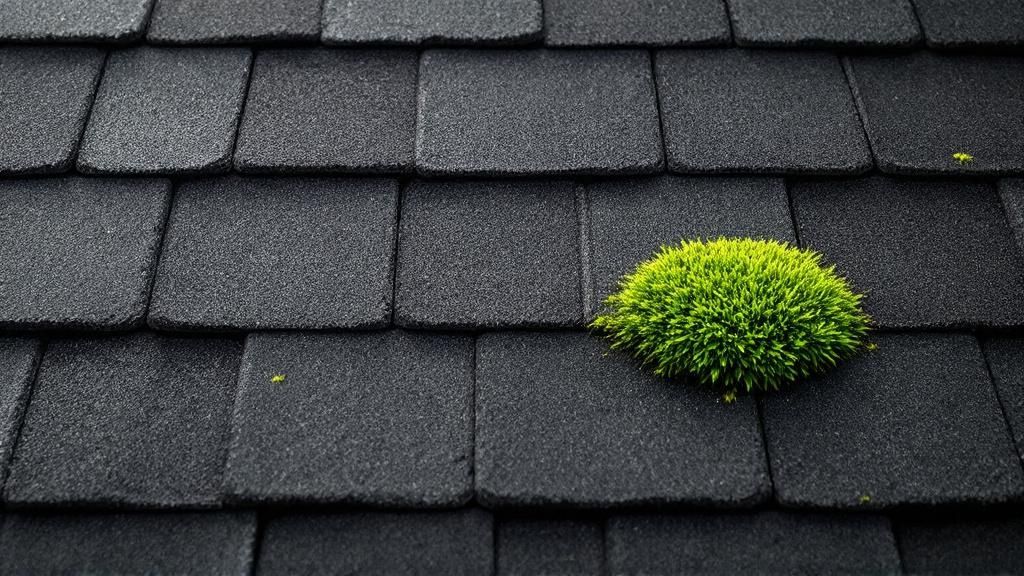
While a little green might look quaint, extensive biological growth on your roof is a serious red flag. Moss, dark algae streaks (Gloeocapsa magma), and fungus are more than just cosmetic issues; they are indicators of excess moisture, which is the enemy of any roofing system. This trapped moisture accelerates the deterioration of your shingles, making it a critical one of the signs you need a new roof.
This growth is particularly common in damp, shaded areas, like north-facing roof slopes that see less sun. Moss acts like a sponge, holding water against the shingle surface and preventing it from drying. In freezing weather, this trapped water can expand and lift shingle edges, while in the humid heat of South Florida, it speeds up the breakdown of the shingle's protective asphalt and granule layers.
Identifying Problematic Growth
Recognizing the difference between a minor cosmetic issue and a sign of deeper trouble is key. A few small spots might be manageable, but widespread growth often points to a roof nearing the end of its life. Be on the lookout for:
- Green, fuzzy moss: Often found on or between shingles, especially in shaded, damp areas.
- Black algae streaks: These are dark, unsightly stains running vertically down the roof.
- Lichen or fungus: White, yellow, or greenish patches that firmly attach to the shingle surface.
Key Insight: Think of significant moss or algae as a symptom of a larger problem. It often indicates poor drainage, inadequate sunlight, or that the shingles themselves are old and porous, retaining moisture instead of shedding it. Simply cleaning it off an old roof is often a temporary fix for a problem that requires a full replacement.
Actionable Steps for Homeowners
If you notice biological growth, the first step is to assess the roof's overall age and condition. Trimming overhanging tree branches can increase sunlight and airflow, which naturally discourages growth. While professional cleaning can sometimes help, it can also damage aging shingles. If your roof is older and shows extensive growth, it's a strong signal that the underlying materials are compromised and it's time to budget for a new roof to prevent leaks and structural damage.
Signs You Need a New Roof: 8 Key Indicators Comparison
| Indicator | Implementation Complexity 🔄 | Resource Requirements ⚡ | Expected Outcomes 📊 | Ideal Use Cases 💡 | Key Advantages ⭐ |
|---|---|---|---|---|---|
| Age of Roof (20+ Years) | Low | Moderate (inspection, record) | Predictable replacement timeline | Planning replacements, budgeting | Preventative, clear timeline |
| Missing, Cracked, or Curling Shingles | Low | Moderate to High (professional) | Immediate damage indication, repairable if early | Visible damage detection, storm aftermath | Easy identification, clear action |
| Granules in Gutters and Downspouts | Low | Low (monitoring during cleaning) | Early indicator of deterioration | Regular gutter maintenance, early warning | Easy monitoring, specific problem areas |
| Water Stains and Leaks in Attic or Ceilings | Moderate | High (inspection and repairs) | Definitive leak evidence, potential structural damage | Interior inspection after storms, leak confirmation | Clear problem sign, motivates action |
| Sagging or Drooping Roof Areas | High | Very High (structural repairs) | Serious safety hazard, structural failure | Urgent structural assessment, severe damage cases | Impossible to ignore, insurance covered |
| Damaged or Deteriorating Flashing | Moderate | Moderate (professional needed) | Water infiltration prevention compromised | Routine flashing inspection and maintenance | Can be repaired individually, preventable |
| Excessive Energy Bills and Poor Insulation Performance | Moderate | Moderate (energy audit, replacement) | Higher energy costs, comfort issues | Energy inefficiency with cost increase | Energy savings, improved comfort |
| Moss, Algae, or Fungus Growth | Low | Low to Moderate (cleaning, prevention) | Moisture retention, potential material damage | Moist environments, inadequate ventilation | Visible warning, treatable early |
Taking the Next Step: When to Call a Professional
Recognizing the subtle and overt signs you need a new roof is a critical first step for any homeowner. From the age of your roof system to the accumulation of shingle granules in your gutters, each indicator we've explored tells a piece of a larger story about your home’s structural integrity. Spotting curling shingles, water stains in the attic, or areas of sagging are not just minor cosmetic issues; they are direct warnings from the most important protective barrier of your property. Ignoring these signals can transform a manageable replacement project into a catastrophic failure, leading to extensive water damage, mold proliferation, and compromised structural safety.
The real value lies not just in identifying these problems, but in understanding their collective impact. A single issue, like minor algae growth, might be manageable. However, when you notice multiple symptoms concurrently, such as an aging roof (over 20 years old) combined with deteriorating flashing and rising energy bills, the need for action becomes urgent. This combination of factors points to a systemic failure, where simply patching one area will not solve the underlying decay. Protecting your investment and ensuring your family's safety means transitioning from a passive observer to a proactive decision-maker.
From Diagnosis to Action: The Professional Assessment
While this guide empowers you to conduct a preliminary visual inspection, it's crucial to understand its limitations. You can spot the obvious, but a certified roofing professional can diagnose the unseen. They possess the training and equipment to assess underlying deck rot, hidden leaks, and inadequate ventilation, issues that are often invisible from the ground or a quick attic peek. This is especially true for homeowners in South Florida, where the intense sun, high humidity, and hurricane-force winds place unique and severe stress on roofing materials.
A professional inspection provides a definitive roadmap. Instead of guessing, you receive a detailed report outlining the roof's current condition, its remaining lifespan, and a clear recommendation for repair or replacement. This expert evaluation is your most powerful tool for making an informed, confident decision. When considering a professional, remember they can also advise on proactive steps to extend your roof's life. For further guidance, explore these preventive roof maintenance strategies to safeguard your investment for the future. Ultimately, a new roof is more than just shingles and nails; it's a long-term investment in your home's value, efficiency, and security.
Don't wait for a small leak to become a major crisis. If you've recognized any of these signs you need a new roof, contact the experts at Paletz Roofing and Inspections for a comprehensive evaluation and a no-obligation quote. With over 30 years of specialized experience in South Florida, their team provides the peace of mind that comes from working with true local professionals.