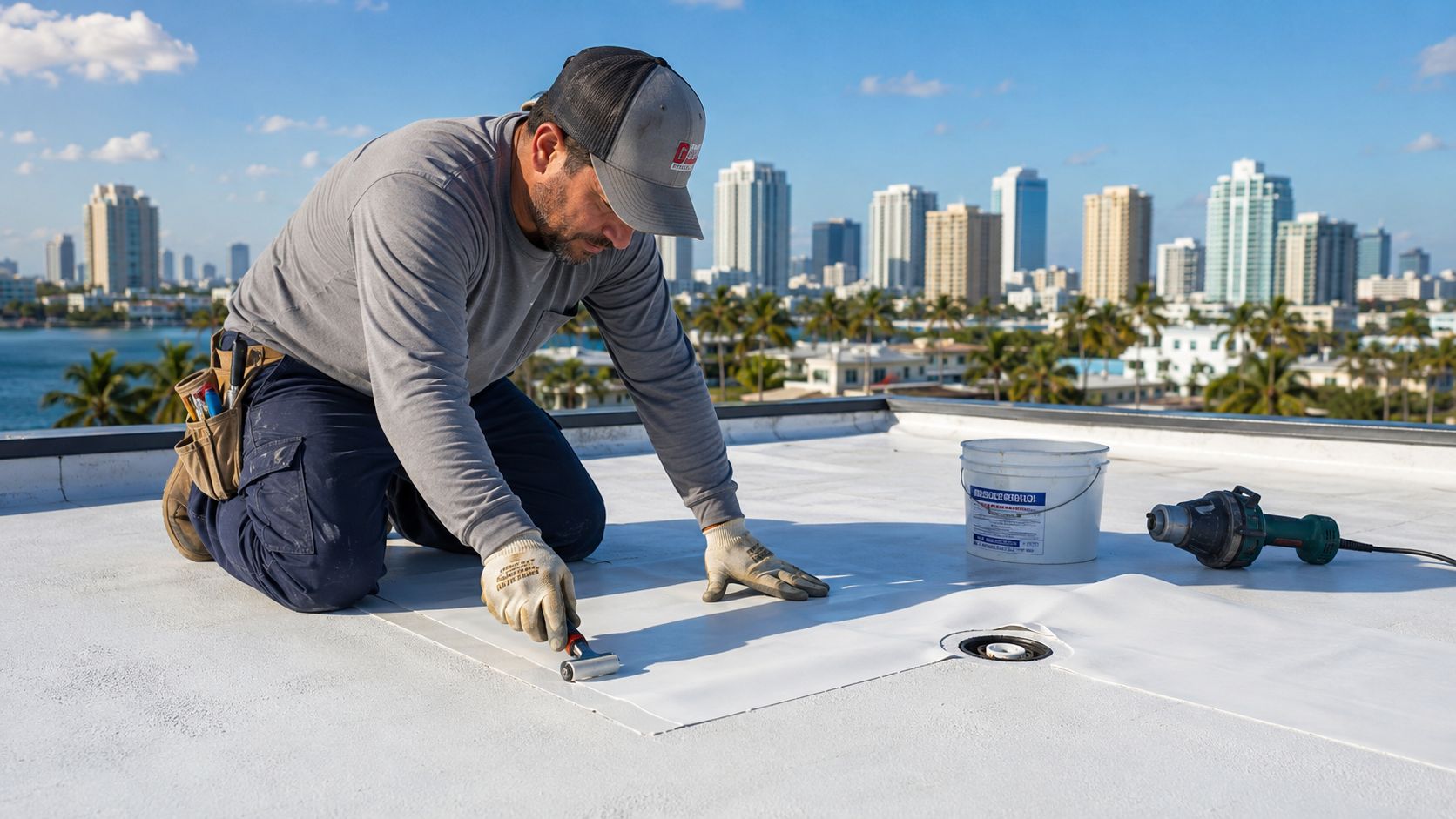
When your flat roof shows standing water for more than 48 hours, has a bubbling membrane, or pulled flashing, you likely need an inspection and often immediate repairs to avoid interior damage. Fort Lauderdale's unique combination of sun, salt, and sudden storms accelerates wear on common roofing systems like TPO, PVC, and modified bitumen.
Table of Contents
- What are the common warning signs for flat roofs in Fort Lauderdale?
- What should I do the moment I notice a roof leak?
- How do professionals fix a flat roof?
- What does flat roof repair cost in Fort Lauderdale in 2026?
- How do permits, codes, and insurance work for roof repairs in Broward County?
- How do I choose the right roofing contractor in Fort Lauderdale?
- Frequently Asked Questions About Flat Roof Repair in Fort Lauderdale
What are the common warning signs for flat roofs in Fort Lauderdale?
Living on the coast creates specific failure patterns. Spotting them early can save significant money and stress.
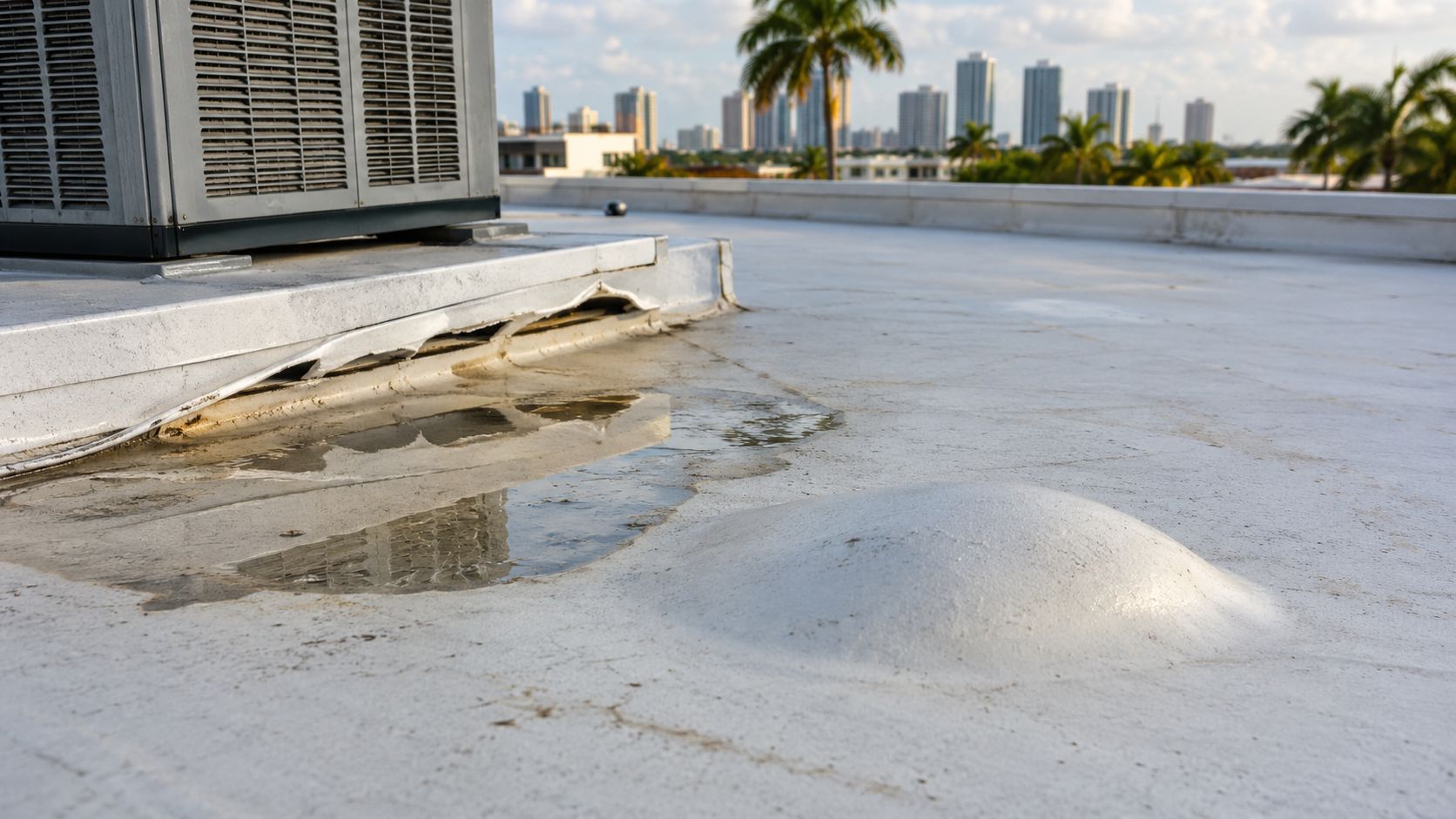
- Ponding Water: If puddles persist for more than 48 hours after rain, it indicates poor drainage or low spots, increasing the risk of membrane fatigue.
- Blisters or Bubbles: Small blisters under the membrane suggest trapped moisture or delamination and are often precursors to leaks.
- Pulled Flashing: Flashing that pulls away from rooftop units and vents is a mechanical failure that creates an entry point for wind-driven water.
- Interior Stains: Dark streaks on insulation or ceiling stains that reappear after rain point directly to active leaks.
- UV Damage: Excessive cracking on TPO or faded seams on PVC can shorten the roof's expected service life by years compared to roofs in inland areas.
Key takeaway: A visible symptom doesn't always signal an emergency, but if signs repeat or worsen, it's time for professional action.
How can I assess the severity of my flat roof damage?
This triage table helps you categorize symptoms to decide on your next steps.
| Symptom | Severity Level | Recommended Action |
|---|---|---|
| Minor UV cracking, small discoloration | Watch | Monitor monthly; document with photos |
| Ponding after every rain, minor blisters | Schedule Soon | Book a roof inspection within 2 weeks |
| Active ceiling stains, visible flashing gaps | Call Now | Arrange for same-day emergency patching |
In Broward County, the combination of coastal humidity and strong UV radiation can escalate a minor seam split into a major roof leak within a single wet season. This means property owners should act faster than they might expect.
Real-World Examples of Roof Damage Progression
A downtown Fort Lauderdale condo developed shallow ponding near an HVAC curb. Within three months, water migrated into the office below, causing a drywall collapse. Early intervention would have been a small, localized repair.
A warehouse near the Intracoastal showed thin, hairline cracks on its TPO roof. After a summer of sun exposure and a single storm, the cracks widened, necessitating a larger membrane replacement.
When documenting damage, take photos from multiple angles and include an object for scale.
Note how long puddles last and which roof areas drain to specific scuppers.
Learn more about commercial roof inspections with visual examples and checklists: Commercial Roofing Inspection Guide
What should I do the moment I notice a roof leak?
When you discover a leak, acting quickly and calmly can limit damage and ensure safety.
First, place buckets under active drips and move furniture, electronics, and important documents away from the wet area. If the ceiling is sagging, you can prevent a sudden collapse by gently puncturing the lowest point with a screwdriver over a bucket, which directs the water safely.
Next, document the damage thoroughly for insurance purposes. Take wide shots showing the room and roofline, then close-ups of stains, drips, and any exposed insulation. A timestamped photo of the exterior roof area, taken when it's safe to do so, is also valuable.
Key takeaway Maintain a clear, dated photo set and a written log of when the leak started and how water moved through the space.
Avoid common mistakes like applying hardware-store sealants or walking on a saturated membrane. These actions can void warranties and create safety hazards from slippery surfaces and hidden soft spots. Skip DIY roof repairs involving adhesive patches or nails on a wet membrane.
Checklist for First-Hour Actions
- Move Valuables: Create a dry perimeter around affected areas to limit secondary damage.
- Contain Leaks: Use buckets, towels, and a drip funnel if ceilings are bowed.
- Document Everything: Photograph the ceiling, walls, floor, and any roof-access points from multiple angles.
- Ensure Electrical Safety: Turn off breakers for water-exposed circuits. If unsure, call an electrician.
When is a tarp useful?
- Useful: When you have safe rooftop access, conditions are dry, and the tarp can be properly secured to block wind-driven rain.
- Not Useful: When the membrane is soaked, seams are failing, or access is unsafe. In these cases, a tarp provides a false sense of security.
For a prompt and professional evaluation, our team can provide a same-day assessment to help you document damage and prevent costly secondary losses.
How do professionals fix a flat roof?
Experienced roofing crews follow a methodical process that begins long before any patching occurs. They start with moisture mapping and a detailed roof inspection to distinguish between active leaks and old stains. Using tools like thermal scanners or capillary probes, they can pinpoint hidden wet insulation, ensuring repairs are targeted and effective.
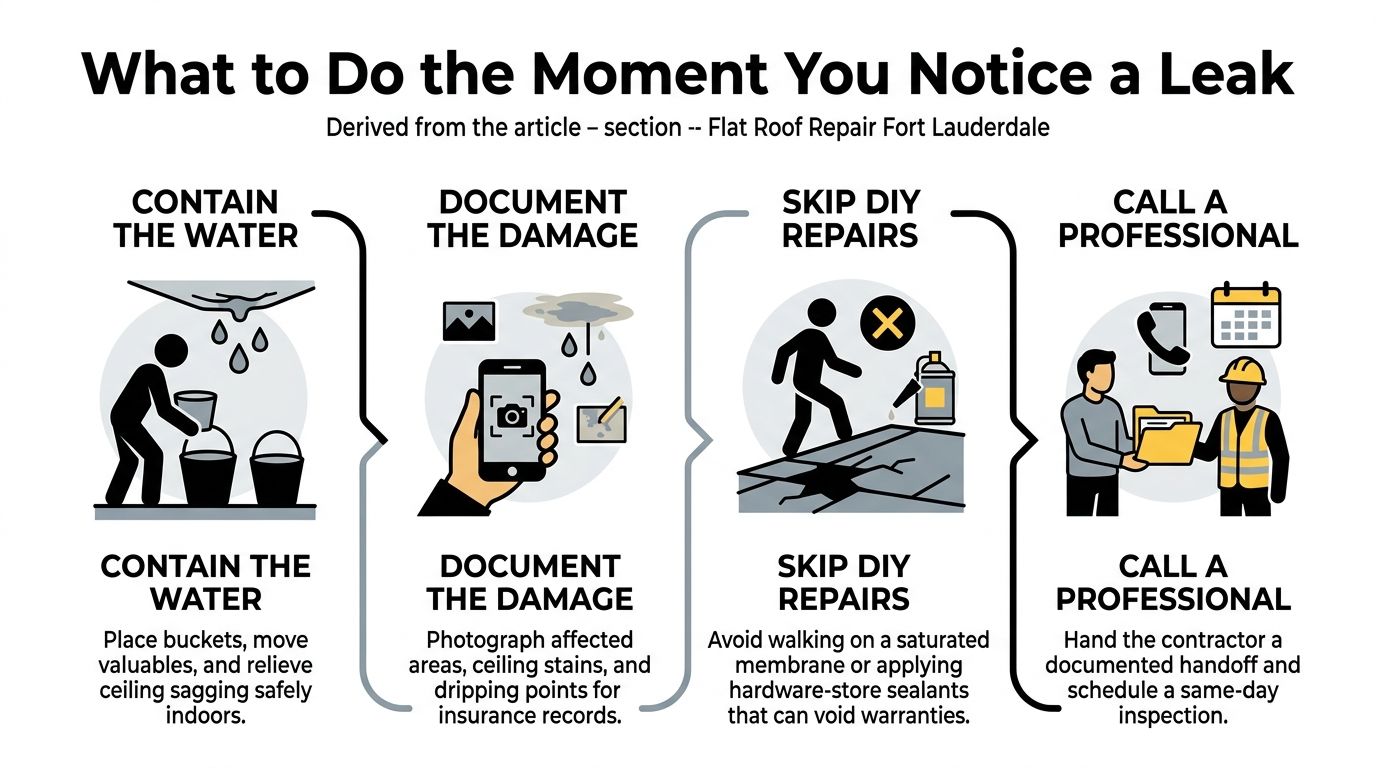
This infographic outlines the immediate response workflow, from spotting a leak to handing documented evidence to a professional. Following these steps ensures the diagnostic phase starts with clear data, not guesswork.
Key insight: A documented handoff and a professional moisture map can cut diagnostic time by as much as half, transforming confusing stains into targeted, lasting repairs.
Inspection and Diagnosis
A professional contractor will check your membrane type, seam condition, flashing integrity, and the solidity of the roof deck. This comprehensive assessment is crucial because the right fix depends on the specific problem. For example, a TPO roof with ponding and delamination requires a different solution than a modified bitumen roof with a split seam.
Key trouble spots include:
- Deck Rot: Hidden beneath saturated insulation, this can significantly increase labor costs.
- Penetrations: Areas around HVAC curbs and scuppers are common starting points for leaks.
- Photo Documentation: A good contractor provides photos of moisture readings, seam conditions, and specific repair spots to support a fair estimate.
Material Matching and Repair Methods
In coastal South Florida, the combination of salt air and intense UV exposure affects how materials perform, making the correct repair method critical for longevity.
- Torch-down repairs are effective for modified bitumen but unsuitable for combustible decks.
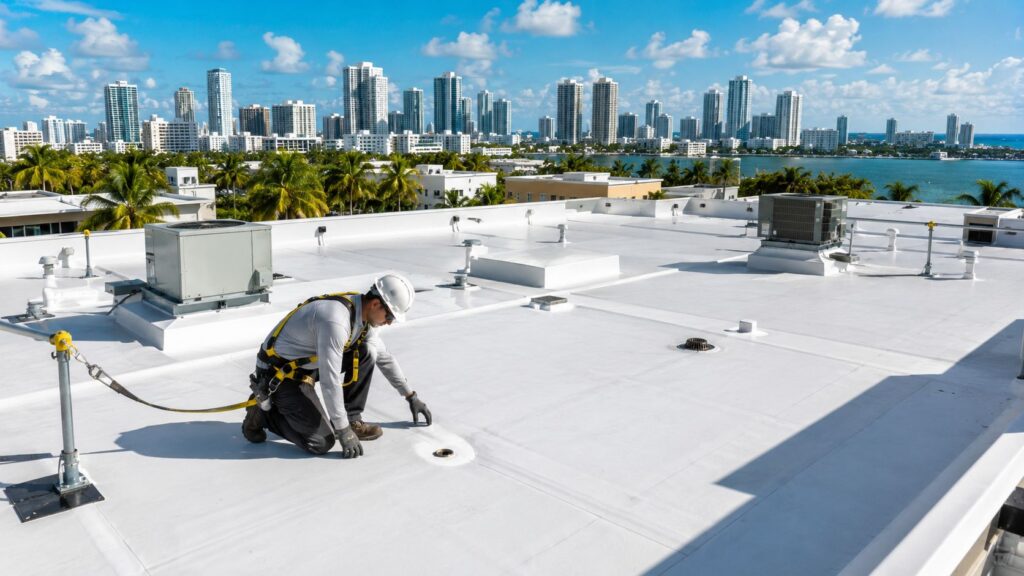
- Heat-welded TPO and PVC seams require specialized equipment and skill to restore membrane integrity.
- Solvent-welded patches can work on older PVC, but only if the chemical composition is a perfect match.
When discussing repairs, ask your contractor which method they recommend and, more importantly, why. Also, request photos of similar repairs they have completed.
Timeline Expectations
- Emergency Patches: Often completed the same day.
- Small Section Replacements: Typically take 1–3 days.
- Full Section Replacements: Usually require 2–5 days, depending on deck work and permitting.
- Multi-Section Repairs: Can take 3–7 days, especially if structural repairs are needed.
What to Expect in a Diagnostic Report
A comprehensive report should include moisture locations in square feet, membrane type, the recommended repair method with reasoning, material specifications, a labor estimate, and photos with a scale for reference. This level of detail allows you to compare quotes accurately.
See how this process unfolds in a full replacement scenario in our Roof Replacement Key Biscayne Installation Gallery.
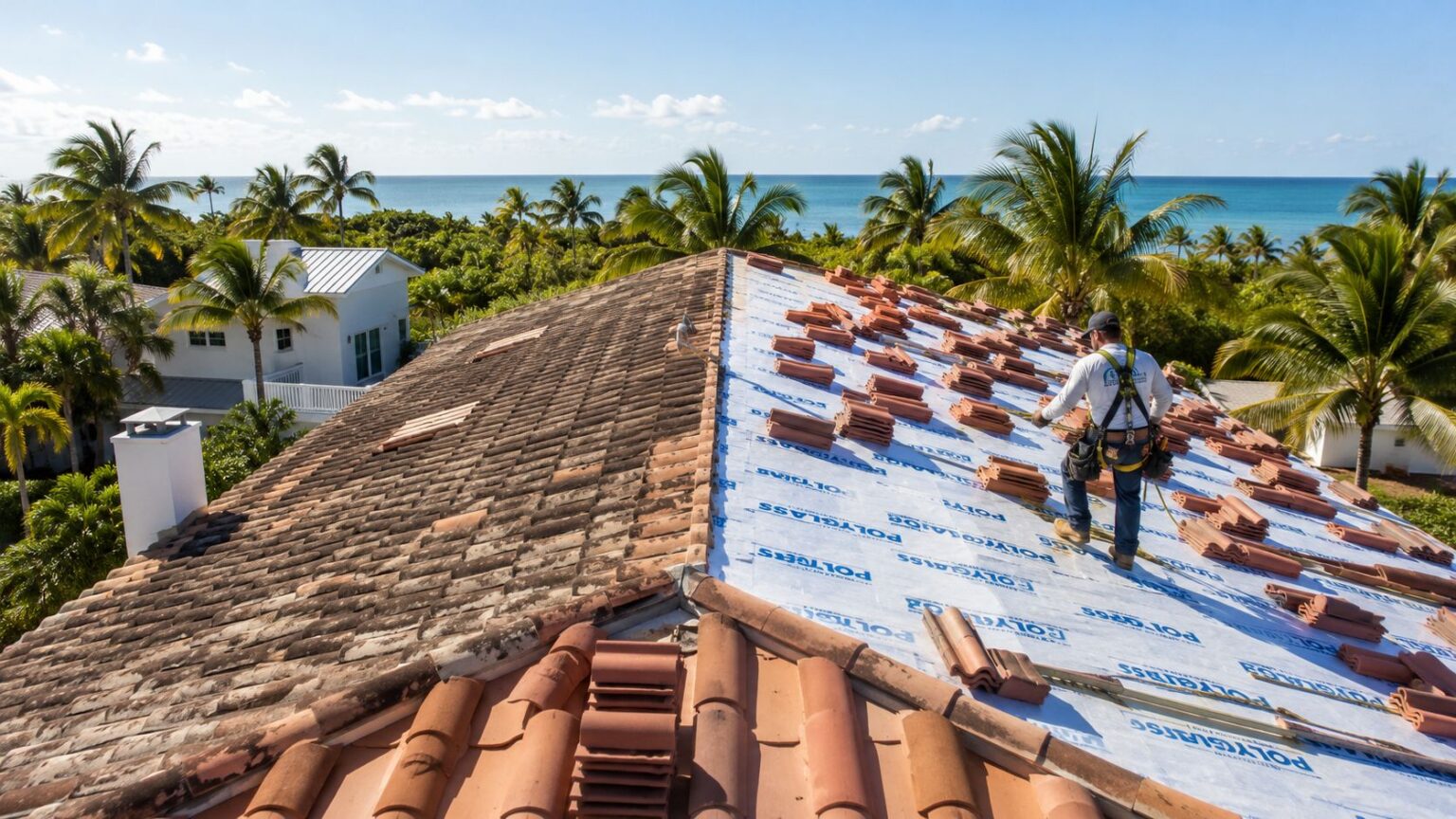
For reliable Flat Roof Repair, Fort Lauderdale property owners can count on our team for on-site diagnostics, material-matched repairs, and clear timelines that prevent repeat leaks.
What does flat roof repair cost in Fort Lauderdale in 2026?
The cost of flat roof repair in Fort Lauderdale can vary widely. A simple seam patch might start around $250–$800, while a localized section replacement could cost $1,200–$6,000. Major factors influencing the price include the extent of the damage, accessibility of the roof, and the condition of the underlying deck. Two properties with identical ceiling stains could receive estimates differing by thousands of dollars once issues like wet insulation or deck rot are discovered.
Fort Lauderdale Flat Roof Repair Cost Ranges for 2026
This table provides regional pricing benchmarks for common flat roof repair scenarios in Broward County.
| Repair Type | Typical Cost Range | Key Cost Drivers |
|---|---|---|
| Emergency patch | $250–$800 | Response time, materials, tarp vs. welded patch |
| Small section replacement | $1,200–$6,000 | Membrane match, weld method, flashing replacement |
| Multi-section repair | $6,000–$18,000 | Insulation removal, deck repair, manufacturer tie-ins |
| Full system replacement (flat) | $8–$18 / sq ft installed | Tear-off, deck condition, code upgrades, permits |
For example, a 200 sq ft TPO section replacement on an accessible roof with dry insulation might cost around $1,800. The same repair with saturated insulation and curb work could reach $5,400.
Key takeaway Investing in quality materials and correct system matching is crucial to prevent repeat leaks and can save money over the long term, especially during hurricane season.
To evaluate an estimate, ask for a line-item diagnostic showing moisture square footage, membrane type, and repair methods. Also, confirm whether the estimate includes permit fees and hurricane code tie-ins. For a useful price reference for other home services, you can check GrowTradie cost for chimney sweep.
When a quote seems too good to be true, it often is. The cheapest bid might lead to another emergency repair after the next storm. For a documented on-site diagnostic and a fair, material-matched estimate, contact our team.
How do permits, codes, and insurance work for roof repairs in Broward County?
Broward County is located within the High-Velocity Hurricane Zone (HVHZ), which imposes stringent requirements on flat roof repairs. Permit rules can vary by municipality. In Fort Lauderdale, a permit is generally required for any full roof system replacement or work that involves the roof deck. While small, like-for-like patches may sometimes be exempt, this exemption often disappears if flashing, curbs, or penetrations are involved.
What do inspectors look for?
- Proper membrane tie-in to existing flashing and curbs.
- Code-compliant fastening and edge termination that meet HVHZ wind load requirements.
- Replacement or uplift protection when insulation or deck work is involved.
Key insight: Skipping a required permit can lead to complications during a real estate sale and issues with insurance claims.
How to Protect a Claim and Speed Up Approvals
- Document Everything: Take dated photos of roof-wide views, close-ups of penetrations, and damaged areas.
- Keep Records: Hold onto contractor moisture maps, diagnostic reports, and material cut sheets.
- Obtain Copies: Ask your contractor for copies of permit applications and final inspection sign-offs to include in your claim file.
What do insurance adjusters look for?
Insurance adjusters need to determine the cause of the damage, its extent, and the scope of repairs. They differentiate between storm-related failure and normal wear and tear. To support your claim, provide time-stamped photos, a log of when leaks first appeared, and a contractor diagnostic that quantifies moisture damage. Invoices for emergency tarps or temporary containment are often reimbursable.
Tips to Avoid Administrative Delays
- Verify Credentials: Ensure your contractor holds local licenses and has proven HVHZ experience.
- Clarify Responsibilities: Determine who will submit permit applications and track inspection dates.
- Request Itemized Estimates: Get estimates that separate permit and code-upgrade costs to avoid surprises.
If navigating permits, insurance documentation, or a same-day damage evaluation feels overwhelming, our team can provide guided support and on-site paperwork assistance.
How do I choose the right roofing contractor in Fort Lauderdale?
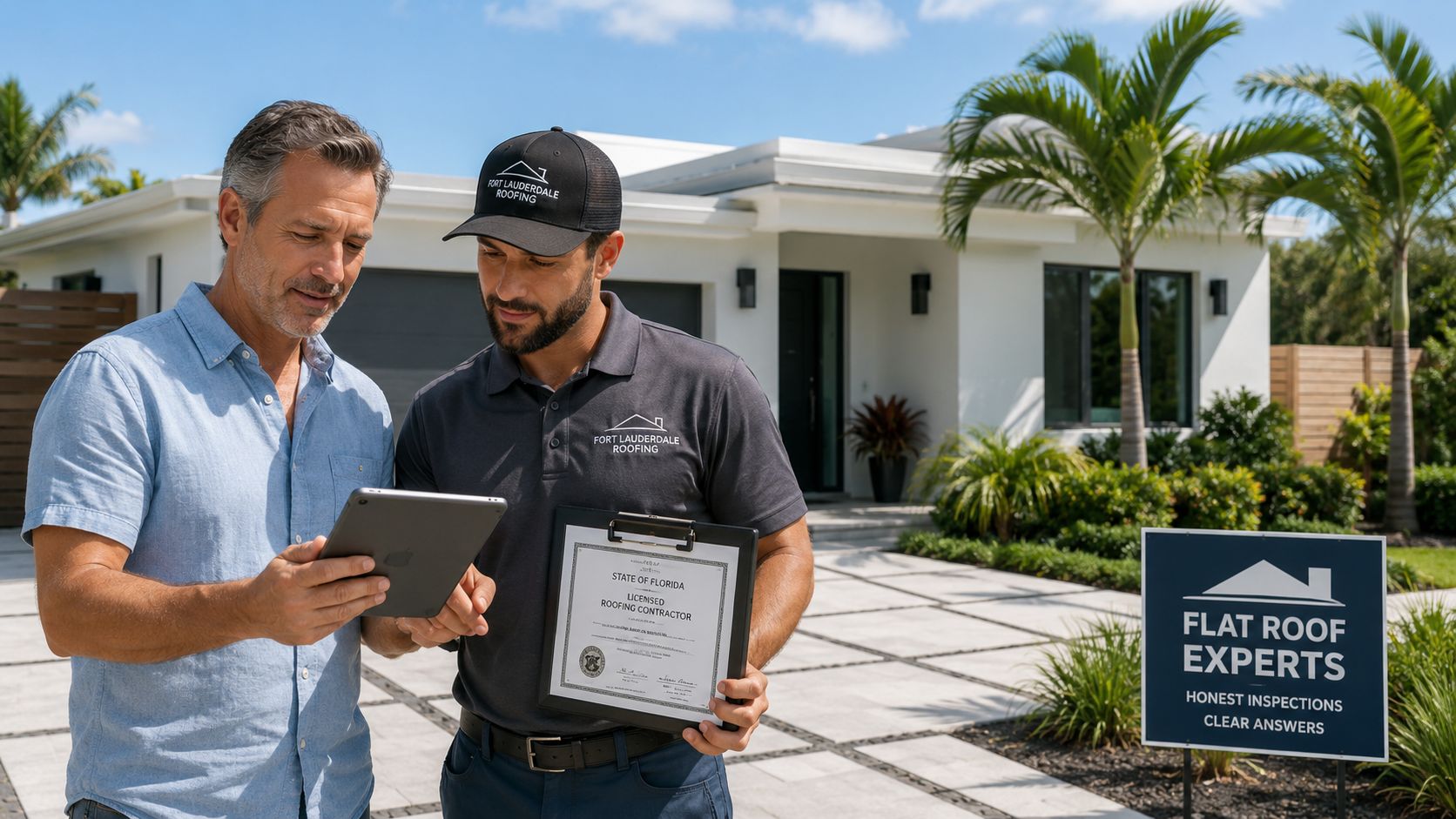
Finding a reliable roofer, especially after a storm, requires due diligence.
First, verify their state license and confirm they have genuine HVHZ experience, with a portfolio of completed work in Broward, Miami-Dade, or Palm Beach counties. Next, ask for certificates of insurance—both general liability and workers' compensation—that specifically name your property.
Key insight: Confirm the contractor holds manufacturer certifications for your roof's material (TPO, PVC, or modified bitumen). Without this, your warranty could be void from day one.
A reputable contractor will provide a written, itemized estimate that breaks down materials, labor, permit fees, and disposal costs. Be wary of vague ballpark figures or high-pressure sales tactics.
A trustworthy contractor should provide:
- A diagnostic report with moisture readings, affected square footage, and photos.
- A clear explanation of the recommended repair method and why it's suitable for your roof.
- Realistic timelines for the project.
Key Questions to Ask a Potential Contractor
- How do you differentiate between ponding water and an active leak?
- Can I see photos of similar projects you've completed in Fort Lauderdale?
- Who is responsible for pulling permits and scheduling final inspections?
- What are your policies on upfront deposits and milestone payments?
"Post-repair support is as important as the warranty. Ask how they handle callbacks after heavy storms."
Always check references from recent local jobs. To see what a thorough professional assessment looks like, view our guide on Paletz Roofing project photos and measuring practices.
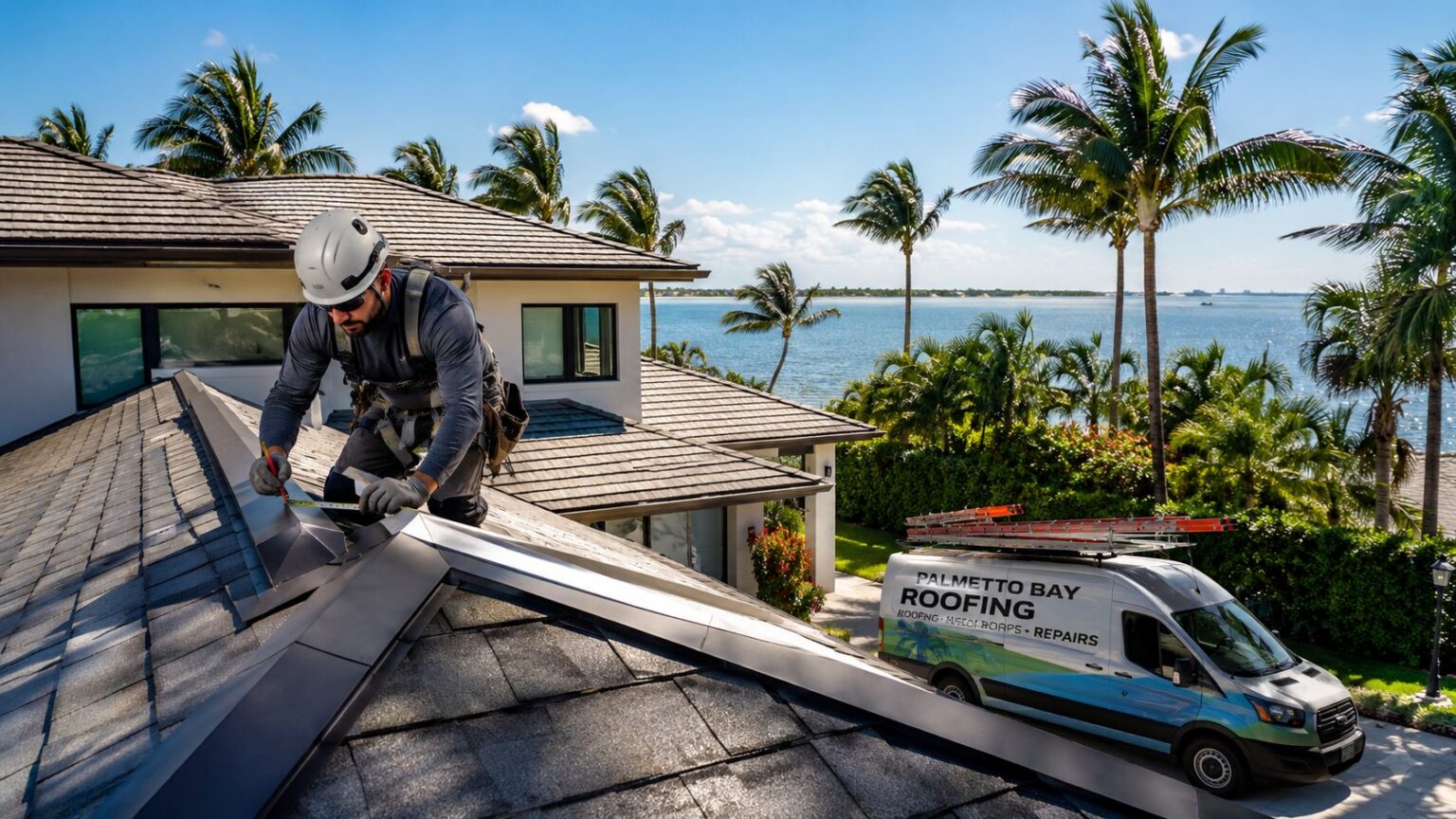
When you're ready for an on-site diagnostic and a documented, itemized quote you can trust, our team is here to help.
Frequently Asked Questions About Flat Roof Repair in Fort Lauderdale
How do I know if I have a real roofing emergency?
If water reaches electrical outlets, causes a ceiling to sag, or a stain grows after every storm, it's an emergency. This indicates a risk of secondary damage and electrical hazards. Your first steps should be immediate containment and documentation, followed by a professional assessment.
Is it better to repair or replace my flat roof?
This depends on the membrane's condition and the extent of moisture damage. A localized seam failure on a roof with dry insulation can often be repaired effectively, with the fix lasting 2–5 years. However, if the insulation is saturated or there is widespread delamination, replacement is usually the more cost-effective long-term solution.
How long do flat roof repairs last in this climate?
A quality TPO patch or welded seam can last 2–5 years with regular maintenance. A larger section replacement that uses UV-resistant materials and proper edge details can last a decade or more.
What routine maintenance can prevent leaks?
Regular seasonal checks, keeping scuppers and gutters clear, and promptly resealing flashing can significantly reduce the risk of leaks. Conducting roof inspections after heavy weather and keeping a documented log can also be beneficial for insurance purposes.
Quick Practical Tips for Homeowners
- Document damage with dated photos from multiple angles.
- Use buckets to contain leaks and safely relieve pressure from sagging ceilings.
- Avoid walking on saturated membranes or using hardware-store sealants, which can cause more harm.
- Ask your contractor for data on moisture-affected square footage and a material-matched repair plan.
Key takeaway A well-documented issue and a properly matched repair method save time, money, and future headaches.
For a documented on-site diagnostic and trustworthy repairs, visit us at https://paletzroofing.com.