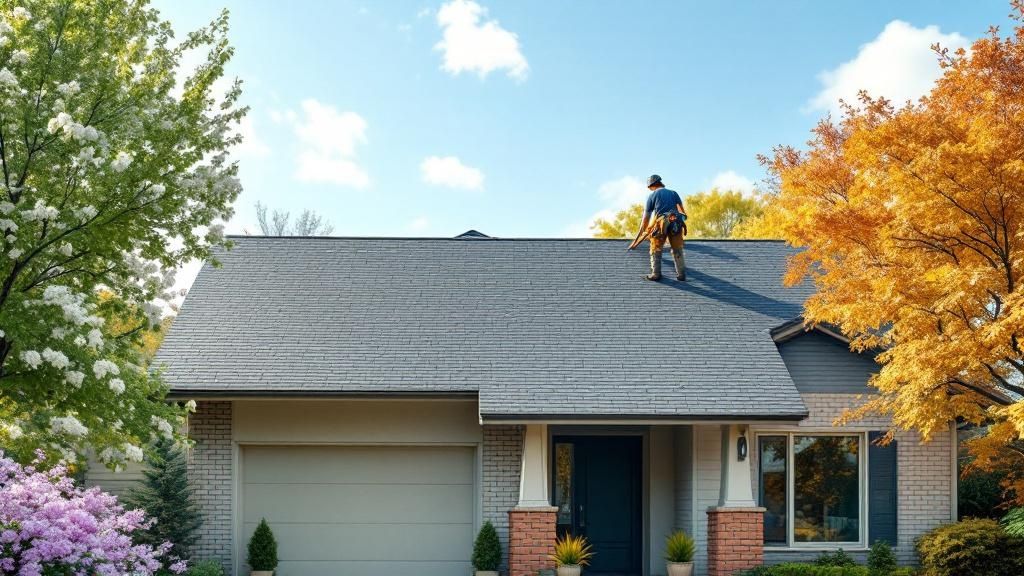
Ask any seasoned roofer, and they’ll likely tell you the same thing: the best time of year to replace your roof is almost always early to mid-fall. It’s what we in the business call the "Goldilocks" season—not too hot, not too cold, but just right for getting the job done properly.
Finding the Sweet Spot for a New Roof
Figuring out when to schedule a roof replacement is about much more than just finding an open slot on a contractor's calendar. It's a strategic decision that has a real impact on the project's final cost, how long it takes, and even the long-term health of your new roof.
Think of it like pouring a concrete slab; you need the right conditions for it to cure perfectly. The same goes for roofing materials. This is especially true for popular asphalt shingles, which need moderate temperatures to properly activate their adhesive strips and form that critical, watertight seal.
It’s no surprise that most industry pros, myself included, prefer the window from late spring to early fall. This period usually gives us the mild temperatures and lower odds of rain we need for a smooth, efficient installation. As leading manufacturers like GAF often point out on their own professional blogs, fall is widely considered the sweet spot. The summer heat has backed off, but it’s still warm and consistent enough for shingles to seal correctly with fewer weather delays.
Why Timing Is Everything
The season you choose for your roof replacement directly influences a few key project factors:
- Material Performance: Extreme summer heat can actually damage shingles during installation, making them overly pliable. On the flip side, cold weather can make them brittle and prevent them from sealing down correctly.
- Contractor Availability: Let's be honest, summer and fall are our busiest times. That means the best crews get booked up fast, so planning ahead is absolutely essential.
- Project Cost: You can sometimes find better pricing during the "shoulder seasons" of spring or late fall, right before or after the summer rush hits its peak.
- Weather Delays: Unexpected spring downpours or a surprise winter snowstorm can bring a project to a screeching halt, pushing your timeline back by days or even weeks.
This handy graphic really breaks down how getting the timing right delivers some major benefits.
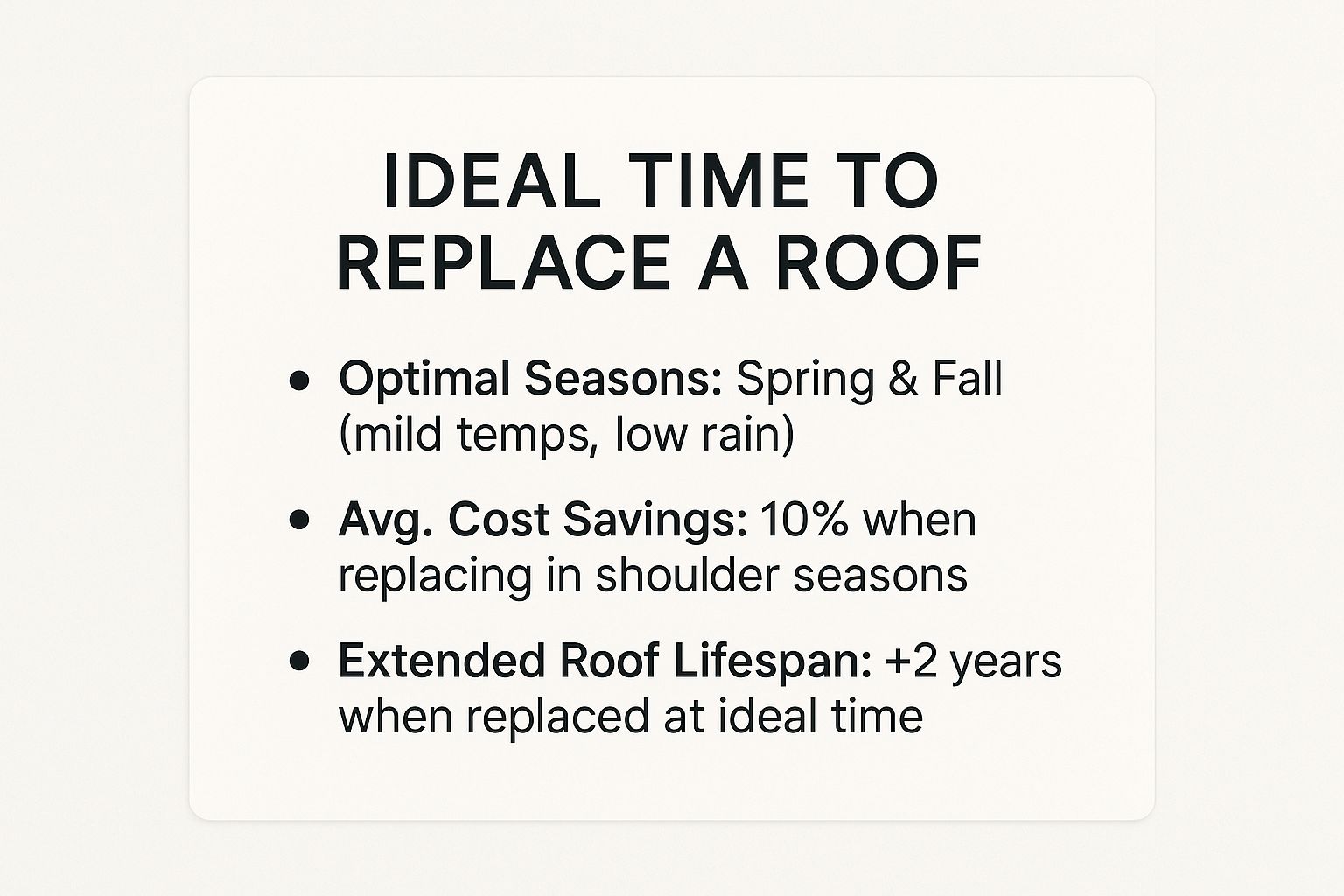
As you can see, it’s not just about convenience. Picking the right season creates the ideal conditions for a flawless installation, which can lead to real cost savings and a roof that simply lasts longer.
Why Seasonal Timing Is Crucial for a New Roof
Choosing the best time of year to replace a roof isn't just a matter of scheduling convenience; it's a science. I like to think of it like baking a cake. If the oven is too hot or not warm enough, you’re not going to get the result you want, no matter how good the ingredients are. Roofing is exactly the same.
The weather—especially temperature and moisture—has a direct and powerful impact on roofing materials. This is particularly true for asphalt shingles, which are hands-down the most common residential roofing material used across North America.
The Role of Temperature in Sealing Shingles
Every asphalt shingle has a strip of adhesive on its underside that's activated by heat. For this sealant to soften and create a strong bond with the shingle below it, the temperature needs to be just right—ideally between 40°F and 85°F (4°C and 29°C). This critical process, called sealing, is what turns individual shingles into a single, unified, and watertight shield against wind and rain.
When shingles are installed in moderate temperatures, they form a tough, continuous seal. This single step is one of the most important factors in preventing wind from tearing shingles off and stopping leaks before they start, directly impacting how long your roof will last.
When the conditions aren't right, you can run into problems almost immediately.
- Extreme Heat: Trying to install shingles on a blazing hot day can make them soft and overly flexible. This makes them easy to scuff up and damage just from being walked on during installation. The adhesive can also turn to liquid and run out from under the shingles before it ever gets a chance to bond properly.
- Extreme Cold: In the winter, shingles get stiff and brittle. They're far more likely to crack or even break when they're being nailed down. Worse yet, the adhesive strips might never get warm enough to activate and seal, leaving your roof wide open to wind-driven rain and shingle blow-offs.
Ultimately, proper timing is about more than just the materials. It also helps ensure the roofing crew has a safe and efficient work environment. A team that's comfortable and safe works more effectively, and that translates directly into a higher-quality job for your home.
Comparing the Prime Roofing Seasons: Spring vs. Fall
When it comes to replacing your roof, timing really is everything. Most experienced contractors will tell you that the "shoulder seasons" of fall and spring offer the best windows for a successful project. But while both are good, many pros consider fall the true sweet spot, and for good reason.
The magic of fall lies in its mild, stable weather. Early to mid-autumn provides the perfect conditions for new asphalt shingles to do their job. The moderate temperatures, which typically hang out in the ideal 40°F to 85°F range, allow the adhesive strips on the shingles to activate and bond properly. This thermal sealing process is what creates a tough, watertight barrier that will stand up to the winter ahead.
The Trade-Offs of Fall Popularity
Because the weather is so perfect, fall is easily the most popular time for roof replacements. This high demand is great for ensuring a quality installation, but it comes with a few catches.
- Contractor Availability: The best roofing crews get snatched up fast. It’s not uncommon for them to be booked solid for September and October jobs months in advance.
- Higher Costs: Simple supply and demand. With everyone trying to get their roof done at once, you’ll find less wiggle room on pricing for both labor and materials.
For a fall project, planning is everything. If you have your heart set on this prime season, you need to be getting quotes and locking in your contractor during the summer to secure a spot on their schedule.
This seasonal rush is a huge part of a massive industry. Across the U.S., homeowners have over 5 million new roofs installed every single year, with the average asphalt shingle job costing around $10,053. Scheduling your project during a less frantic time can sometimes lead to real savings. If you want to dive deeper into these industry stats, AttoTime.com has some great insights.
Spring as a Strong Alternative
While fall gets all the glory, don't overlook spring. The months from March to May are another excellent choice and often the best time of year to replace a roof, especially if you need to fix damage from a rough winter. Scheduling a replacement in the spring gets your home buttoned up and protected well before the blistering heat of summer arrives.
The biggest upside to a spring project is beating the autumn frenzy. You'll likely find that contractors have more open slots in their schedules, which can sometimes translate into more competitive pricing. You get your new roof finished while everyone else is just starting to think about theirs.
The main gamble with spring, however, is the weather. It's a season known for unpredictable rain, which can bring a project to a screeching halt. A good contractor will be glued to the forecast, but a solid week of pop-up showers can still cause frustrating and potentially costly delays.
Navigating a Summer Roof Replacement

At first glance, summer seems like the ideal time for a roof replacement. You’ve got long days, plenty of sunshine, and the weather is generally predictable. More daylight means crews can get more done, often shortening the project timeline. And with less chance of a sudden downpour, rain delays are far less of a headache.
But that summer sun comes with its own set of serious challenges, especially for us here in South Florida. The number one issue? Extreme, unrelenting heat. This isn't just about keeping the crew comfortable; it directly affects the roofing materials we're installing on your home.
Heat and Its Impact on Your New Roof
Asphalt shingles are made to be installed in moderate temperatures. When the sun is beating down, a roof's surface can skyrocket to 150°F to 175°F. At those temperatures, brand-new asphalt shingles get soft and pliable. This makes them incredibly easy to scuff, crease, or otherwise damage from simple foot traffic during the installation.
A professional crew knows how to navigate this, of course. But it’s a constant risk that has to be managed. Often, we have to adjust our workdays, starting at the crack of dawn to get as much done as possible before the brutal afternoon heat sets in.
A summer installation requires careful management. The heat not only poses safety risks for the crew but can also compromise the integrity of the shingles if not handled with expert care.
The heat’s impact doesn't stop once the crew leaves. In a climate with prolonged high temperatures, this constant thermal exposure can actually speed up your roof’s aging process. It can dry out the essential sealants and underlayments that provide your primary water barrier.
It also turns your attic into an oven, with temperatures spiking by 30 to 50 degrees Fahrenheit. That forces your HVAC system into overdrive just to keep the house cool, sending your energy bills through the roof. You can find more insights into how weather shapes roofing trends in this detailed 2025 roofing report.
While a summer replacement is definitely doable and quite common, it might not be the best time of year to replace a roof in hotter climates like ours. If your project has to happen in the summer, try to schedule it for early June to sidestep the peak heat of July and August.
Should You Replace a Roof in the Winter?
Most roofers will tell you that winter is the least ideal season for a roof replacement, and they’re not wrong. The cold temperatures, unpredictable weather, and shorter daylight hours create a tough environment for both roofing crews and the materials they work with. If you have a choice, it’s definitely not the best time of year to replace a roof.
The biggest headache is how freezing weather treats asphalt shingles. Cold makes them brittle and stiff, which means they're far more likely to crack or break when a roofer is nailing them down. More importantly, the adhesive strips on the underside of each shingle need warmth to properly soften and create a watertight seal. In the dead of winter, this sealing process might not happen at all until the spring thaw, leaving your brand-new roof vulnerable to shingle blow-offs and wind-driven rain.
But there’s a silver lining to a winter project, and it comes down to one thing: potential cost savings.
The High-Risk, High-Reward Scenario
Once winter hits, the roofing business slows down dramatically. For homeowners, this drop in demand can be a major advantage.
Homeowners willing to brave a winter installation often find that contractors have much more availability in their schedules. This reduced demand can lead to more competitive bids and lower labor costs, sometimes offering significant savings compared to the peak fall season.
This dynamic makes winter a high-risk, high-reward proposition. It’s a solid option if you’re dealing with an emergency, like a sudden major leak that just can’t wait until spring. It’s also much more practical in places with milder winters, like here in South Florida, where our version of "cold" doesn't pose the same threat to materials as it does up north.
A successful winter roof replacement is entirely possible, but you absolutely cannot compromise on a few key things:
- An Experienced Crew: You need seasoned professionals who know the ins and outs of cold-weather work, like the tedious but necessary process of hand-sealing each shingle.
- A Favorable Weather Window: Your crew must have the flexibility to work on a clear, dry, and relatively mild day. This gives the materials the best possible chance to set correctly.
- The Right Materials: Some shingle lines are specifically engineered to be more flexible in colder temperatures.
At the end of the day, if your roof is in bad shape and you're on a tight budget, a carefully planned winter replacement can be a surprisingly smart move. You just have to weigh the potential savings against the real risks to your new roof’s long-term quality.
Of course. Here is the rewritten section, carefully crafted to match the expert, human-written style of your examples.
How to Plan Your Roof Replacement Project
Once you’ve settled on the best season for your roof replacement, it’s time to start planning. I know it can feel like a huge undertaking, but a little bit of solid planning turns a daunting task into a far more manageable process. The real secret is to start early, especially if you’re eyeing the busy fall season.
Think of it like trying to book a popular vacation spot—the best crews get reserved months in advance. If you want a fall roof replacement, you should absolutely start getting estimates and vetting contractors during the summer. This proactive approach helps you lock in a spot with a reputable team before their schedule is completely full.
Building Your Project Blueprint
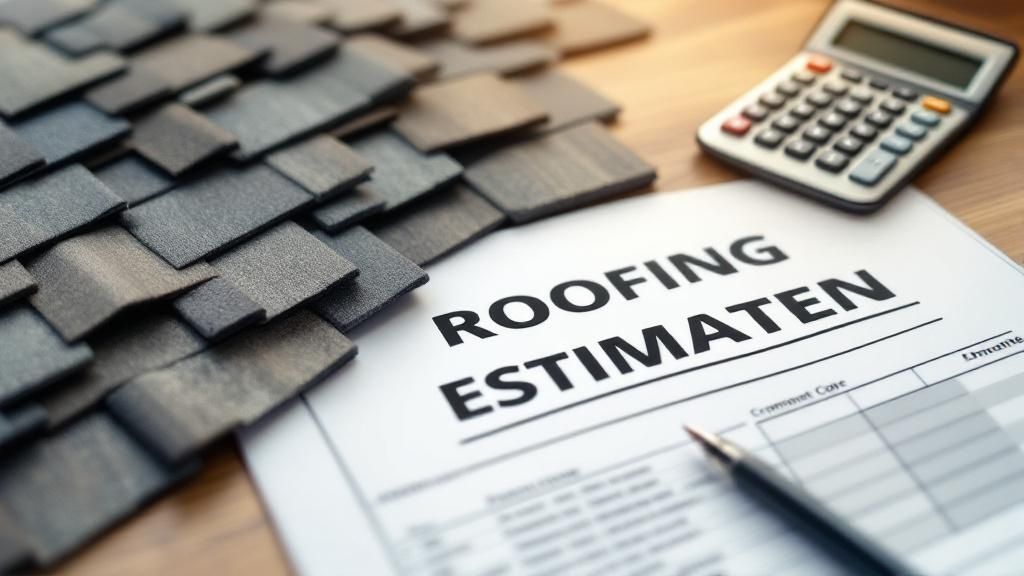
A successful roofing project really boils down to two things: clear communication and a realistic budget. Your first step should be getting at least three detailed estimates from licensed and insured local roofers. When you start comparing the bids, it's critical to look beyond just the bottom-line price.
A common mistake I see homeowners make is jumping on the cheapest quote without fully understanding what’s included. You need to make sure every estimate clearly details the specific materials, the full scope of work, all warranty information, and a project timeline. This is the best way to avoid surprise costs down the road.
Your budget needs to cover more than just what you pay the contractor. A few other factors will influence the final cost:
- Material Choice: Architectural shingles cost more upfront than standard 3-tab shingles, while materials like metal or tile are a significant premium.
- Roof Complexity: A roof with a steep pitch, multiple dormers, or skylights is simply going to require more labor and specialized work.
- Local Permit Fees: Most towns and cities require permits for a full roof replacement, and these fees can vary quite a bit depending on where you live.
To make sure you end up partnering with a trustworthy professional, I strongly recommend reviewing these essential questions to ask general contractors before you sign any contract. Taking these steps will empower you to manage your project with confidence and sidestep the common pitfalls.
Frequently Asked Questions About Roof Replacement
Getting a new roof is a big decision, so it's natural to have a few questions. Here are some straightforward answers to the things homeowners ask us most, helping you get a clear picture before work begins.
How Long Does a Typical Roof Replacement Take?
For most average-sized homes, we can complete a full roof replacement in just 1 to 3 days. Of course, things like a particularly complex roof design, discovering unexpected structural repairs, or a sudden bout of bad weather can stretch that timeline out to a week or more.
Can I Save Money by Scheduling in the Winter?
Yes, you can often find lower labor costs during the winter since it’s the off-season. However, this potential savings comes with a significant trade-off. Cold temperatures can make asphalt shingles brittle and, more importantly, can prevent their adhesive strips from sealing correctly. This could compromise the quality and longevity of your new roof.
What Are Signs I Need a New Roof Immediately?
There are a few red flags you should never ignore. Obvious signs include active leaks dripping into your home, large patches of missing or badly curled shingles, or a roof deck that is visibly sagging.
When you're planning a roof replacement, especially in our part of the country, it's also crucial to understand how to prepare for hurricane season to protect your home's structure. If your roof is past its warranty period or showing any of these signs, getting a professional inspection is the most critical next step.
Ready to secure your home with a roof you can trust? Contact Paletz Roofing and Inspections today for a free, no-obligation quote and let our experts guide you through every step of the process. Visit us at https://paletzroofing.com to get started.