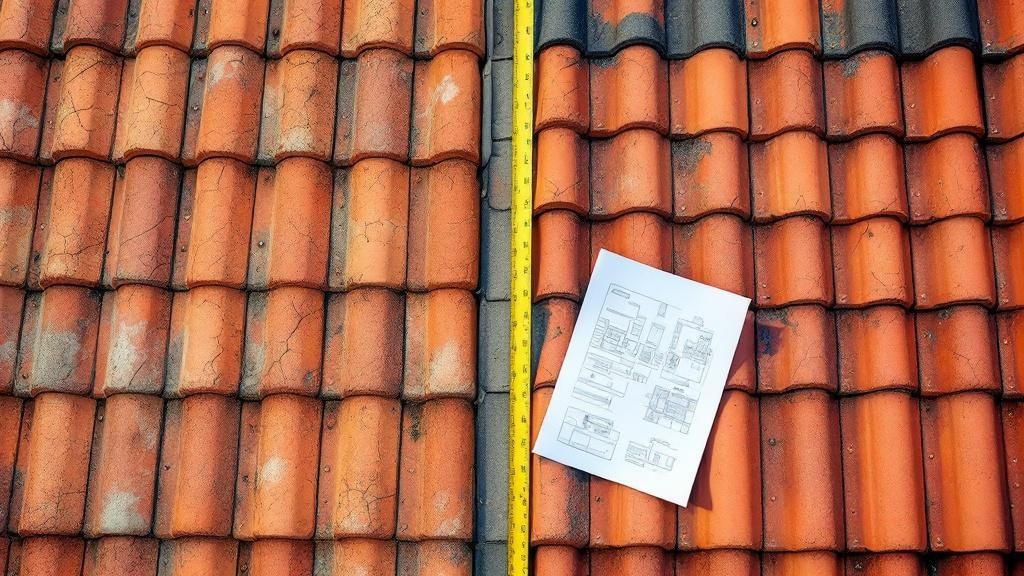
When you start looking into a new tile roof, the numbers can seem all over the place.You'll see costs ranging anywhere from $10,500 to $62,500, with most homeowners landing somewhere between $7 and $25 per square foot. That’s a huge spread, and it’s because the final price depends heavily on the tile you choose, how complex your roof is, and what labor costs look like in your area.
Understanding Your Tile Roofing Investment
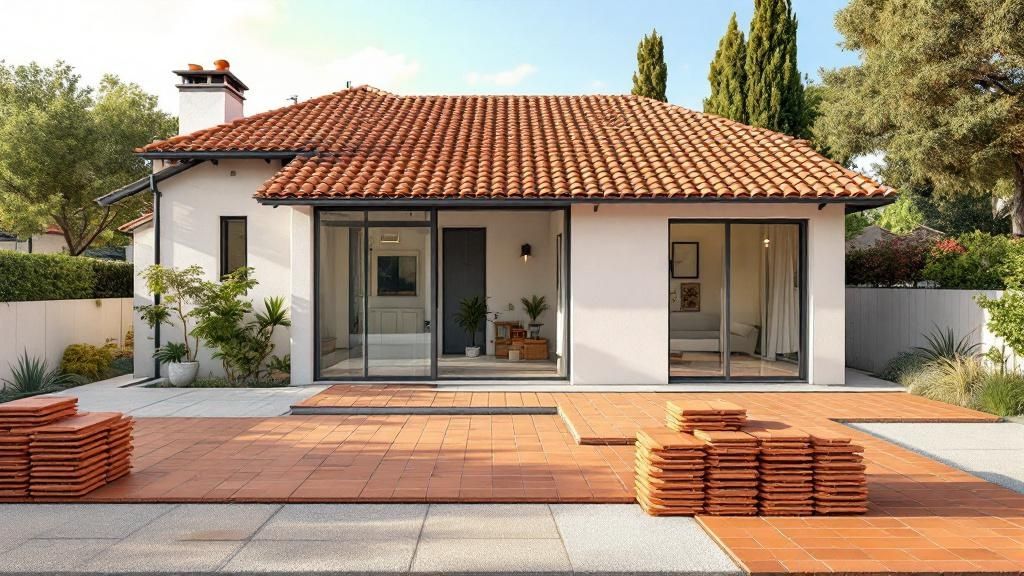
Choosing a tile roof is a serious upgrade. It’s a long-term investment in your home’s durability, curb appeal, and overall protection. Unlike more common materials, tiles are a premium choice known for their incredible lifespan—often lasting 50 years or more with the right care. That kind of longevity, however, comes with a higher price tag upfront compared to something like asphalt shingles.
The total cost isn't a simple, fixed number. Think of it like buying a car: the base model has one price, but as soon as you add a bigger engine, leather seats, and high-tech features, that final sticker price changes dramatically. Your roofing quote works the same way, shaped by your specific choices and your home’s unique architecture.
Key Factors Influencing Your Quote
From the moment a contractor steps onto your property, they’re sizing up all the little details that will shape the project's scope and cost. Getting a handle on these factors is the first step to setting a realistic budget and making choices you feel good about.
The main things that drive the final price include:
- Tile Material: This is the single biggest driver. Whether you pick concrete, clay, or slate will have a massive impact on the quote.
- Roof Complexity: A simple, flat roof is one thing. A roof with a steep pitch, multiple gables, valleys, or skylights requires far more labor and skill to get right.
- Labor Rates: Costs vary from one region to another. Plus, installing tile is a specialized skill—it’s not the same as slapping on shingles—so the expertise required commands a higher rate.
Labor is a huge piece of the puzzle, often making up about 40% of the total cost of a tile roof replacement. Installation rates usually run between $200 and $300 per 100 square feet, which reflects the meticulous craftsmanship involved. You can find more insights on 2025 roofing expenses over at globalroofingsolutions.com.
A Quick Look at Material Costs
To give you a clearer picture of how different materials stack up, here’s a quick breakdown of what you can expect to pay per square foot. This table should give you a good starting point for comparing the most popular options out there.
Estimated Tile Roof Replacement Cost by Material
| Tile Material | Average Cost Per Square Foot (Installed) |
|---|---|
| Concrete Tiles | $8 – $12 |
| Clay Tiles | $10 – $18 |
| Slate Tiles | $15 – $30+ |
| Composite Tiles | $9 – $16 |
Ultimately, the total tile roof replacement cost comes down to a blend of quality, durability, and the look you’re going for. By understanding these initial cost factors, you’ll be much better equipped to navigate the quoting process and choose an option that brings lasting value to your home. In the sections that follow, we'll dive deeper into each of these variables.
Deconstructing the Price of a New Tile Roof
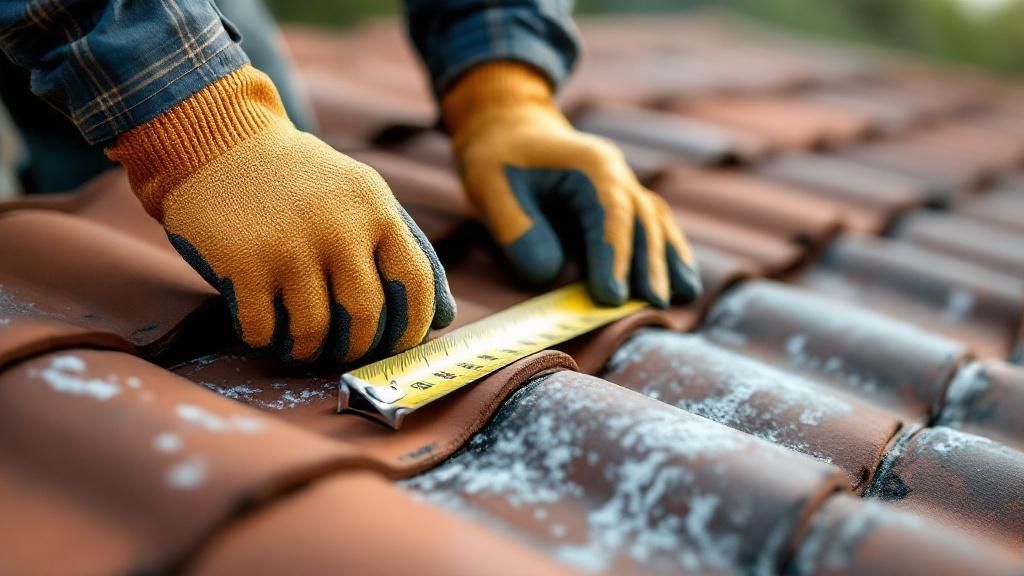
Trying to make sense of a roofing estimate can feel like learning a new language. To get fluent, you just need to break the total tile roof replacement cost down into its three core pillars: the materials, the skilled labor, and the unique details of your home’s roof.
Each of these pieces plays a huge part in the final number you see on the quote. Picture a three-legged stool—if one leg is much bigger or smaller than the others, it throws the whole thing off balance. By looking at each "leg" one by one, you can see exactly where your money is going and why.
This approach turns a big, confusing number into a straightforward breakdown of your investment. It gives you the confidence to ask the right questions and make choices that fit both your budget and your vision for your home.
The Foundation of Your Cost: Tile Materials
The type of tile you pick is the single biggest variable in your entire project. It's also the easiest factor to get your head around, since different materials have very different price tags—much like choosing between different types of wood for a new deck.
A good way to think about your options is to compare them to cars. For example, durable and versatile concrete tiles are like a reliable family sedan. They're cost-effective, tough, and come in tons of styles to match most homes, offering great performance without the premium price.
Then you have classic clay tiles, which are more like a beautifully crafted European import. They deliver that timeless beauty and exceptional durability that can seriously boost a home's curb appeal. Since their manufacturing process is more involved, they come with a higher price tag.
Finally, there are the luxury options like slate tiles—the sports car of the roofing world. Slate is a natural stone that offers unmatched longevity, often lasting well over a century, along with a sophisticated, elegant look. This top-tier performance and natural rarity put it at the very top of the price scale.
The Specialized Skill of Tile Installation
Labor is the second major pillar of your tile roof cost, and it’s usually a bigger chunk of the budget than most homeowners expect. Installing a tile roof isn't a job for a general handyman; it’s a specialized craft that requires serious precision and experience.
Unlike asphalt shingles that are light and flexible, roof tiles are heavy, rigid, and have to be laid out meticulously. The job involves several critical steps that demand true expertise:
- Structural Assessment: First, the roofer has to make sure your home’s frame can actually support the immense weight of a tile roof.
- Underlayment Installation: A high-quality underlayment is your roof's main waterproofing shield. One mistake here can lead to disastrous leaks down the road.
- Batten System Setup: Most tile roofs need a batten system—a grid of wooden strips—for the tiles to sit on. This ensures they're perfectly aligned for proper drainage and airflow.
- Precise Tile Placement: Every single tile has to be laid in a specific overlapping pattern and fastened just right to handle high winds and keep water out.
A professional tile installation is a blend of science and art. The crew must account for everything from the roof's slope to the placement of vents and chimneys, ensuring a watertight seal that will last for decades. This is why labor for tile roofing is typically higher than for other materials.
This is exactly why you should never try to DIY a tile roof. The risk of injury, leaks from a bad installation, and voiding your material warranties is just too high. Investing in a qualified, experienced roofing team like Paletz Roofing and Inspections ensures the job is done right the first time.
How Project Specifics Shape the Final Price
The third pillar of your cost comes down to the unique features of your roof. No two roofing jobs are the same, and things like complexity and accessibility can have a big impact on the hours and materials needed to get the job done.
A simple, low-sloped gable roof is the easiest and most affordable to replace. But most homes have more complex designs that add layers of difficulty.
Here are a few common project-specific factors that can drive up your quote:
- Roof Pitch (Steepness): A steep roof requires more safety gear, like harnesses and scaffolding, and slows down the whole installation process. That means higher labor costs.
- Roof Size and Complexity: A bigger roof naturally needs more materials and time. Features like valleys, hips, dormers, and skylights add complexity because they require custom cutting and flashing to be sealed properly.
- Accessibility: If your home is surrounded by dense landscaping or is tough to get to with equipment, it can add time for tear-off and loading materials.
- Number of Stories: A two- or three-story home needs more setup and safety measures than a single-story ranch, and that gets factored into the labor estimate.
By understanding these three core components—materials, labor, and project specifics—you get the full picture of your tile roof replacement cost. This knowledge lets you read any contractor’s quote with confidence, knowing exactly what's driving the price and where your investment is going.
Choosing Your Tile Material and Understanding Costs
Picking the right tile for your roof is easily one of the most critical decisions you'll make during the entire replacement process. The material you go with doesn't just set the tone for your home's curb appeal for the next few decades—it's also the single biggest factor driving your final tile roof replacement cost. Think of it like choosing an engine for a car; the decision impacts performance, how long it lasts, and what you’ll end up paying.
Each tile brings its own unique mix of durability, style, and price to the table. To feel good about your choice, you really need to get to know the personality of each option. Let's walk through the most popular materials, breaking down their costs and what makes them a great fit for different types of homeowners.
Concrete Tiles The Versatile Workhorse
Concrete tiles are a fan favorite for a reason. They are the practical, reliable workhorse of the tile roofing world, offering impressive durability and a huge variety of styles at a price that won't make you wince. If clay is the timeless luxury car, then concrete is the modern, dependable SUV that can be customized to look just as sleek.
Made from a simple mix of sand, cement, and water, these tiles can be shaped to look like classic clay, rustic wood shake, or even elegant slate. This chameleon-like ability lets you get a high-end look without the premium price tag.
- Cost: You're typically looking at $8 to $12 per square foot, fully installed.
- Lifespan: Expect a concrete tile roof to stick around for 50 years or more, as long as you take care of it.
- Key Advantage: You just can't beat the combination of toughness, style flexibility, and affordability. Plus, they're non-combustible, giving you excellent fire resistance.
Clay Tiles The Timeless Classic
When you close your eyes and picture a classic tile roof, you’re probably thinking of clay. Famous for that signature reddish-orange color and elegant curved shape, clay tiles bring an old-world charm that's perfect for Mediterranean or Spanish-style homes. They're a premium choice, celebrated for both their stunning looks and incredible longevity.
Often called terracotta tiles, they are fired in a kiln at extreme temperatures, which makes them incredibly dense and tough against the elements. One of their best features is that the color is baked right into the material, not just coated on top, so it won’t fade over time.
- Cost: Clay is a step up in price, generally running between $10 to $18 per square foot installed.
- Lifespan: A well-maintained clay tile roof can easily sail past the 100-year mark.
- Key Advantage: Exceptional longevity and color that lasts, creating a beautiful and classic look that truly never goes out of style.
While painting can sometimes extend a roof's life, it's generally not recommended for terracotta clay tiles. Their natural glazed surface doesn't hold paint well, which can lead to peeling and trapped moisture. For these classic tiles, their inherent durability is their best protection.
Slate Tiles The Ultimate Luxury
Slate is the absolute pinnacle of roofing materials. It’s a natural stone, pulled straight from the earth, offering durability that’s second to none and a sophisticated look that can elevate any property. Choosing slate isn't just a home improvement project; it's a lifetime investment, as these roofs are famous for outlasting the very houses they protect.
Every single slate tile is unique, with subtle differences in color and texture that come together to create a breathtaking, one-of-a-kind roof. Of course, this premium quality comes with significant weight and cost. Before you even consider it, you’ll need a professional to evaluate your home’s structure to make sure it can handle the immense load.
- Cost: As a true luxury material, slate carries the highest tile roof replacement cost, starting from $15 to $30+ per square foot.
- Lifespan: Slate is in a league of its own, with a lifespan of 100 to 150 years or even more.
- Key Advantage: Unmatched durability, natural beauty, and the longest lifespan you can get from any roofing material on the market.
The chart below gives you a clear visual of how these materials stack up when it comes to installation costs.
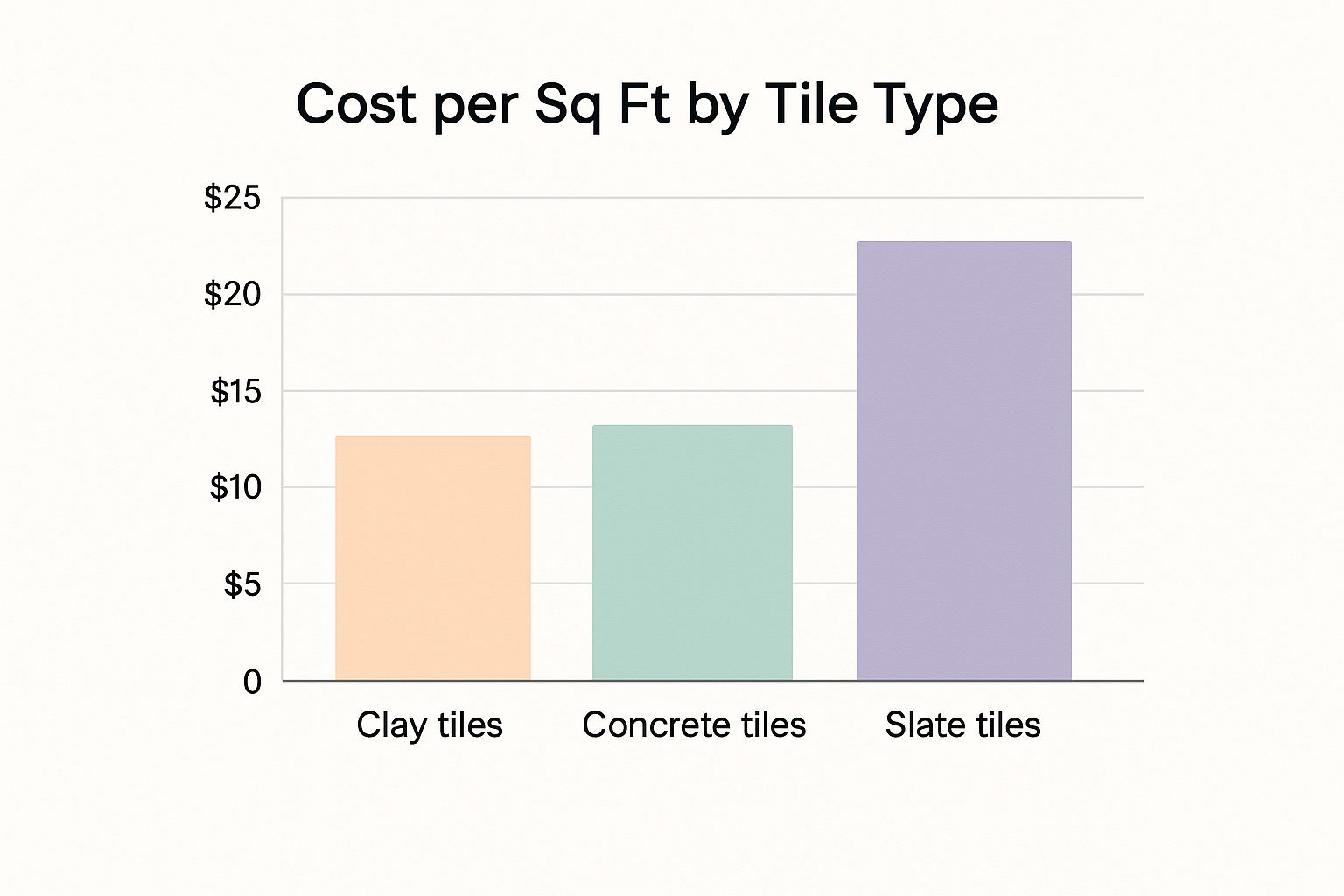
As you can see, slate sits firmly at the premium end of the price range, while concrete provides the most accessible entry point for homeowners.
Comparison of Common Roofing Tile Materials
Making the right call means balancing what you’re willing to spend, the look you want, and how you want the roof to perform over the long haul. This table gives you a simple side-by-side look to help you weigh the pros and cons of each main tile material based on what matters most to you.
| Tile Type | Average Lifespan | Cost Per Square Foot | Key Advantages | Potential Drawbacks |
|---|---|---|---|---|
| Concrete | 50+ years | $8 – $12 | Highly durable, fire-resistant, versatile styles and colors, very cost-effective. | Can absorb moisture, color may fade over time, very heavy. |
| Clay | 100+ years | $10 – $18 | Exceptional longevity, color is permanent, classic aesthetic, low maintenance. | More expensive than concrete, can be brittle and break if walked on. |
| Slate | 100-150+ years | $15 – $30+ | Unmatched lifespan, naturally beautiful, fireproof, increases home value significantly. | Extremely heavy and expensive, requires specialized installation expertise. |
| Composite | 40-50 years | $9 – $16 | Lightweight, mimics the look of slate or clay, often made from recycled materials. | Shorter lifespan than natural options, newer technology with less history. |
Ultimately, the best material for your roof replacement comes down to your priorities. Whether you value the practical affordability of concrete, the timeless beauty of clay, or the ultimate durability of slate, understanding these differences empowers you to make an informed investment in your home’s future.
Uncovering the Hidden Costs of Roof Replacement
When you get a quote for a new tile roof, it's easy to focus on the big-ticket items like materials and labor. But a huge chunk of the total tile roof replacement cost comes from the crucial work that happens before a single new tile is laid. Overlooking these "hidden" expenses is the fastest way to blow your budget.
Think of it less like just putting on a new roof and more like a complete system overhaul. Several line items on your estimate will reflect this deeper level of work. Getting familiar with them now helps you have a smarter, more transparent conversation with your roofer and avoids those dreaded surprise charges.
The Necessary First Step: Tear-Off and Disposal
Before your beautiful new tiles go on, the old roof has to come off. This tear-off process is a messy, labor-intensive job that creates a mountain of heavy, awkward waste. Your contractor has to account for the hours their crew will spend stripping everything down to the bare bones.
And all that old material has to go somewhere. The disposal cost covers renting a massive dumpster and paying the local landfill fees, which can vary wildly depending on where you live. For older homes, there's an extra layer of caution. Before any demolition starts, identifying asbestos in your home is a critical safety step that can help you anticipate potential hidden costs and safety measures.
Navigating Permits and Paperwork
You can’t just wake up one morning and decide to replace your roof. Just about every city and county requires a building permit for a full replacement. This isn't just red tape; it's a vital checkpoint to make sure the work is done safely and meets local building codes designed to protect your home.
Permit fees can run anywhere from a few hundred to over a thousand dollars, depending on your location and the size of the project. Most reputable roofers, including our team here at Paletz Roofing and Inspections, will handle the entire permitting process for you, but that fee will be baked into your final quote.
Your roof’s structure is like the chassis of a car—it must be strong, stable, and free of damage before you can think about the exterior. Installing a premium tile roof on a weak or rotted deck is like putting a brand-new paint job on a rusted-out frame; it’s a recipe for disaster.
Assessing the Unseen Roof Deck
Once the old roofing is stripped away, the underlying roof deck—the plywood or OSB sheathing that acts as the roof's true foundation—is finally exposed. This is the moment of truth. A contractor can now spot any hidden damage, like soft spots, water stains, or rot caused by old, slow leaks.
Any compromised sections of the deck must be replaced to provide a solid base for the new tile. This isn't optional; it's non-negotiable for a long-lasting roof. Most initial estimates will include a small allowance for replacing a bit of decking, but if the damage is extensive, it will add to the final cost.
A few other potential costs can pop up during the replacement process:
- Flashing Replacement: The metal strips around chimneys, vents, and valleys are absolutely critical for waterproofing. They are almost always replaced.
- Gutter Upgrades: With the roof being worked on, it's the perfect time to replace old, damaged, or undersized gutters.
- Improved Ventilation: Proper attic ventilation is key to your roof's longevity and your home's energy efficiency. Your contractor might recommend upgrades.
Is a Tile Roof a Smart Financial Investment?
It’s easy to get sticker shock when you see the initial tile roof replacement cost. But to really understand the value, you have to shift your thinking from a simple expense to a long-term strategic upgrade. This isn't just about putting a new roof over your head; it's a multi-decade investment in your home's safety, efficiency, and overall appeal.
Unlike materials that need replacing every 15-20 years, tile roofs are built for the long haul. Their incredible longevity is what truly sets them apart, with lifespans that often stretch from 50 to over 100 years. When you do the math, this durability often makes tile a more cost-effective choice over the life of your home, saving you from the headache and expense of multiple roof replacements down the line.
This long-term mindset is catching on in the wider construction industry. The global market for roofing tiles is expected to hit roughly $21.31 billion by 2032, a clear sign of the growing demand for sustainable and durable building materials. This trend shows a major shift toward valuing long-term performance over short-term savings. You can learn more about what's driving the roofing tile market on futuremarketinsights.com.
Durability That Pays Dividends
Beyond just lasting a long time, tile roofs offer some of the best protection against nature's worst. That robust performance translates directly into financial savings and some serious peace of mind.
- Fire Resistance: Clay, concrete, and slate tiles are non-combustible, earning them a Class A fire rating—the highest you can get.
- Wind and Hail Protection: These tiles are engineered to withstand high winds and significant impact, making them a fantastic choice for storm-prone regions.
- Insurance Savings: Because of this superior durability, many insurance companies recognize the reduced risk and may offer lower premiums for homes with tile roofs.
This incredible resilience means fewer repairs and a much lower chance of catastrophic failure during severe weather, protecting both your property and your wallet.
A tile roof is like a shield for your home. Its ability to stand up to extreme conditions not only safeguards your property but can also lead to tangible financial rewards through reduced insurance costs and minimized storm damage repairs over its lifetime.
Boosting Curb Appeal and Property Value
Let's be honest, a tile roof is one of the most visually striking upgrades you can make to your home. The classic elegance of clay or the sophisticated look of slate adds major curb appeal, making your property a standout in the neighborhood. This aesthetic improvement isn't just for show; it's a powerful factor in boosting your home’s resale value.
Potential buyers see a tile roof as a premium feature that signals quality and durability. They know it's a major component they won't have to worry about replacing for decades, which makes your home a much more attractive and compelling purchase. It effectively becomes a huge selling point that helps you command a higher price when it's time to sell.
The Hidden Benefit of Energy Efficiency
One of the most overlooked financial perks of a tile roof is its natural energy efficiency. The way tiles are installed creates an air gap between the tiles and the roof deck. This space acts as a thermal barrier, helping to block the sun's heat from ever reaching your attic.
This simple design feature keeps your home cooler during hot summer months, which means your air conditioning system doesn't have to work nearly as hard. Over the years, this can lead to noticeable reductions in your cooling bills, adding yet another layer of long-term savings to your investment.
Common Questions About Tile Roof Replacement
Even after mapping out all the costs, it’s completely normal to still have a few questions buzzing around. A new tile roof is a serious investment in your home, and you should feel 100% confident before moving forward.
To help you get there, we’ve pulled together some of the most common questions we hear from homeowners. Think of this as the final piece of the puzzle, covering everything from how long it takes to what you can (and can’t) do.
How Long Does a Tile Roof Replacement Typically Take?
A tile roof replacement is a different beast than a standard shingle job—it's more detailed, more meticulous, and naturally, it takes a bit longer. For an average-sized home, you should plan for the entire project to take anywhere from one to two weeks.
Of course, that timeline isn’t set in stone. Things like surprise thunderstorms, a particularly complex roof design, or the discovery of significant rot in the underlying deck can add extra days. The process itself is methodical: tear-off, deck prep, underlayment, and the careful placement of each tile all add up.
Can I Install a Tile Roof Over My Existing Shingles?
Let me make this crystal clear: the answer is a firm and absolute no. Trying to lay heavy tiles over a layer of old asphalt shingles isn't just a bad idea; it's a recipe for structural disaster.
First, there’s the sheer weight. Tile roofs are incredibly heavy, and your home's structure needs a thorough inspection—and often reinforcement—to handle that load safely. You simply can't do that essential check if the old roof is still there.
A proper tile roof installation demands a clean, solid, and perfectly prepared roof deck. This is the only way to ensure the new underlayment and fasteners can create a completely watertight and secure system that will last for decades.
Beyond the safety issues, layering tiles over shingles voids material warranties, creates an uneven surface that guarantees leaks, and compromises the entire roof system from day one.
Are Tile Roofs Difficult to Maintain?
While tile roofs are legendary for their longevity, they aren't completely "set it and forget it." The best way to describe them is low-maintenance, not no-maintenance. A little bit of proactive care is all it takes to help them reach that incredible 50- or 100-year lifespan.
Having a professional come out for an inspection every few years is a smart move. A roofer can safely walk the roof to spot any cracked, chipped, or slipped tiles that might let water in. They’ll also clear out any leaves or debris that have piled up in the roof valleys, which can trap moisture.
The most important rule? Never walk on your tile roof yourself. The tiles, especially clay, can be brittle under direct pressure and are easily cracked by a misplaced footstep. Leave the check-ups to the pros—it's the key to protecting your investment.
How Does My Geographic Location Affect the Cost?
Where you live plays a surprisingly big role in the final tile roof replacement cost. Labor rates are one of the biggest variables, and they can swing pretty dramatically between a major city and a more rural town.
Your regional climate is another huge piece of the puzzle. For example:
- Coastal Homes: If you're near the ocean, you'll likely need special corrosion-resistant fasteners and coatings to fight off the salt air. This adds to the material cost.
- Hurricane-Prone Areas: In places like South Florida, building codes are strict. They often require specific high-wind-rated tiles and advanced installation methods to handle severe storms.
- Hot Climates: Many homeowners choose "cool roof" tiles with reflective coatings to boost energy efficiency. These high-performance tiles usually come at a premium.
Finally, even basic administrative costs like city permits and fees for disposing of the old roofing materials can vary from one county to the next, adding another layer of location-based pricing.
Ready to get a clear, no-surprise quote for your tile roof replacement? The experienced team at Paletz Roofing and Inspections has been serving South Florida for over 30 years. We provide expert installations, honest pricing, and the peace of mind that comes from a job done right. Schedule your free estimate today at https://paletzroofing.com.