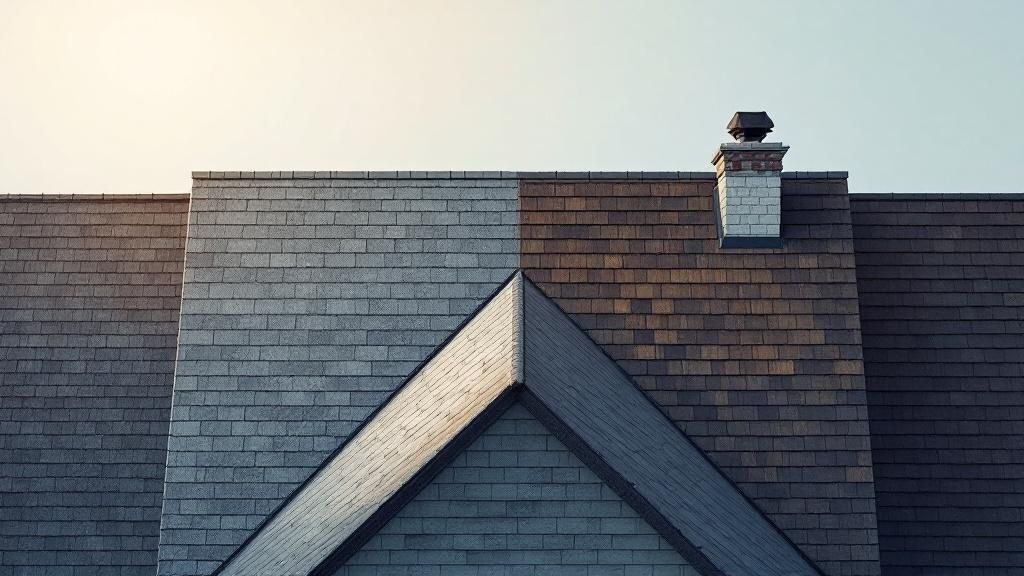
So, you're wondering, "How long does a roof last?" The real answer is that it depends almost entirely on what it’s made of. You could be looking at anywhere from 20 years for basic asphalt shingles to well over a century for something like slate.
It's a lot like buying tires for your car—the budget options will get you down the road for a while, but the premium materials are engineered to go the distance.
Your Roof's Lifespan Explained
Getting a handle on your roof's potential lifespan is the first real step in making smart decisions about maintenance, repairs, and eventually, replacement. A roof is one of the biggest investments you'll make in your home, and it’s your primary shield against everything the weather throws at it. Its longevity isn't just some number on a brochure; it's a direct measure of its ability to protect your property, year in and year out.
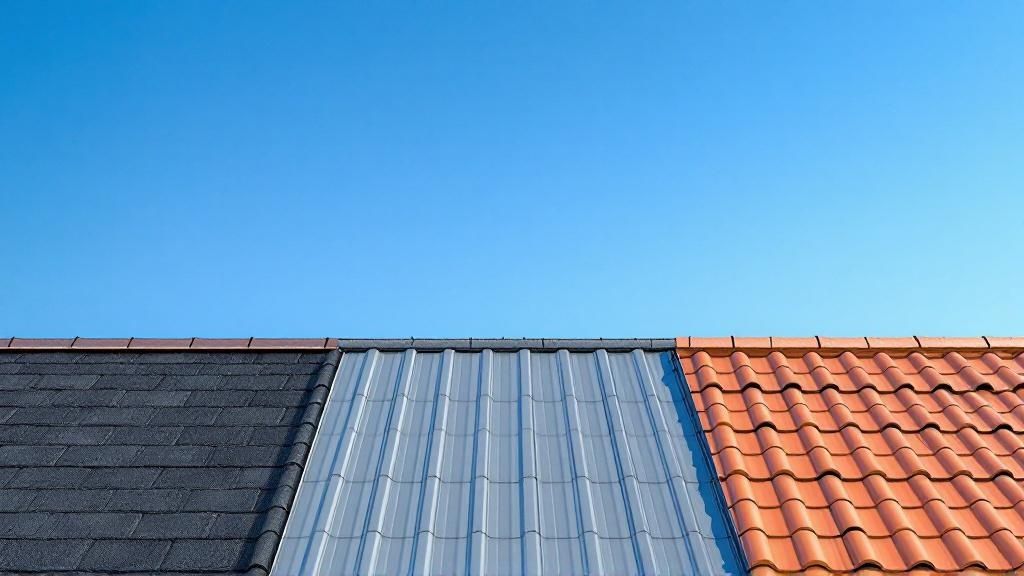
The material you choose is, without a doubt, the most important piece of the puzzle. Take asphalt shingles, for instance. They're the most common roofing material in the country and typically last between 20 and 30 years when installed correctly.
On the other end of the spectrum, you have premium materials like slate and clay tiles that can easily last more than 100 years, sometimes even pushing 150 years. Metal roofs also bring some serious longevity to the table, generally lasting anywhere from 40 to 80 years, which blows standard asphalt out of the water. You can find more in-depth information on these differences by checking out expert roofing resources.
Average Lifespan of Common Roofing Materials
To put it all in perspective, here’s a quick side-by-side comparison of the typical lifespan ranges for the most common roofing materials out there. Think of this table as a starting point—it gives you the essential numbers so you can better understand why these lifespans vary so much and what you can do to influence them.
| Roofing Material | Average Lifespan (Years) |
|---|---|
| Asphalt Shingles | 20 – 30 |
| Wood Shingles & Shakes | 25 – 40 |
| Metal Roofs | 40 – 80 |
| Clay & Concrete Tiles | 50 – 100+ |
| Slate Roofs | 100 – 150+ |
As you can see, the difference is massive. In this guide, we'll break down not just these numbers, but also the other crucial factors—like climate, the quality of the installation, and your maintenance routine—that can either stretch out or drastically cut short your roof's time on the job.
Comparing the Lifespans of Different Roofing Materials
It’s one thing to know the average lifespan of a roof, but understanding why one material lasts decades longer than another is how you make a smart investment. The material you choose is hands-down the biggest factor in determining how long your roof will hold up. Each option strikes a different balance between durability, cost, and curb appeal.
This infographic gives you a quick visual breakdown of how the elements—sun, rain, and physical debris—are constantly working against your roof's integrity.
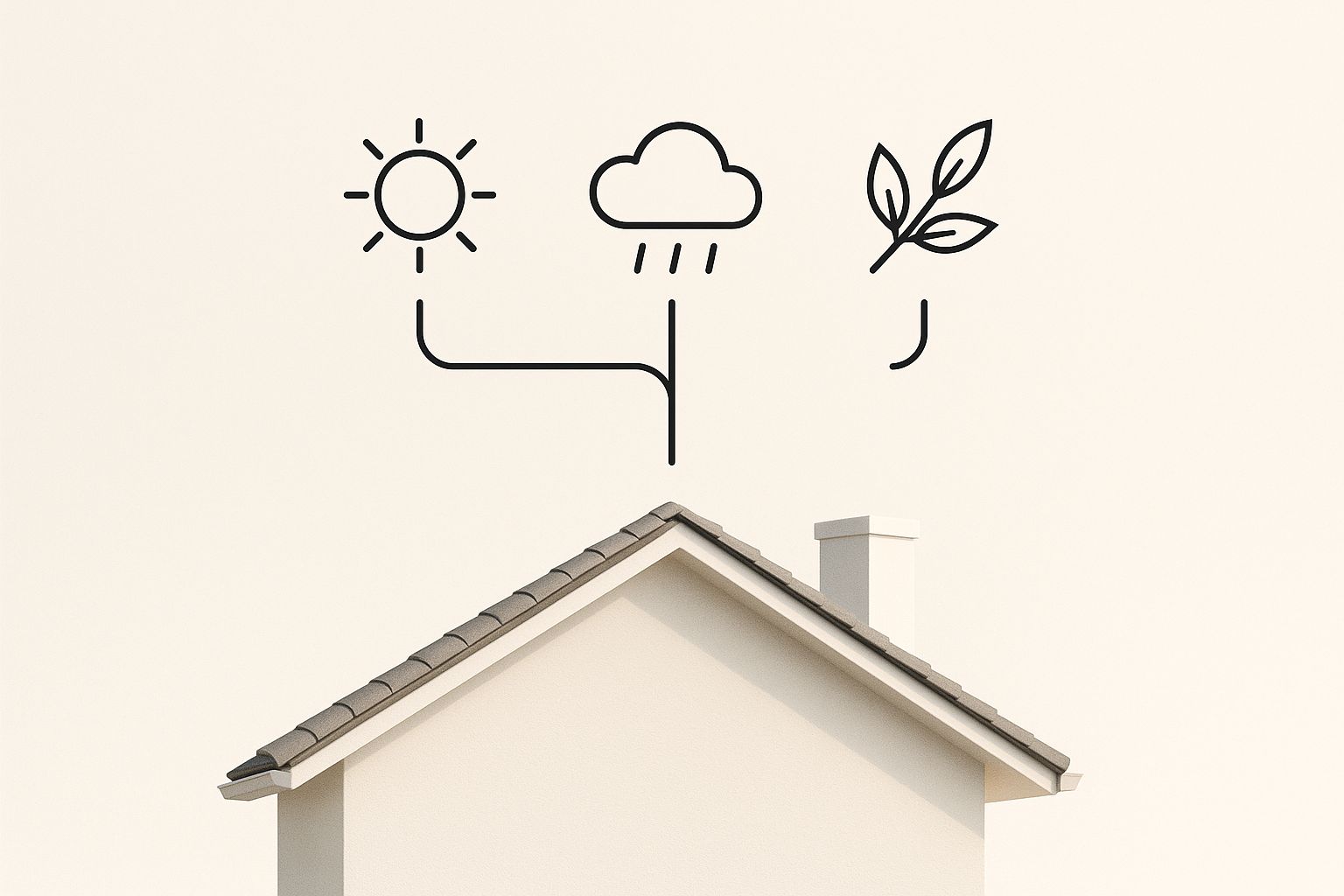
As you can see, every roof is in a constant battle with Mother Nature. The material it's made from determines how well it can fight back.
Asphalt Shingles: The Popular Choice
Asphalt shingles are the most common roofing material in America, and for good reason—they're affordable and relatively easy to install. They generally come in two flavors.
- 3-Tab Shingles: These are your basic, entry-level shingles, made from a single flat layer. Their straightforward construction gives them an average lifespan of 15 to 25 years.
- Architectural Shingles: Also known as dimensional shingles, these are much thicker and built with multiple laminated layers. This beefier design not only creates a more textured, high-end look but also boosts their durability, pushing the lifespan to 25 to 30 years or more.
While they’re easy on the wallet upfront, their shorter lifespan means you'll be replacing them sooner than other materials, especially in harsh climates where sun and rain can strip away their protective mineral granules.
Metal Roofs: Built for Endurance
Metal roofing has seen a huge surge in popularity, mostly thanks to its impressive longevity and resilience. Usually made from steel or aluminum, these systems are engineered to handle just about anything, from heavy snow loads to hurricane-force winds.
A well-installed metal roof can last anywhere from 40 to 75 years. They’re also highly resistant to fire, rot, and insects. The main trade-off is the higher upfront cost, but their long service life often makes them the more economical choice over the long haul.
A key benefit of metal is how little maintenance it needs. Unlike shingles that can curl or crack over time, metal panels maintain their integrity for decades with minimal upkeep. For many homeowners, it's a "set it and forget it" solution.
Wood Shakes: Rustic Charm and Regular Care
Wood shingles and shakes, often cut from cedar, offer a beautiful, natural aesthetic that really complements certain home styles. They provide decent insulation and can last between 20 and 40 years, but only if they’re properly maintained.
That lifespan, however, is heavily dependent on the local climate and your commitment to upkeep. Wood is naturally susceptible to rot, mold, and insect infestation, especially in damp environments. It needs regular treatments and inspections to reach its full potential, making it a higher-maintenance choice than metal or tile.
Tile and Slate: The Lifetime Roofs
At the very top of the roofing food chain are clay, concrete, and slate tiles. When it comes to sheer durability, these materials are in a class of their own.
- Clay and Concrete Tiles: These are incredibly tough, completely fire-resistant, and stand up to just about any weather you can throw at them. Homeowners can expect a lifespan of 50 to 100 years, making them a truly permanent fixture on a home.
- Slate: As a natural stone, slate is the undisputed king of longevity. It’s impervious to rot and fire and can easily last 100 to 150 years—sometimes even longer.
The initial investment for tile and slate is significant, and their sheer weight means your home's structure must be strong enough to support them. But for anyone looking for a permanent roofing solution that adds serious value and curb appeal, their performance is simply unmatched.
How Weather and Climate Impact Your Roof's Durability
A roof in sunny Arizona and one in snowy Vermont might be made of the exact same material, but I can guarantee you they won't age at the same rate. Your local environment is a silent partner in your roof's lifespan, constantly testing its limits in different ways. Understanding these regional challenges is absolutely key to predicting how long it will actually last.
Think of your roof as a shield. The type of battle it fights every day—scorching sun, corrosive salt, or heavy ice—is what dictates how quickly that shield wears down. A brand-new roof can see its life expectancy cut short simply by being in the wrong place for its material.
The Impact of Intense Sun and Heat
In hot, sunny climates like South Florida, the most relentless attacker is ultraviolet (UV) radiation. Constant exposure to intense sunlight essentially bakes roofing materials, especially asphalt shingles. This process dries out the essential oils that keep them flexible, leading to brittleness, cracking, and eventual failure.
The heat also causes something called thermal shock. As your roof rapidly heats up during the day and cools down at night, the materials expand and contract. Over thousands of cycles, this constant movement can weaken seals, loosen fasteners, and create tiny openings for water to seep in.
Climate plays a huge role in the longevity of roofing systems, often cutting expected lifespans substantially. For example, in hot regions like the American Southwest, UV radiation can cause asphalt shingles to become brittle and crack within 15 to 25 years instead of the typical 25 to 30. You can explore more roofing statistics and their regional implications in this detailed overview of roofing data.
The Challenge of Cold and Moisture
For homes in colder regions, the primary threat comes from the freeze-thaw cycle. When snow melts and refreezes along the eaves of a roof, it can form an ice dam. This ridge of ice prevents proper drainage, allowing water to pool behind it and work its way under your shingles, causing leaks and severe water damage to the roof deck and attic.
Heavy snowfall also adds a tremendous amount of weight, which can stress the underlying structure of your home. On top of that, hail is a major threat, as it can physically puncture or shatter roofing materials, leading to immediate leaks and a compromised system.
How Different Climates Affect Your Roof
Every climate presents its own unique set of challenges. Knowing what your roof is up against is the first step toward protecting it.
- Coastal Regions: The salty sea air is highly corrosive. It can accelerate rust on metal roofs and fasteners, significantly reducing their lifespan if they aren't properly coated or made from corrosion-resistant materials like aluminum.
- Humid and Rainy Areas: Constant moisture is a breeding ground for algae, moss, and mildew. While many see this as just a cosmetic issue, these organisms can trap moisture against the roof's surface, leading to rot and deterioration over time.
- Windy Environments: High winds can lift and tear off shingles, leaving the underlayment exposed. Over time, even moderate but persistent winds can loosen fasteners and break the seals that hold shingles together.
For a deeper dive into how specific weather events can impact structures, including roofs, homeowners can consult resources like regional weather loss reports. Knowing your region's specific risks helps you select the right materials and perform the right maintenance to ensure your roof reaches its maximum potential lifespan.
Why Installation and Maintenance Matter Most
Even the most durable, expensive roofing material is doomed to fail early if it isn’t treated right from day one. While the type of material you choose and your local climate are huge factors, the two things you actually have control over are installation quality and routine maintenance. Get either of them wrong, and you can easily slash a roof's expected lifespan in half.
Think of it like building a high-performance engine. You can buy the best parts in the world, but if they aren't assembled with precision by a skilled mechanic, that engine will never perform the way it's supposed to. A roof is no different; professional installation is the bedrock of its longevity.
Shortcuts during installation—like improper nailing, poor ventilation design, or sloppy flashing around chimneys—create immediate weak spots. These seemingly small errors can void material warranties and eventually turn into massive leaks, compromising the entire system long before its time is up.
The Power of Proactive Roof Care
Once your roof is installed correctly, the focus shifts to proactive care. It’s just like changing your car's oil. You do it to keep the engine healthy, and regular roof maintenance is a smart investment that prevents costly breakdowns. It’s all about catching small issues before they snowball into major structural damage.
Scheduled inspections can spot and correct minor problems that are often totally invisible from the ground. In fact, proactive treatments like applying rejuvenators to asphalt shingles can extend a roof's life by up to 15 years. That represents a huge cost saving compared to a premature replacement. To learn more about this, you can explore the impact of proper roof care.
A well-maintained roof not only lasts longer but also provides better protection and peace of mind. Viewing upkeep as a strategic investment rather than a chore is the key to maximizing its lifespan and safeguarding your home.
This proactive approach doesn't have to be complicated. A simple, consistent checklist can make all the difference, adding years of service to your roof's life.
Your Essential Maintenance Checklist
Here are the key tasks that should be on every homeowner's annual to-do list:
- Clean Gutters and Downspouts: Aim for twice a year, in the spring and fall. Clogged gutters force water to back up under the shingles, which is a fast track to rot and leaks.
- Remove Debris: Get any leaves, twigs, and branches off the roof surface. Trapped debris holds moisture right against your shingles, encouraging algae to grow and accelerating decay.
- Trim Overhanging Branches: Cut back any tree limbs that are touching or hanging directly over your roof. This prevents damage from branches scraping the surface or breaking off during a storm.
- Inspect for Damage: At least once a year, safely check your roof for signs of wear. Look for cracked, curling, or missing shingles, rust spots on metal, or damaged flashing.
To extend your roof's life through diligent care and address any issues promptly, considering comprehensive professional property maintenance services can be a valuable step. By staying ahead of these simple tasks, you ensure your roof remains a strong, reliable shield for your home.
Warning Signs That Your Roof Is Failing
Your roof has a way of telling you when it’s in trouble. Think of these signals as a cry for help—catching them early can be the difference between a simple repair and a full-blown crisis. By learning to spot these issues from the safety of the ground, you can stop guessing "how long does a roof last" and start understanding its current health.
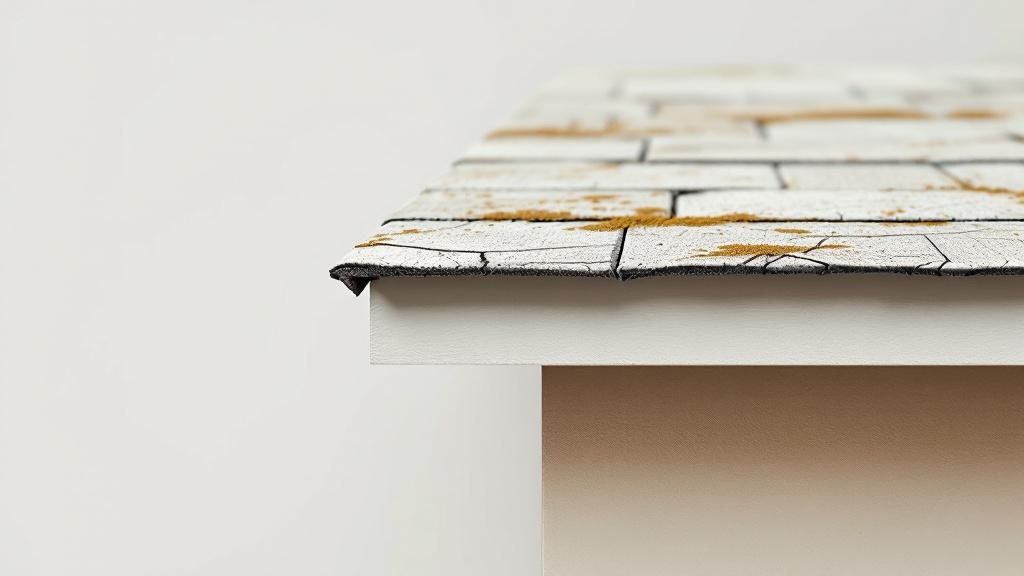
The most obvious red flags are right there on your shingles. If you see them curling up at the edges, cracking down the middle, or buckling, they’re well past their prime. This means the asphalt has dried out, lost its flexibility, and can no longer shield the underlying roof deck from moisture.
Spotting Issues from the Ground
You don’t need to climb a ladder to give your roof a quick check-up. Many of the most common warning signs are easy to see with a simple walk around your house. Knowing what to look for can tell you a lot about whether it’s time to call a professional for a closer look.
One of the biggest giveaways is the loss of the shingle's protective mineral granules. Take a peek in your gutters. Do you see what looks like coarse, black sand? Those granules are your roof’s primary defense against harsh UV rays and physical wear.
When you see 'bald spots' on your shingles or find piles of granules in your downspouts, it's a clear sign your roof's protective layer is gone. Without this shield, the asphalt underneath is exposed to the elements, which drastically speeds up its decay and shortens its lifespan.
Beyond that, just take a look at the overall appearance of your roof's surface.
- Dark Streaks or Stains: This is usually airborne algae. It might not look like a big deal, but it traps moisture and slowly eats away at your shingles.
- Moss or Plant Growth: Moss loves damp, shady spots. It can get underneath your shingles, lift them up, and let water seep through to the roof deck, causing rot.
- Sagging Roof Deck: A drooping or sagging roofline is a serious structural problem. It almost always points to trapped moisture, rotted decking, or issues with the supports in your attic and needs immediate professional attention.
When to Suspect Hidden Water Damage
Sometimes, the most serious signs of a failing roof aren't on the roof at all—they're inside your house. Water is tricky; a leak can show up far from where the actual problem is located.
Keep an eye out for signs of water infiltration in your attic and on your upper-level ceilings. This could be peeling paint, yellow or brown water stains, or even visible drips after a heavy rain. These symptoms mean your roofing system has already been breached, and the damage is actively spreading into your home's structure. Catching these interior signs is critical to preventing widespread rot, mold, and much bigger repair bills down the road.
Of course. Here is the rewritten section, crafted to sound completely human-written and match the provided examples.
Frequently Asked Questions About Roof Lifespan
Even when you have a good handle on different roofing materials and what it takes to maintain them, a few specific questions always seem to pop up. Getting clear, no-nonsense answers is the best way to make confident decisions for your home. We've gathered some of the most common questions we hear from homeowners about how long their roof will last and what to do when it’s getting on in years.
Think of this as turning general advice into real, actionable steps you can take to protect your investment.
Can I Put a New Roof Over My Old One?
It's a tempting shortcut—just layering new asphalt shingles over the old ones. This practice, often called a "roof-over" or "overlay," is technically possible sometimes, but it's rarely a good idea. Frankly, it's like putting a bandage on a broken arm.
This approach can easily hide serious underlying problems, like soft spots or rot festering in the roof deck. Trapping that moisture just makes the damage worse over time. Plus, all that extra weight puts a serious strain on your home’s structure. Most building codes know this, which is why they usually limit roofs to a maximum of two layers. A complete tear-off is almost always the smarter long-term solution, giving your new roof the clean, stable foundation it needs to last as long as it should.
Does Homeowner's Insurance Cover Roof Replacement?
This is a big one, and the answer is very specific: insurance will typically cover a roof replacement only if the damage was caused by a sudden, accidental event. Think fires, hail storms, or major wind damage from a hurricane—things often called an "act of God."
Homeowner's insurance is designed to protect you from unforeseen disasters, not gradual decline. Policies will almost always exclude coverage for a roof that’s simply old, showing normal wear and tear, or has been poorly maintained. It’s critical to read your specific policy to understand exactly what is and isn’t covered.
In fact, if you’ve neglected routine upkeep, an insurance company might even deny a claim, even if a big storm was what finally did the roof in.
How Much Longer Will My Roof Last with Minor Damage?
That really depends on what you mean by "minor damage." If a storm blows through and you lose a few shingles or notice a couple of cracked ones, those are usually easy fixes. A quick, professional repair can restore the roof's protective barrier, allowing it to serve out its full intended lifespan. The key is to address these small issues right away.
However, if you're seeing widespread problems, you're looking at a different story. Extensive granule loss across large sections, significant curling on many shingles, or persistent leaks are signs of systemic failure. At that point, a simple repair is just a temporary patch on a failing system. The only way to know for sure is to get a professional inspection for an honest, accurate assessment of how much time you really have left.
If you have more questions or you think your roof needs a professional eye, the team at Paletz Roofing and Inspections is here to help. With over 30 years of experience in South Florida, we provide expert inspections and reliable solutions to get the most life out of your roof. Contact us today for a free quote.