Choosing a roof installation company in Lauderdale-by-the-Sea is a huge decision. Your roof is what stands between your home and Florida's relentless sun, torrential rains, and hurricane-force winds. Get this choice right, and you’ll have peace of mind for decades. It all starts with building a solid list of local, reputable contractors who truly understand our unique coastal challenges.
How to Find the Right Roofer in Lauderdale-by-the-Sea
Finding the best roofer isn’t about a frantic Google search after a leak appears; it’s about doing your homework first. Before you even think about getting quotes, your first move is to build a preliminary list of candidates. This proactive approach saves you from wasting time on unqualified or unreliable companies down the road.
A great place to start is right in your own neighborhood. Take a drive through Lauderdale-by-the-Sea and see which companies are actively working on homes similar to yours. Keep an eye out for yard signs—they’re a real-time portfolio of a roofer’s local presence and recent work.
Define Your Project Scope
Next, get crystal clear on what you need. Are you dealing with an emergency leak after a nasty storm, or are you planning a full replacement for an aging roof? The specifics really matter. A company that excels at quick, emergency repairs might not be the best fit for a complex tile roof installation, and vice versa.
Knowing your project type helps you target the right specialists. Generally, projects fall into one of these buckets:
- Emergency Repairs: You need fast action for storm damage or an active leak.
- Planned Replacement: This involves choosing new materials and scheduling the work in advance.
- New Construction: This requires close coordination with a general contractor.
Defining your needs upfront leads to much more productive conversations when you start contacting companies. To find the right pro, it also helps to have a basic grasp of what good understanding contractor management looks like from their side of the table.
The roofing industry is a massive part of the construction market, with projected revenues hitting $76.4 billion in 2025. A huge driver of this growth is the increasing need for repairs and replacements due to extreme weather—something we know all too well here in coastal Florida.
With your project defined and a few local names on your list, you're in a great position to move forward. A professional roof inspection, like the one we offer, can then give you the critical insights you need. https://paletzroofing.com/wp-content/uploads/2024/05/logo-Paletz-Roofing-Inspection-4-300×139.webp

Verifying Licensing and Insurance Is Non-Negotiable
Once you've narrowed your list down to a few promising roofers, it's time to dig deeper than their sales pitch. This next step is where you separate the real pros from the risky operators. In Florida, any legitimate roofing contractor must hold a state-issued license.
Skipping this check is a gamble you just can't afford to take. Hiring an unlicensed roofer means you have zero legal recourse if the job goes sideways.
Fortunately, verifying a license is simple. Just head over to the Florida Department of Business and Professional Regulation (DBPR) website and search for the company’s name. This quick check will confirm if their license is active and, just as importantly, reveal any complaints or disciplinary actions against them. This is exactly the kind of red flag you need to see before you sign anything.
The Two Types of Insurance You Must See
Beyond the license, proof of solid insurance coverage is your financial safety net. A reputable roof installation company in Lauderdale-by-the-Sea will have no problem showing you current certificates for two critical types of coverage. Don't just take their word for it—ask to see the actual documents.
The two non-negotiable policies are:
- General Liability Insurance: This covers any accidental damage to your property during the project. If a ladder smashes a window or a truck cracks your driveway, this policy pays for the repairs, not you.
- Workers' Compensation Insurance: This one is arguably even more crucial for your protection. It covers the contractor's employees if they get hurt while working on your roof. Without it, you could be held personally liable for their medical bills and lost wages.
Imagine this scenario: a worker slips and falls from your roof. If the company doesn't have workers' compensation, that worker's medical expenses and potential legal fees could fall directly on you. This very situation has led to financial ruin for homeowners who didn't do their homework.
Confirming these credentials protects your home, your savings, and your peace of mind. Any contractor who hesitates or makes excuses when you ask for these documents is giving you a clear signal to walk away. Immediately.
Choosing Materials That Withstand Florida Weather
Here in Lauderdale-by-the-Sea, your roof is more than just a cover over your head. It's the first and most important line of defense against everything from hurricane-force winds to the constant, corrosive saltwater spray coming off the Atlantic.
When you're choosing a new roof, it's not just about what looks good. It's a critical decision that directly impacts your home's safety and how long it will last. You need materials specifically engineered to perform under the extreme stress our coastal weather throws at them.
The local building codes are notoriously strict, and for good reason. They mandate roofing systems that can handle the specific threats we face. This is exactly why a seasoned roof installation company in Lauderdale-by-the-Sea is so valuable—they know which materials meet and, more importantly, exceed these stringent requirements, ensuring your project passes inspection without any headaches.
Top Performing Roofing Materials
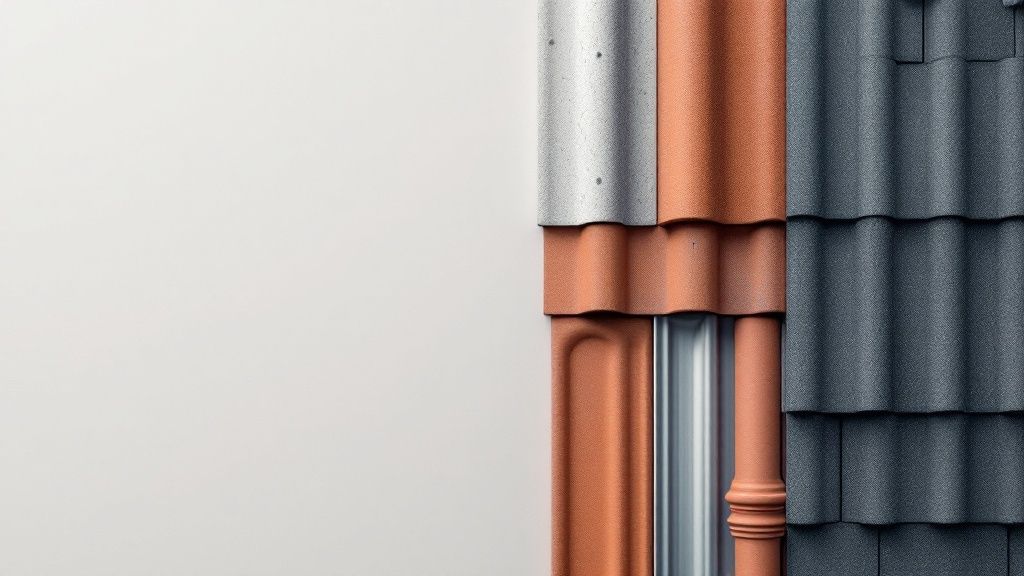
For our climate, I've seen three materials consistently stand out for their resilience and long-term value. Each one offers a unique mix of durability and style, but all of them are proven performers against Florida's worst.
- Metal Roofing: This is often the gold standard for hurricane zones. Metal roofs are lightweight yet incredibly durable, and they can be engineered to resist the most extreme wind uplift.
- Tile Roofing (Clay or Concrete): Heavy, robust, and a classic look for South Florida homes. Tile offers fantastic wind resistance and is completely impervious to rot and insect damage.
- Architectural Shingles: Don't confuse these with standard, flimsy shingles. High-quality architectural shingles are thicker, heavier, and designed with superior adhesion to withstand high winds far better than their conventional counterparts.
When you're weighing your options, it's also smart to look at how different materials hold up in severe storms. You might find some useful perspective in this analysis on the safety of steel buildings in extreme weather.
Florida's 25% Roof Replacement Rule
This is a state regulation you absolutely need to know about. If more than 25% of your roof is damaged, the entire roofing system must be brought up to the current building code. This can massively impact the scope and cost of a simple repair, often making a full replacement the more practical choice.
We're seeing a major trend toward hurricane-resistant systems, with materials like metal roofing designed to handle wind speeds up to a staggering 180 mph. Advanced installation techniques, like using hurricane straps and enhanced ventilation, are now becoming standard practice to reduce the risk of roof damage during a major storm.
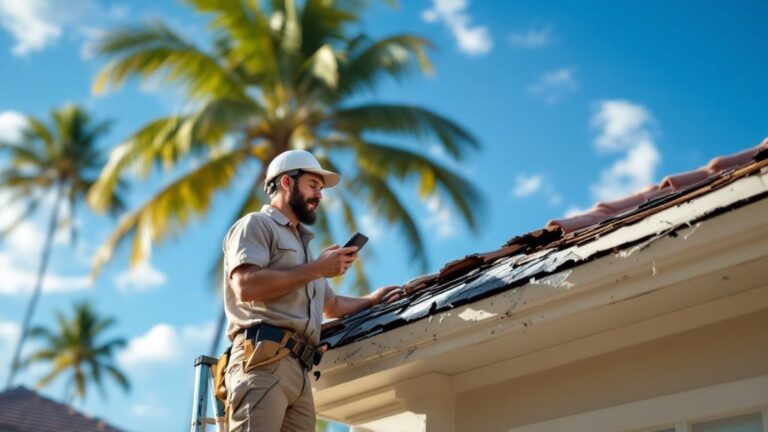
You can see a great example of a properly installed, storm-ready roof in our project gallery.
How to Compare Roofing Quotes Like a Pro
You've done the legwork and now have a few roofing quotes sitting on your kitchen table. This is where the real decision-making begins. It’s tempting to just glance at the bottom line and pick the cheapest one, but I can tell you from experience, that’s one of the biggest mistakes a homeowner can make.
A lowball bid is often a giant red flag. It can mean they’re planning to use subpar materials, rush the job, or cut corners you won't see until the next big storm hits. A professional quote from a reputable roof installation company in Lauderdale-by-the-Sea should be more than just a price—it’s a detailed blueprint for your project. You have to look beyond the total and do a true apples-to-apples comparison.
Breaking Down the Bid
Every single legitimate estimate should clearly itemize all the costs involved. If you see vague line items like "roofing materials" or "labor" without any further detail, you should be asking questions. Always insist on specifics.
Here’s what you need to be looking for on every quote:
- Material Specifics: It shouldn’t just say “shingles.” It should list the exact brand, type, and color of the shingles, tile, or metal panels they plan to use.
- Scope of Work: The quote must detail every single step. This includes the tear-off and disposal of your old roof, the type of underlayment being installed, and how they’ll handle flashing around chimneys and vents.
- Warranty Information: You should see two different warranties listed: one for the materials (from the manufacturer) and a separate one for the workmanship (from the contractor).
- Payment Schedule: A clear schedule that ties payments to project milestones is the industry standard. Be very cautious of any company that demands a huge deposit before any work even starts.
Getting a handle on material costs is a great way to start figuring out if a bid is in the right ballpark.
This chart gives you a good idea of the average installation cost per square foot for the most common roofing materials out there.
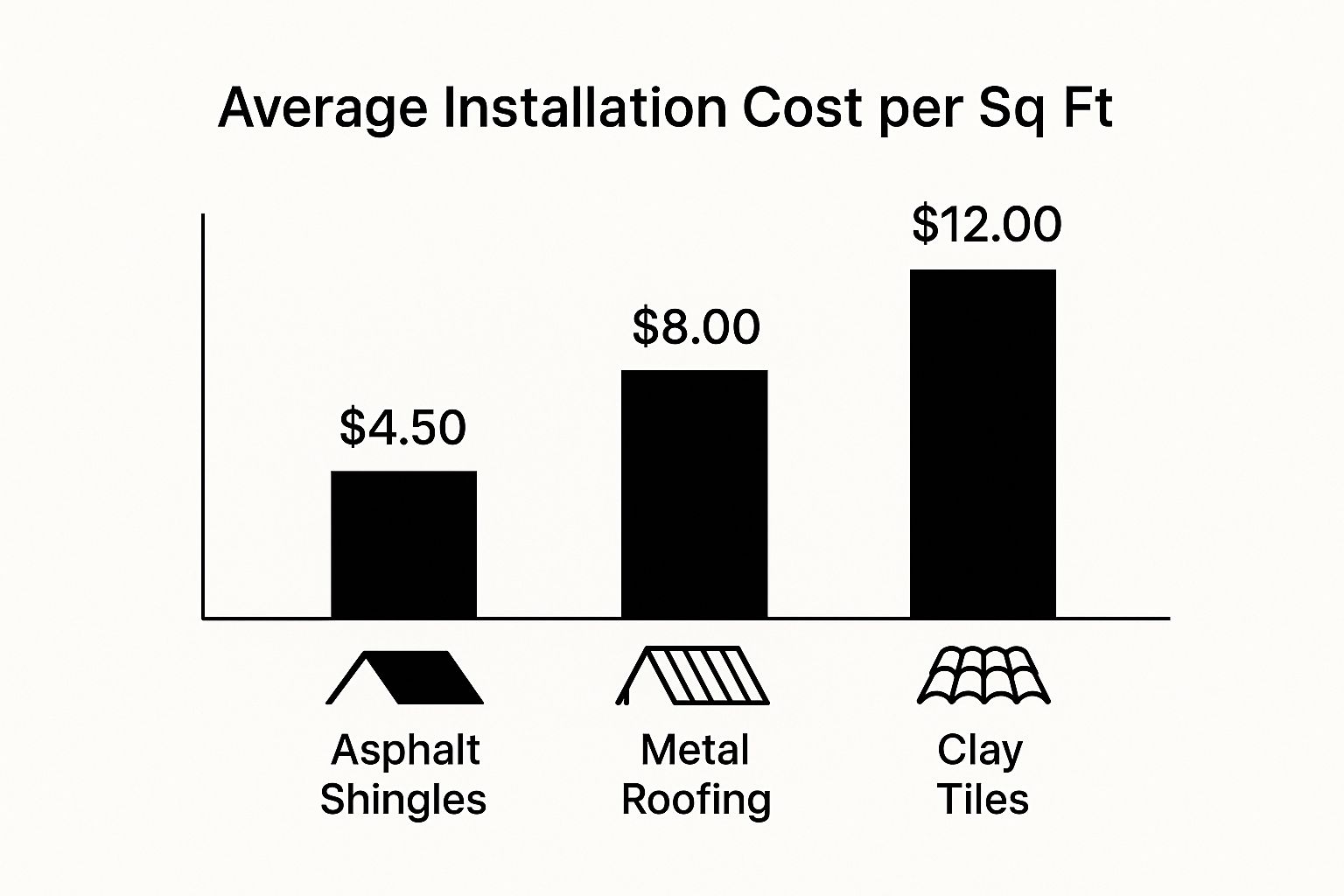
As you can see, the choice of material has a huge impact on the total project budget right from the get-go.
To make this easier, I've put together a simple chart. You can print this out and fill it in for each quote you receive, making it much easier to see how they stack up side-by-side.
Roofing Quote Comparison Chart
| Quote Component | Company A Details | Company B Details | Company C Details |
|---|---|---|---|
| Total Cost | |||
| Material Brand & Type | |||
| Underlayment Type | |||
| Tear-Off & Disposal Included? | |||
| Flashing Details | |||
| Ventilation Plan | |||
| Workmanship Warranty (Years) | |||
| Material Warranty (Years) | |||
| Projected Start/End Dates | |||
| Payment Schedule | |||
| Liability Insurance Verified? | |||
| Workers' Comp Verified? |
Using a framework like this forces you to look at the critical details, not just the final number. It helps ensure you're comparing equivalent services and materials, so you can make a truly informed decision.
Key Takeaway: The best quote isn't the cheapest—it’s the most transparent one. A detailed, itemized bid is a sign of a professional contractor who has planned your project thoroughly and isn't trying to hide costs. You can see examples of our detailed approach in our roofing project visualizer.
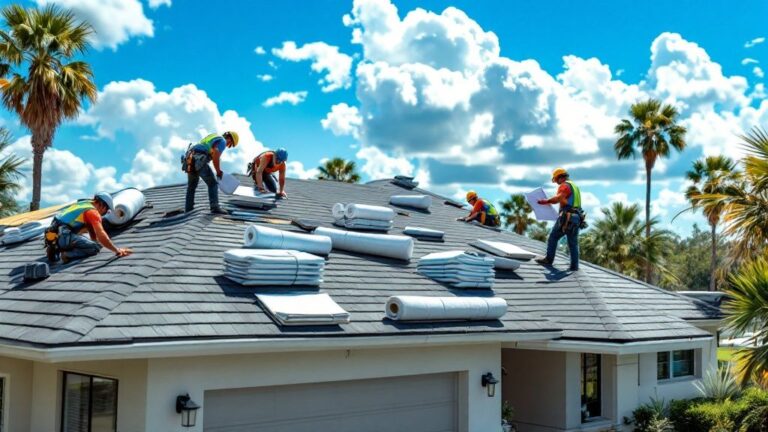
You've done the hard work, sorted through the quotes, and now you’re on the verge of picking your roofer. But hold on. Before you shake hands and sign that check, there are two last, absolutely critical steps: checking recent references and going over the contract with a fine-tooth comb.
Think of this part not as a chore, but as your project's final safety check.
First, ask your top choice for at least three recent, local references. And don't just ask if they were "happy" with the work. You need to dig a little deeper to get a true feel for how the company operates when things aren't perfect.
Questions to Ask References
- How did the company handle unexpected issues or weather delays? (This is a big one in Florida.)
- Did the final bill match the initial quote, or were there surprise charges?
- What was the crew like? Did they clean up the property at the end of each day?
- Now that it's been a little while, how is the roof holding up?
Getting candid answers here gives you a real-world preview of what you can expect, far beyond any sales pitch. It's invaluable insight when you're hiring a roof installation company in Lauderdale-by-the-Sea.
A detailed contract isn't just a formality—it's your single most important tool for preventing headaches and disputes. If it’s not in writing, it didn’t happen.
Finally, pour yourself a coffee and read every single word of that contract. Seriously. Pay close attention to the clauses that protect you. Look for specific start and completion dates. Confirm the warranties for both the materials (from the manufacturer) and the labor (from the contractor).
Most importantly, the contract must spell out how they’ll handle surprises, like discovering rotten decking once the old shingles are torn off. A solid contract plans for these curveballs, ensuring you’re prepared for anything and are truly partnering with a pro.
Answering Your Top Roofing Questions in Lauderdale-by-the-Sea
When you’re staring down a big home improvement project, having questions is a great sign. It means you're doing your homework and taking this investment seriously. Here are a few of the most common things we hear from homeowners right here in our coastal community.
How Long Does a Typical Roof Installation Take Here?
For an average home in Lauderdale-by-the-Sea, a complete roof replacement will usually take somewhere between 2 to 5 days. Now, that's a ballpark figure. The timeline can definitely shift based on a few things.
Weather is the big one, of course. But the complexity of your roof’s design and the materials you choose also play a major role. Heavier materials like tile, for example, just take longer to install than architectural shingles. It's more of a meticulous, piece-by-piece process.
What Is the Best Roof Type for Hurricane Season?
This is the million-dollar question in South Florida, isn't it? For pure hurricane resistance, metal roofing is consistently a top performer, often rated for wind speeds well over 160 mph. Concrete and clay tiles are also incredibly durable and hold their own exceptionally well in high winds.
But here’s the thing many people miss: the material is only half the battle. The installation technique is just as crucial. A top-tier roof installation company in Lauderdale-by-the-Sea will follow the latest Florida Building Code for high-velocity hurricane zones to the letter. That’s what really ensures maximum protection.
In Florida, a building permit from Broward County is mandatory for any full roof replacement. Your licensed contractor is responsible for securing this permit, ensuring the job is inspected and meets all current safety codes.
How Much of a Deposit Should I Expect to Pay?
Paying attention to this question can save you from a lot of headaches and potential scams. Florida law actually limits the down payment a contractor can ask for to 10% of the contract price or $1,000, whichever is less.
Be extremely cautious if any roofer demands a huge upfront payment. A reputable company will always provide a clear payment schedule that's tied to specific project milestones. The final payment should only be due after the job is done and you are completely satisfied with the work.
Ready to protect your home with a roof built for our coastal climate? The team at Paletz Roofing and Inspections has over 30 years of experience serving South Florida. Contact us today for a free, no-obligation quote.