Your roof is your home's first line of defense against Florida’s relentless coastal climate. Finding trusted roofing services in Surfside FL isn't just about patching a leak; it's a critical investment in your home's safety and value, especially with hurricane season always looming.
Why Finding a Trusted Roofer in Surfside Matters
Choosing the right roofing contractor in Surfside is more than a simple hire—it's about finding a partner who genuinely understands the unique abuse our coastal environment dishes out. A shoddy job can quickly turn into a nightmare of recurring leaks, hidden structural damage, and a constant drain on your wallet. Your home's ability to weather the next storm literally depends on the roofer's expertise.
The stakes are just higher here. Constant salt spray, suffocating humidity, and intense UV rays wear down materials much faster than in inland areas. On top of that, our local building codes are notoriously strict for a reason—they're designed to make sure every roof can stand up to hurricane-force winds. A truly trusted roofer knows how to navigate all of this without breaking a sweat.
The Real Cost of a Bad Hire
That surprisingly low bid might look tempting, but it often hides some serious risks. An inexperienced or uninsured contractor could leave you on the hook for accidents on your property or for work that fails the first time a storm rolls through. Doing your homework upfront is what protects your investment and gives you real peace of mind.
This guide is designed to walk you through the process, so you can make a choice you feel confident about. We'll get into the details of:
- The specific challenges our coastal roofs face
- How to properly vet local roofing companies
- What to look for (and look out for) in a contract
The goal here is simple: to find a professional who doesn’t just fix your roof but fortifies your home. Making the right choice now means securing its integrity for years to come, and seeing examples of successful local projects can show you what quality work looks like.
Getting to Know the Surfside Roofing Landscape
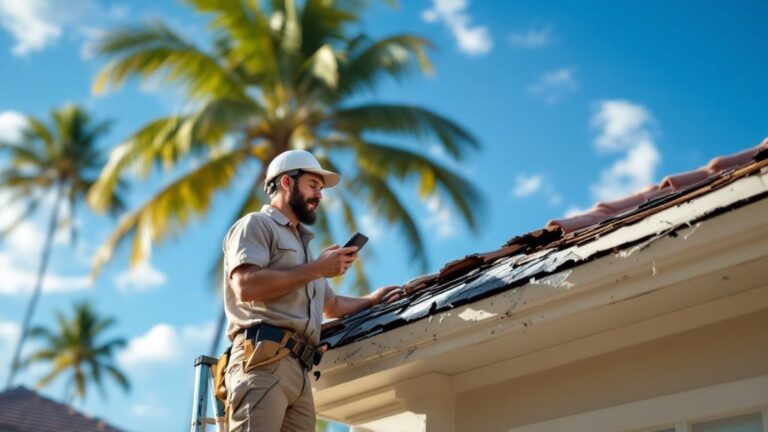
Let's be clear: roofing in a coastal town like Surfside isn't the same as roofing further inland. Not even close. Before you even think about getting quotes, you have to understand what your roof is up against. We're not just talking about rain. It's a constant fight against corrosive salt air, intense humidity, and the very real threat of hurricane-force winds.
These aggressive coastal conditions dictate everything—from which materials are even viable to which installation methods are absolutely non-negotiable.
Think about it this way: standard asphalt shingles that work great in other parts of the country might have a much shorter lifespan here because of the relentless UV rays and salt spray. This is why materials like metal or tile often make more sense as a long-term investment. A roofer who doesn't specialize in coastal jobs might not even think to use the correct corrosion-resistant fasteners, a small mistake that can lead to a catastrophic failure down the road.
Why Surfside's Strict Building Codes Are Your Best Friend
On top of the weather, you have the Florida Building Code. It sets an incredibly high bar for strength and resilience, and any trusted roofing services in Surfside FL worth their salt will be an expert in these regulations. These codes aren't just suggestions; they lay out specific, rigorously enforced requirements for wind resistance and preventing water intrusion.
Knowing these local specifics is your advantage. It changes the conversation with a contractor from a simple price check to a real dialogue about your home's long-term safety and code compliance.
In fact, the rules have gotten even tighter recently. The 8th edition of the Florida Building Code, which rolled out in late 2023, brought in even more stringent standards for climate resilience. Plus, new laws that took effect in mid-2024 now require contractors to provide enhanced disclosures and complete ongoing education—all designed to give homeowners like you more protection. You can learn more about these South Florida roofing trends and regulations to get a better handle on the current landscape.
These local demands shape every single part of a roofing project. When you understand them, you can easily spot a contractor who is genuinely equipped for the job. You'll be hiring someone to build a roof that’s not only beautiful but engineered to stand up to everything the Atlantic can throw at it. This base of knowledge is the first real step toward hiring with total confidence.
How to Properly Vet Local Roofing Companies
Finding a solid, trustworthy roofing contractor in Surfside takes more than just a quick Google search. It’s a process—a bit of homework that pays off by separating the true professionals from the rest. This diligence is what guarantees peace of mind instead of a project plagued by headaches.
First things first: verify their license and insurance. Never, ever take a contractor's word for it. A legitimate company won't hesitate to show you physical copies of their state license, general liability insurance, and workers' compensation coverage.
If they can't produce this paperwork, you could be held liable for any accidents that happen on your property. That's a massive risk and not a corner you want to cut. While there are plenty of expert tips on choosing a service provider out there, roofing has its own set of critical checks.
Digging Deeper Than a Google Search
Once you've confirmed the essentials, it's time to look into their actual track record. A company’s online presence can tell you a lot, but you have to know where to look.
Check out their standing with the Better Business Bureau (BBB). An A+ rating is a strong sign that they treat their customers right. Also, look for a portfolio of local work—projects right here in Surfside or in neighboring coastal towns. This is your proof that they get our unique building codes and the challenges of our climate.
A contractor's portfolio should be more than just pretty pictures. Look for evidence of projects similar to yours, using the same materials and dealing with similar complexities. This shows relevant, hands-on experience, not just a generic skillset.
Next, consider how long they've been around. A roofer who has been in business in South Florida for over a decade has likely weathered both literal and economic storms. That kind of stability speaks volumes. During your initial calls, also keep an ear out for these red flags:
- High-Pressure Sales Tactics: Anyone pushing you to sign a contract right now is a major warning sign.
- Large Upfront Payments: A reputable roofer will have a clear, fair payment schedule, usually with a reasonable down payment.
- Vague or Unwritten Quotes: Every single detail should be itemized in a professional, written estimate. No exceptions.
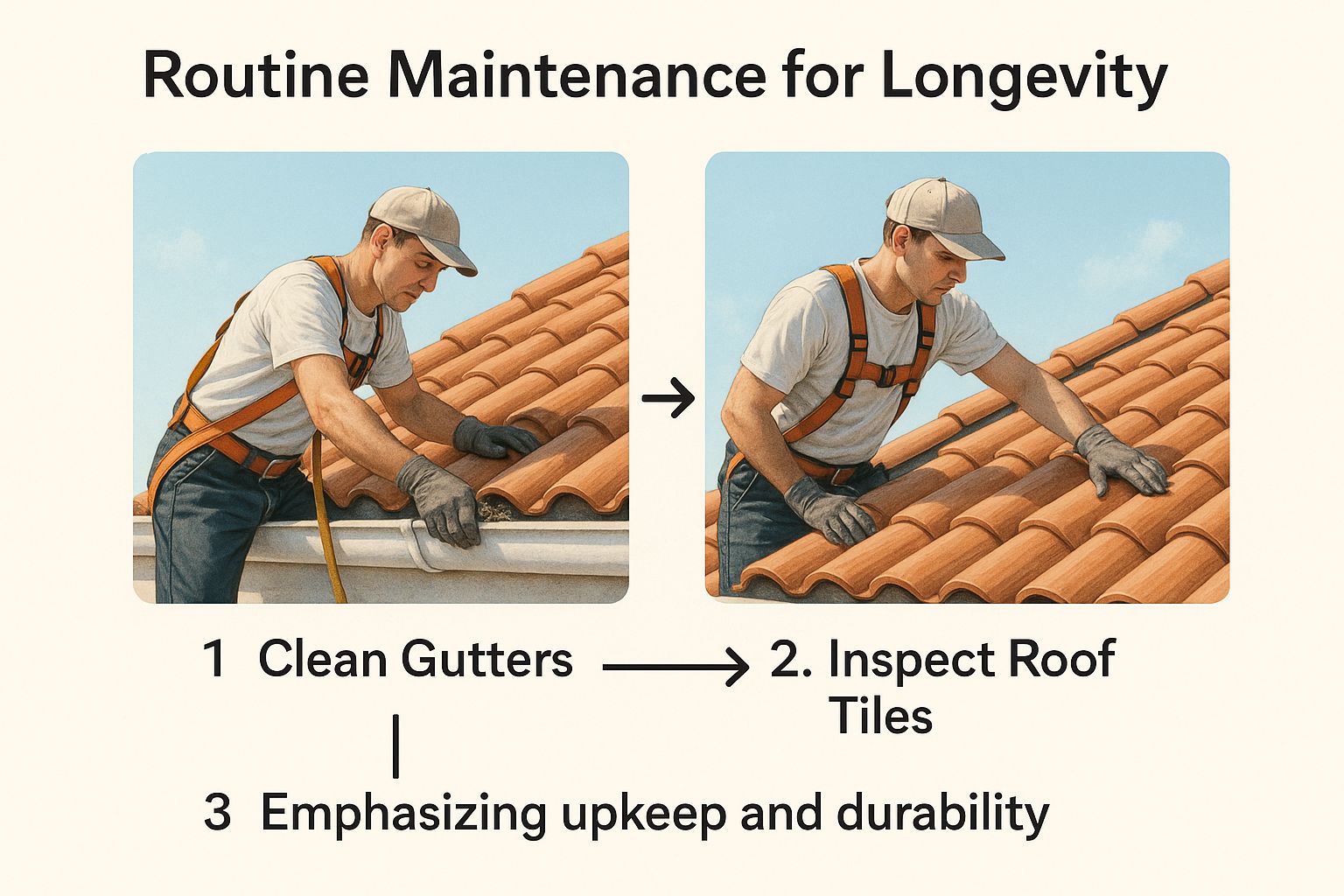
As you can see, routine inspections and proactive maintenance are the key to a roof's longevity in Surfside. Hiring a pro to handle this upkeep is the smartest way to stop small issues from snowballing into expensive disasters.
The Importance of Florida's Licensing Standards
Florida has some of the toughest licensing requirements in the country, and for good reason. They're designed to protect you, the homeowner. To get certified, a roofer must pass two difficult exams and prove they have at least four years of experience, including one year as a foreman.
They also have to carry both liability and workers' compensation insurance. These rules are in place to shield homeowners from shoddy work and ensure every project meets strict safety standards. You can learn more by checking out our guide on what to expect during a professional roof inspection.

Here’s a simple checklist to help you stay organized during the vetting process.
Contractor Vetting Checklist for Surfside Homeowners
Use this quick-reference checklist to evaluate potential roofing contractors and protect your investment.
| Verification Item | What to Look For | Red Flag |
|---|---|---|
| Florida State License | A current, valid Certified Roofing Contractor license (CCC). Verify it on the DBPR website. | No license, an expired license, or a license under a different name. |
| General Liability Insurance | A policy with at least $1 million in coverage to protect your property from damage. | Inadequate coverage, refusal to provide proof, or policy is not current. |
| Workers' Compensation | Proof of active coverage for all employees working on your property. | No coverage or claiming "exempt" status for a large crew. |
| Local Portfolio | Photos and addresses of completed projects in Surfside or nearby coastal areas. | Only shows work from other counties or has a very limited portfolio. |
| BBB Rating | An "A" or "A+" rating with a history of resolved complaints. | A low rating, unresolved complaints, or not being listed at all. |
| Written Estimate | A detailed, itemized quote that includes materials, labor, and cleanup. | A vague, handwritten quote or one given only over the phone. |
| Payment Schedule | A clear schedule, typically with a 10-30% down payment and progress payments. | A demand for a large upfront cash payment (over 50%). |
Going through these steps might feel like a lot of work, but it’s the best way to ensure your roofing project is in the hands of a true professional.
Getting Smart About Quotes and Contracts
Getting a few quotes in hand feels like a big step forward, but this is where the real detective work begins. It’s tempting to just scan for the lowest number, but when you’re hiring trusted roofing services in Surfside FL, the cheapest option is almost never the best value. A real pro gives you an itemized, transparent breakdown, not just a number scribbled on a card.
You have to look past the total and get into the weeds. Is one quote simply listing "architectural shingles" while another specifies the exact brand, model, and wind-uplift rating? That level of detail isn't just fluff; it's a sign of a meticulous contractor and the only way you can truly compare apples to apples. A vague quote is a contractor’s best friend if they plan on cutting corners with subpar materials.
It's More Than Just the Final Price
A proper quote should break down the costs for materials, labor, and any other expenses. If it doesn't, ask why. Here’s what you should expect to see on any comprehensive estimate:
- A Detailed Scope of Work: This should spell out everything from tearing off the old roof to the final cleanup. No ambiguity.
- Specific Materials: You want brand names, product lines, and colors for every single component—shingles, underlayment, flashing, the works.
- Labor Costs: It should be clear what the labor charges cover and who is performing the work.
- A Project Timeline: This gives you an estimated start and finish date, and a good contractor will always mention how potential weather delays are handled.
- Warranty Information: You need to see two separate warranties: one from the manufacturer for the materials and another from the contractor for their workmanship.
Once you’ve picked your contractor, all these details should roll directly into your contract. This legal document is your single most important piece of protection in this whole process.
A contract should leave zero room for interpretation. If you talked about them protecting your prize-winning rose bushes or using stainless steel fasteners, and it’s not in writing, it basically doesn't exist.
A solid contract will also lay out a clear payment schedule. Any contractor demanding a massive upfront payment (anything over 30% is a huge red flag) should be avoided. A standard, professional schedule usually involves a down payment for materials, followed by progress payments at key milestones. The final payment should only be made after the job is 100% complete, has passed its final inspection, and you are completely satisfied.
Finally, read the contract for clauses that protect you. Look for language explaining how unexpected problems, like finding rotten decking after the old roof is torn off, will be managed. A professional contract will spell out the cost for replacing plywood per sheet, so you aren't blindsided by a massive surprise bill. This kind of foresight and transparency is what really separates the good contractors from the great ones.
Selecting The Best Materials For A Surfside Home
Living in a coastal town like Surfside means your roof is on the front lines, battling relentless salt spray, intense sun, and the constant threat of hurricane-force winds. Choosing the right material isn't just an aesthetic decision—it's one of the most critical choices you'll make for your home's long-term health. The right system protects your investment, while the wrong one can lead to a world of headaches and costly, premature failure.
When you chat with any trusted roofing services in Surfside FL, the conversation will quickly pivot from standard asphalt shingles to more resilient options. While some premium architectural shingles can hold their own, our climate demands tougher solutions. Materials like metal and tile consistently prove their worth in coastal environments, offering durability that others simply can't match.
Comparing Top Coastal Roofing Materials
Let’s break down the most popular choices I recommend for homes here in Surfside.
- Metal Roofing: Usually made from aluminum or specially coated steel, metal roofs are absolute workhorses. They provide phenomenal resistance against wind uplift and, with the right coating, laugh in the face of corrosive salt air.
- Tile Roofing: There's a reason clay and concrete tiles are a South Florida classic. They are heavy, naturally fire-resistant, and won't corrode. This makes them a durable and beautiful option that boosts curb appeal.
Given our hurricane vulnerability, these materials are held to an incredibly high standard. Today's metal roofing systems can be engineered to resist winds up to 180 mph, and modern tile roofs are rated for winds up to 130 mph. We now use specialized hurricane straps and advanced installation techniques as standard practice, ensuring every roof meets or exceeds stringent building codes and insurance requirements. You can learn more about how our local climate shapes these choices from these insights on South Florida roofing trends.
Your decision should balance the immediate cost with long-term value. A metal roof might have a higher price tag upfront, but its 50+ year lifespan and minimal maintenance often make it the more cost-effective choice over time, especially when compared to shingles you might be replacing in just 15-20 years.
Roofing Material Comparison for Coastal Florida Homes
To make things clearer, here’s a quick side-by-side look at how these materials stack up in our unique coastal environment.
| Material | Wind Resistance | Salt Air Durability | Avg. Lifespan |
|---|---|---|---|
| Metal (Aluminum/Coated Steel) | Excellent (up to 180 mph) | Very Good (with proper coating) | 50+ Years |
| Clay/Concrete Tile | Very Good (up to 130 mph) | Excellent (corrosion-proof) | 50+ Years |
| Architectural Shingles | Good (up to 110-130 mph) | Fair (granule loss over time) | 15-25 Years |
Ultimately, this table shows there's no single "best" material—it's about finding the right fit for your home's style, your budget, and how much performance you expect.
A qualified local roofer can walk you through the real-world trade-offs and show you examples. In our gallery, for instance, we feature plenty of durable tile roofing projects in the area that perfectly blend that classic coastal style with the toughness our weather demands.
Questions We Hear All the Time About Surfside Roofing
When you're looking at a roofing project in Surfside, a few key questions always come up. Homeowners want the real story on how long it will take, what the local rules are, and what kind of protection they get after the job is done. Getting straight answers to these questions from the start makes the whole experience much smoother.
How Long Does a Roof Replacement Take?
One of the first things people ask is about the timeline. For a standard single-family home here in Surfside, a full roof replacement usually takes anywhere from two to five days.
Of course, that can change. This is Florida, after all. Unexpected afternoon thunderstorms can cause delays. The complexity of your roof's design and the specific materials you've chosen can also add a day or two to the schedule. A good roofer will keep you in the loop every step of the way.
What About Permits and Warranties?
Another big question is about permits. The short answer is yes, the Town of Surfside absolutely requires permits for most roofing jobs, including major repairs and every single replacement. This isn't optional—it's how we ensure every roof is built to the latest hurricane codes. Any trusted roofing services in Surfside FL will handle the entire permit process for you.
Here's a critical piece of advice: you should always walk away with two separate warranties. The first comes from the manufacturer, covering the shingles or tiles themselves. The second is the roofer's workmanship warranty, which covers the quality of the actual installation.
Living right on the coast makes that workmanship warranty incredibly important. You should be looking for a guarantee of at least 5-10 years on the labor. A warranty of that length shows the contractor is confident their work will hold up to Surfside's sun, salt, and storms, giving you real peace of mind for years to come.
Ready to protect your home with a roof built for our coastal climate? Contact Paletz Roofing and Inspections for a free, no-obligation quote and expert guidance on your Surfside roofing project. Get your free estimate today.