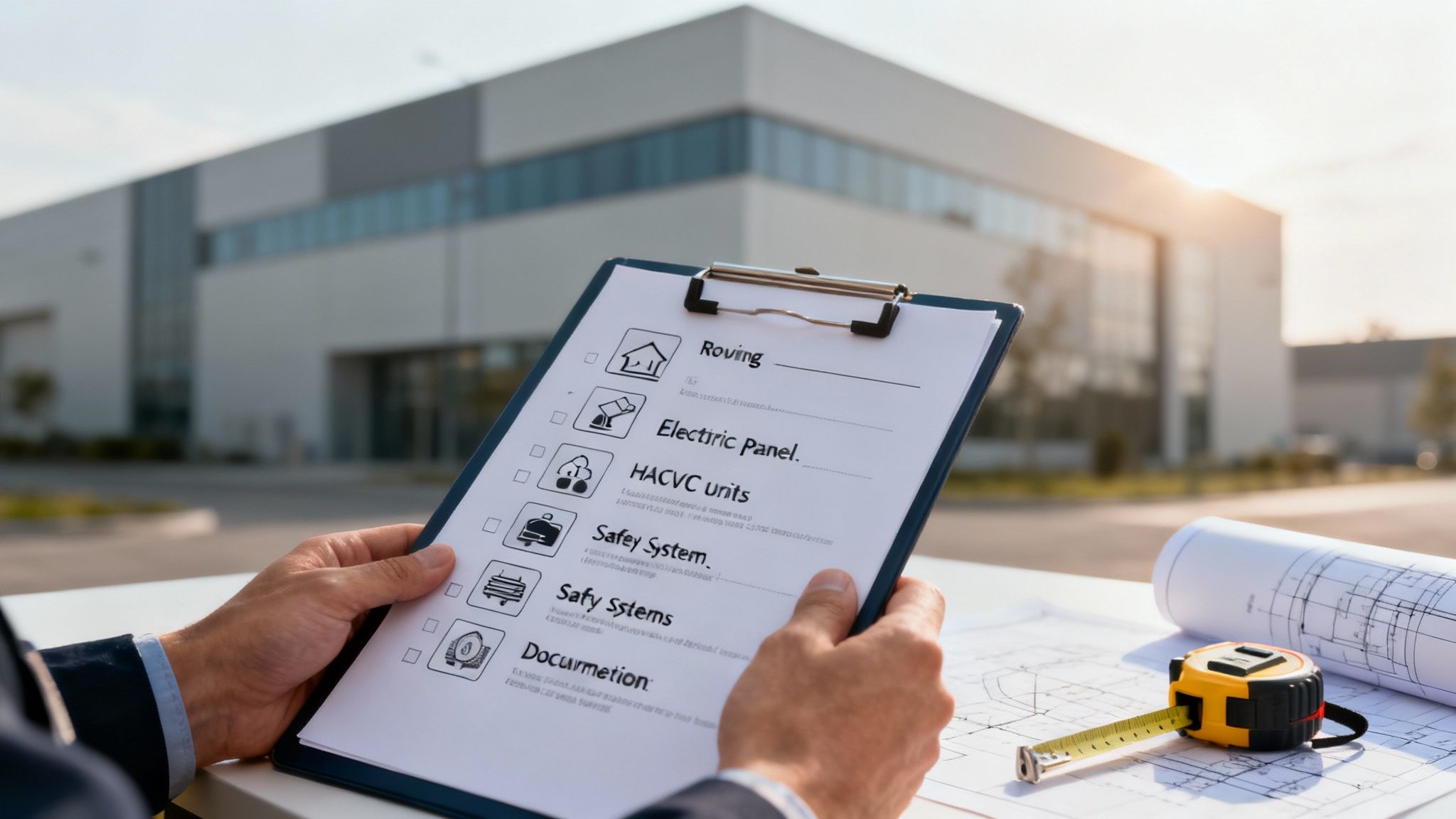
Investing in or managing a commercial property is a significant undertaking. While a standard walkthrough might catch obvious flaws like peeling paint, a truly comprehensive evaluation demands a systematic, in-depth approach. A detailed commercial building inspection checklist is not just a tool for due diligence; it is a strategic asset for mitigating risk, planning capital expenditures, and ensuring long-term operational viability. This guide moves beyond surface-level checks to provide specific, actionable details that protect your investment, ensure occupant safety, and maintain regulatory compliance.
This comprehensive listicle is designed for property owners, facility managers, and potential buyers in dynamic markets like Broward, Miami-Dade, and Palm Beach counties, as well as for the real estate and construction professionals who support them. We will break down the inspection process into ten critical areas, offering a clear roadmap for a thorough assessment. From the foundational integrity to the roofing system and every critical component in between, each point on this checklist represents a vital piece of the property puzzle.
Forget generic advice. Instead, you will find a modern framework for evaluating commercial real estate, focusing on practical implementation and real-world scenarios. We will cover the core systems that demand your full attention:
- Structural and Exterior Integrity
- MEP (Mechanical, Electrical, and Plumbing) Systems
- Fire Safety and ADA Compliance
- Interior Conditions and Finishes
- Essential Documentation and Records
By following this structured checklist, you can move from a simple visual scan to a deep, analytical review, empowering you to make informed decisions with confidence. Let's explore the ten core areas that every comprehensive commercial property inspection must cover.
1. Structural Inspection
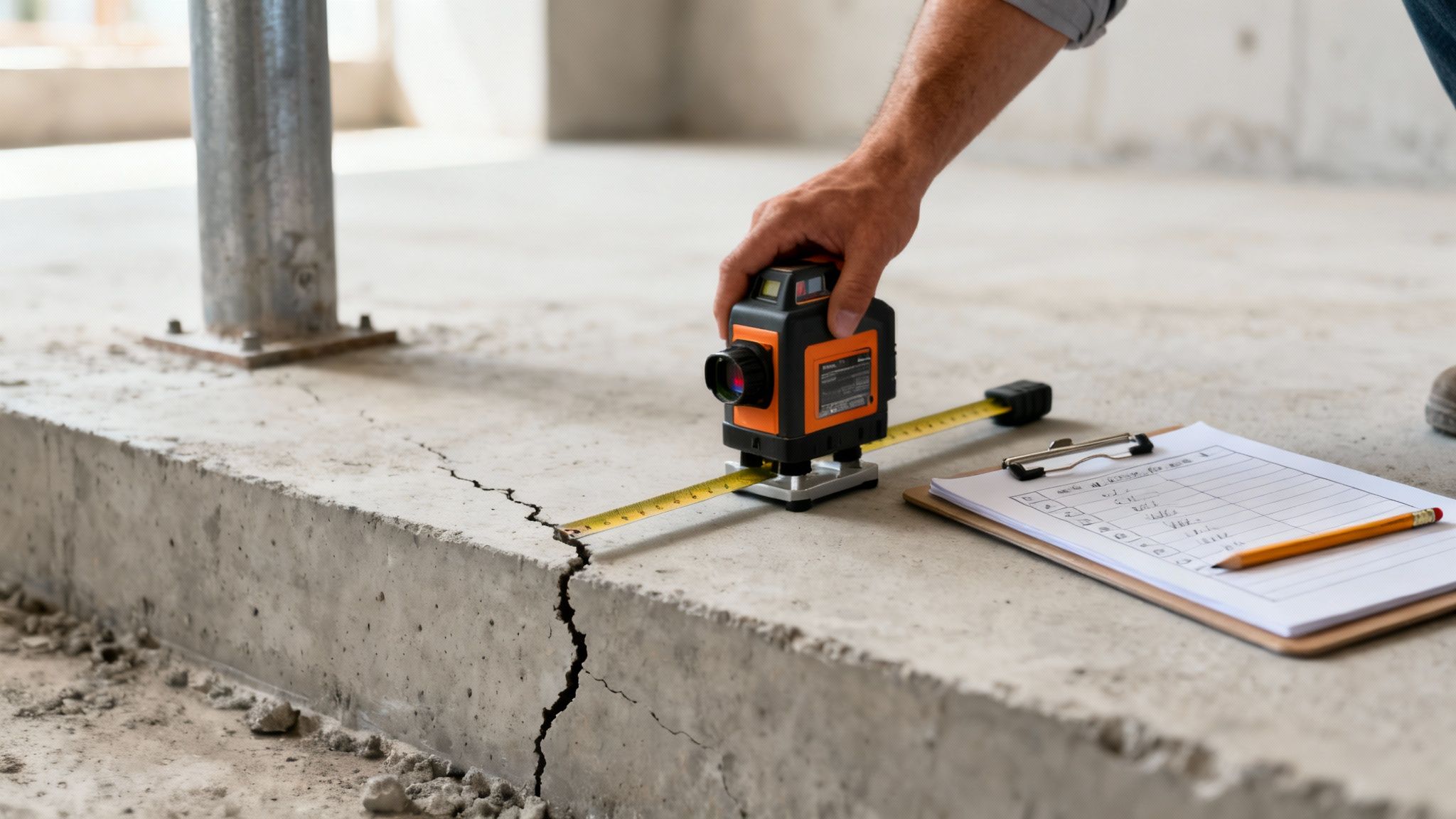
The structural inspection is the bedrock of any comprehensive commercial building inspection checklist. It involves a detailed examination of the building’s core components responsible for supporting loads and resisting environmental forces. This includes the foundation, load-bearing walls, columns, beams, and the overall structural frame. Its purpose is to identify any signs of stress, deterioration, or failure that could compromise the building's stability and safety.
A qualified professional, typically a licensed Structural Engineer (PE), performs this assessment. They look for specific indicators of distress such as cracks in the foundation, signs of settlement or shifting, water intrusion in basements or crawl spaces, and corrosion on steel elements. This inspection is non-negotiable for due diligence during property acquisition, ensuring compliance with building codes, and evaluating long-term asset viability.
Why Structural Integrity is a Top Priority
Neglecting a structural assessment can lead to catastrophic failures, costly emergency repairs, and significant liability. In areas like South Florida, the structural system must withstand unique challenges like hurricane-force winds and potential soil subsidence. For older buildings, especially those undergoing a change of use, a structural evaluation is critical to confirm the frame can handle new load requirements.
For example, a pre-acquisition inspection of an aging warehouse in Miami might reveal foundation cracks and spalling concrete columns, issues that could cost hundreds of thousands to repair. Identifying these problems upfront allows for informed negotiations and prevents a disastrous investment.
Actionable Tips for a Thorough Structural Review
To ensure nothing is missed, follow these best practices:
- Engage a Licensed Professional Engineer (PE): Never rely on a general contractor or a standard home inspector for a commercial structural assessment. A PE licensed in Florida has the specialized expertise required to evaluate complex commercial structures and provide a certified report.
- Document Everything: Insist on a detailed report that includes high-resolution photos, precise measurements of cracks or deflections, and a clear narrative of all findings. This documentation is invaluable for repair planning, insurance purposes, and future reference.
- Prioritize the Foundation: The inspection should begin with the foundation and any sub-level structures. Look for uneven floors, doors that stick, or visible cracks in exterior masonry, as these are often symptoms of foundation issues.
- Schedule Post-Event Inspections: After a major hurricane, flooding event, or significant nearby construction, it is prudent to schedule a follow-up structural inspection to check for new damage.
2. Electrical Systems Inspection
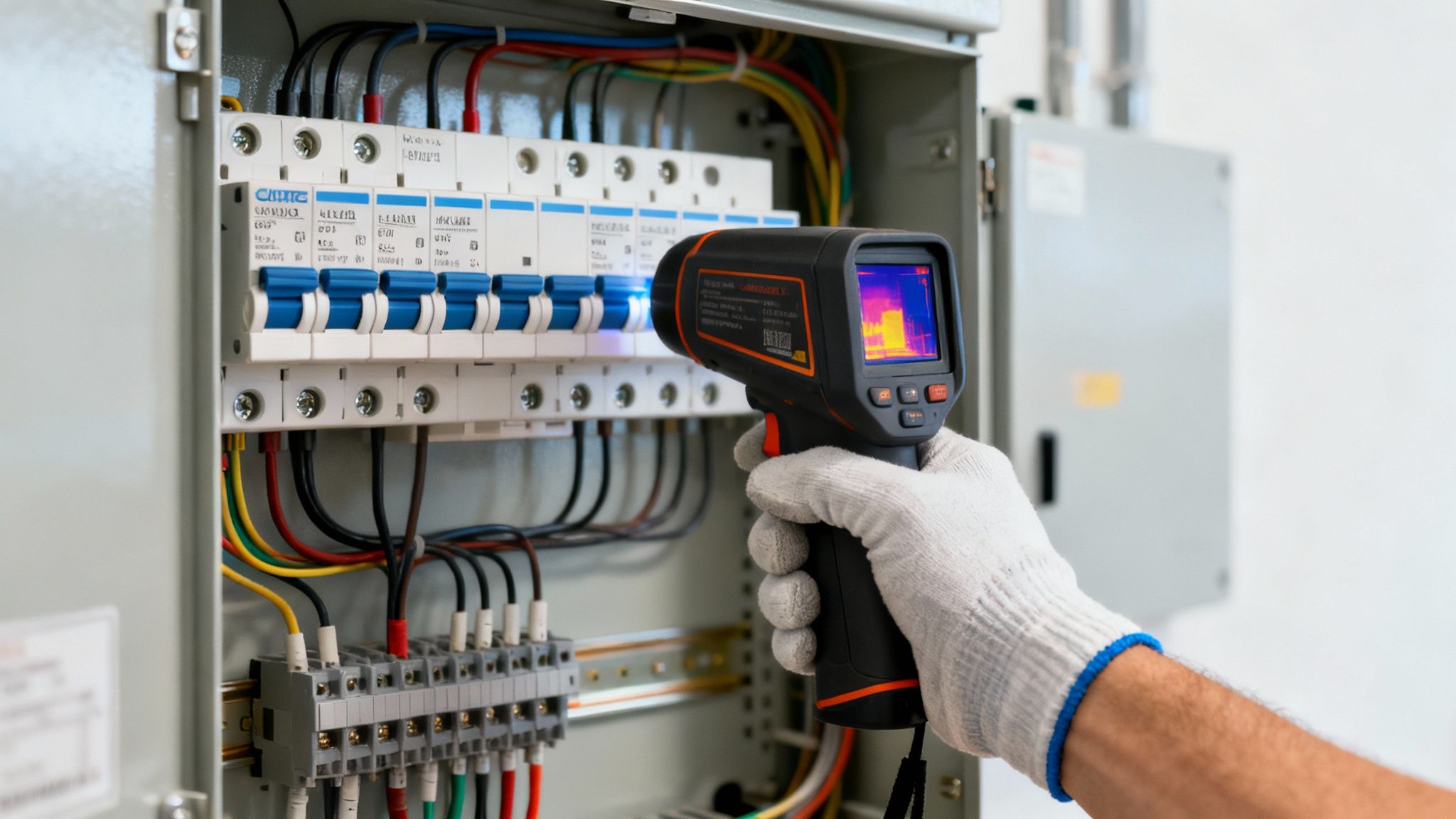
The electrical systems inspection is a critical component of any thorough commercial building inspection checklist, focusing on the safety, reliability, and capacity of the building's entire electrical infrastructure. This evaluation covers everything from the main service entrance and distribution panels to wiring, outlets, lighting, and emergency power systems. Its primary purpose is to identify potential fire hazards, shock risks, code violations, and system deficiencies that could lead to costly downtime or catastrophic failure.
A qualified and licensed commercial electrician or electrical engineer conducts this assessment. They meticulously examine the condition of panels, check for overloaded circuits, test safety devices like GFCIs, and look for signs of outdated or improper wiring. This inspection is essential for due diligence, ensuring the system can support the intended operational load, and maintaining compliance with standards set by the National Electrical Code (NEC).
Why Electrical System Safety is a Top Priority
Neglecting an electrical inspection can have severe consequences, including devastating fires, life-threatening electrocution risks, and major business interruptions. In a high-demand environment like a Las Vegas casino or a critical-care hospital, an uninspected electrical fault could lead to a catastrophic failure, resulting in massive revenue loss and endangering lives. The system must not only be safe but also robust enough to handle the immense and continuous power demands.
For instance, an inspection of a data center might reveal inadequate cooling around main distribution panels, creating a fire risk that could take essential services offline. Similarly, identifying outdated knob-and-tube wiring in an older office building allows for a necessary remediation plan, preventing a potential fire and ensuring the property is insurable.
Actionable Tips for a Thorough Electrical Review
To guarantee a comprehensive and effective electrical systems inspection, follow these best practices:
- Hire Certified Commercial Electricians: Do not use a residential electrician. A commercial specialist understands the complexities of three-phase power, high-voltage systems, and the stringent codes governing commercial properties.
- Utilize Thermal Imaging: Insist on a thermographic scan of all electrical panels and major components. This non-invasive technology quickly identifies "hot spots" caused by loose connections or overloads that are invisible to the naked eye and can prevent fires.
- Test Emergency Systems Under Load: A simple startup test for a backup generator isn't enough. The system must be tested under a simulated load to ensure it can perform as expected during a real power outage, a critical step for facilities in hurricane-prone South Florida.
- Document Panel and Circuit Details: Ensure the inspector documents all panel labels, breaker sizes, and circuit assignments. This creates a clear map of the building's electrical distribution, which is invaluable for future maintenance, troubleshooting, and renovations.
3. HVAC Systems Inspection
The heating, ventilation, and air conditioning (HVAC) systems are the lungs of a commercial building, directly impacting occupant comfort, indoor air quality, and operational costs. This part of the commercial building inspection checklist involves a thorough assessment of all components, including furnaces, air handlers, compressors, ductwork, thermostats, and refrigerant systems. The goal is to verify that these systems provide effective climate control, operate efficiently, and comply with environmental and safety regulations.
A certified HVAC technician or mechanical engineer typically conducts this inspection. They evaluate the age and condition of the equipment, check for refrigerant leaks, inspect ductwork for integrity and cleanliness, and test control systems for proper function. This assessment is critical for identifying potential high-dollar repairs, evaluating energy consumption, and ensuring a healthy indoor environment for tenants and employees.

Why HVAC Performance is a Core Priority
A malfunctioning or inefficient HVAC system can lead to staggering energy bills, frequent tenant complaints, and poor indoor air quality, which can affect productivity and health. In specialized environments like hospitals, precise climate and air filtration control are non-negotiable for patient safety and regulatory compliance. Similarly, for a data center, a robust HVAC system is mission-critical to prevent servers from overheating.
For instance, a pre-lease inspection of a large office space in Palm Beach County might reveal an outdated chiller system that is inefficient and uses a phased-out refrigerant. Identifying this issue allows a potential tenant to negotiate for system upgrades or avoid a lease that comes with unforeseen operational headaches and high utility costs.
Actionable Tips for a Thorough HVAC Review
To ensure a complete and accurate assessment of the HVAC systems, follow these best practices:
- Hire Certified Technicians: Ensure the inspector holds relevant certifications, such as an EPA 608 certification for handling refrigerants. This guarantees they are qualified to work on complex commercial systems safely and legally.
- Schedule Pre-Season Inspections: The best time to inspect HVAC systems is in the spring (for cooling) and fall (for heating), before they are subjected to the stress of peak seasonal demand.
- Review Maintenance Logs: Request and carefully review all service records, filter change logs, and repair invoices. A lack of consistent, documented maintenance is a significant red flag indicating potential future problems.
- Establish a Maintenance Plan: Following a thorough inspection, it is crucial to establish a routine maintenance plan. For a detailed guide on what this should include, you can refer to resources like a comprehensive commercial HVAC maintenance checklist.
4. Plumbing Systems Inspection
The plumbing systems inspection is a critical component of any thorough commercial building inspection checklist, focusing on the health and efficiency of the building's water and waste infrastructure. This evaluation covers the entire system, including water supply lines, drain-waste-vent (DWV) systems, fixtures, water heaters, backflow preventers, and main sewage connections. Its primary goal is to identify leaks, blockages, corrosion, and code violations that could lead to water damage, operational disruptions, or health hazards.
A licensed commercial plumber or specialized inspector performs this assessment, ensuring all components function correctly and meet safety standards set by organizations like the International Association of Plumbing and Mechanical Officials (IAPMO). They check for adequate water pressure, proper drainage, and signs of deterioration in pipes and fixtures. This inspection is vital for preventing costly emergencies, ensuring tenant safety, and maintaining the building's long-term value.
Why Reliable Plumbing is Non-Negotiable
A malfunctioning plumbing system can bring business operations to a standstill and create significant liabilities. In a commercial setting like a hotel or medical facility, a failed backflow preventer could contaminate the potable water supply, posing a severe public health risk. Similarly, an undetected leak in an office building can lead to extensive mold growth and structural damage, resulting in expensive remediation and tenant displacement.
For example, a pre-purchase inspection of a restaurant might reveal a failing grease trap and corroded drain lines, issues that could lead to health code violations and thousands of dollars in repairs. Identifying these problems before closing the deal allows the prospective buyer to negotiate repairs or avoid a problematic investment altogether.
Actionable Tips for a Comprehensive Plumbing Review
To ensure the plumbing system is sound and compliant, follow these best practices:
- Utilize Video Camera Inspections: For inaccessible or underground pipes, a sewer camera inspection is essential. This technology can identify blockages, cracks, tree root intrusion, and collapsed pipes without costly and disruptive excavation.
- Pressure Test Supply Lines: Insist on a pressure test for all water supply lines. This is the most effective way to detect micro-leaks within walls or under slabs that are not visible during a standard inspection but can cause significant damage over time.
- Verify Backflow Preventer Testing: Confirm that all backflow prevention devices have been tested and certified within the last year, as required by most municipal codes. This documentation is crucial for compliance and safety.
- Assess Water Heaters and Boilers: Document the age, condition, and maintenance history of all water heaters and boilers. Check for leaks, proper ventilation, and functioning temperature and pressure relief valves to prevent catastrophic failure.
5. Fire Safety Systems Inspection
A fire safety systems inspection is a critical component of any commercial building inspection checklist, focusing on the equipment and protocols designed to protect life and property from fire. This comprehensive evaluation covers all active and passive fire protection measures, including fire alarms, sprinkler systems, fire extinguishers, emergency lighting, and clearly defined evacuation routes. The goal is to verify full operational readiness, ensure compliance with national and local fire codes, and confirm that all systems can function as intended during an emergency.
This assessment must be conducted by certified professionals, such as a fire protection engineer or a technician certified by the National Institute for Certification in Engineering Technologies (NICET). They systematically test detection devices, verify water pressure for sprinkler systems, check the charge on extinguishers, and ensure all emergency exits are unobstructed and properly marked. This inspection is vital for safeguarding occupants, mitigating property loss, and avoiding severe legal and financial penalties for non-compliance.
Why Fire Safety Compliance is Non-Negotiable
Failing to maintain fire safety systems can lead to tragic consequences, complete asset loss, and significant legal liability. For properties in densely populated areas like Miami-Dade or Fort Lauderdale, a functional fire safety system is essential for rapid response and containment. Regulations established by the National Fire Protection Association (NFPA) are strictly enforced, and insurance carriers often require proof of regular inspections to maintain coverage.
For instance, a high-rise office building in downtown Miami must not only have a certified sprinkler and alarm system but also a well-rehearsed evacuation plan. An inspection might reveal that recently installed office partitions are now blocking sprinkler heads, a common but dangerous oversight that compromises the entire system’s effectiveness. Identifying this during a routine check allows for immediate correction, preventing a potential catastrophe.
Actionable Tips for a Thorough Fire Safety Review
To guarantee your building is prepared for a fire emergency, implement these best practices:
- Hire NICET-Certified Professionals: For system testing and certification, always engage technicians and engineers certified by NICET. Their expertise ensures that inspections meet the rigorous standards set by the NFPA and local fire marshals.
- Maintain an Inspection and Testing Log: Keep a detailed, up-to-date log of all tests, inspections, and maintenance activities for every fire safety component. This documentation is crucial for demonstrating compliance to authorities and insurance providers.
- Test Systems Regularly: Fire alarm pull stations and smoke detectors should be tested monthly, with a full system test conducted quarterly or semi-annually. Annual inspections are typically required for sprinkler systems and fire extinguishers.
- Ensure Clear Egress Paths: Regularly walk all evacuation routes to confirm they are free of obstructions. Check that all emergency exit signs and lighting are functional, especially in the event of a power failure.
6. Accessibility and ADA Compliance Inspection
An accessibility and ADA compliance inspection is a critical component of a modern commercial building inspection checklist. This specialized review evaluates whether a property meets the standards set by the Americans with Disabilities Act (ADA), ensuring safe and equitable access for individuals with disabilities. The inspection covers everything from parking lots and entrances to interior pathways, restrooms, signage, and emergency egress systems. Its goal is to identify and rectify barriers that could prevent full participation and use of the facility by all people.
This assessment is typically conducted by a Certified Access Specialist (CASp) or an ADA compliance consultant. They meticulously measure doorway widths, ramp slopes, restroom fixture heights, and parking space dimensions, comparing them against federal and state requirements. Ensuring compliance is not just a legal obligation to avoid costly lawsuits and fines from entities like the U.S. Department of Justice; it is a commitment to creating an inclusive and welcoming environment for all employees, customers, and visitors.
Why Accessibility is Non-Negotiable
Ignoring ADA compliance exposes property owners to significant legal and financial risks while alienating a large segment of the population. A single complaint can trigger an investigation and lead to mandated retrofits and penalties. For businesses in diverse areas like South Florida, ensuring accessibility is also a smart business decision, expanding the potential customer and employee base. This part of the commercial building inspection checklist protects the asset from liability and enhances its marketability.
For instance, a retail center in Palm Beach County undergoing an audit might discover its main entrance lacks a power-assisted door and the customer service counter is too high for a wheelchair user. Addressing these issues proactively not only prevents potential litigation but also improves the shopping experience for everyone, including parents with strollers and elderly customers, ultimately boosting business.
Actionable Tips for a Thorough Accessibility Review
To ensure your property is compliant and inclusive, follow these best practices:
- Hire an ADA Compliance Consultant: Engage a professional with deep expertise in ADA standards, such as a CASp. Their certified report provides a clear roadmap for remediation and can offer a level of legal protection.
- Conduct a Comprehensive Annual Audit: Accessibility needs are not static. Perform a full audit annually to check for new barriers that may have emerged from renovations, furniture changes, or wear and tear on features like accessible door hardware.
- Document All Modifications: Keep detailed records, including plans, permits, and photos, of all accessibility upgrades. This documentation is crucial for demonstrating ongoing compliance efforts in the event of a complaint.
- Establish a Clear Process: Create and communicate a formal process for handling accessibility requests and complaints from occupants or visitors. A prompt and effective response system shows a good-faith commitment to compliance.
7. Roofing Systems Inspection
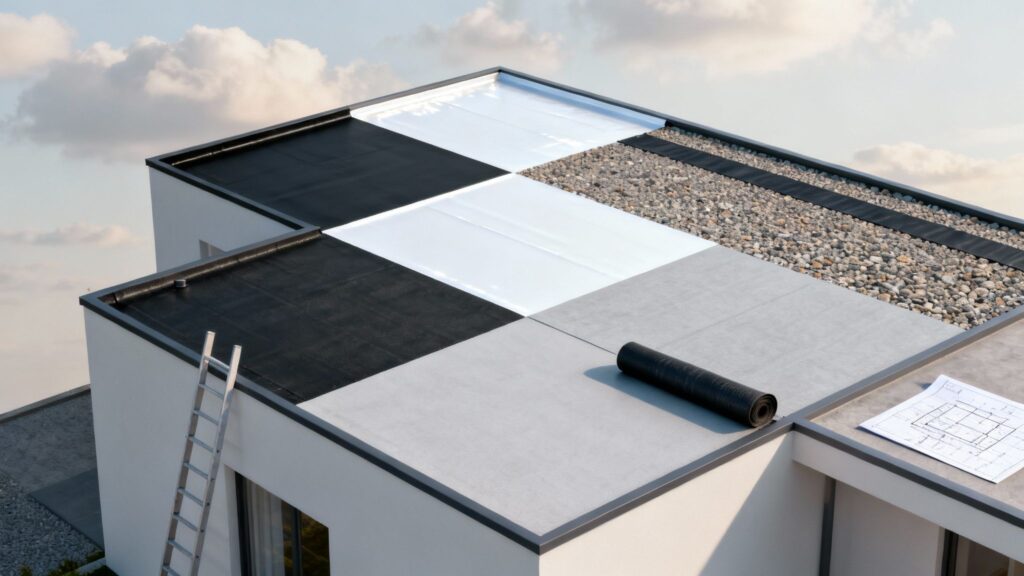
The roofing system serves as the building's primary shield against the elements, making its inspection a critical part of any commercial building inspection checklist. This assessment involves a thorough review of the roof covering, underlayment, flashing, gutters, drains, and structural supports. The core purpose is to identify existing or potential leaks, material deterioration, and necessary repairs to prevent water intrusion that could damage the building's interior and compromise its structural integrity.
A certified roofing professional or a building enclosure consultant typically conducts this inspection. They examine the roof for signs of ponding water, blistering or cracking membranes, failing seals around penetrations (like vents and HVAC units), and clogged drainage systems. For any property owner, investor, or facility manager, a detailed roof inspection provides crucial information about immediate repair costs and long-term capital expenditure planning.
Why a Healthy Roof is a Non-Negotiable Asset
Neglecting the roof can lead to some of the most destructive and expensive problems a commercial property can face, including widespread water damage, mold growth, and structural rot. In regions like South Florida, roofing systems must endure intense UV radiation, heavy rainfall, and hurricane-force winds. A proactive inspection strategy is essential for asset preservation and ensuring business continuity.
For instance, a post-hurricane assessment of a commercial building in Broward County might reveal uplifted flashing and membrane punctures that, if left unaddressed, would lead to significant leaks during the next storm. Identifying these issues early allows for timely, cost-effective repairs, preventing catastrophic interior damage and protecting the property's value. You can see more details in this visual guide to roofing systems inspections.
Actionable Tips for a Comprehensive Roof Review
To ensure a meticulous evaluation of your commercial roof, implement these best practices:
- Utilize Drone Technology: For large, high, or steeply sloped roofs, using drones equipped with high-resolution and thermal cameras provides a safe and highly detailed way to identify hidden moisture and hard-to-see defects without putting inspectors at risk.
- Hire a Certified Professional: Engage an inspector certified by organizations like the NRCA (National Roofing Contractors Association) or IIBEC (International Institute of Building Enclosure Consultants). Their specialized training ensures a thorough and accurate assessment.
- Schedule Biannual Inspections: Conduct inspections at least twice a year, ideally in the spring and fall. This allows you to address any damage from winter weather and prepare the roof for the upcoming harsh season.
- Maintain Drainage Systems: Ensure all gutters, scuppers, and drains are clear of debris. Clogged systems are a primary cause of ponding water, which accelerates roof deterioration and can lead to structural overload.
- Review Warranty and Maintenance Records: Always check the existing roof warranty for coverage details and required maintenance. Keeping a detailed log of all inspections, repairs, and maintenance activities is crucial for warranty compliance and future planning.
8. Exterior and Site Inspection
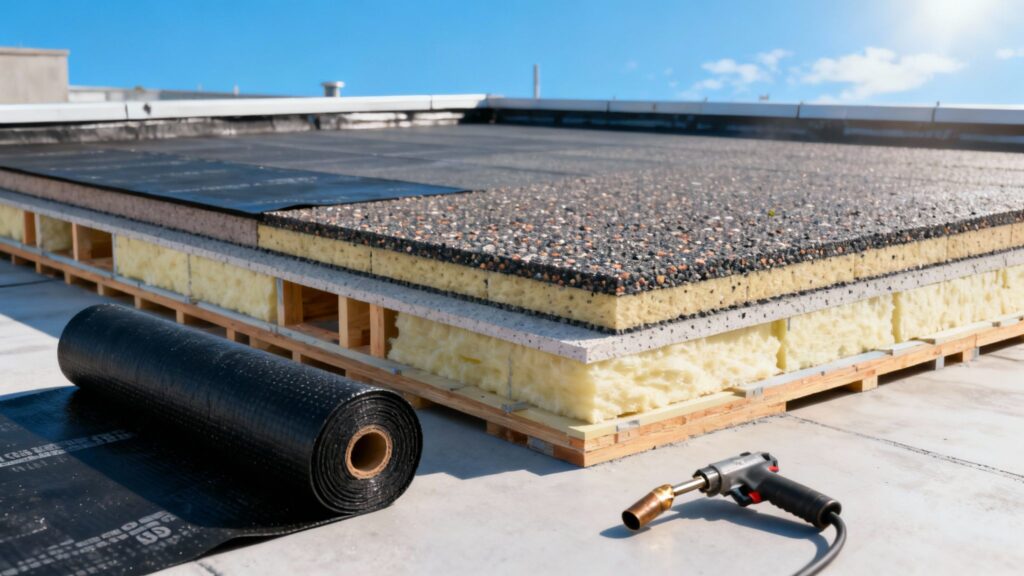
The exterior and site inspection is a critical component of a comprehensive commercial building inspection checklist. It evaluates the building envelope, which includes walls, windows, and doors, as well as surrounding site elements like parking lots, landscaping, and drainage. The primary goal is to assess weather protection, identify potential points of failure, ensure safety, and evaluate the overall curb appeal and functionality of the property.
A thorough assessment, often guided by standards from organizations like the International Institute of Building Enclosure Consultants (IIBEC), examines the condition of all external surfaces. Inspectors look for cracks in stucco or concrete, water stains around windows, deteriorating sealant, and evidence of pest intrusion. The site inspection covers pavement conditions, proper water drainage, and the health of landscaping, all of which contribute to the asset's value and operational safety.
Why the Exterior and Site Deserve Close Scrutiny
Ignoring the exterior and site can lead to escalating repair costs, safety hazards, and significant liability. In places like Seattle, persistent moisture can cause algae growth and water intrusion, while in Arizona, intense UV radiation rapidly degrades parking lot asphalt and building sealants. Effective management of these elements is key to preserving the building's integrity and preventing minor issues from becoming major capital expenditures.
For instance, a post-hurricane assessment of a Florida commercial property might reveal compromised window seals and damage to the building's cladding, issues that could lead to widespread water damage during the next storm. Identifying and addressing these vulnerabilities proactively protects the investment and ensures business continuity.
Actionable Tips for a Comprehensive Exterior Review
To ensure a meticulous evaluation of the building’s exterior and site conditions, follow these best practices:
- Conduct Quarterly Site Walks: Regularly walk the property to note any changes, such as new cracks in the pavement, signs of water pooling, or deterioration of exterior finishes. Early detection is crucial for cost-effective maintenance.
- Document Conditions Photographically: Use high-resolution photos and even drone photography to create a detailed visual record of the entire site and building envelope. This documentation is invaluable for maintenance planning, insurance claims, and tracking changes over time.
- Test and Maintain Drainage Systems: After a heavy rain, inspect the parking lot and grounds for areas of standing water. Ensure all drains are clear of debris and functioning correctly to prevent foundation damage and slip-and-fall hazards.
- Manage Landscaping for Safety: Keep trees and shrubs trimmed away from the building to prevent roof damage and pest access. Ensure walkways are clear and that landscaping does not obstruct visibility for drivers or pedestrians.
9. Interior and Finishes Inspection
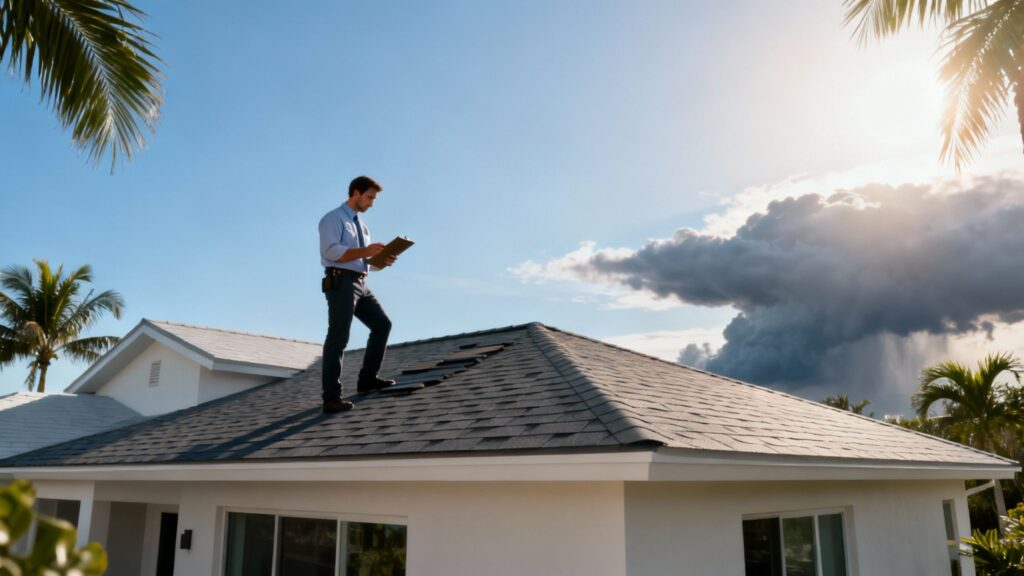
The interior and finishes inspection evaluates the condition and functionality of all non-structural interior elements. This part of the commercial building inspection checklist covers everything occupants see and touch, including walls, ceilings, flooring, paint, doors, and hardware. Its purpose is to assess the overall aesthetic condition, identify immediate repair needs, and spot underlying issues like moisture intrusion or poor maintenance that could lead to larger problems.
A thorough inspector examines the cosmetic state and operational integrity of the building’s interior. They look for signs of wear and tear, water stains on ceilings, damaged flooring, and malfunctioning doors or windows. This assessment is vital for determining future capital expenditures, ensuring occupant safety and comfort, and maintaining the property's market value.
Why Interior Condition Matters
Neglecting interior finishes can directly impact a business's operations, employee morale, and customer perception. A worn-out retail space can deter shoppers, while a poorly maintained office interior can affect productivity. For facilities like hospitals or data centers, the condition of interior finishes is even more critical for cleanliness, infection control, and protecting sensitive equipment.
For instance, an inspection of a medical facility in Palm Beach County might reveal peeling paint and stained acoustic ceiling tiles. These are not just cosmetic flaws; they can harbor contaminants and indicate hidden roof leaks or HVAC issues. Identifying these deficiencies allows property managers to address health risks and prevent more extensive water damage.
Actionable Tips for a Detailed Interior Review
To ensure a comprehensive interior assessment, follow these best practices:
- Utilize Moisture Meters: Don't rely solely on visual checks. Use a moisture meter on walls and ceilings, especially around windows and in below-grade areas, to detect hidden water damage that could lead to mold growth.
- Document Wear Patterns: Take note of heavy wear on carpets and flooring. These patterns reveal high-traffic areas and can help plan for future flooring replacement or layout adjustments to improve flow and durability.
- Test All Doors and Hardware: Systematically open and close every interior door, testing latches, locks, and closers. A malfunctioning fire door or a broken lock poses a significant safety and security risk that must be addressed immediately.
- Inspect Ceilings Closely: Pay special attention to suspended or acoustic ceiling tiles. Look for discoloration, sagging, or missing tiles, as these are common indicators of leaks from the roof or plumbing systems above. You can see visual examples of interior inspection points to better understand what to look for.
10. Documentation and Records Inspection
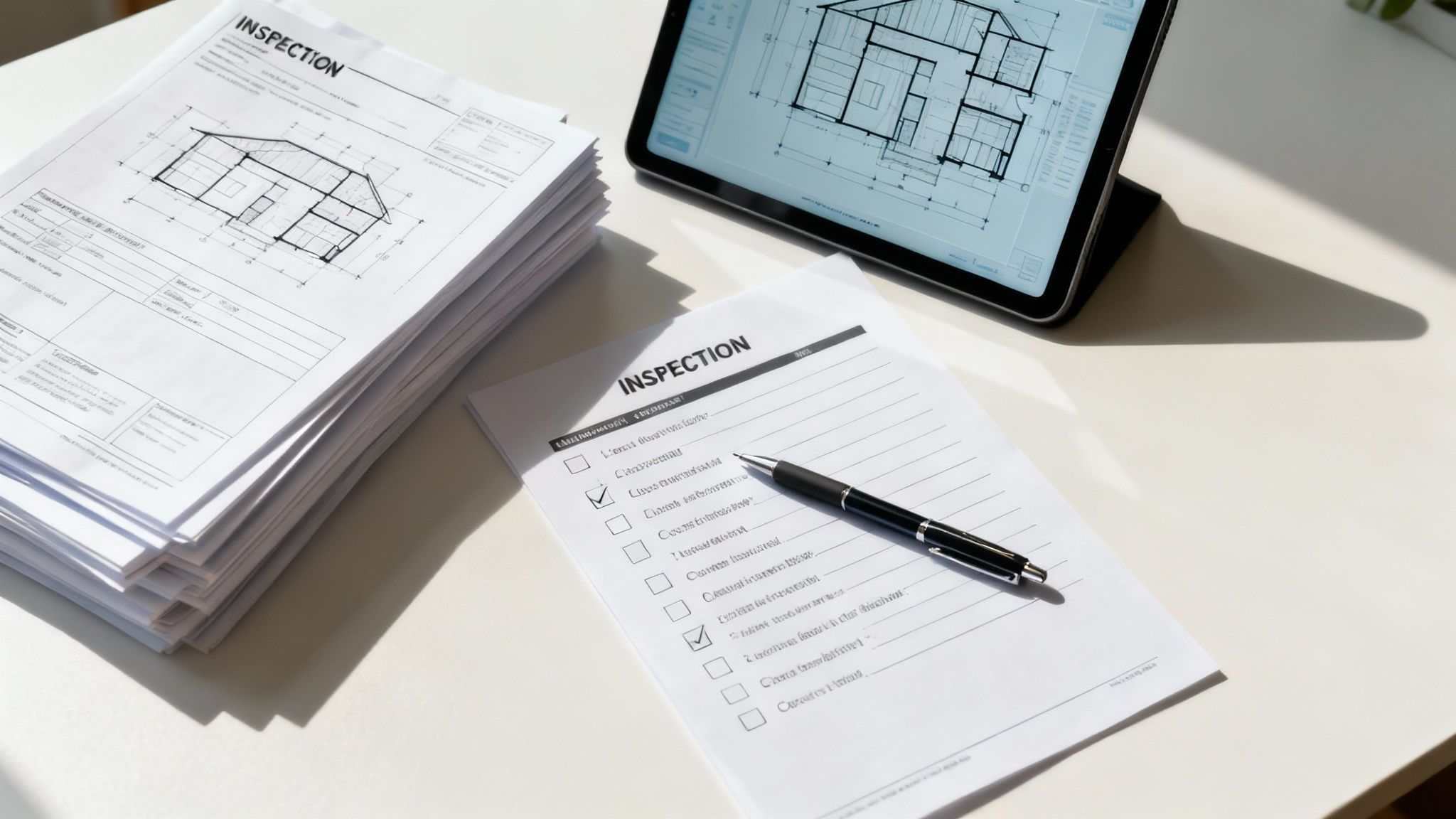
A physical inspection tells only half the story; the other half is found in the building’s paperwork. A Documentation and Records Inspection involves a thorough review of all paperwork related to the building's construction, operation, and maintenance. This includes permits, as-built drawings, warranties, service contracts, past inspection reports, and compliance certificates. Its purpose is to create a comprehensive history, verify legal compliance, and uncover potential liabilities hidden from plain sight.
This critical component of a commercial building inspection checklist is often performed by a property manager or a due diligence professional. They meticulously comb through documents to ensure everything is in order, identifying gaps that could signify unpermitted work, lapsed warranties, or deferred maintenance. This paper trail is essential for understanding long-term operational costs, potential legal entanglements, and the true condition of the property’s systems.
Why a Paper Trail is as Important as a Physical Trail
Neglecting the documentation review can lead to costly surprises and significant operational disruptions. A building may look perfect, but missing permits for a major renovation could trigger fines and force expensive remedial work to meet code. In South Florida, for instance, confirming that all window and roof replacements have proper permits is crucial for validating windstorm insurance coverage.
Consider a corporate real estate transaction where the buyer’s team discovers the seller has no maintenance records for the HVAC system. This red flag prompts a more intensive mechanical inspection, revealing a system on the verge of failure-a multi-thousand-dollar replacement cost that was then negotiated into the final sale price. Complete records provide leverage and protect against unforeseen expenses.
Actionable Tips for a Thorough Documentation Review
To ensure your records review is comprehensive and effective, follow these best practices:
- Establish a Centralized Digital Repository: Scan and organize all physical documents into a cloud-based system. This protects against loss and makes records easily searchable for facility managers, accountants, and legal teams.
- Request All Warranty Information: Upon completion of any new installation or repair, insist on receiving all manufacturer and contractor warranty documents. Log the expiration dates to ensure timely claims if issues arise.
- Maintain As-Built Drawings: Keep architectural and engineering drawings updated to reflect any modifications or additions. These "as-builts" are invaluable for future renovations and troubleshooting system issues.
- Schedule an Annual Records Audit: Just as you inspect the physical building, schedule an annual review of all documentation to identify expiring warranties, upcoming compliance deadlines, and gaps in maintenance logs.
10-Point Commercial Inspection Comparison
| Inspection Type | Complexity 🔄 | Resources ⚡ | Expected Outcomes ⭐📊 | Ideal Use Cases 💡 | Key Advantages ⭐ | Key Limitations |
|---|---|---|---|---|---|---|
| Structural Inspection | Very high — engineering analysis, possible destructive testing | Structural PE, laser levels, moisture meters, lab tests; high time/cost | Identify critical structural failures; repair scope & compliance report | Pre-acquisition, post-earthquake, major renovations | Detects safety-critical issues; supports valuation/financing | Costly, disruptive; some issues evolve over time |
| Electrical Systems Inspection | High — live-system hazards and complex wiring | Licensed electricians, thermal camera, multimeter; may need outages | Code compliance, reduced fire risk, improved reliability | Data centers, hospitals, casinos, aging panels | Prevents fires; improves uptime; non‑invasive thermal diagnostics | Hazardous work; may require downtime and specialist licensing |
| HVAC Systems Inspection | Moderate–high — mechanical/refrigerant complexity | EPA‑certified HVAC techs, airflow meters, thermal cameras; access to ductwork | Better energy efficiency, IAQ, extended equipment life | Offices, hospitals, energy optimization, data centers | Energy savings; occupant comfort; prevents seasonal failures | Ductwork can be invasive; seasonal availability; replacement costs |
| Plumbing Systems Inspection | Moderate — concealed systems and pressure testing | Licensed plumbers, video pipe cameras, pressure gauges | Leak detection, DWV functionality, water quality assurance | Restaurants, hotels, older buildings, pre-purchase | Prevents water damage/mold; ensures sanitation | Hidden issues; may require excavation or invasive access |
| Fire Safety Systems Inspection | High — system testing & life‑safety protocols | Fire protection engineers/techs (NICET), test rigs, alarm/sprinkler tests | Life‑safety assurance, regulatory compliance, reduced loss | High‑occupancy buildings, hospitals, high‑rises, industrial sites | Saves lives; required for insurance; may lower premiums | Testing can be costly/disruptive; false alarms; variable local rules |
| Accessibility & ADA Compliance | Moderate — code interpretation and physical changes | ADA consultants, measuring tools, staff training resources | Legal compliance, improved access, reduced liability | Public facilities, retail, workplaces, universities | Expands user base; reduces legal risk; often low‑cost fixes | Retrofits in older/historic buildings can be expensive; evolving guidance |
| Roofing Systems Inspection | Moderate — access/safety concerns; detailed inspection | Roof inspectors, drones, fall protection, IR/thermal tools | Leak prevention, maintenance plan, extended roof life | Flat roofs, hurricane zones, solar installation sites | Prevents interior damage; prolongs roof life; supports warranty claims | Safety hazards; seasonally limited; some defects need specialty gear |
| Exterior & Site Inspection | Low–moderate — broad scope across site elements | Inspectors, drones, grading/drainage tests, lighting checks | Improved drainage, pedestrian safety, preserved curb appeal | Parking structures, landscaping, building envelope assessments | Reduces liability; prevents water intrusion; protects value | Weather‑dependent; underground drainage issues can be costly to locate |
| Interior & Finishes Inspection | Low — largely visual with simple tools | Inspectors, moisture meters, optional mold testing | Identify cosmetic/hidden moisture issues; maintenance priorities | Tenant turnover, retail refresh, healthcare interiors | Low‑cost preventive fixes; improves occupant satisfaction | Cosmetic subjectivity; mold testing adds cost/time |
| Documentation & Records Inspection | Low–moderate — administrative intensity | Records manager, DMS, time to compile and verify | Complete compliance history; trend and risk identification | Portfolio sales, REIT due diligence, insurance claims | Supports valuation; eases disputes; aids maintenance planning | Time‑consuming; legacy records may be incomplete; tech investment needed |
Turning Your Inspection into an Action Plan
Completing a thorough review using a comprehensive commercial building inspection checklist is a significant achievement, but it represents a beginning, not an end. The real power of this process lies not in the data collected, but in how you transform those findings into a strategic, forward-looking action plan. You've moved beyond a simple walkthrough and now possess a detailed snapshot of your property's health, from the structural integrity of its foundation to the operational status of its most complex HVAC and fire safety systems.
This checklist has guided you through the critical arteries of your property: the structural framework, the intricate electrical grid, the essential plumbing and HVAC networks, and the protective layers of the roof and exterior envelope. The goal was to uncover everything from immediate hazards to subtle signs of future-state failure. Now, with a completed checklist in hand, you can shift from a reactive mindset of fixing what's broken to a proactive strategy of intelligent asset management.
From Checklist to Action: Prioritizing Your Next Steps
The raw data from your inspection can feel overwhelming. The key is to categorize and prioritize every identified issue to create a clear, manageable roadmap. This approach ensures resources are allocated efficiently, risks are mitigated promptly, and your building’s long-term value is preserved.
A practical method for prioritization involves sorting findings into three distinct categories:
-
Immediate Action (High Priority): These are the critical issues that pose an immediate risk to safety, security, or operational continuity. Examples include exposed wiring, active water leaks, non-functional fire alarms, or significant structural cracks. These items require immediate attention from qualified professionals to prevent injury, property damage, or legal liability. For instance, if your electrical systems inspection flagged faulty circuit breakers or outdated wiring, securing the services of a qualified commercial electrical contractor Brisbane is a crucial next step to ensure the safety of all occupants.
-
Short-Term Repairs (Medium Priority): This category includes items that are not immediate dangers but are likely to escalate if left unaddressed. Think of a minor roof leak that could lead to major water damage, an HVAC unit showing early signs of inefficiency, or ADA compliance issues that need correction. These should be scheduled for repair within the next 3 to 6 months to prevent them from becoming costly, high-priority problems.
-
Long-Term Planning (Low Priority): These findings relate to systems and components that are nearing the end of their expected service life but are currently functional. This includes aging roofing materials, an older HVAC system, or parking lot surfaces that will need repaving in a few years. These items should be integrated into your capital expenditure (CapEx) budget, allowing you to plan and save for their eventual replacement without financial surprises.
The Power of Proactive Management
By diligently applying this commercial building inspection checklist, you create a continuous cycle of assessment, action, and documentation. This proactive stance offers profound benefits beyond simple repairs. It enhances tenant satisfaction by providing a safe and reliable environment, reduces the likelihood of costly emergency repairs, and provides concrete data to support insurance claims or property valuations. For property owners and managers in demanding climates like South Florida, this level of diligence is not just best practice; it is essential for asset preservation against elements like intense sun, humidity, and hurricane-force winds. A well-maintained building is a valuable, resilient, and profitable asset.
Your roof is your building's first line of defense. Ensure it's expertly assessed and maintained by partnering with the specialists at Paletz Roofing and Inspections. From detailed inspections that identify hidden vulnerabilities to expert repairs and replacements, our team provides the peace of mind that comes from knowing your most critical asset is in the best hands. Contact Paletz Roofing and Inspections today to schedule your comprehensive roofing evaluation.