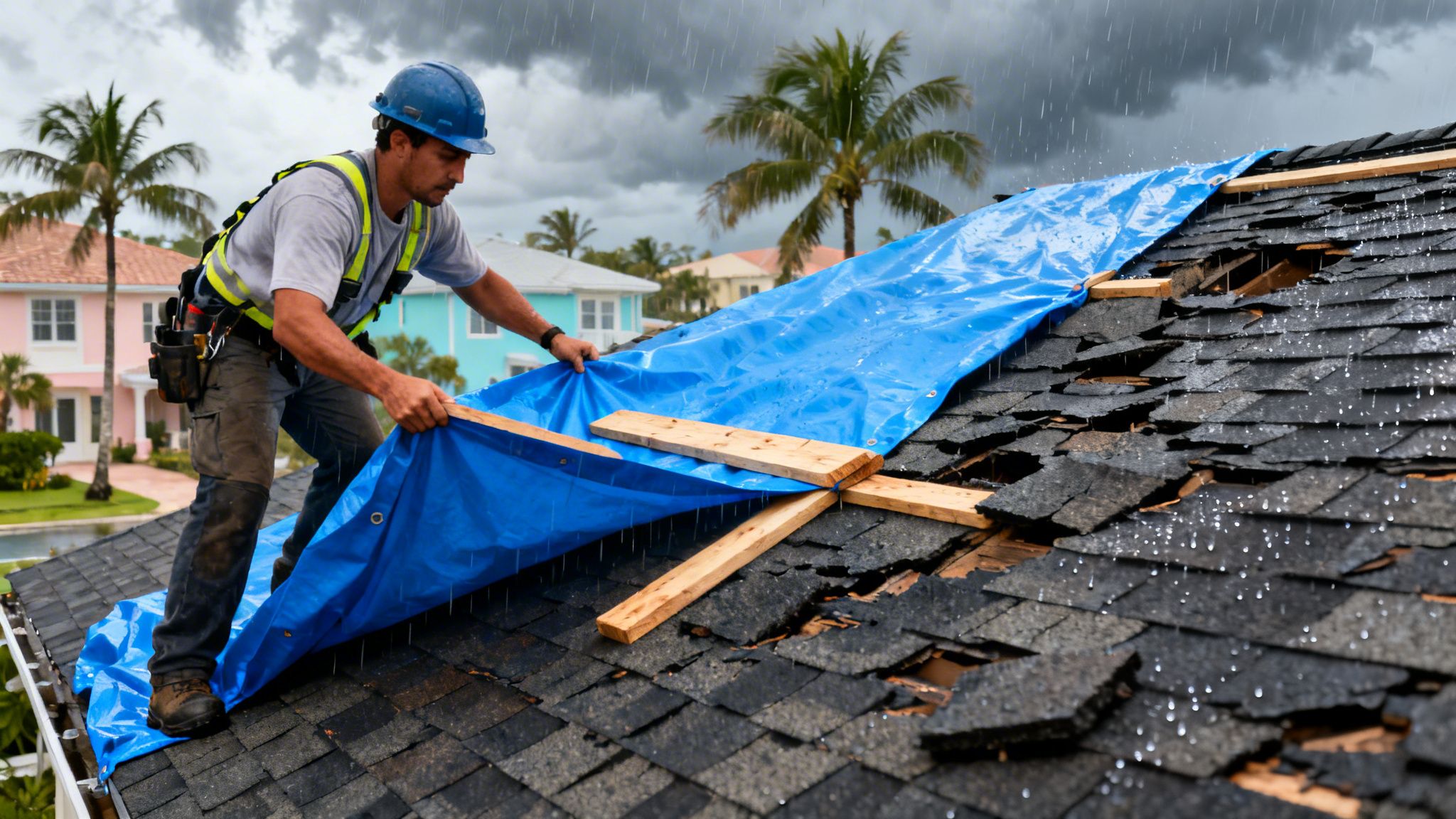
When a storm passes and water starts dripping from your ceiling, your first move should be to contain the water and ensure your family's safety. For an emergency roof repair in Boca Raton, this means placing buckets and towels to manage the leak and turning off electricity near the affected area to prevent electrical hazards. This immediate response is crucial to minimize damage while you call for professional help.
Your Immediate Action Plan for a Leaking Roof
The sound of dripping water inside your home is something no Boca Raton homeowner ever wants to hear, especially after one of South Florida’s signature storms. Your first instinct is absolutely correct: act fast.
But before you do anything else, remember that safety comes first. Do not, under any circumstances, climb onto your roof during or immediately after a storm. It’s incredibly dangerous. The real first aid for your property happens safely from inside.
Start by moving any furniture, electronics, and valuable belongings away from the dripping water. Place a bucket or a large pot directly under the leak to catch the water. Here’s a pro tip: to stop that maddening splashing sound, hang a long string from the ceiling so it dangles down into the bucket. The water will run silently down the string instead of splashing. If you’re dealing with a larger leak or water coming through a light fixture, you'll likely need several containers.
Prioritize Safety Above All Else
If water is anywhere near electrical outlets, light fixtures, or appliances, your next step is critical. Go to your circuit breaker and shut off the power to that section of your house immediately. Water and electricity are a deadly combination.
Key Takeaway: Never touch or try to use any electrical devices that are wet or sitting in standing water. If you aren't sure which breaker controls the affected area, the safest bet is to shut off the main power until a professional can assess the situation.
This initial containment is your best defense against catastrophic interior damage. Here in Boca Raton, we know all too well how relentless hurricane season can be. Delaying an urgent fix can quickly turn a small water stain into a major restoration nightmare, escalating costs significantly.
In fact, data from the National Hurricane Center shows that Palm Beach County has been impacted by over 15 named storms in recent decades, with roof damage being one of the most common consequences. Turning a blind eye to a small leak is a risk you just can't afford to take.
Document and Prepare for a Professional
Once you’ve contained the leak and secured the area, it's time to think like an insurance adjuster. Pull out your phone and take plenty of photos and videos of the active leak and any damaged belongings. This documentation is absolutely vital for your insurance claim.
To help you stay focused during a stressful moment, we've put together a quick checklist to guide your immediate actions.
Immediate Damage Control Checklist
This table is your quick-reference guide for the first few minutes after discovering a roof leak. Following these steps can save you thousands in potential repairs.
| Action Item | Why It's Critical | Tools Needed |
|---|---|---|
| Move Valuables | Protects furniture, electronics, and personal items from water damage. | Willing hands |
| Contain the Drip | Prevents water from spreading and causing widespread damage to floors, drywall, and subflooring. | Buckets, pots, towels |
| Shut Off Power | Eliminates the risk of electrical shock or fire if water is near outlets or fixtures. | Your circuit breaker |
| Document Damage | Provides essential evidence for a smooth and successful insurance claim process. | Smartphone (for photos/videos) |
Once you've run through this checklist, your immediate crisis management is done. The next step is to get an expert on the phone.
With the situation under control, your final step is to call a licensed and insured roofer right away to schedule an emergency inspection and temporary repair.
Of course, the best way to handle a leak is to prevent one from ever starting. Learning more about long-term roof leak prevention can help you safeguard your home against future storms. By following these steps, you can effectively manage the crisis and set the stage for a swift, professional repair.
How to Safely Tarp a Roof for Temporary Protection
When a Boca Raton downpour starts coming inside your home, your first instinct is to stop more water from getting in. A temporary roof tarp is your best friend in this scenario, but only if you know how to put it on correctly and safely. Too many homeowners, panicked by the leak, make critical mistakes that either make the damage worse or, even worse, lead to a serious injury.
Your goal here isn't a permanent fix. It's about creating a temporary shield that can hold up against wind and rain until a professional roofer can get there. This is a crucial stopgap to prevent further water intrusion, which, in South Florida’s humid climate, can lead to alarmingly fast mold growth and structural decay.
But let me be clear: your safety is the absolute top priority. Never attempt to get on your roof during a storm, in high winds, or when it is wet.
Gathering the Right Supplies
Before you even think about climbing a ladder, you need to have the right gear ready. Rushing this step and grabbing the wrong tools is where a lot of problems begin.
- A heavy-duty waterproof tarp: Don't skimp here. You need a tarp that's at least 6-10 mil thick. It must be large enough to hang at least three feet over the damaged area on all sides.
- 2×4 wooden planks: These are for anchoring the tarp. I'll explain why in a minute, but whatever you do, avoid using nails or screws directly on your roof—that just creates more holes for water to find.
- A sturdy ladder: Make sure your ladder is on solid, level ground and extends at least three feet above the roofline. This gives you something to hold onto as you get on and off the roof.
- Safety gear: At a minimum, wear non-slip shoes and gloves. If you happen to have a safety harness, I highly recommend using it.
Only proceed once the weather has completely passed and the roof surface is totally dry. If you have even the slightest doubt about your safety or your ability to do this correctly, do not proceed. An emergency roof repair in Boca Raton is never worth a trip to the hospital. Waiting for a professional is always the smarter, safer call.
This infographic breaks down the essential safety protocol to follow the moment you spot a leak.

As you can see, containing the water inside and calling for professional help are your first moves before you even consider a temporary fix yourself.
Securing the Tarp Without Causing More Damage
The single biggest mistake we see homeowners make is nailing a tarp directly into their shingles or tiles. I can't stress this enough: doing this will absolutely compromise your roof's integrity and give water brand-new ways to get in. Instead, lay the tarp out flat over the damaged section, making sure it’s smooth and extends well past the leak on all sides.
The professional method is to create an anchor system. You wrap the ends of the tarp around 2×4 planks and then screw the tarp into the planks, not your roof. This creates weighted edges that hold the tarp down securely without punching new holes in your roofing material.
Place these anchored planks along the edges of the tarp. If possible, the top-most plank should rest over the peak of the roof. This technique uses simple weight and tension to hold the covering in place, effectively shielding the damaged spot from rain.
If you're curious about what a properly protected roof looks like after a storm, you can check out some seeing examples of professionally handled repairs. This temporary fix buys you incredibly valuable time, keeping your home and belongings dry while you wait for our emergency team to arrive and put a permanent solution in place.
Navigating Your Roof Damage Insurance Claim
Once you've stopped the water from pouring in, another clock starts ticking—the one for your insurance claim. Let's be honest, dealing with insurance companies can feel like a full-time job, especially when you’re already stressed about a damaged roof.
But with the right approach and solid documentation, you can build a strong case and make sure you get the full coverage you’re entitled to. The key is to shift your mindset from homeowner to detective.
Your mission is to document every single detail, starting the moment you first spot the damage. The more thorough you are right from the beginning, the smoother the entire claims process will be. Start by taking clear, time-stamped photos and videos on your phone.
Don't just get a shot of the water stain on the ceiling. Get up close on the source of the leak if you can safely see it, capture any damaged furniture or belongings, and take a wide shot of the room for context. This combination of wide and close-up shots gives the adjuster a complete picture.
The Power of Detailed Records
Your smartphone is an incredible tool, but solid documentation goes beyond just snapping a few pictures. I always tell my clients to create a dedicated folder—digital or physical—to keep everything organized from day one.
Here’s what you absolutely need to track:
- A Communication Log: Every single time you talk to someone at the insurance company, write down the date, time, and their name. Jot down a quick summary of what you discussed. This log is your best defense against any "he said, she said" confusion later on.
- Receipts for Temporary Fixes: Did you run to the store for a tarp, buckets, or even extra towels? Keep every single receipt. These initial costs are part of your claim.
- Professional Estimates: The formal, written estimate from a qualified roofer for the permanent repair is the backbone of your claim. This is a separate, critical document.
This might feel like a lot of work, but this level of detail creates an undeniable record of the event and your response. More importantly, it shows the insurer that you took responsible steps to mitigate further damage—something most policies actually require you to do.
Making the First Call to Your Insurer
When you make that first call to report the damage, your goal is to be clear, factual, and to the point. You don’t need to have all the answers right away, but you do need to get the process started on the right foot.
During hurricane season, calls for emergency roof repair in Boca Raton can spike by as much as 300%, so you might face some wait times. Be prepared and stay patient. You can find more about these local insurance trends on innovativeroofing.com.
When you get them on the line, stick to a simple script: "Hello, my name is [Your Name], and my policy number is [Policy Number]. I am calling to report new roof damage at my property located at [Your Address]. My roof is actively leaking, and I have taken immediate steps to control the interior water damage."
This straightforward statement officially opens your claim, establishes a clear timeline, and confirms you've been proactive. The agent will give you a claim number—write it down immediately—and walk you through the next steps. From this moment on, your detailed records will be the foundation for a successful, less stressful claim experience.
Choosing the Right Boca Raton Emergency Roofer

When your roof springs a leak in the middle of a storm, your first instinct is to grab the phone and hire the first contractor who answers. It’s a powerful urge, but resisting it is probably the most important decision you can make for your home and your bank account.
A frantic search for "emergency roof repair Boca Raton" can, unfortunately, lead you straight to opportunistic, out-of-town "storm chasers" who are notorious for disappearing as fast as they showed up.
Making a calm, informed choice under pressure is tough, but it's absolutely possible. The key is knowing exactly what to look for and which red flags to spot from a mile away.
Verify Credentials Instantly
Never, ever hire a roofer without first checking their credentials. This isn’t just about finding someone who knows their way around a roof; it’s about making sure they are legally allowed to work in Florida and are fully insured against any accidents.
Here’s what you need to see from any contractor before they set foot on your property:
- A Florida Certified Roofing Contractor (CCC) License: This is the absolute gold standard. A roofer holding a CCC license is legally cleared to work anywhere in the state, unlike a registered contractor who is limited to specific local areas.
- Proof of General Liability Insurance: This protects your home from any damage the contractor might accidentally cause during the repair. Without it, you’re on the hook.
- Proof of Worker's Compensation Insurance: This one is critical. If a worker gets injured on your property and the contractor isn't covered, you could be held financially responsible for their medical bills.
A legitimate, professional contractor will have these documents ready and will never hesitate to show you. It’s a standard part of doing business. Understanding the strategies professional Florida contractors use to build their reputation, as detailed in guides on how to get roofing leads, often gives you a good feel for their business practices and overall reliability.
Spotting Red Flags and Storm Chasers
After a major storm rolls through Boca Raton, you can bet the unreliable operators will come out of the woodwork. They are masters at creating a sense of urgency and can be incredibly persuasive, but their work is almost always subpar and comes with zero warranty.
Be extremely wary of anyone who shows up at your door uninvited, uses high-pressure sales tactics, or demands the full payment before any work begins. A reputable company might require a deposit for materials, but never the entire amount upfront.
This vetting process is crucial. To help you quickly sort the pros from the cons, here’s a checklist you can use when you're on the phone with potential roofers.
Emergency Roofer Vetting Checklist
| Vetting Criteria | What to Look For (Good Sign) | What to Avoid (Red Flag) |
|---|---|---|
| License & Insurance | Provides CCC license number and proof of insurance without hesitation. | "I'll send it later," "It's in the truck," or any hesitation. |
| Local Presence | Has a physical office in or near Boca Raton with a local phone number. | Uses an 800-number, has no local address, or has out-of-state plates. |
| Online Reviews | Consistent positive reviews on Google, Yelp, and the BBB over several years. | No reviews, brand new profiles, or a flood of recent, generic reviews. |
| Payment Terms | Asks for a reasonable deposit (typically 10-30%) for materials. | Demands full payment or a large cash deposit upfront. |
| Communication | Provides a detailed, written estimate and a clear scope of work. | Vague verbal quotes, high-pressure tactics ("This price is only for today!"). |
| Professionalism | Answers the phone professionally, has a branded vehicle and uniforms. | Shows up in an unmarked truck, seems disorganized or rushed. |
Using a quick checklist like this can save you a world of headaches. It helps you stay focused and make a logical choice, even when you’re stressed about a leak over your head.
You can learn more about our commitment and long-standing presence in South Florida by checking out our company's history and mission. Taking those few extra minutes to vet your roofer is time well spent. It ensures the team you hire is qualified, reputable, and ready to handle your repair professionally—giving you peace of mind when you need it most.

What Happens During Our Emergency Repair Service

You’ve made the call, and let's be honest, your heart is probably still pounding. A roof emergency is one of the most stressful things a homeowner can face. We get it. Knowing what to expect next can make all the difference, so we want to pull back the curtain and walk you through our process, from the moment our team heads to your Boca Raton home.
It all starts with that first phone call. We'll quickly get your address and ask a few key questions about where the leak is and if you've been able to contain the water. This isn't just small talk; this brief chat gives our crew the critical info they need to show up prepared with the right gear.
Rapid Dispatch and Advanced Diagnostics
Once we have your details, our emergency roof repair Boca Raton team is on the move. We give these calls top priority, aiming to get to your property as fast as possible to stop any further damage. Our technicians will arrive in clearly marked vehicles, ready to tackle the problem professionally.
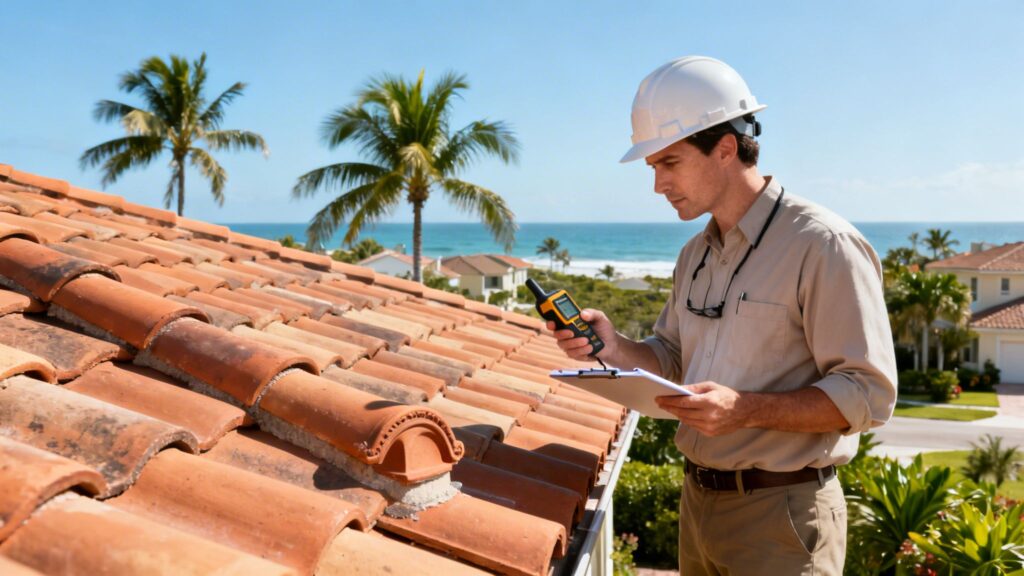
The first thing we do upon arrival is a quick but thorough assessment. Finding where a leak is coming from isn't always as simple as looking for a hole directly above the drip. Water is tricky; it can travel along roof beams and through insulation before it ever leaves a stain on your ceiling.
This is where experience and technology really pay off. Our technicians rely on advanced tools to find the real source of the problem without having to play a guessing game.
- Thermal Imaging: This amazing tech lets us see temperature differences inside your walls and ceiling. Wet spots are cooler and show up as clear patterns on the camera, leading us straight to the hidden path of the water.
- Drone Inspection: For homes with complex or multi-story roofs, a drone gives us a safe and immediate bird's-eye view. We can spot damage without putting anyone on a potentially slick and unstable roof.
Using the right tools for a precise diagnosis is what separates the pros from the rest. For example, established companies bring decades of expertise to these situations. It’s comforting to know that some local firms have over 30 years of licensed experience and stand ready with 24/7 response teams trained for these crises, using thermal imaging and drone tech to pinpoint leaks swiftly. You can learn more about how top-tier roofers handle emergencies on innovativeroofing.com.
The Secure Temporary Fix and Clear Path Forward
With the source of the leak found, our number one priority is stopping the water. We immediately implement a secure temporary fix designed to hold up against more wind and rain. This might involve professionally securing a heavy-duty tarp or applying high-performance sealant to a specific entry point.
Important: This is a temporary solution, not the final repair. Its only job is to make your home watertight and safe, giving you the time you need to plan a permanent fix without the stress of an active leak.
After neutralizing the immediate threat, we’ll provide you with a clear, detailed estimate for the permanent repair. This document breaks down the full scope of work, the specific materials needed, and a transparent cost. We'll personally walk you through what we found and our recommendations, making sure you understand everything. To see examples of the kinds of damage we often encounter, you can explore our gallery of common roofing issues. We believe in clear communication—no surprises, just a straightforward plan to get your roof back to 100%.
Common Questions About Emergency Roof Repair
When you’re staring at a leak in your ceiling, a million questions race through your mind. It’s a stressful situation, and you need clear, honest answers fast. We’ve been helping Boca Raton homeowners through these crises for decades, so we’ve heard it all.
Here are the straight answers to the questions we get asked most often during a roofing emergency, from costs and insurance to how long it all takes.
How Much Will an Emergency Repair Cost?
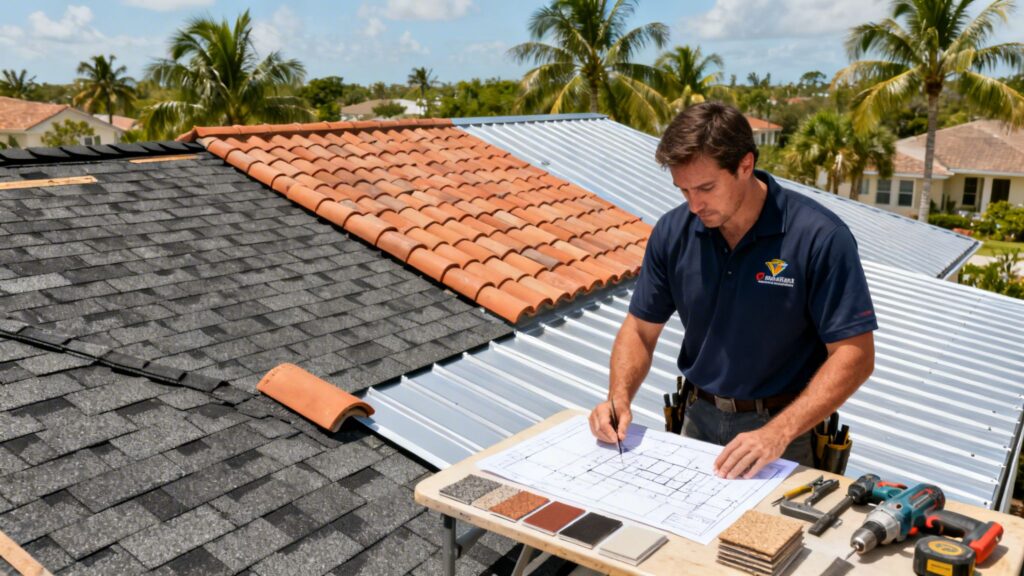
This is almost always the first question, and understandably so. The truth is, the cost for an emergency roof repair in Boca Raton can vary quite a bit. It really depends on the extent of the damage, what kind of roof you have (tile, shingle, or metal), and how tricky it is to get to the source of the leak.
A simple, temporary patch to get an active leak under control might run a few hundred dollars. But if the damage from a storm is more severe and requires more time or materials, that initial emergency service cost could be higher.
Think of this first visit as triage for your roof—the immediate goal is to stop the bleeding. We'll provide a separate, detailed estimate for the permanent, long-term fix after we've had a chance to do a full inspection.
Will My Insurance Cover This?
In most situations, yes. A standard homeowners insurance policy is designed to cover sudden and accidental damage, and a storm-related roof leak definitely falls into that category.
However, coverage can get tricky. It often hinges on the age of your roof and whether the damage was caused by a clear, one-time event (like a hurricane) or from gradual decay due to a lack of maintenance.
This is exactly why documenting everything is so critical. Your photos, videos, and any receipts for temporary supplies are the evidence you'll need for a smooth claim. Call your insurance agent to report the damage right away, but don't wait for an adjuster to show up before you call a roofer. Most policies actually require you to take steps to prevent further damage.
What Is the Difference Between a Temporary and a Permanent Repair?
This is a crucial distinction every homeowner needs to understand. A temporary repair is our rapid-response fix. The one and only goal is to make your roof watertight right now to stop any more water from getting into your home. This usually involves applying a heavy-duty storm tarp or using specialized roofing sealants. It’s a bandage, not a cure.
A permanent repair, on the other hand, is the real, comprehensive solution. This is where we come back to remove all the damaged materials, repair the underlying wood deck if it’s compromised, and install brand-new, matching roofing components. This is what truly restores the integrity and full lifespan of your roof.
Remember: A temporary patch is not designed to last. It’s a crucial stopgap that buys you time to schedule the proper, permanent work without the stress of an ongoing leak.
This need is especially acute in our local commercial sector. Flat roof systems, which cover over 70% of Boca Raton's retail centers and warehouses, face intense stress from South Florida's weather. With over 60 inches of annual rainfall and high UV exposure, these membranes require specialized emergency attention. You can find more insights about the challenges facing commercial flat roofs on mmroofrepair.com.
How Long Does an Emergency Roof Repair Take?
The initial emergency visit is designed to be fast. Our technicians can usually track down the source of the leak and get a secure, temporary fix in place within just a few hours of arriving at your home. The whole point is to stop the immediate threat as quickly as possible.
The timeline for the permanent repair is a bit different. That depends on things like getting the right materials, cooperating weather, and the overall complexity of the final job. As soon as you give the green light on the formal estimate, we’ll work with you to get the final repair on the schedule and get your home fully protected for the long haul.
When a roofing crisis strikes, you need a team you can trust to respond quickly and professionally. The experts at Paletz Roofing and Inspections have been serving the Boca Raton community for over 30 years, providing reliable emergency services and permanent solutions. Don't wait for a small leak to become a disaster—contact us now for immediate assistance.