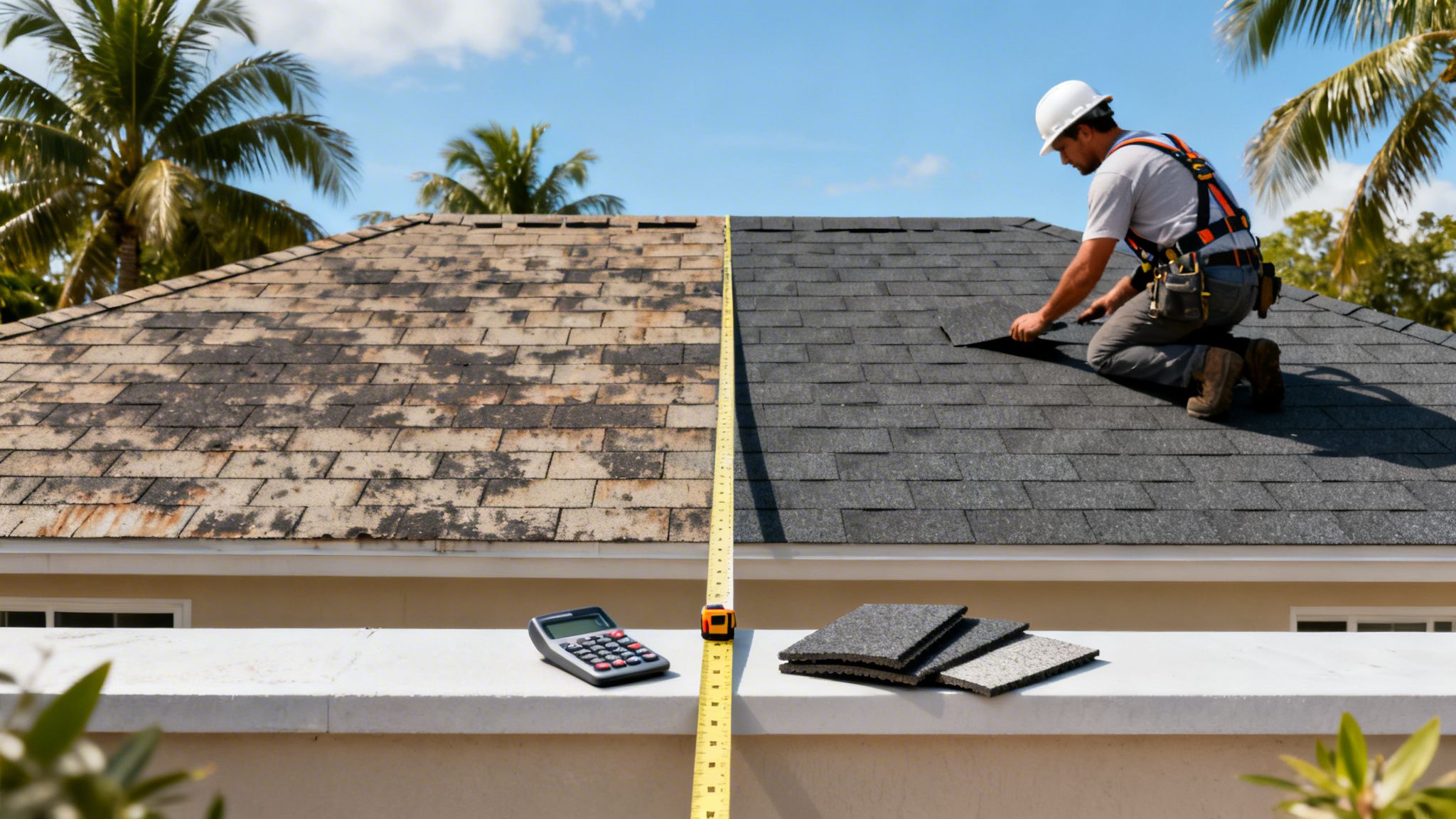
Figuring out the cost of a new roof can feel a bit like trying to hit a moving target. While you might see a national average of around $9,500 for 2026, that number is really just a conversation starter. The truth is, your final bill could land anywhere from $5,800 to over $46,000, depending on your home, your choices, and where you live. For us here in South Florida, those variables are everything.
Your 2026 South Florida Roof Replacement Cost Guide

Asking for the "average cost of a roof" is a lot like asking for the price of a car—the final number depends entirely on whether you're buying a basic sedan or a luxury SUV with all the upgrades. A national average gives you a ballpark, but it doesn’t account for the unique demands of our South Florida climate. From relentless sun to hurricane-force winds, our roofs have a tougher job to do.
This guide is designed to pull back the curtain on roofing costs. We’ll break down all the financial details, show you exactly where your money goes, and help you plan your budget with confidence. No surprises, just clear information.
Key Factors That Shape Your Final Cost
A few core components will always have the biggest say in your roof replacement estimate. Once you get a handle on these, you'll be able to read any quote like a pro.
- Roof Size and Complexity: It all starts with square footage. A bigger roof simply requires more material and more time. If your roof is steep or has a complex design with lots of valleys, dormers, and skylights, the labor costs will increase to ensure a safe and proper installation.
- Material Selection: This is the single biggest factor influencing the price tag. Standard asphalt shingles are the most budget-friendly choice. On the other end, premium materials like clay tile or standing seam metal cost more upfront but deliver far greater longevity and storm resistance.
- Labor Rates: You're not just paying for materials; you're investing in the skill and experience of the crew. Here in South Florida, labor can make up 40-60% of your total project cost. That figure is driven by a competitive market and the absolute necessity of hiring certified, insured professionals who know how to build a roof that meets our stringent local codes.
Understanding National Averages vs Local Realities
While it’s handy to know the national average, it’s crucial to ground your expectations in what’s happening right here in our community. Some data suggests that roofing prices in Southern states like Florida can be up to 20% more competitive due to the sheer volume of work and a robust labor market. However, that’s just one piece of the puzzle. The cost of storm-rated materials and skilled labor has continued to climb, making it a smart financial move to replace an aging roof before a major storm forces your hand.
Your roof is one of the most critical investments you'll ever make in your home. Partnering with a trusted local expert means you get transparent pricing, quality materials, and workmanship that will stand up to South Florida weather for decades to come.
For over 30 years,
has been the go-to expert for homeowners across Broward, Miami-Dade, and Palm Beach counties. We provide clear, honest, and always-free estimates, taking the time to explain every line item so you can make the best possible choice for your home and your budget.
Breaking Down The Anatomy of a Roofing Quote
Getting a roof replacement quote can feel like trying to read a foreign language, filled with line items and industry jargon. But think of it like a detailed recipe from a pro. The final price isn't just a random number; it’s a careful mix of quality ingredients (materials), expert technique (labor), and the right tools (permits and disposal). Knowing how to read this recipe is the first step to understanding the value of your investment.
A professional estimate is a world away from a simple handshake deal. It gives you a transparent, itemized list of every single cost that goes into the average cost of roof replacement. This detail is your best protection as a homeowner, making sure there are no surprise fees or hidden charges after the work starts. It’s the roadmap for the entire project.
The Three Pillars of Your Roofing Estimate
No matter which contractor you talk to, every quote is built on three main pillars. The exact percentages can shift a bit depending on your roof, but the categories always stay the same.
- Materials (approx. 30-40% of total cost): This covers everything you see, like the shingles, tiles, or metal panels. It also includes the unsung heroes working behind the scenes, such as underlayment, flashing, nails, and ventilation parts.
- Labor (approx. 50-60% of total cost): This pays for the skilled team that tears off your old roof, inspects and preps the decking, and carefully installs the new system to meet both manufacturer standards and local building codes.
- Ancillary Costs (approx. 10% of total cost): This bucket holds all the crucial but often forgotten items, like city permits, fees for hauling away and disposing of the old materials, and project management overhead.
Why Skilled Labor Is the Most Significant Expense
It often comes as a surprise that labor, not materials, is the biggest chunk of the bill. This has become even more true in recent years. In fact, widespread shortages of skilled workers and rising wages have pushed labor to make up as much as 60% of total project expenses in 2026. This trend points to a critical truth: the quality of the installation is just as important—if not more so—than the materials you choose. You can read more about these industry-wide trends in the latest State of the Roofing Industry Report.
Think of it this way: you can buy the best ingredients in the world, but if the chef doesn't have the skill to put them together, the meal will be a letdown. Your roof is no different. You aren't just paying for people to nail down shingles; you are investing in their expertise, safety training, and the precision needed to build a watertight shield that protects your home for decades.
A roof is only as good as the hands that install it. Cutting corners on labor to save a few dollars upfront is a recipe for costly leaks, premature failure, and voided warranties down the line.
At Paletz Roofing and Inspections, we believe you deserve total transparency. Our quotes are meticulously detailed so you know exactly what every dollar is for. We take the time to walk you through each line item, from the specific type of underlayment to the cost of the city permit. Understanding how contractors build their quotes can demystify the whole process; many of us use advanced tools like dedicated Exayard roofing estimating software to get the numbers right. By providing this clarity, we empower you to make an informed decision with complete confidence, knowing your investment is in good hands.
How Roofing Materials Impact Your Final Price
The material you choose for your new roof is easily the biggest factor in the average cost of roof replacement. Think of it like picking an engine for a new car; that choice dictates not just the sticker price, but how it performs, how long it lasts, and even how it looks. Here in South Florida, where our roofs have to battle intense sun and hurricane-force winds, that decision carries a lot more weight.
We're going to break down the three most popular options you'll see in our neighborhoods: affordable asphalt shingles, classic tile, and ultra-tough metal. Each has its own set of trade-offs that directly affect your upfront cost, your home's curb appeal, and your peace of mind for the next few decades.
Interestingly, labor has become the dominant expense in a modern roofing estimate, often costing more than the materials themselves.

As you can see, even if you opt for a more budget-friendly material, the cost of skilled, professional installation—now making up about 60% of the bill—is a huge part of the total investment.
Asphalt Shingles: The Versatile Workhorse
Asphalt shingles are the most common roofing material in the country for one simple reason: they deliver a fantastic balance of affordability and dependable performance. They've become the default for homeowners who need a solid, no-nonsense solution that doesn't break the bank.
- Average Cost: You'll typically see prices from $4.25 to $8.25 per square foot installed. For a standard 2,000 sq. ft. home, that comes out to a total between $8,500 and $16,500.
- Lifespan: An architectural shingle roof should give you 20 to 30 years of service in the Florida climate.
- Pros: Most affordable upfront cost, a huge variety of colors and styles to choose from, and installation is relatively quick.
- Cons: They have a shorter lifespan than tile or metal and are more vulnerable to getting torn up by high winds and flying debris during a hurricane.
Tile Roofs: The Iconic Florida Look
When you close your eyes and picture a classic South Florida home, you’re probably seeing a tile roof. Whether you choose traditional clay or modern concrete, tile offers outstanding durability and a timeless beauty that gives a serious boost to your curb appeal.
A tile roof is a long-term investment in both protection and property value. Its superior resistance to fire, rot, and insects makes it one of the most resilient roofing systems you can choose for the coastal climate.
Yes, the initial cost is higher, but the sheer longevity and toughness of a tile system provide incredible value over the life of your home. It's a fantastic choice for anyone who wants to prioritize long-term performance and is willing to invest in it.
- Average Cost: The price can range from $11 to $25 per square foot installed. A 2,000 sq. ft. home could have a replacement cost anywhere from $22,000 to $50,000.
- Lifespan: A well-maintained tile roof can easily last 50 years or more.
- Pros: Unmatched longevity, excellent resistance to hurricanes and fire, and great energy efficiency due to the air barrier it creates.
- Cons: Higher upfront cost, its heavy weight might require structural reinforcement, and tiles can crack if someone walks on them improperly.
Metal Roofs: The Durable Champion
Once mostly found on commercial buildings, metal roofing has exploded in popularity as a stylish and high-performance choice for homes. Standing seam metal, in particular, delivers a sleek, modern look with unbeatable strength against the elements. You can see some great examples of modern roofing systems to get a feel for the aesthetic.
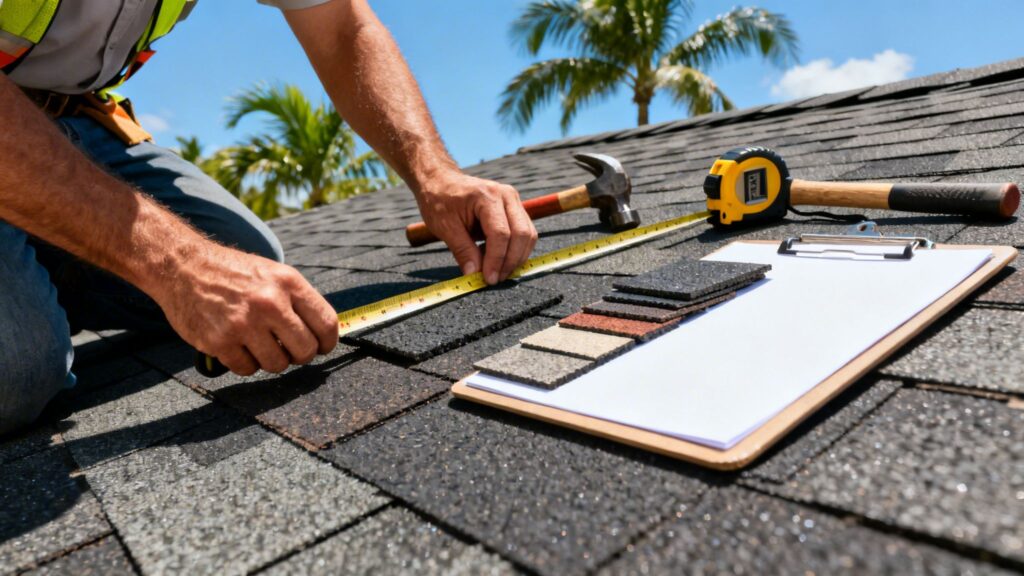
Metal roofing is the ultimate "set it and forget it" solution. Its interlocking panels form a nearly impenetrable barrier against wind and rain, which is why it boasts some of the highest wind-resistance ratings of any residential material. Roof replacement costs have climbed steadily since 2020, with premium options like standing seam metal now running $18,000-$30,000+ but delivering exceptional long-term value. For more detailed insights into these pricing shifts, you can explore the latest roof pricing trends.
- Average Cost: Generally lands between $10 to $17 per square foot installed. Expect a total cost of $20,000 to $34,000 for a 2,000 sq. ft. home.
- Lifespan: An impressive 40 to 70 years, often lasting the entire time you own your home.
- Pros: The highest wind and impact resistance available, extremely energy-efficient (it reflects solar heat), and requires very little maintenance.
- Cons: Higher initial investment and the installation requires specialized expertise to be done right.
Choosing the right material can feel daunting, but you don't have to do it alone. The experts at Paletz Roofing and Inspections can provide physical samples and offer personalized guidance to help you find the perfect fit for your budget, style, and protection needs.
Uncovering Hidden Costs in a Roof Replacement

When you budget for the average cost of roof replacement, the first quote you see usually covers the obvious things: materials and labor. But a roof replacement is a lot like a major home renovation—you never really know what you’re dealing with until you start the demolition. Several "hidden" factors can pop up mid-project, and they can definitely affect your final bill.
Getting a handle on these potential surprises ahead of time is the best way to avoid sticker shock. A seasoned contractor can often spot these issues during the initial inspection, but some problems only show their face once the old roofing is torn off completely.
Damaged or Rotten Wood Decking
The most common surprise hiding under old shingles is damaged wood decking. This is the layer of plywood or OSB sheathing that acts as the very foundation of your roof system. Over decades, slow, undetected leaks or even just poor attic ventilation can cause widespread rot, which compromises the structural integrity of your entire roof.
If your roofer finds decking that is soft, spongy, or coming apart in layers, it must be replaced. This isn't optional; it's a critical issue of safety and quality. The cost for this repair is typically calculated per sheet of plywood needed and will add to both material and labor costs, as it's extra time and work for the crew.
Roof Pitch and Structural Complexity
The slope, or pitch, of your roof has a direct impact on labor costs. A relatively flat roof that the crew can easily walk on is the most straightforward and cost-effective scenario. However, as that pitch gets steeper, the job becomes much more complex—and dangerous.
- Safety Equipment: Steep roofs, generally anything with a pitch steeper than 6/12, demand specialized safety gear like harnesses, roof jacks, and anchoring systems to keep the crew safe. The extra equipment and setup time will add to the labor line item.
- Slower Work: It’s simple physics. Crews have to move more slowly and carefully on steep surfaces, which naturally increases the total man-hours required to finish the job.
It’s the same story with complexity. A simple, straight-run gable roof is far easier and cheaper to replace than a roof cut up with multiple dormers, valleys, hips, and skylights. Every single one of those features requires custom cuts, detailed flashing work, and meticulous sealing, all of which drive up the labor portion of your quote.
A detailed, honest quote should always make a note of potential charges for decking replacement or specify if extra labor costs will apply for a steep-pitched roof. This is the mark of a transparent contractor you can trust.
Multiple Layers and Debris Removal
In the past, a common shortcut was to just install a new layer of shingles right on top of the old ones to save on tear-off labor. While Florida building codes now strictly limit this practice, we still find plenty of older homes with two, or sometimes even three, layers of old roofing material.
Tearing off multiple layers is significantly more work and creates a massive amount of debris. This increases the time your crew spends on demolition and also raises the cost of waste disposal, as it usually requires a larger dumpster and higher fees at the dump. This is a perfect example of a hidden factor that directly impacts the average cost of roof replacement.
Building Code Upgrades and Flashing
Building codes are always being updated, especially here in South Florida, to improve storm resistance and overall safety. If you have an older home, it’s almost a guarantee that your existing roof doesn’t meet current standards. When we do a replacement, we are legally required to bring everything up to today's code.
This might involve:
- Upgraded Fasteners: Using specific nails or adding hurricane straps to better secure the roof deck to your trusses.
- Secondary Water Barriers: Installing a modern "peel-and-stick" underlayment across the entire roof deck for a superior waterproofing layer.
- New Flashing: Replacing all the old metal flashing around chimneys, vents, and walls is non-negotiable. It’s a vital step for preventing future leaks and ensuring a truly watertight roof system.
These code-mandated upgrades are absolutely essential for your home’s safety and for keeping your insurance policy valid, but they can add costs that weren't part of your roof's original construction. An expert team like Paletz Roofing and Inspections stays on top of all local codes and will factor these requirements into your initial estimate, giving you a clear picture from the start.
How to Navigate Insurance Claims and Financing
Seeing the estimate for a new roof can be a shock, but understanding your payment options turns a major expense into a manageable project. Whether you’re dealing with unexpected storm damage or planning a replacement out-of-pocket, knowing how to work with your insurer and find financing is key. We'll give you a clear roadmap for handling the money side of your roof replacement with confidence.
First, let's get straight on homeowners insurance. It's crucial to understand that insurance is designed to cover sudden, accidental events—what the industry calls "perils."
For a roof, this means damage from a specific event like a hurricane, a hailstorm, or a tree crashing through your home. Insurance almost never covers general wear and tear. If your roof is simply old and failing, the replacement cost will be an out-of-pocket expense.
Understanding Your Insurance Policy
When a storm does hit your roof, the type of insurance policy you have becomes critical. Most policies fall into two camps, and the difference between them can mean thousands of dollars out of your pocket.
- Replacement Cost Value (RCV): This is the gold standard. An RCV policy covers the full cost to replace your damaged roof with new materials of similar kind and quality, minus your deductible. It does not subtract for depreciation.
- Actual Cash Value (ACV): This policy only pays what your old roof was worth the moment it was damaged. It calculates the replacement cost and then subtracts a hefty amount for age and wear, leaving you to cover the difference.
When your roof is damaged, meticulous documentation is your best friend. Detailed photos, videos, and a professional damage assessment from an experienced roofer are essential for getting your claim approved and paid fairly.
At Paletz Roofing and Inspections, we have decades of experience working directly with insurance adjusters. We know exactly what they need to see to validate a claim and will provide the detailed reports that get things moving for you. When dealing with insurance for your roof replacement, understanding standard forms like the ACORD 125 form can also be highly beneficial.
Financing Your Roof Replacement Out of Pocket
If insurance won't cover your replacement, don't worry. There are several smart ways to finance a new roof without wiping out your savings. In fact, many homeowners find that a planned, financed replacement is a wise investment in their home's long-term safety and value.
Here are the most common financing routes people take:
- Contractor Financing: Many established roofing companies, including Paletz Roofing, partner with trusted lenders to offer simple financing programs. This is often the easiest path, as you can apply right through us and roll the cost into predictable monthly payments.
- Home Equity Loan or HELOC: If you have equity built up in your home, you can borrow against it. A home equity loan gives you a lump sum, while a home equity line of credit (HELOC) works like a revolving credit line. These often come with lower interest rates.
- Personal Loans: An unsecured personal loan from your bank or a credit union is another solid option. While the interest rates might be a bit higher, the application process is usually fast, and you don’t have to use your home as collateral.
Why the Cheapest Quote Is Rarely the Best Value
After you've done all the research and waded through the numbers, it’s natural to feel drawn to the contractor with the lowest price. But here's a hard-earned truth from decades in the business: your roof is a long-term investment in your home's safety, not a clearance item you grab for a bargain. A quote that seems too good to be true almost always is—and it's often a massive red flag for risks that will cost you far more down the road.
Those suspiciously cheap offers usually come from contractors cutting corners you can't see. They might be working without a proper state license or, even worse, without liability and workers' compensation insurance. If an uninsured worker gets hurt on your property, you could be on the hook for their medical bills. They also save money by using subpar materials or skipping critical steps, like replacing old flashing, which leads directly to premature leaks and expensive repairs.
The Hallmarks of a Trustworthy Roofing Partner
Choosing a roofer isn't about finding the lowest bidder; it's about finding a reliable partner who will protect your home. A professional company proves its value through transparency and a solid track record. Here’s what you should always look for:
- Proper Licensing and Insurance: A reputable contractor will have no problem showing you proof of their state license and full insurance coverage. This is your number one layer of protection.
- A Long-Standing Local Reputation: A company like Paletz Roofing and Inspections, with over 30 years of experience in South Florida, has a reputation built on thousands of successful jobs and happy local customers.
- Detailed Written Estimates: Vague, one-line quotes are a deal-breaker. A pro provides an itemized estimate that clearly breaks down the scope of work, all materials, and every cost involved.
- Robust Warranties: A roofer who is confident in their work will stand behind it. They’ll offer strong warranties on both materials and labor, giving you true long-term peace of mind.
A cheap roof often becomes the most expensive one you'll ever own. The cost of fixing shoddy work, repairing water damage, and eventually re-doing the entire job will far exceed the initial "savings."
Your roof's job is to shield your family and your biggest asset from Florida's most extreme weather. For a better sense of what a top-tier, durable roofing system looks like, you can explore some examples of durable roof installations.
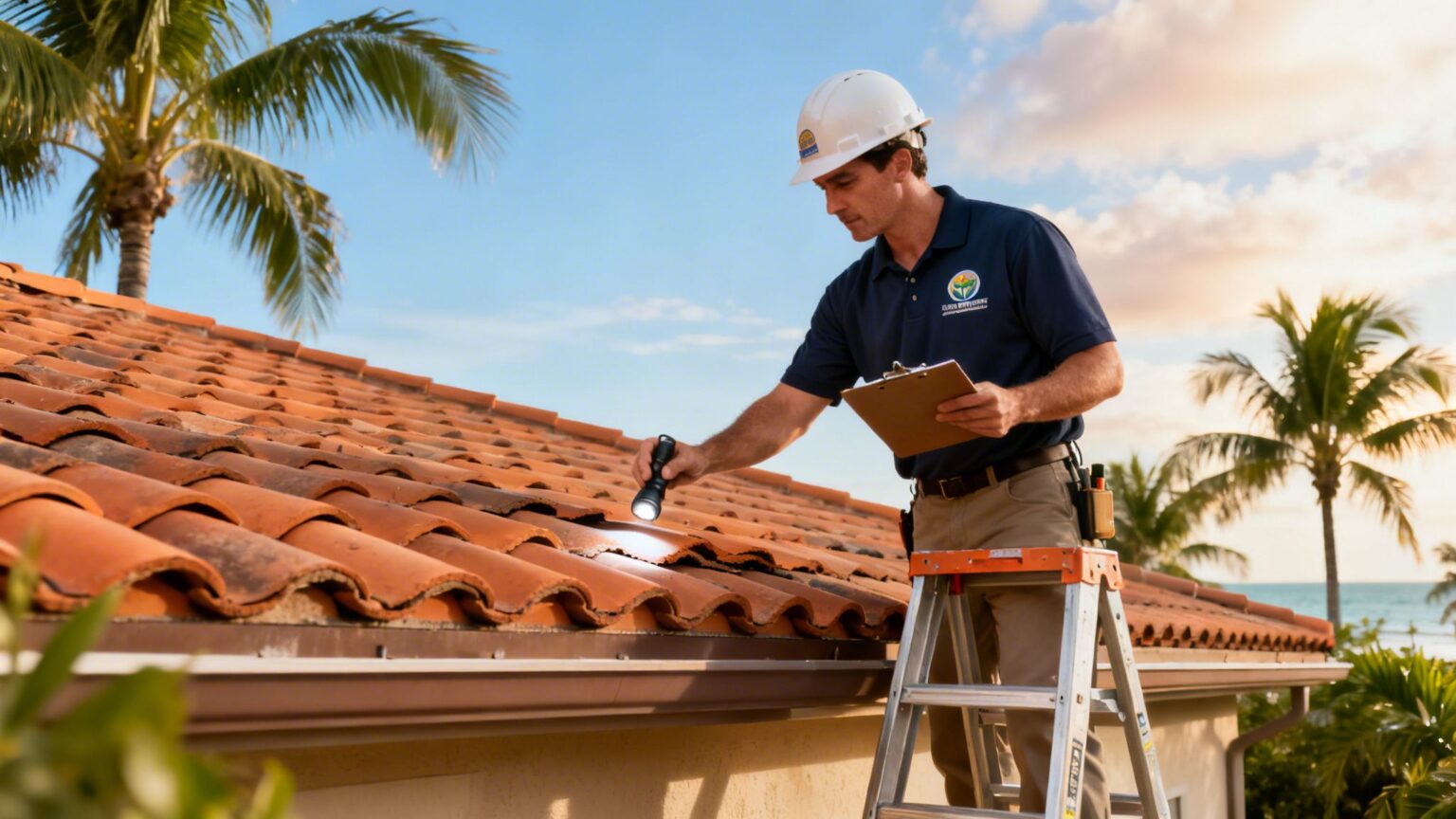
If you live in Broward, Miami-Dade, or Palm Beach County, don’t gamble with your home. Contact Paletz Roofing and Inspections for a free, no-obligation inspection and quote. Let our experts show you what real value looks like—a professionally installed roof, priced fairly and built to last.
Frequently Asked Questions About Roof Replacement
When you're looking at a big project like replacing your roof, it's only natural to have a few questions pop up. Even with a detailed guide, some specific concerns always seem to linger.
Let's tackle some of the most common questions homeowners in South Florida ask us.
How Long Does a Roof Replacement Take in South Florida?
For a typical single-family home between 1,500 to 2,500 square feet, you can expect a professional crew to complete a full roof replacement in about 2 to 5 days. The timeline usually follows a clear pattern.
Day one is all about preparation: tearing off the old roof and getting a good, hard look at the wood decking underneath. The next one to three days are for the main event—installing the new underlayment, flashing, and your chosen roofing material. We reserve the final day for a meticulous cleanup and one last inspection to make sure everything is perfect.
Keep in mind, things like South Florida's infamous afternoon thunderstorms, a tricky roof design, or discovering significant wood rot can add a bit of time to the job.
Can I Install a New Roof Over My Old One to Save Money?
Putting a new roof over an old one, known as a "roof-over," might sound like a clever way to cut down the average cost of roof replacement, but it's a bad idea and usually not even allowed. For safety, the Florida Building Code is very clear: you cannot have more than two layers of roofing on a structure.
The biggest problem with a roof-over is that it hides the wood decking. You're essentially gambling that there's no rot or structural damage underneath, which can lead to a catastrophic failure and much more expensive repairs down the road.
A complete tear-off is the only way to do the job right. It’s the only way to guarantee a safe, durable, and code-compliant roof that will protect your home for years to come.
Will My Homeowners Insurance Premium Decrease After a New Roof?
Yes, in many cases, it absolutely will. When you install a new roof—especially one with modern, hurricane-rated materials that meet current building codes—your home becomes far less risky for an insurance company to cover. A tough new roof significantly lowers the chances of them paying out a future claim for wind or water damage.
Because of this reduced risk, most insurance carriers offer some pretty substantial discounts for new roofs. It's always a smart move to call your insurance agent as soon as the job is done to see what kind of savings you're eligible for.
How Often Should a Roof Be Replaced in Florida?
A roof’s lifespan is tied directly to the material it’s made from. Standard asphalt shingle roofs generally last 15-25 years, while tile roofs can last 30-50 years or even more. Metal roofs often push past the 50-year mark.
However, Florida's brutal combination of intense sun, high humidity, and the ever-present threat of hurricanes can wear down any material faster. Regular professional inspections are really the only surefire way to know exactly when it’s time for a replacement.
Your roof is one of your home's most important lines of defense. Making an informed decision is critical. For a detailed, no-pressure evaluation of your current roof and a transparent quote, trust the experts at Paletz Roofing and Inspections. Get your free, honest estimate today.