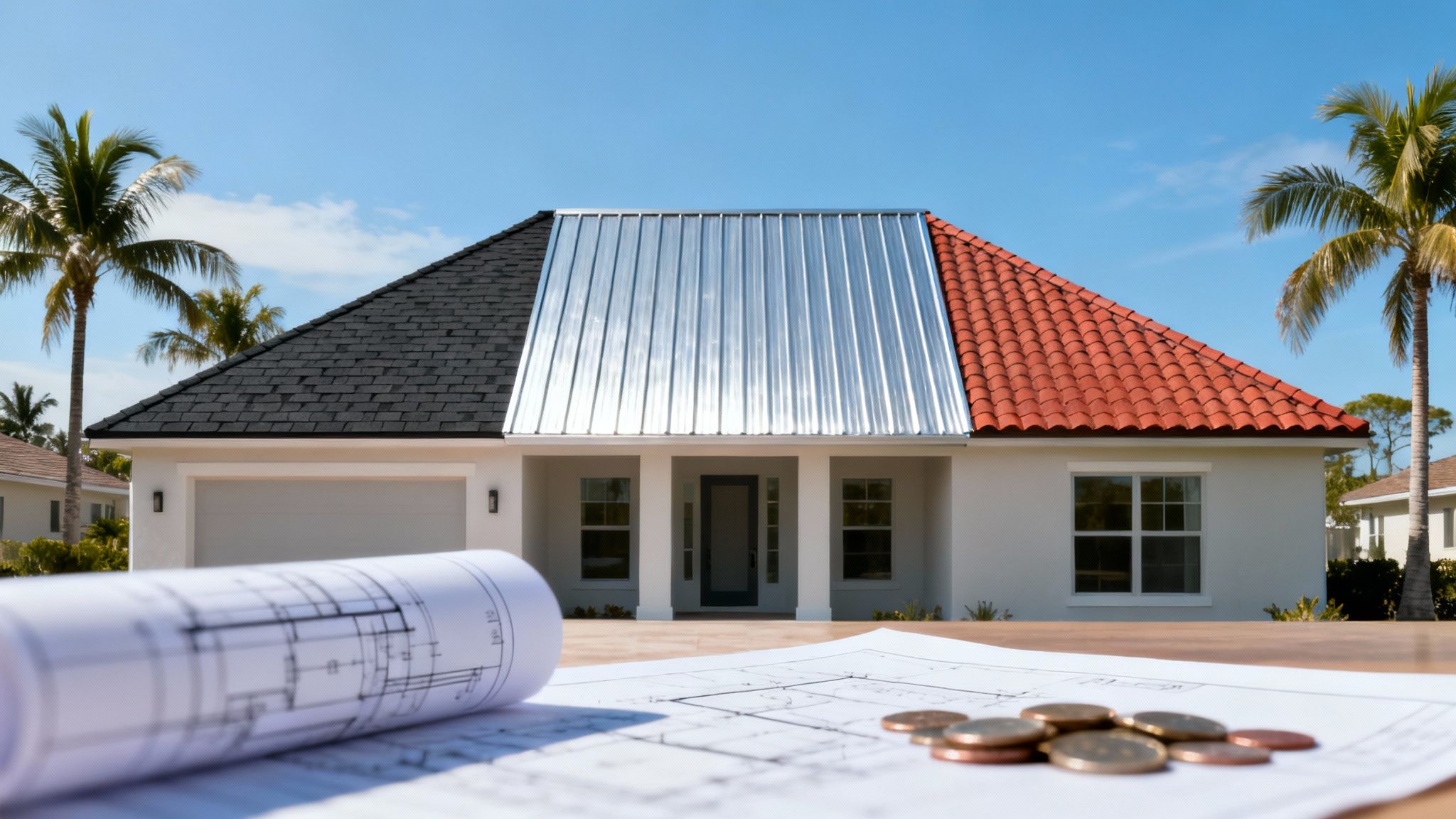
When you start looking into a new roof in Florida, you'll quickly see that the average roof replacement cost swings wildly, generally landing somewhere between $12,000 and $30,000 for a typical home. Of course, that’s just a ballpark.
Costs can dip as low as $8,000 for a simple job on a smaller home or rocket past $40,000 for larger houses with premium materials. The final number on your quote really boils down to three things: the materials you pick, the size of your roof, and where you live in the state.
Understanding the True Cost of a New Florida Roof
Getting a new roof in the Sunshine State is much more than just a home improvement project—it's a critical investment. You're buying protection against our relentless sun, torrential downpours, and the constant threat of hurricanes. That huge price range you see is a direct reflection of the unique challenges our climate throws at a home.
Think of it like buying a car. A basic sedan will get you from A to B, no problem. But if you need an all-terrain SUV built to handle rough conditions, you expect to pay more. It’s the same with your roof; a standard asphalt shingle roof just isn't in the same league as a hurricane-rated metal or tile system engineered to survive a Florida storm.
As of 2025, what really drives the average roof replacement cost in Florida are those core factors: roof size, material choice, and how complex the roof's design is. For instance, asphalt shingles are a popular and budget-friendly choice, but they have a much shorter lifespan here, often only 12 to 18 years, thanks to our climate. You can discover more insights about how these factors shape roofing costs to get a better handle on your own budget.
A Quick Look at Florida Roofing Costs
To give you a clearer idea of what to expect, let's break down the numbers for an average 2,000-square-foot home. This is the best way to set a realistic financial baseline before we dive into the nitty-gritty details. Remember, the material you choose is the single biggest factor that will move the needle on your estimate.
Here’s a snapshot of the most common roofing materials used in Florida and what you can generally expect to pay for them.
Florida Roof Replacement Cost at a Glance by Material
| Roofing Material | Average Cost Range (2,000 sq ft roof) | Typical Lifespan in Florida |
|---|---|---|
| Asphalt Shingles | $9,500 – $17,000 | 15–20 Years |
| Metal Roofing | $22,000 – $38,000 | 40–70 Years |
| Tile (Clay/Concrete) | $25,000 – $40,000+ | 50+ Years |
This table gives you a quick look at the financial landscape, helping you frame your budget right from the start. As you can see, the upfront cost is directly tied to how long the roof will last and how well it will perform—a critical trade-off every Florida homeowner has to consider.
How Roofing Materials Shape Your Total Cost
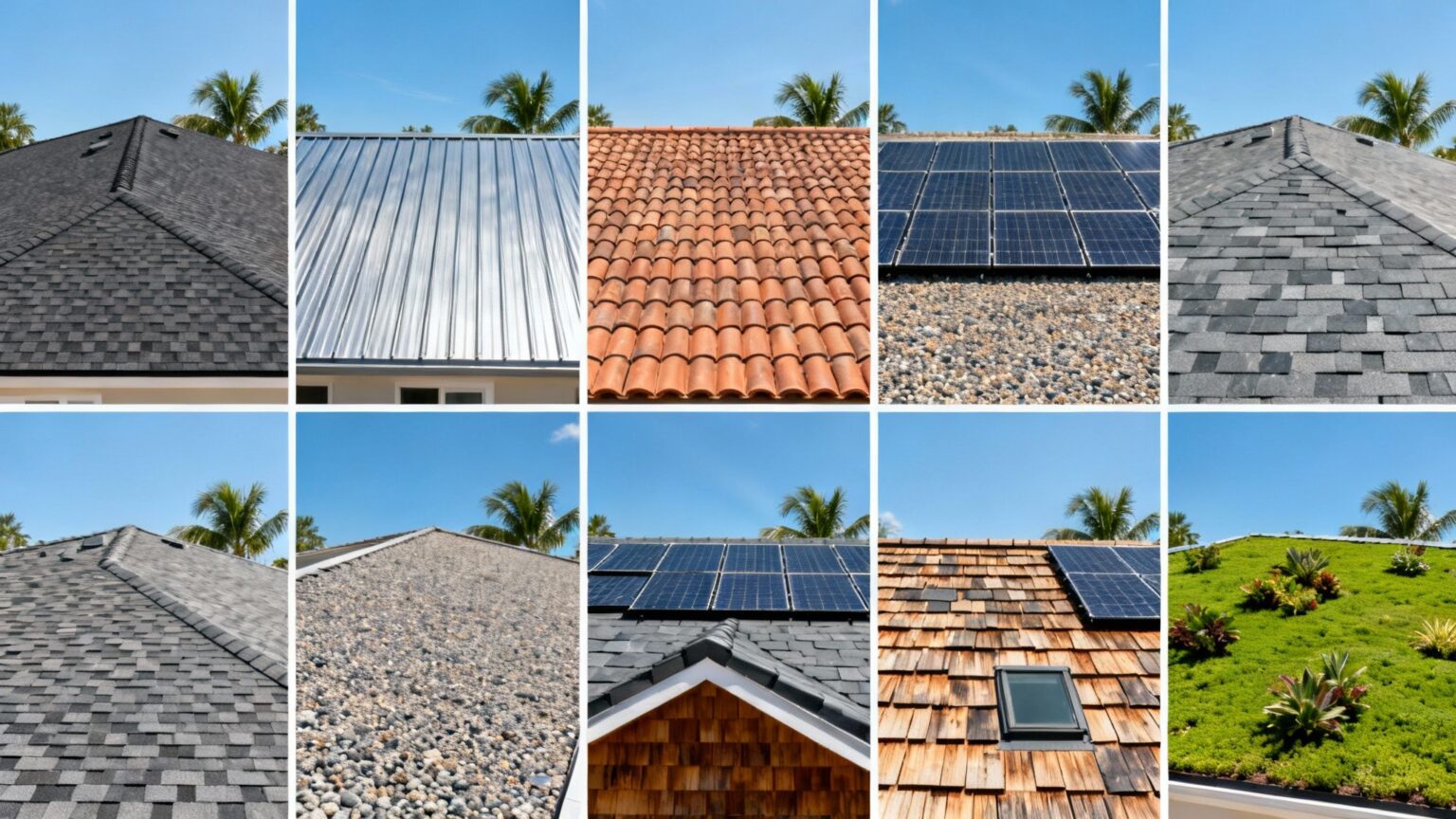
Picking a roofing material in Florida is a lot like choosing tires for your car. You wouldn't put skinny city tires on a truck you plan to take off-road, right? The same logic applies to your roof. The material you select is easily the single biggest factor that will influence the average roof replacement cost in Florida. It sets the stage not just for the initial price but for how well your home will stand up to decades of intense sun, salt, and storms.
Think of it as a balance between your upfront investment and long-term peace of mind. Asphalt shingles are the familiar, budget-friendly option, while metal and tile are a bigger commitment upfront but promise superior, lasting protection. This choice goes way beyond just how your house looks from the street; it's about picking the right shield for your home in one of the most demanding climates in the country.
This infographic breaks down the average costs by material for a typical Florida home, giving you a clear visual starting point.

As you can see, asphalt is the most accessible starting point. On the other hand, both metal and tile demand roughly double that initial investment, a number that reflects their incredible durability and much longer lifespan.
The Trade-Offs of Asphalt Shingles
Walk through any Florida neighborhood, and you’ll see asphalt shingles everywhere. There's a simple reason for that: they have the lowest upfront cost. This makes them a really tempting option for homeowners watching their budget closely or for those who might be planning to sell in the next few years. The installation is also quicker and less complicated, which helps keep the final bill down.
But that affordability comes with a major catch here in the Sunshine State. Florida’s relentless UV rays, high humidity, and powerful storms put asphalt shingles on the fast track to aging. A shingle roof that might last 25 years in a milder state often gives up the ghost in just 15-20 years here.
In Florida, the sun and rain don't just wear down your roof; they actively work against it. The lower initial cost of shingles can sometimes be offset by the need for an earlier replacement cycle compared to more durable materials.
The Long-Term Value of Metal Roofing
Metal roofing has absolutely exploded in popularity across Florida, and it’s easy to see why. While you'll definitely invest more at the start compared to shingles, a metal roof is engineered from the ground up for longevity and performance in our wild weather. They are incredibly resistant to high winds, making them a go-to choice in hurricane-prone coastal areas.
Beyond their toughness, metal roofs are also energy-efficiency champions. Their reflective surfaces can bounce the sun's radiant heat away from your house, which could lower your cooling costs by 10-25%. When you spread that out over a lifespan of 40 to 70 years, the energy savings—plus lower maintenance and potential insurance discounts—can make that higher initial cost look like a very smart long-term play.
The Timeless Durability of Tile Roofing
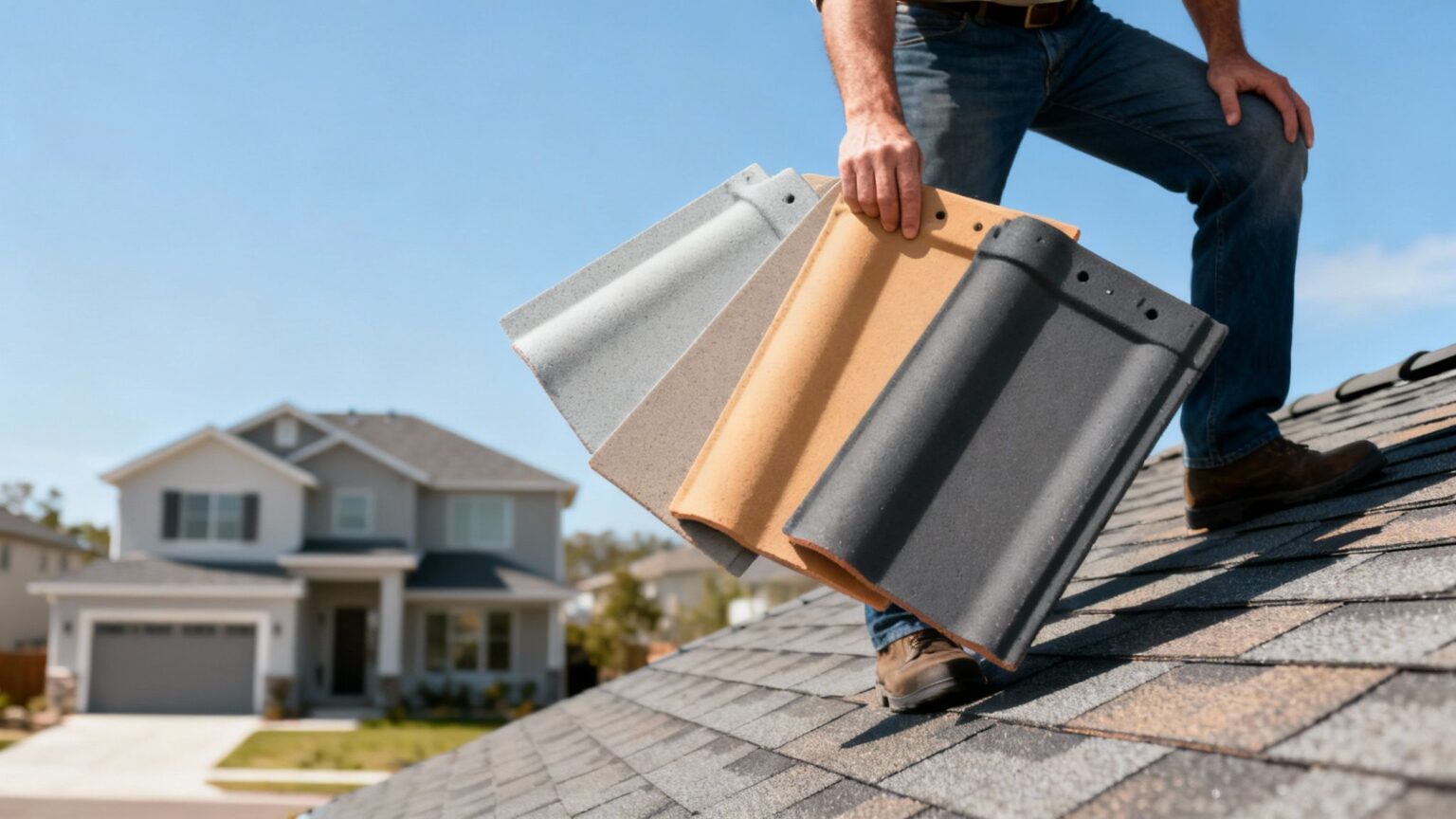
Tile, whether it's classic clay or modern concrete, is the quintessential look for Florida architecture. It’s known for its beauty, but its real strength is its exceptional durability. Tiles are practically immune to fire, rot, and insects. More importantly, they can withstand the sustained high winds of a major hurricane better than just about any other material out there, making them the premium pick for ultimate protection.
A tile roof comes with one of the highest price tags, driven by both the cost of the tiles themselves and the specialized labor needed to install them correctly. They’re also heavy, which means your home's structure has to be strong enough to support the weight; sometimes, that requires costly reinforcement. But with a lifespan that can easily top 50 years, a tile roof is often the last roof a homeowner will ever need to buy.
To give you a better sense of the numbers, a standard asphalt shingle roof is typically priced between $4.50 and $8.50 per square foot installed. For a 2,000-square-foot roof, you’re looking at a range of $9,000 to $17,000. In sharp contrast, a metal or tile roof on that same house could range anywhere from $15,000 to $40,000, buying you that superior, long-lasting performance for the higher price.
Uncovering the Hidden Factors in Your Roofing Quote
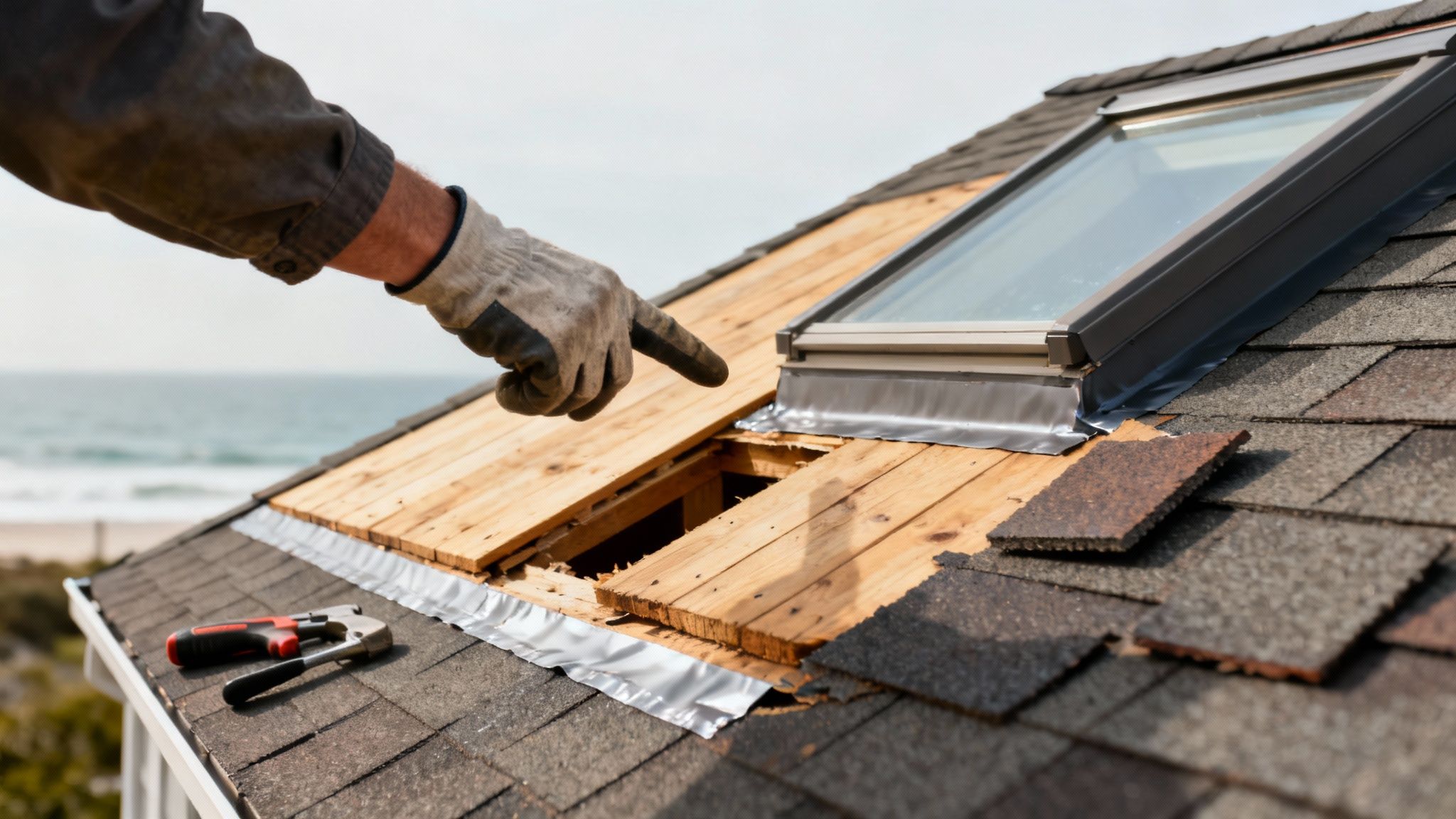
You just got two quotes for the exact same metal roof, but one is thousands of dollars higher than the other. What gives? While the roofing material itself gets all the attention, several behind-the-scenes factors have a massive impact on the average roof replacement cost in Florida.
These "hidden" variables are what separate a straightforward project from a major financial undertaking.
Learning to spot these details is like reading the fine print on any big purchase. It gives you the power to compare quotes apples-to-apples, ask the right questions, and feel confident you’re paying a fair price. Let’s pull back the curtain on what really drives the final number on your estimate.
Roof Size and Complexity
The most obvious cost driver is your roof's total square footage. More roof means more materials and more labor hours. Plain and simple. But size is only half the battle; complexity is its equally important twin.
A simple, straight gable roof on a one-story ranch home is way cheaper to replace than a multi-level roof peppered with dormers, valleys, skylights, and chimneys. Each of these features adds a ton of skilled labor to the job.
Why? Because every valley, dormer, and vent requires precise cuts, custom-fit metal flashing, and meticulous sealing to make it watertight. Think of it this way: roofing a flat, empty warehouse is one thing. Roofing a historic church with a steeple is a specialized craft. The extra time and skill needed for these architectural details are reflected in the labor costs, which typically make up 40% to 60% of your total bill.
Pitch: The Steepness of Your Roof
The slope, or pitch, of your roof is another game-changer. A roof with a gentle slope that’s easy to walk on is far less risky and time-consuming for a crew. But as that roof gets steeper, the job becomes more dangerous and demanding.
A steep pitch requires specialized safety equipment, like harnesses and roof jacks, and slows down the entire installation process. This increased risk and complexity directly translate to higher labor costs in your quote.
Crews have to move slower and more deliberately on a steep roof, which means the job takes longer. It’s not just about following safety rules; it’s about the sheer difficulty of hauling materials and tools up and down a sharp incline. What might take one day on a low-pitch roof could easily take two on a steep one, effectively doubling the labor for that part of the project.
Underneath It All: The Condition of Your Decking
Once the old shingles or tiles are torn off, the wooden skeleton of your roof—the decking—is exposed. In a perfect world, this plywood foundation is solid, dry, and ready for a new roof. But here in Florida's humid climate, it's pretty common to find sections of rotted, soft, or water-damaged wood.
This is a non-negotiable repair. You simply can't put a brand-new roof on a weak foundation.
Replacing bad decking adds a cost that often can't be quoted with 100% accuracy until the old roof is gone. Any reputable contractor will include a per-sheet price for replacing plywood in their contract, so there are no surprises if they find problems.
Additional Cost Factors to Consider
Beyond the roof's structure, a few other line items will pop up on your estimate. Knowing what they are ahead of time helps you avoid sticker shock.
- Tear-Off and Disposal: Getting rid of your old roof isn't free. This costs anywhere from $500 to $1,500, depending on how heavy and difficult your old roofing material is. Heavy materials like concrete tile will be on the higher end.
- Permit Fees: Every legitimate roof replacement in Florida needs a permit from your local municipality. These fees, usually $150 to $400, cover the application and the inspections required to make sure the work is up to code.
- Hurricane Code Upgrades: Florida building codes are some of the toughest in the country, especially near the coast. Your new roof might need specific hurricane straps, reinforced nailing patterns, or a secondary water barrier to comply. These mandatory upgrades can add $1,000 to $3,500 to the project, but they are absolutely essential for your safety and for your insurance.
Finally, remember your insurance policy plays a huge role. It's vital to get a handle on terms like understanding replacement cost coverage so you know what your out-of-pocket expenses will really be, especially after a storm.
Why Your Florida Location Matters for Pricing
When you start adding up the average roof replacement cost in Florida, it’s natural to focus on the big-ticket items like materials and the size of your roof. But one of the biggest price drivers is something you have zero control over: your zip code. A new roof on a home in bustling Miami will almost always carry a different price tag than the exact same job in a quieter town like Ocala.
Understanding why is the key to setting a realistic budget. Think of it like real estate or even a cup of coffee—prices are shaped by local economics. Major metro areas like South Florida or the Tampa Bay region simply have a higher cost of living. That means local roofing contractors are paying more for everything from warehouse rent to the competitive wages needed to keep skilled crews on staff. Those higher operating costs naturally find their way into your quote.
Labor Costs and Market Demand
The single biggest factor that changes from one region to another is the cost of labor. A roofing company in an urban center like Boca Raton has to charge more because the going rate for experienced, licensed roofers is higher than in the state's more rural areas.
This isn’t just about a company’s overhead; it’s classic supply and demand. In densely populated areas, the demand for qualified and insured roofing crews is intense, which drives up labor costs for everyone. These local differences in wages and regulations have a direct, noticeable impact on your final project price.
A contractor's travel distance can also nudge the price up. If your home is in a remote location, a company might add a small surcharge to cover fuel and the extra time their crew spends on the road each day.
Hurricane Codes and Coastal Proximity
Another huge geographic factor is how close your home is to the coast. Florida has some of the toughest building codes in the country, specifically written to protect homes from hurricane-force winds. These rules get even more intense in High-Velocity Hurricane Zones (HVHZs), which include coastal counties like Broward and Miami-Dade.
So, what does that mean for your wallet? A roof replacement in a coastal HVHZ requires stronger materials and very specific installation methods that go far beyond standard practice.
- Upgraded Underlayment: Coastal codes often demand a "sealed roof deck" or a secondary water barrier, which adds another layer of material and labor.
- Reinforced Fastening: Your roof might need more nails per shingle, special corrosion-resistant fasteners, or hurricane straps to anchor the roof deck to your home’s walls.
- Impact-Rated Materials: In some zones, the code may require materials that have been tested to resist impacts from flying debris.
These mandatory safety upgrades can easily add $1,000 to $3,500 to your project compared to an identical home inland. While it adds to the upfront cost, this investment is crucial for protecting your property and can often lead to significant discounts on your homeowner's insurance. You can see a great visual of these protective layers in our guide to the common roofing components involved in a modern installation.
Budgeting and Financing Your New Roof

Seeing the numbers that come with the average roof replacement cost in Florida can be a bit of a shock. But don't let it overwhelm you. With a solid financial plan, what looks like a major expense can become a manageable, smart investment in your home.
The trick is to approach it strategically, from getting solid quotes to figuring out the payment options that work for you. Think of it as creating a financial roadmap for the project—a clear plan gets rid of the stress so you can focus on what matters: choosing the best roof to protect your home.
Getting Accurate and Comparable Quotes
The foundation of any good budget is good information. That’s why you absolutely must get at least three detailed quotes from reputable, licensed, and insured roofing contractors. A vague, one-page estimate is a huge red flag. A professional quote will be a comprehensive document breaking down every single part of the job.
When you have the estimates in hand, make sure you're comparing apples to apples. A proper quote should clearly itemize everything.
- Materials: It should list the specific type and brand of shingles, metal, or tile being used.
- Labor: This needs to cover everything from the tear-off of the old roof to the final cleanup.
- Decking: A per-sheet cost for replacing any rotted plywood is a must-have. You never know what's underneath.
- Permits and Fees: All the necessary city or county permits and disposal fees should be listed out.
- Warranties: You need to see both the manufacturer's warranty for the materials and the contractor’s own warranty on their workmanship.
It's also smart to remember what goes into a contractor's quote, including things like understanding contractor liability insurance. A fully insured contractor might have a slightly higher quote, but that insurance is what gives you crucial protection and peace of mind.
Exploring Your Financing Options
Let's be real: few homeowners pay for a whole new roof out of pocket. Thankfully, there are several common ways to finance the project and make the cost much more manageable. Each path has its pros and cons, so it's all about finding what fits your financial picture.
A Home Equity Line of Credit (HELOC) is a very popular choice. It lets you borrow against your home's equity and usually has a variable interest rate. If you prefer a more predictable payment, a home equity loan gives you a lump sum with a fixed interest rate.
Don’t overlook financing offered directly by roofing companies. Many contractors partner with lenders to provide convenient, low-interest or even 0% financing plans for the first 12-24 months, simplifying the process significantly.
Personal loans are another solid option, especially if you have good credit. They are unsecured, meaning you don't have to use your home as collateral.
The Role of Homeowners Insurance
In Florida, homeowners insurance is a massive piece of the puzzle, particularly after a storm barrels through. Your policy will generally cover a roof replacement if the damage was caused by a covered event—think hurricanes, hail, or a tree falling on your house. What it will not cover is a replacement that's needed simply because the roof is old or hasn't been maintained.
If you think a storm damaged your roof, the first step is always a professional inspection. A qualified roofer can document all the damage with detailed photos and reports, which are vital for a successful insurance claim. This kind of documentation, like what you'd see in this sample roof damage report, gives your insurance company the hard proof they need to process your claim.
Common Questions About Florida Roofing Costs
As you get closer to a final decision on your new roof, it's completely normal for a few last-minute questions to come to mind. While getting a handle on the average roof replacement cost in Florida is a huge first step, the practical side of things—like timing, insurance, and available aid—is just as critical.
Think of this final section as your quick-reference guide. We've compiled the most common questions we hear from Florida homeowners to give you direct, no-nonsense answers. Our goal is to clear up any lingering uncertainties so you can move forward with total confidence.
How Often Should You Replace a Roof in Florida?
The lifespan of any roof in the Sunshine State is a constant fight against some of the most intense weather in the country. How often you'll face a replacement comes down almost entirely to the material you choose.
For the wildly popular asphalt shingle roofs, the clock ticks a lot faster here. Thanks to the relentless UV rays and seasonal storm threats, you should realistically plan to replace an asphalt roof every 15 to 20 years.
On the flip side, tougher materials buy you a lot more time. A well-installed metal or tile roof is a true long-term investment, easily lasting 40 to 70 years—sometimes even longer with proper care. That higher upfront cost is really an investment in decades of extra, worry-free protection.
No matter what your roof is made of, regular professional inspections are non-negotiable in Florida. This is especially true after a major hurricane or tropical storm rolls through. An expert eye can catch small problems before they spiral into catastrophic failures, helping you know for sure if an earlier replacement is needed.
Can I Get a Grant for a New Roof in Florida?
Yes, financial help is often out there for homeowners looking to make their properties more storm-resistant. One of the biggest resources is the My Safe Florida Home program, which was specifically created to help residents harden their homes against hurricanes.
This program offers matching grants to eligible homeowners for certain upgrades, and many of them are directly related to the roof.
- Reinforcing Roof-to-Wall Connections: This is a big one. It involves installing hurricane straps or clips to securely anchor your roof structure to the walls of your house, preventing it from lifting off in high winds.
- Installing a Sealed Roof Deck: Think of this as a secondary water barrier. It's a layer that helps stop water from pouring into your home even if your shingles or tiles get blown off.
These grants are meant to offset a portion of the cost for these critical improvements. It's crucial to check the official program website for the most current eligibility rules, application deadlines, and funding status. The program is incredibly popular, so resources can be limited.
Does Homeowners Insurance Cover Roof Replacement in Florida?
This is the million-dollar question for every Florida homeowner. The short answer is yes, but only under very specific conditions. Homeowners insurance is there to protect you from sudden, accidental events—what your policy calls "perils."
Your insurance will generally cover a roof replacement if the damage was caused by a covered event, such as:
- A hurricane or tropical storm
- A hail storm
- A fire
- A fallen tree
What it will not cover is a replacement needed because of old age, normal wear and tear, or neglect. If your 25-year-old shingle roof has simply lived its life, a claim for a new one will almost certainly be denied.
How much your insurer pays also depends on the fine print in your policy. Key factors are your deductible and whether you have Replacement Cost Value (RCV), which pays for a brand-new roof, or Actual Cash Value (ACV), which only pays the depreciated value of your old one. After any storm, make sure to document everything with photos and call your insurance agent right away to get the claims process started.
What Are the Signs That My Florida Roof Needs to Be Replaced?
Your roof is pretty good about giving you hints when it's getting tired. Learning to spot these warning signs early can help you plan for a replacement before a minor issue becomes a major leak inside your home.
Keep an eye out for these tell-tale signs:
- Widespread Shingle Problems: From the ground, look for shingles that are cracked, curling up at the edges, or have big "bald" spots where the protective granules have worn off.
- Granules in Your Gutters: When you clean your gutters, do you see a lot of what looks like coarse black sand? Those are the granules from your shingles. A pile of them means your shingles are getting weak and losing their UV protection.
- Leaks and Water Stains: This one is obvious but critical. Any water stain on your ceiling or walls is an emergency. By the time you see the stain, the leak has likely been active for some time.
- Sagging or Drooping: If you notice any part of your roofline looking wavy or sagging, it's a serious structural red flag. It often points to trapped moisture and rotting wood underneath and needs immediate professional attention.
If your asphalt shingle roof is over 15 years old and you're seeing a few of these signs, it's definitely time to start budgeting for a replacement and get a professional roofer on the phone for a full inspection.
Tackling a roof replacement can feel like a huge project, but arming yourself with the right information and choosing a partner you trust can make all the difference. If you have more questions or you're ready to get a detailed, no-pressure estimate for your home, the team at Paletz Roofing and Inspections is here to help. Contact us today to schedule your free inspection and take the first step toward a safer, more secure roof. Learn more at https://paletzroofing.com.