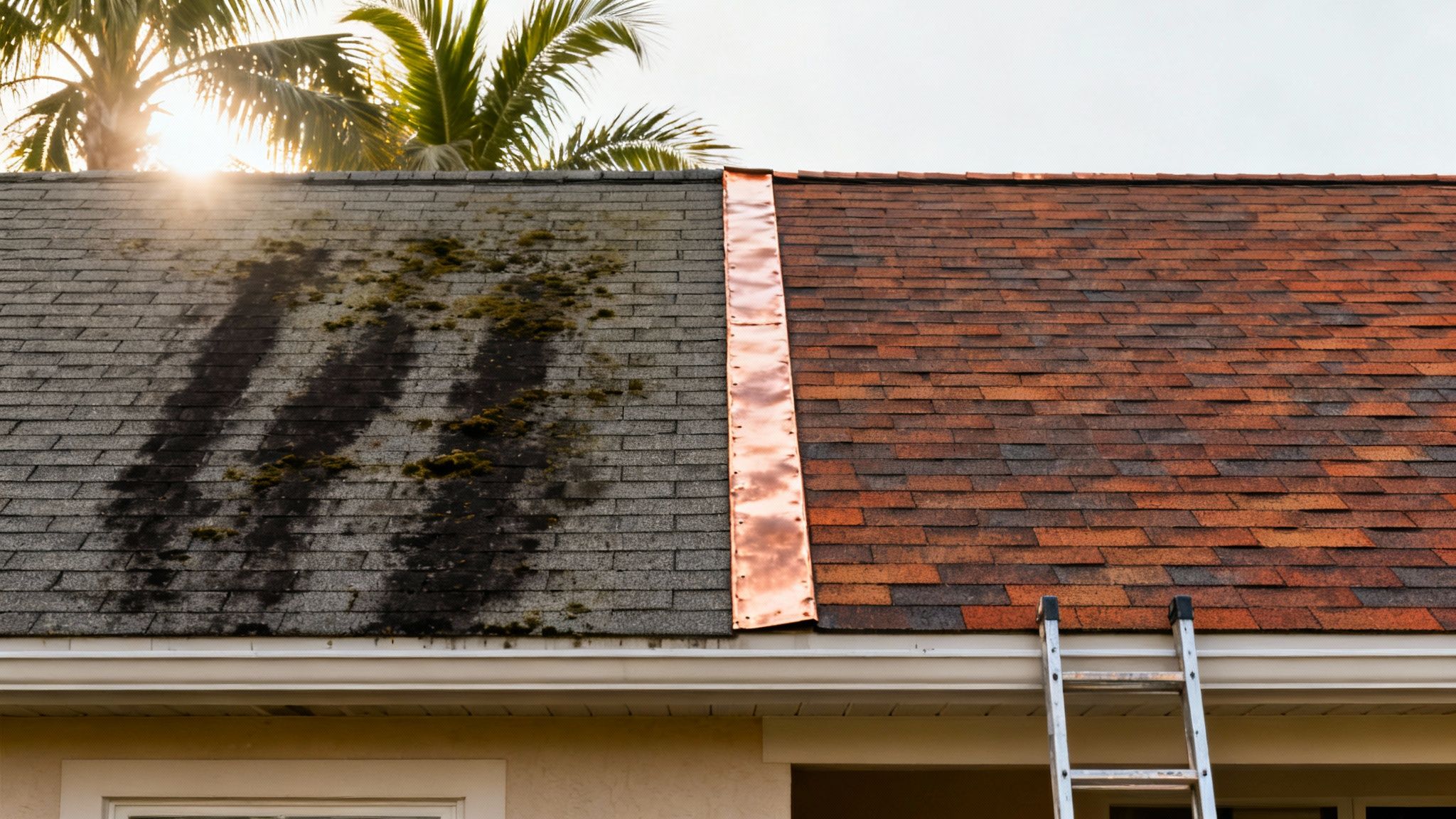
If you've noticed ugly dark streaks staining your roof, your first thought was probably "mold." It's a common assumption, but in most cases, what you're seeing is actually a type of algae known as Gloeocapsa magma. This organism absolutely loves the humid South Florida climate and feeds on the limestone filler used in asphalt shingles.
What Are Those Dark Streaks on Your Roof
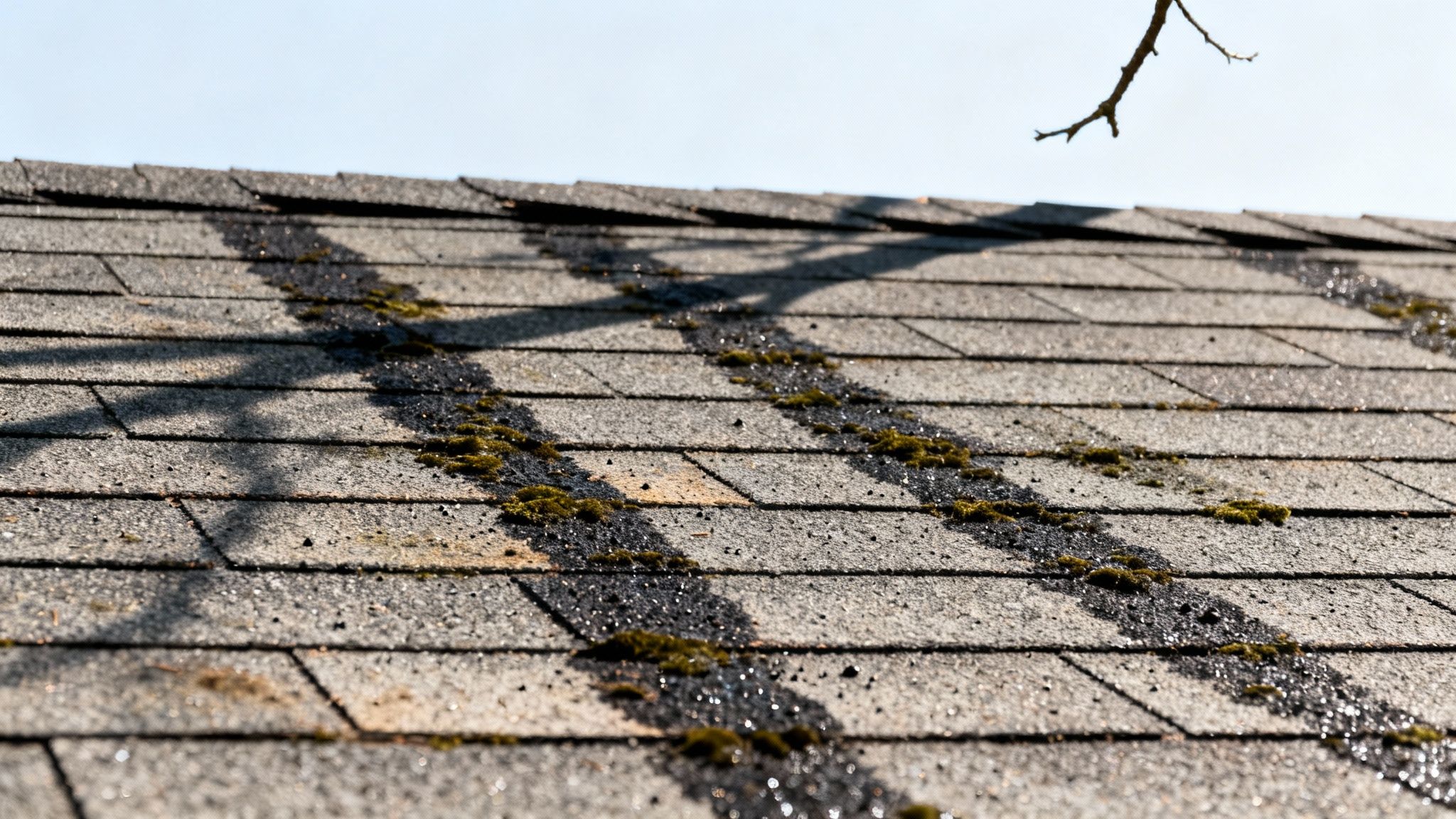
Those black or dark green stains spreading across your shingles are an all-too-familiar sight here in South Florida. The combination of intense heat and constant moisture creates a perfect breeding ground for organic growth. While it might just look like accumulated dirt, it’s a living ecosystem making a meal out of your roof.
The main offender is usually Gloeocapsa magma, a blue-green algae that develops a dark, hardened outer shell to shield itself from UV rays. That protective layer is what creates those distinct black streaks. But the problem rarely stops with just algae. This growth traps moisture against the shingles and creates a food source, inviting more destructive organisms to the party.
Distinguishing Algae from Mold and Mildew
While algae is the most visible culprit, actual mold growing on your shingles poses a much more serious threat. Mold often looks fuzzy or even slimy and can appear black, green, or white. Algae primarily causes cosmetic damage and some gradual granule loss, but mold actively decomposes the materials that make up your roof.
Making this distinction is critical. Mold can seriously weaken the structural integrity of your shingles, which eventually leads to leaks and bigger, more expensive damage. Take a look at our gallery of recently completed roofing projects to get a better idea of what a clean, healthy roof is supposed to look like.
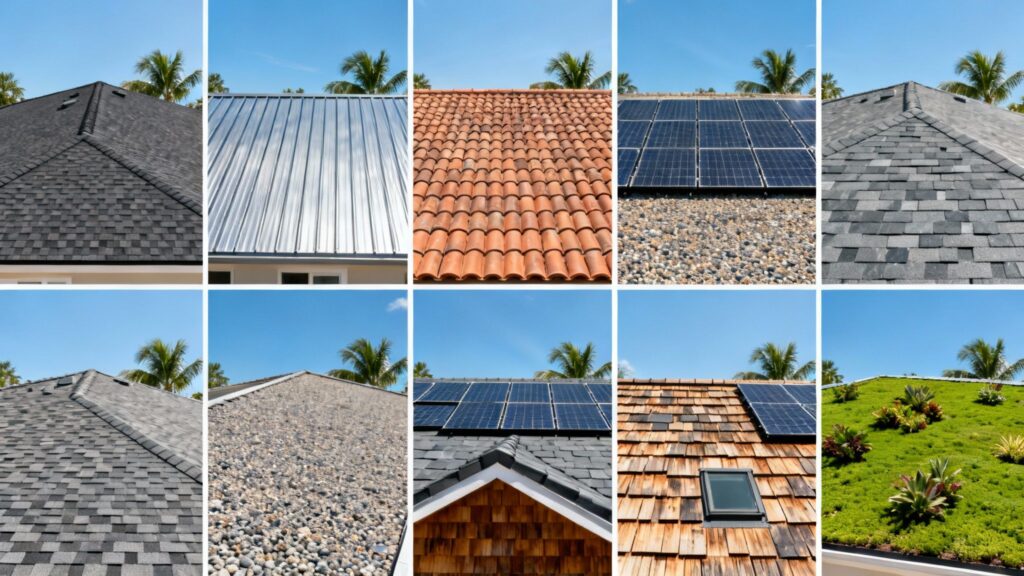
It's easy to get these different types of growth confused. This quick table should help you spot the difference and understand what you might be dealing with.
Identifying Common Roof Growth and Risks
| Growth Type | Visual Cues | Potential Impact |
|---|---|---|
| Algae (Gloeocapsa magma) | Flat, dark black or green streaks, almost like stains. | Primarily cosmetic, but can lead to shingle granule loss over time and create an environment for mold. |
| Mold | Fuzzy, slimy, or patchy appearance; can be black, green, or white. | Decomposes roofing materials, weakens shingle integrity, can lead to leaks and structural damage. |
| Moss | Green, thick, and carpet-like growth, often in shaded areas. | Lifts shingle edges, traps significant moisture, and can cause rot on the roof deck. |
| Lichen | Flat, leafy, or branching growth in various colors (white, yellow, green). | Has root-like structures that penetrate and dislodge shingle granules, causing accelerated aging. |
Recognizing what's on your roof is the first step. While algae might just be an eyesore, the presence of mold, moss, or lichen means it's time to take action before minor issues become major headaches.
Why This Growth Is More Than a Cosmetic Problem
Ignoring these stains does more than just drag down your home's curb appeal. The buildup of algae, mold, and moss essentially acts like a sponge, holding moisture against your shingles long after the rain has passed. This constant state of dampness is what really starts to accelerate the breakdown of your roof's protective layers.
When this growth is left to its own devices, a few things start to happen:
- Accelerated Granule Loss: Those tiny granules on your asphalt shingles are the first line of defense, reflecting UV rays and protecting the asphalt underneath. Algae and mold have a nasty habit of dislodging these granules, leaving your roof exposed and vulnerable.
- Reduced Roof Lifespan: By trapping all that moisture and slowly breaking down the roofing materials, this organic growth can shave years off the effective life of your roof. That means you could be facing a premature—and very expensive—replacement.
- Increased Energy Bills: Roofs covered in dark streaks absorb a lot more heat from the sun. This heat gets transferred to your attic, forcing your air conditioning system to work overtime just to keep your home cool. The result? Higher energy bills, month after month.
Deciding Between DIY and Professional Roof Cleaning
Before you even think about grabbing a ladder, the first and most critical step is to assess the situation from the safest spot possible: the ground. Knowing what you're up against is everything when it comes to tackling roof mold, and making the wrong call between DIY and hiring a pro can be a costly—or dangerous—mistake.
Your mission here is to figure out just how bad the growth is and what kind of physical challenges your roof presents. A good pair of binoculars is your best friend for this part. Take a slow walk around your property and get a good look at all sides of the roof, giving extra attention to those shady spots where algae and mold love to set up shop.
What to Look For from the Ground
As you scan the shingles, keep an eye out for some specific red flags that tell you the severity of the problem. Widespread, dark staining that covers more than a third of any single roof plane is a sign of a well-established colony that’s going to put up a serious fight.
You'll also want to spot any thick, green patches of moss or lichen. These growths are a whole different beast compared to simple algae streaks. They're much more stubborn and can actually get underneath the shingles and start lifting them up.
Most importantly, look at the condition of the shingles themselves. Do you see any curling edges, cracked surfaces, or bald spots where the protective granules have worn away? Any of this pre-existing damage is a huge warning sign. Fragile, compromised shingles can be easily destroyed by walking on them or scrubbing too hard, meaning a DIY cleaning could do far more harm than good.
Key Takeaway: If you spot significant shingle damage—like curling or cracking—along with widespread biological growth, the risk of causing even more problems is extremely high. This combination usually means you need a professional assessment, not just for cleaning but for potential repairs, too.
Making the Right Call
Once you have a clear picture of the situation, it’s time for an honest conversation with yourself about the practical and safety factors involved. This decision should be based on a lot more than just trying to save a few bucks.
Think through these critical points before you commit to the DIY route:
- Roof Pitch and Height: A steep roof or a two-story home dramatically increases the risk of a fall. It's just not worth it. Professionals have the specialized safety harnesses, ropes, and training to navigate these challenges safely.
- Your Comfort Level: Have you ever spent hours working on a ladder? If you have even the slightest hesitation about heights or your ability to handle the equipment, hiring a pro is the only smart move.
- The Scope of the Problem: A few isolated streaks on a low-slope, single-story ranch house might be a manageable DIY project. But a roof with extensive, stubborn growth is going to demand a lot of time, serious effort, and powerful cleaning agents, tilting the odds heavily in favor of calling in a professional.
Safely Cleaning Mold on Shingles Yourself
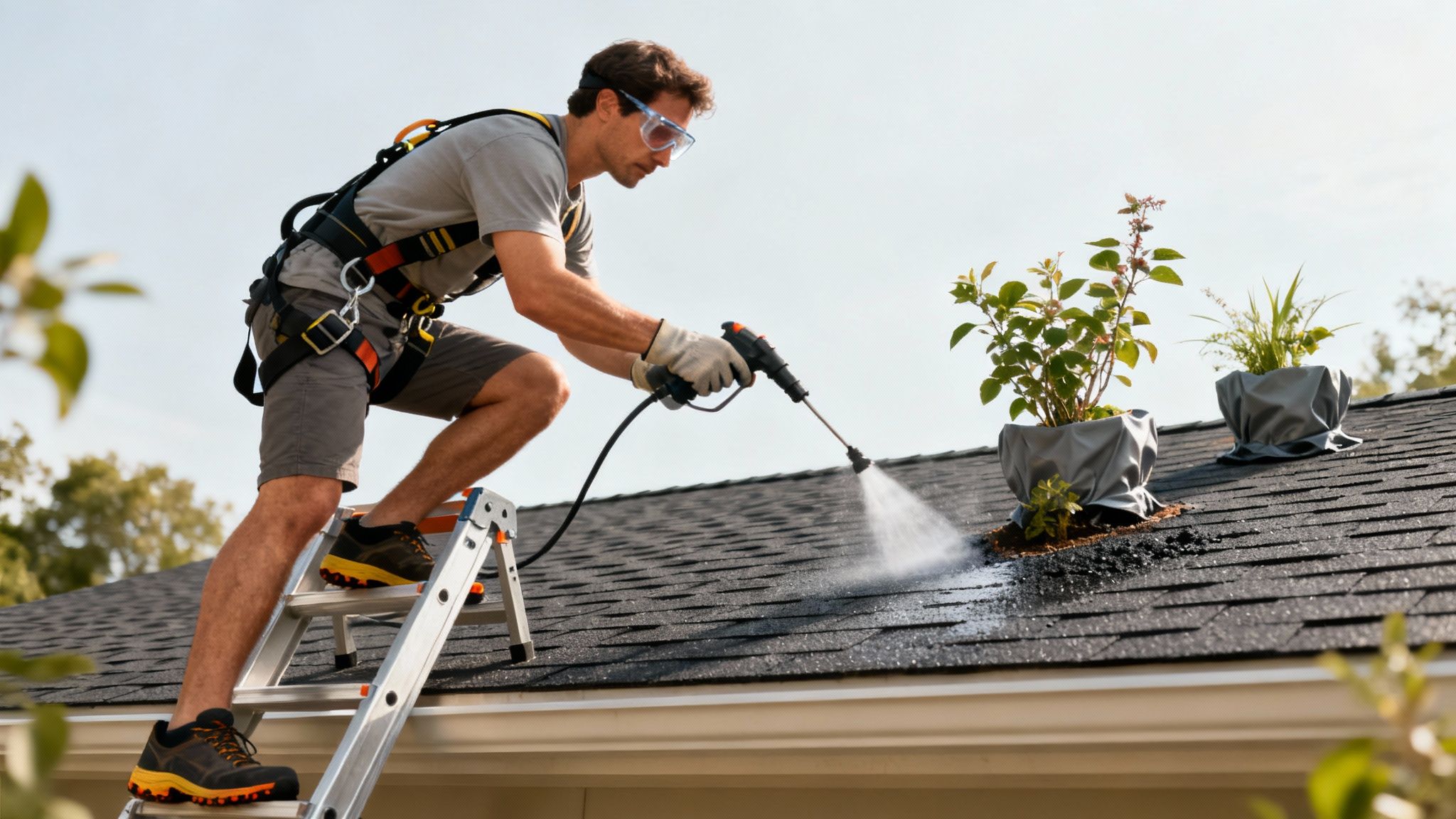
So, you've taken a good look at your roof and feel like this is a job you can tackle yourself. Great! A DIY approach can work wonders on moldy shingles, but I can't stress this enough: safety has to be your number one priority. Working on a roof is no joke, and going in prepared with the right gear and a cautious mindset is non-negotiable.
Before you even think about mixing up a cleaning solution, let's talk about your safety setup. This is the single most important part, and it's where you absolutely cannot cut corners.
- Safety Harness: This is your lifeline. If you're going up on the roof, you need one. End of story.
- Non-Slip Footwear: Roofs get slick, especially when wet. You need boots or shoes with a serious grip—think rubber-soled work boots.
- Safety Goggles and Gloves: It's just common sense. You don't want cleaning solution splashing in your eyes or on your skin.
Expert Tip: Never, ever work alone. Always have a spotter on the ground. They can hold your ladder, hand you supplies, and most importantly, be there if something goes wrong.
Gathering the Right Tools and Solutions
With your safety gear sorted, it's time to get your cleaning supplies ready. Now, listen closely: resist the urge to grab a pressure washer. It might seem like a quick fix, but that high-pressure blast will strip the protective granules right off your asphalt shingles. That causes permanent damage and will seriously shorten the life of your roof.
Instead, you want a gentle, low-pressure approach. A simple garden sprayer is perfect for this. The idea is to let the cleaning solution do the heavy lifting, not brute force.
This infographic breaks down the decision-making process for cleaning your roof.
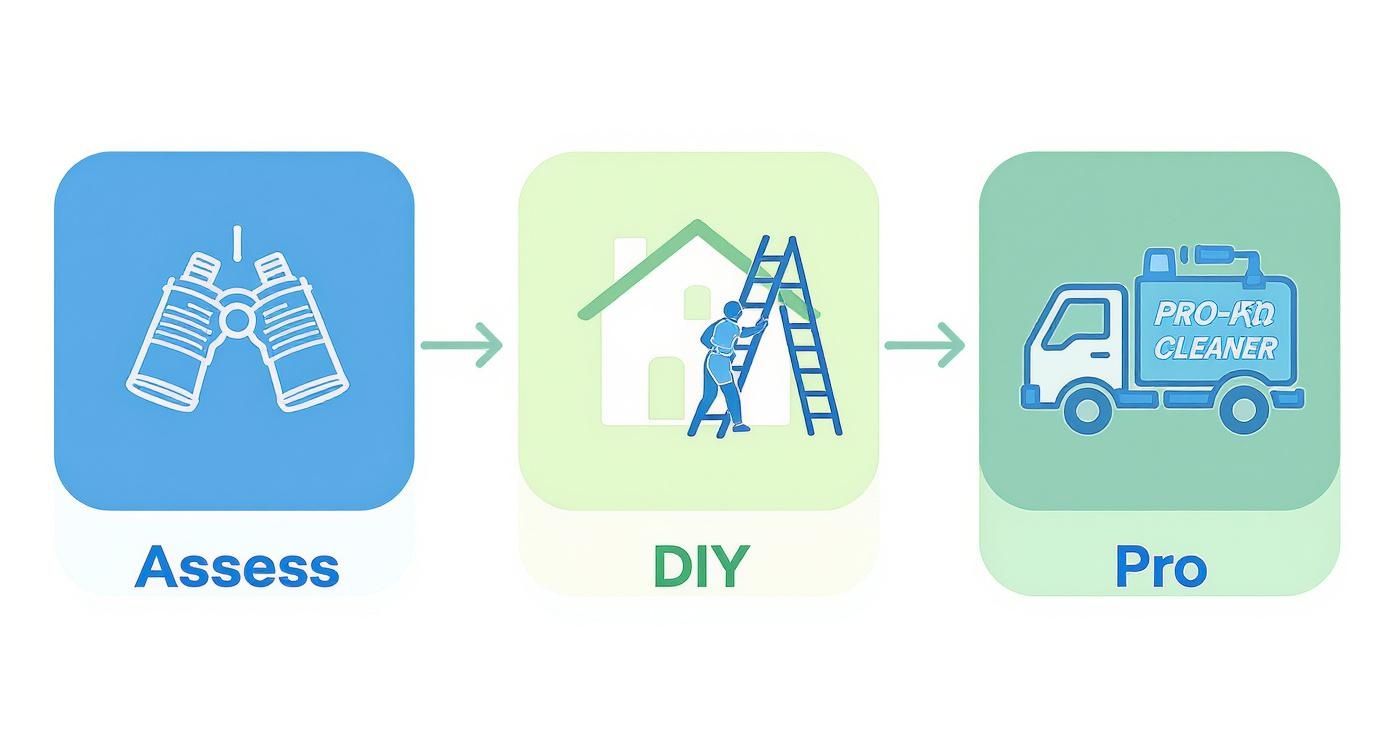
As you can see, a careful assessment is the first step. It guides you toward the smartest and safest cleaning method for your particular roof.
For the cleaning agent, you can mix a potent solution with stuff you might already have. Oxygen bleach (sodium percarbonate) is my go-to recommendation. It's much kinder to your shingles and the plants below than chlorine bleach.
A Proven Roof-Safe Cleaning Recipe
- 1 gallon of warm water
- 1 cup of oxygen bleach powder
- ¼ cup of a gentle, biodegradable soap (like basic dish soap), which helps the solution cling to the shingles.
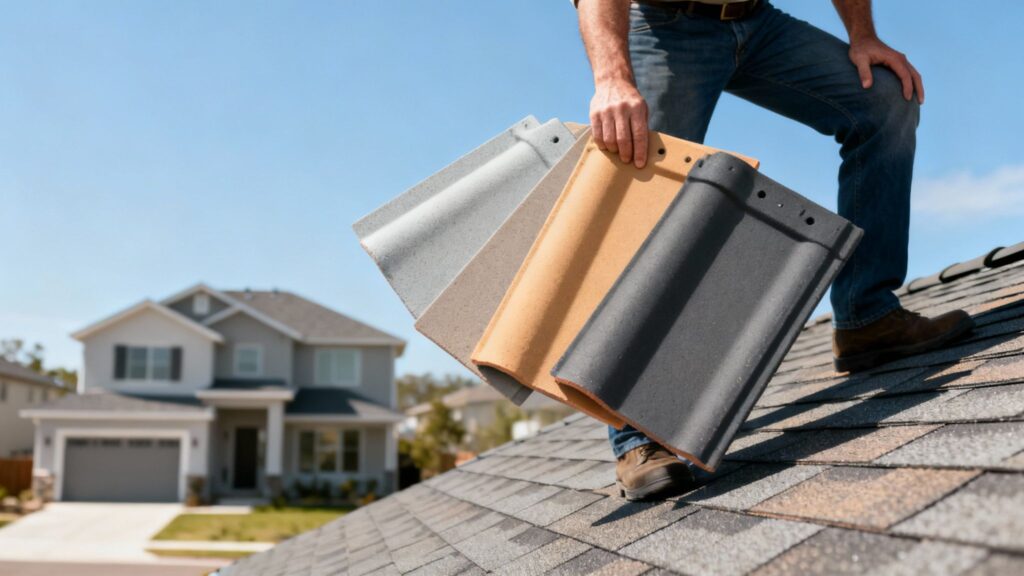
Mix everything in a bucket until the powder dissolves completely, then carefully transfer it to your garden sprayer. This mix is strong enough to kill the mold and algae without being harsh on your roof. If you're dealing with really tough stains, it might be time to call in the pros, who can achieve results like these examples of professionally cleaned roofs.
Applying the Solution and Rinsing Correctly
Okay, you're geared up and your solution is mixed. Before you spray anything on the roof, grab your garden hose and give the plants, bushes, and grass around your house a good soaking. This creates a protective barrier so the cleaning solution runoff doesn't harm your landscaping.
Now, from a securely placed ladder—and it's always best to work from the ladder if you can avoid getting on the roof—start spraying. Tackle the roof in small, manageable sections. Always apply the cleaner from the bottom up to avoid creating streaks.
Let the solution sit and work its magic for about 15-20 minutes. You'll actually see the dark stains start to fade as the oxygen bleach does its job.
Finally, rinse everything off with your garden hose, this time working from the top down. Use a gentle stream, not a high-pressure nozzle. You're just washing away the dead mold and leftover cleaner. Don't be discouraged if it doesn't look perfect immediately—it can take a few weeks and a good rain or two for the last of the dead algae to wash away completely, revealing a clean roof.
When To Call In a Professional Roof Cleaner
Going the DIY route can work for a bit of light staining, but some situations with mold on shingles are just not worth the risk. Knowing when to pick up the phone and call a pro is one of the smartest decisions a homeowner can make for their safety and the health of their roof.
If you’re looking at a multi-story home or a roof with any kind of steep pitch, hiring a professional is really the only safe bet. The risk of a fall skyrockets with height and incline. It’s that simple. Pros show up with the right gear—safety harnesses, ropes, and the training to navigate those environments without a second thought.
The Soft Wash Advantage
When you hire a reputable company, you're getting more than just a person on a ladder. You're paying for their specialized equipment and, more importantly, their experience. The industry standard for cleaning roofs safely is a technique called soft washing. It's a world away from blasting your roof with a pressure washer, which can tear off the protective granules that give your shingles life.
Soft washing uses low pressure, about the same as a regular garden hose. The real work is done by professional-grade, eco-friendly biocides that are specifically formulated to kill mold, algae, and lichen right down to the root. This delivers a much deeper, longer-lasting clean than anything you can mix up at home.
The economic and environmental impact of roof mold is substantial. Beyond the immediate health risks, mold can significantly reduce the lifespan of roofing materials, leading to increased maintenance costs over time. Additionally, the presence of mold on a roof can deter potential buyers, reducing a property's market value.
How to Vet Your Roof Cleaning Service
Before you let anyone touch your roof, you need to ask a few critical questions. This ensures you're hiring someone who knows what they're doing and won't cause more harm than good. The process isn't that different from hiring any other trusted contractor, and this guidance on selecting a professional roof cleaning service has some great parallel advice that applies here, too.
Make sure you ask any potential company these questions:
- What’s your cleaning process? The answer you want to hear is "low-pressure soft wash." If they even mention "pressure washing" or "power washing" for shingles, it's a huge red flag. Thank them for their time and move on.
- What cleaning solutions do you use? A good contractor will be totally transparent about their biocides. They should also be able to explain exactly how they plan to protect your plants, lawn, and landscaping from any runoff.
- Are you fully licensed and insured? This is a deal-breaker. Ask to see proof of both general liability insurance and workers' compensation. This protects you completely from any liability if an accident happens on your property.
Taking a few extra minutes to properly vet a company is the best way to ensure your mold on shingles problem is handled correctly, protecting your home and restoring its curb appeal without any drama.
Long-Term Strategies to Prevent Roof Mold
Scrubbing mold off your shingles is just a temporary fix. If you really want to win the war against those ugly black streaks, you have to think proactively. The real secret is creating a roof environment where mold and algae can't even get started.
It all begins in your yard. The organisms that stain your roof absolutely love damp, shady spots. By making a few smart changes to your landscaping, you can completely change the game and keep those shingles looking clean for the long haul.
Manage Your Landscape to Maximize Sunlight
Overhanging tree branches are public enemy number one for a clean roof. They throw shade that keeps shingles damp for hours after a rainstorm and drop leaves that trap moisture like a sponge. Trimming them back is your first and best line of defense.
You’ll want to create a buffer of at least six to ten feet between any tree limbs and your roof. This simple haircut for your trees accomplishes two major things:
- More Sunlight: Direct sun is the best natural disinfectant you could ask for. It dries your shingles out fast and the UV rays stop algae and mold growth in its tracks.
- Better Airflow: Getting more air moving across the roof helps moisture evaporate much quicker, essentially starving the mold of the damp conditions it needs to survive.
Once you manage the foliage around your home, it's easy to see how a tidy yard leads directly to a healthier, cleaner-looking roof.
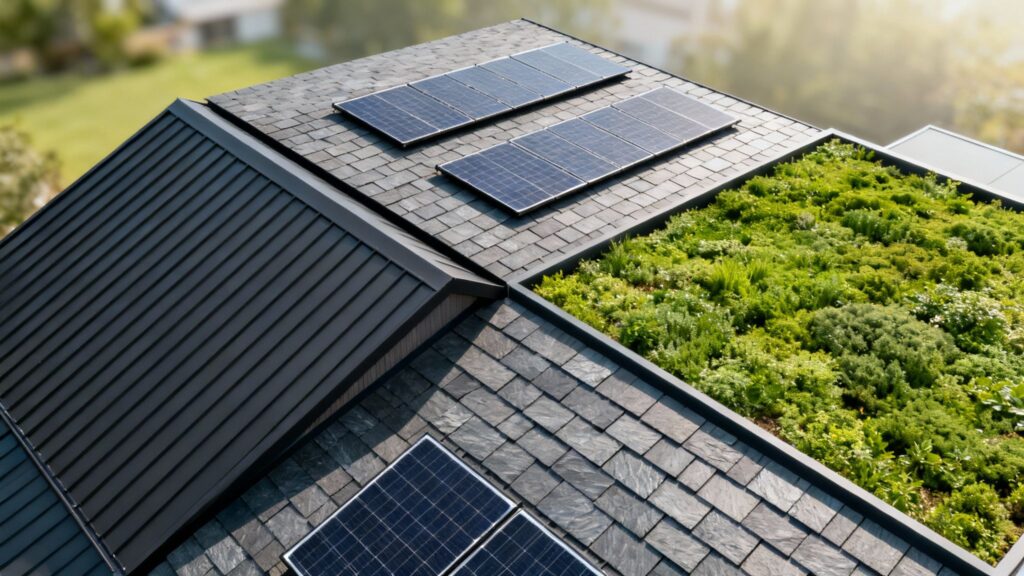
A Proactive Mindset: Start thinking of yard work as part of your roof maintenance routine. An hour with a tree trimmer now can save you a whole weekend of pressure washing down the line.
Install Metallic Strips for Lasting Protection
If you’re looking for a more permanent, set-it-and-forget-it solution, installing zinc or copper strips along the ridge of your roof is a fantastic long-term strategy. It's a passive system that goes to work every single time it rains.
Here’s the science behind it: when rainwater flows over the metal, it picks up metallic ions. This ion-infused water then runs down your roof, creating an environment that is toxic to algae, moss, and mold. The metal essentially poisons these organisms before they ever have a chance to take hold.
- Copper Strips: Extremely effective and will develop an attractive green patina over the years.
- Zinc Strips: Also a powerhouse against algae and typically a more budget-friendly choice.
This method acts like a continuous, low-level cleaning service that can prevent streaks from ever forming for up to 10 years or more. It dramatically cuts down on how often you'll need to manually clean. Of course, protecting your roof is just one piece of the puzzle; it's always wise to consider general strategies to avoid mold in your home for a more complete approach. Combining smart landscaping with preventative hardware like this creates a powerful one-two punch that will protect your investment for years.
Got Questions About Shingle Mold? We've Got Answers
When you're dealing with roof maintenance, you're bound to have questions. And when it's something as stubborn-looking as mold on your shingles, getting straight answers is key to protecting your home. Let's tackle some of the most common questions we hear from homeowners around South Florida.
Are Those Dark Streaks on My Roof Definitely Mold?
Probably not, but you're on the right track. Most of the time, those ugly black streaks are actually a type of algae called Gloeocapsa magma. It absolutely loves humid climates like ours and feeds on the limestone filler used in most asphalt shingles.
While it's technically algae, it creates a damp, shady environment that's a perfect breeding ground for actual mold to move in. The good news is that the gentle cleaning methods that kill the algae also knock out any mold that’s tagging along, solving the whole problem at once.
Can't I Just Power Wash the Stains Off?
Please don't. You should never let a high-pressure washer anywhere near your asphalt shingle roof. That intense, focused blast of water will strip away the protective granules that shield your shingles from the sun's harsh UV rays.
Using a pressure washer causes immediate, irreversible damage. It will drastically shorten your roof's lifespan and almost certainly void its warranty. Always, always insist on a gentle, low-pressure cleaning method—often called a "soft wash"—to protect your biggest investment.
Key Takeaway: The goal is to kill the organic growth with the right cleaning solution, not to blast it off with brute force. Power washing is a short-term fix that creates a much bigger, more expensive long-term problem.
How Often Should I Clean My Roof to Keep Mold Away?
Here in our humid climate, a good roof cleaning is often needed every 3 to 5 years. But that's just a ballpark figure; it’s not set in stone. With a few proactive steps, you can definitely stretch that timeline.
Simple preventative measures make a huge difference. Think about installing zinc or copper strips along the roof ridge or just keeping overhanging tree limbs trimmed back to let more sunlight hit the roof. The best strategy is to give your roof a quick visual check once a year and schedule a cleaning as soon as you see new streaks starting to creep back.
Are Roof Cleaning Chemicals Safe for My Plants and Lawn?
This is a great question. Many of the most effective roof cleaners, especially those with chlorine bleach, can definitely harm—or even kill—your landscaping if you're not careful. It’s absolutely essential to pre-soak all nearby plants, bushes, and the surrounding ground with plain water before, during, and after the cleaning solution is applied.
For an extra layer of protection, you can cover your most sensitive plants with lightweight tarps. Another option is to look for a cleaning product that uses oxygen bleach as its main ingredient, as it's generally a safer choice for your garden.
If you're dealing with a stubborn mold situation or just want a professional eye to make sure your roof is in great shape, Paletz Roofing and Inspections is ready to help. Contact us today for a free quote and get the expert service you can trust.