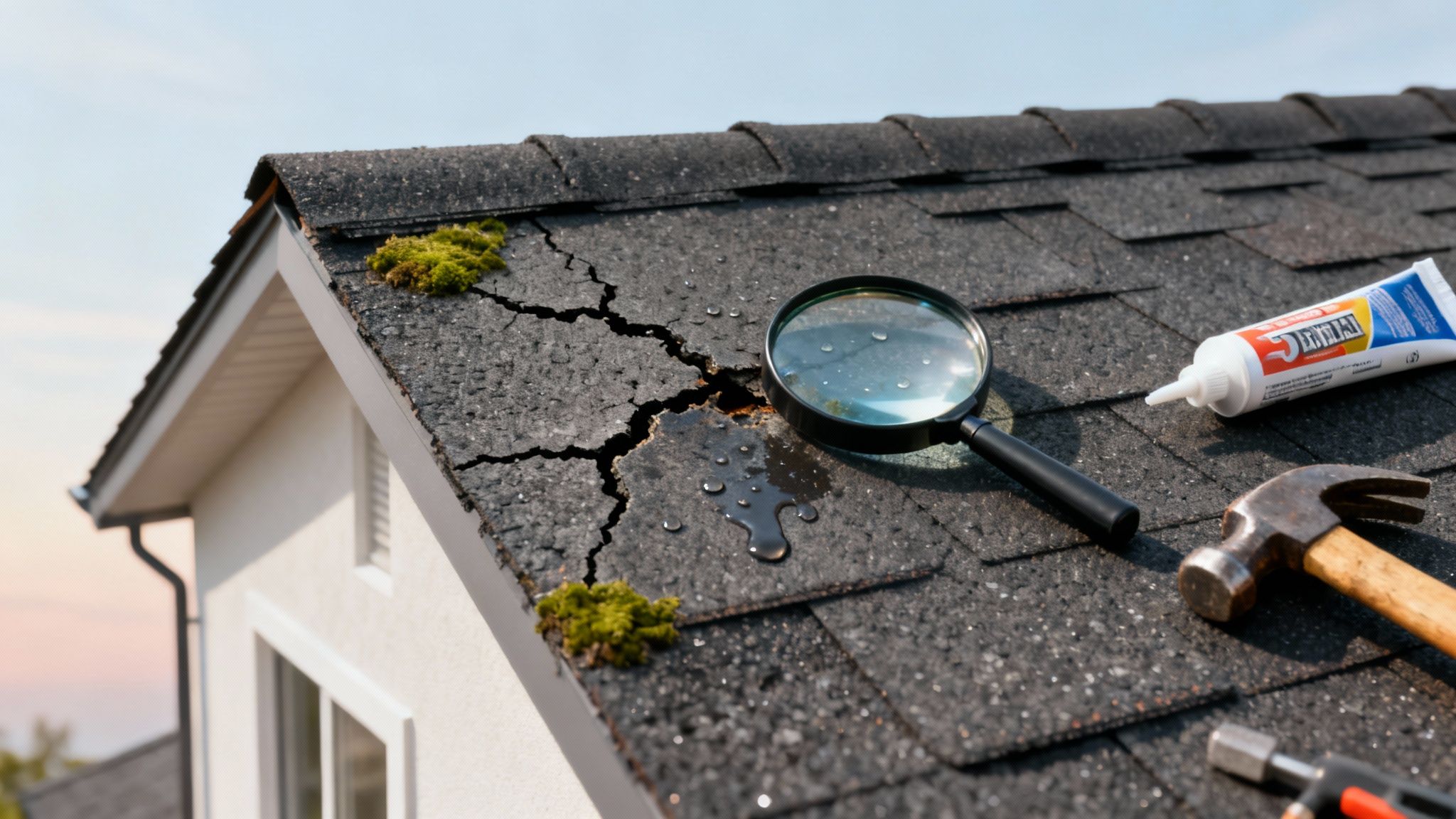
Your roof is the first line of defense against the elements, but it's not invincible. Over time, even the most robust roofing system will encounter issues that, if ignored, can lead to significant interior damage, structural decay, and compromised safety for your property. Many homeowners and facility managers only realize a problem exists when water is already dripping from a ceiling or a visible stain appears. This guide is designed to change that dynamic by empowering you with proactive knowledge.
We will explore the 10 most common roofing problems, providing you with the essential information to spot early warning signs, understand their root causes, and take decisive action. From subtle leaks caused by deteriorated flashing to the structural risks posed by sagging, learning to recognize these silent signals is crucial.
This isn't just about repairs; it's about prevention. Understanding what to look for can save you thousands in remediation costs, prevent catastrophic failures, and significantly extend the life of your most critical building asset. By the end of this article, you'll be better equipped to identify and address everything from missing shingles and poor drainage to hidden ventilation issues. Let's examine what your roof might be trying to tell you.
1. Roof Leaks and Water Intrusion
Roof leaks and water intrusion are arguably the most notorious of all common roofing problems, creating a direct path for moisture to infiltrate your home or commercial building. A seemingly minor drip can quickly escalate, causing significant structural damage, fostering mold growth, and ruining interior finishes. These issues typically originate at vulnerable points like flashing around chimneys, skylights, vents, or in roof valleys where water is channeled.
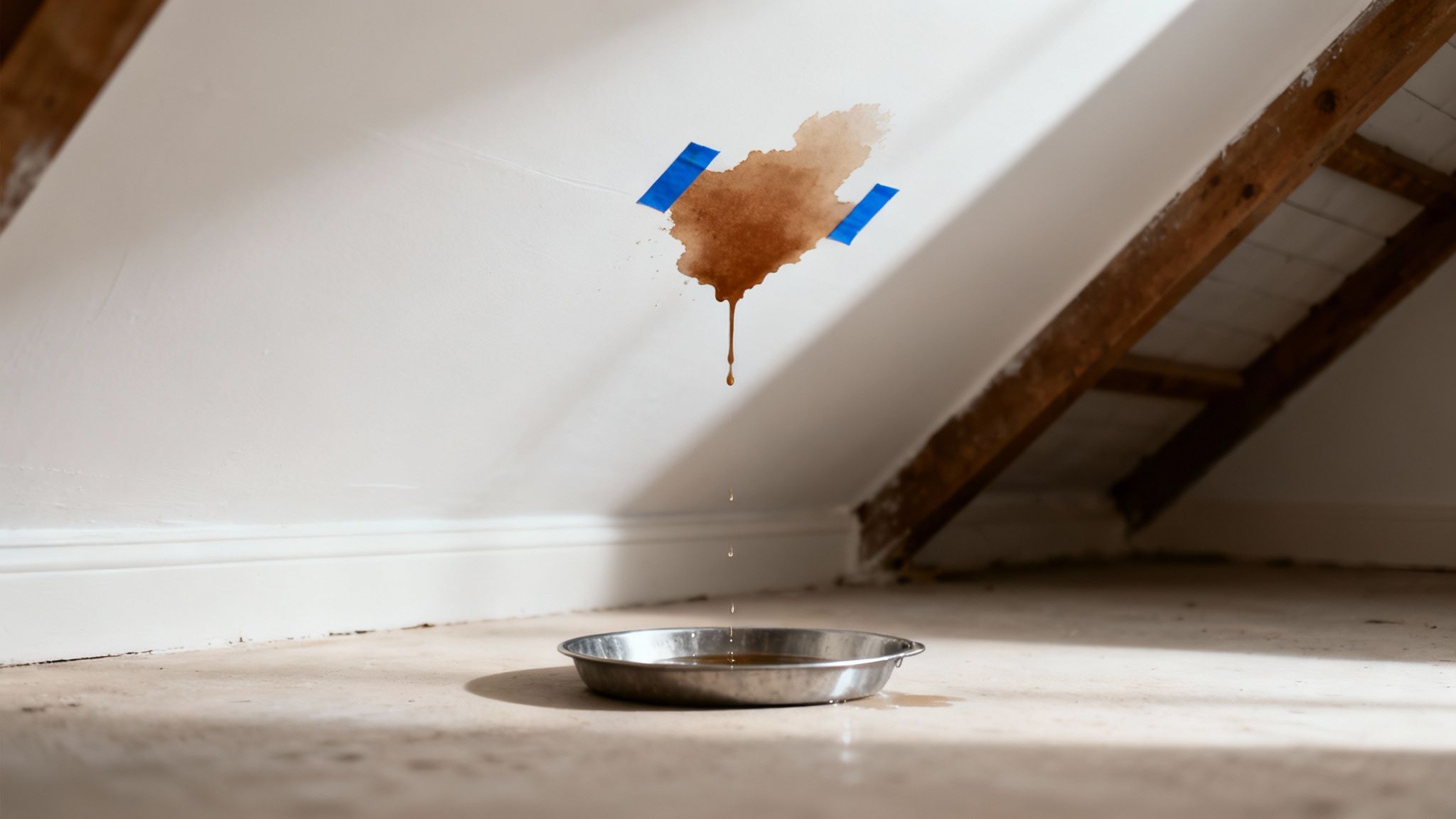
Water often travels far from the entry point before showing up as a ceiling stain, making leak detection a complex task. Addressing leaks immediately is crucial to prevent the costly replacement of rotted decking, saturated insulation, and damaged drywall.
How to Identify and Address Water Intrusion
Pinpointing the exact source of a leak is the first step toward a lasting repair. Waiting for visible interior damage is a reactive approach; proactive inspection is key.
- Mark and Monitor: If you spot a water stain on your ceiling or wall, lightly outline the perimeter with a pencil and mark the date. This helps you track if the stain is growing, indicating an active and ongoing leak.
- Utilize Thermal Imaging: For elusive leaks that are difficult to trace, a professional can use a thermal imaging camera. This technology detects temperature differences in building materials, revealing hidden moisture pockets behind walls and ceilings without invasive demolition.
- Proactive Reinforcement: During a roof replacement or significant repair, insist on installing an ice and water shield. This self-adhering waterproof membrane provides a critical secondary barrier of protection in vulnerable areas, such as eaves, valleys, and around penetrations, effectively sealing out wind-driven rain.
2. Missing or Damaged Shingles
Missing or damaged shingles are one of the most visible and common roofing problems, creating obvious weak points in your roof's defense system. These issues expose the underlying structure to direct sun, rain, and wind, accelerating wear and significantly increasing the risk of leaks. Shingles can be torn off by high winds, cracked by falling debris, or become brittle and curled after years of sun exposure and temperature cycles.
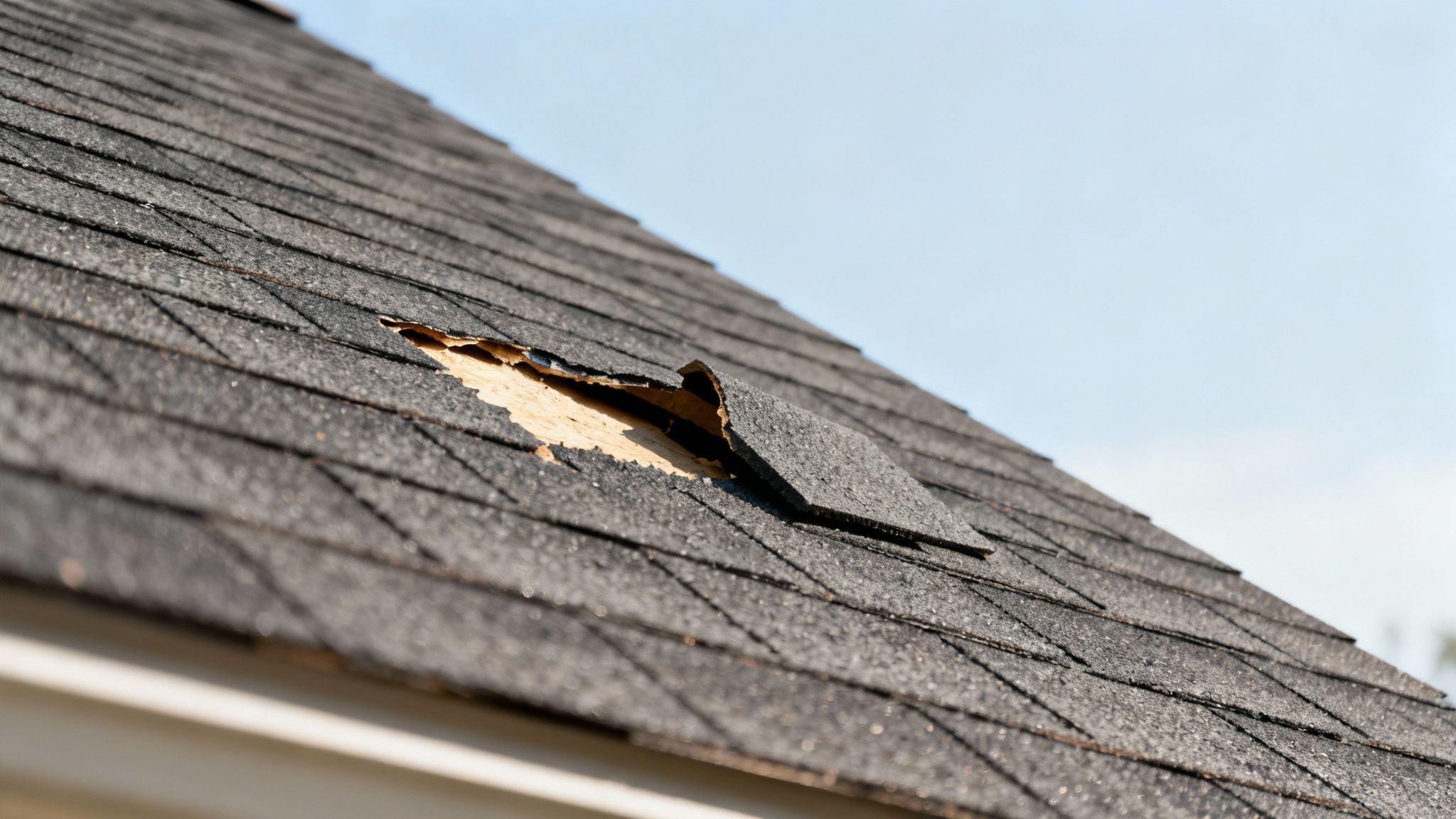
Even a single compromised shingle can allow water to seep into the roof deck, leading to rot and structural decay over time. Given that HomeAdvisor data indicates 33% of roof damage claims are related to missing shingles, it's clear this issue demands immediate attention, especially after major wind or hail events. Promptly addressing this problem is a critical preventive measure.
How to Identify and Address Shingle Damage
Regularly inspecting your roof, especially after a storm, is the best way to catch shingle damage early before it escalates into a major repair. Look for bare patches, cracked shingles, or granules collecting in your gutters.
- Document and Claim: If you discover damage, take clear photos from multiple angles before any repairs begin. This documentation is essential for streamlining insurance claims and providing your roofer with a clear picture of the problem.
- Keep Spares for Matching: When installing a new roof, always request and safely store a bundle of spare shingles. This ensures you have perfectly color-matched replacements for future repairs, maintaining your home's curb appeal and avoiding a mismatched, patched look.
- Prioritize Pre-Winter Repairs: Schedule any needed shingle repairs before the winter or rainy season hits. Addressing vulnerabilities prevents small issues from turning into major leaks when the roof is subjected to sustained moisture or temperature shifts.
3. Flashing Problems and Deterioration
Flashing is the thin metal material installed to direct water away from critical areas of a roof, such as where it meets a wall, chimney, or valley. When this component fails due to corrosion, improper installation, or storm damage, it becomes one of the most common roofing problems, creating a direct entry point for moisture. Because it protects the roof's most vulnerable transition points, deteriorated flashing is a primary culprit behind many persistent leaks.
Often made of aluminum, galvanized steel, or copper, flashing can become loose or develop cracks over time due to weather exposure and thermal expansion. Addressing flashing issues promptly is essential to prevent water from seeping behind siding or into the roof deck, leading to widespread and expensive structural rot.
How to Identify and Address Flashing Issues
Properly maintained flashing is key to a long-lasting, water-tight roof system. Regular visual inspections are the best way to catch problems before they cause significant damage.
- Inspect for Corrosion and Damage: After severe weather events, visually inspect flashing around chimneys, vents, and skylights for signs of rust, cracks, or pieces that have pulled away from the roof. Bent or loose sections are clear indicators that a repair is needed.
- Prevent Galvanic Corrosion: When replacing flashing, ensure that incompatible metals are not in direct contact. For instance, using aluminum fasteners on galvanized steel can accelerate corrosion. Always use materials that are compatible or install a protective barrier between them.
- Choose Durable Materials: For longevity, opt for high-quality materials like galvanized steel or copper for flashing installations. While the initial cost may be higher, their superior resistance to corrosion and damage provides better long-term protection and value.
4. Ponding Water and Poor Drainage
Ponding water, a frequent issue on flat or low-slope roofs, occurs when water accumulates in depressions rather than draining properly. This standing water, especially if present for more than 48 hours, accelerates the deterioration of roofing materials, promotes algae and vegetation growth, and adds significant weight stress, making it one of the more destructive common roofing problems. Issues often arise from structural settling, clogged drains, or improper initial design.
The constant moisture can break down membranes, compromise seams, and eventually lead to persistent leaks that damage the underlying roof deck and building interior. For commercial properties with flat roofs, addressing poor drainage is a critical maintenance task to prevent premature roof failure and costly structural repairs. Learn more about the effects of Ponding Water and Poor Drainage to protect your investment.
How to Identify and Address Poor Drainage
Proactively managing drainage is far more cost-effective than reacting to the damage caused by standing water. Regular inspection and preventative maintenance are essential.
- Monitor After Rainfall: The simplest way to identify a problem is to inspect your roof 48 hours after significant rainfall. Note any areas where water has pooled instead of draining away, as these are your primary spots of concern.
- Install Drain Guards: Debris like leaves, twigs, and dirt is a major cause of clogged drains, which directly leads to ponding. Installing drain guards or scupper screens is a simple, effective measure to keep drainage paths clear and functional.
- Correct Low Spots: For persistent ponding, a professional roofer may need to correct the low spots. This can involve adding more roofing material to build up the depression or installing tapered insulation panels to re-establish a positive slope, ensuring water flows correctly to the drains.
5. Gutter and Downspout Problems
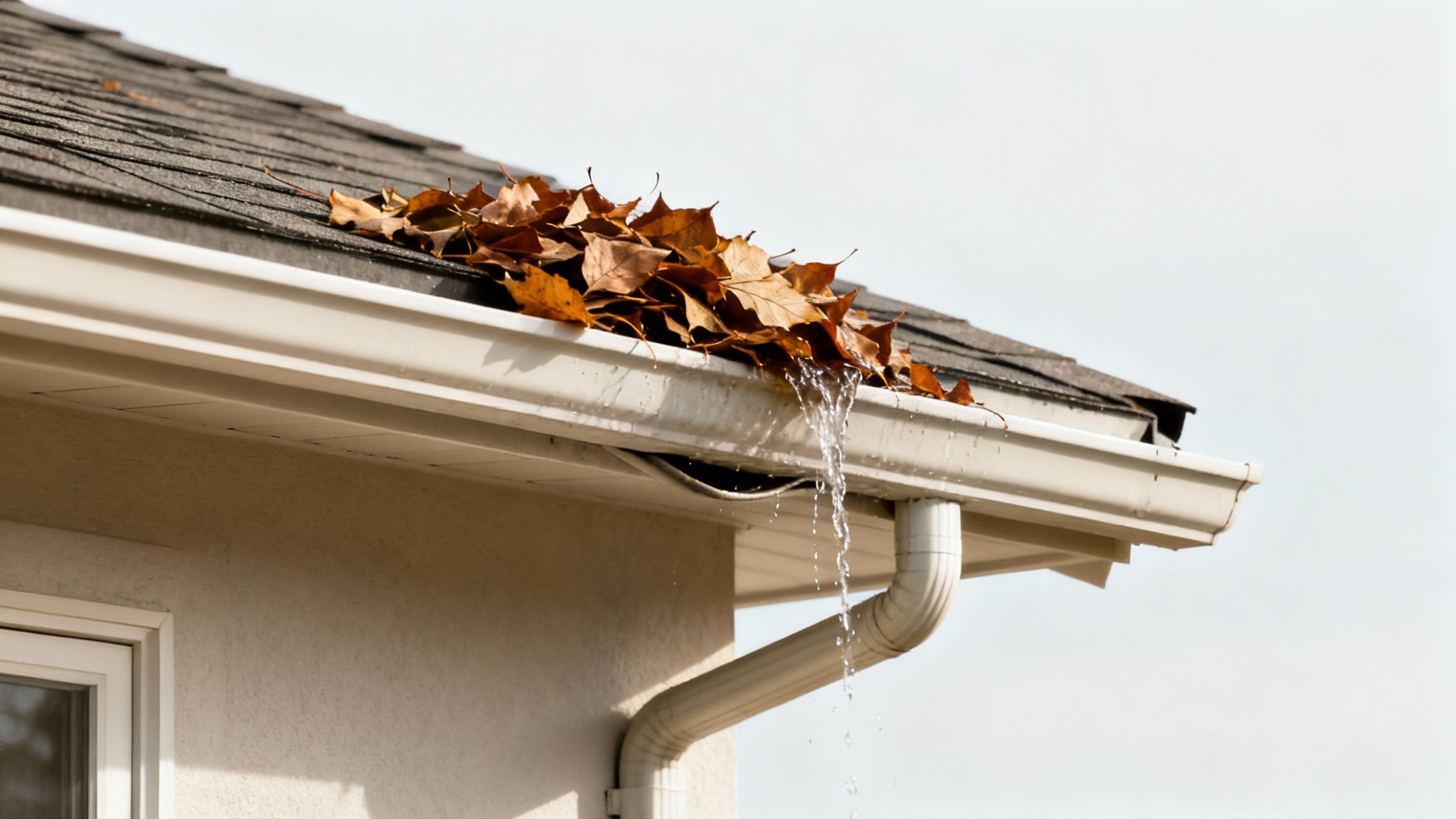
While technically a separate system, your gutters and downspouts are integral to your roof's health. They are designed to safely channel thousands of gallons of water away from your building, but they are also a frequent source of common roofing problems. When clogged with leaves, twigs, and other debris, water can back up, overflow, and saturate the fascia boards, soffits, and even penetrate the roof decking, leading to rot and structural decay.
Improperly pitched or damaged gutters can also cause water to pool and spill over, eroding landscaping and compromising your property's foundation. Neglecting this crucial water management system essentially invites moisture to attack the most vulnerable edges of your roof and home exterior.
How to Identify and Address Gutter Issues
Maintaining functional gutters is a non-negotiable part of property upkeep. Proactive maintenance prevents minor clogs from turning into major water damage scenarios.
- Schedule Professional Cleaning: For multi-story homes or commercial buildings, never risk a fall. Hire insured professionals who have the proper safety equipment and tools to thoroughly clean your gutters and downspouts, especially before the rainy season.
- Post-Storm Inspections: After severe weather events, visually inspect your gutters from the ground. Look for sagging sections, visible blockages, or overflowing water during the next rainfall. These are clear indicators that immediate attention is required.
- Install Downspout Extensions: To prevent foundation issues and soil erosion, ensure your downspouts discharge water at least four to six feet away from the building. Installing simple, inexpensive extensions is a critical step, particularly before the winter season when freeze-thaw cycles can exacerbate foundation cracks.
6. Algae and Moss Growth
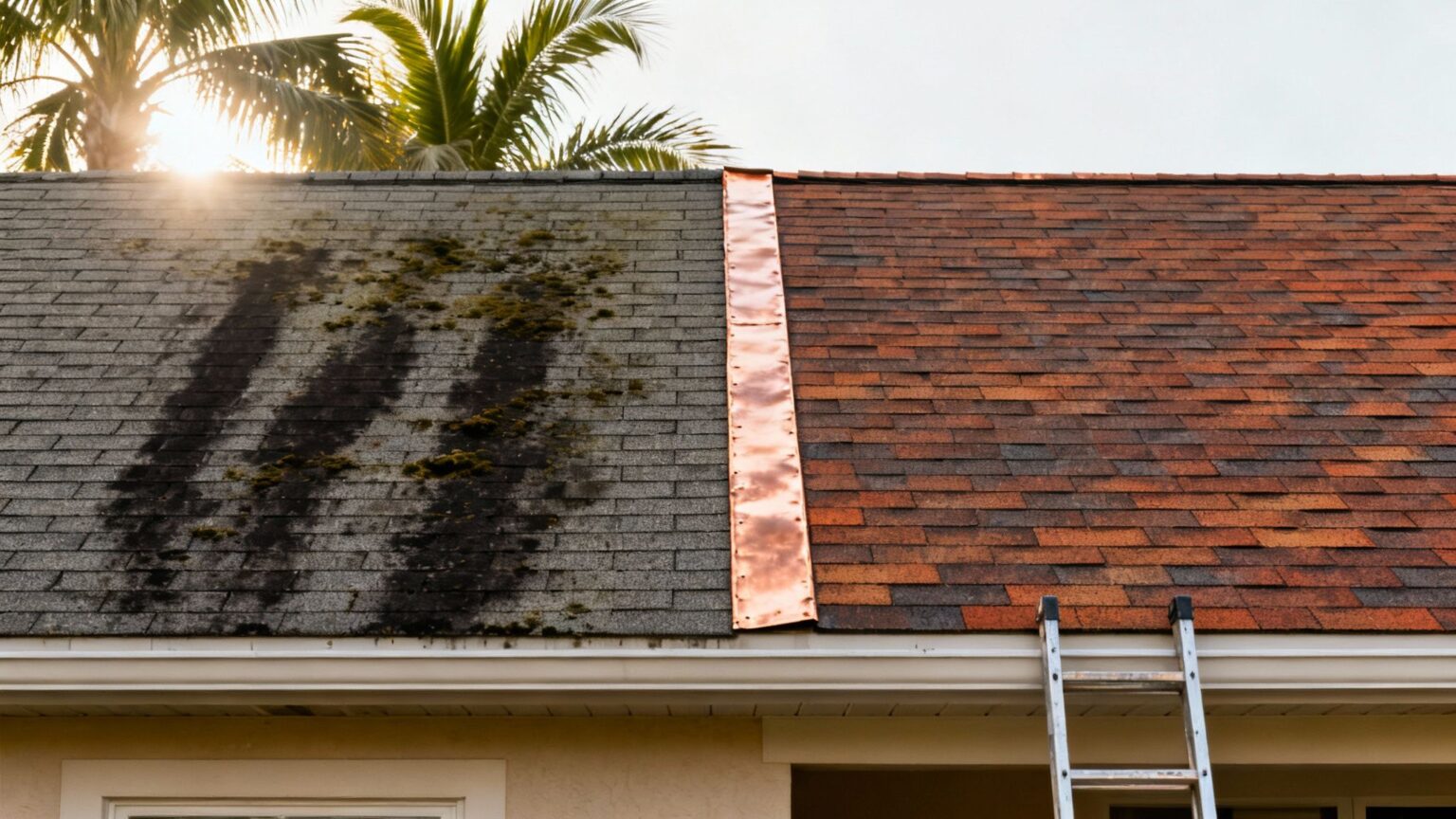
Algae and moss growth are more than just a cosmetic issue; these organisms are one of the more deceptive common roofing problems that can actively damage your roof. Often appearing as unsightly black streaks (algae) or thick green patches (moss), they thrive in damp, shaded environments. This is particularly prevalent in humid climates like South Florida or in areas with significant tree coverage that limits sun exposure.
These growths retain moisture against the roof surface, which accelerates the deterioration of shingles and other roofing materials. Moss is especially damaging as its root-like structures can lift and curl shingles, creating entry points for water and making the roof vulnerable to wind damage. Addressing this growth is essential for preserving your roof's integrity and lifespan.
How to Identify and Address Organic Growth
Early detection and proactive treatment are vital to prevent organic growth from compromising your roofing system. A clean roof is a healthier, longer-lasting roof.
- Schedule Professional Cleaning: Before growth becomes severe, arrange for a professional roof cleaning. Experts use low-pressure washing systems and EPA-approved, environmentally-friendly cleaners that kill the organisms without damaging shingles or gutters.
- Install Protective Strips: For long-term prevention, install zinc or copper strips along the roof ridge. As rain washes over these metallic strips, it releases ions that are toxic to algae and moss, creating an environment where they cannot thrive.
- Prune Overhanging Branches: Trim back any tree limbs that hang over your roof. This simple landscaping task increases sunlight exposure and improves airflow, helping the roof surface dry out faster and making it less hospitable for algae and moss.
7. Attic Ventilation Issues
Often overlooked, poor attic ventilation is one of the more insidious common roofing problems that can silently destroy your roof from the inside out. When an attic can't breathe, trapped heat and moisture build up, creating a damaging environment. This leads to accelerated shingle deterioration, warping of the roof deck, and the formation of destructive ice dams in colder climates, severely shortening your roof's lifespan.
This trapped moisture also fosters mold and mildew growth, which can compromise your home's air quality and structural integrity. Furthermore, an improperly ventilated attic forces your HVAC system to work harder, leading to higher energy bills year-round. Proper ventilation is a delicate balance of intake and exhaust, essential for a healthy and long-lasting roofing system.
How to Identify and Address Ventilation Issues
Achieving a balanced airflow is critical, following guidelines popularized by ENERGY STAR and building codes. A proactive approach can prevent the premature failure of your roofing materials and save on energy costs.
- Maintain a 50/50 Ratio: The most effective ventilation systems follow a balanced approach. Aim for an equal amount of intake ventilation (typically soffit vents under the eaves) and exhaust ventilation (like ridge or gable vents) to ensure consistent, smooth airflow.
- Install Continuous Soffit Vents: For optimal air intake, install soffit vents in continuous lines along the eaves rather than using sporadic, individual vents. This provides an uninterrupted path for cool, dry air to enter the attic space from below.
- Use Insulation Baffles: Ensure baffles are installed between the roof decking and attic insulation where they meet at the eaves. These channels create a clear path for air to flow from the soffit vents into the attic without being blocked by insulation.
8. Ice Dams and Winter Weather Damage
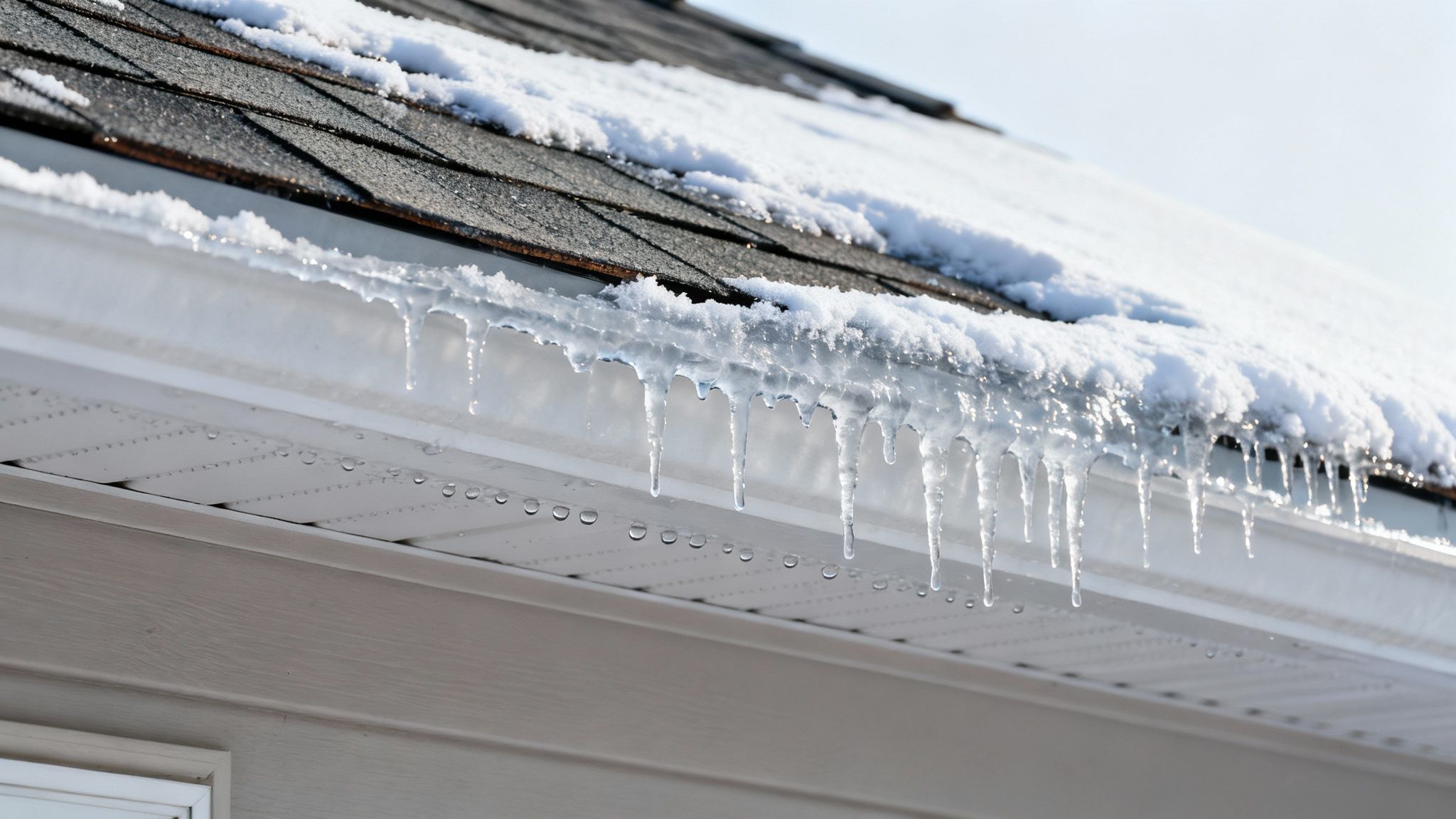
Ice dams form when melting snow refreezes along colder roof eaves, creating a rigid barrier of ice. Water trapped behind this barrier seeps under shingles, saturates the decking, and eventually leaks into ceilings and walls. In cold regions, ice dams rank among the most challenging common roofing problems because they cause hidden damage that often goes undetected until spring.
In areas like New England, the Upper Midwest, Colorado, and other mountain states, repeated freeze-thaw cycles magnify this issue. Homes with inadequate attic insulation or poor ventilation are especially vulnerable. Left unchecked, ice dams can warp gutters, degrade shingles, and promote mold growth in attics and living spaces.
How to Prevent and Mitigate Ice Dams
-
Safe Melting
Use calcium chloride in perforated nylon socks to dissolve ice gently. Avoid rock salt, which can corrode metal gutters and stain roofing materials. -
Avoid Roof Damage
Never chip away ice with sharp tools. Prying or hacking at dams risks puncturing underlayment and dislodging shingles, leading to new leak sites. -
Upgrade Insulation and Ventilation
Schedule a professional attic retrofit before winter. Proper insulation and continuous soffit-to-ridge ventilation maintain uniform roof-deck temperature and minimize snowmelt. -
Monitor Attic Temperatures
Install a wireless sensor or analog thermometer in the attic. Early detection of heat loss spots helps target insulation upgrades and stops ice dam formation.
Addressing ice dams proactively safeguards your roof structure and interior finishes. For expert guidance in Broward, Miami-Dade, or Palm Beach counties, contact our team at https://yourroofingpros.com to schedule a winter-ready inspection.
9. Roof Sagging and Structural Issues
A sagging roof is one of the most alarming common roofing problems, serving as a clear visual indicator of underlying structural failure. This issue manifests as a noticeable dip, curve, or bowing in the roofline, signaling that the framework is no longer able to support the weight above it. The root causes often include prolonged water damage that has led to rotted decking or joists, undersized or improperly spaced rafters, or the sheer weight of multiple layers of old roofing materials.
Ignoring a sagging roof is extremely dangerous, as it indicates a compromised structure that is at risk of partial or total collapse. Immediate professional assessment is not just recommended; it's essential to ensure the safety of the building's occupants and to prevent catastrophic damage.
How to Identify and Address Structural Sagging
Catching structural issues early can be the difference between a targeted repair and a complete roof and framing rebuild. A proactive approach is the best defense against this serious problem.
- Look for Interior Clues: A sagging roofline often corresponds with interior symptoms. Check your attic for cracked or bent rafters, and look for sagging ceiling joists or cracked drywall on the top floor of your home, which are strong indicators of excessive roof load.
- Prevent Overloading: If you are planning a re-roof, ensure your contractor removes all old layers of shingles before installing the new ones. Piling new materials on top of old ones adds significant weight that the original structure may not have been designed to handle, leading to sagging over time.
- Professional Structural Assessment: A sagging roof is not a DIY issue. A qualified roofing contractor or a structural engineer must assess the situation to determine the cause. The solution may involve reinforcing the existing framework with sistered joists, adding new supports like collar ties, or completely rebuilding the affected section.
10. Premature Shingle Aging and Deterioration
Premature shingle aging and deterioration occurs when shingles break down faster than expected due to intense UV exposure, weathering, and temperature swings. In desert climates like Arizona, high UV levels can cause shingles to blister, curl, lose granules, and fade in just a few years. Even in South Florida, improperly ventilated roofs trap heat and moisture, accelerating shingle wear and reducing overall roof lifespan.
Early detection of shingle deterioration helps you avoid leaks, structural damage, and costly full-roof replacements. By combining proper material selection with routine inspections, homeowners can extend the life of their roof and maintain its protective performance.
How to Identify and Address Premature Shingle Aging
- Choose Climate-Rated Shingles: Select shingles rated for high UV zones if you’re in Miami-Dade or Broward. Look for heat-reflective granules and Class 4 impact resistance.
- Verify Proper Ventilation: Confirm ridge vents, soffit vents, and attic baffles are clear. Adequate airflow prevents heat buildup that degrades shingle adhesives.
- Monitor Annually: Conduct a yearly rooftop survey or use binoculars from the ground. Note curling edges, missing granules, blister spots, and uneven fading.
- Document for Warranty Claims: Photograph affected areas with timestamps. Share this evidence with manufacturers to support any limited-lifetime warranty.
- Schedule Preventive Maintenance: Hire a certified roofer to apply UV-resistant coatings or replace small sections of failing shingles promptly.
Adopting these steps addresses one of the most overlooked common roofing problems, delivering longer roof life, improved waterproofing, and stronger protection for your home.
10 Common Roofing Problems Comparison
| Issue | Implementation Complexity 🔄 | Resource Requirements ⚡ | Expected Outcomes 📊 | Ideal use cases 💡 | Key advantages ⭐ |
|---|---|---|---|---|---|
| Roof Leaks and Water Intrusion | Medium 🔄🔄 — requires inspection and targeted repairs | Moderate ⚡⚡ — materials, labor, diagnostic tools | High reduction in interior/structural damage if timely 📊 | Visible stains, attic leaks, post-storm checks | Early fixes are affordable and prevent major damage ⭐ |
| Missing or Damaged Shingles | Low 🔄 — simple shingle replacement | Low ⚡ — shingles, nails, cement; quick labor | Rapid prevention of water intrusion and cosmetic fix 📊 | Isolated wind/hail damage or single-shingle failures | Cost-effective and fast to repair; minimizes leaks ⭐ |
| Flashing Problems and Deterioration | High 🔄🔄🔄 — skilled metalwork and correct detailing | Moderate ⚡⚡ — flashing materials, sealants, skilled labor | Restores watertight seals around penetrations when done correctly 📊 | Leaks near chimneys, vents, skylights, valleys | Durable, targeted repair that prevents recurring leaks ⭐ |
| Ponding Water and Poor Drainage | High 🔄🔄🔄 — may require structural/slope correction | High ⚡⚡⚡ — engineering, re-sheathing, drains or insulation | Significantly extends roof life and reduces failure risk 📊 | Flat/low-slope roofs, post-settlement or commercial roofs | Prevents material deterioration and structural stress ⭐ |
| Gutter and Downspout Problems | Low-Medium 🔄🔄 — cleaning to moderate repairs/replacement | Low-Moderate ⚡⚡ — maintenance tools or replacement sections | Reduces foundation and exterior water damage; improves runoff 📊 | Homes with heavy tree cover, frequent heavy rain | Inexpensive preventive protection; effective drainage control ⭐ |
| Algae and Moss Growth | Low 🔄 — cleaning and chemical/preventive strips | Low ⚡ — treatments, zinc/copper strips, soft cleaning | Improves appearance and slows material degradation; may recur 📊 | Humid/shaded roofs, tree-covered properties | Affordable preventive treatments; aesthetic and lifespan benefits ⭐ |
| Attic Ventilation Issues | Medium 🔄🔄 — redesign intake/exhaust and baffles | Moderate ⚡⚡ — vents, insulation work, baffles | Reduces heat/moisture, prevents ice dams, extends shingle life 📊 | Hot attics, ice-dam prone homes, energy-efficiency retrofits | Lowers energy costs and prevents moisture-related damage ⭐ |
| Ice Dams and Winter Weather Damage | High 🔄🔄🔄 — insulation, ventilation, barrier installations | Moderate-High ⚡⚡⚡ — insulation, ice/water shield, heat tape | Significantly reduces winter leaks and gutter damage 📊 | Cold climates with heavy snow and freeze–thaw cycles | Preventive work reduces dangerous, costly winter damage ⭐ |
| Roof Sagging and Structural Issues | Very High 🔄🔄🔄 — structural assessment and reinforcement | Very High ⚡⚡⚡ — engineering, structural materials, skilled crews | Restores safety and prevents collapse; costly but necessary 📊 | Visible roof dips, interior cracking, operational doors/windows | Protects occupant safety and property value; prevents failure ⭐ |
| Premature Shingle Aging and Deterioration | Medium 🔄🔄 — ventilation, coatings, selective replacement | Moderate ⚡⚡ — ventilation upgrades, coatings, premium shingles | Can extend roof life 5–10 years if addressed early; may need replacement 📊 | High-UV regions, poorly ventilated attics, rapid deterioration | Extends service life and improves durability/aesthetics ⭐ |
Proactive Protection: Partnering with a Professional for Long-Term Peace of Mind
Navigating the landscape of roof maintenance can feel daunting, but understanding the signs of trouble is the most powerful tool a property owner can possess. Throughout this guide, we've explored the ten most common roofing problems, from the subtle signs of algae growth and granule loss to the overt warnings of roof leaks and sagging structures. Each issue, whether it's a seemingly minor clogged gutter or a critical flashing failure, serves as a crucial indicator of your roof's overall health.
The primary takeaway is that vigilance and proactive assessment are non-negotiable. A small patch of missing shingles or minor ponding water might seem insignificant, but these are often the precursors to widespread water intrusion, structural rot, and costly, complex repairs. By recognizing these symptoms early, you shift from a reactive, emergency-driven mindset to a proactive, preventive one, saving both money and stress in the long run.
The Critical Role of Professional Intervention
While identifying these problems is the first step, the second, and arguably most important, is knowing when to call a professional. Many of these issues, particularly those involving structural integrity, water intrusion, and flashing systems, demand the specialized skills, diagnostic tools, and safety equipment that only a certified roofing contractor can provide. Attempting a DIY fix on a sagging roof deck or a complex leak can easily void warranties, violate local building codes in counties like Broward or Miami-Dade, and, most critically, endanger your safety.
A partnership with a reputable roofing company transforms maintenance from a burden into a managed, predictable process. Professional roofers not only fix existing damage but also identify underlying causes, such as inadequate attic ventilation contributing to premature shingle aging. They provide comprehensive solutions designed for longevity, especially in the demanding South Florida climate. Furthermore, established professionals often streamline their operations for better customer support. For long-term peace of mind, partnering with professionals who efficiently manage client communications is key. Companies in the field might utilize a dedicated resource like a specialized Roofing Answering Service to ensure consistent support. This commitment to service ensures that your concerns are addressed promptly, from initial inspection scheduling to post-repair follow-ups.
Ultimately, your roof is more than just a component of your property; it is the primary shield protecting your family, your assets, and your investment. By learning to spot the common roofing problems and entrusting their resolution to qualified experts, you ensure that this shield remains strong, secure, and ready to withstand whatever comes its way for years to come.
Don't let a small issue escalate into a major crisis. If you've noticed any of the signs discussed in this article, contact the experts at Paletz Roofing and Inspections for a comprehensive evaluation. With over 30 years of experience serving South Florida, we specialize in diagnosing and resolving all common roofing problems to protect your property. Schedule your professional roof inspection today.