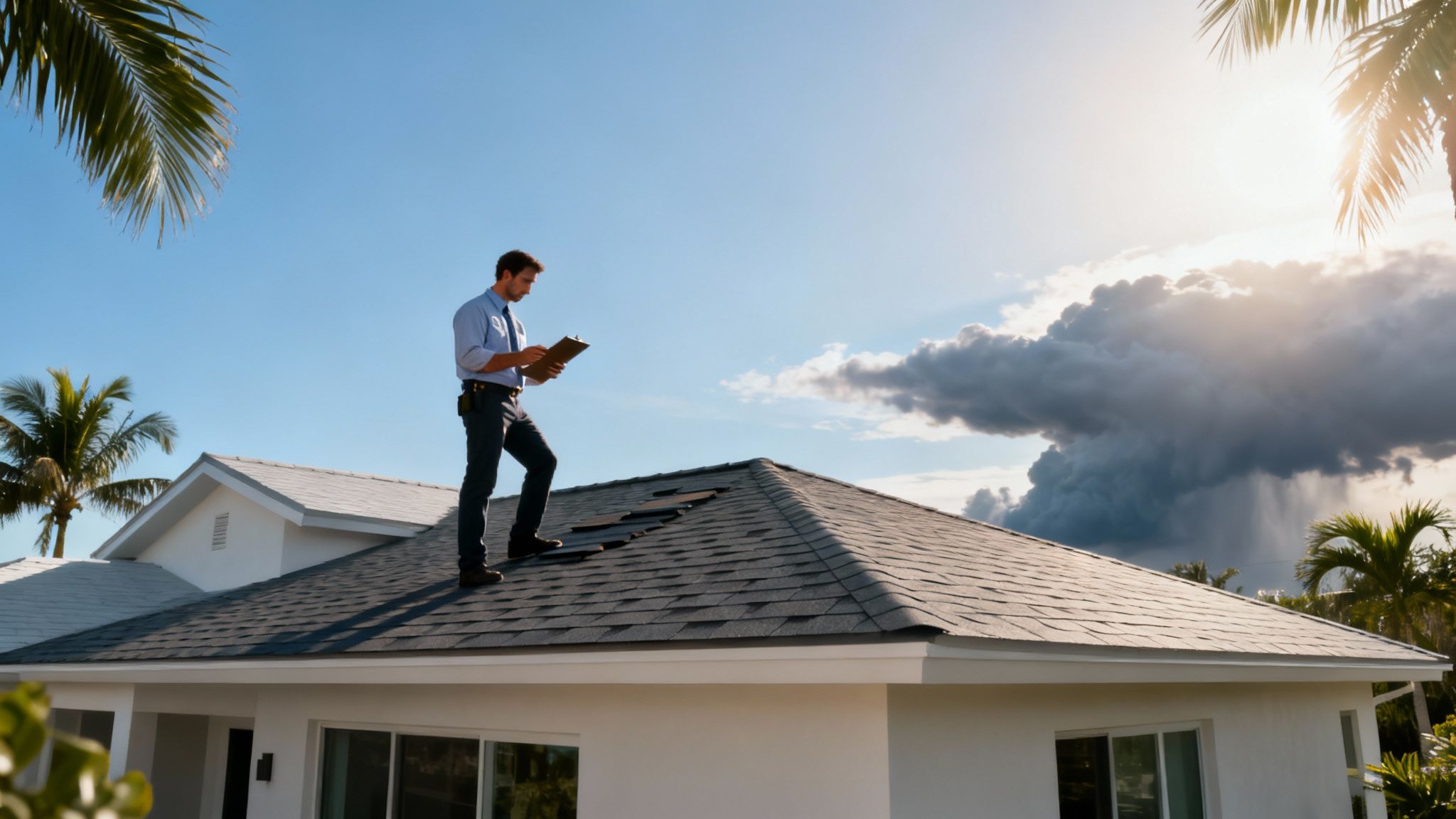
For property owners in South Florida, the relentless sun, torrential rain, and hurricane threats make a sturdy roof non-negotiable. But what if the key to its longevity and your financial peace of mind isn't just reacting to leaks, but proactively preventing them? The benefits of regular roof inspections go far beyond spotting a few loose shingles; they represent a strategic investment in your property's safety, value, and structural integrity.
This comprehensive guide breaks down the essential advantages of scheduling routine professional evaluations. We will move past the obvious and into actionable insights, providing specific examples relevant to our unique climate. You will learn how a simple inspection schedule can save you thousands in costly repairs, protect your family or tenants, and preserve your most valuable asset against severe weather.
From maintaining insurance coverage and warranty compliance to enhancing energy efficiency, each point is a crucial piece of a larger property management puzzle. Companies like Paletz Roofing and Inspections specialize in this preventative approach, turning roof maintenance from a reactive expense into a powerful tool. Let's explore the critical benefits you cannot afford to overlook.
1. Early Detection of Roof Damage and Leaks
One of the most significant benefits of regular roof inspections is the ability to catch minor issues before they escalate into catastrophic, expensive failures. Proactive monitoring allows homeowners and property managers in South Florida to address subtle signs of wear and tear, such as cracked tiles, lifted shingles, or compromised sealant, which are often invisible from the ground. An expert inspector can identify these nascent problems and recommend targeted, low-cost repairs.
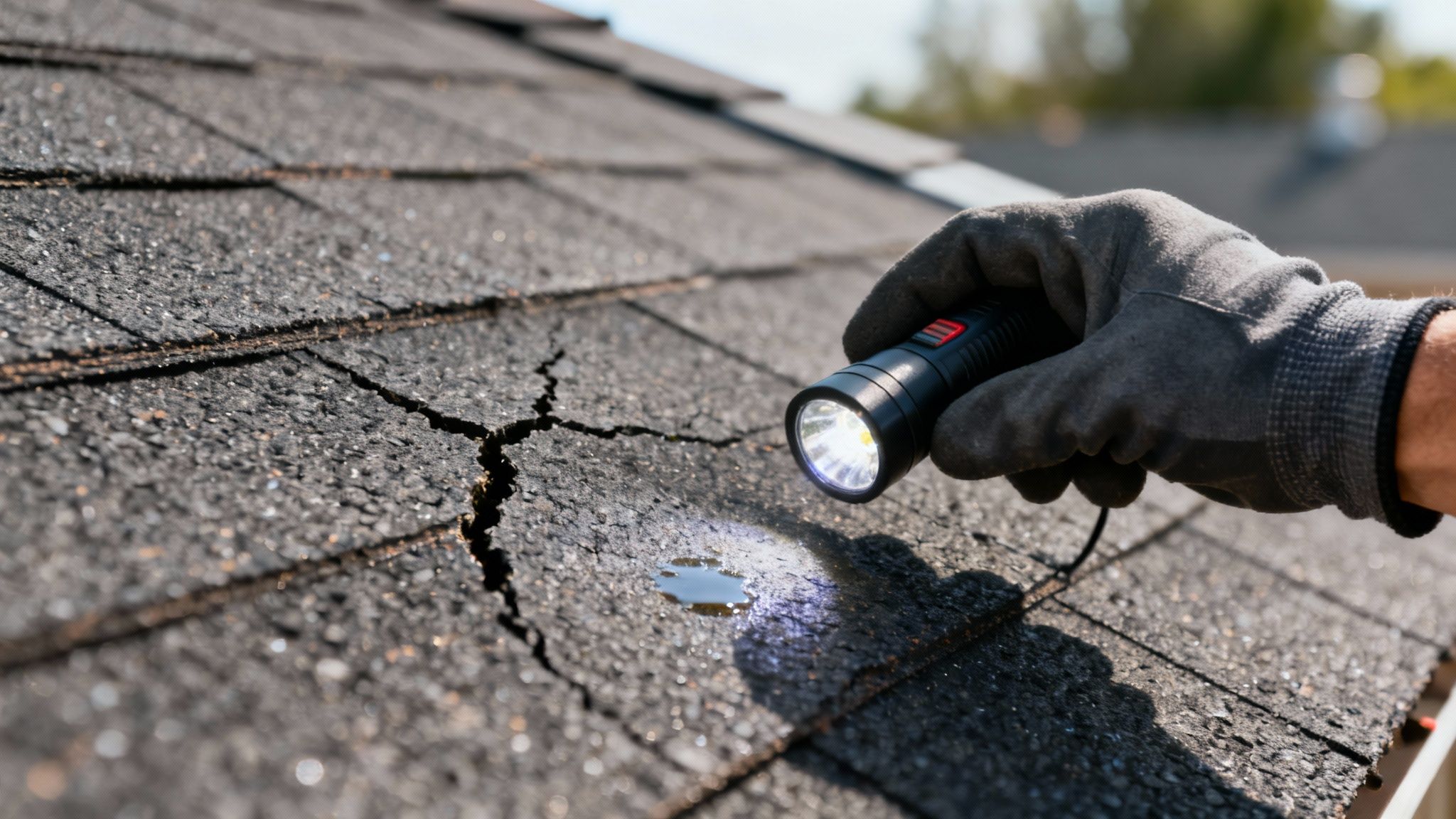
This early detection strategy shifts roof maintenance from a reactive, emergency-based expense to a predictable, budgeted one. For instance, a small, undiscovered leak around a vent pipe can slowly saturate insulation and drywall, leading to extensive interior water damage and mold remediation that can cost thousands. A routine inspection would spot the failing sealant, allowing for a simple, inexpensive fix that prevents the entire chain of damage.
The Role of Flashing and Sealants
Beyond detecting wear on main roofing materials, a thorough inspection also scrutinizes critical junctions like valleys, vents, and chimneys. Understanding the importance of mastering flashing details for lasting results is key to preventing water intrusion at these vulnerable points. Inspectors check for corrosion, improper installation, or sealant degradation that could compromise the roof's integrity.
Actionable Tips for Early Detection:
- Schedule Biannually: Plan inspections for the spring and fall to assess any damage from winter storms or summer heat and to prepare for the upcoming season.
- Hire Certified Professionals: Always verify the credentials of your roofing inspector. A certified professional brings the expertise needed to spot subtle issues an untrained eye would miss.
- Document Everything: Keep a detailed folder with photos, inspection reports, and receipts for all repairs. This documentation is invaluable for insurance claims and warranty compliance.
By embracing this proactive approach, property owners can transform roof care from a potential financial crisis into a manageable part of property maintenance. For more details on what our inspectors look for, see our guide on the early signs of roof damage. Learn more about identifying roof vulnerabilities.
2. Extension of Roof Lifespan
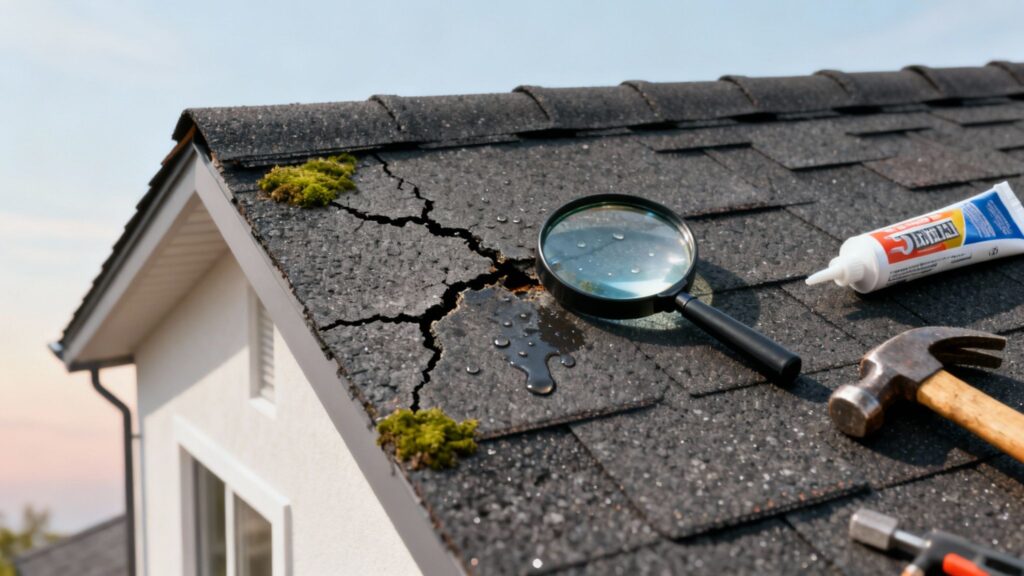
Preventative maintenance through regular roof inspections can dramatically extend the functional life of your roofing system. By consistently addressing small-scale issues like debris accumulation, minor granule loss, or clogged drainage, property owners can significantly delay the need for a costly full roof replacement. This proactive approach helps preserve the structural integrity of materials, maximizing the return on your initial investment.
This benefit is not just theoretical; it translates into tangible savings and added years of performance. For instance, commercial properties in South Florida that implement annual inspection programs often report their roof systems lasting 25-30 years, compared to an average of only 15-20 years for unmaintained roofs. Similarly, residential communities with proactive inspection schedules see up to 40% longer lifespans from their asphalt shingle roofs, protecting them from the harsh effects of sun, rain, and wind.
The Impact of Debris and Drainage
A core focus of lifespan-extending inspections is managing debris and ensuring proper water drainage. Leaves, branches, and other organic matter can trap moisture against the roof surface, accelerating the deterioration of shingles, tiles, and underlayment. An inspector will identify and clear these problem areas, particularly in valleys and around drains, preventing water from backing up under roofing materials, which is a primary cause of premature failure.
Actionable Tips for Extending Roof Life:
- Prompt Repairs: Address any minor issues identified during an inspection, such as loose fasteners or small cracks, within 30 days to prevent them from worsening.
- Maintain Attic Ventilation: Ensure your attic ventilation is working correctly year-round. Proper airflow helps regulate temperature and moisture, reducing stress on roofing materials from beneath.
- Clean Gutters Quarterly: Keep gutters and downspouts clear to prevent water overflow and ice dams, which can force water under the roof edge and cause significant damage.
By integrating these maintenance habits with professional inspections, you treat your roof as a long-term asset rather than a ticking clock. This strategic care is one of the most effective benefits of regular roof inspections, ensuring your property remains protected for years beyond the standard warranty period.
3. Insurance and Warranty Protection
A critical, yet often overlooked, benefit of regular roof inspections is the essential role they play in maintaining the validity of both your homeowner's insurance policy and manufacturer warranties. Many insurers and roofing material manufacturers stipulate proactive maintenance as a condition of coverage. Failing to provide documented proof of regular inspections can give them grounds to deny a claim, leaving you financially responsible for repairs that should have been covered.
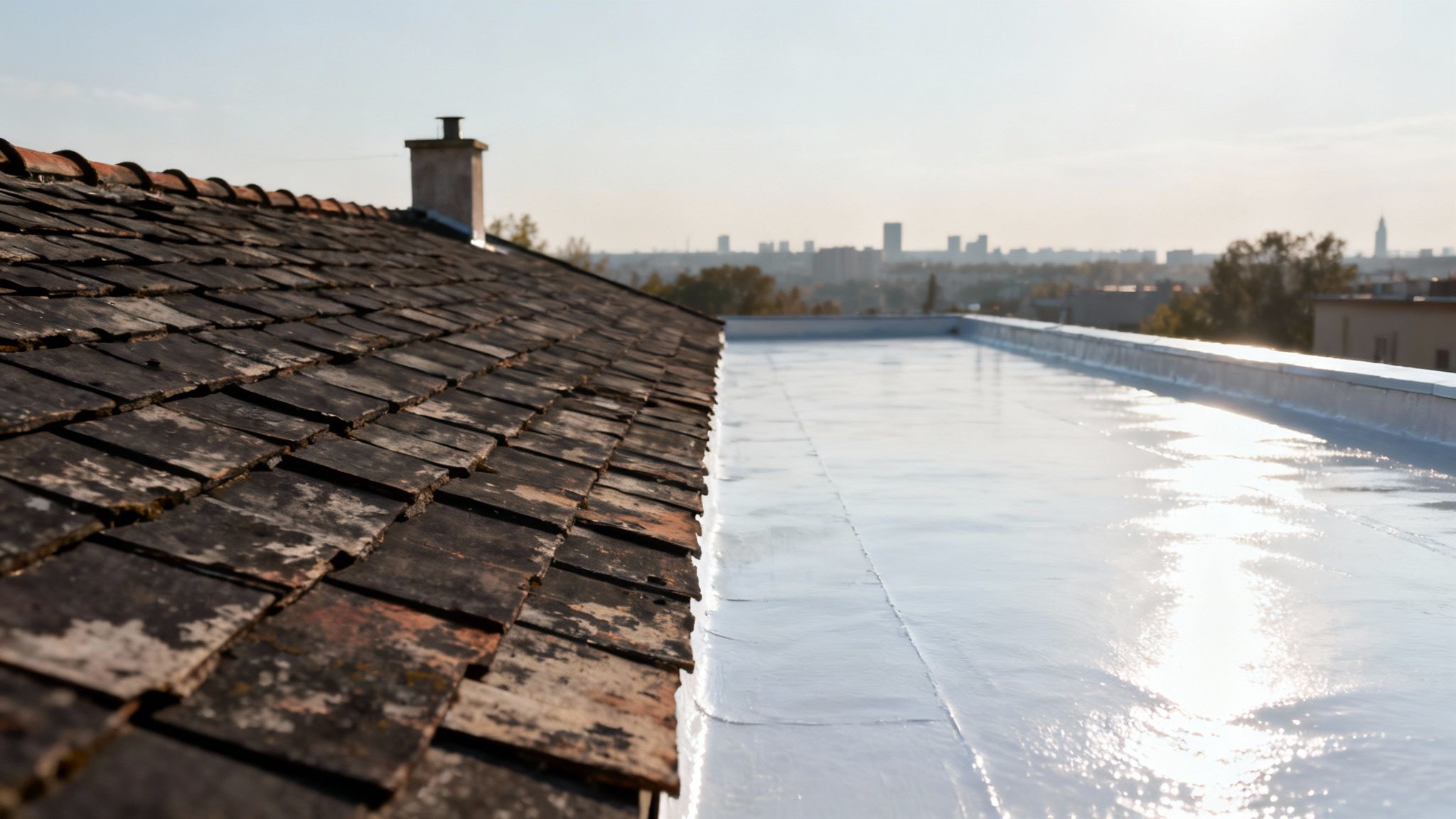
This proactive documentation becomes a powerful asset in South Florida, where hurricane-related damage is common. For instance, after a major storm, an insurance company might argue that damage was pre-existing due to neglect. A homeowner with a file of recent, detailed inspection reports can definitively prove the roof was in good condition before the event, ensuring a smoother claims process and a full payout. Similarly, a warranty claim for premature shingle failure requires proof that the roof was professionally maintained according to the manufacturer's guidelines.
The Role of Documentation in Claims
A professional inspection report serves as a time-stamped, third-party assessment of your roof's condition. This formal documentation is precisely what insurers and warranty providers, such as State Farm or GAF, require to process claims efficiently. Without this evidence, your claim becomes your word against theirs, a situation that rarely favors the property owner. Proper records shift the burden of proof and validate your position.
Actionable Tips for Policy and Warranty Compliance:
- Request Detailed Reports: Always get a written report with photos and a detailed assessment after each inspection.
- Maintain Digital and Hard Copies: Save all documentation, including reports and repair receipts, with your insurance and warranty paperwork. A digital cloud backup is highly recommended.
- Review Your Policies Annually: Check your insurance policy and material warranties for any specific clauses related to roof maintenance or inspection frequency.
- Verify Inspector Credentials: Ensure your inspector holds certifications recognized by your warranty provider to guarantee compliance.
By integrating regular inspections into your property management routine, you create an indispensable record that protects your financial interests and ensures you receive the full benefits of the policies and warranties you pay for. For a deeper understanding of policy requirements, it's wise to review the guidelines published by organizations like the Insurance Institute for Business & Home Safety (IBHS).
4. Prevention of Structural Damage and Deterioration
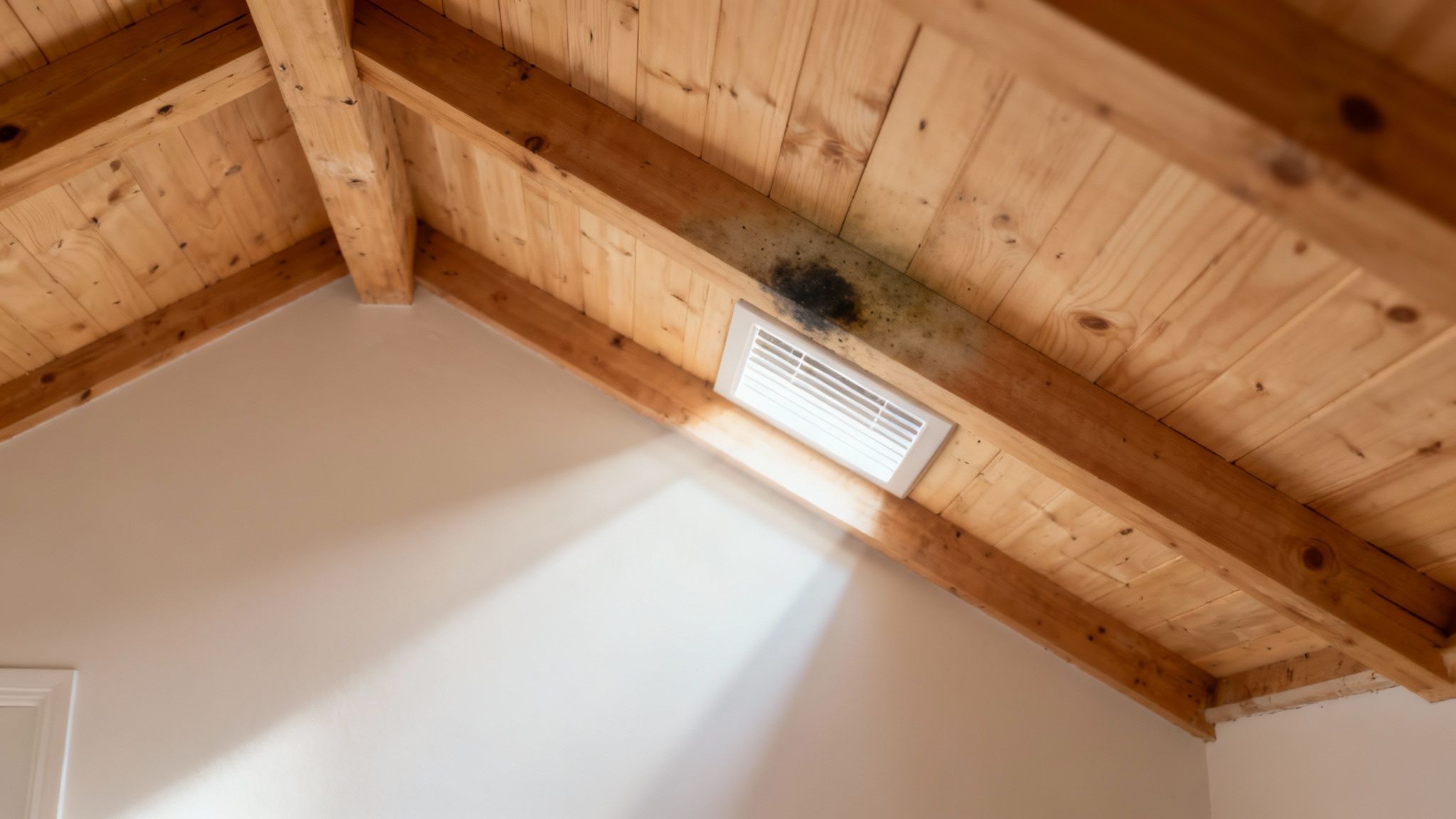
Beyond surface-level leaks, one of the most critical benefits of regular roof inspections is the prevention of deep, systemic structural damage. When a roof leak goes undetected, water doesn't just stain a ceiling; it penetrates decking, saturates insulation, and slowly rots essential framing components like rafters and joists. This gradual deterioration can severely compromise the structural integrity of your entire property, leading to astronomical repair costs.
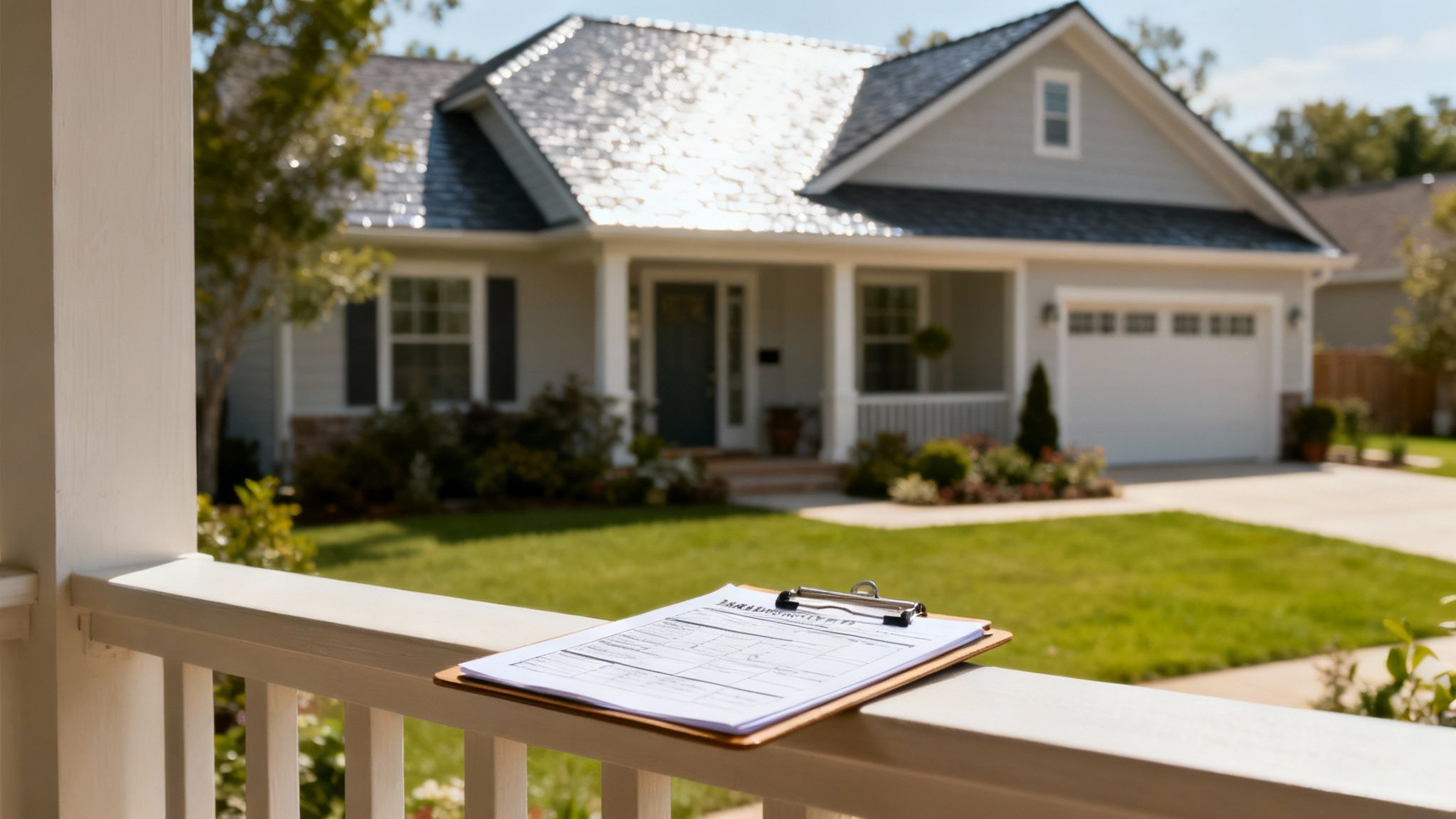
This type of hidden damage transforms a manageable roofing issue into a full-scale structural crisis. For example, a minor breach in the roof's membrane can allow moisture to seep into the attic, causing wood rot that weakens the roof's support system. In South Florida's humid climate, this moisture also creates a perfect breeding ground for destructive mold and mildew, which can spread throughout the attic and into interior walls, posing health risks and requiring extensive remediation.
Preserving Your Property's Framework
A professional inspection goes beyond the roof's surface to specifically look for signs of moisture intrusion in the attic and underlying structures. An inspector will check for wood discoloration, soft or spongy spots on the decking, and signs of active water intrusion around vents and fasteners. Identifying and stopping a leak early is the key to preventing the cascading effect of structural decay, saving homeowners from repairs that can easily exceed $50,000.
Actionable Tips for Structural Preservation:
- Inspect the Attic: During a professional inspection, ensure the attic is a key focus. Look for dark water stains on the underside of the roof deck, rafters, and insulation.
- Check for Wood Softness: Carefully probe wooden support beams and joists for any soft spots, which indicate the early stages of wood rot.
- Monitor Attic Humidity: High humidity levels in an attic can signal poor ventilation or an undiscovered moisture source. Proper ventilation is crucial to prevent condensation and moisture buildup.
- Act Immediately: If any signs of moisture or water damage are detected, address the source immediately to prevent the problem from spreading and causing further structural harm.
By making structural checks a routine part of your roof maintenance, you protect the very bones of your property, ensuring its long-term safety and stability. To understand how we assess these hidden dangers, explore our comprehensive inspection process.
5. Cost Savings Through Preventative Maintenance
A primary financial benefit of regular roof inspections is the dramatic cost savings achieved through preventative maintenance. This proactive approach identifies and addresses small, inexpensive issues before they spiral into major, budget-breaking repairs or a full roof replacement. For property owners in South Florida, shifting from reactive emergency repairs to planned maintenance can mean the difference between a minor expense and a financial catastrophe. The cost of a preventative fix is often a small fraction, typically just 10-15%, of what an emergency repair would cost.
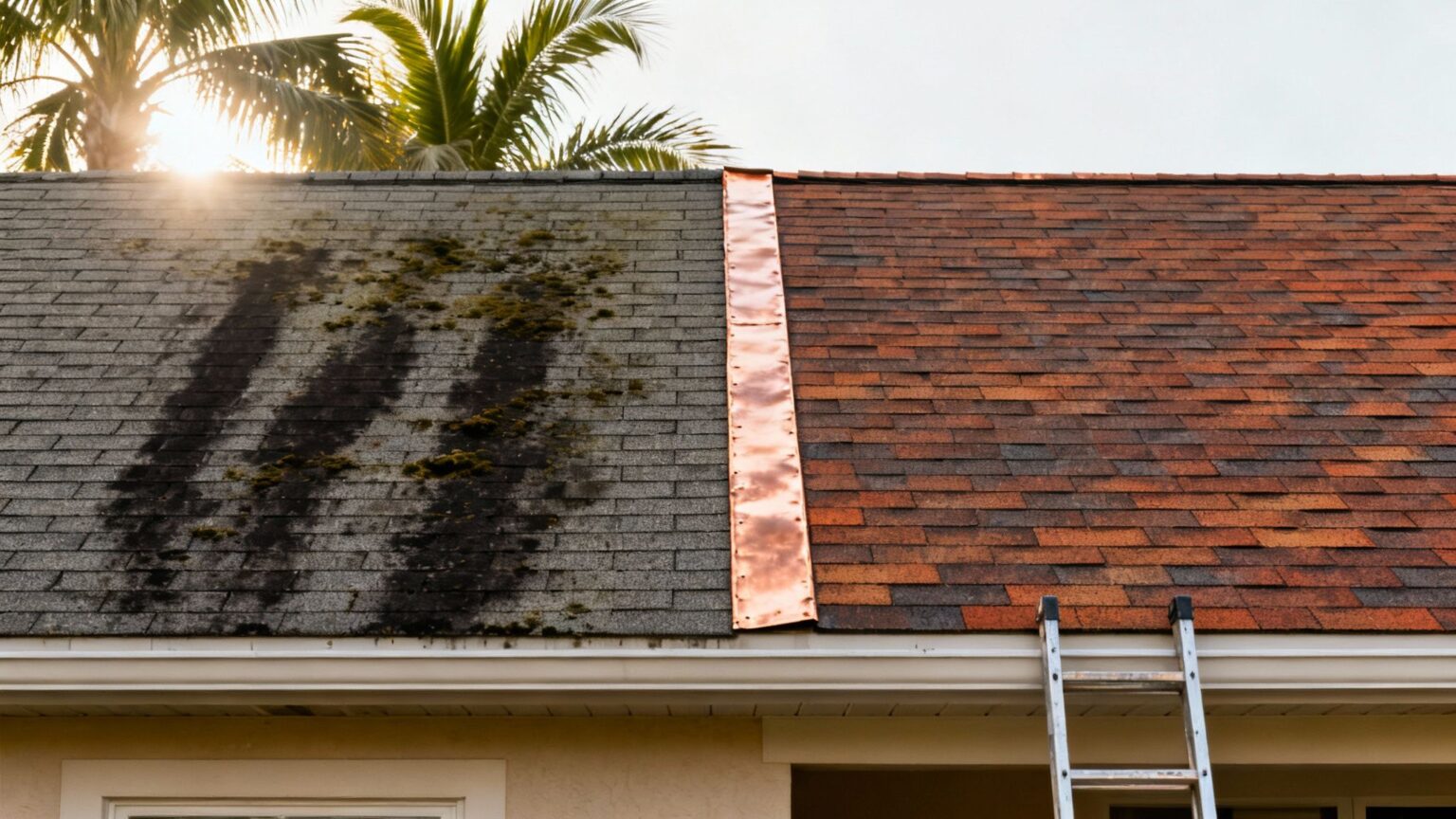
Consider a scenario where a routine inspection, costing around $200, reveals a few cracked tiles and failing sealant around a skylight. A simple repair might cost a few hundred dollars. If left undetected, water could infiltrate the roof deck, ruin insulation, and cause interior drywall damage, leading to an emergency repair bill upwards of $8,000. On a larger scale, a commercial property that implements a decade-long proactive maintenance program can avoid a premature $200,000 roof replacement by strategically addressing wear and tear over time.
The Power of Proactive Budgeting
Preventative maintenance turns unpredictable roofing costs into a manageable, line-item expense. Instead of facing a sudden, massive bill, property owners can budget for small, predictable repairs. This financial stability is crucial for both homeowners managing a household budget and commercial property managers responsible for a facility's long-term financial health. Planning for these smaller costs prevents the need for emergency loans or dipping into critical reserves for a preventable failure.
Actionable Tips for Maximizing Savings:
- Budget Annually: A good rule of thumb is to set aside 1-2% of your property's value each year for overall maintenance, including your roof.
- Schedule Off-Season Repairs: Roofing contractors are often busiest after major storms. Scheduling non-urgent repairs during slower periods can lead to better pricing and availability.
- Bundle Small Repairs: If an inspection reveals multiple minor issues, address them in a single service call to save on labor and trip charges.
- Inquire About Maintenance Plans: Many roofing companies offer annual maintenance plans that include inspections and provide discounts on necessary repairs.
By treating your roof like any other valuable asset that requires regular upkeep, you can significantly reduce long-term ownership costs. Discover how our maintenance programs deliver these financial benefits. Learn more about saving money with preventative roof care.
6. Safety Assurance for Occupants
Beyond protecting the structure itself, one of the most critical benefits of regular roof inspections is ensuring the safety and well-being of everyone inside the property. A compromised roof is not just a structural problem; it's a direct threat that can lead to catastrophic accidents, from partial collapses under the strain of a hurricane to interior hazards caused by water intrusion and falling debris. Proactive inspections verify the roof's structural integrity, identifying hidden dangers before they endanger occupants.
This focus on safety addresses multiple risks simultaneously. For example, an undetected leak can saturate ceiling materials, eventually causing drywall to collapse without warning. More insidiously, persistent moisture creates an ideal breeding ground for toxic mold, which can cause severe respiratory issues and other chronic health problems for residents. A professional inspection identifies these safety threats early, allowing for targeted remediation that protects both the building and its inhabitants from harm.
The Dangers of Structural Weakness and Mold
A comprehensive safety check goes beyond surface-level issues. Inspectors assess load-bearing components for signs of stress, rot, or corrosion that could lead to failure, a crucial step in storm-prone South Florida. For instance, discovering a weakened truss or rotted decking before hurricane season allows for reinforcement, potentially preventing a roof collapse during high winds. Similarly, identifying and addressing the source of moisture that leads to mold growth protects occupants from long-term health complications.
Actionable Tips for Ensuring Occupant Safety:
- Prioritize Structural Concerns: Any issues related to the roof's structural integrity, such as sagging, cracked rafters, or widespread rot, should be addressed immediately as an urgent priority.
- Document and Communicate: Keep detailed written records of all identified safety hazards. For commercial or multi-family properties, ensure occupants are properly notified of any significant risks and repair schedules.
- Never Delay Safety Repairs: Postponing repairs that affect occupant safety, such as fixing leaks near electrical systems or remediating mold, introduces unacceptable liability and risk.
- Maintain a Safety Log: Keep a dedicated file with all inspection reports, photos of identified hazards, and documentation of completed repairs to demonstrate due diligence.
By making safety a cornerstone of roof maintenance, property owners fulfill their responsibility to protect occupants and mitigate severe liability risks. Discover what our inspectors look for to ensure total safety. Learn more about our detailed safety inspection process.

7. Improved Energy Efficiency and Reduced Utility Costs
A roof's performance extends beyond just keeping out the rain; it is a critical component of a building's overall thermal envelope. The benefits of regular roof inspections include a direct impact on your property's energy efficiency, helping to identify hidden issues that drive up utility bills. Problems like compromised insulation, blocked attic vents, and small air leaks force HVAC systems to work overtime to maintain a comfortable indoor temperature, especially in the demanding South Florida climate.
This proactive assessment translates directly into measurable savings. For instance, an inspector might discover that attic ventilation is obstructed, trapping superheated air and radiating it into your living space, which can increase cooling costs by as much as 25%. Similarly, identifying and replacing moisture-damaged insulation can lead to annual utility savings of over $400 by restoring its intended R-value. A professional inspection quantifies these inefficiencies and provides a clear roadmap for corrections.
The Role of Ventilation and Insulation
A functional roofing system relies on a balance between its components. Proper ventilation is essential for expelling heat and moisture from the attic, preventing damage and reducing the load on your air conditioner. To understand how integral this is, learn more about the critical role of attic ventilation in roofing. An inspector will assess intake and exhaust vents to ensure they are clear and sized correctly for your home, preventing heat buildup and extending the life of your roof structure.
Actionable Tips for Energy Efficiency:
- Assess Attic Ventilation: During an inspection, ask the professional to check that soffit, ridge, and gable vents are free of blockages from debris or insulation.
- Check Insulation Levels: Ensure your attic insulation meets recommended levels for South Florida (typically R-38 or higher). Look for compressed or damp spots that indicate a loss of effectiveness.
- Seal Air Leaks: A professional can identify and seal small gaps around plumbing vents, chimneys, and other roof penetrations that allow conditioned air to escape.
- Consider Cool Roof Coatings: Inquire about reflective roof coatings that can lower roof surface temperatures and significantly reduce heat transfer into the building.
By focusing on the energy-related aspects of your roof's health, routine inspections become a powerful tool for reducing your carbon footprint and lowering monthly operational costs.
8. Property Value Maintenance and Market Appeal
A well-maintained roof is a critical asset that significantly boosts a property's market value and curb appeal. For homeowners and commercial property managers in South Florida, regular inspections serve as proof of diligent ownership, directly impacting appraisals and buyer perception. A roof in excellent condition, supported by a history of professional inspections and timely repairs, is a powerful selling point that can distinguish a property in a competitive market.
This proactive maintenance translates into tangible financial returns. Appraisers and home inspectors heavily weigh roof condition when determining a property's value, as a new or well-maintained roof eliminates a major potential expense for prospective buyers. For example, studies have shown that properties with comprehensive roof maintenance records can command price premiums of $8,000 to $15,000 and often sell faster than comparable properties with roofing uncertainties.
The Role of Documentation in Appraisals
A detailed file containing all inspection reports, repair invoices, and warranty information is invaluable during the sales process. This documentation provides concrete evidence of the roof's condition and lifespan, reassuring buyers and justifying a higher valuation. Beyond individual property concerns, a well-maintained roof contributes to the overall aesthetic and value of the entire community. For more insights into how proactive upkeep benefits shared spaces, explore these HOA common area maintenance best practices.
Actionable Tips for Boosting Property Value:
- Maintain Detailed Records: Keep a dedicated file with all inspection reports, photos, repair receipts, and warranty documents to present to appraisers and potential buyers.
- Highlight Roof Condition: Feature the roof's excellent condition and remaining lifespan prominently in your property marketing materials and listing descriptions.
- Time Appraisals Strategically: If possible, schedule property appraisals or key buyer viewings shortly after a roof cleaning or inspection when the roof looks its absolute best.
By leveraging regular roof inspections as a tool for value preservation, property owners can ensure their investment remains secure, attractive, and highly marketable.
8-Point Benefits Comparison: Regular Roof Inspections
| Item | Implementation Complexity 🔄 | Resource Requirements ⚡ | Expected Outcomes ⭐📊 | Ideal Use Cases 💡 | Key Advantages ⭐ |
|---|---|---|---|---|---|
| Early Detection of Roof Damage and Leaks | Medium — routine professional inspections | Low–Moderate: inspector time, basic tools, photo docs | Early identification of leaks/damage; lower repair costs | Routine maintenance; post-winter or storm checks | Prevents interior water damage; avoids emergency repairs |
| Extension of Roof Lifespan | Medium — ongoing preventative program | Moderate: periodic maintenance, ventilation/drainage work | Adds years to roof life; delays replacement | Long-term asset management; commercial portfolios | Lowers lifecycle costs; preserves property value |
| Insurance and Warranty Protection | Low — requires certified inspections and records | Low–Moderate: certified inspector, detailed reports | Maintains coverage/warranty eligibility; supports claims | Properties with policy/warranty conditions | Ensures claims honored; avoids coverage denial |
| Prevention of Structural Damage and Deterioration | Medium — may need structural assessments | Moderate–High: inspections plus possible remediation | Prevents rot, mold, framing failure; avoids major rebuilds | Older buildings; signs of persistent leaks or moisture | Protects structural integrity; maintains habitability |
| Cost Savings Through Preventative Maintenance | Low–Medium — scheduled inspections and timely repairs | Low: inspection fees; budgeted minor repairs (planning required) | Significant emergency-cost avoidance; predictable budgeting | Budget-conscious owners; multi-property maintenance plans | Reduces emergency repair costs; improves cost predictability |
| Safety Assurance for Occupants | Medium — may require urgent interventions | Moderate: inspections, immediate repairs, safety measures | Reduces injury/health risks; lowers liability exposure | Rental properties, commercial/higher-occupancy sites | Ensures occupant safety; reduces legal and health risks |
| Improved Energy Efficiency and Reduced Utility Costs | Medium — diagnostic work and targeted upgrades | Moderate–High: insulation, ventilation fixes, coatings | Lower energy use (10–30% typical); better indoor comfort | Buildings with poor insulation/ventilation or high bills | Lowers utility costs; may qualify for incentives |
| Property Value Maintenance and Market Appeal | Low–Medium — documentation and preparatory repairs | Low–Moderate: inspections, records, cosmetic/functional fixes | Maintains/increases resale value; faster sales | Sellers, landlords, properties for appraisal | Preserves market value; boosts buyer confidence |
Take the Next Step: Secure Your Property with a Professional Inspection
As we've explored, your roof is more than just a cover; it's the primary shield protecting your most valuable asset. The cumulative evidence is undeniable. The benefits of regular roof inspections extend far beyond simple maintenance, forming a comprehensive strategy for prudent property management in the demanding South Florida climate. Ignoring this crucial task is a gamble with high stakes, leaving your home or commercial building vulnerable to the region’s intense sun, torrential rains, and hurricane-force winds.
From the financial wisdom of preventative maintenance and extended roof lifespan to the critical assurance of occupant safety and structural integrity, a proactive approach is the only logical one. We've seen how semi-annual inspections can safeguard your insurance eligibility, uphold critical manufacturer warranties, and even lower your energy bills by identifying and correcting issues with insulation and ventilation. Each inspection is an investment in stability, predictability, and long-term value.
From Knowledge to Action: Your Proactive Roof Management Plan
The transition from understanding the benefits to actively realizing them is the most critical step. Waiting for a visible sign of failure, like a ceiling stain or a missing shingle after a storm, means you are already in a reactive and often expensive situation. A proactive stance transforms roof ownership from a source of potential anxiety into a well-managed component of your property's overall health.
This isn't just about avoiding disaster; it's about optimizing performance. An inspected and well-maintained roof contributes directly to your property’s curb appeal and marketability, a key factor for homeowners and real estate professionals alike. It provides the peace of mind that allows you to focus on your family or your business, confident that your primary defense against the elements is secure.
Key Takeaway: Regular roof inspections shift your role from a reactive problem-solver to a proactive asset manager, saving you money, mitigating risks, and preserving the value of your property for years to come.
Ultimately, the small, consistent investment in professional roof inspections delivers an outsized return. It is the most effective tool available to property owners in Broward, Miami-Dade, and Palm Beach counties for protecting their structures from the top down. Don't leave the integrity of your property to chance; empower yourself with the knowledge and professional support needed to ensure its resilience and longevity. The benefits are clear, the path is straightforward, and the time to act is now.
Ready to experience the full benefits of regular roof inspections and secure your peace of mind? The certified experts at Paletz Roofing and Inspections have been trusted by South Florida property owners for over 30 years to provide thorough, detailed assessments and reliable solutions. Schedule your comprehensive inspection today by visiting Paletz Roofing and Inspections and take the definitive step in protecting your investment.