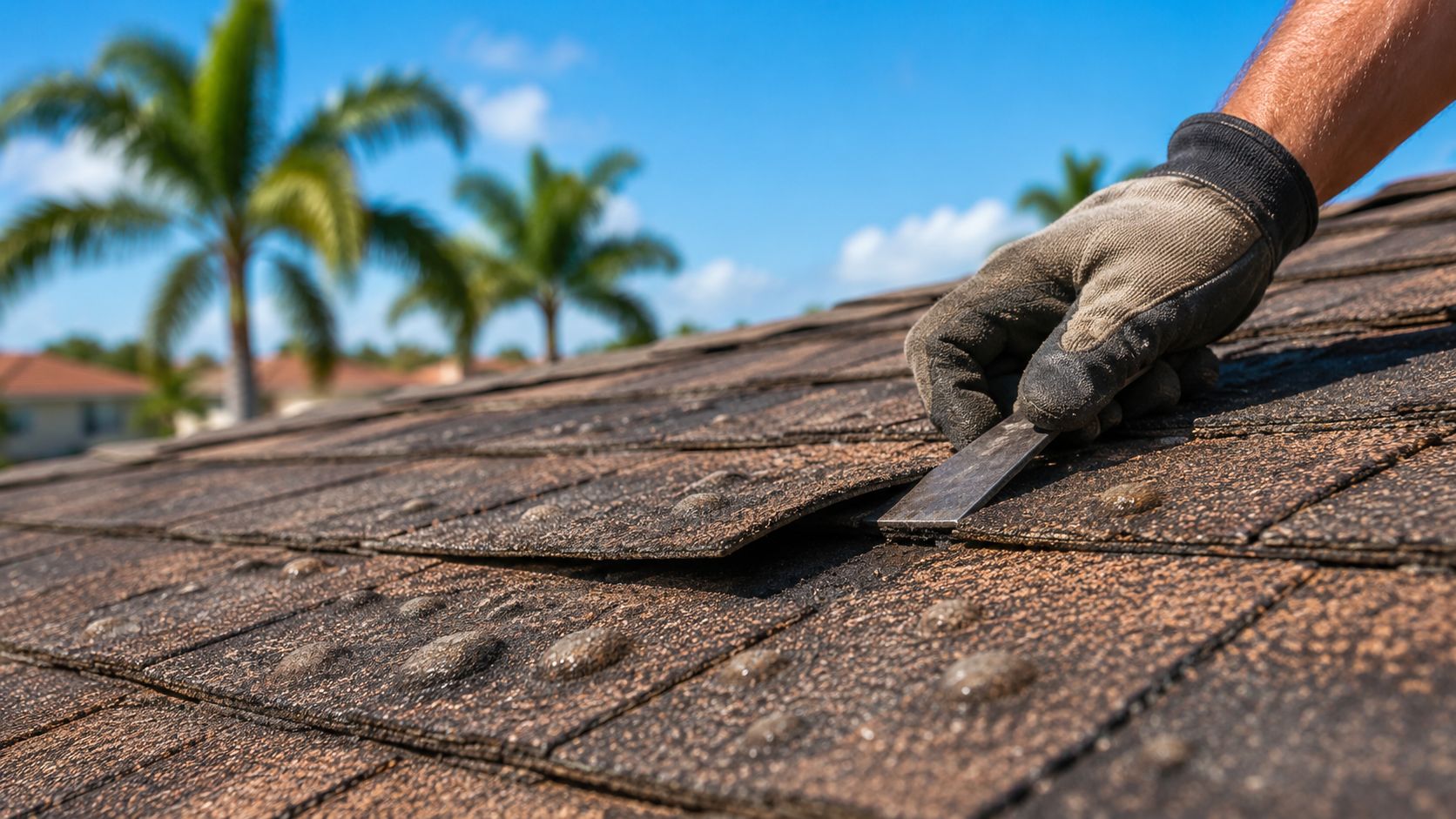
You step outside after another brutal Hialeah heat cycle, look up at the roof, and notice small bubbles scattered across the shingles. They don't look like missing tabs. They don't look like a clean puncture. They look odd, minor, and easy to ignore.
They shouldn't be ignored.
In this climate, shingle blistering is rarely just a cosmetic quirk. It often means the roof system is running too hot, holding moisture where it shouldn't, or both. On asphalt roofs in Hialeah, that matters because heat and humidity don't give roofing materials much room for error. A few raised spots today can turn into granule loss, exposed asphalt, and a shorter roof life if nobody addresses the cause.
Table of Contents
- What Are These Bubbles on My Roof Shingles
- Why Your Hialeah Roof Has Blistering Shingles
- Blistering Shingles vs Hail Damage What to Look For
- Your Guide to Repairing Blistered Asphalt Shingles
- Long-Term Prevention for Your South Florida Roof
- Protect Your Hialeah Home with Expert Roof Care
What Are These Bubbles on My Roof Shingles
If you're seeing raised bubbles on an asphalt shingle roof, you're likely looking at shingle blistering. These are small spots where the shingle surface has lifted because material inside the shingle reacted to heat and pressure. On some roofs, the blister stays intact for a while. On others, it breaks open and the protective granules come off.
That last part is where the roof starts losing ground. Once the blister ruptures, the asphalt underneath gets more direct sun exposure and wears faster.
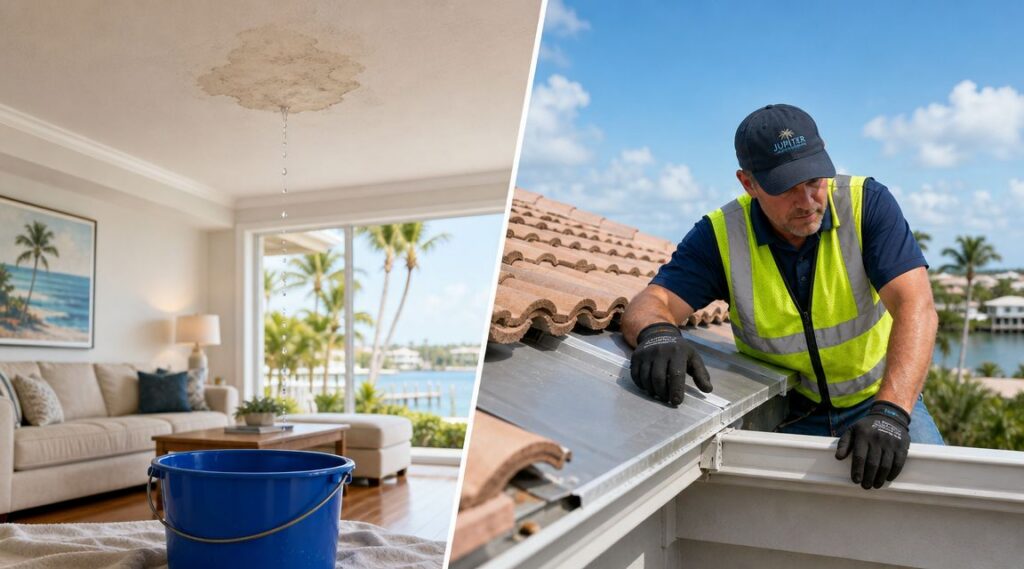
Homeowners in Hialeah often first notice blistering from the driveway, especially on the hotter slopes of the roof in late afternoon light. The spots can look like tiny pimples or bubbles. If you want a quick visual reference, this roof surface image shows the kind of texture change that usually catches a homeowner's eye first.
What blistering means in plain terms
A blistered shingle is a stressed shingle. The roof is telling you that heat and moisture have created pressure inside the roofing material.
That doesn't automatically mean the whole roof is failing. It does mean the roof deserves a closer diagnosis, because blistering often points to a bigger issue than one bad tab.
Practical rule: If the bubbles are widespread, repeat across one slope, or show up on multiple slopes, think beyond the shingle itself and start looking at attic heat and airflow.
Why this matters more in Hialeah
South Florida roofs live under constant thermal stress. Hialeah homes deal with heavy sun, long hot afternoons, and humidity that keeps moisture problems active. In that environment, blistering asphalt shingles in Hialeah should be treated as a roof health check, not just a surface flaw.
Homeowners usually want a simple answer. Is it cosmetic, or is it serious? The honest answer is that it depends on whether the blistering is isolated and stable, or whether it's a visible symptom of a ventilation and heat-management problem affecting the whole roof system.
Why Your Hialeah Roof Has Blistering Shingles
Blistering doesn't happen by accident. Something in the roof system allowed heat and trapped moisture or volatiles to build pressure inside the shingle. In Hialeah, that process gets accelerated fast.

Heat builds pressure inside the shingle
Independent roofing guidance notes that blistering is strongly linked to heat buildup and trapped moisture. It explains that blisters typically form when moisture or volatiles trapped in the shingle expand as the roof heats up, and that in South Florida roof-surface temperatures can reach about 150 to 190 degrees under intense sun, which speeds up that expansion process (guidance for adjusters on blistering versus hail damage).
That mechanism is straightforward. The sun drives up roof temperature. Material trapped inside the shingle expands. Pressure pushes upward. A bubble forms.
The trigger can come from different places:
- Manufacturing-related trapped material can leave tiny voids or volatile pockets inside the shingle.
- Installation moisture can get sealed into the system if conditions are poor.
- Uneven roof conditions can create hot spots that stress certain areas harder than others.
Ventilation is usually the bigger issue
On most houses with widespread blistering, the bigger question isn't just what happened inside the shingle at the factory. It's what the attic is doing every day.
Roofing education sources consistently identify inadequate ventilation as the most typical cause and recommend a balanced system such as ridge vents with eave vents so hot attic air can escape, because trapped attic heat can drive roof temperatures high enough to create more blisters (roofing education on blistering causes and prevention).
A poorly ventilated attic behaves like a heat chamber. The roof gets hammered from above by Hialeah sun and from below by trapped attic heat. That's when blistering stops being a single-material problem and becomes a system problem.
When blistering shows up early in a roof's life, I get suspicious of airflow first, not weather alone.
What works and what doesn't
Homeowners usually waste time in two places. First, they assume the issue came from one storm event. Second, they focus only on the visible blisters instead of the heat source feeding them.
A better way to think about it is this:
| Roof condition | What it usually suggests | Better next move |
|---|---|---|
| A few isolated intact blisters | Localized material stress | Monitor and inspect |
| Widespread blistering across hot slopes | Systemic heat or ventilation issue | Evaluate attic ventilation and roof condition |
| Repeated blistering after prior shingle repair | Underlying cause not fixed | Reassess airflow and installation details |
The trade-off is simple. Spot shingle replacement can improve appearance and remove damaged pieces, but it won't solve recurring blistering if the attic is still trapping heat. By contrast, ventilation corrections take more effort up front, yet they address the condition that often keeps the problem going.
Blistering Shingles vs Hail Damage What to Look For
A common Hialeah call goes like this: a homeowner spots scattered marks after a storm, assumes hail, and wants to know if insurance will cover it. From the ground, blistering and impact damage can look close enough to confuse anyone. Up on the roof, they point to very different problems. One usually traces back to heat, moisture, and roof system conditions. The other comes from a strike.

How blistering usually presents
Blistering pushes outward. The surface forms small raised bubbles, and the pattern often repeats across the hotter sections of the roof instead of showing up as isolated hits. In Hialeah, that pattern matters. Strong sun, high roof temperatures, and humidity tend to expose underlying roof stress fast, so blistering is often less about one visible spot and more about the condition of the whole roof assembly.
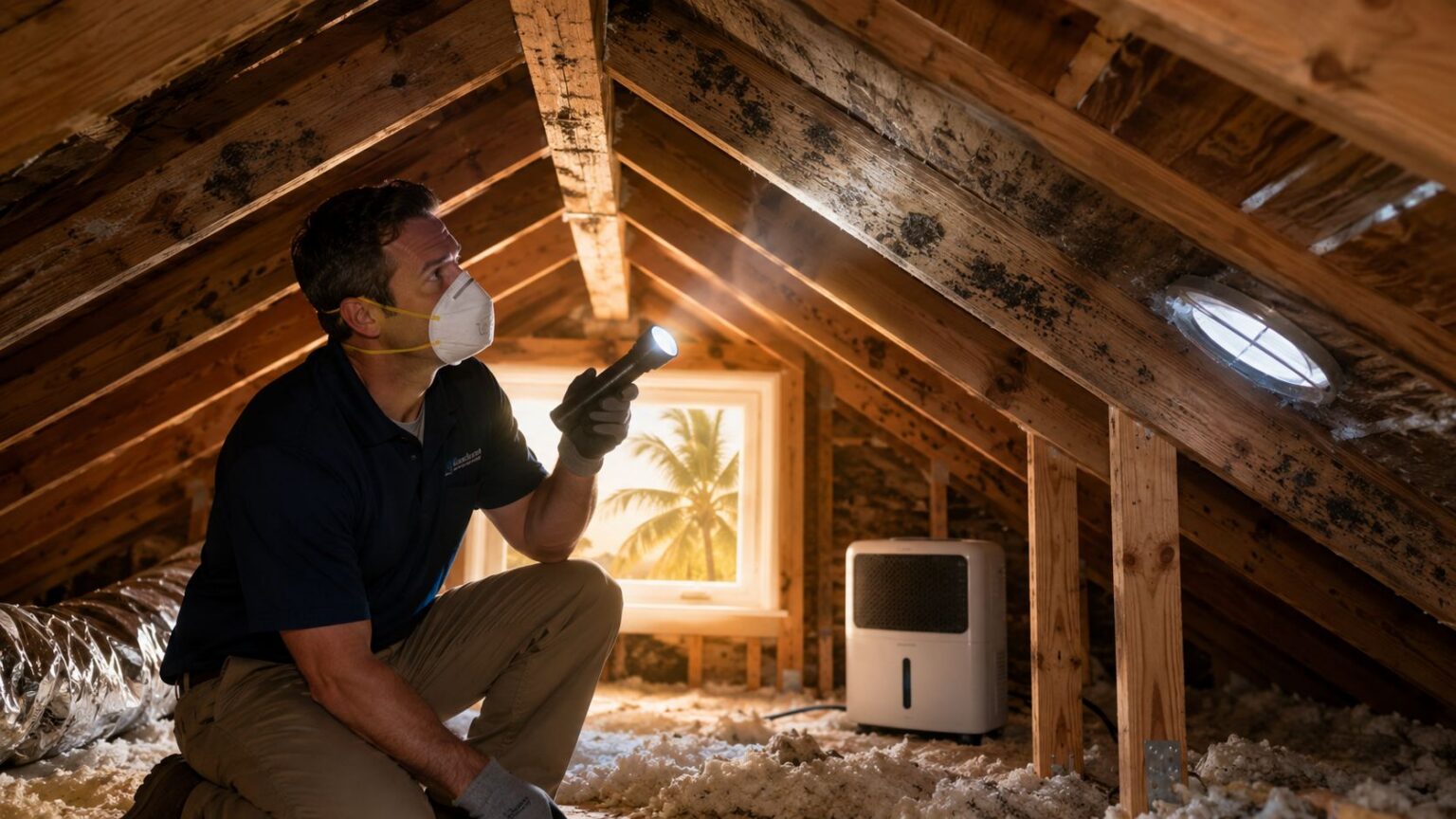
If the blister is still intact, the granules may still cover it. Once it opens, you usually see a small exposed patch where granules have released. What you usually do not see is the sharp, compressed look that comes with impact.
A helpful visual reference is this close-up roof surface damage example, which shows the kind of texture and granule loss differences inspectors compare in the field.
What hail damage looks like instead
Hail pushes inward. It leaves a bruise, dent, or pockmark where something hit the shingle from above. The marks are usually less uniform, and they often appear in a more random pattern based on storm direction, roof exposure, and what part of the slope took the hits.
The surface can show a cleaner point of granule loss. On some shingles, the mat below may also show cracking or compression. That is a different failure path than a blister, which builds from inside the shingle and then breaks open.
A quick field comparison
Use this table as a practical first check:
| Sign | Blistering | Hail damage |
|---|---|---|
| Shape | Raised bump | Indented mark |
| Cause | Heat and internal pressure within the shingle | External impact |
| Pattern | Repeated across hot or stressed roof areas | Random or storm-driven distribution |
| Surface look | Granules may stay in place until the blister ruptures | Granule loss often centers on the impact point |
Outward pressure points to blistering. Inward compression points to impact.
Be careful with hands-on checks. Pressing suspicious spots, especially on a hot afternoon, can break a weak blister and change what you are trying to inspect. Walking the roof can do the same thing.
The reason this matters goes beyond naming the damage correctly. In Hialeah, widespread blistering can signal that the shingles are taking sustained heat stress and that the attic or roof system needs a closer look. Hail damage raises a different set of questions about storm loss and localized repair. If the diagnosis is wrong, the repair plan usually goes wrong with it.
Your Guide to Repairing Blistered Asphalt Shingles
You spot a cluster of bubbles from the driveway after a stretch of brutal Hialeah heat. By midafternoon, that roof is baking, the shingles are soft, and one bad decision can turn a worn section into a bigger repair.
Start with one rule. Stay off the roof.
On blistered asphalt shingles, foot traffic often does more damage than the blister itself. A raised spot that is still intact can break under pressure, shed granules, and expose the shingle surface faster. In Hialeah, where heat and humidity keep stressing the roof system day after day, blistering is rarely just about appearance. It is a cue to check how the whole roof is handling heat, moisture, and age.

Start with a ground-level assessment
A homeowner can learn a lot without climbing a ladder. Stand back far enough to see the full slope, then look for pattern and severity.
Check these three points first:
How much of the roof is involved
A few isolated blisters call for a different response than a whole slope with repeated bubbling.Where the damage shows up
South- and west-facing sections in Hialeah usually take the hardest heat load. If blistering is concentrated there, heat stress may be part of the story.Whether the blisters are intact or broken
Intact blisters and popped blisters do not get treated the same way. Once the surface breaks, the shingle has already lost part of its protection.
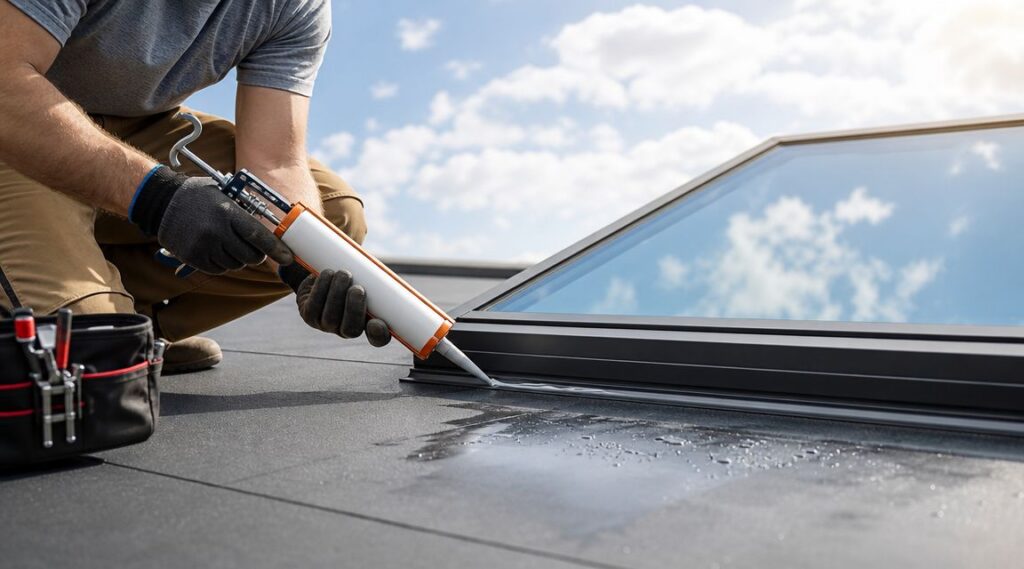
This reference image showing roof surface wear and exposure gives a useful visual for the kind of deterioration that matters when deciding whether to monitor a section or replace shingles.
When a repair is enough
Repair works when the damage is limited and the surrounding shingles are still in serviceable shape.
A few small, intact blisters
If the affected area is minor and the granules are still holding, the right move is often to document it and watch it through the next inspection cycle. Replacing shingles too aggressively can create unnecessary disturbance on an older roof.
Ruptured blisters with granule loss
Once the blister has opened, the shingle surface is compromised. At that point, spot replacement is usually the practical repair. Smearing sealant over the spot does not rebuild the lost surface or restore the shingle's life.
Clusters across a broader area
In such instances, roofers need to slow down and diagnose the system, not just swap tabs. Widespread blistering in Hialeah often points to a roof that is running too hot, aging unevenly, or dealing with attic moisture and ventilation problems. If that pattern is present, a roofing inspection service, such as the one offered by Paletz Roofing and Inspections, can help determine whether the issue is limited repair work or a larger roof health problem.
What not to do
Bad repair attempts shorten roof life fast.
- Do not cut open blisters. That removes what little protection the shingle still has.
- Do not coat scattered spots with roofing cement. It rarely holds well on heat-stressed shingles and usually leaves a messy patch.
- Do not pressure-wash the roof. Blistered areas already have a weak bond at the surface.
- Do not treat every bubble as a one-shingle problem. If the pattern is widespread, the cause is bigger than the visible spots.
I have seen plenty of roofs where the first instinct was to fix the ugliest tabs and move on. That can make sense on a newer roof with isolated damage. It is the wrong call when blistering is showing up across hot slopes in patches or fields.
The trade-off is straightforward. Small repairs cost less now, but are only advisable when the issue is localized. If blistering is widespread, the smarter investment is to pair shingle replacement with a closer look at attic heat, ventilation balance, and overall roof age.
Long-Term Prevention for Your South Florida Roof
The worst way to handle blistering is to treat each bubble like a separate defect. That approach keeps you busy and keeps the roof vulnerable. In South Florida, prevention works better when you treat blistering as a warning that the roof system needs better heat and moisture control.

Treat blistering like a system warning
Recent roofing guidance focused on Florida conditions notes that roof surfaces can reach roughly 150 to 190°F, and that blistering can signal faster granule loss and UV exposure. It also raises the practical question of whether spot repair is enough if the underlying attic ventilation strategy is failing (Florida-focused guidance on blistering and ventilation).
That's the right question for Hialeah homeowners.
If the roof is overheating day after day, replacing a few damaged tabs may improve the look without improving the roof's operating conditions. Over time, that can leave you spending money in cycles instead of solving the issue once.
Prevention steps that hold up in Hialeah
A durable prevention plan isn't complicated, but it has to be disciplined.
Check attic airflow, not just shingle appearance
If hot air can't escape properly, the roof keeps taking heat from both sides. Balanced intake and exhaust matter more than cosmetic patching.Use replacement shingles that match the job, not just the color
When a roof section needs repair or a full replacement is coming, material quality matters. Better shingles and correct installation practices reduce the odds of repeat blistering.Schedule roof inspections before small damage spreads
Blistering often sits beside other clues such as granule wear, venting problems, and localized hot spots. Catching those together gives you a better repair decision.Keep drainage and roof surfaces maintained
Gutters, debris buildup, and trapped moisture around the roof system don't cause every blister, but neglected maintenance always makes diagnosis harder and roof performance worse.
Here is the practical difference between reactive and preventive thinking:
| Approach | What happens |
|---|---|
| Replace only the worst visible shingles | The roof may look better, but the root cause may stay active |
| Inspect ventilation, attic heat, and shingle damage together | You get a repair plan that addresses both symptom and cause |
For homeowners outside Florida who are comparing leak behavior in other climates, this overview of professional roof leak help in Puget Sound is useful because it shows how leak diagnosis changes by region, even when the homeowner first notices only surface signs.
A roof in Hialeah doesn't need guesswork. It needs airflow, correct materials, and periodic inspection from someone who knows what South Florida heat does to asphalt shingles.
Protect Your Hialeah Home with Expert Roof Care
A lot of Hialeah homeowners first catch shingle blistering from the driveway after a stretch of brutal sun and afternoon humidity. The roof still looks mostly intact, so it is easy to treat those bubbles like a minor surface issue. That is how bigger problems get missed.
In this climate, blistering is often less about appearance and more about what the roof system has been enduring day after day. High attic heat, trapped moisture, aging materials, and long UV exposure can all show up in the same patch of shingles. A blistered area can be the first visible clue that the roof is aging unevenly, shedding protection, or running hotter than it should.
What matters now is the condition of the full system.
A practical inspection checks whether the blistering is concentrated in one section or spread across multiple slopes, whether granules are already coming loose, and whether the attic is adding stress from below. That changes the recommendation. One home may only need targeted repairs and follow-up monitoring. Another may be close to the point where patching shingles does little because the underlying heat and moisture cycle is still active.
That is why homeowners in South Florida should treat blistering as a roof health check, not a cosmetic annoyance. If blisters are opening, granules are missing, or the roof is nearing the end of its service life, waiting usually leads to faster wear and a more expensive decision later.
If you need a clear assessment of blistered shingles, attic heat issues, or broader roof wear, Paletz Roofing and Inspections can inspect the roof system and outline practical next steps for your South Florida property. For homeowners comparing how roof leak diagnosis changes in other regions, this overview of professional roof leak help in Puget Sound shows why climate-specific evaluation matters.