
When you spot those bubble-like formations on your shingles in Greenacres, you're looking at roof blistering. It’s a classic sign of trapped moisture or air swelling up under the intense Florida sun. This process gets a serious boost from our region's high humidity and powerful UV exposure, quickly turning what seems like a small cosmetic issue into a real problem.
Unpacking the Causes of a Blistering Roof Surface Greenacres
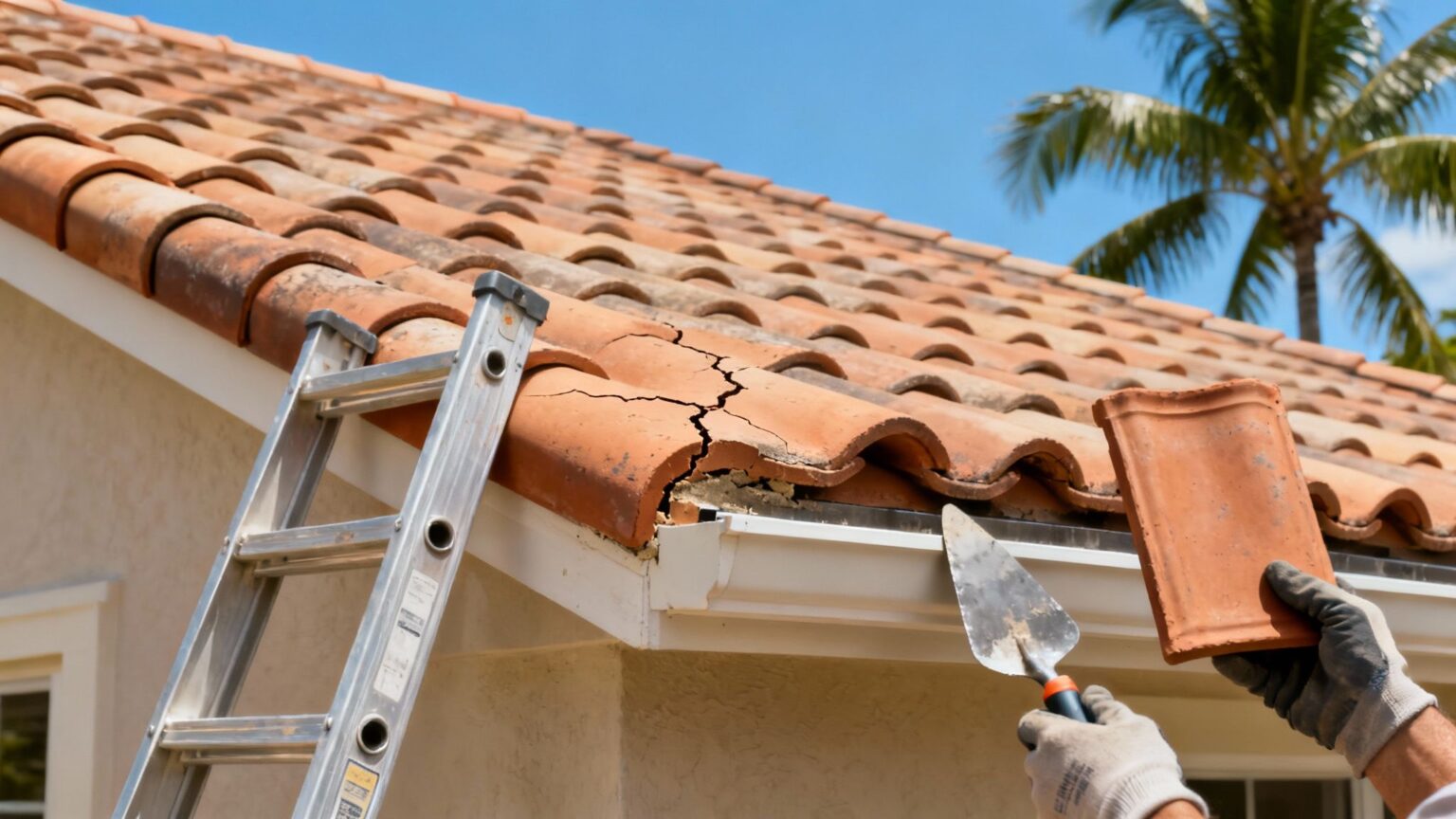
Seeing blisters on your roof is a clear signal that something’s off. Picture a shingle as a layered sandwich. If a tiny bit of air or moisture gets trapped between those layers during manufacturing or installation, it just sits there… until the Greenacres sun starts beating down on it. That heat forces the trapped gas or water vapor to expand, pushing the top layer of the shingle outward and creating that tell-tale bubble or "blister."
This is what happens when environmental stress meets a minor flaw in the material or installation. For any homeowner in Greenacres, understanding how our local climate plays into this is absolutely essential.
The Impact of Greenacres Climate
The combination of our relentless sun and sky-high humidity creates the perfect storm for roof blistering. The intense UV radiation bakes the shingles day after day, sending their surface temperature soaring. This constant heat provides all the energy needed for any trapped moisture to transform into expanding vapor.
The real damage often starts when these blisters pop. Once that protective outer layer is broken, the shingle’s core asphalt mat is exposed directly to the elements. From there, it’s a fast track to rapid deterioration and, eventually, leaks.
Here's a quick look at the primary culprits we see causing roof blisters right here in our area.
Key Causes of Roof Blistering in Greenacres
| Factor | How It Causes Blisters | Why It Matters in Greenacres |
|---|---|---|
| Intense Sun/UV | Heats the shingle surface, causing trapped air or moisture to expand and form bubbles. | Florida's year-round sun provides constant energy for the blistering process to occur. |
| High Humidity | Increases the amount of moisture present in the air that can get trapped during installation or manufacturing. | Our humid climate means there's always a high risk of moisture becoming trapped under shingles. |
| Poor Ventilation | Traps superheated air in the attic, "baking" the shingles from below and speeding up blister formation. | Improperly ventilated attics can become ovens in the summer, drastically shortening shingle lifespan. |
| Material Flaws | Small voids or moisture pockets can be present from the factory, creating a built-in failure point. | These minor defects are activated by our extreme heat, turning them into visible blisters. |
Understanding these factors helps pinpoint why your roof might be showing these signs of stress. It’s almost always a combination of things.
Poor Attic Ventilation an Unseen Accomplice
Another major player in this is poor attic ventilation. An attic that can’t breathe properly basically becomes an oven, trapping superheated air right under your roof deck. This heat cooks the shingles from the bottom up while the sun is cooking them from the top down, dramatically accelerating the blistering process.
Without a proper way to escape, this trapped heat and moisture has nowhere to go but up, putting immense strain on the shingle itself. Roof blistering almost always leads to significant granule loss, which is like removing the sunblock from your shingles. It shortens their lifespan by exposing the sensitive asphalt underlayer to direct UV damage. You can see more examples of this damage in our project gallery. Correctly identifying this issue is the first step toward protecting your home.
Distinguishing Roof Blisters From Hail Damage
After a big storm rolls through Greenacres, it’s natural to look up at your roof and worry. But what you see can be deceiving. Telling the difference between a blistering roof and actual hail damage is one of the most important skills a homeowner can have, especially when it comes time to talk to your insurance company. Getting it wrong can lead to denied claims and a lot of wasted money.
Think of a roof blister like a small, sealed bubble popping up on a shingle. It’s a raised bump that would feel spongy or even hollow if you could (carefully!) press on it. The absolute key thing to look for is that blisters usually keep their protective surface granules. They look more like a flaw coming from inside the shingle rather than a hit from the outside.
Identifying Marks of Blisters
So, what causes these bubbles? Blisters are just pockets of trapped air or moisture that have literally baked and expanded under the intense Florida sun. Their appearance is totally different from impact damage.
- Shape: Blisters are almost always rounded and bubble-like, pushing the shingle’s surface up from underneath.
- Surface Integrity: The top layer of granules typically stays right where it is, covering the whole raised area. The shingle's "skin" is intact.
- Feel (with caution): If you were to touch one, a blister would feel softer and more pliable than the solid shingle around it.
This infographic breaks down how the sun, moisture, and trapped air all work together to create blisters on a roof here in Greenacres.
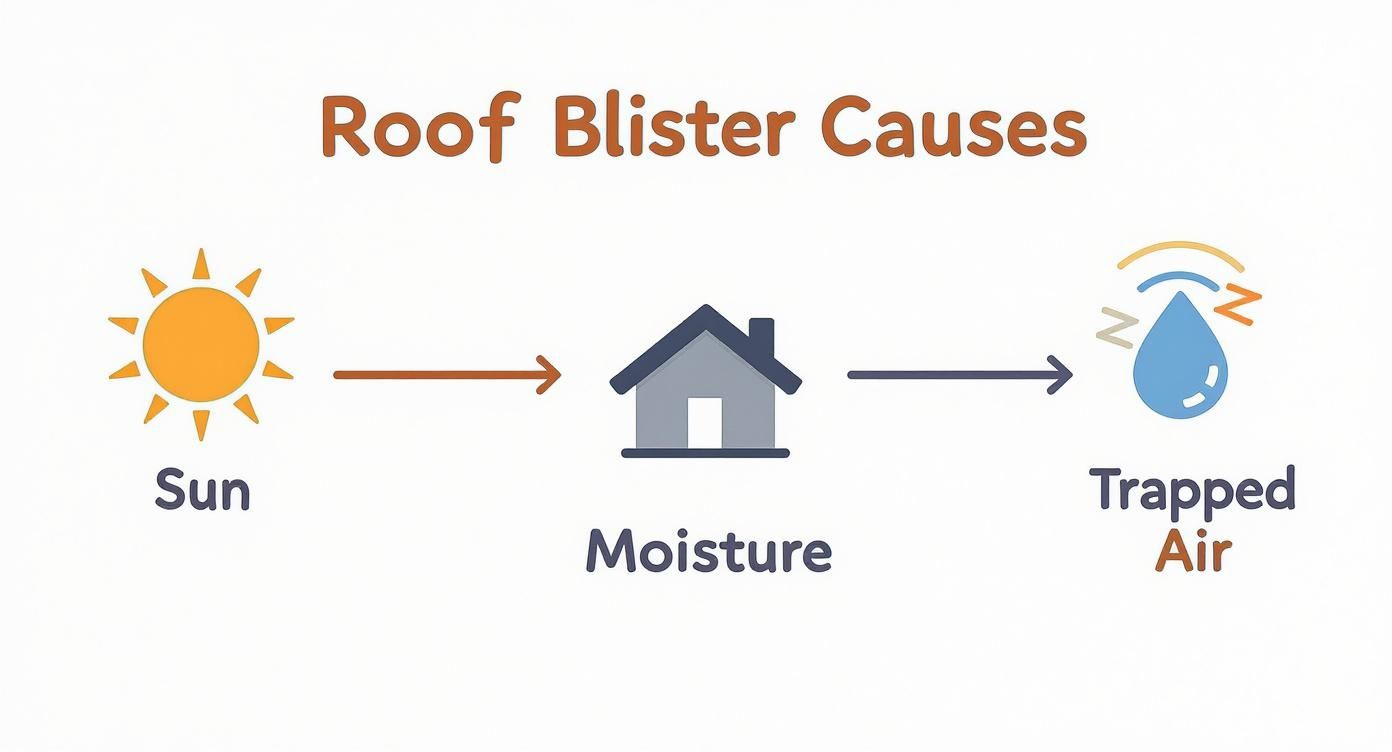
As you can see, blistering is a slow burn—a process driven by our climate, not a sudden event like a hailstorm.
Hallmarks of Hail Damage
Hail damage, on the other hand, is exactly what it sounds like: the result of a direct, forceful impact. It doesn't look like a bubble at all. It looks more like a bruise or a small crater.
Hail strikes leave a distinct indentation. You can often see the underlying asphalt mat because the granules have been knocked off at the point of impact. This "bruised" appearance is a tell-tale sign of hail.
Misdiagnosing this can have huge financial consequences, leading straight to inaccurate insurance claims and disputes over coverage. It’s not just about your roof’s health; it’s about your wallet.
The most obvious visual giveaway is the loss of granules. A blister is a bump with its protective granules still on, while a hail strike is a dent missing its granules. For a clearer picture, you can check out our guide on identifying different types of roof damage. Knowing what to look for empowers you to have a much more productive conversation with your roofer and insurance adjuster, making sure you get the right fix for the right problem.
The True Cost of Ignoring a Blistering Roof
Seeing a few bubbles on your roof might not set off alarm bells. It’s easy to dismiss them as a minor cosmetic flaw, something you’ll get to eventually. But for a roof here in Greenacres, ignoring those blisters is like ignoring a small crack in a dam. The pressure is building, and what comes next is way more destructive than the initial problem ever was.
Those bubbles aren't just ugly spots; they are active threats to your home's structure.
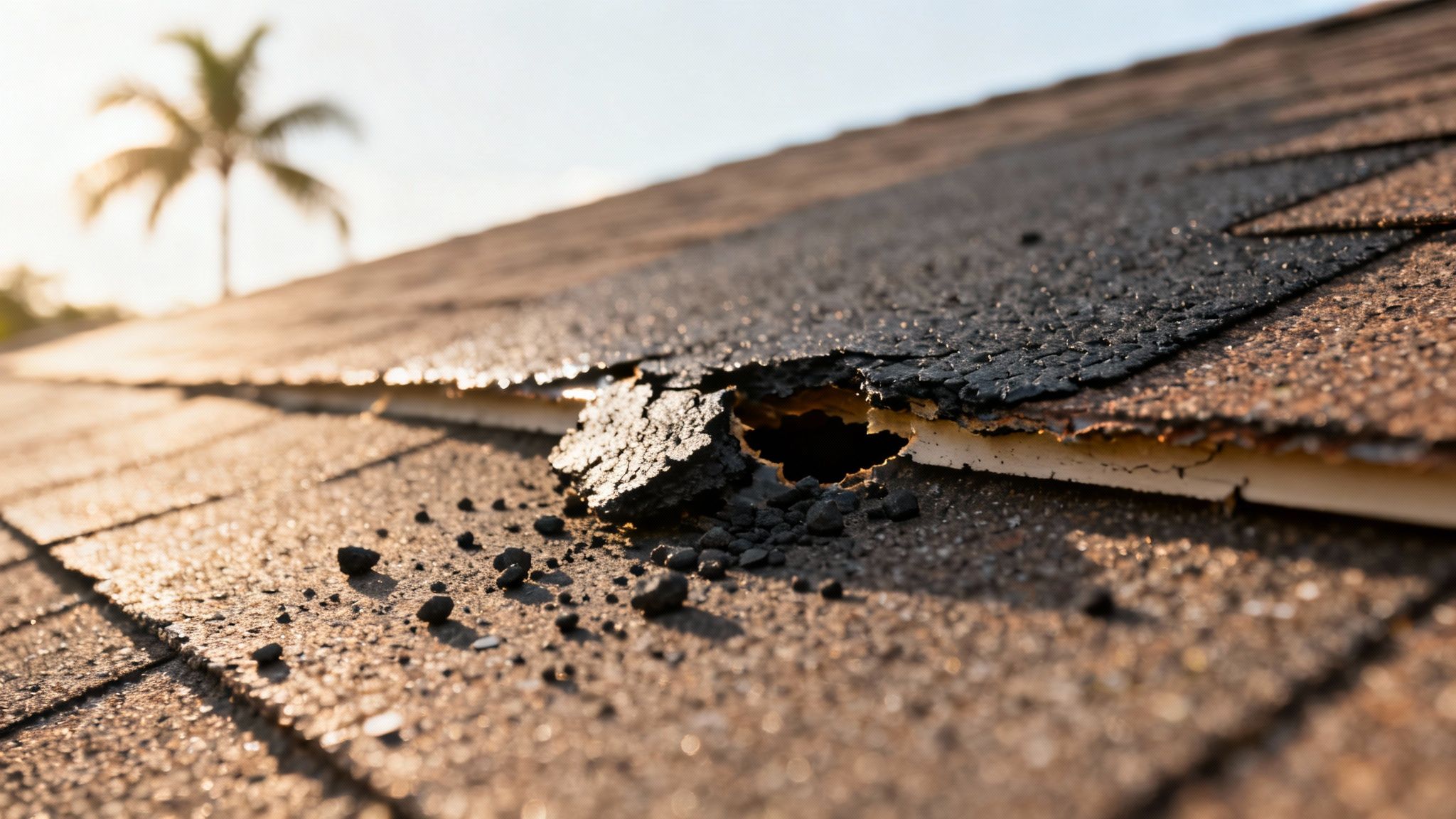
The real trouble starts the second a blister pops. Picture it like a scab being picked off a wound. That thin, raised surface was the last line of defense. Once it’s gone, the vulnerable black asphalt mat underneath is left completely exposed to the relentless Florida sun. From there, a rapid and irreversible breakdown begins.
The Domino Effect of a Popped Blister
Once that core is exposed, the protective granules—your shingle’s main shield against UV rays—start washing away with every single downpour. This loss of granules massively speeds up the shingle's aging process. Without its protective layer, the asphalt turns brittle, loses its flexibility, and kicks off a whole cascade of expensive problems.
This deterioration creates a chain reaction of weak spots:
- Weakened Wind Resistance: Brittle shingles can't flex under pressure anymore. When a storm rolls through, strong winds can easily get underneath their edges, peeling them back or ripping them off entirely.
- Inevitable Water Intrusion: A single cracked or missing shingle is an open door for water. Rain then finds its way into your attic, soaking insulation and compromising the wooden decking.
- Hidden Interior Damage: That water doesn't just hang out in the attic. It can travel down inside your walls, leading to stained ceilings, peeling paint, and the very real possibility of dangerous mold growth.
- Skyrocketing Energy Bills: Once your attic insulation is saturated, it’s basically useless. Your air conditioning has to work overtime to cool your home, and that lost efficiency shows up directly on your monthly FPL bill.
The real cost isn’t just patching up a few shingles. It’s the compounding expense of fixing everything the water touches on its way down. What begins as a small blister can easily end with a full roof replacement and major interior repairs.
When blistering leads to leaks, the internal damage can be massive. Understanding potential water damage cleanup costs is key to grasping the true financial hit. The initial expense of dealing with a few blisters is nothing compared to the thousands you could spend on mold removal and structural repairs down the road. Being proactive with inspections and timely repairs is your best defense against this escalating threat.
Of course. Here is the rewritten section, crafted to sound completely human-written and natural, following the provided style guide.
How Installation Errors Can Cause Roof Blisters
While the intense Greenacres sun is a major player when it comes to roof blisters, it often just brings to light problems that were built in from day one. You see, many roof issues don't start with a storm, but with a simple mistake made during installation. A top-notch installation is every bit as critical as the shingles themselves for a long-lasting, trouble-free roof.
Think of your roof deck as the foundation for your shingles. If a roofer lays new shingles over a deck that's even slightly damp from a recent rain or morning dew, they're essentially trapping moisture inside the system. The moment the sun heats up that roof, the trapped water turns to vapor, pushing up from below and creating those ugly blisters.
This is exactly why a meticulous, professional process is non-negotiable. Shortcuts taken to save a few hours on installation day can easily lead to years of headaches and a roof that fails way too soon.
Common Installation Shortcuts to Look Out For
Even seemingly small oversights during the roofing process can have huge consequences down the road. For homeowners here in Greenacres, being aware of these common slip-ups is key, as they directly lead to blistering and other types of roof damage.
- Poor Ventilation Planning: A new roof is only as good as the ventilation system supporting it. If a roofer doesn't install a balanced system of soffit and ridge vents, hot, moist air gets trapped in the attic. This essentially bakes the shingles from below, dramatically speeding up blister formation.
- Improper Nailing: Using the wrong nail length or driving nails in too deep can easily damage the shingle mat. These tiny ruptures create weak points where moisture can seep in and air gets trapped, setting the stage for future blisters.
- Layering Over Old Shingles: Tossing a new layer of shingles over an old, worn-out one is a common corner to cut to save money. Unfortunately, this practice traps moisture and debris between the layers, creating the perfect storm for widespread blistering.
Manufacturing and installation defects are a primary cause of roof blistering. Poor practices—like installing shingles over damp substrates or inadequate sealing—dramatically increase the risk. Globally, up to 20% of roof replacement costs can be traced back to issues with poor installation and material defects. Find out more about the impact of installation on roof health.
The Importance of Proper Material Handling
Beyond the physical act of nailing down shingles, the way materials are handled and prepared is just as important. For instance, storing shingle bundles directly on damp ground before installation can cause them to absorb moisture. When these shingles go up on the roof, that hidden moisture is locked in for good.
Just asking your contractor about their specific process for handling and installing materials can tell you a lot about their commitment to quality. A true professional will always make sure the roof deck is bone-dry, use the correct fastening methods, and insist on proper ventilation. By understanding these potential failure points, Greenacres homeowners can ask the right questions and make sure their roofing project gets done right the first time.
Deciding Between DIY Repair and Professional Service
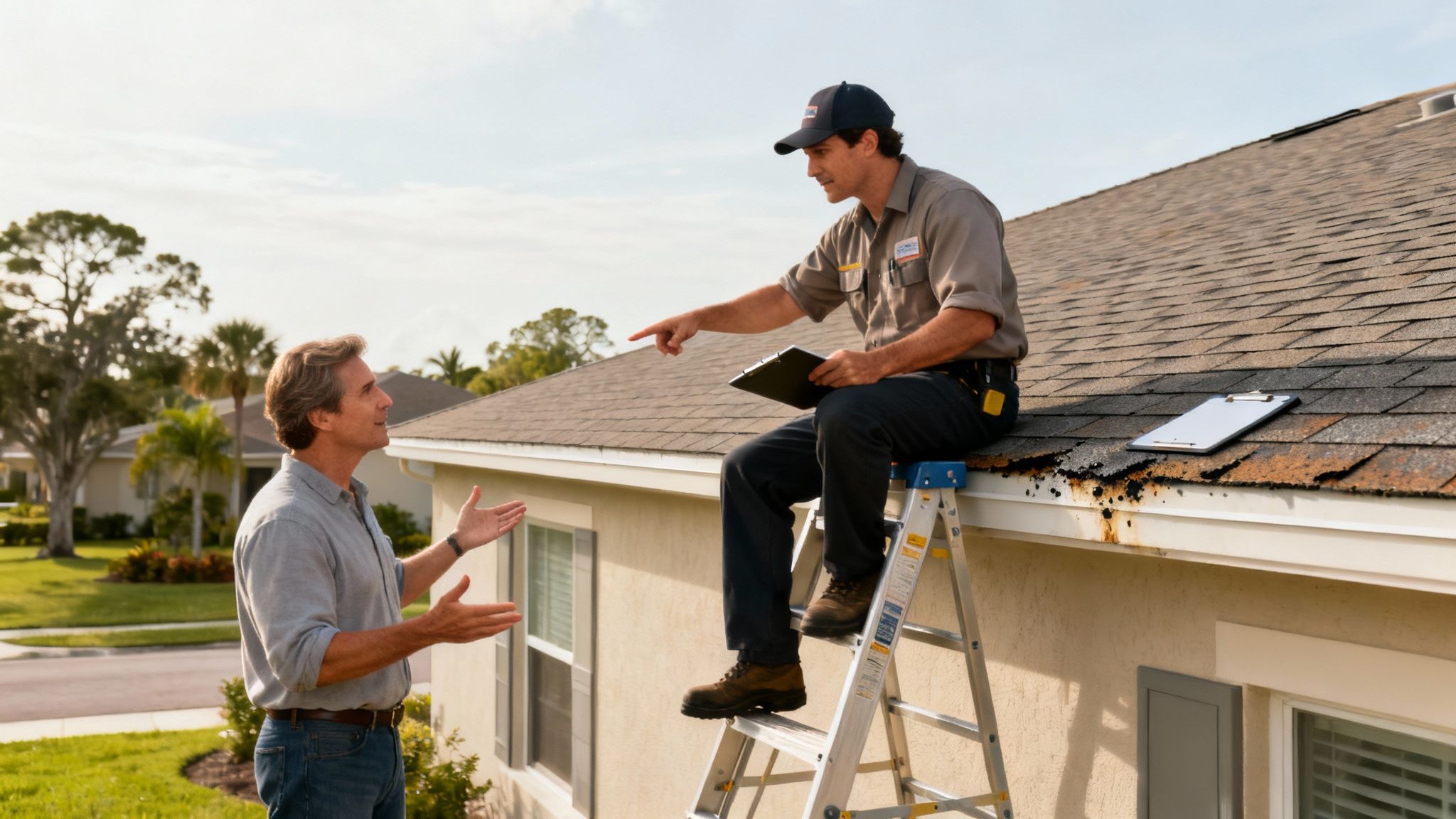
When you spot those ugly blisters on your roof, your first thought might be to climb up there and fix it yourself. We get it—that Greenacres can-do spirit is strong. But when it comes to roofing, a little DIY project can quickly spiral into a catastrophe. A small mistake doesn't just look bad; it can lead to bigger leaks, turning a tiny fix into a massive expense.
Honestly, deciding whether to grab your ladder or call us professionals comes down to a clear-eyed look at the real scope of the problem, your own skills, and the very real dangers involved. There are very, very few situations where tackling this yourself is a good idea.
When DIY Might Be an Option
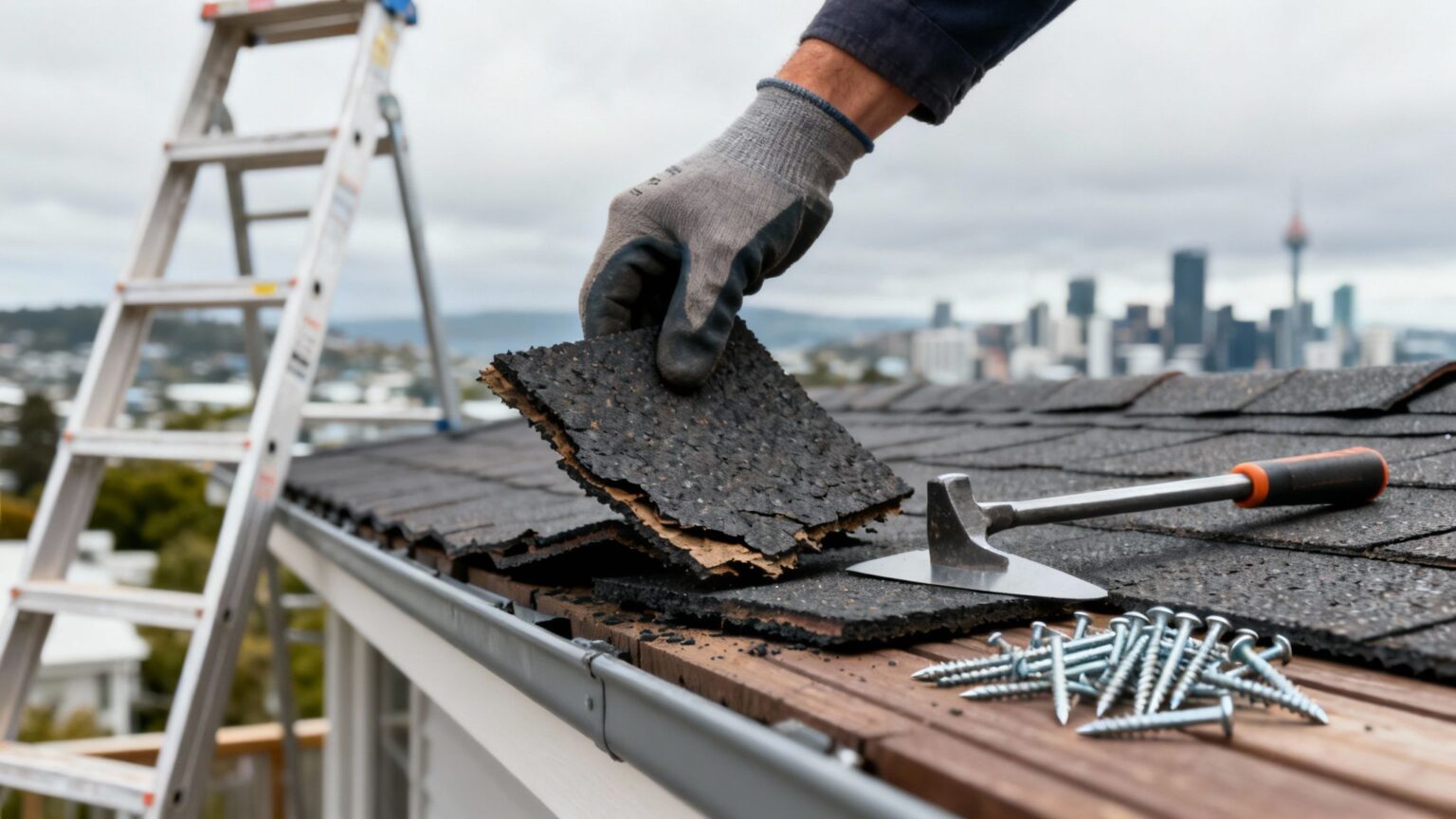
Let's be crystal clear: a DIY repair should only ever be on the table under a very specific, limited set of circumstances. If you have just one or two isolated blisters on a single-story home with a low-slope roof that's easy to walk on, maybe you could think about it. The basic process involves carefully slicing the blister open, letting it dry completely, applying roofing cement, and pressing it all back down.
But even then, the risks are huge. Any time you're on a roof, you're working at height, which is inherently dangerous. Add in the intense Florida sun, and you're also battling heatstroke and dehydration. Worse, if your repair isn't perfect—if you trap a bit of moisture or the seal isn't 100% waterproof—you've just made the leak worse and likely voided your shingle warranty.
Clear Signs You Need a Professional Roofer
For the vast majority of roof blistering issues, calling a licensed Greenacres roofer is the smartest, safest, and most effective choice you can make. There are some absolute red flags that mean a professional is non-negotiable.
If your roof is over 10 years old, you see blistering across multiple areas, or the damage is on a steep or two-story home, please do not attempt a DIY repair. These are classic signs of a deeper, systemic problem that needs a professional diagnosis to head off a catastrophic failure.
Hiring a professional brings critical advantages to the table that a DIY approach simply can't touch. A certified roofer shows up with the right tools, the proper safety equipment, and years of experience to get the job done right the first time.
Most importantly, we can accurately figure out the root cause of the problem—was it poor ventilation or a defect in the material?—to make sure the fix is permanent. We use professional-grade materials that stand up to our weather, and our work is backed by both workmanship and material warranties. That's real peace of mind. To see what a full professional evaluation looks like, you can learn more about our comprehensive roof inspection services.

To make it even clearer, we've put together a quick comparison to help you make the safest choice for your home.
DIY Fix vs. Professional Roofer Comparison
| Consideration | DIY Approach | Professional Roofer |
|---|---|---|
| Safety Risk | High, due to falls and heat exposure. | Low, with proper safety gear and training. |
| Diagnosis | Limited to what you can see on the surface. | Comprehensive diagnosis of underlying causes. |
| Material Quality | Retail-grade products from a big-box store. | Professional-grade, durable materials. |
| Warranty | Voids your manufacturer warranty. | Preserves existing and adds new warranties. |
| Long-Term Cost | Potentially high due to failed or repeat repairs. | Lower, thanks to a permanent and guaranteed solution. |
When it comes down to it, while patching a small blister yourself might feel like you're saving a few bucks, the potential for costly errors and serious injury is just too high. Protecting your home—and yourself—by investing in professional expertise is always the smarter move.
Common Questions About Roof Blistering in Greenacres
Even after you understand what causes those ugly bubbles on your roof, a few specific questions always pop up. Homeowners in Greenacres are rightfully concerned about things like insurance, prevention, and what to do next.
Think of this as your quick-reference guide for the most pressing issues you'll face when you spot a blistering roof.
Does Homeowner's Insurance Cover Roof Blistering?
This is usually the first question people ask, and unfortunately, the answer is almost always no. Your standard Florida homeowner's insurance is there for sudden, accidental damage—think a tree limb crashing down or a storm tearing shingles off.
Roof blistering, on the other hand, is seen by insurers as a gradual problem. They classify it as wear-and-tear that happens over time, often due to a defect in the shingle, a shoddy installation job, or just the roof getting old under our intense sun. These causes are almost always listed as exclusions in a standard policy. While you should always double-check your own documents, it's safest to assume that fixing a blistering roof will be an out-of-pocket maintenance cost.
How Much Does Attic Ventilation Help Prevent Blisters?
A whole lot. In fact, you could argue it’s the single best defense your roof has against blistering in a climate like ours. A properly designed ventilation system—usually a mix of soffit vents to pull cool air in and ridge vents to push hot air out—creates a constant, steady airflow.
This constant circulation stops superheated, moist air from getting stuck in your attic and baking the underside of your roof deck. By keeping the deck cooler, you dramatically reduce the heat cooking your shingles from below. This is a direct counterattack on the main cause of blistering, which is trapped air or moisture expanding in the heat. Investing in good ventilation isn't just a repair; it's a proactive step that can add years to your roof's life.
Are Dark-Colored Shingles More Likely to Blister?
Yes, they definitely are. In the bright Greenacres sun, dark shingles in colors like black, deep brown, or charcoal gray absorb a massive amount of solar heat. On a typical summer afternoon, their surface temperature can easily soar to 140-160°F.
All that extreme heat acts like an accelerator for the blistering process. It gives any trapped gas or moisture way more energy to expand and push up through the shingle. While the quality of the shingle and the installation are still the most important factors, choosing a lighter color or a reflective ENERGY STAR-rated shingle can absolutely help keep the surface temperature down and lower your risk of developing blisters.
What to Do About Blisters on a Newer Roof?
Finding blisters on a roof that’s only a few years old should set off alarm bells. This is almost never a case of normal aging. It points directly to one of two things: either a manufacturer's defect in the shingles or a faulty installation.
Your very first move should be to call the contractor who installed the roof. Any roofer worth their salt will stand by their work and should have a workmanship warranty to cover installation mistakes. At the same time, dig up the warranty paperwork for the shingles themselves to check for coverage on material defects. Before you pick up the phone, make sure you document everything with clear, dated photos from a few different angles.
If you're dealing with a blistering roof surface Greenacres residents know is a serious issue, don't wait for a small problem to become a huge one. The experts at Paletz Roofing and Inspections bring over 30 years of experience to diagnosing and permanently fixing these problems. Contact us today for a free, no-obligation inspection and protect your home with a team you can trust.