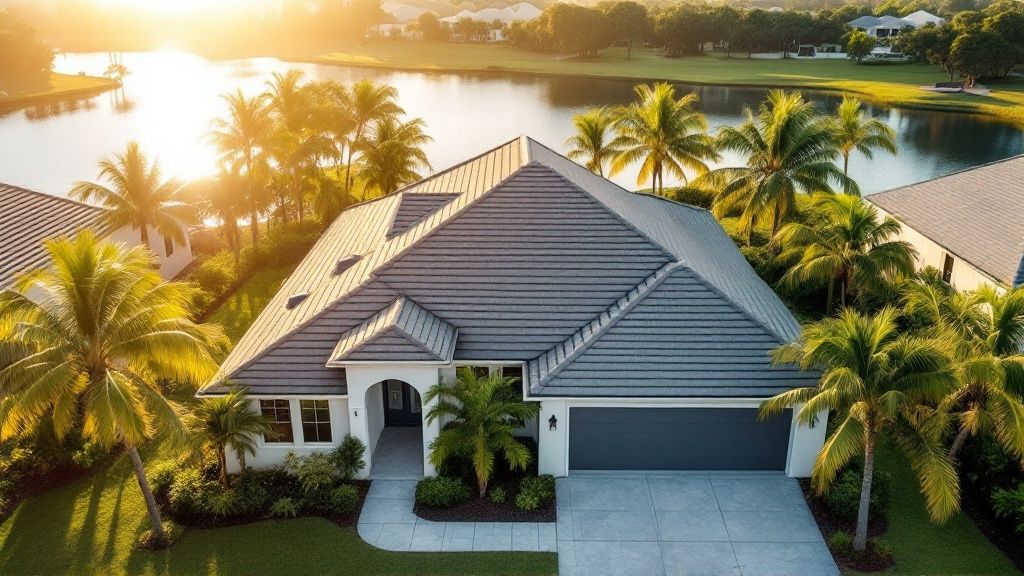
When you own a home in residential roofing in Hollywood Lakes FL, your number one priority is a roof that can stand up to South Florida's brutal weather. You need materials and an installation strong enough to handle everything from hurricane winds and relentless sun to our famous torrential downpours.
Protecting Your Home in Hollywood Lakes
Let's be honest, your roof is more than just some shingles and tiles. It’s the single most important shield protecting your home and family. Here in a unique coastal community like Hollywood Lakes, that shield is constantly under attack.
We've got corrosive salt air coming off the Atlantic, oppressive humidity, and the ever-present threat of tropical storms. A generic, off-the-shelf roofing solution just won't cut it. Choosing the right roof isn't about curb appeal—it’s a critical investment in your family's safety and your home's long-term health.
This guide is your roadmap, designed specifically for the challenges we face here. We’re skipping the generic advice and getting straight to what works for our local climate and building codes.
What You Will Learn
We'll walk through everything you need to know to get your roofing project done right. You'll get a real-world understanding of:
- Storm-Resistant Materials: We’ll break down the top choices that actually hold up during a hurricane—think tile, metal, and specialized asphalt shingles.
- Local Building Codes: You'll learn why Broward County's High-Velocity Hurricane Zone (HVHZ) rules are so strict and why following them is non-negotiable for a safe roof.
- Budgeting Accurately: We’ll get into the real factors that drive costs, from your roof's size and pitch to underlayment and permits, so you can plan without nasty surprises.
- Hiring a Qualified Contractor: Find out exactly what credentials, insurance, and questions you need to cover before hiring any local roofer.
Think of your roof as a complete defense system. Every single piece, from the decking underneath to the final tile on top, has a job to do. When a storm hits, you need every one of those components working together perfectly.
Getting these core elements right means you can feel confident in your decision and protect your investment for decades. A well-planned roof doesn't just add value; it provides priceless peace of mind when storm season rolls around. To see what a professionally installed, storm-ready roof looks like, check out this example of quality local roof work right here in the Hollywood Lakes area.
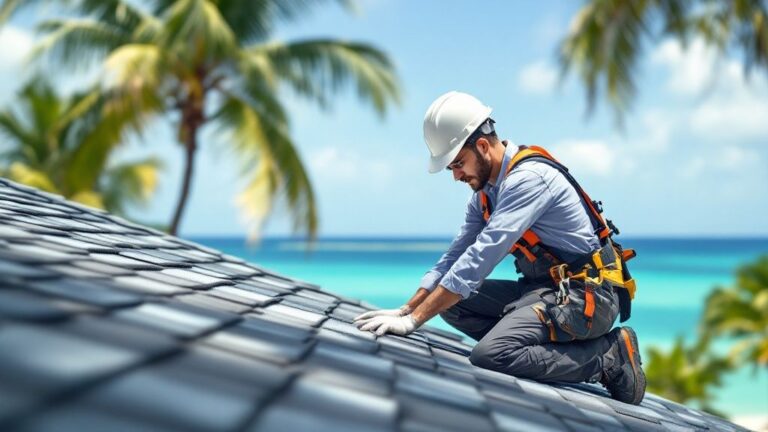
How Florida's Climate Challenges Your Roof
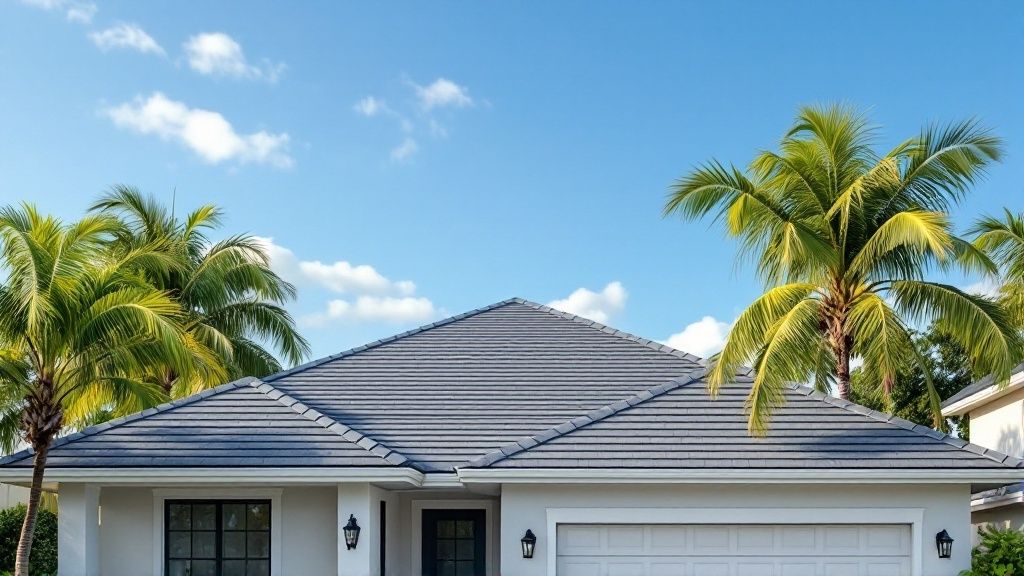
A roof in Hollywood Lakes isn't just a covering; it’s a frontline soldier in a never-ending battle against South Florida's extreme weather. Unlike roofs in milder climates, ours endure a unique combination of relentless environmental stressors that team up to break down materials and put your home at risk.
Getting a handle on these specific challenges is the first real step toward picking a roofing system that will actually last.
Think of your roof as a shield. Every single day, it faces an assault from intense ultraviolet (UV) radiation. This constant solar exposure is like a slow-burning fire, causing the essential oils in materials like asphalt shingles to dry out. Over time, this makes them brittle, prone to cracking, and far less effective at keeping water out.
The Constant Threat of Moisture and Salt
Beyond the sun, oppressive humidity is a constant companion here in Hollywood Lakes. This moisture-rich air creates the perfect breeding ground for algae and mold. Ever see those ugly dark streaks on neighborhood roofs? That's Gloeocapsa magma, an algae that not only looks terrible but actually feeds on the limestone filler in asphalt shingles, speeding up their decay.
This persistent dampness is a formidable foe, but it's not the only one. Living so close to the Atlantic means our homes are constantly bathed in corrosive salt air. This salty mist settles on roofing components—especially metal flashing, fasteners, and gutters—causing them to rust and weaken way too early. This corrosion can create tiny openings for water to seep in, leading to slow, hidden leaks that cause major damage over time.
"In the battle for a long-lasting roof in South Florida, water is the ultimate enemy. It will find any weakness, whether it's a cracked shingle from sun damage, a rusted nail from salt air, or a seam lifted by hurricane-force winds."
The subtropical climate in our area presents a serious challenge for residential roofing in Hollywood Lakes FL, bringing an average of 62 inches of rainfall each year. This heavy precipitation, combined with high humidity, puts the wear and tear on all roofing materials into overdrive. The most common issues we see are leaks from wind-lifted shingles, cracked sealants around vents, and rusted flashing, particularly during the turbulent hurricane season. To see the real-world impact of these factors, you can get more details on common roof repair costs in Hollywood.
The Unforgiving Force of Hurricane Winds
Of all the climate challenges, tropical storms and hurricanes pose the most immediate and destructive threat. It’s not just the sheer force of the wind pushing down on your roof that causes problems; it’s the aerodynamic lift it creates.
As high-velocity winds flow over the peak of your roof, they create a low-pressure zone, much like how an airplane wing generates lift. This effect produces a powerful upward suction that tries to pull your shingles, tiles, or metal panels right off the decking.
This uplift force is particularly strong at the corners and edges of the roof. Once the wind gets a grip on a single loose edge, it can set off a catastrophic chain reaction, peeling back large sections of the roof in seconds. This is precisely why specialized installation techniques and strict adherence to High-Velocity Hurricane Zone (HVHZ) codes are absolutely non-negotiable in our region. Every fastener and every seam must be perfectly secured to resist these immense forces and keep your home protected when it matters most.
Choosing the Best Roofing Materials for Durability
Now that you understand the kind of weather Hollywood Lakes throws at our homes, the next step is choosing the right armor. Picking a roofing material isn't just about curb appeal; it's a strategic move that affects your home's safety, your monthly energy bills, and your financial peace of mind for years to come. What works great in a mild, dry climate can be a disastrous choice for our coastal challenges.
For homeowners thinking about residential roofing in Hollywood Lakes FL, the choice usually boils down to three main players: asphalt shingles, metal roofing, and tile. Each one strikes a different balance between durability, cost, and style, but they perform very differently under the stress of hurricane winds, relentless salt spray, and intense Florida sun.
Let's dive into how these materials actually hold up in the real world, so you can make a smart choice that protects your investment for the long haul.
Asphalt Shingles: A Popular and Evolving Choice
There's a reason asphalt shingles are the most common roofing material in the country. They hit a sweet spot between affordability and aesthetic flexibility, with a massive range of colors and styles. But here in Hollywood Lakes, you have to be picky—not all asphalt shingles are created equal.
Standard, entry-level shingles can get brittle after years of baking in the sun and are prone to those ugly dark streaks caused by algae growth. More importantly, they can be a weak point during a major storm, vulnerable to wind uplift.
This is where architectural or dimensional shingles come in. They are a game-changer. These shingles are thicker, heavier, and engineered with a much stronger adhesive strip to deliver significantly better wind resistance, often rated for winds up to 130 mph. When installed by a skilled crew, they provide a reliable and cost-effective shield for your home.
Metal Roofing: The Champion of Durability
Once reserved for commercial buildings, metal roofing has exploded in popularity for homes, and it's easy to see why. A modern metal roof is basically a coat of armor. Materials like aluminum and galvalume steel are exceptionally tough against the extreme weather we face year after year.
Here’s why metal is such a strong contender:
- Superior Wind Resistance: Metal panels are interlocked and securely fastened, forming a single, unified system that can laugh off hurricane-force winds well over 150 mph.
- Corrosion Resistance: Today's advanced coatings are specifically engineered to fight off rust and corrosion from salt air—a non-negotiable feature for any coastal home.
- Longevity: A professionally installed metal roof can easily last 50 years or more. That's two to three times longer than a typical shingle roof.
- Energy Efficiency: Metal is a fantastic heat reflector. It bounces solar radiant heat away from your home, which can slash your cooling costs by up to 25% during our long, hot summers.
Yes, the initial investment is higher, but the long-term value, minimal maintenance, and sheer peace of mind make metal a powerful choice. To get a better sense of how these systems look and perform, check out this example of a high-quality metal roof installation to see the sleek finish and robust build.
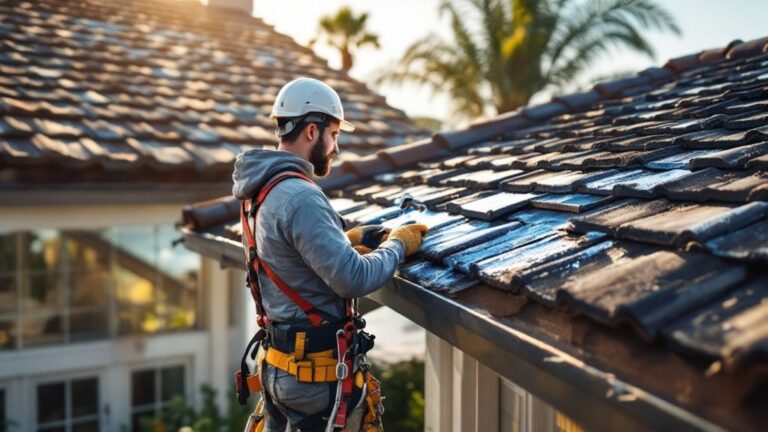
A roof is a long-term investment in your home's protection. While upfront cost is a factor, the true value lies in a material's ability to withstand decades of Florida weather with minimal maintenance and maximum security.
To help you see how the numbers stack up, here’s a quick visual comparison of what you can expect to invest in these top roofing materials locally.
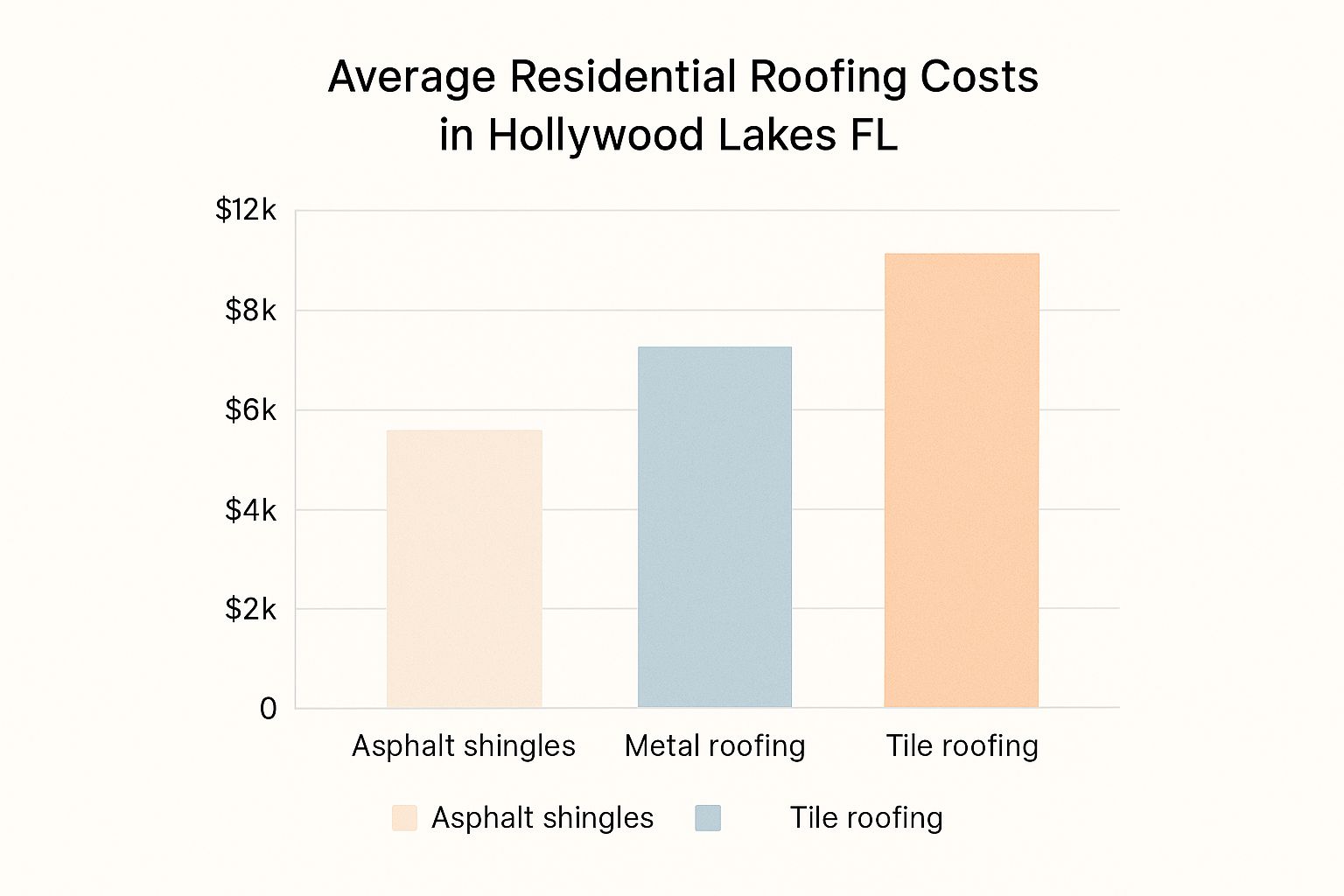
The data makes it clear: while asphalt shingles are the most budget-friendly choice to start, the higher initial cost for tile and metal reflects their much longer lifespan and superior toughness.
Tile Roofing: Timeless Style and Unmatched Strength
When you think of classic Florida architecture, you probably picture a tile roof. Whether it's made from traditional clay or modern concrete, tile is more than just beautiful—it's one of the most resilient roofing materials you can buy. It’s naturally resistant to fire, rot, and insects.
For a Hollywood Lakes home, its biggest advantage is its sheer weight and interlocking design. Individual tiles are incredibly heavy, making the entire roof system highly resistant to wind uplift. A well-installed tile roof can stand firm against the most severe hurricane conditions.
On top of that, tile offers fantastic thermal properties. The air pocket created beneath the tiles acts as a natural insulator, helping to keep your home cooler and contributing to energy savings over the life of the roof—which can often exceed an incredible 50-100 years. It's the premium choice for homeowners who want the ultimate combination of aesthetic appeal and raw strength.
Cracking the Code on Local Permits and Regulations
Let's be honest, nobody gets excited about permits and building codes. For most homeowners, it just sounds like a frustrating maze of paperwork. But when you’re talking about residential roofing in Hollywood Lakes FL, these rules aren't just red tape—they’re a critical safety net that protects your home, your family, and your investment.
Think of a building permit as an official seal of approval from the city. It’s their way of confirming that your project plans meet the minimum safety standards required by law. This process ensures a qualified, licensed professional is actually doing the job and that the finished roof will be inspected for quality.
Trying to skip the permit process can lead to some serious headaches down the road. Your homeowner's insurance could deny a future claim, you might get hit with hefty fines, and it can become a huge problem when you eventually try to sell your home. A professional roofer will always handle the entire permitting process for you, making it a seamless part of the project.
The Infamous "25 Percent Rule" in Florida
One of the most important regulations for any Hollywood Lakes homeowner to know is the Florida Building Code's "25% Rule." This single rule can be the deciding factor between a simple repair and a full-blown roof replacement. It states that if more than 25% of your total roof area is damaged, you can't just patch it; you must replace the entire roofing system to bring it up to the newest codes.
Your roof is like a single, connected shield protecting your home. If a quarter of that shield is compromised, just patching it leaves the other 75% as a potential weak point. The 25% Rule ensures the entire shield gets rebuilt to be uniformly strong for the next storm.
This rule is designed to prevent patchwork fixes that are likely to fail during a hurricane, ensuring the structural integrity of the whole roof. While tough materials like tile can last for decades, this code ensures that once significant damage happens, the entire system is brought up to modern standards.
You're in a High-Velocity Hurricane Zone (HVHZ)
Hollywood Lakes is located in Broward County, which is officially designated as a High-Velocity Hurricane Zone (HVHZ). This isn't just a fancy name; it's the state's most stringent classification, reserved for areas at the highest risk from major hurricanes.
Living in an HVHZ means your roofing project has to follow a much stricter set of installation rules. These codes dictate everything from the specific type and spacing of nails to the underlayment and flashing techniques used.
Here’s what that really means for your roof:
- Serious Fastening: Shingles, tiles, and metal panels must be attached with specific fasteners designed to resist the incredible uplift forces of hurricane winds.
- A Backup Water Barrier: A secondary water barrier is required under the main roofing material. If the top layer gets damaged in a storm, this underlayment is your last line of defense against leaks.
- Tough Inspections: The installation will face multiple inspections at different stages to make sure every single detail complies with HVHZ standards.
Making sure your project complies with local regulations is non-negotiable for any major renovation. While we're focused on roofing, anyone planning other projects can benefit from understanding how to navigate home improvement permits. Hiring a contractor with proven experience in HVHZ installations isn’t just a good idea—it’s absolutely essential for a safe, legal, and insurable roof over your head.
Breaking Down the Cost of a New Roof

Figuring out the cost of a new roof isn’t like buying a TV off the shelf. Think of it more like commissioning a custom piece of furniture—the final price tag is a blend of moving parts. Some are choices you make, like the materials, while others are fixed realities, like the size and shape of your roof.
Knowing what these variables are is the secret to comparing quotes like a pro and making a smart financial choice. When you're looking at residential roofing in Hollywood Lakes FL, any good estimate should clearly break down the costs, going far beyond just the price of the shingles or tiles.
Core Factors That Shape Your Estimate
The lion's share of your roofing bill comes down to three big things. Each one plays a huge part in the final number you'll see on a quote from a reputable local roofer.
- Roofing Material: As we've already touched on, the price gap between architectural shingles, a standing seam metal roof, and high-end clay tiles is massive. This is easily the biggest lever you can pull to adjust your project's budget.
- Total Roof Size: Roofers talk in "squares," and one square is simply 100 square feet. The more squares you have, the more materials and labor are needed, which directly scales up the cost.
- Labor and Installation: This is much more than an hourly rate. Labor costs reflect the crew's experience, the difficulty of the job (a steep, complex roof demands more time and safety gear), and the strict adherence to our local HVHZ building codes.
Looking at the bigger picture, the trend in our area is a major push toward roofing resilience. With 44% of U.S. single-family homes now over 30 years old, a lot of roofs are hitting their expiration date, which is driving up demand. Here in hurricane country, homeowners are increasingly opting for tougher materials over standard asphalt shingles, which still hold about 73% of the market but are slowly losing ground to metal and tile. If you want to dive deeper into these trends, you can explore detailed roofing statistics to see how the industry is shifting.
Uncovering the "Hidden" Costs of Quality
A suspiciously low bid often leaves out the very things that make a roof last. These aren't optional extras; they're non-negotiable parts of a quality job, and a professional estimate will always spell them out.
"A cheap roof is often the most expensive one in the long run. The real value is in what's included in the price—proper underlayment, new flashing, and thorough site cleanup. These are the details that prevent leaks and future headaches."
Make sure your quote clearly specifies the costs for:
- Tear-Off and Disposal: The work of removing every layer of your old roof and disposing of the debris legally.
- Decking Repair or Replacement: The wood sheathing under your shingles can hide rot or water damage. A good contractor will plan for potential repairs.
- Underlayment: This is the critical water-resistant shield between the wood deck and your roofing material. In an HVHZ zone, a high-quality, self-adhering underlayment is an absolute must.
- Flashing and Vents: New metal flashing around chimneys, valleys, and vents is vital. This is where most leaks start, so you can't cut corners here.
- Permits and Inspections: The fees associated with pulling the right city permits and getting all the required inspections signed off.
By understanding what a complete, professional roofing estimate looks like, you can immediately spot the red flags in a bid that seems too good to be true. A transparent, itemized quote isn't just about the bottom line—it's a sign you're dealing with a pro who values quality and integrity.
How to Hire the Right Local Roofing Contractor
Picking your roofing material and getting a handle on the local codes are huge steps, but the real success of your project boils down to one thing: choosing the right contractor. A truly great roof isn't just about premium materials; it's about expert installation. Even the best tile or metal system will fail if it’s not put on correctly, a risk you just can’t take in a High-Velocity Hurricane Zone like Hollywood Lakes.
This isn't a decision you can leave to chance. A top-notch contractor is more than just an installer—they’re your project manager, compliance expert, and quality control specialist all rolled into one. They make sure every nail is driven right, every seam is sealed tight, and every permit is closed out, leaving you with a roof that’s not only beautiful but built to stare down a storm.
Checking the Non-Negotiable Credentials
Before you even glance at a portfolio or a price, there are two credentials that are absolute deal-breakers for any roofer you consider for your residential roofing in Hollywood Lakes FL. These are the fundamentals, the bare minimum.
- Florida State License: This is your proof that the contractor has passed the state's tough testing and has the required experience. It's your first line of defense against fly-by-night operators.
- Comprehensive Insurance: Your roofer must carry both general liability and worker's compensation insurance. This is what protects you, the homeowner, from being on the hook financially if an accident happens on your property.
Never, ever hire a roofer who can’t immediately show you proof of a current state license and full insurance coverage. Without these, all the risk lands squarely on your shoulders.
This isn't a corner you can afford to cut. Asking to see these documents should be the very first thing you do.
Look for Local Proof and Experience
Once you've got the essentials confirmed, it’s time to see what they've actually done right here in our community. A roofer with deep roots in South Florida gets the unique challenges our climate throws at us—and the specific details of HVHZ codes—in a way a big national chain or an out-of-town crew just can't.
You'll want to find a contractor who:
- Has a strong portfolio of projects they've completed right here in Hollywood Lakes or nearby.
- Can give you a list of recent, local references you can actually call.
- Has positive, detailed reviews on websites you trust.
Getting the hang of vetting local pros is a skill in itself. This guide on how to choose the right local contractor offers some fantastic general tips that are just as true for roofers as they are for any other trade.
Dissecting the Contract and Asking the Right Questions
A professional estimate is way more than just a price—it’s a detailed blueprint for the entire job. A vague, one-page quote is a massive red flag. The final contract you sign should be a thorough document that spells out every single aspect of the project.
Before you put pen to paper, make sure you ask some very specific questions:
- Who will be my main point of contact? A smooth project depends on clear, consistent communication.
- What’s your process for handling unexpected decking damage? You need to know how they’ll deal with potential rot and what those repairs might cost.
- Do you use your own crew or subcontractors? This tells you who will actually be on your property doing the work.
- What specific brand and type of underlayment will you use? In our climate, this is one of the most critical parts for keeping water out.
By vetting credentials, checking their local track record, and clarifying every detail in the contract, you give yourself the power to make a confident, smart decision. A great contractor is a true partner in protecting your home. For a closer look at what a professional team brings to the table, check out the standards set by a team offering expert

.
Common Questions About Hollywood Lakes Roofing
Even after covering all the details, most homeowners I talk to still have a few nagging questions that pop up right before they commit to a new roof. It's completely normal. Getting clear, no-nonsense answers can give you that final bit of confidence you need to get the project rolling.
Let's tackle some of the most common questions we hear from homeowners about residential roofing in Hollywood Lakes FL. We'll focus on the practical stuff that really matters in our corner of South Florida.
How Often Should I Get My Roof Inspected in Florida?
Down here in South Florida, being proactive isn't just a good idea—it's everything. I can't stress this enough: you should have your roof professionally inspected at least once a year. The best time is right before hurricane season starts spinning up, usually before June.
A trained inspector is going to spot the subtle things you’d never see from the ground, like cracked sealants, hidden rust on your flashing, or tiles that are just starting to loosen up. Think of it as an annual physical for your home's most important protector. Catching a tiny issue early can be the difference between a simple fix and a catastrophic leak during a Cat 3, saving you thousands in the long run.
Can a New Roof Lower My Home Insurance?
You bet it can. In Florida, this is one of the biggest financial perks of a roof replacement. A new roof, especially one installed to the latest hurricane-code (HVHZ) standards, can seriously slash your homeowner's insurance premiums. The key is something called a wind mitigation inspection.
A wind mitigation report is basically your proof to the insurance company that your house is built tougher against hurricanes. When their risk goes down, they pass the savings on to you with some pretty hefty discounts.
After your new roof is finished, a certified inspector comes out and documents all its storm-ready features. You get credits for things like:
- A newer roof (especially one installed after the 2002 code updates).
- Strong roof-to-wall attachments (this is a big one).
- A secondary water resistance barrier under your main roofing material.
- Impact-resistant windows and doors.
These credits really add up. A new roof isn't just an expense; it's a smart investment that starts paying you back right away.
What Are Signs I Need a Replacement Instead of a Repair?
This is the big question: patch it up or start over? A single leak or a few blown-off shingles can usually be repaired, no problem. But there are some definite red flags that tell you your roof's time is up. If you see any of these, it's time to start planning for a full replacement.
- Widespread Granule Loss: See all that sandy grit in your gutters? Those are the protective granules from your asphalt shingles. Once they're gone, your shingles are basically baking in the sun and deteriorating fast.
- Curling or Clawing Shingles: When the edges of your shingles are curling up or the tabs are lifting in the middle, that's a classic sign of old age and heat damage. They've lost their seal and a strong gust of wind could easily rip them off.
- Persistent Leaks: Have you been chasing the same leak for months, or had repairs in a few different spots? This usually points to a bigger, systemic failure of the underlayment or flashing. At this point, you're just playing whack-a-mole with a problem that's only getting worse.
Spotting these signs means it's time to call in a roofer you trust to look at the big picture. You want to plan for a replacement on your terms, not have a major storm force your hand.
When you need straight answers and a professional assessment of your roof's condition, Paletz Roofing and Inspections has the local expertise you can count on. Contact us today for a free, no-obligation quote and let's get your home secured with a roof built for South Florida.