The average roof repair cost typically falls between $300 and $2,000, with most homeowners we see paying around $750 for common issues. Of course, that price can shift based on how serious the damage is, the materials on your roof, and just how complex the job gets.
Your Guide to Understanding Roof Repair Costs
When you spot a water stain spreading across your ceiling or find a few shingles scattered in your yard, the first question that pops into your head is almost always about the cost. Trying to figure out what goes into a roof repair estimate can feel like a puzzle, but it really boils down to a few core variables. Think of it like a recipe—the final price depends entirely on the ingredients (materials) and how tricky it is to prepare (labor).
Your final invoice tells a story through the materials used, the hours of labor, and the specific problem we had to solve. While the average cost of roof repair often lands around $750 for common fixes, something minor like replacing a handful of missing shingles might only set you back a few hundred dollars. On the other hand, extensive problems like fixing a sagging roof deck or repairing major water damage can push that price much higher. You can discover more insights about industry cost trends from various sources, including online construction data hubs.
Common Issues and Their Price Tags
To set a realistic budget, it really helps to see where your specific problem might fall on the cost spectrum. A tiny leak is a completely different financial commitment than widespread storm damage. We’ve broken down some of the most frequent repairs we handle to give you a clearer picture from the get-go.
Think of this table as a quick reference guide. It outlines the typical cost ranges for the kinds of issues we see every day in South Florida, helping you gauge the potential scope of your project before we dive into the nitty-gritty.
| Type of Repair | Average Cost Range | Common Causes |
|---|---|---|
| Shingle Replacement | $250 – $1,000 | Wind damage, aging, hail impacts |
| Leak Repair | $300 – $1,500 | Damaged flashing, cracked shingles, sealant failure |
| Flashing Repair/Replacement | $300 – $750 | Rust, improper installation, storm damage |
| Roof Decking Repair | $700 – $2,500+ | Prolonged water exposure, rot, termites |
| Vent Boot Replacement | $200 – $500 | UV degradation, cracking, poor sealing |
Keep in mind these are just ballpark figures. The only way to know for sure is to have a professional take a look, but this should give you a solid starting point for what to expect.
Key Factors That Drive Your Final Price
Every roof repair estimate is a story told in numbers, and understanding the plot points helps you make sense of the final cost. Several key factors work together to build your quote, turning a vague average into a precise price for your specific situation. Think of them as the ingredients in a recipe—changing just one can alter the final dish.
The first, and most obvious, factor is the scope of the damage. Are we dealing with a small, isolated issue or a problem that has started to spread? Replacing a few shingles blown off by the wind is a quick, straightforward fix.
But if water has seeped under those missing shingles and started to rot the wooden decking below, the project suddenly becomes much more involved. That complexity increases both material and labor costs right away.
This is exactly why a thorough inspection isn't just a formality—it's the single most critical step in getting an accurate roof repair cost. What looks like a minor problem on the surface can sometimes just be the tip of the iceberg, hiding more significant structural issues underneath.
The Complexity of Your Roof's Design
Not all roofs are created equal, and their design plays a huge role in the final price. The pitch, or steepness, of your roof is a perfect example. A low-slope roof is relatively easy and safe for our crew to walk on and work from. A steep-pitched roof, however, is a different ballgame entirely. It's like asking someone to work on the side of a hill.
It requires more safety equipment, like harnesses and anchors, and the work itself is slower and more methodical to ensure precision. This increased risk and specialized setup directly translate to higher labor costs. It's all about safety and getting the job done right without compromising our team's well-being.
A roofer working on a simple, low-pitch gable roof might complete a repair in half the time it would take on a steep, multi-level roof. The complexity has a direct impact on the labor hours required.
The overall accessibility of your roof also matters. If your home is surrounded by dense landscaping, large trees, or other structures, it can make getting our equipment and materials to the work area more challenging. These logistical hurdles add time to the project, which will be reflected in the final estimate.
Materials and Labor: The Core of Your Estimate
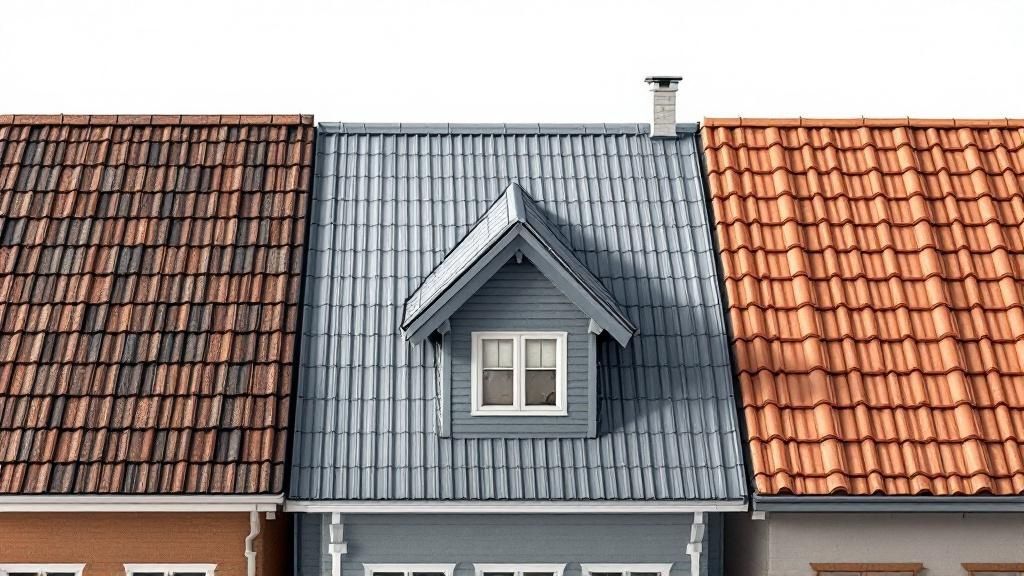
The type of material on your roof is a primary cost driver. Asphalt shingles are common and relatively inexpensive to repair. On the other hand, materials like Spanish tile or standing seam metal require specialized skills and tools, and the materials themselves cost more.
A single cracked clay tile, for instance, costs significantly more than a bundle of shingles and requires a delicate touch to replace without damaging the surrounding tiles.
Labor rates, especially here in South Florida, also make up a significant portion of the total. This isn't just the price for physical work; it's the cost of expertise, insurance, and the peace of mind that comes with hiring a licensed, professional crew. When looking at what drives your final roof repair price, it helps to understand the common mistakes in estimating home service projects, as this highlights the value of a detailed, professional quote.
A reliable contractor's estimate will always break these variables down clearly. Here’s a look at what a comprehensive quote should include:
- Material Costs: The price of all shingles, tiles, flashing, underlayment, and sealants needed.
- Labor Costs: The hours required by a skilled team to perform the repair safely and correctly.
- Permit Fees: If the repair is substantial enough to require a permit from your city, this cost will be included.
- Debris Removal: The expense for hauling away old materials and cleaning up the site.
By understanding how these components interact, you can review any roofer's quote with confidence. You’ll know exactly what you're paying for—not just a patch on your roof, but a secure, professional solution that truly protects your home.
How Roofing Materials Impact Repair Costs
The material protecting your home is one of the biggest variables in the roof repair cost equation. Think of it like repairing a car—fixing a dent on a standard steel panel is a completely different story, financially, than repairing one on a carbon fiber body. Each roofing material has its own price point, a unique repair process, and requires a specific set of skills to get the job done right.
Here in South Florida, we see a wide range of roofing types designed to stand up to our unique climate, from classic asphalt shingles to resilient metal and iconic tile. The cost to fix them isn't just about the price of the material itself; it's also about the labor and complexity involved. A simple shingle replacement is worlds apart from delicately swapping out a cracked Spanish tile without disturbing its neighbors.
This breakdown shows how the major components of a repair quote are typically distributed.
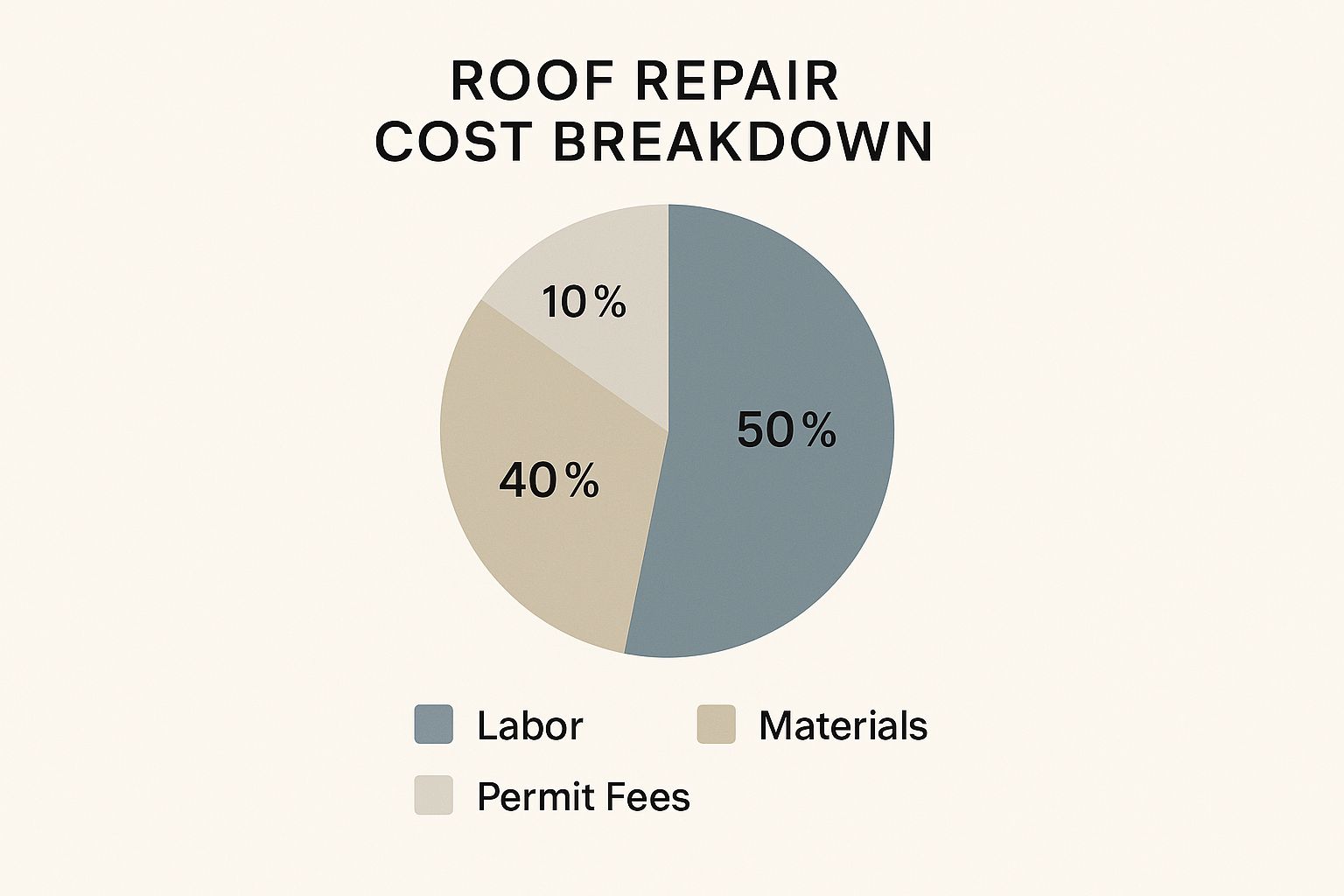
As the chart shows, labor often makes up the largest chunk of the expense. This really highlights why the complexity of working with certain materials has such a heavy influence on the final price.
Asphalt Shingle Repair Costs
Asphalt shingles are the most common roofing material across the country for a reason—they offer a fantastic balance of durability and affordability. Naturally, this cost-effectiveness extends to repairs. Replacing a few damaged or missing shingles is typically a quick, straightforward process for any professional roofer.
The main challenge, however, is matching the color and age. If your roof is several years old, finding an exact match for a new shingle can be tricky due to sun fading. In cases where a larger patch needs repair, the new section might stand out, which is something homeowners should be aware of.
The biggest advantage of asphalt shingle repair is its efficiency. For minor wind or debris damage, a skilled roofer can often complete the job in just a few hours. This keeps labor costs relatively low compared to other materials.
Metal Roof Repair Considerations
Metal roofing is prized for its longevity and incredible storm resistance, but making repairs presents a unique set of challenges. Unlike shingles, you can't just patch one small damaged spot. Most metal roofing systems use large, interlocking panels. This means damage to one area often requires replacing an entire panel from seam to seam to maintain its weather-tight seal.
The material cost per panel is higher than for shingles, and the specialized labor needed to cut, fit, and properly seal a new panel also adds to the expense. While scratches or minor dents might just be cosmetic, any punctures or deep gouges that compromise the protective coating must be addressed to prevent rust and leaks.
The Delicate Art of Tile Roof Repair
Tile roofs, whether clay or concrete, are a true hallmark of South Florida architecture. They're incredibly durable but also brittle. The biggest challenge in tile roof repair is the very real risk of breaking adjacent tiles while working on the roof. Each tile is part of a precise, overlapping system, and accessing a single broken one requires a delicate, practiced touch.
This careful, methodical work is labor-intensive and requires specific expertise. On top of that, the cost of a single replacement tile is significantly higher than a shingle. For this reason, tile roof repairs often carry a higher price tag, reflecting the skill and time needed to do the job without causing collateral damage.
Roof Repair Cost Comparison By Material
To put these materials into perspective, here’s a quick comparison of what you can generally expect when it comes to repair costs in South Florida.
| Roofing Material | Average Repair Cost (Per Sq. Ft.) | Pros | Cons / Repair Complexity |
|---|---|---|---|
| Asphalt Shingles | $5 – $10 | Affordable materials, fast repair process, widely available. | Difficult to match color on older roofs, susceptible to wind uplift. |
| Metal Roofing | $12 – $20 | Highly durable, excellent storm resistance, long lifespan. | Often requires replacing full panels, susceptible to denting. |
| Tile (Clay/Concrete) | $15 – $25 | Extremely durable, long-lasting, excellent aesthetic appeal. | Brittle and can crack easily, labor-intensive repair process. |
Ultimately, understanding your roof's material is the first step toward anticipating your repair costs. It shapes everything from the price of the materials to the hours of skilled labor needed, giving you a much clearer picture of the investment required to keep your home safe and dry.
Navigating Labor Costs in the South Florida Market
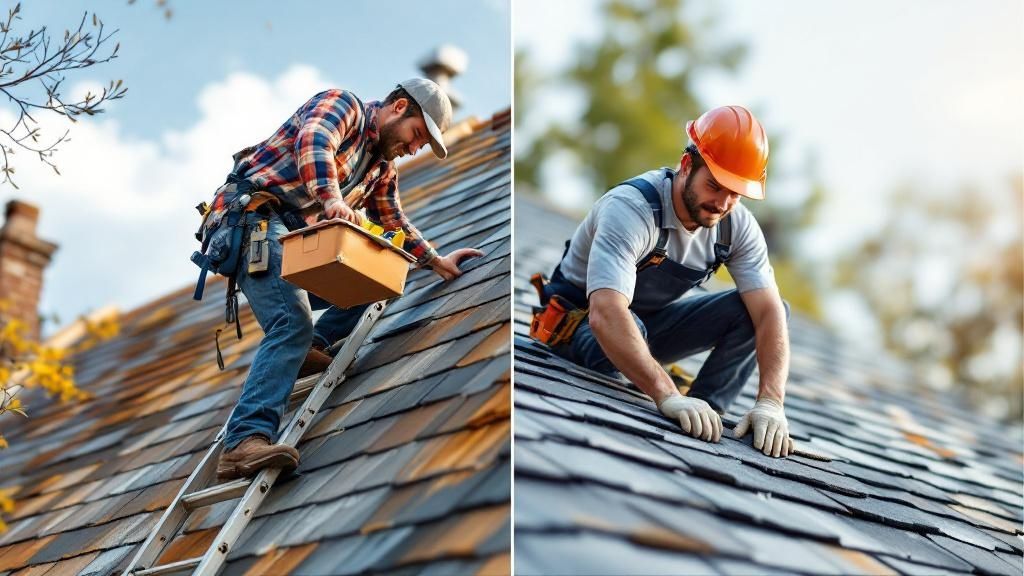
While materials are a big piece of any roof repair cost, it's the labor that often tells the real story—especially here in South Florida. This isn't just about paying someone to nail down a few shingles. It’s an investment in skill, safety, and the kind of local expertise that keeps your home secure. Labor prices here are shaped by our unique market, from the rush after a storm to the tough standards required for hurricane-ready homes.
So, how is labor calculated? Most professional roofers price their work either by the hour or per "square"—a 100-square-foot section of your roof. The method really depends on the size of the job. A small, tricky leak repair might be billed hourly, but a larger patch job is more likely priced per square.
This pricing isn’t pulled out of thin air. It directly reflects the time, risk, and precision needed to do the job right the first time. An experienced roofer doesn't just show up with a toolbelt; they bring years of know-how about our local building codes and the proven techniques that ensure a repair will hold up.
Factors That Shape South Florida Labor Rates
Living in South Florida means our homes are constantly under pressure from the weather. That reality has a direct impact on what it costs to get professional roof repairs done.
- Hurricane Season Demand: From June through November, any hint of a storm can cause the demand for roofing services to shoot up. After a hurricane makes landfall, it’s a full-on sprint. This surge in demand naturally leads to higher labor rates, not unlike how rideshare prices jump during rush hour.
- Licensing and Insurance: Florida has some of the strictest requirements in the country for roofing contractors, and for good reason. Hiring a fully licensed and insured company like Paletz Roofing means you're protected from liability and the work is guaranteed to meet state codes. Those essential credentials are a business cost that gets factored into the labor rate.
- Emergency Call-Outs: Finding a leak during a torrential downpour is a true emergency. These urgent calls cost more than a scheduled repair because they force us to reshuffle our day and get a team out to you immediately, often well outside of normal business hours.
These factors create a market that puts a premium on true professionalism and readiness. A rock-bottom quote from an unlicensed handyman might look good on paper, but it comes with huge risks that can cost you far more in the long run.
When you invest in professional labor, you're not just buying a repair. You're buying the assurance that the work is done safely, is compliant with local codes, and is backed by a warranty that protects your home long-term.
The need for skilled roofers isn't just a local trend, either. It's happening globally. Driven by an uptick in extreme weather and aging homes, the worldwide market for roof repair is growing steadily. Market analysts project the global market to hit around $15 billion USD in 2025, with a Compound Annual Growth Rate near 7% expected through 2033. This growth highlights a greater need for professional repairs to protect property values. You can learn more about the research behind these market findings and what it means for the industry.
What Your Labor Investment Truly Covers
It’s easy to glance at a labor estimate and just see an hourly rate. But that number represents so much more than the time someone spends on your roof. Think of it as an all-inclusive price that covers everything needed for a professional, high-quality job.
Your investment in skilled labor from a reputable company like Paletz Roofing includes:
- Expertise and Training: Our roofers are certified professionals. They know the ins and outs of every roofing system, from asphalt shingles to Spanish tile, and understand the unique challenges each one presents.
- Safety Equipment and Protocols: We invest heavily in top-tier safety gear and ongoing training. This protects our team and your property, minimizing risk every step of the way.
- Insurance and Liability Coverage: Our comprehensive insurance includes workers' compensation and liability. In the unlikely event of an accident, you are completely protected.
- Workmanship Warranty: A professional's labor cost comes with peace of mind. We stand behind our work, and if something isn’t right with the repair, we'll be back to fix it.
Ultimately, cutting corners on professional labor is a high-stakes gamble. An improper repair can quickly snowball into much bigger, more expensive problems, turning a small leak into a catastrophic failure. Choosing a qualified, insured professional is the smartest way to protect your biggest asset—your home.
Smart Strategies to Manage Your Repair Budget
Let’s be honest—seeing a big number on a roof repair estimate can be nerve-wracking. But it doesn’t have to send you into a panic. With a little bit of know-how, you can get a handle on repair expenses without cutting corners on quality. Think of this as your game plan for taking control of your budget and protecting your home.
The single best tool you have is information. Vague problems lead to vague—and often inflated—costs. That’s why getting several detailed quotes isn’t just a good idea; it's the absolute first step you should take.
A real quote is more than just a final price. It needs to break down the roof repair cost into specific line items: materials, labor, permit fees, and even debris removal. This level of detail lets you compare apples to apples and see exactly what you’re paying for, so there are no surprises when the final bill comes.
Ask the Right Questions
Once you have a few quotes in hand, it’s time to do a little digging. A true professional will be happy to answer your questions and provide clear, direct answers. This conversation is just as important as the numbers on the paper because it gives you a feel for their expertise and how much they care about quality.
Here are a few questions every contractor should be able to answer without hesitation:
- Are you licensed and insured in Florida? This is a deal-breaker. It protects you from liability and ensures the work will meet state and local building codes.
- Do you offer a warranty on your workmanship? A warranty is a promise. It shows the roofer is confident in their work and gives you peace of mind long after the job is done.
- What specific materials will you be using? Ask for the brand names. This way, you can look them up and confirm you're getting quality materials installed on your home.
- How will you protect my property during the repair? A professional crew will have a plan to keep your landscaping, siding, and windows safe from damage while they work.
When you ask these questions, you’re no longer just comparing prices. You're comparing the real value and security each contractor brings to the table—a crucial part of making a smart financial decision for your home.
Embrace the Power of Prevention
One of the best ways to manage your repair budget is to avoid massive, unexpected costs in the first place. That’s where preventative maintenance becomes your best friend. It’s like getting regular oil changes for your car; a small, routine investment that keeps the engine from seizing up down the road.
A small annual investment in a professional roof inspection can catch tiny issues before they spiral into multi-thousand-dollar emergencies.
An annual inspection costing a few hundred dollars might find a small patch of cracked sealant around a vent pipe. Left alone, that tiny gap could let water seep in for months, leading to thousands in repairs for rotted decking, ruined insulation, and ugly water stains on your ceiling.
This proactive approach dramatically cuts down the lifetime cost of your roof. It lets you plan for small, predictable maintenance tasks instead of reacting to sudden, budget-busting failures. It’s easily the best long-term strategy for controlling your roof repair cost.
Understand Your Financial Options
Even with the best planning, a major repair can put a strain on any budget. It's smart to know what financial tools are out there to help.
First, pull out your homeowner's insurance policy and give it a good read. While insurance won’t cover normal wear and tear, it often covers damage from specific events like storms, hail, or fallen trees. Knowing your coverage and your deductible is critical before you ever need to file a claim.
On top of that, many reputable roofing companies, including Paletz Roofing, offer financing options. These plans can turn a large, upfront cost into manageable monthly payments, making a critical repair much more affordable. Looking into these options can give you the flexibility you need to get the job done right without wiping out your savings. By combining these strategies—getting detailed quotes, asking smart questions, investing in maintenance, and knowing your financial options—you can face any roofing issue with confidence.
Common Questions About Roof Repair Costs
When you’re looking at roof repairs, you’re bound to have questions, especially about the bottom line. Getting clear, straightforward answers is the only way to feel confident about the decisions you make for your home. This FAQ cuts through the jargon to tackle the most common concerns we hear from homeowners about roof repair cost.
We'll get straight to the point on the big questions, giving you the practical insights needed to understand your options, navigate insurance, and see the value in every dollar spent. Think of this as your quick-reference guide for the financial side of protecting your home.
Is It Cheaper to Repair or Replace My Roof?
This is one of the first questions on every homeowner's mind, and the answer almost always comes down to two things: your roof's age and how widespread the damage is. A great rule of thumb we use is the "25% rule." If the repairs needed affect less than 25-30% of your roof's total surface and it's still relatively young, a targeted repair is almost always the more cost-effective move.
However, the math flips completely for an older roof that’s already creeping toward the end of its life. If your roof is dealing with system-wide problems or has been patched up multiple times, a full replacement becomes a much smarter long-term investment. Continuously paying for small repairs on a failing roof is like putting band-aids on an old, worn-out tire—eventually, the combined cost of those fixes will eclipse the price of a reliable replacement that comes with a brand-new warranty and years of peace of mind.
Choosing a full replacement for an aging, damaged roof isn't just about stopping leaks; it's a strategic investment in your home's value, safety, and structural integrity for decades to come.
How Does a Roof Leak Affect the Overall Repair Cost?
A roof leak’s impact on your final bill is all about the hidden damage it has caused over time. The cost spectrum is huge. On one end, a simple surface fix—like resealing a piece of loose flashing or swapping out a cracked vent boot—can be a fairly inexpensive repair, often just a few hundred dollars.
The real trouble starts when water has been seeping into your home’s structure without you knowing it. A slow, persistent leak can cause catastrophic damage that isn't visible from the outside. Water can rot the underlying roof decking, saturate your attic insulation until it's useless, and even trigger dangerous mold growth inside your walls and ceilings. This is how a small roofing issue spirals into a major restoration project.
A thorough, professional inspection is the only way to uncover the true scope of the problem. What looks like a minor drip could have already caused thousands of dollars in structural damage, which is why tackling any sign of a leak immediately is so critical. The longer you wait, the more that potential repair cost multiplies.
Will My Homeowners Insurance Cover Roof Repairs?
In many cases, yes—but there’s a crucial distinction to understand. Homeowners insurance is designed to cover damage from specific, sudden, and unforeseen events, often called "perils" in your policy. This includes things like:
- Damage from a hurricane or major storm
- Impact from hail
- Damage caused by a fallen tree or large debris
Insurance is not a maintenance plan. It typically will not cover damage that results from old age, general wear and tear, or a clear lack of routine upkeep. If your roof is leaking because it's 25 years old and the shingles are shot, that cost will almost certainly fall on you.
If you believe your roof was damaged by a covered event, your first move should be to document everything with clear photos and contact your insurance provider immediately to start the claims process. Keep in mind you will still be responsible for paying your deductible. A professional roofer like Paletz Roofing can provide the detailed inspection report and official estimate your insurer will need to process your claim correctly.
Why Do I Need a Permit for Some Roof Repairs?
Building permits might feel like an extra hassle, but they are an essential protection for you as the homeowner. Here in a hurricane-prone region like South Florida, local building codes for roofing are exceptionally strict to ensure every home is as storm-ready as possible. A permit is required for most significant roof repairs and all full replacements to guarantee the work meets these vital safety and structural standards.
The permit process ensures a city or county inspector will visit the site to officially sign off on the completed work. This third-party verification confirms that your contractor did the job right and didn't cut any corners. While it does add a small amount to the overall roof repair cost, it provides an invaluable layer of security. Any reputable, licensed contractor will always manage the entire permitting process for you as a standard part of their service.
Don't let questions about roof repair costs leave you feeling uncertain. The experienced team at Paletz Roofing is here to provide clear answers and reliable solutions. For a free, no-obligation inspection and a detailed quote you can trust, contact us today.