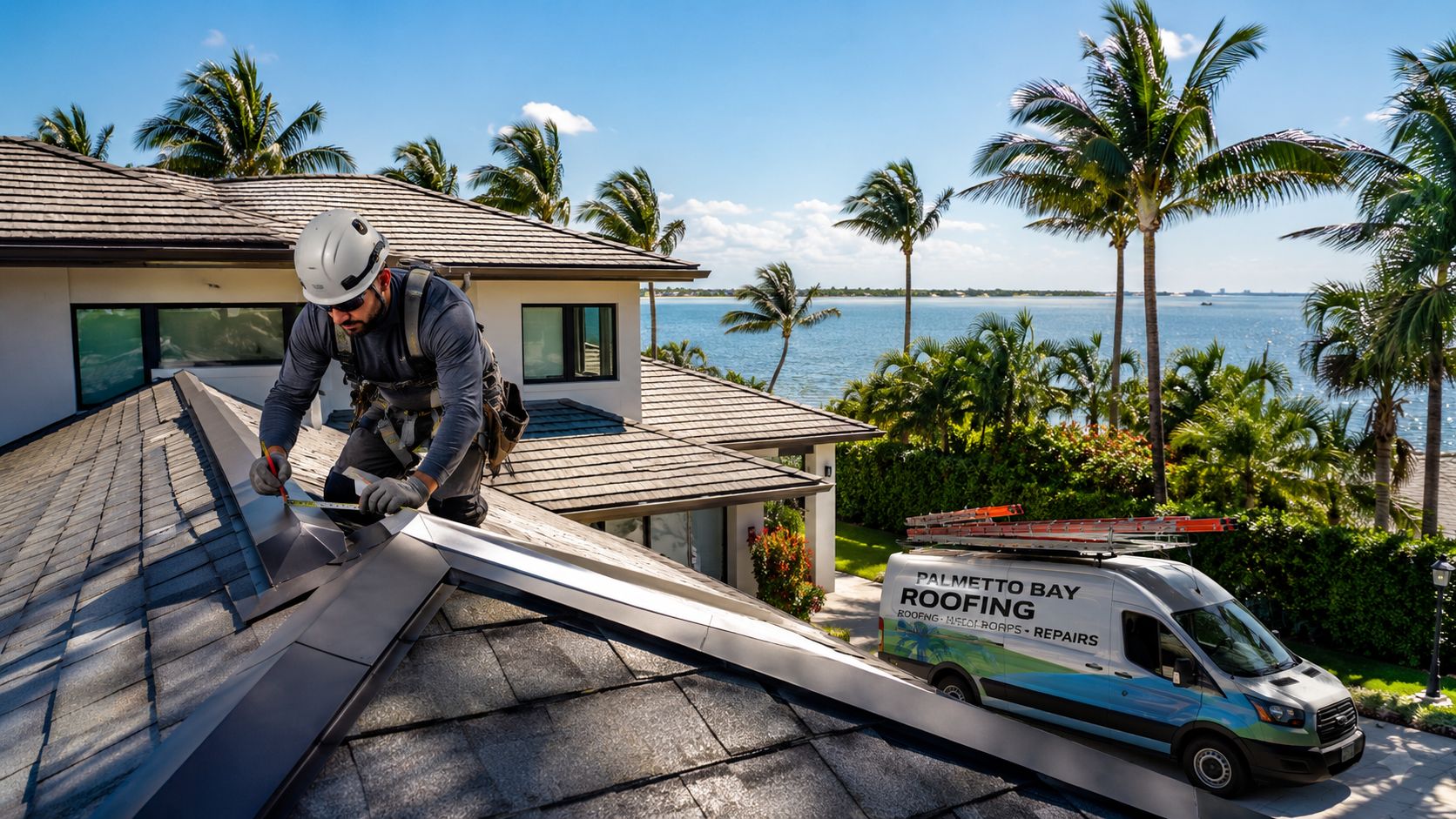
After the last big storm, a lot of Palmetto Bay homeowners end up in the same spot. You climb a ladder, spot a few missing granules, maybe a cracked tile, maybe a stain that wasn't there last month, and then you're left deciding whether this is a small repair, a permit issue, or the start of a much bigger roofing problem. In South Florida, that decision matters because the roof has to stand up to rain, high winds, and extreme heat all at once, not just one weather event, and the wrong call can turn a manageable issue into a costly one (South Florida roof guidance).
A good roofing company Palmetto Bay homeowners can rely on should know how local weather, permit rules, and insurance reviews work. That's why long-established South Florida firms like Paletz Roofing and Inspections matter in this market, especially when the job involves more than a quick patch, such as leak tracing, full reroofing, or storm documentation. Their South Florida footprint, licensed and insured status since 1990, and certified crews are the kind of credentials that matter when the roof isn't just a surface, it's part of the home's storm-defense system.
Table of Contents
- Why Palmetto Bay Homeowners Need a Trusted Local Roofer
- Residential and Commercial Roofing Services Explained
- Hurricane Compliance and Permit Requirements in Palmetto Bay
- Choosing the Right Roofing Material for South Florida Conditions
- Navigating Insurance Claims After Storm Damage
- How to Evaluate and Choose the Right Roofing Contractor
- Frequently Asked Questions About Palmetto Bay Roofing
Why Palmetto Bay Homeowners Need a Trusted Local Roofer
A homeowner in Palmetto Bay spots a few lifted shingles after a storm and calls the first roofer with a truck and a phone number. That move can create bigger problems than the storm itself, because the visible damage is not always the part that threatens the roof. In this market, the key question is whether the roof assembly still holds up under the wind and water demands that come with coastal South Florida.
Palmetto Bay is not a place where roofing should be handled like a generic home-service job. The area sits inside Miami-Dade's larger roofing corridor, where contractors deal with storm-season repairs, repeated replacement cycles, and the fact that roofs wear out faster under UV, humidity, and salt-laden air than they do in milder climates. Local experience matters as much as material selection.
A roofer who knows the county's weather and permit process can usually separate a cosmetic issue from a real system failure faster.
Paletz Roofing and Inspections fits that local profile as a South Florida-based company serving Broward, Miami-Dade, and Palm Beach counties. The company's licensed and insured since 1990 status, along with certified roofers and a satisfaction guarantee, gives homeowners a more verifiable foundation than a generic ad or a temporary storm-chaser setup. That matters when one week may call for emergency leak repairs and the next may call for a full reroof.
There is also a practical side to longevity. Florida's roofing contractor industry is projected to reach $9.0 billion in 2026, with an estimated 36,627 people employed and employment growing at an average annual rate of 3.0% from 2021 to 2026 (IBISWorld Florida roofing contractors). For a homeowner, that scale means the market is busy, competitive, and full of contractors with widely different levels of accountability. A trusted local roofer stands out by being easy to verify, easy to reach, and familiar with what Palmetto Bay roofs face.
The company's visual identity is easy to recognize, too. Paletz Roofing and Inspections branding asset

Residential and Commercial Roofing Services Explained
A good roofing contractor in Palmetto Bay shouldn't only do one type of job. Homes, retail spaces, office buildings, and multifamily properties all fail in different ways, and the service model has to match the roof system, the schedule, and the building's exposure.
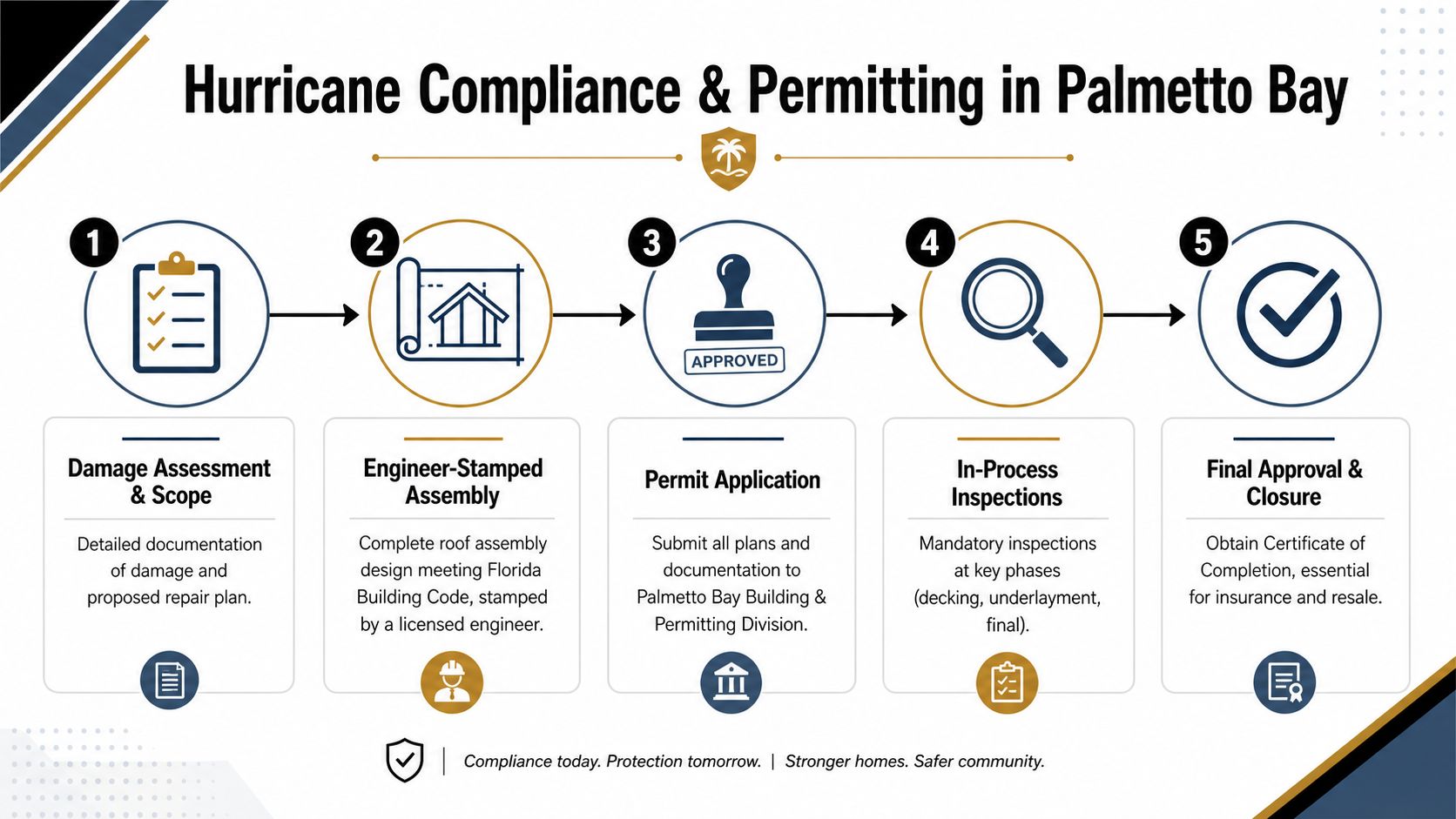
What each roofing service actually solves
New roof installation makes sense for new construction or major renovation work where the roof system can be designed from the start around the structure, drainage, and wind requirements. Full replacement is the better path when aging materials, underlayment failure, or repeated patching have made repairs inefficient.
Targeted repair is usually the right call after isolated storm damage or a localized leak, but only when the rest of the roof assembly still has usable life. Preventive maintenance is different, it's about finding weak points before they become active leaks, especially around penetrations, edge metal, and flashing.
Palmetto Bay roofing services commonly cover metal, asphalt shingle, tile, and flat roofs, and that broad mix matters because each system behaves differently in heat and wind (roofing services in Palmetto Bay). A shingle roof that needs a few repairs isn't the same job as a flat commercial membrane with ponding concerns.
Residential and commercial needs aren't interchangeable
Residential work usually centers on curb appeal, interior protection, and material selection that fits the home's style. Commercial work often depends on flat roof access, scheduling around operations, and documenting maintenance over time so the owner isn't surprised by a failure later.
Practical rule: if the roof problem is recurring, don't keep paying for isolated fixes without checking whether the assembly underneath is already at the end of its service life.
Paletz Roofing handles both residential and commercial projects, including flexible scheduling and larger reroofing jobs. In a market like Palmetto Bay, that versatility matters because the same contractor may need to inspect one home in the morning and coordinate a business roof later that day. For homeowners, the takeaway is simple. Pick a company that can explain why a repair, replacement, or maintenance plan is the right fit instead of pushing the same answer every time.
The layout below is the kind of process a serious contractor should be following before work starts. Roof replacement and installation reference
Hurricane Compliance and Permit Requirements in Palmetto Bay
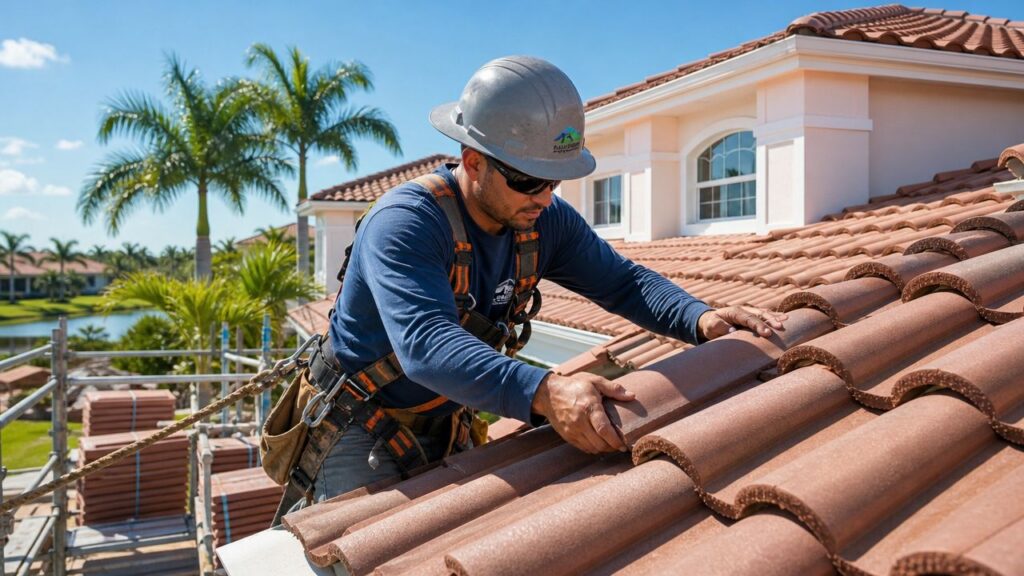
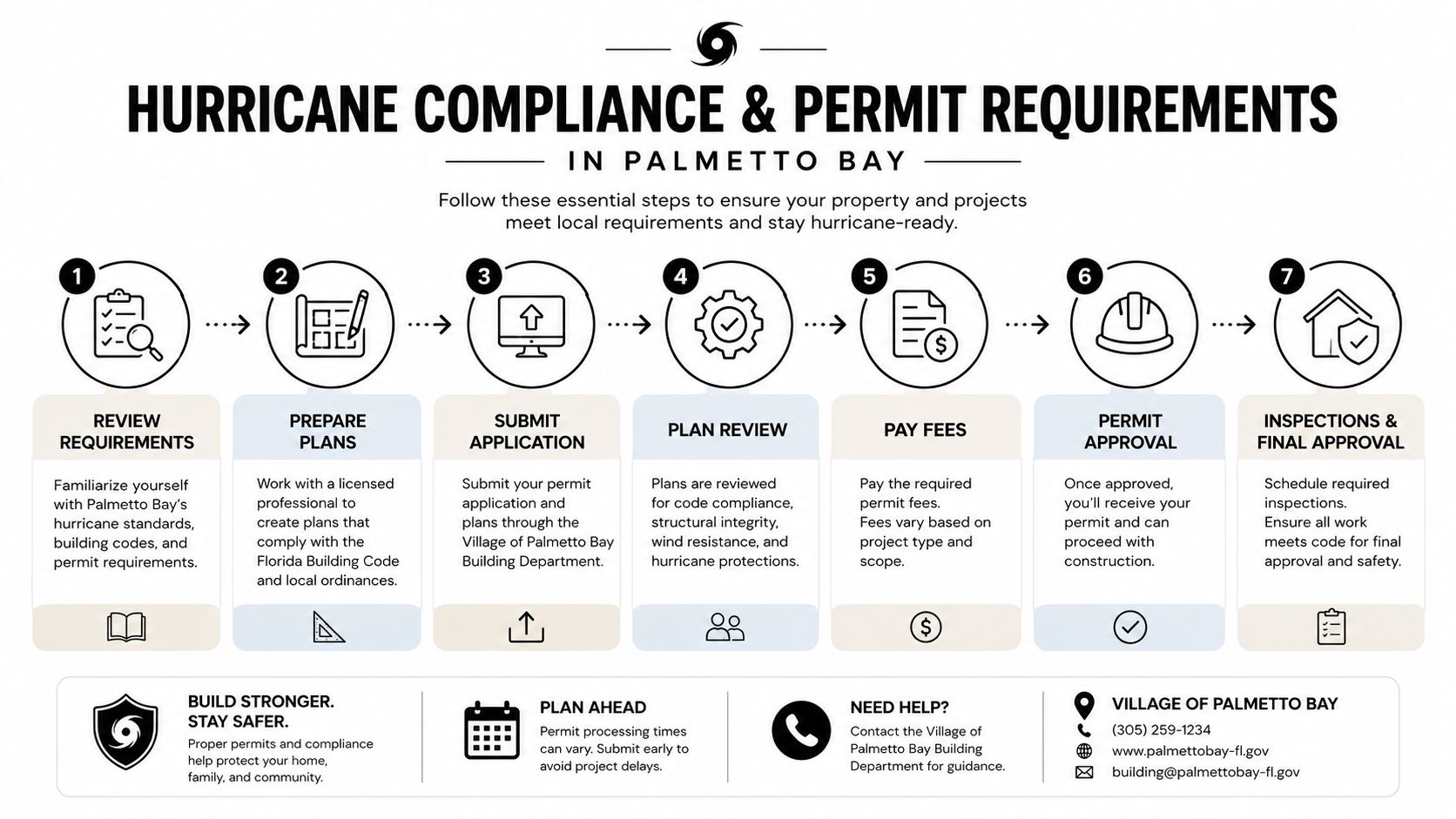
A roof permit in Palmetto Bay is not just paperwork. The Village's Building & Permitting Division uses a dedicated Hurricane Roof Application with detail drawings, so the work has to be planned as a complete system from deck to edge metal, not as a set of loose parts (Village roof package).
That matters because the permit package is built around how the roof will resist wind and water, not just how it will look after the job is done. Homeowners who treat the permit as a formality usually miss the core issue, which is whether the assembly being installed matches the approved one.
What wind-uplift compliance really means
Wind-uplift compliance starts with the whole assembly. The roof deck, underlayment, fastener schedule, edge metal, and attachment details all have to work together in the approved configuration. If one part is underspecified, the roof may look finished from the curb and still perform poorly when storm pressure hits the weak points.
The weak points are usually where homeowners do not start their inspection, such as eaves, ridges, valleys, penetrations, and perimeter edges. Those are the places where wind pressure and water intrusion usually do the most damage. A roof can have good-looking surface materials and still fail because the hidden attachment details were not built for uplift.
What permit-ready documentation should include
A homeowner should expect the contractor to provide product approvals, assembly details, and a scope that matches the permit package. That lets the village reviewer confirm the intended system before installation starts, instead of finding a mismatch after material is already off the roof.
If a roofer cannot explain the deck, underlayment, fastening, and edge-metal choices in plain language, the job is probably not detailed enough yet.
For a visual reference of storm damage assessment, see hurricane roof damage repair example.
For the homeowner, the smartest habit is to ask for permit-ready documents before anyone starts tearing off material. That includes the approved system, not just the visible covering. In a storm-prone area, code verification exists to confirm that the full assembly can handle exposure, not just that the roof passes a surface-level check.
Choosing the Right Roofing Material for South Florida Conditions
A roof in Palmetto Bay has to do more than look finished from the street. It has to hold up to heat, moisture, wind, and the slow wear that builds in the layers you cannot see from the ground. A surface can still look serviceable while the waterproofing parts underneath are already breaking down.
Asphalt shingles, tile, metal, and flat roof systems each handle that pressure differently. The right choice depends on the building, the budget, and whether the owner wants the lowest upfront cost or the stronger long-term assembly.
| Roofing Material Performance in Palmetto Bay | Expected Lifespan | Primary Degradation Factor | Inspection Priority |
|---|---|---|---|
| Asphalt shingle | 15 to 25 years (Florida roofing guidance) | Granule loss, UV wear, wind lift | Look for missing granules and lifted edges |
| Tile | 40 to 50 years or more | Underlayment breakdown before tile failure | Check underlayment brittleness and flashing |
| Metal | 40 to 50 years or more | Fastener, sealant, and flashing aging | Inspect penetrations and edge details |
| Flat roof systems | Varies by assembly | Membrane, seams, and drainage issues | Inspect seams, drainage, and ponding areas |
Why the hidden layers matter most
Homeowners often judge a roof by what they can see from the yard. In coastal South Florida, the underlayment beneath tile commonly becomes the first limiting factor, even when the tile itself still looks intact. That changes the repair-versus-replacement decision fast.
High UV exposure, humidity, and salt-laden air speed up aging in membranes, sealants, and flashing. An inspector should be looking for granular loss, cracked sealant at penetrations, lifted edge details, and underlayment brittleness, not just obvious leaks. On older systems, a local patch may only buy time.
The hidden condition matters as much as the covering. A tile roof can look solid while the waterproofing layer underneath is already nearing the point where repairs stop making sense.
What works and what doesn't
Asphalt shingles can still make sense when the roof is younger and the problem is isolated. Tile and metal often fit owners who want longer service life, provided the structure and budget support them. Flat roof systems can work well too, but only if drainage and seam integrity are handled carefully.
The most expensive material is not always the right answer. The better system is the one that matches the building, the code requirements, and the condition of the roof deck and waterproofing layer. A seasoned contractor earns trust by explaining what remains usable and what is already at risk, not by pushing one material for every house.
Navigating Insurance Claims After Storm Damage
After a storm, homeowners often call for a repair when they need documentation first. Insurance companies care about whether the damage came from a covered event or from normal wear, and that difference gets harder to prove when the roof is older or the inspection is rushed. That's especially true in South Florida, where insurers have tightened underwriting and roof condition matters more than a simple leak narrative (storm exposure and underwriting context).
How to treat the first inspection
The first inspection should answer one question. Is this a maintenance issue, or is it storm damage that needs to be documented? A credible roofer should photograph the affected areas, note the roof age and condition, and separate visible storm-related damage from general wear and tear.
That's where timing matters. If you wait too long, evidence becomes harder to tie to the storm. If you document too early without a real inspection, you may miss the details that help an adjuster understand the full scope.
Keep the inspection report focused on facts, photos, and location of damage. That's what supports the claim file.
What evidence matters most
Adjusters usually need more than a homeowner's description. They need organized photo evidence, a clear description of the damaged area, and a contractor report that identifies what was hit and why it failed. The better the documentation, the easier it is to distinguish storm impact from age-related wear.
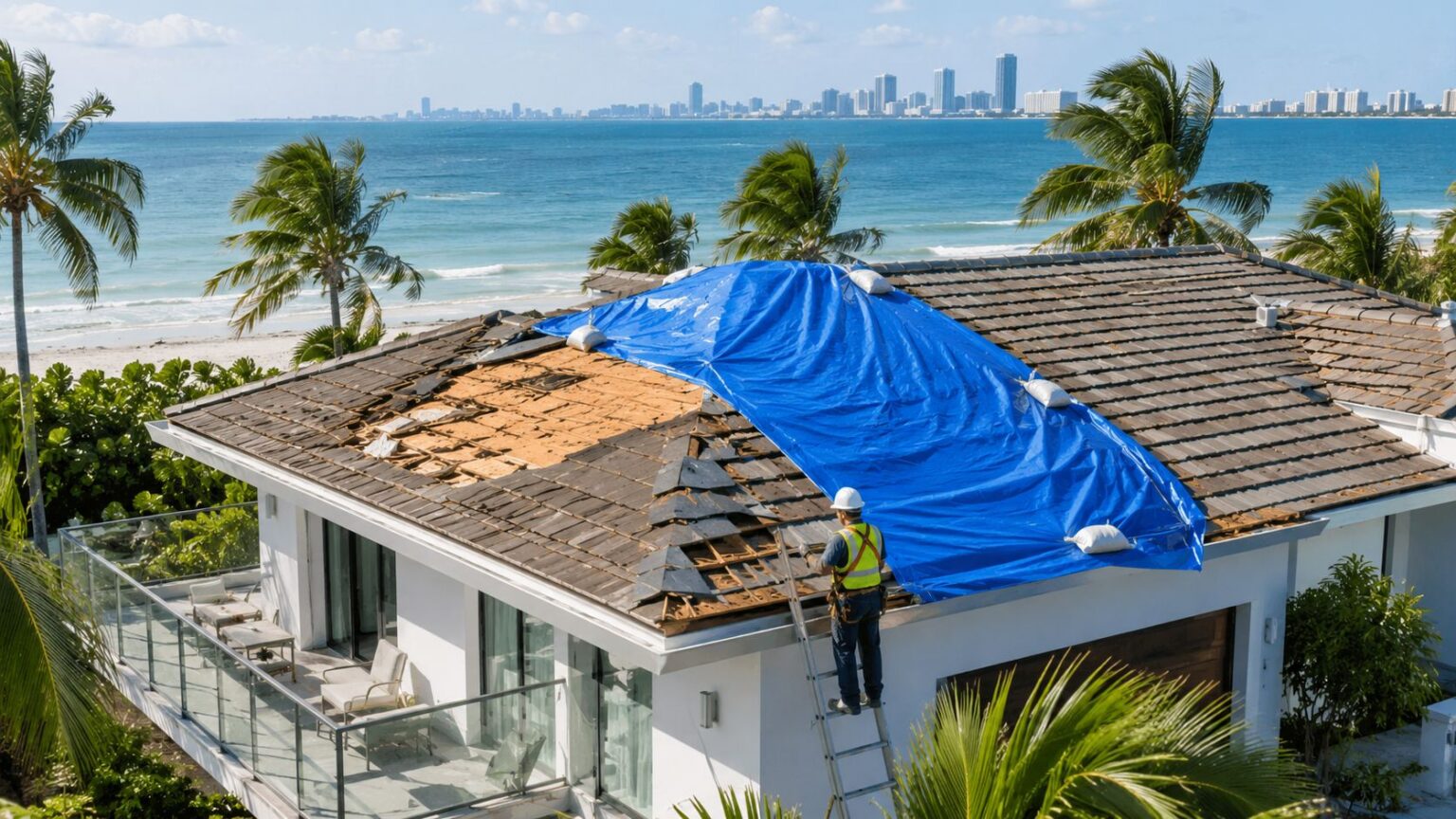
This is also where a roof inspection turns into claim support. If the contractor can show a pattern of damage that matches the storm event, the homeowner has a better foundation for the claim conversation. If the roof is already near the end of its service life, the documentation still matters, because it helps show what portion of the damage is attributable to the event and what portion is not.
One useful general resource on home upkeep is preventive maintenance tips, especially for owners who want to keep better records before storm season. In roofing, good records often matter almost as much as good materials.
How to Evaluate and Choose the Right Roofing Contractor
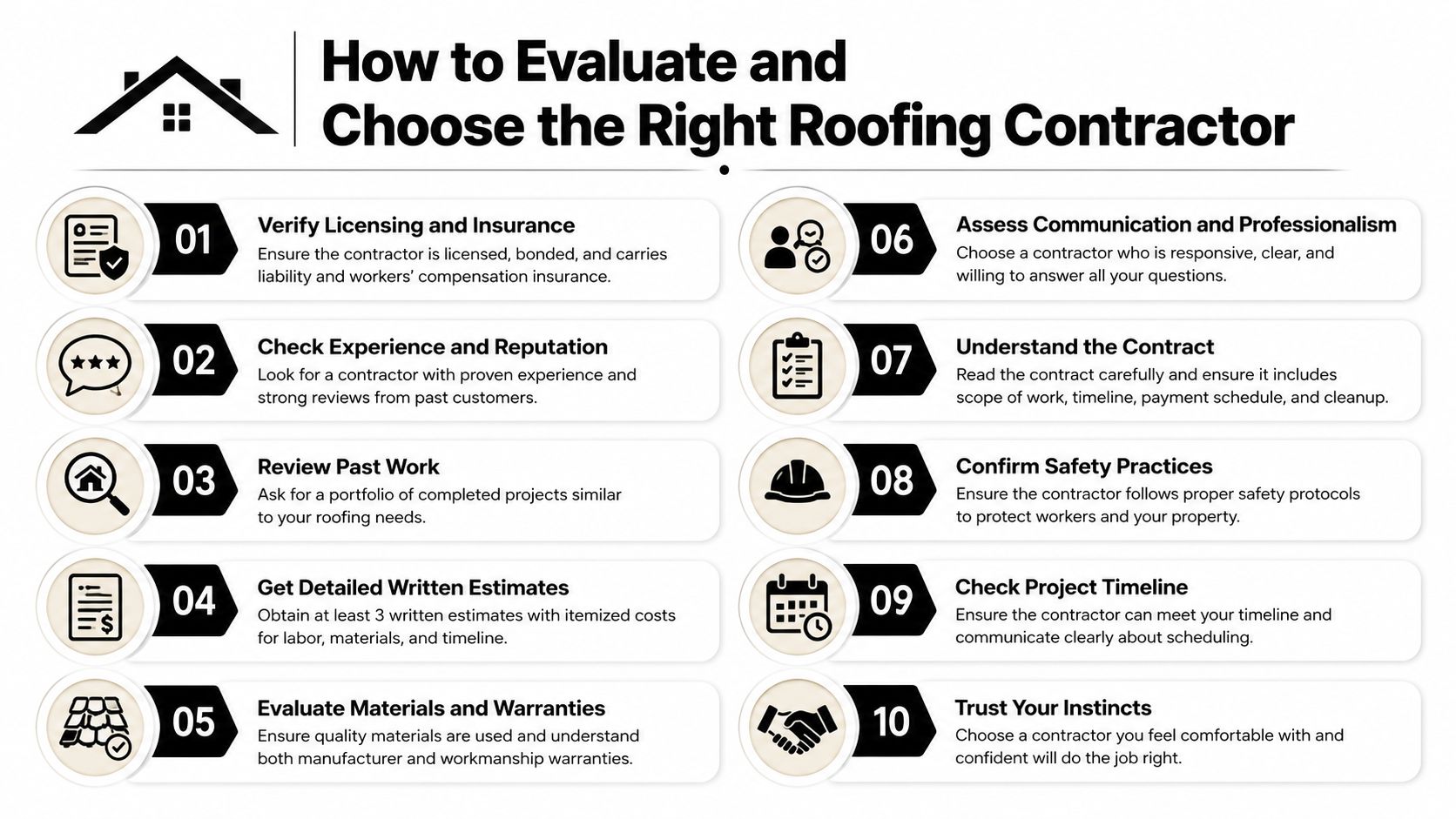
Palmetto Bay has enough roofing companies that homeowners can afford to be selective. The trick is knowing what separates a real contractor from a polished sales pitch. Start with the details that can be checked, not the promises that sound best on the phone.
What to verify before you sign anything
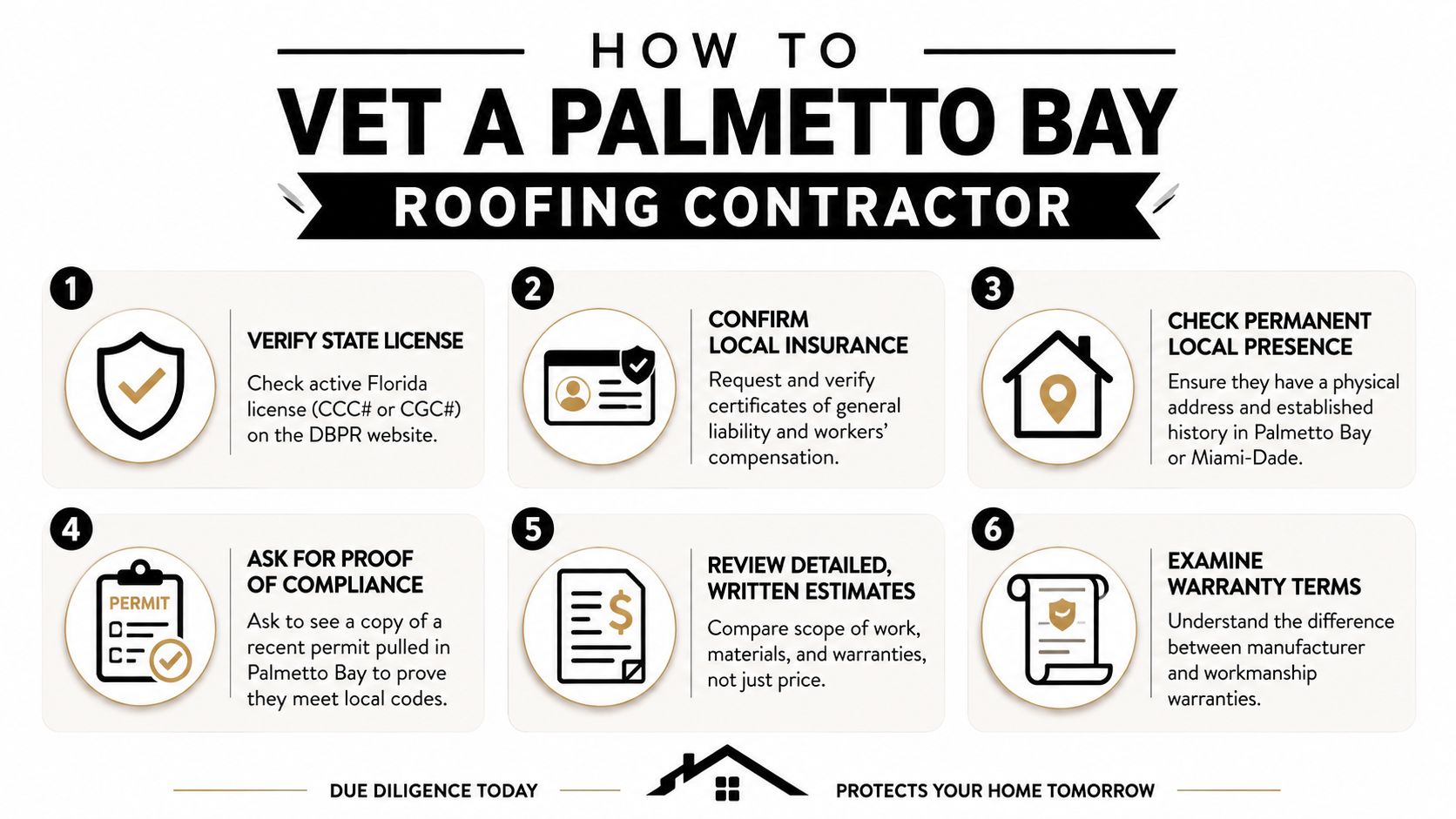
A serious roofing company should be willing to show a Florida license number, insurance certificates, a physical presence, and a written scope of work. Those items tell you more than a logo or a yard sign ever will.
- Verify the license: Check the Florida license number and make sure it's active.
- Confirm insurance: Ask for liability and workers' compensation proof.
- Look for local presence: A real office or long-term service area is more useful than a temporary address.
- Request a detailed estimate: Materials, labor, permits, and timing should all be spelled out.
- Ask how communication works: Slow callbacks during bidding usually become slower callbacks during the job.
A useful reference point for a local credential is the GAF contractor directory listing for a Palmetto Bay roofer with Florida state license number CCC1333474, in business since 2023, and 1 to 5 employees (GAF contractor directory). Those are the kinds of checkable markers homeowners should ask for from any contractor, no matter what name is on the truck.
Why local experience changes the outcome
A contractor with a long South Florida track record is more likely to understand permit paths, local inspection sequencing, and material availability during peak demand. Paletz Roofing and Inspections is one example of that kind of setup, with over 30 years of experience, licensed and insured status since 1990, certified roofers, and a satisfaction guarantee. Those are the details that matter when the roof work has to be done cleanly and documented correctly.
For homeowners who also need broader property upgrades, a trustworthy contractor should be able to coordinate around other trades. A helpful companion resource is the 2026 guide to electrical services, especially when roof repairs overlap with attic lighting, exhaust fans, or other electrical work.
Frequently Asked Questions About Palmetto Bay Roofing
How long do roof repairs or replacements usually take
The timeline depends on the roof system, the weather, and whether permit work or inspection scheduling is part of the job. A small repair on a newer roof can move fast, while a full replacement takes longer because the contractor has to handle tear-off, dry-in timing, inspections, and final sign-off.
What drives roofing cost in Palmetto Bay
Roof type, system complexity, the amount of damage, and code requirements all affect the price. A localized repair on a young roof is a different scope from a full reroof on an older tile system where underlayment failure is already a concern.
What should I do right after storm damage
Take photos first, then schedule an inspection before guessing at the extent of the problem. If insurance may be involved, the report needs to separate storm impact from wear so the file is useful later. Careful claim documentation matters because adjusters want a clear record of what was damaged, what was existing aging, and what needs repair now.
Do maintenance plans actually help
Yes, especially in a climate shaped by rain, high winds, and extreme heat. Preventive maintenance does not stop every storm issue, but it can catch loose flashing, sealant breakdown, drainage problems, and early underlayment wear before they turn into interior leaks. If you want a practical reference point for roof care, these preventive maintenance tips help show what regular upkeep should cover.
The roofing environment in South Florida also puts extra pressure on materials, which is why local experience matters. As noted earlier, a contractor that understands the South Florida roofing environment can judge when a patch makes sense and when aging parts of the system are already past the point of a quick repair.
For homeowners who want the roof checked or need a quote for repair, it helps to work with a contractor that documents the condition clearly and can work around the permit process. Paletz Roofing and Inspections handles inspections, repairs, replacements, and emergency leak support, with flexible scheduling and multiple offices serving South Florida properties. If you want a direct next step, visit Paletz Roofing and Inspections and request an evaluation before the next storm season puts more stress on the roof.