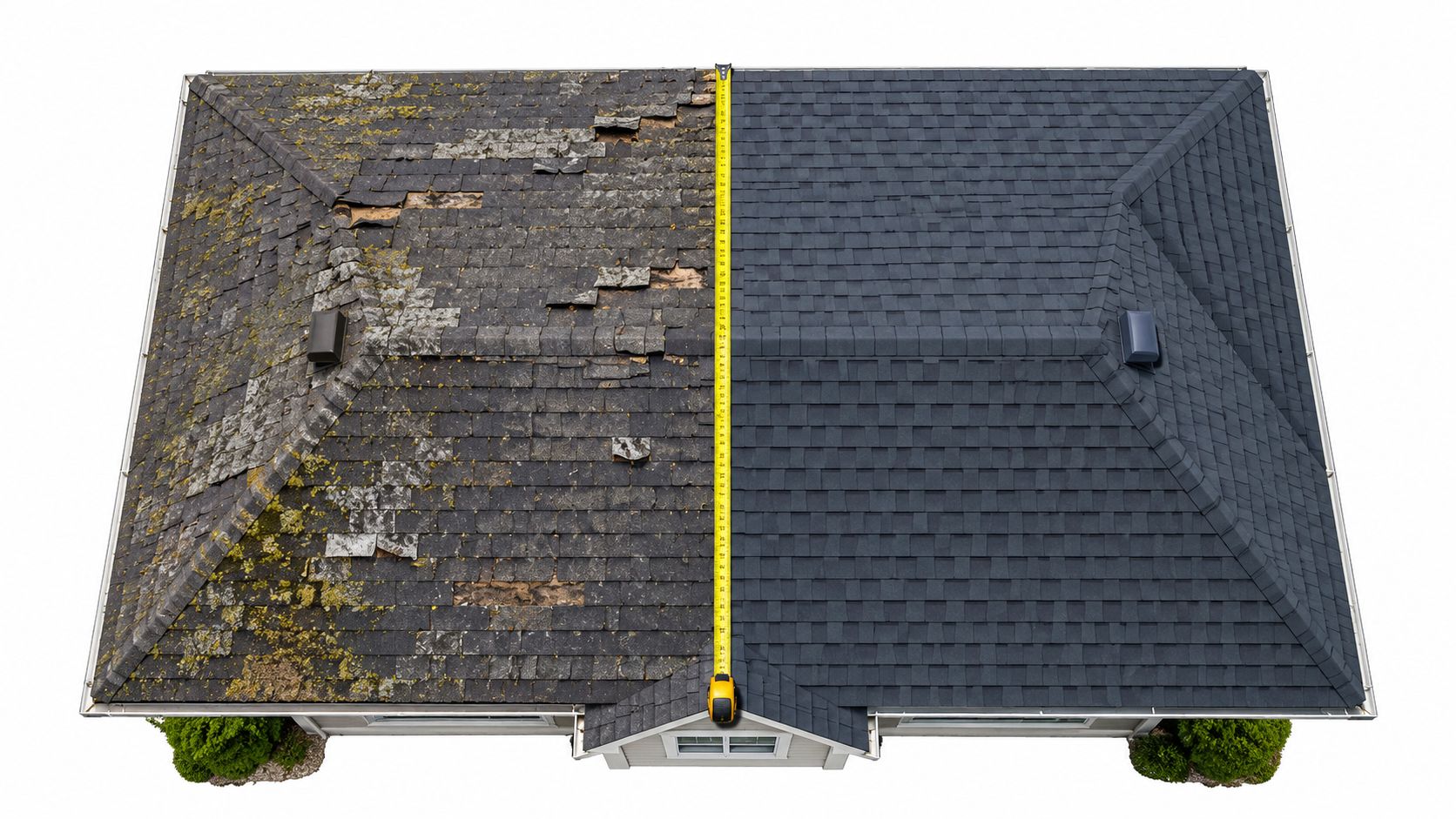
A leak has appeared over the living room, a few shingles are sitting in the yard, or an insurance notice has raised questions about your roof's age. The first instinct is usually to ask for the cheapest repair. In South Florida, that can be the wrong question. Heat, wind, salt air, storm exposure, and changing insurance requirements can turn a small repair into a short delay before a much larger project.
The practical choice between roof repair or replacement comes down to three tests: how old the roof is, how much of the surface is damaged, and how the repair price compares with replacement. Use those tests with an inspection report, not a sales pitch, and you can make a defensible decision for an asphalt shingle, tile, metal, or flat roof.
Table of Contents
- The Decision Most Homeowners Get Wrong
- Warning Signs You Can Spot From the Ground
- Repair Versus Replacement on Real Numbers
- The Three Thresholds That Make the Call
- Insurance, Warranty, and Energy Tradeoffs
- Getting a Quote You Can Actually Trust
- Your Next Steps This Week
The Decision Most Homeowners Get Wrong
A Palm Beach County homeowner once patched the same south-facing slope repeatedly. Across three years, the repairs totaled $4,500, then a storm peeled back compromised shingles and forced a full replacement costing $22,000. The problem wasn't that the first repair was impossible. The problem was that nobody tested whether the roof had enough remaining life to justify continuing to patch it.
That distinction matters. A repair can solve a defined failure, such as damaged flashing, a small penetration leak, or a limited group of missing shingles. It can't restore an aging roof field whose underlayment, fasteners, decking, and exposed surfaces are failing in several places.
Start with three numbers
Write down these three facts before you approve any work:
- Age: Find the installation year from closing documents, permit records, or the previous owner. Asphalt shingle systems commonly reach a practical replacement decision around 20 to 30 years, according to independent roofing guidance on roof service life.
- Damage area: Estimate whether the damage is confined to one small zone, one slope, or several slopes. A widely used working rule treats damage affecting more than 25% of the roof area as a strong replacement signal, as explained in GAF's roof repair guidance.
- Repair ratio: Compare the written repair quote with a complete replacement quote using the same scope. When repairs exceed roughly 30% of replacement cost, replacement usually becomes the stronger investment, a benchmark discussed in roof repair cost guidance from RoofingCalc.
Storm claims add another layer. FEMA's disaster-damage rule generally treats replacement as eligible when repair costs exceed 50% of replacement costs, subject to the applicable program and project facts, as described in this FEMA-related roofing explanation.
Practical rule: Don't approve a patch until you know the roof's age, the damaged percentage, and the full replacement price.
This method works especially well for roofs built before 2010, when the installation history may be incomplete and the system may have already endured years of South Florida weather. Gather the roof's age, the last inspection date, recent invoices, and clear photos before requesting bids.
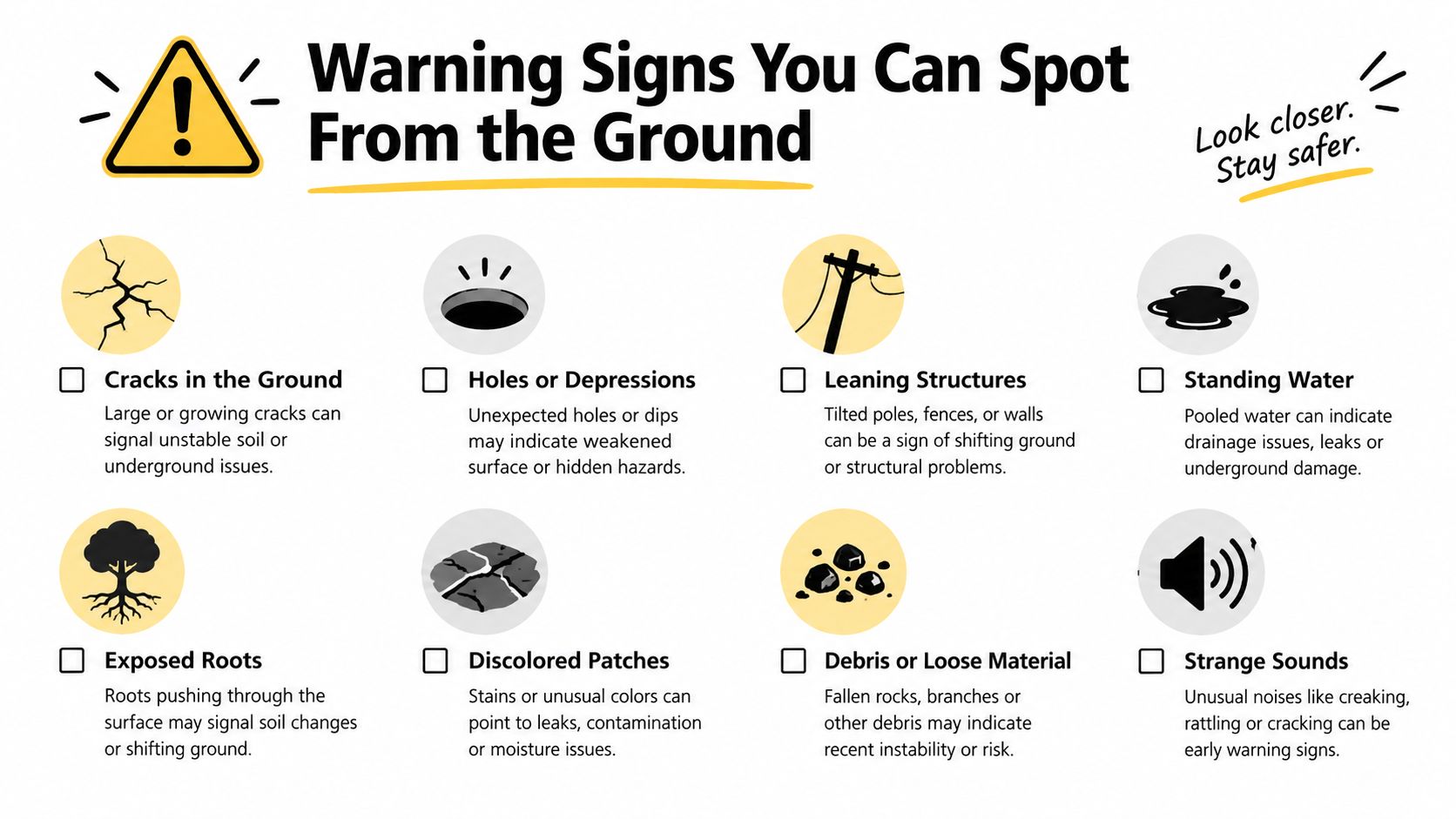
Warning Signs You Can Spot From the Ground
You don't need to climb onto the roof to collect useful evidence. Stand at each corner of the property, use binoculars, inspect the gutters and downspouts, and look into the attic only if you can do so safely from the floor or access area.
Signs that usually support repair
A repair is reasonable when the failure is isolated and the surrounding roof still looks consistent. Look for:
- Limited missing or curled shingles: A handful of damaged shingles confined to one slope can often be replaced without disturbing the rest of the system.
- Isolated nail pops: A few raised fasteners may point to a localized installation or movement issue.
- One flashing problem: Flashing that has lifted around a single chimney, wall, vent, or penetration may be repairable when the nearby roof surface remains sound.
- One traceable leak: A small interior stain tied to one penetration is different from stains appearing throughout the home.
A 2,000-square-foot roof with less than 100 square feet of clearly localized damage usually points toward repair, provided an inspection doesn't find soft decking or broader deterioration. The visible area isn't the only issue. Water can travel beneath the roof covering, so the roofer must verify the underlayment and deck around the leak.
Signs that point toward replacement
Replacement deserves priority when deterioration appears across multiple slopes or involves the roof structure:
- Widespread granule loss: Shingles that expose dark substrate across several slopes have lost more than a cosmetic layer.
- Sagging decking: A visible dip from the yard can indicate moisture-damaged sheathing or framing.
- Broad tile deterioration: Widespread moss, algae, cracked tile, or shifting tile can signal problems beyond one broken piece.
- Metal corrosion: Rust streaks or perforation on metal panels matter more in coastal areas, where salt air accelerates corrosion.
- Multiple ceiling stains: Water marks in more than one room suggest a broader leak pattern.
- Attic daylight: Light entering through the roof deck is a direct warning that the system isn't closed.
More than 500 square feet of visible deterioration is a replacement signal on many homes, particularly when the damaged area spans several slopes. South Florida's ultraviolet exposure can degrade shingle binders within 12 to 15 years, and hurricane seasons test weak seams, edge details, and old fasteners repeatedly. Those figures and climate-specific claims require a site inspection, so treat them as screening indicators, not a substitute for a roof report.
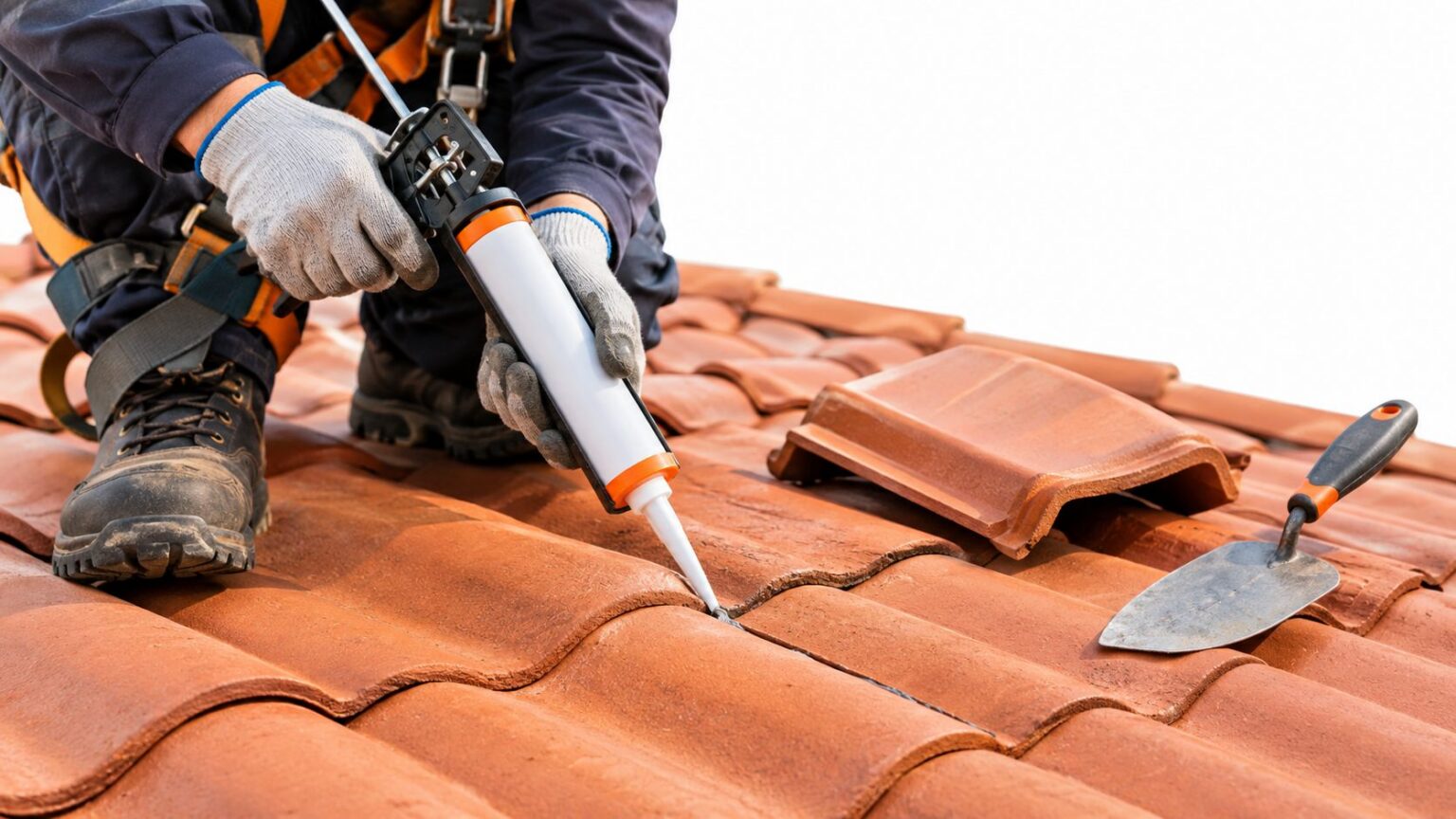
For tile owners, keep a visual reference such as this guide to repairing cracked roof tiles, but don't assume one cracked tile proves the entire roof needs replacement.
Before calling a roofer, run this ground-level checklist:
- Photograph each roof slope from the yard.
- Check gutters for heavy granule accumulation or metal flakes.
- Look for curled, missing, cracked, shifted, or rusted materials.
- Mark every interior stain on a simple room sketch.
- Inspect the attic for daylight, damp insulation, or soft wood without stepping on the ceiling.
- Record the location and date of every observation.
Repair Versus Replacement on Real Numbers
Price comparisons are useful only when the scopes match. A spot shingle repair is not comparable to a replacement that includes tear-off, new underlayment, flashing, ventilation, permits, inspections, and decking allowances.
Recent national data show why homeowners need disciplined quote review. Verisk reported that U.S. roof repair and replacement costs reached nearly $31 billion in 2024, a 30% increase since 2022, while its 2025 reporting placed average residential replacement at $17,631 and average repairs at $4,699. See the Verisk cost reporting summarized by Insurance Business.
South Florida quotes can vary sharply by material, access, slope, tear-off layers, code work, and labor conditions. Use the following ranges as a screening tool, not as a promise for a particular property.
A practical comparison
| Option | Cost Range (2024–2026) | Lifespan Added | Disruption |
|---|---|---|---|
| Spot shingle repair | $400–$1,200 | Repair life may be limited to about 5 years before the same area fails again | Small crew, limited debris, usually completed in one to three days |
| Flashing or valley repair | $800–$2,500 | Depends on the condition of the surrounding roof | Localized work, generally one dumpster or small disposal load |
| Leak and decking patch on a 2,000-square-foot roof | $1,500–$4,500 | Often limited when the surrounding roof is near end of life | Targeted tear-out and noise |
| Architectural asphalt replacement on a 2,000-square-foot roof | $11,000–$22,000 | About 20 to 30 years for the system | Full tear-off, debris, permits, inspections, and roughly 5 to 14 working days |
| Concrete or clay tile replacement | $25,000–$45,000 | About 30 to 50 years | Extensive material handling, tear-off, inspections, and construction noise |
| Standing-seam metal replacement | $35,000–$60,000 | About 40 to 70 years | Full installation process, flashing work, permits, inspections, and crew activity |
The lifespan ranges above reflect the assigned South Florida planning estimates. National guidance places asphalt shingle replacement decisions broadly around 20 to 30 years, while a federal roof-management specification shows why a serious assessment should document construction, flashings, defects, infrared results, core testing, wind-uplift testing, recommendations, and urgency levels. That inspection approach is outlined in the federal roof condition statement of work.
A full replacement also gives you a chance to correct poor edge details, penetrations, ventilation, and incompatible materials. Specifications commonly require documentation of fire performance such as ASTM E 108 or UL 790, product data, and installer qualifications, as shown in these system-specific roofing specifications.
A quote below $9,000 for a full replacement on a 2,000-square-foot tile or architectural roof should trigger a scope review. It may omit tear-off, permits, underlayment, disposal, or additional layers rather than represent a genuine bargain.
For a useful comparison of repair pricing and insurance estimates, see this roof repair cost reference.
The Three Thresholds That Make the Call
The roof doesn't need to look perfect for a repair to be sensible, and it doesn't need to leak visibly before replacement becomes justified. Apply the thresholds in sequence, then let the inspection evidence resolve conflicts.
Threshold one is age
Age changes the value of every repair dollar. A patch on a newer roof buys useful remaining service life. The same patch on a roof near the end of its expected life may only postpone replacement.
For South Florida planning, the working age signals are approximately 15 years for three-tab asphalt, 20 years for architectural shingles, 25 to 30 years for metal, and 30 years or more for tile, subject to the condition of the underlayment, fasteners, ventilation, and installation. Independent guidance supports a broader 20 to 30-year asphalt replacement window, so don't use the calendar alone.
Threshold two is damaged area
Measure the affected surface by slope and by total roof area. If more than 25% of a roof area shows missing shingles, widespread granule loss, soft spots, or decking sag, patching may leave you with an unstable slope that the next major storm can expose. This is especially important when the damage isn't limited to one penetration or one clearly defined event.
Threshold three is repair cost
Obtain a replacement quote before accepting an expensive repair. If the repair exceeds roughly 30% of full replacement cost, replacement usually deserves the stronger position because you're spending a substantial share of a new system's price without receiving a new roof assembly.
The FEMA rule is a separate disaster and eligibility benchmark. Repair costs above 50% of replacement costs can move a disaster-damaged facility into replacement territory, depending on the program, policy, jurisdiction, and code requirements. Have the carrier, adjuster, and qualified contractor compare the same scope.
| Threshold | Test Value | Action Triggered |
|---|---|---|
| Age | Around 15 years for three-tab asphalt, 20 for architectural shingles, 25 to 30 for metal, and 30 or more for tile | Request a replacement evaluation instead of approving automatic patching |
| Damaged area | More than 25% of the roof or slope | Replacement often becomes more practical than partial repair |
| Repair-cost ratio | Repair above roughly 30% of replacement cost | Replacement usually offers the stronger financial path |
| FEMA disaster rule | Repair above 50% of replacement cost | Investigate replacement eligibility, code upgrades, and claim scope |
Consider a 2,000-square-foot shingle roof with an $11,000 repair quote and a $34,000 replacement quote. The repair is roughly one-third of replacement cost, already beyond the 30% benchmark. If the roof is also old or the damaged area covers more than a quarter of a slope, all three practical signals point toward replacement. If a storm caused the damage and the claim scope approaches the FEMA threshold, the insurance and code analysis becomes equally important.
The strongest recommendation comes from agreement between age, area, and cost. One threshold can justify a second opinion. Two or three pointing the same way should guide the decision.
Insurance, Warranty, and Energy Tradeoffs
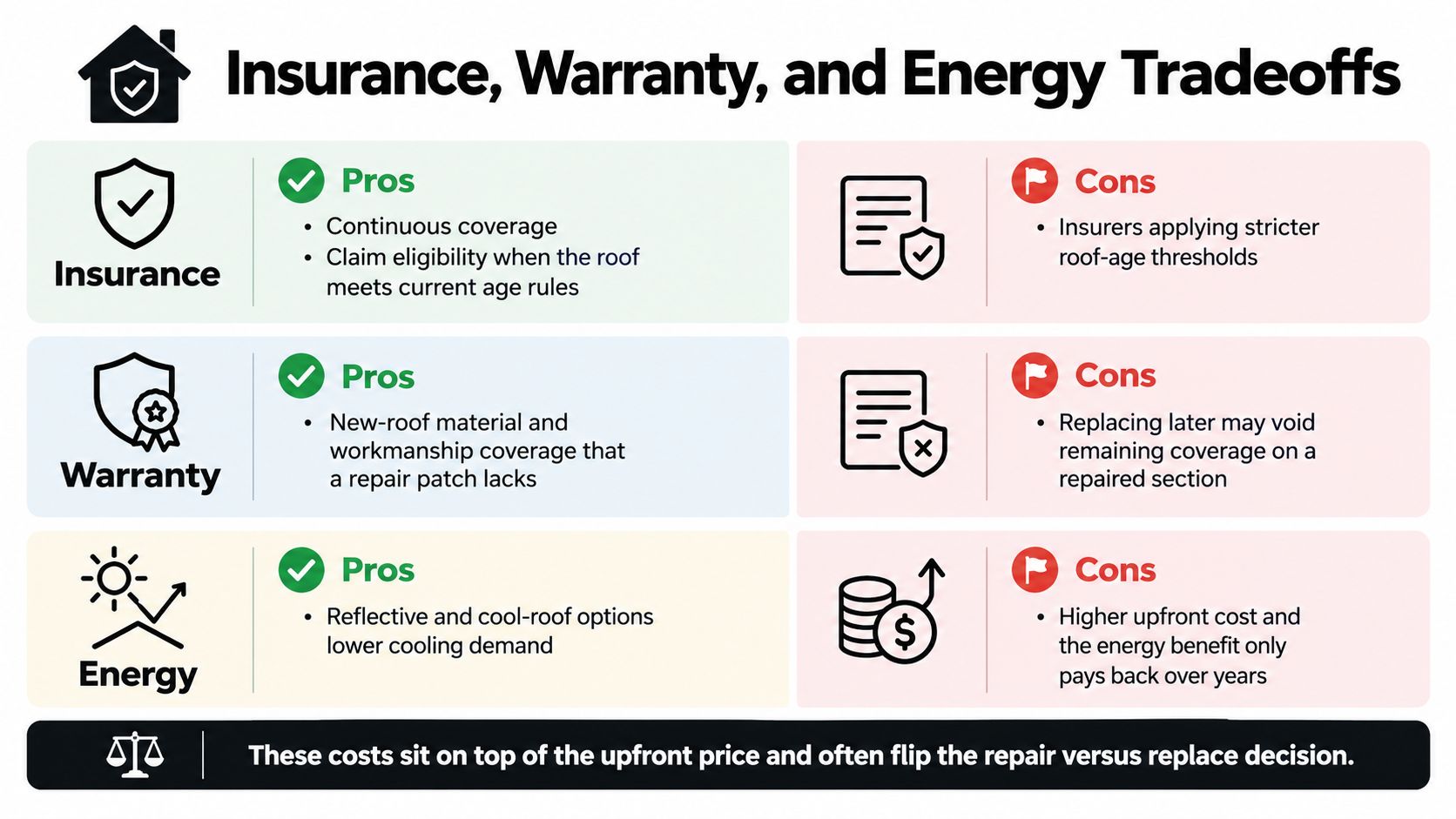
The lowest upfront quote can still produce the highest ownership cost. Insurance eligibility, warranty terms, and roof performance can change the answer after the basic repair math is complete.
Insurance changes the timing
Florida insurers examine roof age and condition closely, and policy terms vary. Ask your carrier whether the existing roof remains eligible, whether a repair preserves coverage, and whether a replacement with documented wind-mitigation features affects premiums or credits. Don't assume a contractor's claim about coverage replaces a written answer from your insurer.
Storm damage also requires careful documentation. If a fallen tree or limb caused the damage, review a resource on homeowners insurance tree damage coverage while you gather photos and contact the carrier. Avoid authorizing major work before you understand the claim process, except for emergency measures that prevent additional interior damage.
Warranties cover different risks
A material warranty and a workmanship warranty are not interchangeable. The manufacturer addresses qualifying product defects. The contractor's workmanship terms address installation-related problems such as leaks caused by poor flashing or fastening.
A repair usually applies only to the repaired area and may inherit limitations from the existing roof. A complete replacement gives you a new assembly, new product documentation, and new workmanship terms, but only if the contractor installs the system according to the manufacturer's requirements. Read exclusions for ponding water, storm damage, ventilation, maintenance, unauthorized alterations, and emergency work.
Energy and resilience deserve a place in the quote
South Florida homeowners should ask about cool-roof shingles, reflective coatings, recycled composites, green roofs, and metal systems. These options can improve heat reflection, durability, or storm performance, but higher-end materials cost more upfront. Current industry coverage identifies standing-seam metal estimates around $16,000 to $36,000 and describes premium materials such as slate as substantially more expensive, as reported in roofing material trend coverage.
Don't accept an unsupported promise about energy savings. Ask the contractor to identify the product's reflectance documentation, ventilation plan, fastening schedule, secondary water barrier, and any insurance documentation the carrier requires.
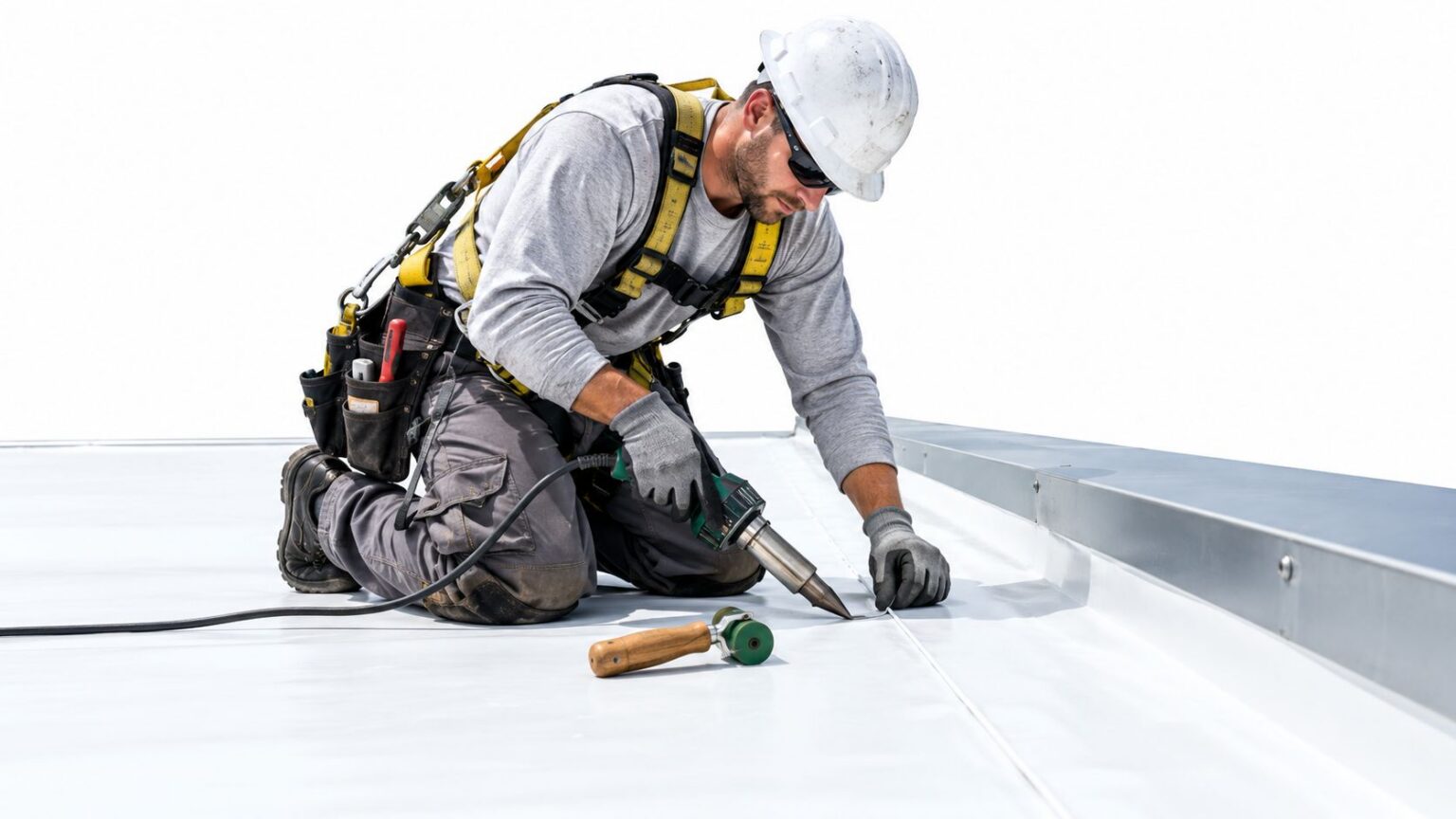
A technical example of an alternative roofing system can help you compare assemblies, but insist that the proposed product fits your roof design and local code. This TPO roofing installation reference is useful only as a visual starting point, not as proof that TPO is right for your home.
Getting a Quote You Can Actually Trust
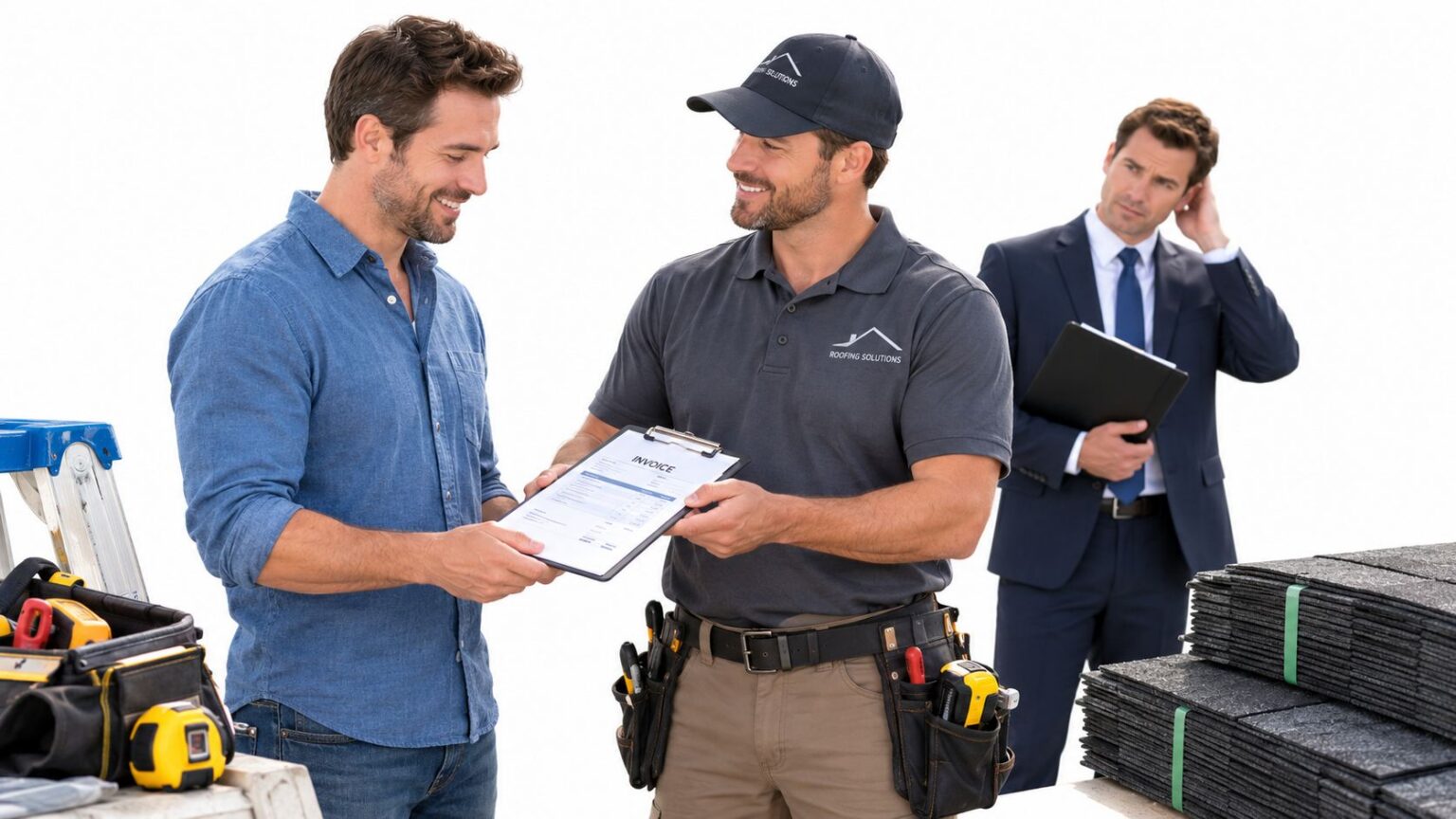
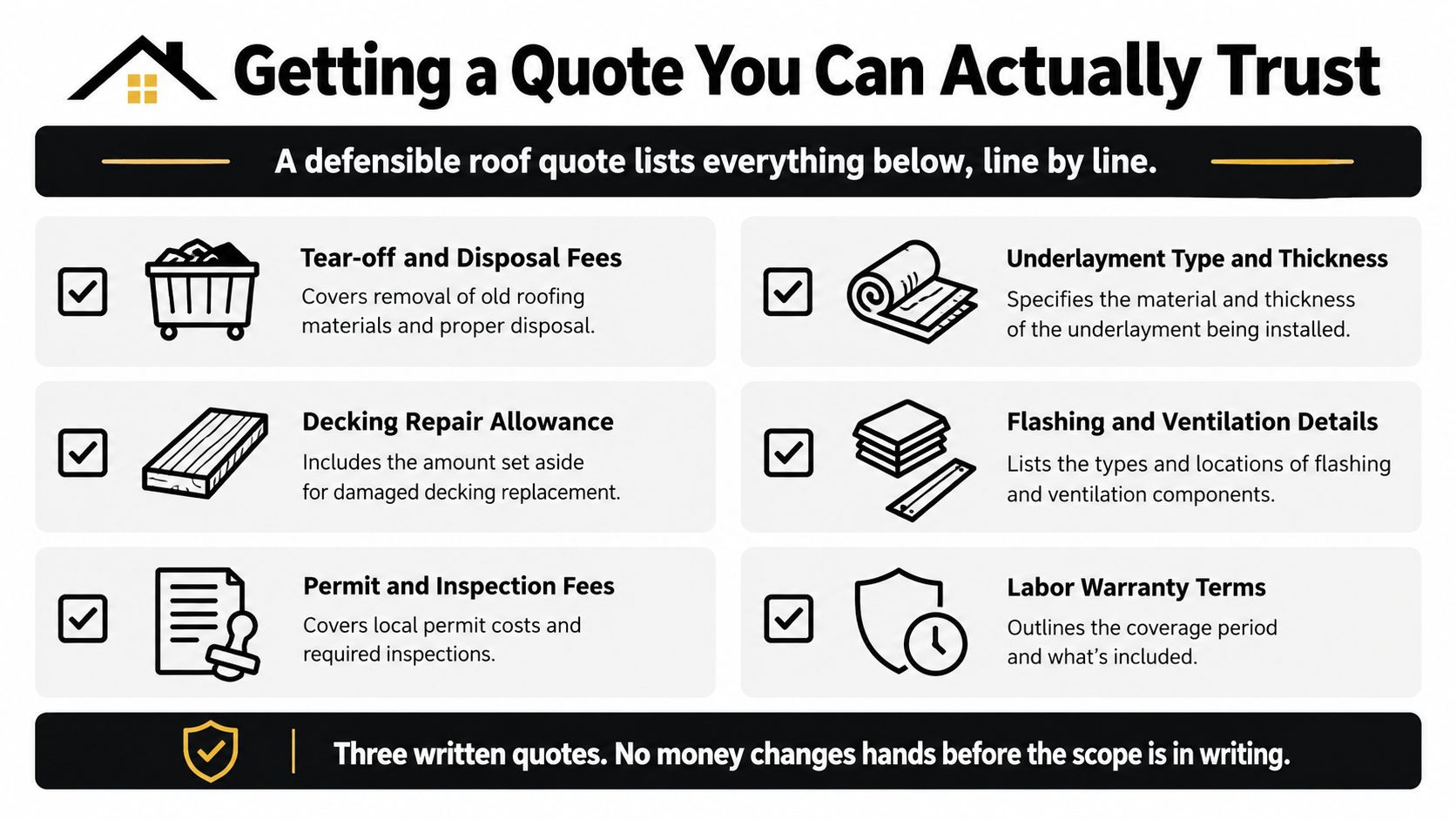
A defensible roof quote reads like a construction scope, not a single number on a business card. Before any deposit changes hands, every contractor should show what will be removed, what will be installed, how hidden damage will be priced, and which permits and inspections are included.
Require these line items
The proposal should identify:
- Tear-off and disposal: State the number of existing layers, removal method, dumpster charges, hauling, and disposal.
- Underlayment: Name the product type and weight, such as synthetic underlayment or No. 30 felt, rather than writing “underlayment as needed.”
- Flashing: Specify replacement or reuse at walls, chimneys, skylights, vents, valleys, and other penetrations.
- Edge components: Include drip edge, starter strip, ridge details, and sealants.
- Ventilation: Describe intake and exhaust ventilation changes needed to meet current code.
- Fasteners: Identify fastener type, corrosion resistance, placement, and any wind-uplift requirements.
- Decking allowance: Price replacement per sheet if rot, delamination, or soft areas appear after tear-off.
- Permits and inspections: Show who pulls the permit and who schedules inspections.
- Warranty: Separate material coverage from labor and workmanship coverage, including exclusions.
A professional inspection should also document defects, leak locations, and recommendations with urgency levels. If the roof is complex, ask whether the contractor uses moisture mapping, infrared scanning, core testing, or wind-uplift verification where appropriate.
Reject pressure and missing paperwork
Cash discounts, a promise to skip permits, vague “as needed” language, absent license details, and missing workers' compensation proof are serious warning signs. So is a demand that you sign the same day, especially after a storm when contractors know homeowners feel rushed.
Get two or three written bids based on the same scope. Verify the Florida roofing license through the Florida Department of Business and Professional Regulation, request local references from recent work, and call those references yourself. Ask how the contractor handled change orders, concealed decking damage, inspections, cleanup, and the first heavy rain after installation.
Read the warranty exclusions before signing. A document that promises long material coverage but excludes workmanship, flashing, ventilation, or storm-related conditions may offer less protection than the headline suggests.
Your Next Steps This Week
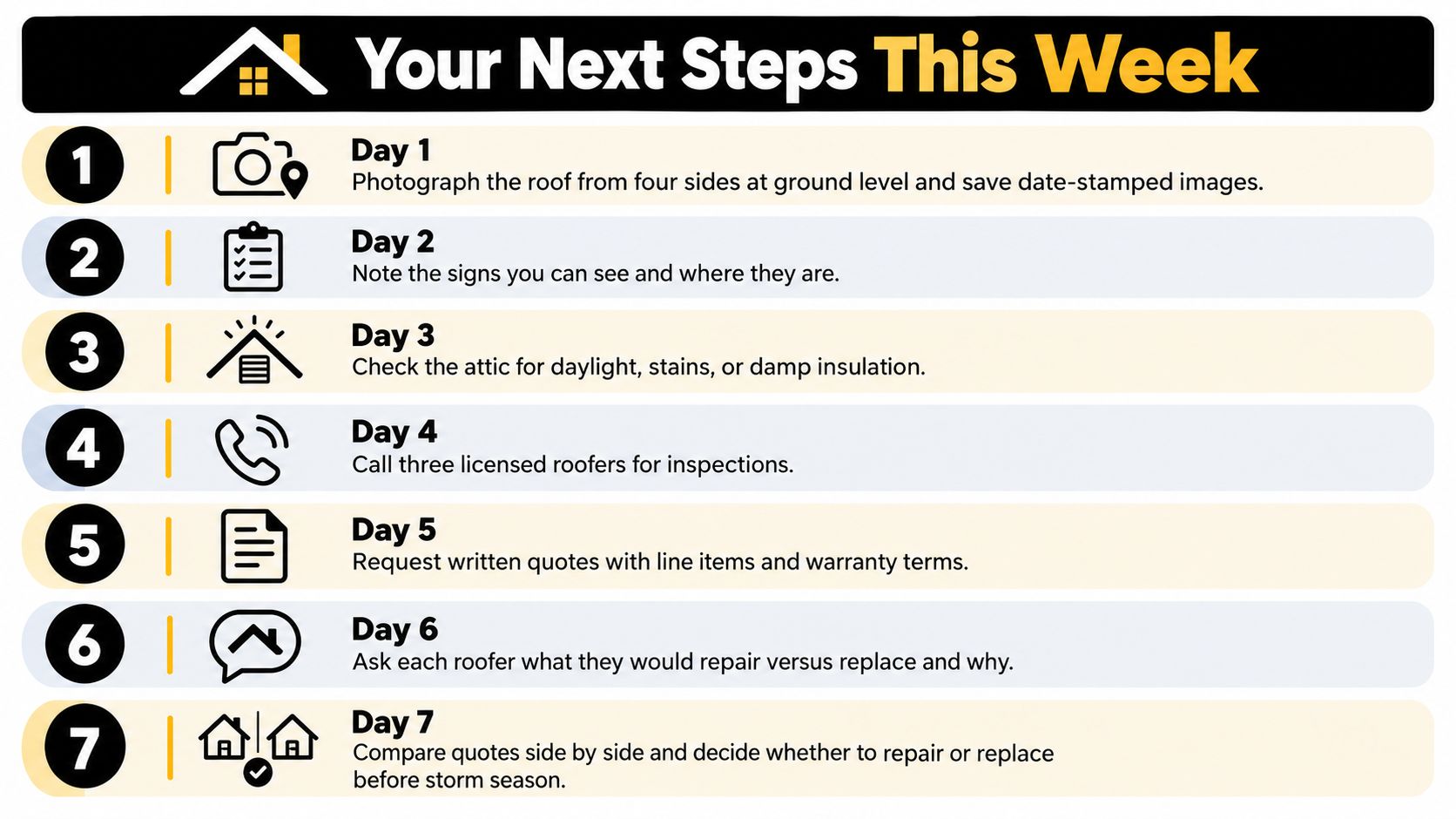
Don't leave this decision in your bookmarks. Use the next seven days to build a file that gives you an advantage with contractors, insurers, and your own budget.
Build the evidence first
On day one, photograph the roof from all four sides at ground level. Save the date-stamped files, then photograph gutters, fallen roofing materials, ceiling stains, and any visible water entry. Don't climb onto a wet or damaged roof to get a better picture.
Next, collect the roof's installation paperwork, prior repair invoices, and county permit records. Confirm the material, installation date, and any remaining manufacturer documentation. If you can't establish the age, tell every contractor that the date is uncertain and ask them to explain how that affects the recommendation.
Get comparable inspections
Call at least two licensed and insured Florida roofing contractors for written inspections. Three opinions are useful when the roof is old, storm-damaged, or facing a large repair quote, but comparison matters only when each contractor prices the same scope.
Require separate lines for materials, labor, permits, decking, and debris disposal. Ask every roofer to state what they would repair, what they would replace, and which inspection evidence supports that choice.
- Check the threshold: If repairs exceed roughly 30% of replacement cost, request a second opinion before signing.
- Check the claim: Call your insurance carrier before major non-emergency work and ask about coverage, roof-age requirements, replacement eligibility, and wind-mitigation documentation.
- Check the contractor: Verify the license number on MyFloridaLicense.com before anyone opens the roof.
- Check the contract: Avoid contingency agreements presented at the front door and reject same-day pressure.
- Check the calendar: Schedule approved work before the next storm window, not after another leak confirms the roof has failed.
For homeowners in Broward, Miami-Dade, and Palm Beach counties, Paletz Roofing and Inspections provides inspections, written assessments, repairs, and complete roof replacements for shingle, tile, metal, and flat roofing systems. Visit Paletz Roofing and Inspections to request an inspection and compare a targeted repair plan with a properly scoped replacement before the next storm exposes the wrong decision.