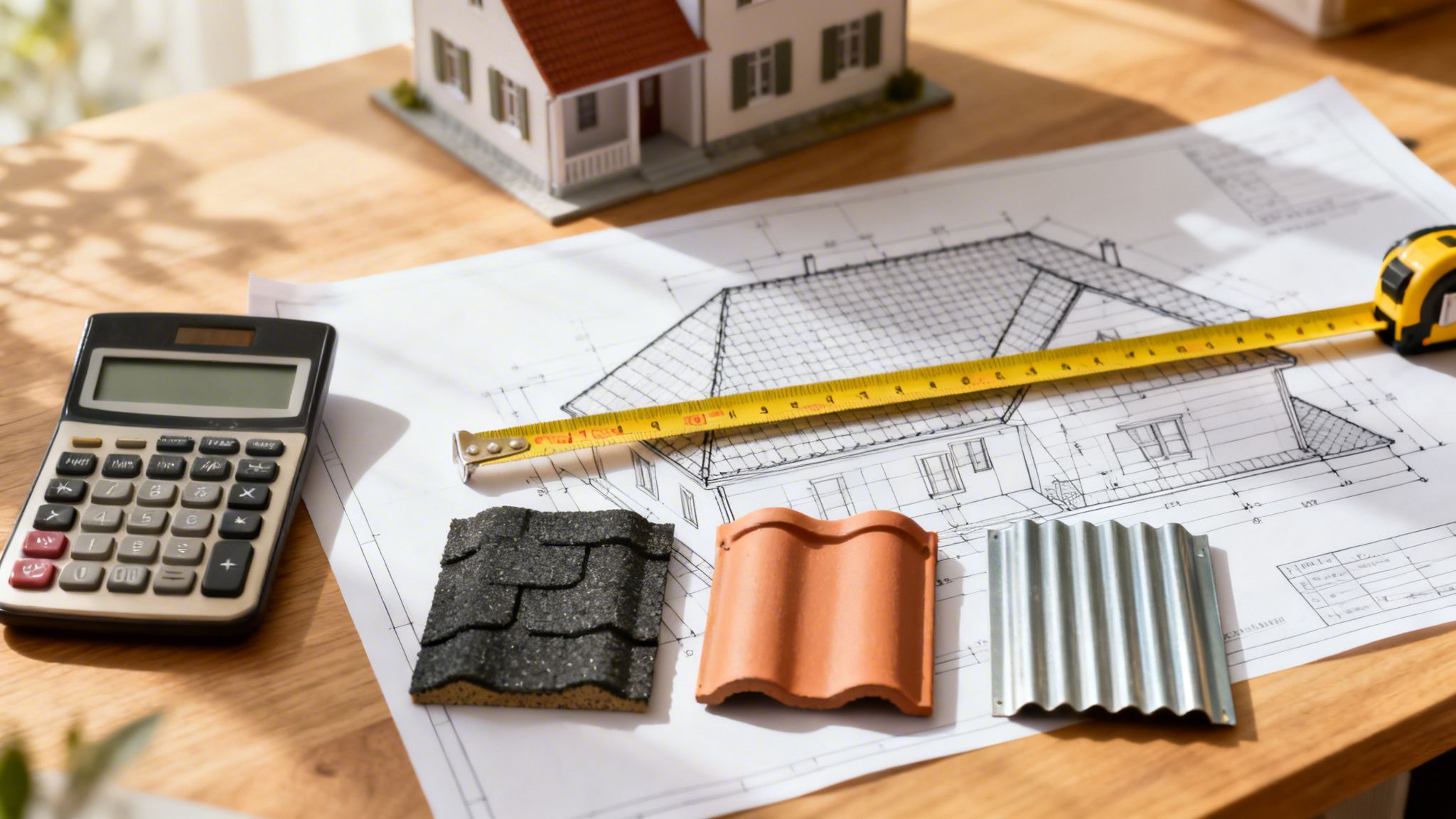
If you’re wondering what it costs to replace a roof on a house in 2026, the short answer is it varies. While the national average hovers around $9,500, that number doesn't tell the whole story, especially here in South Florida. For most local homeowners, a full roof replacement will typically fall somewhere between $8,000 and $22,000, depending on your home’s size, the materials you pick, and the project's overall complexity.
Your 2026 Guide to Roof Replacement Costs

Figuring out the cost to replace a roof is less about a single price tag and more about understanding a budget range. Think of it like buying a car; the final sticker price depends on whether you're getting a basic sedan or a luxury SUV with all the bells and whistles. The same logic applies directly to your roof.
Imagine you're a homeowner in Fort Lauderdale, staring at your worn-out shingles after another brutal hurricane season. You know you need a new roof, but the big question is, how much will it really set you back?
Looking at data from 2025-2026, that national average of $9,500 can swing wildly. A simple asphalt shingle job on a smaller home might cost as little as $5,800. On the other hand, a complex roof with premium materials like slate or tile could easily climb past $46,000. You can see more details on what drives these national averages in this NerdWallet's detailed cost analysis.
South Florida Roofing Costs Explained
Here in our region, things are a bit different. For a typical 2,000-square-foot home—a common size in Broward, Miami-Dade, and Palm Beach counties—you should plan for a cost between $8,000 and $22,000. A huge chunk of that bill, often more than 50%, goes directly to labor. This really shines a light on how important skilled, professional installation is, especially in our high-wind hurricane zone.
A 2026 survey found that 52% of homeowners paid somewhere between $5,001 and $20,000 for their new roof. What's really telling is that 79% of those people said the final cost was right in line with what they were quoted. This shows just how critical it is to get multiple, detailed estimates from experienced local roofers like Paletz Roofing and Inspections to avoid any nasty surprises down the road.
Your roof is your home's first line of defense against Florida's extreme weather. Investing in quality materials and professional installation isn't just a repair—it's an investment in safety, property value, and peace of mind.
To give you a clearer picture for budgeting, we've put together a quick-glance table. It breaks down what you can expect to pay for the most common roofing materials in South Florida, helping you compare not just the initial cost but the long-term value each one offers.
2026 South Florida Roofing Costs At A Glance
This table breaks down the estimated cost per square foot and lifespan for common roofing materials in South Florida, helping homeowners compare options based on budget and durability.
| Roofing Material | Estimated Cost Per Square Foot | Average Lifespan in Florida | Best For |
|---|---|---|---|
| Asphalt Shingles | $4.50 – $8.25 | 15 – 25 Years | Homeowners seeking an affordable and widely available option with good performance. |
| Clay & Concrete Tile | $11.00 – $24.75 | 50+ Years | Properties needing superior durability, classic aesthetics, and long-term hurricane resistance. |
| Metal Roofing | $10.00 – $17.05 | 40 – 70 Years | Homeowners prioritizing maximum storm protection, energy efficiency, and a modern look. |
Ultimately, choosing the right material is a balance between your budget today and your goals for the future. Whether you need a cost-effective solution now or want to invest in a roof that will last for decades, this breakdown should point you in the right direction.
Breaking Down the Line Items on Your Roofing Quote
Getting a roofing quote can feel like you’re trying to decipher a secret code. With all the industry jargon like “underlayment,” “flashing,” and “decking,” it’s tempting to just give up and skip right to the bottom line. But understanding what each of those line items actually means is absolutely essential for comparing quotes and making sure you’re getting a fair deal.
Think of it as the detailed receipt for one of your home's biggest and most important investments. Every single item listed plays a crucial role in the final cost to replace a roof on a house. Let's translate this document so you can look over any estimate with the confidence of a pro.
The Cost of Skilled Labor
The biggest single line item on almost any roofing quote is labor. This typically makes up 40% to 60% of your total bill, and for very good reason. You’re not just paying for someone to nail down shingles; you're paying for a skilled, insured, and experienced crew to work safely and correctly on your property.
This cost covers several critical activities:
- The careful, physical removal of your old roof.
- A detailed inspection of the underlying roof structure for hidden damage.
- The precise installation of all new materials, following both manufacturer specs and local building codes to the letter.
- A thorough cleanup and proper disposal of every last bit of project debris.
Here in South Florida, where hurricane-rated installations are completely non-negotiable, the value of truly expert labor can’t be stressed enough. One poorly installed roof can fail during the very first big storm, voiding all your material warranties and leaving your home vulnerable to catastrophic damage.
Tearing Off and Disposing of the Old Roof
Before your beautiful new roof can go on, the old, worn-out one has to come off. This process, which we call the tear-off, is a standard and necessary step in any quality roof replacement. It’s the only way for a contractor to get a clear look at the wooden “decking” underneath and check for rot, water damage, or other structural problems.
The cost for the tear-off includes more than just the manpower to strip the old materials. It also covers the expense of getting rid of them responsibly. This usually involves renting a large dumpster and paying disposal fees at a landfill, which can run anywhere from $300 to over $1,000, depending on your roof’s size and the material being hauled away. Heavier materials like tile will naturally cost more to dispose of than lighter ones like asphalt shingles.
Watch out for any contractor who suggests "roofing over" an existing layer of shingles. While it might seem like a way to save money, it’s a corner-cutting tactic that can hide serious structural issues. In fact, most South Florida building codes now prohibit it. A full tear-off is the only right way to do the job and guarantee the integrity of your new roof.
Underlayment: The Unsung Hero
Tucked away beneath your shingles or tiles is a critical layer of protection called the underlayment. This is a water-resistant or fully waterproof barrier that gets installed directly onto the roof decking. Think of it as a high-tech raincoat for your entire house. If wind-driven rain ever manages to sneak past your shingles, the underlayment is your final, most important line of defense against leaks.
In Florida, our strict building codes mandate very specific types of underlayment. We’re often required to use a “peel-and-stick” membrane that seals itself around every nail, offering superior resistance to water intrusion. This is a must-have for hurricane readiness. A high-quality synthetic underlayment can cost between $0.40 and $1.00 per square foot, but it's an investment that pays for itself many times over by preventing devastating interior water damage.
Flashing, Ventilation, and Other Essentials
Finally, a proper quote will detail several smaller—but no less important—components that make your roof a complete, functioning system.
- Flashing: These are pieces of metal installed anywhere your roof meets a vertical surface, like a chimney, wall, or skylight. Flashing is designed to channel water away from these vulnerable joints, which happen to be the most common source of roof leaks.
- Ventilation: A properly ventilated attic is key to regulating temperature and moisture. This not only extends the life of your roof but can also help lower your energy bills. A good quote will specify both intake and exhaust vents.
- Drip Edge: This is a metal strip installed along the edges of the roof. It has a simple but vital job: directing water runoff into the gutters and away from the wooden fascia boards.
- Permits: Any legitimate, professional contractor will always pull the required municipal permits for a full roof replacement. This ensures the work is done to code and will be officially inspected. Permit costs vary from one city to another, but they are an essential part of any legal, safe, and warrantied installation.
Comparing Roofing Materials for Cost and Performance
Picking your new roofing material is easily the biggest decision you'll make in this process, impacting both the upfront cost to replace a roof on a house and your peace of mind for decades. It’s like buying tires. You can get an affordable, all-season set that works just fine, or you can invest in specialized tires built for extreme conditions that promise superior safety and a much longer life.
Here in South Florida, our "extreme condition" is a year-round battle against intense sun, torrential rain, and hurricanes. So let's get past a simple price list and dig into a real-world comparison of the best choices for our unique climate.
This infographic gives you a quick look at where the money goes on a typical roof replacement.

As you can see, materials and the labor to install them make up the lion's share of the cost. This really drives home how important it is to choose the right material and have it installed by true professionals.
Asphalt Shingles: The Budget-Friendly Workhorse
Asphalt shingles are the most popular roofing material in the country by a long shot, covering about 80% of homes. They are the default choice for homeowners who need a solid, reliable roof without a premium price tag. Think of them as the Toyota Camry of roofing—dependable, familiar, and they get the job done without emptying your wallet.
- Cost: This is their biggest selling point. With an installed cost of $4.50 to $8.25 per square foot, asphalt shingles are the most affordable option for a complete roof replacement.
- Performance: Today’s architectural shingles look great and provide decent protection, lasting about 15 to 25 years here in Florida. Their weakness? They are more susceptible to damage from high winds and break down faster under our relentless sun compared to tile or metal.
- Best For: Homeowners working with a tight budget, owners of rental properties, or anyone planning to sell their home in the next few years.
The main trade-off is their shorter lifespan in our intense, storm-prone climate. You’ll almost certainly be looking at another roof replacement sooner than you would with other materials.
Concrete and Clay Tiles: The Classic and Durable Option
Drive through any of South Florida's beautiful historic neighborhoods, and you'll see the timeless elegance of tile roofs. This is the premium, long-haul investment. A tile roof is like a classic luxury car—it's built with quality and designed to last for generations. Its greatest strength is sheer resilience.
With a lifespan that often blows past 50 years, both concrete and clay tiles are incredibly resistant to rot, fire, and insects. Crucially, they stand up remarkably well to hurricane-force winds, which is a massive reason for their popularity across our region. Take a look at our gallery to see how tile roofs add character to different homes.
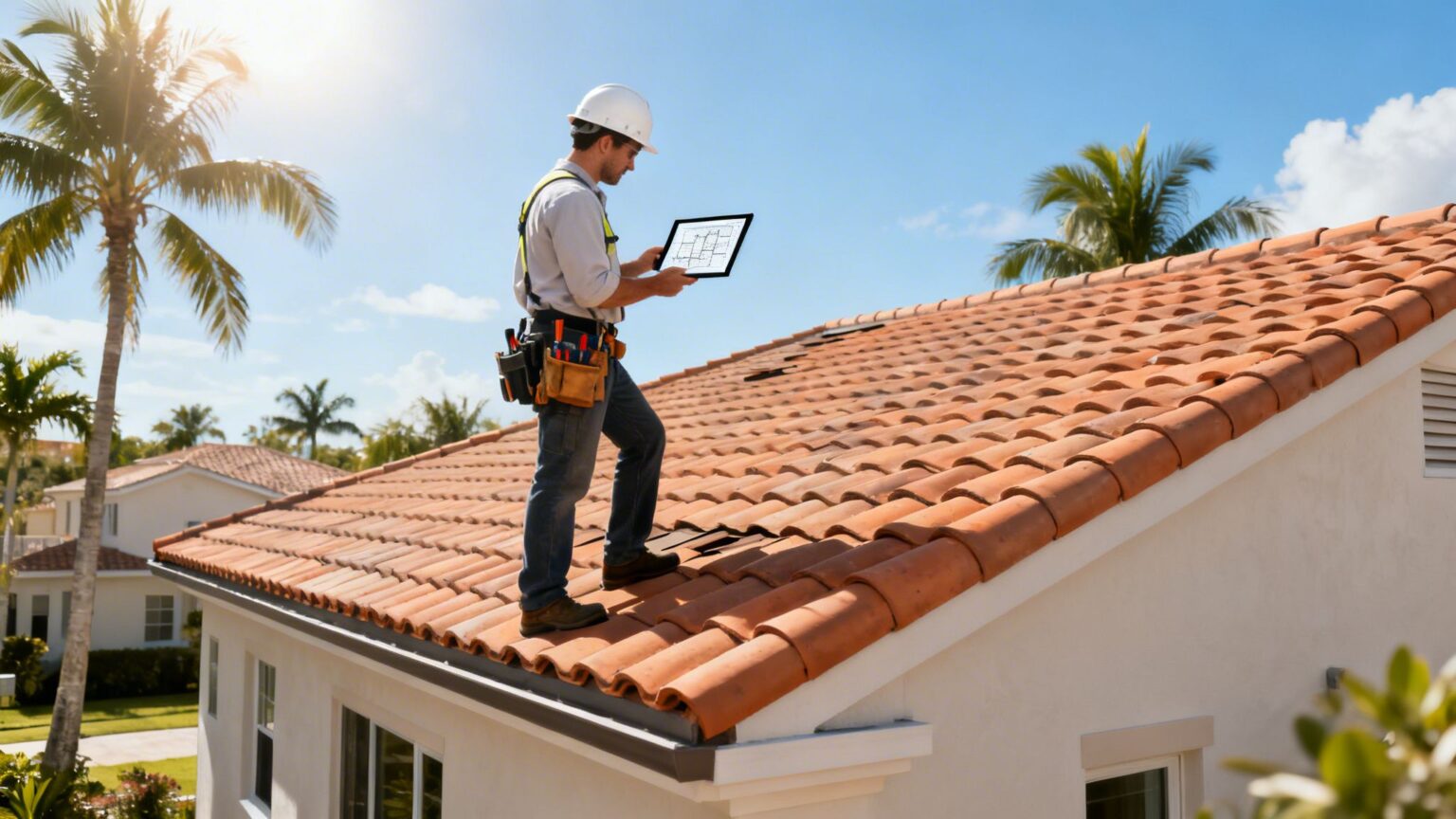
Of course, that kind of durability comes at a price. Installation costs for tile can run anywhere from $11.00 to over $24.00 per square foot. Because they are so heavy, your home's structure might need reinforcement to support the extra weight, which could add to the final cost.
Metal Roofing: The Resilient Energy Saver
If tile is the classic luxury car, a metal roof is the modern high-performance EV—sleek, incredibly efficient, and packed with technology. Once seen mostly on commercial buildings, standing seam metal roofs are now a go-to for homeowners who demand maximum storm protection and energy savings.
A metal roof is an absolute beast when it comes to durability. We're talking lifespans of 50+ years and the ability to withstand wind gusts up to 150 mph. They also shrug off hail and are highly fire-resistant.
This top-tier performance comes with a price to match. The cost to replace a roof on a house with metal can start at $18,000 and climb past $30,000. However, the upfront investment often pays for itself.
Beyond just longevity, a metal roof’s reflective surface can slash your cooling bills by up to 20%—a huge advantage in the South Florida heat. For homeowners focused on long-term value, storm resilience, and energy efficiency, a metal roof is often the smartest investment you can make, despite the higher initial cost.
That initial number on your roofing quote is a great starting point, but let's be honest—it’s rarely the final number. Several factors can pop up during a roof replacement, often unexpectedly, and nudge that total cost upward. Knowing what these potential surprises are ahead of time helps you budget smarter and ask any contractor the right questions from the get-go.
Think of it like one of those home renovation shows. The crew starts tearing down a wall and suddenly finds outdated wiring that absolutely has to be brought up to code. The same thing happens in roofing, and the most common surprises are hiding just out of sight.
The Impact of Roof Pitch and Complexity
Not all roofs are built the same, and their design plays a huge role in your final bill. The steepness, or pitch, is a major factor. A flat or low-sloped roof is fairly simple and safe for a crew to walk on, which helps keep labor hours and costs down.
A steep roof, however, is a completely different ballgame. It demands specialized safety equipment like harnesses and scaffolding. Every movement is slower and more deliberate, which translates directly into more labor hours and a higher price tag. Likewise, a roof with a bunch of gables, valleys, and dormers is way more complex than a simple rectangle. Each of those features requires custom cutting, fitting, and sealing, adding significant time and skill to the job.
The Big Surprise Hiding Underneath
The single biggest and most common surprise in any roof replacement is the condition of the underlying roof decking. This is the layer of wood—usually plywood or OSB board—that acts as the foundation for your entire roofing system. There is absolutely no way to know its true condition until the old roof is completely torn off.
If the crew strips your old shingles and finds solid, healthy wood, you’re in the clear. But if they uncover sections that are soft, spongy, or show clear signs of rot from a past leak, all work has to stop.
Damaged decking is not something you can ignore. Building codes and manufacturer warranties demand a solid, stable foundation for any new roof. Replacing rotted decking is a non-negotiable step that will add both material and labor costs to your final invoice.
A good contractor will always include a per-sheet price for decking replacement in their initial quote, so you at least know the cost ahead of time if this problem arises. This is one of the most critical things to look for in an estimate. To see what a quality installation involves, check out the details of our roofing process.
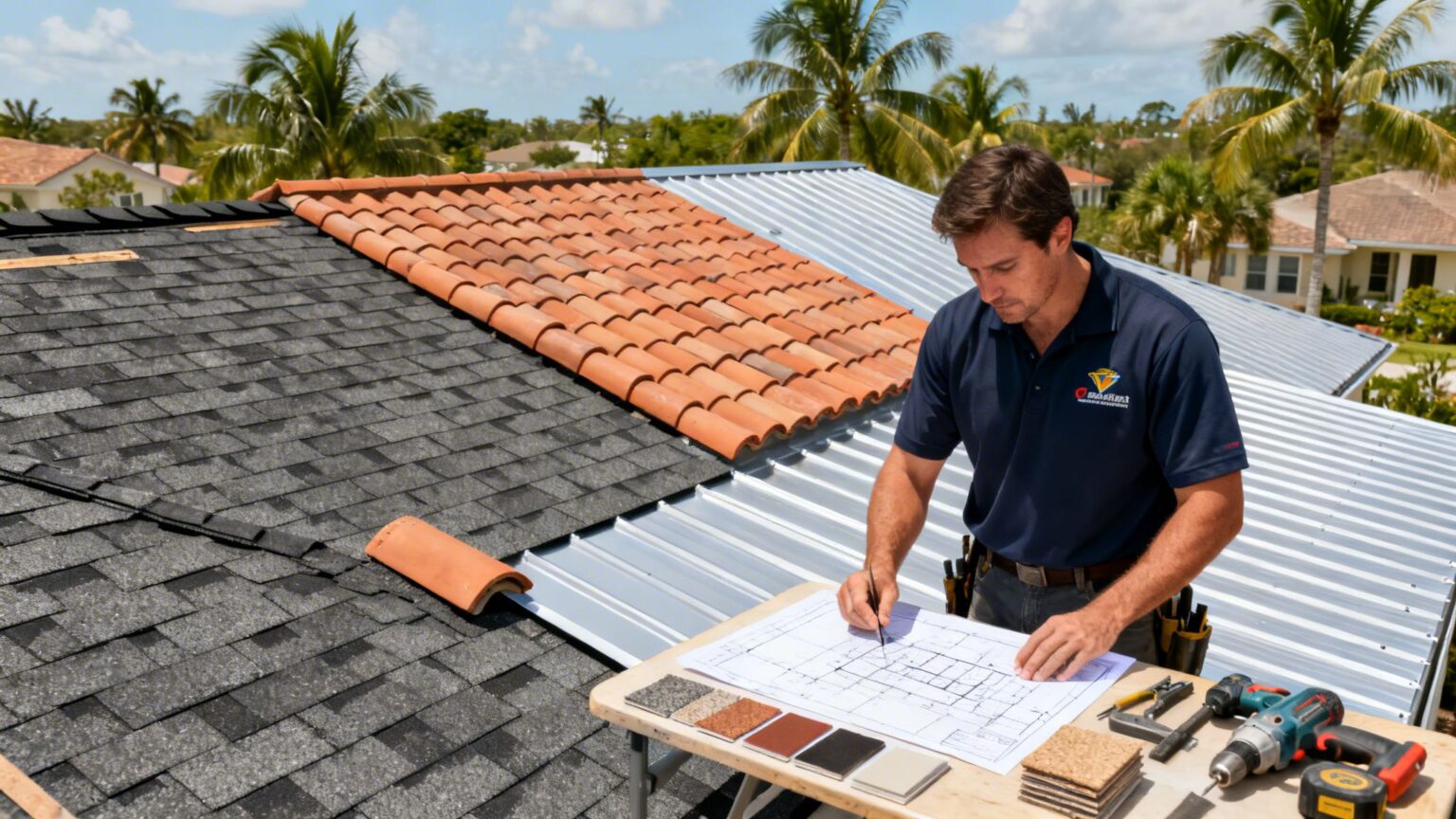
Other Common Cost Drivers
Beyond a steep pitch and rotten wood, a few other factors can inflate your bill. Being aware of these helps you prepare for a more realistic budget.
- Multiple Old Roof Layers: If a previous roofer cut corners by installing new shingles over an old layer, your crew now has to tear off double the material. This adds significant labor and disposal fees, as the dumpster will be much heavier.
- Difficult Property Access: Can a large truck and dumpster get close to your house? If not, the crew might have to carry materials and debris a long distance, which adds time and labor to the project.
- Code Compliance Upgrades: Building codes change. If your home is older, you may be required to make structural upgrades—like improving ventilation or reinforcing the roof-to-wall connections—to meet current South Florida standards.
- Hazardous Material Abatement: For older homes, finding materials like corrugated roofing asbestos is a crucial hidden factor. If asbestos is present, you'll need a specialized and licensed crew to handle its safe removal and disposal, which is a separate and often costly process.
How to Fund Your New Roof with Insurance and Financing
Seeing a potential five-figure estimate for a new roof can be a shock, but it doesn't have to be a roadblock. Understanding your payment options is the first step in turning a daunting expense into a manageable home improvement project.
Whether a hurricane damaged your roof or it has simply reached the end of its lifespan, there are clear paths to fund this critical investment in your home's safety and value.
Navigating a Homeowner's Insurance Claim
Filing a successful insurance claim is all about having the right process and solid proof. Insurance policies are there to cover sudden, accidental damage—think storm, hail, or a fallen tree—not the slow decline that comes with age. To build a strong case, you have to act fast.
Start by documenting everything. We can't stress this enough. Take clear photos and videos of the damage from every angle you can safely manage. Get shots of the roof itself, but don't forget the inside of your attic or any interior ceilings where leaks are showing. This visual evidence is your single most powerful tool.
Next, bring in a trusted local roofing professional, like Paletz Roofing and Inspections, for a detailed inspection report. An expert assessment identifies all storm-related damage and provides a credible, itemized estimate for the repairs. This report is invaluable when you're speaking with your insurance adjuster.
Finally, it’s time to look at your policy and understand what kind of coverage you have.
- Replacement Cost Value (RCV): This is the best-case scenario. RCV coverage pays the full amount to replace your roof with brand-new, similar materials, minus your deductible.
- Actual Cash Value (ACV): This coverage is less comprehensive. ACV only pays for the depreciated value of your old roof. If your roof was 15 years old, you might only get a fraction of the replacement cost, leaving you to pay the difference.
A common reason insurers deny a claim is by citing "pre-existing damage." They might argue the roof was already old or not maintained. This is precisely why having annual inspection records and acting quickly after a storm is so critical—it proves the damage is new and directly caused by the covered event.
Financing Options for Out-of-Pocket Costs
If insurance won't cover your new roof, or you're simply being proactive about an aging system, there are plenty of financing solutions to make the cost to replace a roof on a house affordable. You don't have to pay that entire sum all at once.
Many reputable roofing contractors, including us, offer in-house financing or convenient payment plans. These are often the most straightforward routes, designed specifically for roofing projects and handled directly through your installer.
Other common avenues include:
- Home Equity Loan or HELOC: These financial tools let you borrow against the equity you’ve built in your home. They often come with lower interest rates than other types of loans.
- Personal Loan: This is an unsecured loan you can get from a bank or credit union for any purpose, including major home improvements.
- FHA Title I Loan: This is a government-insured loan program specifically designed to help homeowners fund repairs and improvements.
When you're planning for a major project like a new roof, it's also a smart move to check if your policy covers big structural changes or if you might need specialized home renovation insurance. By exploring all these options, you can protect your home and your finances at the same time.
Your Next Step to Getting an Accurate Quote

You now have a solid understanding of the materials, hidden factors, and payment options that all play a role in the final cost to replace a roof on a house. But here's the honest truth: online calculators and price guides can only get you into the right ballpark. To get from a general estimate to a real, reliable number, there’s only one way forward—a professional, on-site inspection.
Think of it like this: you wouldn't let a doctor diagnose you over the phone. They need to see you in person to understand the full picture. The exact same principle applies to your roof. An expert needs to physically get up there to provide a quote you can actually trust.
What a Professional Inspection Really Involves
A thorough roof inspection goes far beyond a quick glance from your lawn. A certified inspector will get on your roof and meticulously examine every single component of your roofing system. This is a crucial diagnostic step that uncovers issues an online tool could never find.
This hands-on assessment includes:
- Checking the Existing Material: The inspector will assess the condition of your current shingles, tiles, or metal panels, looking for clear signs of aging, storm damage, or widespread failure.
- Assessing Structural Integrity: They will walk the entire roof surface, feeling for soft or spongy spots that signal the underlying decking may be rotted and needs replacement.
- Examining Critical Flashings: All vents, chimneys, skylights, and valleys get a close look, since these are the most common spots where leaks start.
- Evaluating Attic Ventilation: The inspector will also pop into your attic to make sure your ventilation system is working properly—a key factor for your new roof’s longevity.
A professional inspection is your best defense against surprise costs. It replaces guesswork with hard facts, giving you a detailed and itemized quote based on your home's actual condition, not just regional averages.
Your Free, No-Obligation South Florida Roof Inspection
For homeowners in Broward, Miami-Dade, and Palm Beach counties, the only way to pin down the precise cost to replace a roof on a house is to get an expert opinion from a team that knows our unique climate inside and out. The team at Paletz Roofing and Inspections brings over 30 years of local experience to every single property.
We offer a completely free, no-obligation inspection to give you a detailed, transparent, and accurate quote tailored specifically to your home. This is your chance to get all your questions answered and move forward with total confidence.
Don't rely on generic estimates—get the real numbers you need to protect your home. Learn more about the Paletz Roofing and Inspections promise and schedule your free inspection today to make sure there are no surprises down the road.

Frequently Asked Questions About Roof Replacement Costs
When you're looking at a major home project like a roof replacement, plenty of questions come up. It's not just about the final price tag—understanding the timeline, the rules, and the real value you're adding to your home is just as important. We've heard them all, so here are some clear, straightforward answers to the most common questions homeowners ask.
How Long Does It Take to Replace a Roof in Florida?
For an average-sized home around 2,000 square feet, you can expect a full roof replacement to take between 2 to 5 days. The whole process is a carefully coordinated effort to get your new roof on efficiently while keeping your home protected.
Day one is almost always for the tear-off. This is where we remove all the old materials and get a good, hard look at the wood decking underneath. The next few days are for installing the new underlayment, your chosen roofing material (shingles, tile, or metal), and all the critical flashing. We always set aside a final day for a thorough cleanup and a final walkthrough with you.
Of course, surprises can happen. A sudden Florida downpour, a particularly complex roof design, or finding significant wood rot that needs structural repairs can add a day or two to the job.
Can I Put a New Roof Over My Old One to Save Money?
While layering new shingles on top of your old ones—often called a "roof-over"—might seem like a smart shortcut to lower the cost to replace a roof on a house, it’s a bad idea and something we strongly advise against, especially here in South Florida. In fact, most local building codes, written with hurricane safety as the top priority, flat-out prohibit having more than two layers of roofing material.
A roof-over adds a tremendous amount of weight to your home’s structure. More importantly, it completely hides any underlying problems. You could be covering up rotted decking or old leaks, which is a recipe for disaster down the road.
A complete tear-off is the only truly professional way to do it. This is what allows us to properly inspect the roof deck, make sure your new roof is fastened to a solid foundation, and ensure it meets all the wind mitigation standards required to validate your material warranties.
Will a New Roof Increase My Home's Value?
Absolutely. A new roof is one of the best home improvement projects you can undertake for a solid return on investment (ROI). Most homeowners can expect to recoup 60% or more of what they spend through an immediate bump in their property's market value.
In a competitive real estate market like South Florida’s, a new, wind-rated roof is a massive selling point. It gives your home instant curb appeal, provides documented proof of its safety and durability, and can even help the new owner get lower homeowners insurance premiums. It’s an investment that pays you back in both peace of mind and real marketability.
How Often Should I Have My Roof Inspected in Florida?
Given South Florida's uniquely harsh climate, being proactive is everything. We highly recommend getting your roof professionally inspected at least once a year, and always after any major storm or named hurricane passes through.
An annual inspection by a certified roofer can catch small issues—a few loose shingles, cracked sealant around a vent, or minor flashing damage—before they turn into major leaks and cause expensive interior damage. This kind of preventative care is the single best way to get the full lifespan out of your roof and prevent a catastrophic failure during the next big storm.
Don't let unanswered questions hold you back from securing your home. The experts at Paletz Roofing and Inspections have over 30 years of experience answering these questions and providing South Florida with safe, reliable, and beautiful new roofs. Schedule your free, no-obligation inspection today and get the clear answers you deserve.