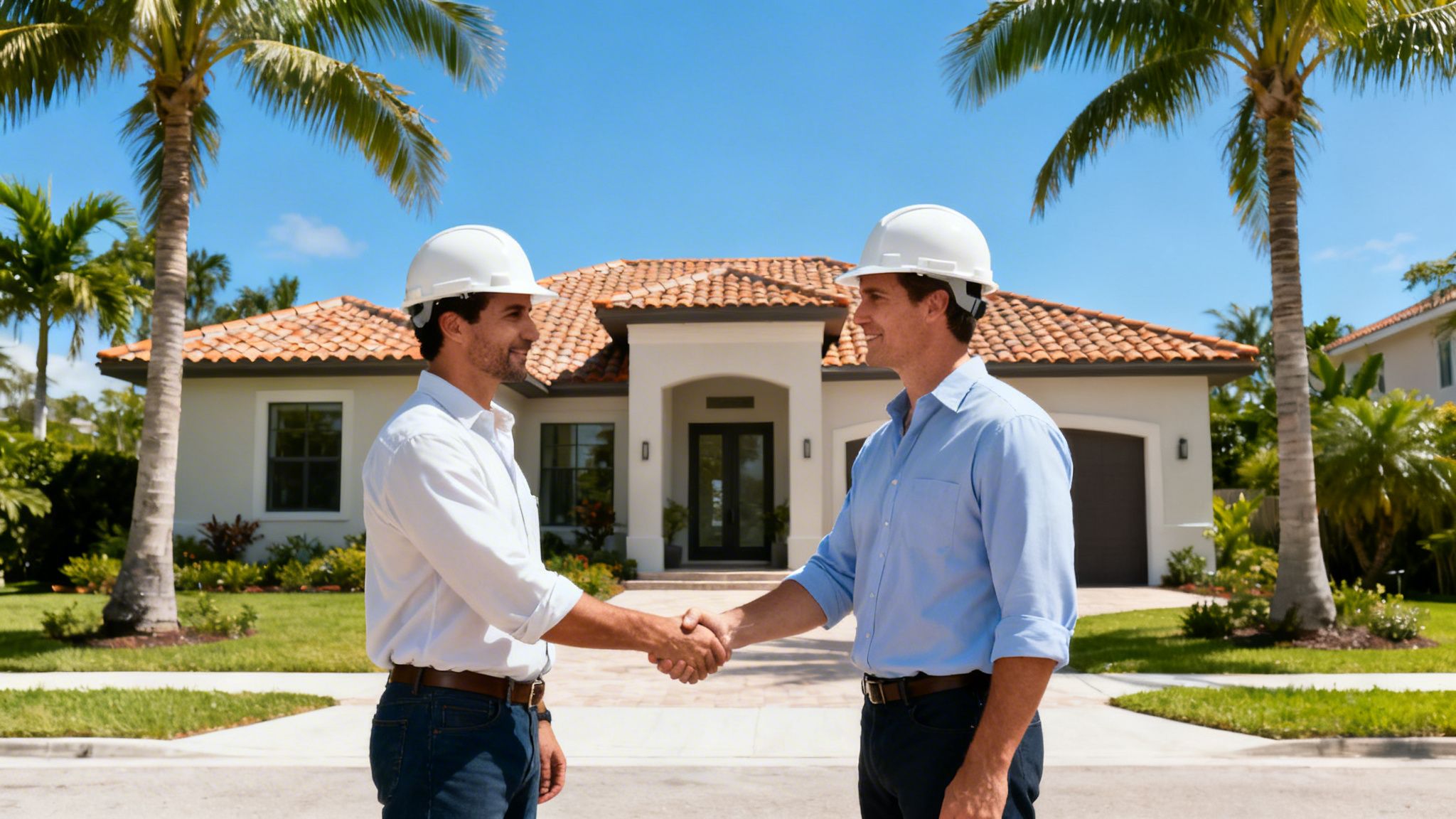
Choosing a roofing company in West Palm Beach is about more than just picking out new shingles. It's an investment in protecting your home from Florida's relentless weather. Your best bet will always be a partner with deep local roots, a rock-solid reputation, and a non-negotiable commitment to using hurricane-rated materials and methods.
Finding Your Ideal Roofing Partner in West Palm Beach

Picking the right roofer here feels like a high-stakes decision for a good reason—it is. Your roof is the single most important shield defending your home from intense sun, torrential downpours, and the constant threat of hurricanes. This guide is designed to give you the confidence to start your search the right way.
A smart choice means looking beyond the price tag. You need a contractor who gets the nuances of our local building codes, has a proven track record through hurricane season, and knows exactly which materials can stand up to our specific climate.
Why Local Expertise Matters Most
A roofing company with deep community ties gives you a serious advantage. They have firsthand experience navigating storm-related insurance claims, solid relationships with the best local suppliers, and a working knowledge of Palm Beach County's unique permitting process. That local insight makes for a smoother, faster project from beginning to end.
Of course, for a local roofer to thrive in a crowded market like West Palm Beach, they need to be visible online. An in-depth guide on SEO for construction companies explains how businesses can make sure homeowners can find them easily.
The roofing industry here is massive. Florida is home to an astonishing 25,190 licensed roofers, which makes up 18.6% of all roofing professionals in the entire country. That number is fueled by our constant exposure to severe weather and a booming population.
The right roofing partner doesn't just install a roof; they install peace of mind. They understand their work is about protecting families and investments, not just covering a structure.
Quick Checklist for Vetting a West Palm Beach Roofer
To help you cut through the noise, we've put together a quick checklist. These are the critical points we verify to ensure we only work with the best, and you should too.
| Verification Point | Why It Matters in South Florida | How to Verify |
|---|---|---|
| State & County Licensing | A license proves they meet Florida's stringent requirements for knowledge and safety, especially for wind resistance. | Check the Florida DBPR and Palm Beach County contractor search websites. |
| General Liability Insurance | This protects your property from accidental damage during the project. Without it, you could be liable. | Ask for a current Certificate of Insurance (COI) directly from their insurance agent. |
| Workers' Compensation | Protects you from liability if a worker gets injured on your property. This is a non-negotiable. | Request a COI for their workers' comp policy. Verify it is active. |
| Local Hurricane Code Experience | South Florida has some of the strictest building codes in the nation. Your roofer must know them inside and out. | Ask for examples of recent local projects and check their reviews for storm-related work. |
Using this checklist will quickly separate the legitimate professionals from the storm-chasers and fly-by-night operations that pop up after a major weather event.
Key Qualities of a Top-Tier Roofer
As you start your search for a roofer in West Palm Beach, keep an eye out for these core traits. They are what separate the reliable experts from everyone else.
- Proven Track Record: Look for established companies with a long list of successful projects right here in our area.
- Transparent Communication: They should provide clear, detailed estimates and keep you in the loop every step of the way. No surprises.
- Commitment to Safety: A professional crew makes safety a priority, protecting your property and their own team.
- Strong Warranties: They stand by their work with solid warranties covering both their labor and the materials they use.
Ultimately, you’re not just hiring a crew; you're choosing a long-term partner for your property's safety and value. Choosing a company like https://paletzroofing.com/wp-content/uploads/2024/05/logo-Paletz-Roofing-Inspection-4-300×139.webp, with decades of local experience, is a step toward securing that investment for years to come. By focusing on these key areas, you can hire a contractor who will deliver a durable, compliant, and beautiful roof.

Verifying Credentials and Local Experience
Before you get too far down the road with any roofer, it’s time to hit the brakes and do some digging. In West Palm Beach, choosing a roofing company based on a gut feeling is a recipe for disaster. You need to meticulously vet their credentials, because in Florida, a license and proper insurance aren't just good ideas—they're your first and most important line of defense against shoddy work and legal nightmares.
The absolute first thing you must do is confirm the contractor's state license. This is non-negotiable. Any legitimate roofing company West Palm Beach is required to be licensed by the Florida Department of Business and Professional Regulation (DBPR). You can—and should—visit the DBPR website to run a quick search. It will tell you instantly if their license is active and if they have any disciplinary actions on their record.
An active license proves a roofer has met Florida’s tough standards. More importantly, it shows they understand our state's incredibly demanding building codes, especially the ones for wind resistance that are so critical right here in Palm Beach County.
The Non-Negotiable Insurance Policies
Once you've verified their license, it’s time to talk about insurance. A roofer needs to carry two specific policies to protect you, and you must confirm both.
- General Liability Insurance: Think of this as protection for your property. If a crew member accidentally drops a bundle of shingles on your car or a ladder crashes through a window, this policy covers the damage. Without it, you’re the one stuck with the repair bill.
- Worker’s Compensation Insurance: This one is even more critical for you as a homeowner. If a worker gets hurt on your property and the company isn't carrying worker's comp, you could be held liable for their medical bills and lost wages. It’s a scenario that can lead to financial ruin.
Don’t just take their word for it. Insist on seeing a current Certificate of Insurance (COI) for both policies. A true professional will have zero issue with this request. For added peace of mind, ask them to have their insurance agent send the COI directly to you. That way, you know it's authentic and up-to-date.
A roofer who gets defensive or hesitates when you ask for their license number and insurance certificates is waving a giant red flag. Transparency isn’t a perk; it’s the absolute bare minimum.
Why Deep Local Experience Trumps All
Paperwork is vital, but it doesn’t tell the whole story. A roofer’s hands-on experience right here in Palm Beach County is where the real value lies. A contractor who has spent decades roofing homes from Jupiter to Boca Raton has a practical wisdom you just can’t get from a textbook. They’ve seen firsthand which materials truly hold up to our relentless sun, salty air, and hurricane-force winds.
A seasoned local roofer knows the specific permitting quirks of West Palm Beach and the surrounding towns. They already have relationships with local building inspectors and know which suppliers are reliable, which helps your project move along without frustrating delays. This kind of hyper-local expertise is a massive advantage.
This is more important today than ever. Florida's construction market is booming, and while our state employs 18.6% of the nation's roofers, the industry is grappling with major labor shortages and an aging workforce—nearly one in five roofers is over 55. As Florida's construction forecast shows, this makes finding an established, local company with a proven, experienced crew absolutely crucial to keeping your project on track, especially after a storm.
When you hire a roofing company west palm beach with deep local roots, you're not just hiring a contractor; you're partnering with a business that has a reputation to protect. They're your neighbors. They aren't going to pack up and vanish once the final check is cashed. That local accountability is priceless, especially if you ever need them for warranty work down the road.
Choosing the Right Roofing Materials for South Florida
Picking the right roofing material in West Palm Beach is a big deal. It directly affects your home's safety, your energy bills, and how it looks from the street. Your roof is the first thing standing between you and our region's brutal sun and hurricane-force winds, so this choice has some serious weight. It's not just about aesthetics; it's about performance.
We’re going to walk through the most common choices for South Florida homes: modern asphalt shingles, classic tile, tough-as-nails metal, and versatile flat roofing systems. Each one comes with its own mix of pros and cons when it comes to durability, wind resistance, energy savings, and of course, cost. A smart decision starts right here, by understanding those differences.
Architectural Asphalt Shingles
Today’s architectural shingles are a far cry from the old, flat 3-tab style you might be picturing. These are thicker, much more durable, and designed with a dimensional, high-definition look that can mimic more expensive materials like slate or wood shake. For a lot of homeowners, they hit that sweet spot between cost and performance.
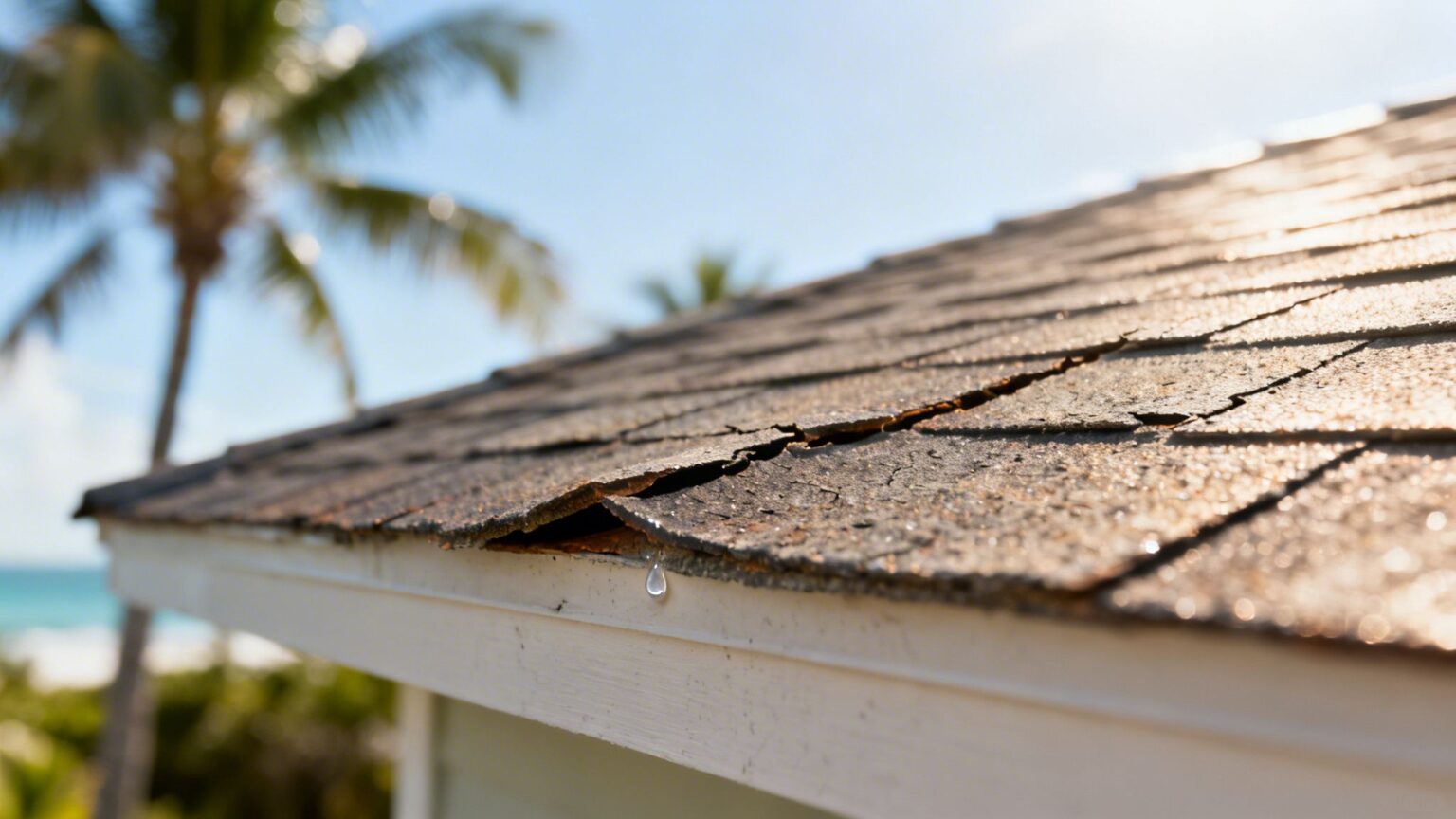
The biggest thing to think about in our climate, though, is their lifespan. While they are the most budget-friendly choice upfront, the intense UV rays and constant heat can wear them out faster than other materials. If you go with shingles, make sure you're getting ones with high wind ratings of at least 130 mph and features like algae resistance—that’s a non-negotiable in our humidity.
Tile Roofing: A South Florida Classic
Drive through almost any upscale neighborhood in West Palm Beach, and you'll see the timeless beauty of tile roofs. Whether it’s clay or concrete, tile is incredibly durable and can last 50 years or more if it’s properly maintained. It’s naturally resistant to fire, rot, and insects, which is a huge plus around here.
The key benefits of tile really speak for themselves:
- Superior Longevity: A well-installed tile roof can easily outlive the person who paid for it.
- Aesthetic Appeal: It gives you that classic Mediterranean or Spanish style that just feels like Florida.
- Excellent Wind Resistance: When installed correctly, tile systems offer fantastic protection against hurricane-force winds.
The two main things to consider with tile are its weight and its cost. Your home’s structure has to be strong enough to handle the significant extra load. The upfront cost is also much higher than shingles. You can see how they transform a home's look in our gallery of tile roof installations.
Metal Roofing: The Champion of Durability
Metal roofing has become incredibly popular lately, and for good reason—it’s probably the best-performing material you can put on a home in South Florida. Modern metal roofs, usually aluminum or steel, come in tons of colors and styles, including panels that look just like traditional shingles or tile.
Metal's biggest win is its unmatched resistance to wind uplift. Standing seam metal roofs are specifically engineered to handle extreme weather, making them a top pick for hurricane zones. They're also highly reflective, which can seriously cut your cooling costs by bouncing solar heat away from your house. The initial investment is higher than for shingles, but a metal roof can last 50 to 70 years, delivering amazing long-term value.
Before settling on a material, it's worth looking at the bigger picture of the roofing industry.
A detailed comparison can make it easier to see how these materials stack up against each other for a West Palm Beach home.
Roofing Material Comparison for West Palm Beach Homes
| Material Type | Average Lifespan | Hurricane Resistance | Upfront Cost | Energy Efficiency |
|---|---|---|---|---|
| Shingle | 15–25 years | Good (with 130+ mph rating) | Low | Moderate |
| Tile | 50+ years | Excellent | High | Good (natural air flow) |
| Metal | 50–70 years | Superior | High | Excellent (highly reflective) |
| Flat | 15–30 years | Varies by system | Medium | Excellent (with cool roof coating) |
Ultimately, the best material for you depends on balancing your budget with your long-term goals for durability and storm protection.
When you choose a material, you are also choosing a team to install it. The performance of even the best material depends entirely on the quality of the installation, a fact underscored by Florida’s massive roofing labor market.
This data gives you a sense of the industry's scale.

While there are many professionals in Florida, a critical worker shortage can affect project timelines and costs, making your choice of contractor even more important.
Flat and Low-Slope Roofing Systems
Many homes here in West Palm Beach, especially modern ones or those with additions, feature flat or low-slope roof sections. These areas need special materials like Modified Bitumen, TPO, or PVC roofing membranes. These are a long way from the old "tar and gravel" systems you might remember.
Today's flat roofing materials are engineered to be incredibly durable, completely waterproof, and highly reflective. Applying a "cool roof" coating to a flat surface can dramatically lower its temperature, leading to real energy savings. For these systems, proper installation is everything. It's the only way to prevent ponding water and leaks, so it's vital to hire a roofing company west palm beach with proven flat roofing expertise.
How to Navigate Roofing Estimates and Project Costs
Getting a roofing estimate can feel overwhelming, but a good one is more than just a price tag—it’s the blueprint for your entire project. To really compare bids from any roofing company West Palm Beach, you have to look past the final number and understand every single line item. This is the only way to know if you're comparing apples to apples.
A detailed, transparent quote is the first sign you're dealing with a pro. It should break down the job into clear, understandable parts, leaving no room for those dreaded "surprises" that inflate the final bill. If an estimate is just a single lump sum on a piece of paper, that’s a major red flag.
Deconstructing a Detailed Roofing Quote
A professional estimate will be several pages long, itemizing every single piece of the job. Think of it as the complete scope of work. Here’s what you absolutely need to see spelled out:
- Tear-Off and Disposal: This covers the labor and cost to remove your old roof and haul away the debris. It should specify how many layers of old roofing material are being removed.
- Decking Repair or Replacement: The wood sheathing under your shingles is the roof deck. The quote must include a per-sheet or per-foot price for replacing any rotted wood discovered after the tear-off.
- Underlayment: This is a vital water-resistant barrier. The estimate needs to specify the exact type being used, whether it's a standard felt paper or a modern synthetic product that offers far better protection.
- Primary Roofing Material: The quote has to detail the brand, type, and color of the shingles, tiles, or metal panels being installed, along with the total quantity.
- Flashing and Drip Edge: These metal pieces are critical for channeling water away from weak spots like chimneys, valleys, and vents. The estimate should list all the areas where new flashing will be installed.
This level of detail shows you exactly where your money is going. It also protects you from contractors who might try to cut corners on these unseen but absolutely essential components.
Spotting Red Flags in an Estimate
The lowest bid is almost never the best deal. An unusually low price is often a warning sign that a contractor is using cheap materials, hiring unskilled labor, or skipping proper insurance coverage. These shortcuts lead to roofs that fail fast and can even void your material warranty.
A suspiciously low bid isn't a bargain; it’s a warning. The cost of fixing a failed roof installed with cut corners will always be higher than the cost of doing it right the first time.
Beyond the numbers, watch out for high-pressure sales tactics. A true professional will give you a detailed estimate and the space you need to review it. Any roofer who pushes you to sign a contract on the spot with a "today only" price doesn't have your best interests at heart.
This brings up another critical point: be extremely cautious about signing anything that gives a contractor the right to negotiate with your insurance company. These "Assignment of Benefits" agreements can be legal minefields, sometimes stripping homeowners of their rights under their own policy. Always keep control of your insurance claim.
Understanding Payment Schedules and Warranties
Finally, a legitimate estimate will clearly lay out the payment schedule. It's standard for a roofing company West Palm Beach to ask for a deposit to cover materials, but you should never, ever pay for the entire job upfront. A typical, fair schedule looks something like this:
- Initial Deposit: Usually 10% to 33% to order materials and get your project on the schedule.
- Mid-Project Payment: Sometimes requested once materials are delivered to your property or after the work has started.
- Final Payment: This is due only after the project is 100% complete, has passed its final inspection, and you are completely satisfied with the result.
The estimate must also clearly outline the warranties. You should receive two: one from the manufacturer covering the materials and one from the roofer covering their workmanship. A contractor who stands behind their work will offer a strong workmanship warranty, giving you peace of mind that your investment is secure. By understanding these key pieces, you can choose a transparent partner for your roofing project with total confidence.
Proactive Maintenance and Emergency Leak Response

Getting that new roof installed is a huge milestone for your home’s safety and value. But the work doesn’t stop the moment the crew drives away. To get the most out of your investment, proactive maintenance isn't just a good idea—it's absolutely essential.
Waiting for a leak to show up on your ceiling is a terrible and costly strategy. Here in our demanding South Florida climate, a tiny issue can spiral into a full-blown disaster practically overnight. A simple annual care routine is your best defense, helping you catch minor storm damage or wear before it compromises your entire roofing system.
Think of it as preventative medicine for your home’s most critical shield. A well-maintained roof is a resilient roof.
Your Annual Maintenance Checklist
For any homeowner in West Palm Beach, a yearly roof check-up is a non-negotiable part of property ownership. You don’t need to be a roofer, but you do need to be observant. The best part? You can do most of this safely from the ground with a good pair of binoculars.
Here’s a practical checklist to follow:
- Post-Storm Walk-Around: After every big storm, take a walk around your property. Look on the ground for any shingles, tiles, or stray pieces of metal. This is the clearest sign you've sustained wind damage.
- Gutter and Downspout Health: Clogged gutters are a roof’s worst enemy. When water can’t drain, it backs up under your shingles and starts rotting the wood decking underneath. Make sure they’re clear of leaves and other debris.
- Tree and Branch Management: Keep an eye on overhanging tree limbs. They can scrape away the protective granules on shingles or scratch metal panels. In high winds, they can snap and cause serious impact damage. It’s always best to keep them trimmed back.
- Visible Debris and Growth: Scan the roof for any buildup of leaves or signs of algae and moss. While some staining is purely cosmetic, heavy growth traps moisture and can signal a deeper problem.
Making this a yearly habit is the first step in responsible roof ownership. But sometimes, despite your best efforts, emergencies happen.
What to Do When You Have an Active Roof Leak
That moment you spot a water stain spreading across your ceiling brings a unique kind of panic. But how you react in those first few minutes can make a world of difference in limiting the interior damage. Your job is containment while you wait for a professional.
If you find a leak, take these steps immediately:
- Contain the Water: Get a bucket or a large pan directly under the drip. If water is splashing out, put an old towel in the bottom of the bucket to absorb the impact and stop it from splattering onto your walls and floors.
- Relieve the Pressure: If you see the ceiling drywall starting to bulge like a water balloon, you have to act. That bulge can lead to a catastrophic collapse of that entire section of ceiling. Carefully puncture the center of it with a screwdriver to let the water drain in a controlled way into your bucket.
- Move Your Valuables: Get furniture, electronics, and any personal belongings out of the affected area as quickly as you can.
- Call a Professional Roofer: This is not a DIY fix. Contact a trusted, local roofing company in West Palm Beach like Paletz Roofing and Inspections right away. Our emergency response team can get out to your home, assess the situation, and put up a temporary fix—like a tarp—to stop more water from getting in. You can see how we handle various roofing repair and installation projects in our gallery.
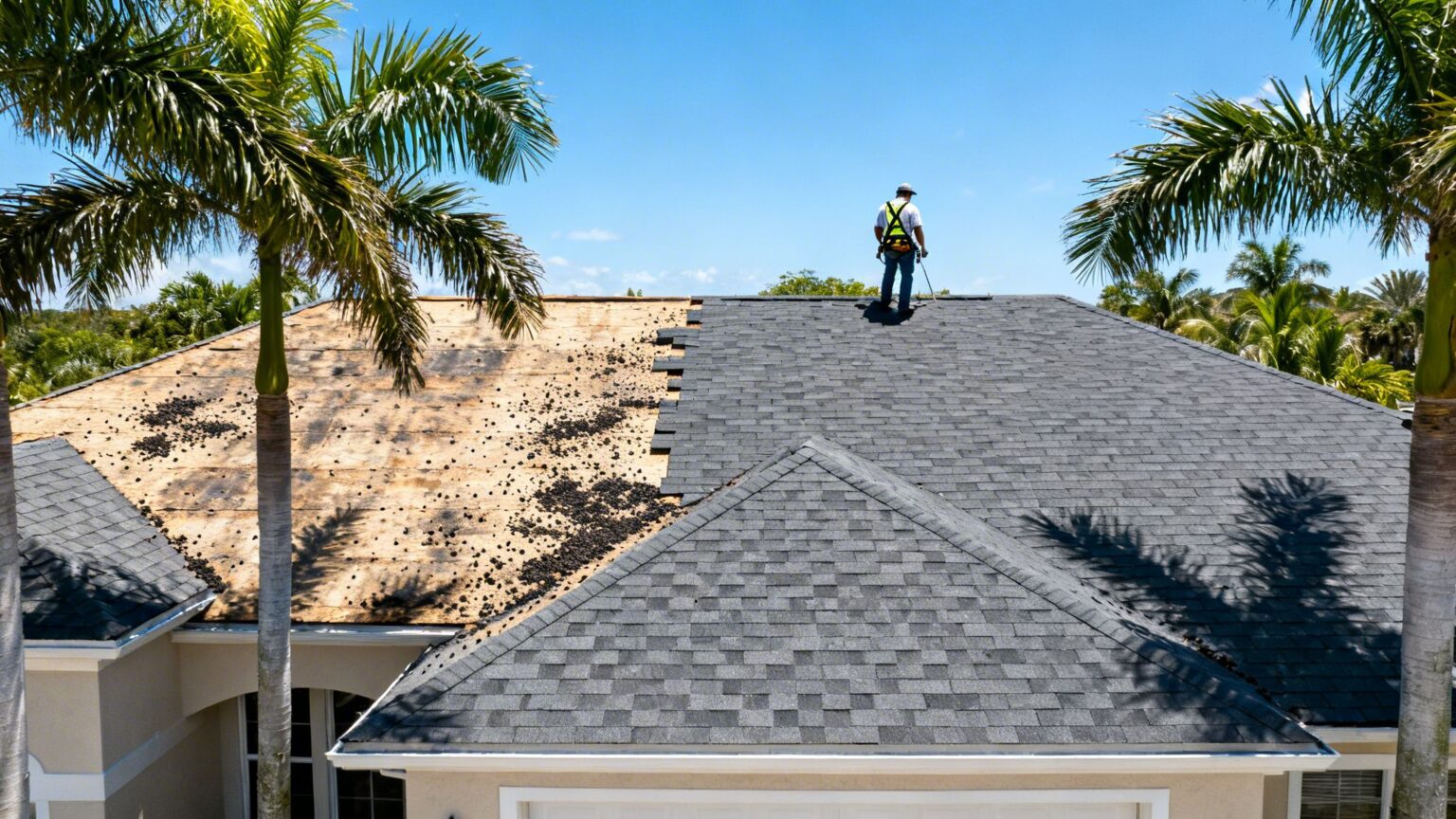
The single most important thing to do during a leak is to get a professional involved quickly. A fast, temporary fix is crucial for mitigating damage while a permanent repair plan is developed.
Having a relationship with a reliable roofer before an emergency is a complete game-changer. It means you know exactly who to call when disaster strikes, saving you precious time and the stress of trying to vet companies during a crisis. Regular maintenance not only extends your roof's life but also builds that vital connection with a professional you can count on.
Common Questions About Hiring a West Palm Beach Roofer
Once you’ve done your homework on roof types and gotten a few estimates, you’re in the home stretch. But this is where the most practical questions tend to pop up. As a West Palm Beach homeowner, you're not just hiring a roofer; you're making a critical decision for your home's safety and value.
We’ve heard every question in the book over the years. Below, we’re tackling the most common ones we get, providing straight answers to help you hire with total confidence.
How Do I Know if My Roof Needs Replacement or Just a Repair?
This is the million-dollar question for many homeowners. Deciding between a simple patch and a full-scale replacement really comes down to the age of your roof, the material, and the extent of the damage.
A few missing shingles after a storm or one small, isolated leak can usually be fixed with a targeted repair. For an otherwise healthy roof, this is a great, cost-effective solution. But if your asphalt shingle roof is pushing 20 years old, a full replacement is almost always the smarter long-term financial move.
Keep an eye out for widespread problems. Are shingles curling up at the edges across the entire roof? Do you see a lot of sandy granules from the shingles washing into your gutters? Multiple leaks in different rooms? These are all red flags that the whole system is failing. A patch job at that point is just a band-aid on a much bigger issue.
The only way to know for sure is with an honest, thorough inspection. A reputable roofer will physically get on your roof, check the decking and underlayment, and give you a clear recommendation based on what they actually see—not just what they’re trying to sell you.
With tile roofs, the math is a little different. A large number of cracked or slipping tiles isn't just a cosmetic problem. It can signal a systemic failure of the underlayment beneath, which is your roof's true waterproofing layer. A professional inspection is essential to find the root cause.
What Is the Importance of New Florida Building Codes for Roofing?
Florida's building codes are famously strict, and for one very good reason: hurricanes. These codes aren't just bureaucratic headaches; they are a set of highly engineered rules designed to save property and lives. The latest Florida Building Code (FBC) has incredibly specific, non-negotiable requirements for roofing.
These codes govern everything. They dictate how the roof deck must be nailed to your home's trusses, the exact type of underlayment required, and—most importantly—how every single shingle, tile, or metal panel is fastened to resist extreme wind uplift. Any roofing company in West Palm Beach that isn't a master of these codes is a huge liability.
Compliance is not optional. Your new roof will have to pass several municipal inspections to get final approval. Failing to comply can lead to serious headaches and even force you to tear off the new roof and start over. It's also a deal-breaker for your homeowner's insurance—many carriers won't renew a policy or could deny a future claim if your roof isn't up to the current code.
How Long Does a Typical Roof Replacement Take in West Palm Beach?
Every homeowner wants to know this so they can plan their life, and rightfully so. For an average-sized, single-family home in our area, a complete roof replacement typically takes anywhere from two to five days.
That timeline includes the entire process from start to finish:
- Tearing off all the old roofing materials.
- Making any necessary repairs to the wood decking underneath.
- Passing the "in-progress" inspection with the city or county.
- Installing the complete new roofing system.
- Performing the final cleanup and hauling away all debris.
Of course, a few things can change that schedule. The size and complexity of your roof are the biggest variables—a steep roof with lots of angles and dormers will naturally take longer than a simple, low-slope roof. The material also plays a part; tile and metal jobs are more labor-intensive than asphalt shingles.
Then there's the one factor nobody can control: the weather. Pop-up afternoon thunderstorms are a fact of life in South Florida and can cause short delays. A professional crew will always give you a realistic timeline upfront and work efficiently to keep any disruption to your routine at a minimum.
Making these big decisions is a lot less stressful when you have an experienced, trustworthy team in your corner. For over 30 years, Paletz Roofing and Inspections has been the go-to partner for homeowners across South Florida, providing clear answers and expert craftsmanship. If you're ready for a roofing experience that puts your mind at ease, contact us today for a free, detailed quote.