
A roof repair in the U.S. averages $985, with a typical range of $376 to $1,649, while full replacement can climb to $10,000+ when damage is allowed to spread, according to Wawanesa’s roof health guidance. That gap is the whole conversation.
In South Florida, roofs do not age on a gentle schedule. They take heat, salt air, driving rain, and hurricane-force wind in cycles that punish weak flashing, exposed fasteners, dried sealants, and small installation defects. A roof can look fine from the driveway and still have damage that opens up during the next storm.
That is why “how often should a roof be inspected” is not a casual maintenance question. It is a budget question, an insurance question, and in many cases a property value question. If you own in Broward, Miami-Dade, or Palm Beach County, generic national advice is only a starting point. What matters is how your specific roof performs in this climate, at this age, with this exposure.
Your Roofs First Line of Defense Against Costly Damage
Waiting for a ceiling stain is one of the most expensive ways to manage a roof.
By the time water shows inside, the problem is rarely confined to one simple repair. Water usually enters at one point, travels along underlayment or decking, and shows up somewhere else. Homeowners often focus on the visible symptom. Roofers have to trace the actual entry point.
In South Florida, that delay gets worse after storms. Wind can lift edges without tearing material off. UV can dry out sealant without making it obvious from the ground. Salt air can work on metal details slowly until the first heavy rain exposes the weakness. The roof is your home’s first weather barrier, and once it starts losing that edge, the rest of the structure takes the hit.
Why generic advice falls short here
A national checklist might tell you to inspect every so often and after severe weather. That is sound advice, but it does not account for what local roofs face year after year. A roof in a mild inland climate and a roof in coastal South Florida are not on the same clock.
Property owners here need a schedule built around:
- Storm exposure: Tropical systems and seasonal wind events test edges, ridges, valleys, and flashing.
- Sun intensity: Constant UV shortens the life of sealants and accelerates surface wear.
- Moisture load: Wind-driven rain finds weak transitions fast.
- Insurance scrutiny: Documentation matters more today than it did a few years ago.
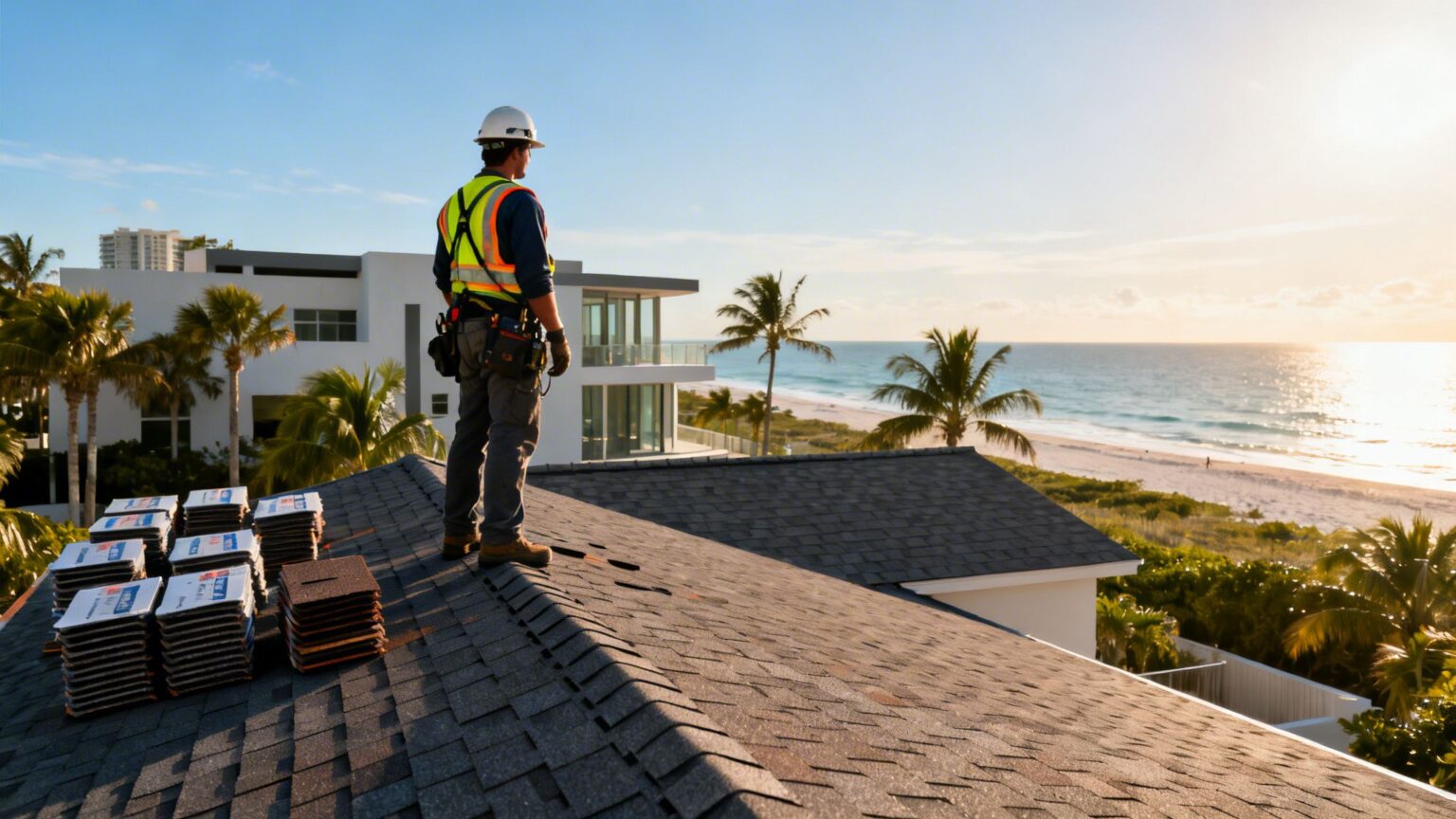
A roof inspection is not busywork. It is the cheapest way to catch a roof while the issue is still small, local, and repairable. If you want a visual reminder of what South Florida roofs are up against, this local roof condition image tells the story better than most checklists.
Practical takeaway: In this market, the right inspection schedule protects both the roof system and your paper trail. You need both.
The Baseline Rule for Roof Inspection Frequency
The baseline is simple. The National Roofing Contractors Association recommends routine roof inspections at least twice per year, in spring and fall, plus checks after severe weather events, according to Great Roofing’s summary of NRCA guidance.
That is the rule of thumb. It is not the whole answer.

Why spring and fall still matter
Spring inspections catch damage that may have developed. Fall inspections prepare the roof for the period when storm pressure usually rises and drainage performance matters most.
That schedule works because roofs fail at transitions. Flashing points, penetrations, valleys, drainage paths, and edge details all change with weather cycles. Looking at the roof twice a year gives you two chances to catch movement before it turns into intrusion.
The three factors that change the schedule
The answer depends on three variables.
| Factor | What changes | Practical effect |
|---|---|---|
| Age | Older roofs have more wear at sealants, flashing, and exposed details | Frequency usually increases as the roof gets older |
| Material | Shingle, tile, metal, and flat systems fail in different ways | Inspection focus and timing should match the system |
| Climate and exposure | Coastal wind, sun, debris, and ponding raise risk | South Florida roofs usually need closer attention than inland roofs |
A new roof with no storm exposure may not need the same cadence as an older roof that has already seen years of UV and wind. A steep-slope tile roof has very different vulnerabilities than a low-slope commercial membrane. The baseline gets you started. The roof itself tells you how much tighter the schedule should be.
A practical South Florida baseline
For most local properties, this is a sound starting point:
- Twice yearly visual rhythm: Spring and fall.
- Professional review on a regular cycle: More often if the roof is older, exposed, or has a history of repairs.
- Immediate inspection after major weather: Do not wait for interior signs.
Many online guides stop here. They give the calendar and skip the judgment. That is the part that matters most in Broward, Miami-Dade, and Palm Beach. A schedule that ignores age, material, and exposure is too blunt to protect a South Florida property well.
Adjusting Your Schedule for Roof Type and Age
One roof does not age like another. That is why a good inspection plan starts with the roof system itself, then tightens as the roof gets older.

Shingle roofs need closer attention sooner
In South Florida, shingle roofs take a beating from sun and wind. In hurricane-vulnerable Palm Beach through Miami-Dade, residential shingle roofs require annual professional inspections, and asphalt shingles can lose 20% to 30% of their weight in granules within 5 to 7 years under subtropical UV and 90+ mph gusts, according to RC Roofing’s review of roof inspection frequency.
That granule loss matters in the field. Once shingles start thinning, cracking, or drying out, they become more vulnerable at tabs, edges, and exposed slopes. The roof may still look serviceable from the yard while the protective surface is already wearing away.
A practical rule is straightforward. If you own a shingle roof and it has moved out of its early years, stop relying on occasional glances from the driveway.
Tile, metal, and flat roofs age differently
Tile roofs often hold their appearance longer than their weak points. The field tile may look solid while underlayment, flashing, mortar details, or penetrations are the part that fails first. A tile roof should be inspected with attention to movement, cracked pieces, and the condition of transitions, not just curb appeal.
Metal roofs usually resist weather well, but they are not maintenance-free. Fasteners, seams, sealants, and dissimilar metal contact points need attention. Coastal conditions can be hard on exposed details, especially where water sits or runoff concentrates.
Commercial flat and low-slope systems are their own category. These roofs demand disciplined inspection because the early warning signs are easy to miss unless you know what ponding, seam stress, and drainage restriction look like in real conditions.
Age changes the schedule even if the roof looks fine
A roof past its first decade deserves more attention than a newer one. Sealants dry out. Fasteners back off. Flashing takes movement. Small service penetrations accumulate from other trades.
Use this field-tested approach:
- Newer roofs: Keep a regular maintenance habit and document condition.
- Mid-life roofs: Increase professional oversight, especially after weather events.
- Older roofs: Move to a tighter inspection cycle. Hidden wear becomes more likely even when the surface still presents well.
Key point: The right schedule is not based on what the roof looked like last year. It is based on how that material ages in this climate.
Event-Driven Inspections Your Proactive Triggers
A routine schedule matters, but South Florida owners also need trigger-based inspections. Some events should move you from “we’ll keep an eye on it” to “call a roofer.”

One of the biggest gaps in online advice is the lack of storm protocol. As Texas state risk guidance on roof inspections notes, high-exposure roofs should be checked before and after inclement weather, a practical standard that fits South Florida conditions well.
After a storm, hidden damage is common
A hurricane or tropical storm does not need to rip off sections of roof to create a problem. Wind can loosen a flashing edge, shift a tile, crease a shingle, or open a seam just enough to let water in later. Debris impact can crack a vulnerable area that does not leak until the next rain event.
That is why post-storm inspections should happen promptly. Not after you see a stain. Not when the next system is already on the radar.
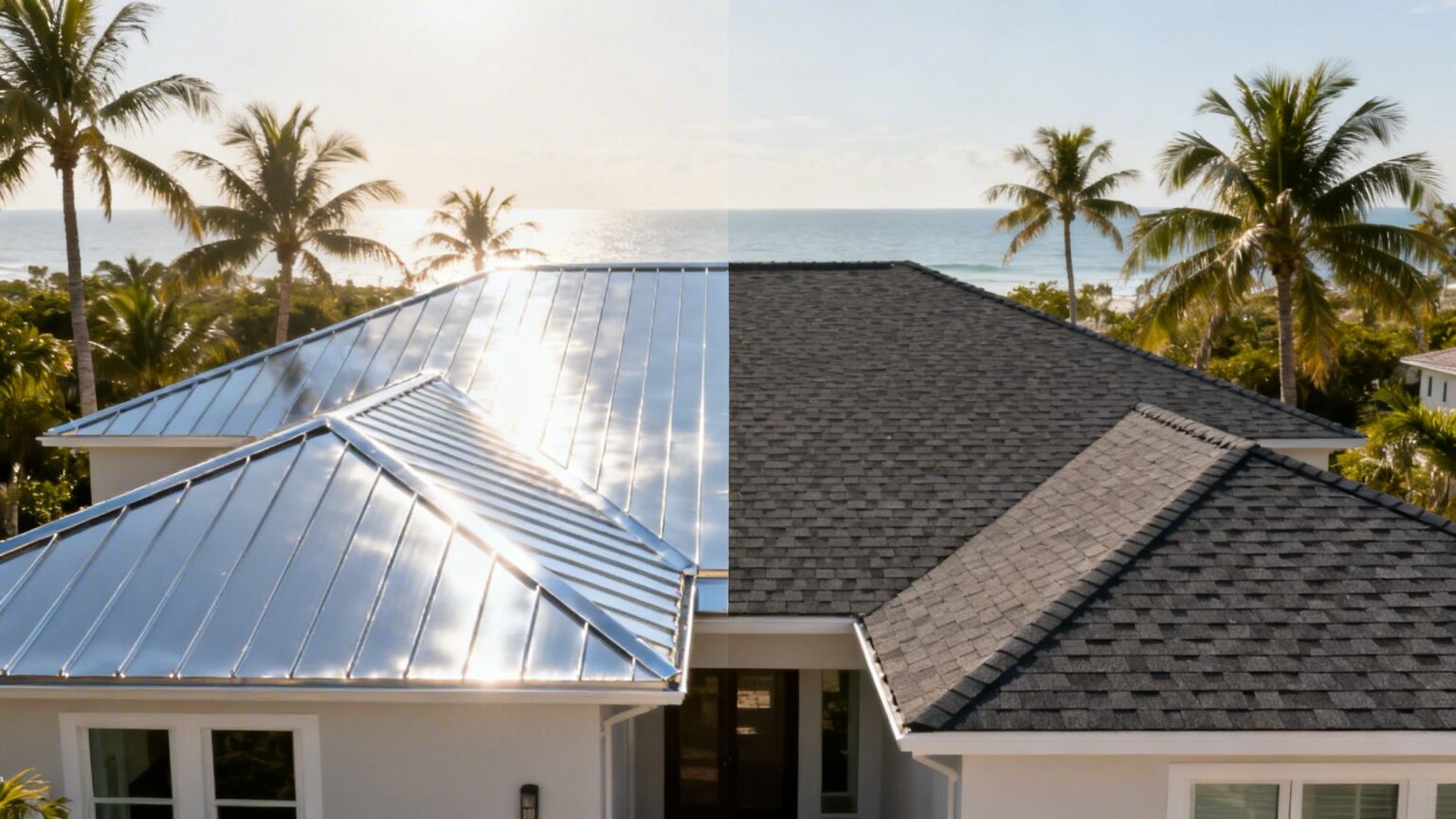
A local visual like this storm-related roof damage example shows how minor-looking roof distress can signal bigger trouble.
Other triggers that should prompt an inspection
Some calls come from weather. Others come from common property events.
- A contractor was on the roof: HVAC, solar, satellite, and other service trades can disturb flashing, puncture membranes, or dislodge materials.
- You are buying or selling a property: A targeted roof inspection gives a clearer picture than a general impression from a broader home review.
- You notice water stains or musty odors: The leak path may be active long before dripping becomes obvious.
- Debris or tree impact: Even a small strike can damage a local section.
- Recurring repairs in one area: Repeat patching usually means the underlying problem has not been diagnosed fully.
Field rule: If something changed on the roof, around the roof, or because of the weather, treat that as a reason to inspect.
That mindset keeps owners ahead of the damage instead of behind it.
A Homeowners DIY Checklist vs a Professional Inspection
Homeowners should keep eyes on the roof. They should not mistake a ground check for an actual roof assessment.

In South Florida, that distinction matters more than many owners realize. Sun bakes sealants, wind loosens edges, and heavy rain finds the smallest opening. A roof can look acceptable from the driveway and still have failing flashing, exposed fasteners, cracked underlayment, or moisture working underneath the surface. That gap between what you can see and what is occurring is why insurance questions often start after the damage is already expensive.
What you can check safely from the ground
A ground-level check is still worth doing. It helps you catch change early and decide when to call a roofer.
Use a simple checklist:
- Look for displaced materials: Missing shingles, slipped tile, bent edge metal, loose ridge pieces, or signs of impact.
- Watch the gutters and downspouts: Overflow, blockage, and shingle granules can point to wear or drainage problems.
- Check for staining: Fascia discoloration, soffit stains, or dark streaks below roof transitions often signal water movement.
- Scan penetrations from a distance: Vents, skylights, solar mounts, and equipment curbs are common failure points.
- Notice interior clues: Ceiling spots, peeling paint, attic humidity, and musty smells deserve attention.
That is useful owner maintenance. It is not diagnosis.
What a professional inspection adds
A professional inspection answers different questions. Where is the roof vulnerable? Is the issue cosmetic, repairable, or a sign of broader failure? What needs to be documented now in case a claim comes later?
A trained roofer checks details that homeowners usually cannot verify safely or accurately:
| DIY visual check | Professional inspection |
|---|---|
| Spots obvious exterior changes | Checks flashing, seams, fasteners, penetrations, transitions, and drainage details |
| Limited to what is visible from the ground | Reviews the roof surface up close for subtle movement, wear, and weak points |
| Cannot confirm hidden moisture | May use moisture detection tools where conditions call for it |
| Helps you notice change | Supports repair decisions, maintenance planning, and condition records |
For commercial flat roofs, the difference is even more pronounced. As noted by PHP Systems/Design’s guidance on flat roof inspections, certified inspectors may use infrared thermography to find trapped moisture that a visual check can miss. That matters on low-slope systems, where water intrusion often spreads before it shows up inside.
What works and what does not
The practical approach is simple. Owners do routine visual checks from the ground. Roofers perform scheduled inspections and document condition in a way that holds up when repair planning or insurance questions come up.
What fails in the field is easy to spot:
- Waiting until water reaches the ceiling
- Assuming a roof is sound because it looks clean from the yard
- Letting HVAC, solar, or satellite crews access the roof without follow-up inspection
- Judging a flat roof from the parking lot
- Keeping no records on an aging roof in a South Florida insurance market that expects documentation
If you are also trying to understand claim limits and policy language, this guide on will insurance cover roof replacement is a useful companion to an inspection report.
For owners who want a contractor to document condition and inspect residential or commercial roof systems in South Florida, Paletz Roofing and Inspections handles shingle, tile, metal, and flat roofs.
The Financial and Insurance Benefits of Regular Inspections
Roof inspections are not just maintenance. They are risk management.
The financial side is easy to understand. Small failures are cheaper to fix than widespread water intrusion, interior damage, or structural deterioration. The harder lesson usually comes from insurance, especially in South Florida, where older roofs receive more scrutiny and documentation matters more than many owners expect.
Insurance is changing the schedule
According to Karnak’s discussion of roof inspection frequency and insurer requirements, insurers such as State Farm and Allstate in Florida now require annual professional inspections for roofs over 15 years to maintain coverage, and IBHS data shows inspected roofs suffer 40% less damage.
That changes the conversation.
A roof inspection is no longer only about spotting wear. It can also help preserve insurability, support claims, and show that the owner maintained the property responsibly. If the roof is older, or if a storm passed through recently, records matter.
Why documentation matters after a claim
When a claim starts, the first question is not always “was there damage?” Often it becomes “what was the roof condition before the event?” and “did the owner maintain it?”
Regular inspection records help answer both.
If you are trying to understand how policy language and claim handling affect replacement decisions, this guide on will insurance cover roof replacement is a useful companion read. It gives property owners a clearer sense of where coverage questions often become disputes.
Bottom line: A documented inspection history can help you catch problems earlier and put you in a stronger position if you ever need to file a claim.
Protect Your Investment with Paletz Roofing and Inspections
In South Florida, roofs need more than a generic calendar. They need a schedule tied to age, material, weather exposure, and insurance expectations.
For most owners, the safest approach is straightforward. Keep regular visual awareness. Schedule professional inspections on a disciplined cycle. Add immediate inspections after storms, roof traffic, visible staining, or any change in condition. That is how you extend service life and avoid the expensive surprises that show up too late.
Property owners who also want a broader exterior maintenance mindset may find this ultimate guide to protecting your home's biggest asset helpful. Roof longevity is not only about shingles or tile. Drainage, surface cleanliness, and early detection all work together.
Paletz Roofing and Inspections has served Broward, Miami-Dade, and Palm Beach counties for more than 30 years and has been licensed and insured since 1990. That local experience matters when you are judging hurricane exposure, UV wear, flashing performance, and the difference between cosmetic aging and active failure. You can also review the company’s brand information directly at this Paletz Roofing and Inspections logo asset.

If your roof is older, if your insurer has started asking more questions, or if a recent storm passed through your area, now is the right time to get ahead of the problem instead of reacting to it later.
If you need a professional roof inspection, repair guidance, or a maintenance plan for a residential or commercial property in South Florida, contact Paletz Roofing and Inspections for a free quote and schedule an inspection before small roof issues become major damage.