
When your roof needs attention, the first instinct is to search for "residential roofing companies near me" and pick one from the top of the list. But finding a contractor who will protect your home for decades requires more than just a quick Google search. The real secret is finding a local, reputable roofer who lives and breathes our regional weather patterns and building codes. That’s how you get a roof that’s built to last.
Why Your Local Roofer Search Matters
Choosing a local roofing contractor is one of the most important decisions you'll make for your home's long-term health. It’s not just about convenience; it’s about having someone accountable who has a stake in the community. A roofer based down the street has a reputation to protect and is far more accessible if you have questions or need to call them back for warranty work.
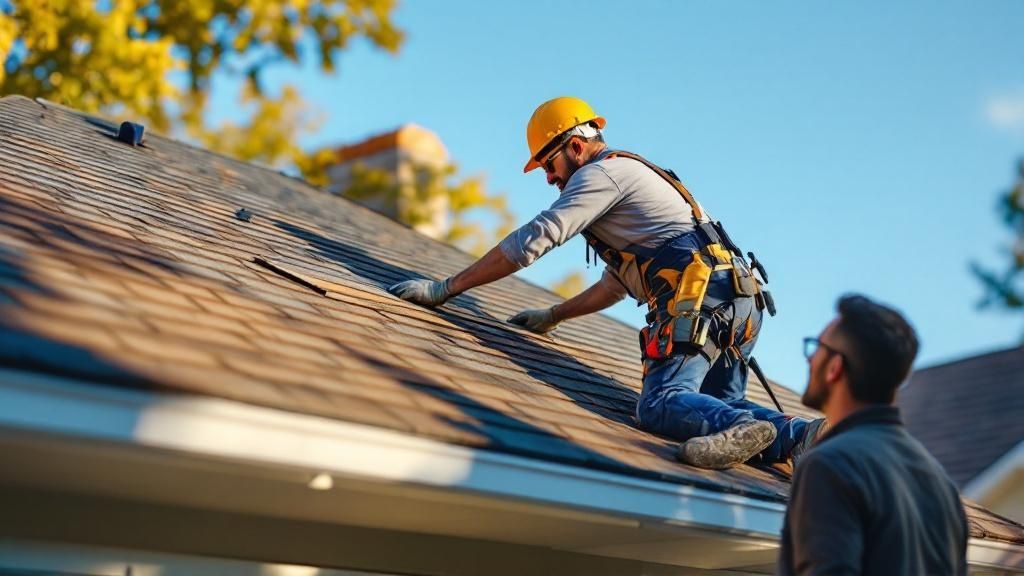
The Benefits of Staying Local
When a nasty storm rolls through, a local company can be on your doorstep in hours, not days. They aren't juggling crews across multiple states. More importantly, they have firsthand experience with the unique punishment our local weather dishes out.
- Regional Expertise: They know exactly how the intense summer sun, hurricane-force winds, or torrential rain affects different roofing materials in our specific area.
- Code Compliance: Local roofers are pros at navigating county-specific building codes and permit requirements, which helps you avoid frustrating delays and potential legal trouble.
- Community Accountability: A contractor who shops at the same grocery store as you relies on word-of-mouth. Their commitment to doing quality work is directly tied to their local reputation.
The roofing industry is a massive part of the construction world. The global market is expected to hit around USD 132.5 billion in 2025, and here in North America, it’s projected to reach USD 41 billion by 2031. This shows a steady demand for qualified pros and just how vital it is to find truly reliable residential roofing companies. You can dive deeper into these market insights on cognitivemarketresearch.com.
Organizing Your Search for a Roofer
A little structure can turn a frantic search into an effective vetting process. Instead of just making a long list of every roofer you can find, your goal should be to narrow it down to a shortlist of three to five highly qualified candidates. The best place to start? Ask your friends, family, and neighbors for recommendations.
A neighbor's positive experience with a local roofer is often more valuable than a dozen anonymous online reviews. It provides a real-world testament to their craftsmanship, communication, and reliability.
Next, it's time to hit the web—strategically. Don't just glance at a company's homepage. Dig into customer reviews on platforms like Google, the Better Business Bureau (BBB), and even Facebook. A professional website that clearly outlines their services and shows off a portfolio of past projects is also a great sign. This initial legwork helps you weed out the red flags early and focus on contractors who are professional from the get-go.
How to Verify a Roofer's Credentials
Once you’ve got a shortlist of promising residential roofing companies, the real work begins. It’s one thing for a roofer to say they’re licensed and insured—it’s another thing entirely to confirm it yourself.
This is a non-negotiable step. It's where you separate the true professionals from the rest and protect your home from major headaches down the road.
First stop? Your state’s licensing board. Most states have a simple online portal where you can search for a contractor by their name or license number. This quick check does two things: it confirms their license is active and reveals any public complaints or disciplinary actions filed against them. Never just take their word for it.
Confirming Insurance and Certifications
Beyond a basic business license, a legitimate roofer must carry two critical types of insurance: general liability and worker's compensation. General liability protects your property from any damage the crew might cause, while worker's comp covers their injuries so you aren't held liable for accidents.
Ask for their certificate of insurance. But don't stop there. Call the insurance provider listed on the certificate to confirm the policy is actually current. An expired policy is as good as no policy at all.
This image visualizes the focused research homeowners should undertake when evaluating local roofers, from checking licenses online to reviewing material certifications.
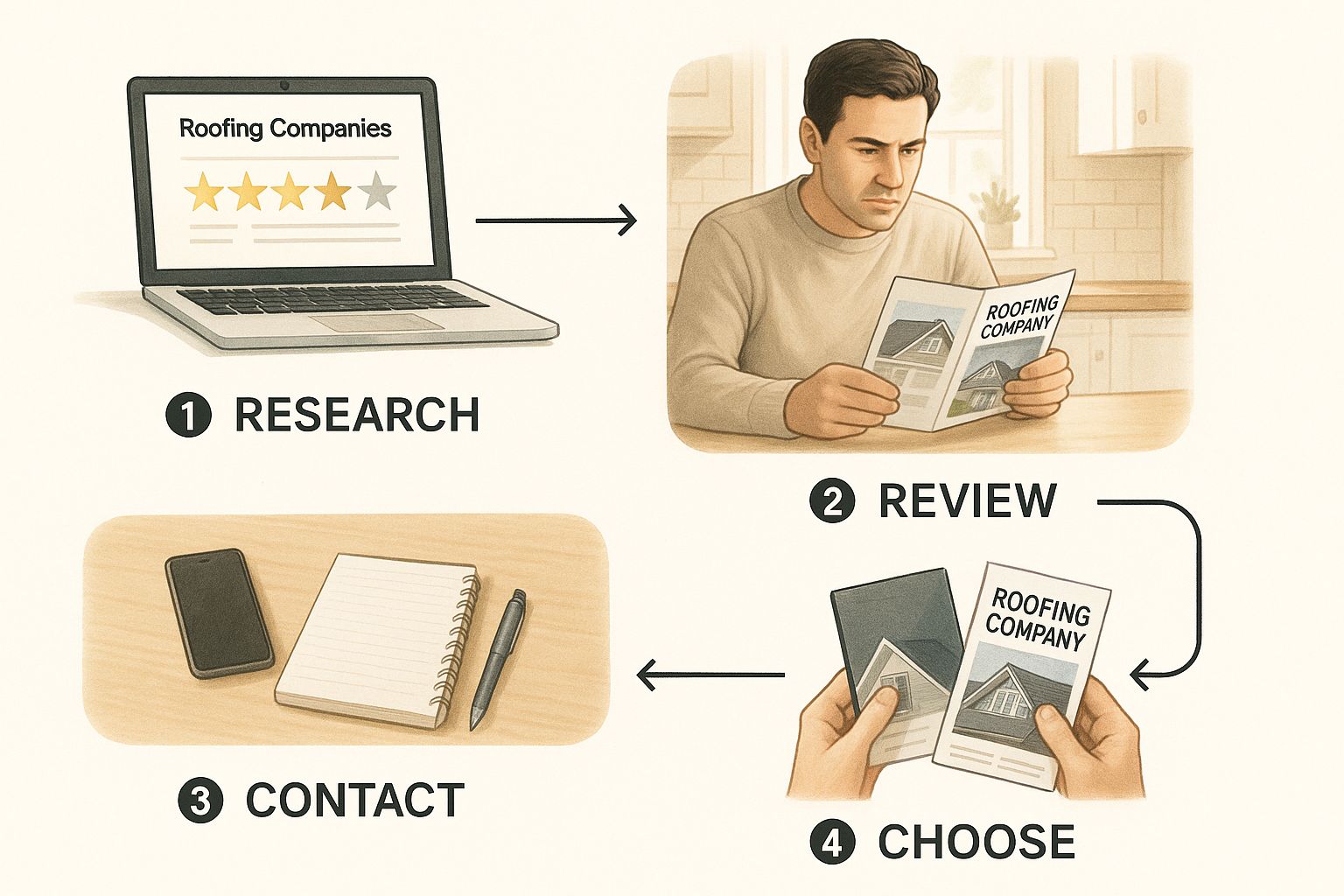
The key takeaway here is that proper vetting means independently checking every single claim. It's the only way to build a complete picture of a company's reliability and expertise.
Another powerful signal of quality is manufacturer certifications. Top-tier brands like GAF, Owens Corning, and CertainTeed don’t just let anyone install their products. They offer special training and designations to roofers who consistently meet their demanding standards for quality and professionalism.
A certification like GAF Master Elite is a huge deal. It’s an exclusive designation held by only about 2% of all roofing contractors in North America. It tells you the company has a proven history of high-quality work and invests in ongoing training for its team.
These certifications do more than just prove expertise; they often unlock access to enhanced warranties that cover both the materials and the workmanship. This is a level of protection you simply won't get from an uncertified roofer.
Roofer Verification Checklist
Keeping track of these details for multiple companies can get confusing. I recommend using a simple checklist to make sure you don't miss a single critical step in your evaluation. The table below is a great guide to use as you vet each potential roofer.
| Credential to Verify | Where to Check It | Why It Matters For You |
|---|---|---|
| State Contractor's License | Your state’s official licensing board website. | Confirms they are legally permitted to work in your area and have met minimum standards. |
| General Liability Insurance | Request the certificate and call the insurance agent listed to verify the policy is active. | Protects your home and property from accidental damage caused during the project. |
| Worker's Compensation | Also on the insurance certificate; verify with the provider. | Protects you from financial and legal liability if a worker is injured on your property. |
| Manufacturer Certifications | The company's website or directly on the manufacturer's site (e.g., GAF.com). | Unlocks access to superior materials and extended warranties that cover workmanship. |
Following these steps methodically takes the guesswork out of the hiring process. You aren't just picking a roofer; you're choosing a partner to protect your most valuable asset. Taking the time to verify every credential ensures your project is in capable, trustworthy, and responsible hands.
Reading Between the Lines of Customer Reviews
Online reviews are your first real glimpse into how local residential roofing companies near me actually operate. But let's be honest, not all reviews are created equal. Your job is to become a bit of a detective, sifting through the five-star raves and one-star rants to find the real story behind a company's reputation.
Forget the overall star rating for a minute and start looking for patterns. A single glowing review is nice, but it doesn't tell you much. Ten reviews that all happen to mention the crew's professionalism and daily cleanup habits? Now that paints a much clearer picture.
On the flip side, if you see multiple homeowners complaining about the same thing—like surprise charges on the final bill or terrible communication—that's a massive red flag.
Distinguishing Genuine Feedback from Fakes
Real, genuine reviews almost always have specific details. They’ll mention the project manager by name, describe a particular problem the crew solved, or talk about how they went out of their way to protect the landscaping.
Vague, over-the-top praise like "great job!" or "best roofers ever!" with no context can sometimes be less reliable. Be a little skeptical of those.
You also want to see reviews spread across different platforms. A company with a ton of reviews on Google, a solid A+ rating from the Better Business Bureau (BBB), and positive chatter on neighborhood forums is showing consistency. It’s a sign they’re well-established and take their reputation seriously everywhere.
How a company responds to a negative review tells you more than a dozen five-star ratings ever could. A defensive, argumentative reply is a huge warning sign. But a professional, empathetic response that offers a real solution? That shows they care about customer satisfaction and aren't afraid to take accountability.
What to Look for in Detailed Reviews
When you find a review with some meat on its bones, zoom in on the specifics. These details give you deep insight into what your own experience might be like.
- Communication Style: Did the company keep them in the loop with regular updates? Were the office staff and the crew on-site easy to get ahold of when they had questions?
- Job Site Management: This is a big one. Did reviewers mention how clean the site was kept? You want to hear about crews cleaning up nails and debris every single day, not leaving a mess for the homeowner to deal with.
- Problem Resolution: How did the contractor handle the unexpected? Things like finding rotted decking after tearing off the old shingles happen. Did they explain the problem clearly, show proof, and provide fair pricing for the extra work?
- Timeline Adherence: Did the project actually stick to the schedule they promised, or were there a bunch of unexplained delays that left the homeowner hanging?
Reading reviews this way turns them from simple ratings into detailed case studies. For instance, a review that says, "They found some unexpected wood rot, showed me pictures, and explained the extra cost clearly before proceeding," tells you volumes about their transparency and professionalism.
By digging into the substance behind the stars, you build a much more accurate picture of how a roofer operates day-to-day. This investigative approach helps ensure you pick a contractor whose reputation is built on a solid foundation of genuinely happy customers.
How to Read a Roofing Estimate (And Avoid Hidden Costs)
Once you have a few quotes from your shortlisted roofing companies, the real work begins. It’s tempting to just scan for the lowest number at the bottom of the page, but let me tell you from experience: the cheapest estimate is almost never the best deal.
A suspiciously low bid often means corners are being cut. Think subpar materials, uninsured labor, or worse—it's a setup for expensive "surprises" once they've torn your old roof off. Your goal here isn't to find the lowest price, but the best value. That means learning how to dissect each estimate to see exactly what you’re paying for… and what might be missing.
What a Proper Roofing Quote Actually Looks Like
A professional, detailed quote is a huge sign that you're dealing with a transparent and trustworthy contractor. It should be a clear project roadmap, leaving zero room for interpretation. If you see vague line items like "roof repairs" or "install materials," that’s a massive red flag. You need specifics.
A thorough estimate from a quality roofer will always break down the costs. Here’s what to look for:
- Tear-Off and Disposal: A specific cost for removing your old roofing materials and disposing of them properly.
- Decking Replacement: This is a big one. The quote should list a price per sheet for replacing any rotted or damaged plywood they find after the tear-off. It’s a common variable, so getting that cost upfront is non-negotiable.
- Underlayment and Ice/Water Shield: It should specify the exact type and brand of the protective layers being installed. Not all underlayments are created equal.
- Shingles, Tile, or Metal: Again, the brand, specific product line, and even the color should be clearly listed.
- Flashing and Drip Edge: Details on the new metal flashing for chimneys, vents, and valleys are critical for preventing leaks. This is not a place to skimp.
- Ventilation: It should specify the type of vents (like ridge or soffit vents) being installed to ensure your attic can breathe.
- Labor and Workmanship Warranty: The estimate needs to clearly state the cost of labor and spell out the length and terms of their workmanship guarantee.
This level of detail is what allows you to compare apples to apples. You can immediately see if one company is quoting a premium architectural shingle while another is low-balling you with a basic builder-grade product.
A slightly higher bid that includes a superior synthetic underlayment, thicker decking where needed, and a longer workmanship warranty often provides far more long-term value and peace of mind than the cheapest quote.
Spotting Red Flags and Finding Real Value
When you lay the estimates out side-by-side, look for the differences. If one bid is dramatically lower than the others, you need to find out why.
Are they uninsured? Are they planning to reuse the old flashing instead of replacing it? Are they using cheap, off-brand materials? The U.S. residential roofing market is a massive industry, valued at around USD 59.2 billion in 2024, with nearly 99,000 businesses competing for your project. That competition keeps pricing pretty tight, so a bid that's an outlier—especially on the low end—demands serious scrutiny. You can read more about these important roofing industry statistics to get a better feel for the market.
Let’s walk through a real-world scenario I see all the time:
- Company A gives you a quote for $12,000. It’s the lowest price, but the estimate is a single page with vague descriptions. It doesn't even mention the shingle brand or underlayment type.
- Company B quotes $13,500. Their estimate is five pages long, detailing a GAF-certified roofing system, a high-performance synthetic underlayment, new lead pipe boots, and a 10-year workmanship warranty.
Is Company B really more expensive? That extra $1,500 is buying you certified materials, a guaranteed quality installation, and a robust warranty that Company A’s proposal completely ignores. That isn’t just a higher price—it’s a much smarter, safer investment in your home. By carefully checking each line item, you move beyond just shopping for a price and start making an informed decision about quality and long-term protection.
The Final Questions to Ask Before You Sign on the Dotted Line
You’ve done the hard work. You've checked their license, sifted through reviews, and compared estimates until your eyes crossed. Now, you’ve landed on your top choice.
Before you celebrate, there’s one last conversation to have. This is your final chance to lock in expectations and confirm you’re handing your home over to a true professional. The answers they give now will tell you everything you need to know about how they operate when the pressure is on.
Don't hold back. A confident, seasoned contractor will appreciate your diligence and have solid answers ready to go.
Protecting Your Home and Managing the Worksite
Your roof doesn't exist in a vacuum—it's attached to your home, surrounded by your landscaping, and is the center of your family's life. A pro gets this. They have established systems to prevent damage and keep the worksite from turning into a disaster zone.
Kick things off with a direct question: "What specific steps do you take to protect my landscaping, windows, and siding during the tear-off and installation?"
You're not looking for a vague "we're careful." You want to hear them talk about using tarps to cover your prize-winning rose bushes, plywood shields for windows and doors, and a clear plan for protecting A/C units or other delicate fixtures.
Next, get into their day-to-day rhythm.
- Who is my main point of contact on-site? You need to know exactly who the crew leader or project manager is and the best way to reach them. Clear communication starts here.
- What does your daily cleanup process look like? They should immediately mention using magnetic rollers to sweep for nails and a commitment to clearing all debris before they pack up for the day.
- What’s your plan for bad weather? A good roofer won’t be caught off guard. They’ll have a clear protocol for securing the job site if rain or high winds suddenly appear in the forecast.
A contractor’s plan for the "what-ifs" is a powerful indicator of their experience. If they can confidently explain their process for handling sudden storms or unexpected repairs, it shows they’ve managed hundreds of projects and are prepared for anything.
Dealing with Surprises and Finalizing the Details
Even the most straightforward roofing project can throw a curveball. The most common surprise? Finding rotten or damaged decking once the old shingles come off. This is a make-or-break moment, and how a company handles it reveals their true character.
Ask them point-blank: "If you find rotten decking, what is your process?"
A transparent contractor will have a simple, honest answer. They'll explain that they will stop work, show you the damage (usually with photos), explain why the repair is necessary, and give you a clear cost based on the per-sheet price already listed in your estimate. They should never proceed with extra work without your explicit, informed approval.
Finally, before you make that final commitment, it's wise to cross-reference your notes with a comprehensive guide. Using an essential contractor hiring checklist can help you organize your thoughts and ensure you haven't overlooked a critical step. Getting clear, satisfying answers to these last few questions is the final confirmation that you've found a trustworthy partner to protect your home for years to come.
Have More Questions? Let's Get Them Answered
Even with all the research in the world, it's completely normal to have a few final questions nagging at you before hiring a roofer. Think of this as the last checkpoint. You've done the hard work of checking licenses, reading reviews, and getting estimates. Now it’s time to clear up those last few details so you can move forward with total confidence.
Getting straight answers to these common questions is what separates a good choice from a great one, ensuring there are no surprises waiting for you down the line.
What Should I Do If I Get a Very Low Bid?
A bid that comes in way under everyone else should immediately make you pause. It's human nature to gravitate toward the lowest price, but a dramatically cheap estimate is almost always a warning sign that crucial corners are being cut.
So, what could that low number really mean?
- They're likely using cheap, builder-grade materials that won't last.
- They might not carry the proper general liability and worker's comp insurance, putting you at risk.
- They could be planning to reuse old components like flashing, which is a major cause of leaks.
- The crew is probably inexperienced or isn't being paid a fair wage.
Don't be afraid to put a contractor with a suspiciously low bid on the spot. Ask them to walk you through their pricing line by line. A true professional will have no problem explaining their costs, while a shady operator will likely get defensive or give you vague, evasive answers.
How Long Should a New Roof Last?
This is a big one, and the answer really boils down to two things: the quality of the materials you choose and the quality of the installation itself. You can't have one without the other.
For a standard architectural asphalt shingle roof—the most common type on homes today—you should expect it to last somewhere between 25 and 30 years if it's installed correctly by a skilled crew.
Here's a pro tip: Hiring a roofer certified by a specific manufacturer (like GAF or CertainTeed) is one of the smartest moves you can make. It often gives you access to better warranties and guarantees the crew knows how to install that exact product to the manufacturer's strict standards. This is how you get the most life out of your investment.
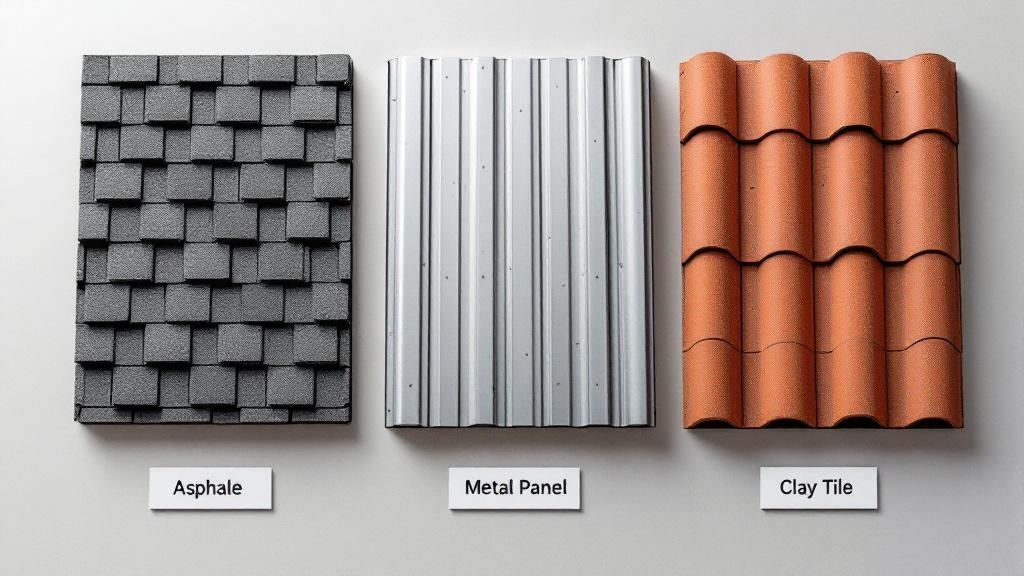
Of course, if you opt for higher-end materials, the lifespan can increase dramatically. A standing seam metal roof can easily last 50 years or more, and a properly installed tile roof could even outlive you, lasting for a century in the right conditions. Talk through these options with your contractor to see what makes the most sense for your home and budget.
What Is the Difference Between a Material and a Workmanship Warranty?
This is a critical detail that trips up a lot of homeowners. It's essential to understand that you're actually getting two different types of protection, and they cover very different things.
-
Material Warranty: This warranty comes straight from the company that made the shingles or tiles. It covers defects in the product itself, like if the shingles start cracking or losing their granules way too early. These warranties can look impressive—sometimes lasting for decades—but they only cover a faulty product, not a bad installation.
-
Workmanship Warranty: This is the warranty from your actual roofing contractor, and it’s arguably the more important one. It covers the installation—the labor. If your roof leaks because of a mistake made by the crew, this is the warranty that protects you. A trustworthy roofer will always stand behind their work and offer a workmanship warranty of at least 5 to 10 years.
The roofing industry is always evolving, too. We're seeing a huge push for sustainable options like solar roofing, with some experts predicting an annual demand growth of 15%. Top-tier companies are also using new tech like inspection drones and sophisticated software to give homeowners more accurate, detailed estimates.
At the end of the day, the core principles of vetting a roofer aren't so different from hiring any other expert for your home. While it’s about a different industry, you'll find some great, universal tips on selecting any residential service provider that can help you avoid common headaches.
When you need a roofing partner with over 30 years of experience protecting South Florida homes, trust Paletz Roofing and Inspections. Contact us today for a free, detailed estimate and experience the peace of mind that comes with hiring true professionals. Visit us at https://paletzroofing.com to get started.