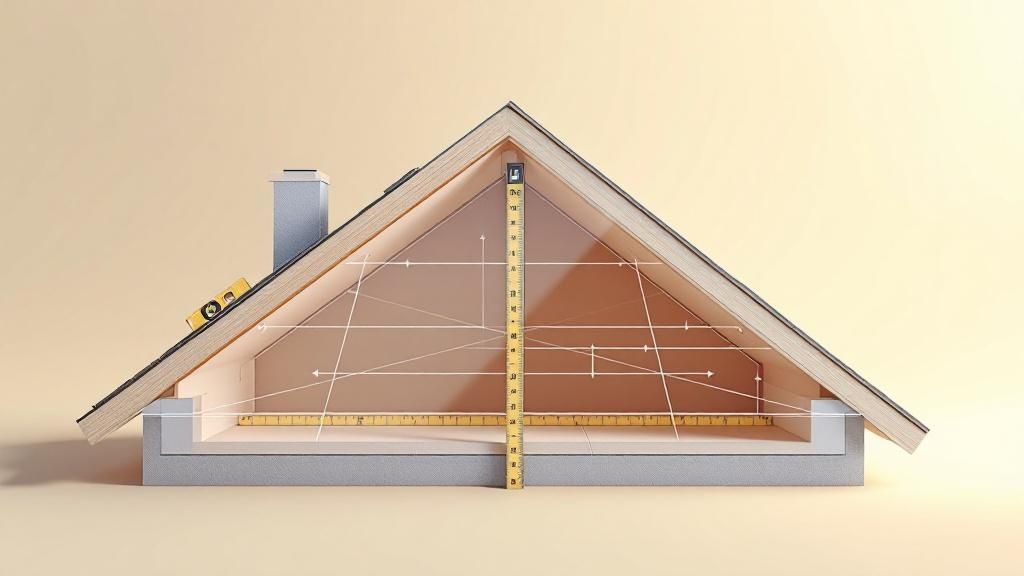
When you hear roofers talk about "pitch," they're talking about the steepness of your roof. It's a simple idea, really, defined by a ratio of vertical rise over horizontal run. A 6/12 pitch, for example, just means the roof rises 6 inches for every 12 inches it runs horizontally. This single number dictates almost everything about how your roof performs and what materials can be used on it.
Understanding Roof Pitch And Why It Matters
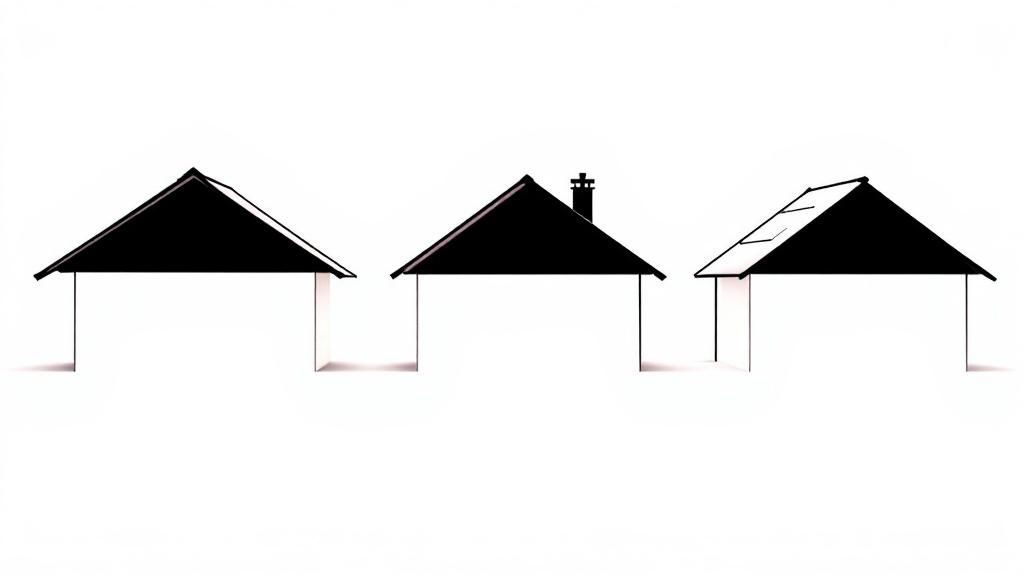
Think of your roof's pitch as its main defense against whatever Mother Nature throws at it. It’s far more than a design choice—it's a critical piece of engineering that determines how your home sheds water, handles high winds, and manages snow.
A steep roof in a snowy climate isn't just for looks; it's a practical necessity that uses gravity to slide heavy snow off before it can build up and form dangerous ice dams.
On the other hand, a low-slope roof in a rainy area needs specialized, seamless materials to keep water from pooling and eventually finding a way inside. Grasping this concept helps you make smarter choices about repairs, replacements, or even that home addition you've been dreaming of. It's why one type of shingle might be perfect for your neighbor's house but completely wrong for yours.
This fundamental knowledge is at the heart of the entire roofing industry, a massive sector in construction and real estate. In 2023, the global roofing market was valued at around $267.64 billion and is expected to keep growing, largely because homeowners need more weather-resilient and energy-efficient homes. This trend shows just how vital proper design elements like slope are in today's world.
Identifying Your Roof's Pitch Category
To make things easier, roof pitches are generally grouped into three main categories. Each serves a different purpose and is better suited for certain climates and home styles. Figuring out which category your roof fits into is the first step to understanding what it can and can't do.
To help you get a quick sense of where your roof stands, we've broken down the common pitch ranges into a simple table.
Quick Guide to Roof Pitch Categories
| Pitch Ratio Range | Common Name | Primary Characteristic |
|---|---|---|
| Below 3/12 | Low-Slope or "Flat" Roof | Drains water very slowly; requires specialized waterproofing. |
| 4/12 to 9/12 | Conventional-Slope Roof | Balances drainage with walkability; the most common residential pitch. |
| Above 9/12 | Steep-Slope Roof | Sheds water and snow rapidly; often requires specialized installation. |
This table gives you a basic framework, but let's dive into what each category really means for your home.
-
Low-Slope Roofs (Below 3/12): These are the roofs that look almost flat. You'll see them a lot on commercial buildings and modern homes. Because water drains so slowly, they absolutely must have specialized waterproofing membranes to prevent leaks.
-
Conventional-Slope Roofs (4/12 to 9/12): This is the sweet spot for most American homes. It offers a great balance, shedding water effectively while still being safe enough for a roofer to walk on for maintenance. This range supports the widest variety of roofing materials.
-
Steep-Slope Roofs (Above 9/12): Think A-frames, Tudors, and other dramatic architectural styles. These roofs shed water and snow almost instantly. They often demand premium materials and special installation techniques to get the job done right.
Just by recognizing your roof's general pitch, you can start to understand its unique needs and challenges. You can get a better sense of these styles by looking at different roof designs like the one here: https://paletzroofing.com/wp-content/uploads/2025/10/thumbnail-5-768×432.jpg.
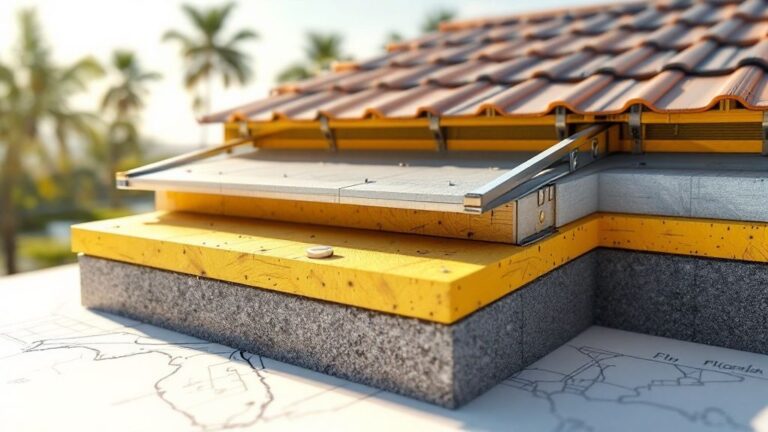
How to Calculate Your Roof's Pitch
Figuring out your roof's pitch might sound like a job reserved for a pro, but it's often a straightforward task you can tackle yourself with a couple of common tools. There are two reliable ways to get an accurate measurement, whether you’re comfortable on a ladder or would rather keep your feet on solid ground.
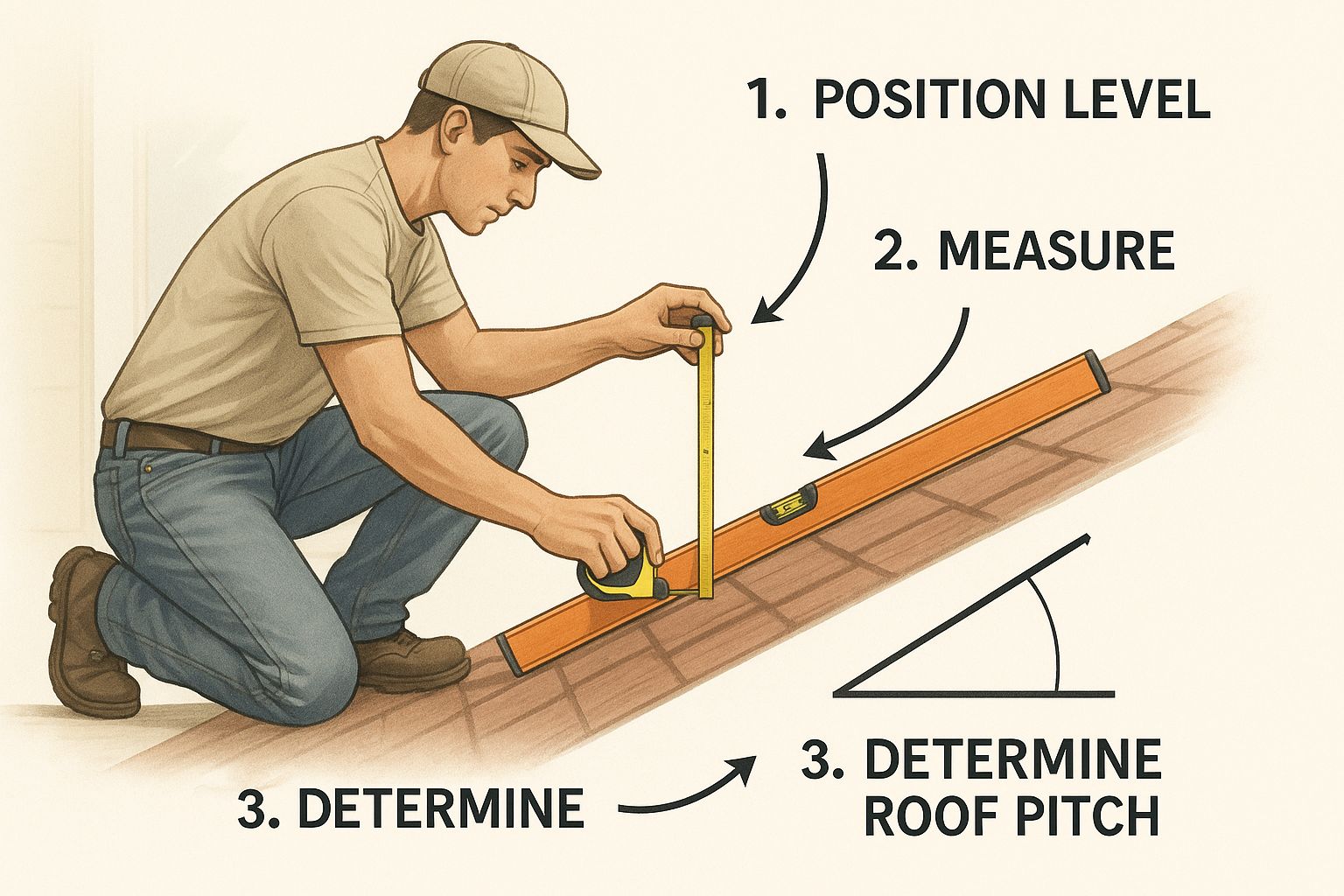
This process breaks down the relationship between your tools and the roof's surface, making the core concept of "rise over run" easy to see in action.
The Rafter Method From Inside Your Attic
By far the safest way to find your roof’s pitch is from inside the attic. This approach lets you work without worrying about heights by using an exposed rafter—one of those angled wooden beams holding up your roof.
Here’s how it’s done:
- Grab a standard carpenter's level and press it horizontally against the bottom edge of a rafter.
- Adjust it until the bubble is perfectly centered. This confirms your level is truly horizontal.
- Measure 12 inches along the bottom of your level, starting from the end that's touching the rafter.
- From that 12-inch mark, measure straight up to the bottom edge of the same rafter. That vertical distance is your rise.
If that vertical measurement comes out to 6 inches, your roof has a 6/12 pitch. It’s a simple, safe way to get the exact number you need.
The Roof Surface Method From a Ladder
If you can't get into your attic or just prefer to measure from the outside, you can use a similar technique right on the roof's surface. Of course, this requires a ladder and putting safety first.
Once you’re safely in position, the concept is the same. You're just working on top of the shingles instead of under the rafters.
Key Takeaway: The goal is to create a right-angle triangle using your tools. The level establishes the horizontal run (always 12 inches), and your tape measure finds the vertical rise. Those two numbers give you the pitch ratio.
For example, you'd hold your level perfectly horizontal with one end resting on the shingles. Measure 12 inches along the level, and from that point, measure straight down to the roof surface. That distance you just measured is your rise.
While there are plenty of smartphone apps that claim to calculate pitch, nothing beats the old-school accuracy of a manual measurement. For a deeper dive into the technical specs, learning how to read house blueprints can also reveal the roof pitch the original architect planned for.
How Pitch Determines Your Home's Weather Defense
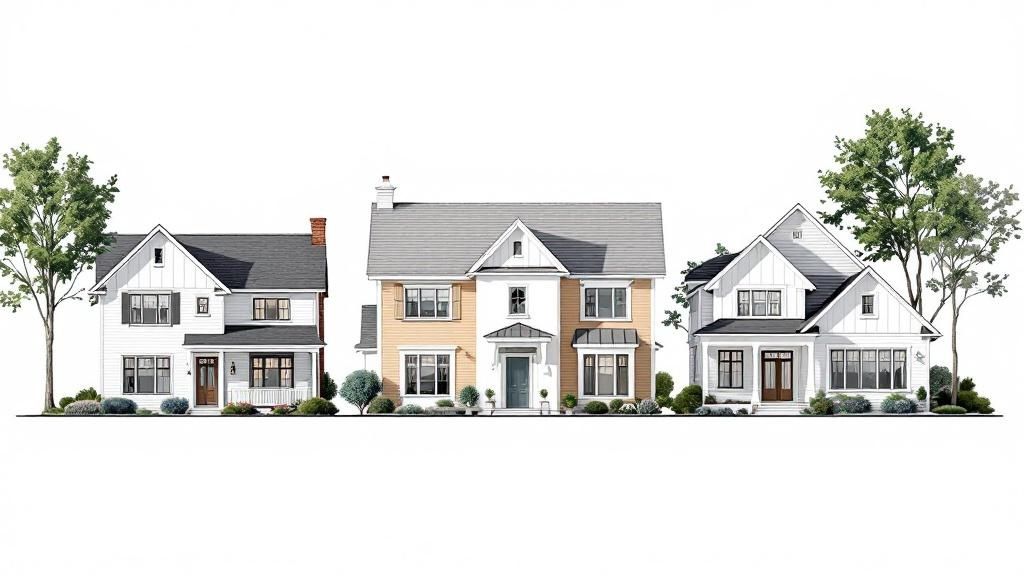
Think of your roof’s pitch as its first line of defense against the elements. It’s not just a design choice; it’s an active shield engineered to handle everything from a gentle drizzle to heavy snow and gale-force winds. The angle of your roof directly impacts how well it can shed what nature throws at it.
For anyone living in snowy climates, a steep pitch is non-negotiable. Slopes of 6/12 and higher harness the power of gravity, encouraging heavy snow to slide right off before its immense weight can strain the structure. This quick shedding is also the secret to preventing ice dams—those destructive ridges of ice that form at the eaves and force water back up under your shingles.
Managing Rain and Resisting Wind
The same basic principle applies to rain, just with different considerations across the pitch spectrum. Steeper roofs shed water effortlessly, funneling it straight into the gutters. Low-slope roofs, on the other hand, are a different story. They're prone to pooling water, which can sit for days and patiently search for any tiny imperfection to seep through.
This is exactly why you see modern homes with very low-slope designs, like this example of varied roof styles, using specialized waterproof membranes. Without that seamless, waterproof barrier, persistent leaks and water damage are almost a guarantee.

Wind introduces a whole other layer of complexity. While a steep roof is great for shedding water, an extremely high pitch can act like a sail, catching the wind and putting tremendous stress on the entire home. At the other extreme, a very low-slope roof is vulnerable to wind uplift, where strong gusts get underneath the roofing and try to peel it away like a can opener.
Expert Insight: It’s all about finding the right balance. Building codes in storm-prone areas are very specific about pitch ranges, and for good reason—they're designed to minimize wind damage and keep homes structurally sound during extreme weather.
Finding the Sweet Spot for Storms
It turns out there's an ideal pitch range for homes in areas battered by high winds and hurricanes. Studies from storm-ravaged regions show that roof pitches between 30° and 40° offer the best all-around resistance to destructive wind forces.
Specifically, a roof with a 7/12 pitch (which is about 30°) seems to hit the sweet spot, performing exceptionally well by balancing the risks of both wind uplift and the sail effect.
Ultimately, your roof's ability to defend your home goes beyond just its slope. The entire system has to be sound. To get a better handle on the forces at play, you can dig into the structural engineering principles for roof design.
Matching Roofing Materials to Your Pitch
Picking the right roofing material involves a whole lot more than just settling on a color. In fact, the single most critical factor that dictates your options is your roof's pitch. It's best to think of it as a set of non-negotiable rules; using the wrong material for a specific slope isn't just an aesthetic mistake—it can completely void manufacturer warranties and set you up for premature roof failure.
Every roofing material is engineered to shed water, but they only work as intended within a specific range of steepness. This is precisely why a material that’s perfect for a typical suburban home would be an absolute disaster on a nearly flat commercial building. Grasping this connection is the key to a long-lasting, leak-free roof.
Low-Slope Roofs Below 3/12
Roofs with a pitch under 3/12 are what most people would call "flat," though they always have a very slight angle to help guide water. The problem is, water moves so slowly on these surfaces that traditional shingles would essentially act like sponges, trapping moisture and inviting leaks. These roofs require a totally different strategy.
The solution is to create a single, unbroken waterproof barrier across the entire surface. This is usually done with specialized materials like:
- TPO (Thermoplastic Olefin): A single-ply white membrane that’s great at reflecting heat and is highly resistant to punctures and chemical exposure.
- EPDM (Ethylene Propylene Diene Monomer): A synthetic rubber membrane, famous for its incredible durability and resilience in extreme temperatures.
- Modified Bitumen: An asphalt-based product rolled out in layers, often torch-applied, to form a tough, multi-layered seal.
These systems are built to handle some standing water temporarily without letting a single drop seep through—a task shingles were never designed for.
Conventional Pitches 4/12 to 9/12
This is the sweet spot for residential roofing and by far the most common pitch range you'll see on homes across the country. These slopes are steep enough to shed water like a champ but aren't so steep that installation becomes a high-wire act.
Key Insight: This pitch range supports the widest variety of materials because it strikes the perfect balance between excellent water drainage and safe walkability for installation crews. This gives homeowners the most flexibility in both style and budget.
Popular materials in this category are probably familiar to you:
- Asphalt Shingles: The go-to choice for most homeowners, offering a fantastic balance of cost, durability, and a huge range of aesthetic options.
- Metal Panels: Standing seam and other metal roofing systems deliver exceptional longevity and are virtually immune to the harshest weather.
- Wood Shakes: Give a home a beautiful, rustic look but do require a bit more maintenance to keep them in top shape.
A quick look at this table shows how your options expand in this conventional range, balancing cost, lifespan, and overall performance.
Roofing Material Suitability by Pitch
| Roof Pitch (Rise/Run) | Suitable Materials | Typical Lifespan | Key Considerations |
|---|---|---|---|
| Below 3/12 (Low-Slope) | TPO, EPDM, Modified Bitumen, PVC | 15-30 years | Requires a seamless, waterproof membrane. Installation is highly specialized. |
| 4/12 to 9/12 (Conventional) | Asphalt Shingles, Metal Panels, Wood Shakes | 20-50+ years | Widest variety of options. Balances drainage with ease of installation. |
| Above 9/12 (Steep-Slope) | Slate, Clay/Concrete Tiles, Premium Metal | 50-100+ years | Excellent for shedding snow/rain. Requires specialized installation techniques and safety gear. |
As you can see, the steeper the roof, the more durable (and often more premium) the material options become.
Steep-Slope Roofs Above 9/12
Once a roof's pitch climbs past 9/12, it officially enters the steep-slope category. These dramatic angles are fantastic for instantly shedding rain and snow, but they introduce a whole new set of challenges for installers. You can see a great visual example of a modern, low-slope roof design here, which provides a stark contrast to these sharply angled structures.

Materials used on steep roofs have to be mechanically fastened with absolute precision, since gravity is constantly trying to pull them down. This is where you’ll find premium, lifetime materials:
- Slate: A natural stone that can easily last over a century, offering timeless beauty and unmatched durability.
- Clay or Concrete Tiles: Heavy, robust, and built to last. These tiles provide a classic, high-end look and incredible longevity.
How Roof Pitch Impacts Project Cost
When you get a quote for a new roof, you might be surprised to learn that the pitch is one of the biggest factors driving the final price. A steeper roof isn't just a design choice; it completely changes the complexity of the project, which gets reflected in the cost of both materials and labor.
Think about two homes with the exact same ground-level square footage. If one is a low-slope ranch and the other is a steep A-frame, their roofing costs can be wildly different. Why? The steeper pitch dramatically increases the roof's total surface area, meaning it takes more shingles, more underlayment, and more fasteners to get the job done.
The Role of Walkability and Labor
The single most significant cost factor tied to roof pitch is something professionals call walkability. A roofer can move around safely and work pretty efficiently on a roof with a pitch up to about 7/12. This is what we consider a "walkable" roof, where crews can haul materials and install them without needing a ton of extra safety gear.
But once that pitch gets steeper than 7/12, the whole dynamic of the project shifts.
Key Takeaway: Any roof pitch above a 7/12 is considered "non-walkable." For these jobs, specialized safety equipment like harnesses, roof jacks, and sometimes even scaffolding isn't just a good idea—it's mandatory. This doesn't just add equipment costs; it significantly slows down the entire installation process.
This added complexity and risk translate directly to higher labor costs. The time it takes to finish the job goes up, and the specialized skills needed to work safely on steep slopes command a premium.
This is a daily reality across the U.S. roofing industry, a market valued at around $23.35 billion in 2023. A huge portion of the 135,140 roofers employed in the country work on projects where managing tricky roof pitches is part of the job, directly affecting timelines and what you see on your final bill. You can dig into more roofing industry statistics and trends on ConsumerAffairs.com to see the bigger picture.
Breaking Down the Cost Increase
So, how exactly does a steep roof pump up your project's price tag? The costs start to stack up in a few key areas, creating a very real difference in your roofing quote.
- Increased Labor Time: Every single movement is slower and more deliberate on a steep roof. From getting materials loaded up to fastening each shingle, simple tasks take much longer, which can easily add days to the project.
- Specialized Safety Gear: The need for harnesses, ropes, and scaffolding adds to both the direct cost of the gear and the time it takes to set it all up and take it down safely.
- Material Staging Challenges: Just getting bundles of shingles and other supplies onto a steep roof is a bigger, more time-consuming challenge that requires more manpower and careful planning.
Understanding these factors helps explain why a quote for a steep-pitched roof can come in so much higher than one for a low-sloped house. It’s not just about needing more shingles; it's about a project that demands more time, more expertise, and a whole lot more safety precautions from start to finish.
Have Questions About Roof Pitch? We’ve Got Answers.
Even after you get the hang of the basics, a few specific questions always seem to pop up. Think of this part of the guide as your go-to reference for the things homeowners wonder about most. We’ll touch on some key ideas again and get straight to the practical stuff that really matters when you're looking at your own roof.
These answers will help you connect the dots between slope, materials, and cost in real-world situations, making the whole topic of roof pitch easy to understand and apply.
What Is the Most Common Roof Pitch for Homes?
The overwhelming majority of homes you see in North America have what we call a conventional slope. This sweet spot falls right between a 4/12 and 9/12 pitch. If you had to pick the single most common, it would probably be a 6/12 pitch.
Why is this range so popular? It strikes a perfect balance. It’s steep enough to handle rain and light snow with no problem, but it’s not so steep that it becomes a serious safety risk for roofers during installation or repairs. That "walkability" makes it a practical and cost-effective choice for countless home styles across nearly every climate.
Can I Change My Existing Roof Pitch?
Yes, you absolutely can change your roof’s pitch, but it’s a massive structural project, not just a simple re-roofing job. This is a full-blown renovation that involves tearing off the entire old roof structure and framing a completely new, steeper one. It's a complex and expensive undertaking that demands professional engineering and architectural plans.
Homeowners usually only take on a project this big for a few key reasons:
- Creating Livable Space: A steeper pitch can instantly turn a cramped, dusty attic into a functional loft, a home office, or a bonus room for the kids.
- Fixing Chronic Drainage Issues: If you have a low-slope roof that’s been a constant source of leaks, increasing the pitch can be the permanent fix you’re looking for.
- A Major Style Overhaul: Changing the pitch can completely transform your home's curb appeal and update its architectural style.
Because you’re fundamentally altering the home's structure, this job requires building permits and a highly experienced contractor to make sure the new load is supported correctly.
How Does Pitch Affect Attic Space and Ventilation?
The pitch of your roof is the single biggest factor determining how much usable space you have in your attic. A steep pitch, like a 10/12 or 12/12, creates a huge, open attic with high ceilings—perfect for converting into living space or just for tons of storage. On the flip side, a low pitch like a 3/12 leaves you with a tight crawlspace that’s not good for much at all.
Crucial Connection: Beyond just creating space, a steeper pitch dramatically improves natural attic ventilation. It boosts the "stack effect," where hot, humid air naturally rises to escape through ridge vents. This airflow is vital for keeping the attic cool in the summer and, more importantly, dry in the winter.
Good ventilation is your roof's best friend. It stops moisture buildup that leads to mold and rot, and it helps prevent destructive ice dams from forming in colder climates. Ultimately, proper airflow extends the life of your entire roofing system.
Are There Building Codes for Roof Pitch?
Absolutely. Building codes are very specific about roof pitch because it’s fundamental to a roof's safety and ability to do its job. These rules aren't just arbitrary; they are there to ensure your roof is built to last and can handle the local weather.
For example, codes dictate the minimum slope required for specific roofing materials. Asphalt shingles, for instance, generally need at least a 4/12 pitch for a standard installation. They can be put on a roof as low as a 2/12 pitch, but only if special underlayment techniques are used to prevent leaks—and that’s a requirement strictly enforced by code.
In areas that get heavy snow, codes will mandate pitches steep enough to manage serious snow loads without collapsing. Likewise, in hurricane-prone regions, regulations might specify certain pitch ranges that minimize wind uplift, helping to keep the roof attached to the house during a major storm.
Understanding your roof's pitch is the first step toward making smart, informed decisions for your home. If you have more questions or need a professional to take a look, the experts at Paletz Roofing and Inspections are here to help. With over 30 years of experience in South Florida, we provide reliable installations, repairs, and inspections you can trust. Contact us today for a free quote and ensure your roof is in top condition.