
In Florida, a roof is more than just part of your home; it's your primary shield against intense sun, torrential downpours, and the immense power of hurricanes. The Sunshine State's unique climate demands roofing solutions that are not only aesthetically pleasing but engineered for extreme durability and resilience. Making the right choice can save homeowners thousands in repairs, lower insurance premiums, and provide invaluable peace of mind during storm season.
This guide cuts through the noise, offering a comprehensive look at the top types of roofs in Florida. We'll break down the pros, cons, costs, and critical climate considerations for each material, empowering you to make an informed decision that protects your most valuable asset. Before diving into new installations, particularly for older homes, it's wise to be aware of potential hazards in your existing structure. Understanding what asbestos is and how to identify it is a crucial first step for any major renovation to ensure the safety of your family and contractors.
From the economic versatility of asphalt shingles to storm-ready metal systems and iconic clay tiles, this roundup is designed for property owners across South Florida, including those in Broward, Miami-Dade, and Palm Beach counties. We will explore the specific advantages each material offers, helping you determine which roofing system is the perfect fit for your property's architecture, budget, and long-term protection goals. Let's explore the best options to safeguard your home.
1. Asphalt Shingles: The Sunshine State's Go-To Choice
Asphalt shingles are the most prevalent of all types of roofs in Florida, dominating the residential landscape from Tampa Bay to Miami-Dade County. Their popularity stems from an effective balance of affordability, aesthetic versatility, and solid performance. Modern shingles consist of a durable fiberglass mat coated in water-resistant asphalt and topped with mineral granules that protect against UV radiation and provide color.
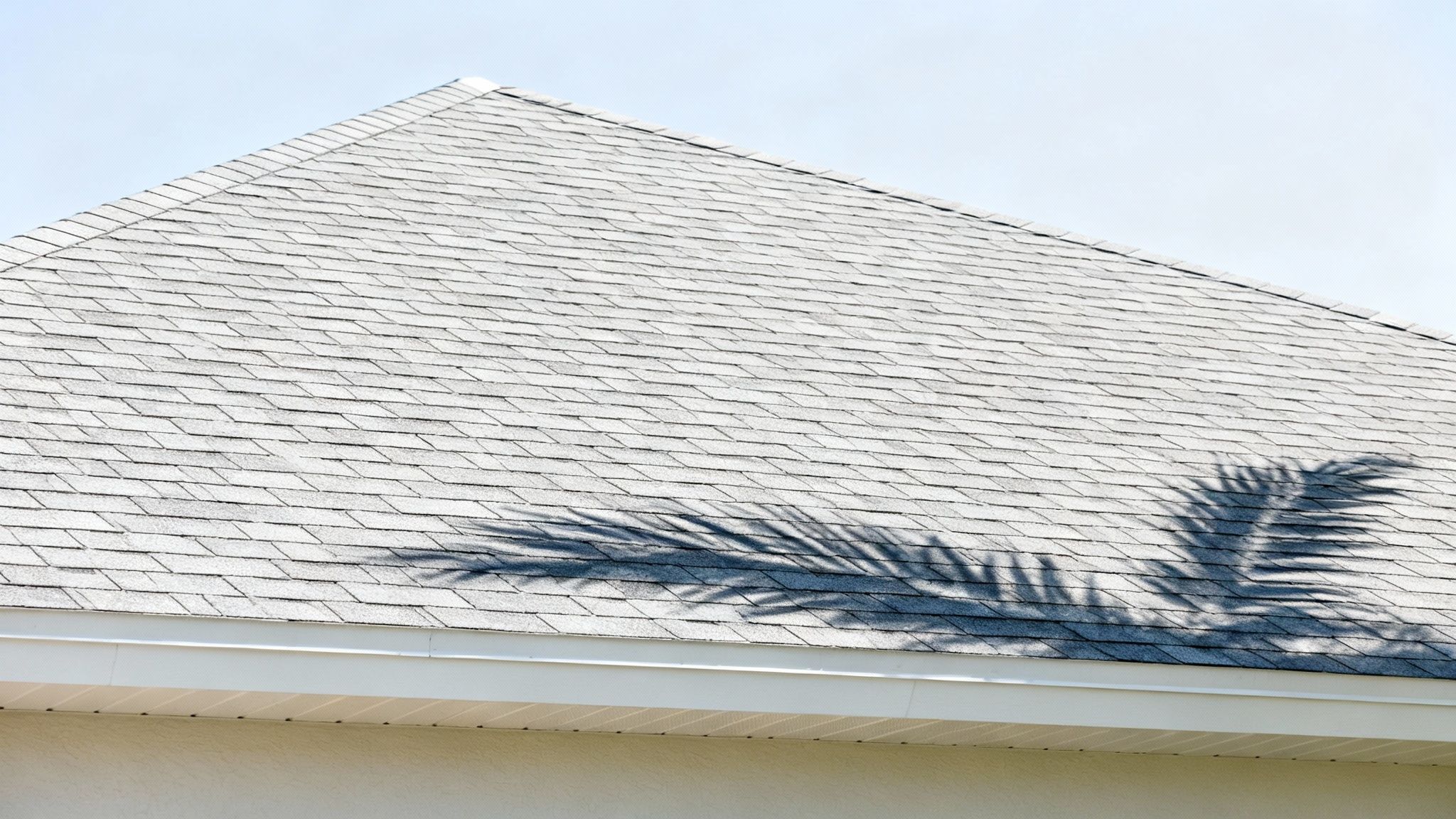
This roofing material is a practical choice for homeowners seeking a reliable solution without the premium cost of tile or metal. They are relatively quick to install, which helps keep labor costs down, and come in a vast array of colors and styles to match nearly any home exterior.
Key Considerations for Florida Homeowners
While ubiquitous, not all asphalt shingles are created equal, especially when facing Florida's climate. Architectural shingles, also known as dimensional shingles, are the superior choice over older 3-tab styles. They are thicker, heavier, and constructed with multiple laminated layers, giving them a distinctive, textured look and significantly higher wind resistance, often rated for 110-130 mph winds.
For a deeper dive into their benefits, you can explore this visual guide to Asphalt Shingles: The Sunshine State's Go-To Choice. Lighter-colored shingles are particularly beneficial in South Florida, as they reflect more solar radiation and can help lower cooling expenses by reducing heat absorption into the attic.
Practical Implementation and Maintenance Tips
To maximize the lifespan and durability of an asphalt shingle roof in a subtropical climate, follow these actionable steps:
- Prioritize Architectural Shingles: Always opt for architectural shingles. Their enhanced wind uplift resistance is a non-negotiable feature for hurricane preparedness.
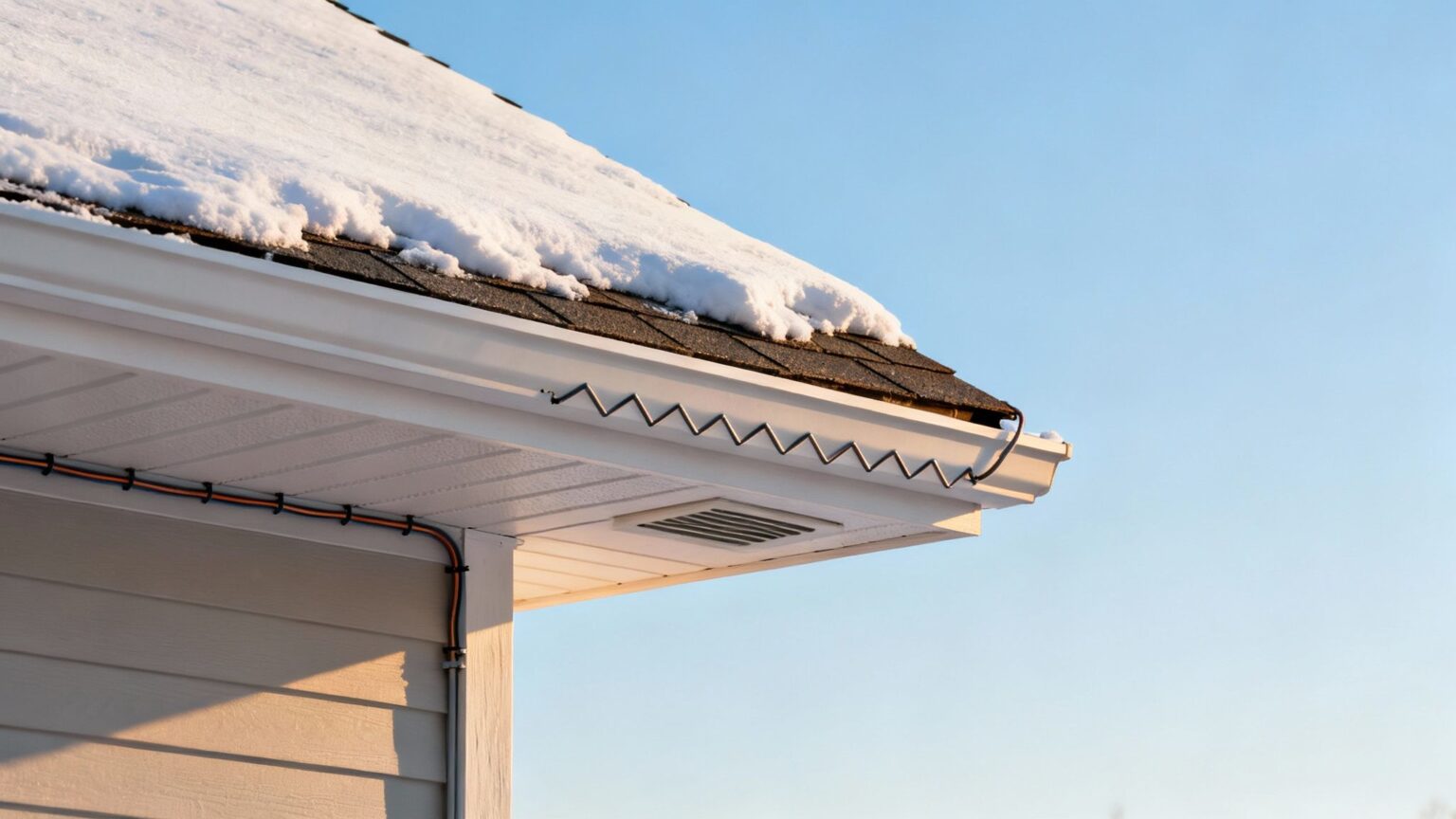
- Ensure Proper Attic Ventilation: A well-ventilated attic prevents heat from building up and "cooking" the shingles from underneath, which can cause premature aging and curling.
- Schedule Annual Inspections: Have a certified roofer inspect for common Florida issues like granule loss, algae growth (dark streaks), and any potential moisture intrusion, especially after a major storm.
- Verify Hurricane Straps: Confirm that your roof structure is properly secured to the walls with hurricane straps, a critical component of Florida's building codes that helps keep your roof intact during high winds.
2. Metal Roofing (Standing Seam): The Gold Standard for Durability
Standing seam metal roofing is rapidly becoming one of the most sought-after types of roofs in Florida, especially in coastal communities from the Keys to the Tampa Bay area. This premium system features vertical panels with raised, interlocking seams that sit above the roof's flat surface. Constructed from highly durable materials like aluminum or steel, it creates an exceptionally strong, monolithic barrier against extreme weather.
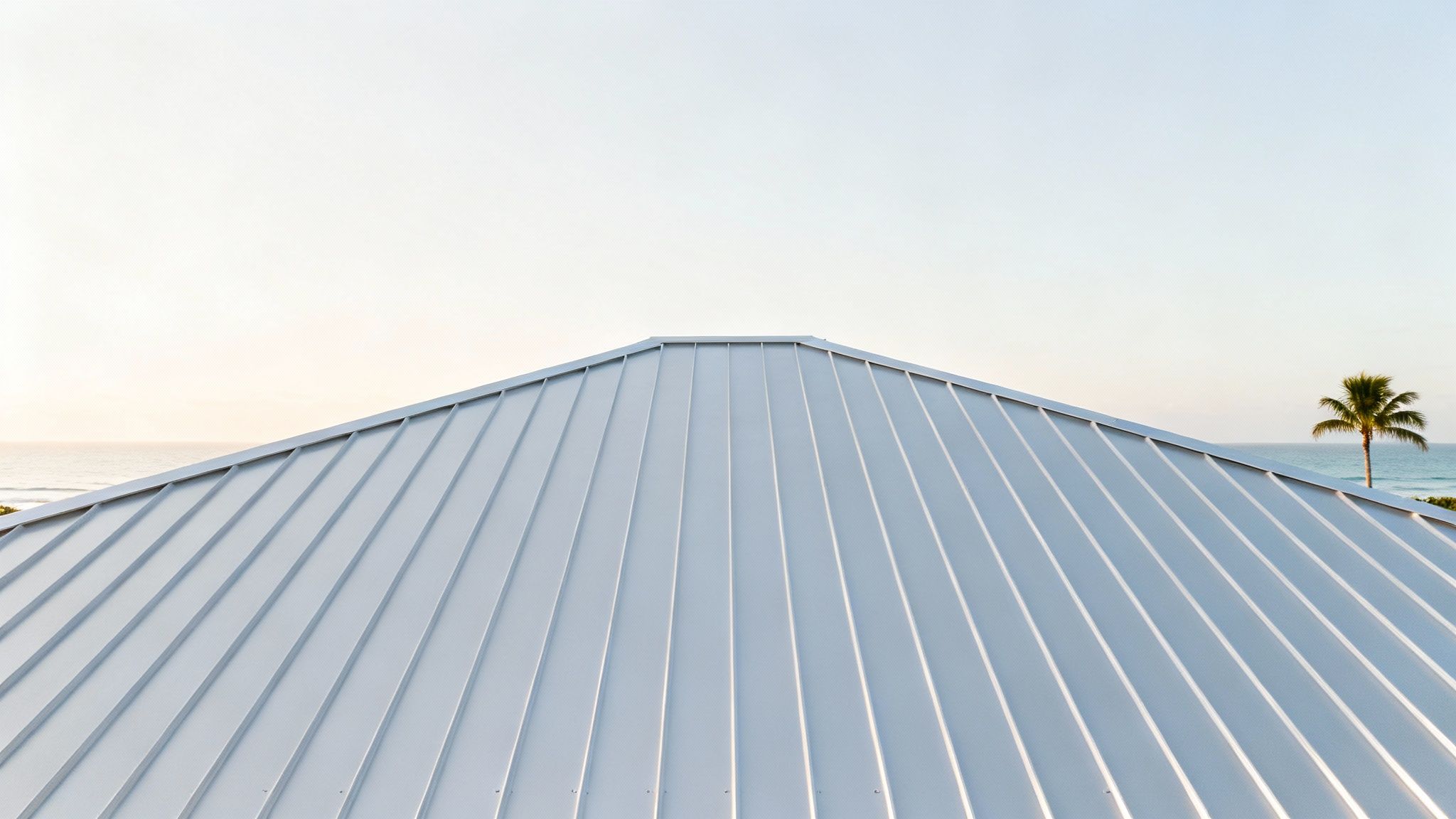
Unlike other materials, standing seam panels are fastened to the roof deck with concealed clips, which allows the metal to expand and contract with Florida’s intense temperature fluctuations without stressing the fasteners. This design, combined with its superior wind uplift resistance, makes it a top-tier choice for homeowners and commercial property owners prioritizing long-term resilience and minimal maintenance.
Key Considerations for Florida Homeowners
The primary advantage of standing seam metal is its unparalleled performance in hurricane-force winds. The interlocking panels form a cohesive shield that deflects wind and prevents water intrusion far more effectively than individual shingles or tiles. For homeowners in Florida, prioritizing resilience against intense weather is crucial; understanding the inherent safety of steel buildings in storms provides valuable insight into the durability of metal roofing.
Additionally, metal roofs are highly energy-efficient. Lighter colors or factory-applied reflective coatings can reflect a significant amount of solar radiation, reducing attic heat gain and lowering air conditioning costs. You can see stunning examples and learn more from this visual guide to Metal Roofing (Standing Seam). Their longevity, often lasting 50 years or more, also makes them a sound financial investment over the life of a property.
Practical Implementation and Maintenance Tips
To ensure a standing seam metal roof performs optimally in Florida's demanding environment, focus on these key steps:
- Hire Experienced Installers: Proper installation is critical. Select a roofing contractor with specific expertise in standing seam systems and a deep understanding of Florida's building codes.
- Prioritize a Quality Underlayment: A high-temperature, self-adhering underlayment is essential. It provides a secondary water barrier and helps dampen noise from heavy rainfall.
- Opt for Reflective Coatings: Choose a factory-applied Kynar 500® or Hylar 5000® finish. These coatings offer superior color retention and solar reflectivity, maximizing energy savings.
- Conduct Annual Seam Inspections: While robust, the seams are the most critical part of the system. Annually check for any signs of separation, damage, or sealant failure, particularly after a severe storm.
3. Concrete Tile Roofing: Enduring Strength and Timeless Style
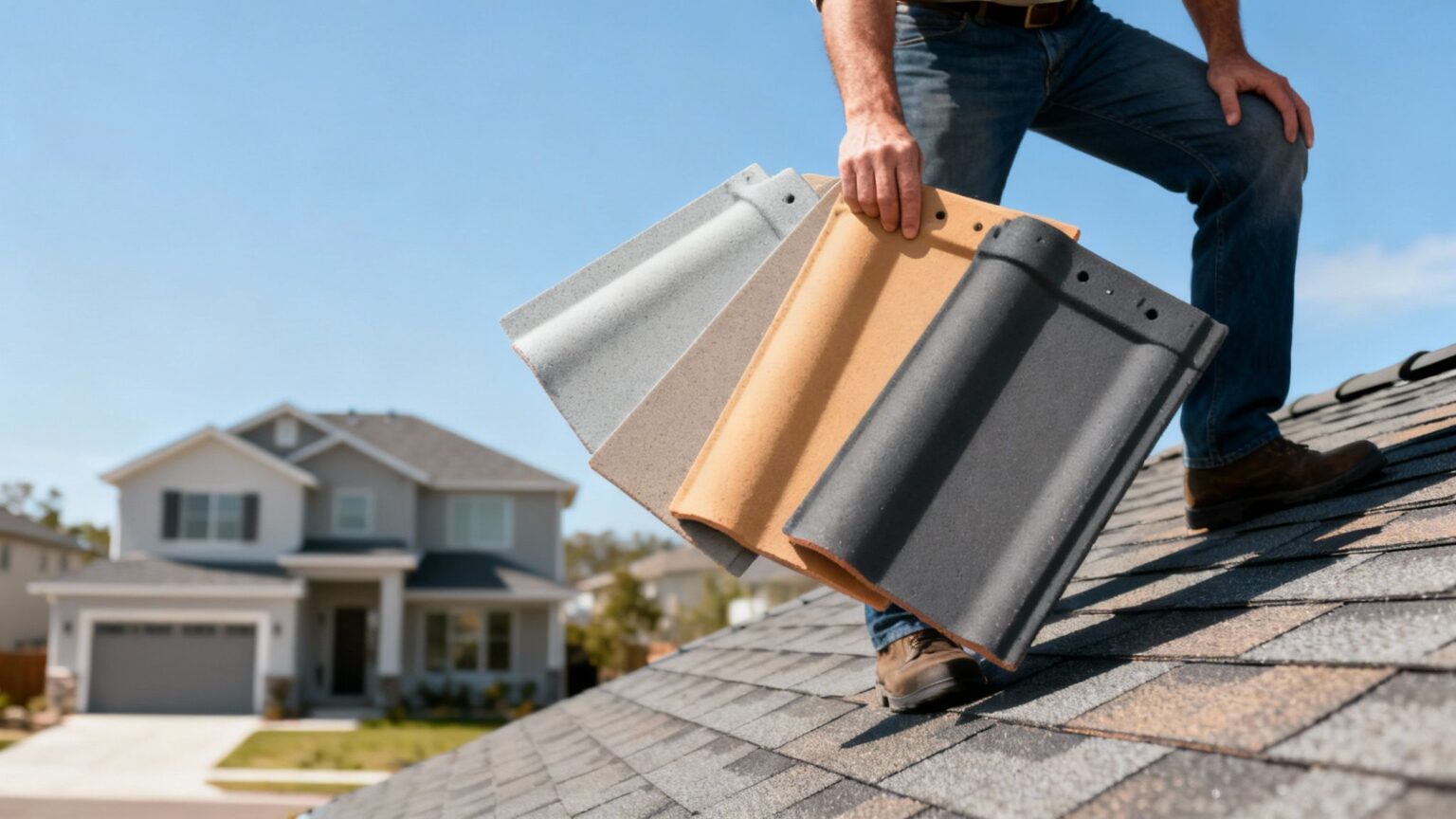
Concrete tile is one of the most resilient and visually striking types of roofs in Florida, prized for its exceptional durability and classic aesthetic. These tiles are manufactured from a mixture of portland cement, sand, and water, which is molded under high pressure. The result is a dense, heavy-duty roofing material that can mimic the look of traditional clay tiles, wood shake, or slate while offering superior strength against Florida's harsh weather.
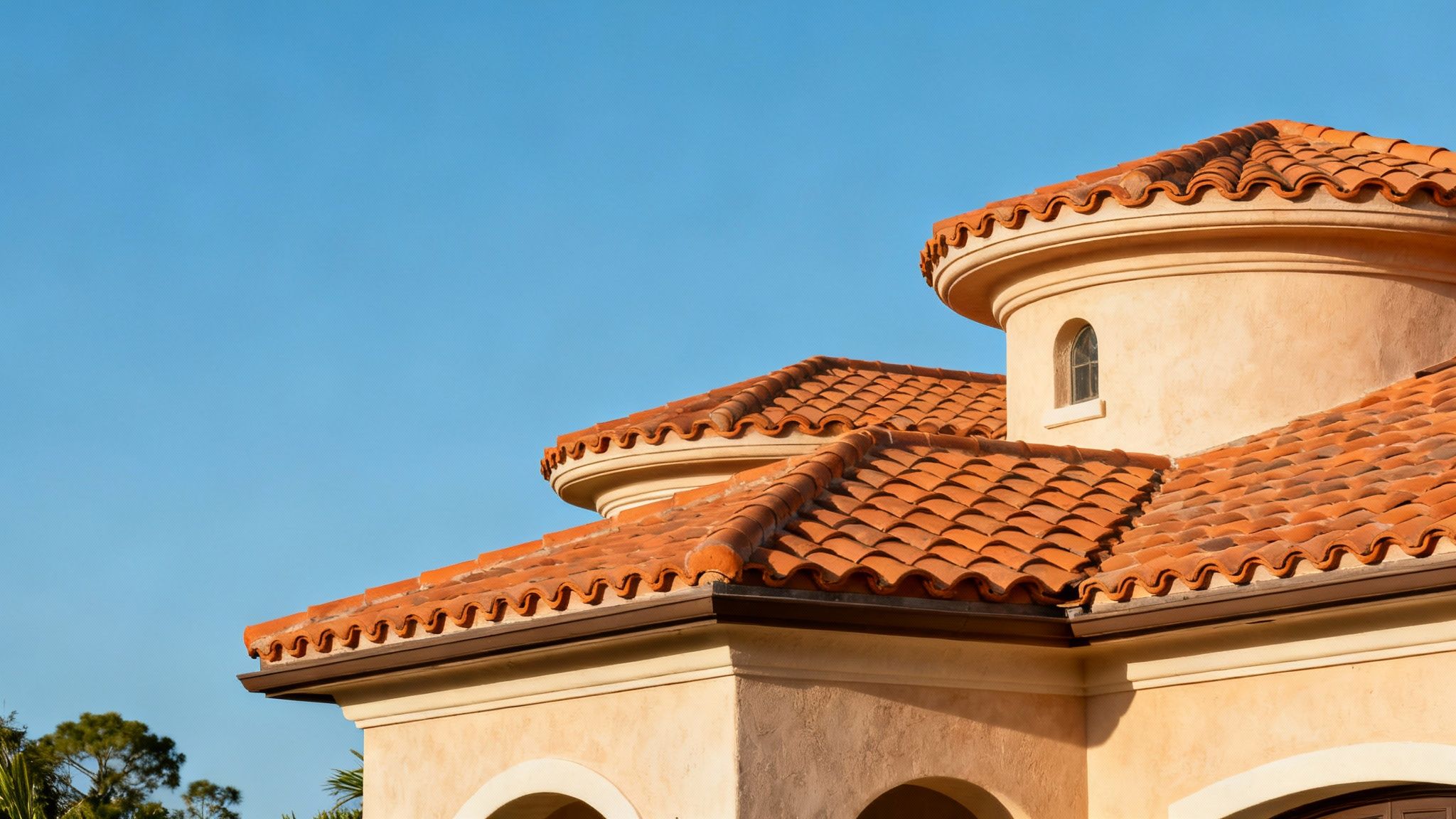
Often seen on Mediterranean and Spanish-style homes in communities like Coral Gables and Palm Beach, concrete tile roofing provides a premium, long-lasting barrier against intense sun, heavy rains, and high winds. Its sheer weight helps it resist wind uplift during hurricanes, and its composition makes it completely fireproof, offering homeowners significant peace of mind.
Key Considerations for Florida Homeowners
The primary consideration for concrete tile is its substantial weight. Before installation, a structural engineer must evaluate the home's roof framing to ensure it can support the heavy load, which can be several times heavier than asphalt shingles. While the initial investment is higher, the long-term value is undeniable, with lifespans often exceeding 50 years with proper maintenance.
For a more detailed look at its architectural applications, you can explore this visual overview of Concrete Tile Roofing. The material also offers excellent thermal properties, creating an air barrier that helps insulate the attic and reduce cooling costs, a significant advantage in the South Florida climate.

Practical Implementation and Maintenance Tips
To ensure a concrete tile roof performs optimally and reaches its maximum lifespan, proper installation and care are crucial. Follow these actionable steps:
- Verify Structural Integrity: Always begin with a professional assessment to confirm your home's structure can handle the weight of concrete tiles. Retrofitting may be necessary for older homes.
- Invest in High-Quality Underlayment: A durable, high-temperature waterproof underlayment is critical. This secondary water barrier protects your home if a tile cracks or is dislodged.
- Ensure Proper Fastening: Tiles must be installed with corrosion-resistant fasteners or approved tile-specific adhesive systems to meet Florida's stringent wind-load requirements.
- Maintain Proper Drainage: Keep gutters and valleys clear of debris to prevent water damming, which can lead to leaks. Schedule professional inspections every two to three years, especially after a major storm, to check for cracked or shifted tiles.
4. Clay Tile Roofing: An Enduring Symbol of Florida's Heritage
Clay tile is one of the most iconic types of roofs in Florida, embodying the state's deep Spanish and Mediterranean architectural roots. Crafted from natural clay fired in a kiln, each tile is a durable, unique piece that contributes to a timeless aesthetic seen on historic buildings in St. Augustine and Mediterranean Revival mansions in Coral Gables. Its longevity and classic style make it a premium roofing choice.
This roofing material is revered for its exceptional durability, with lifespans often exceeding 100 years. Clay tiles are naturally resistant to fire, rot, and insects, and their curved or flat profiles are highly effective at shedding heavy rainwater. Their substantial weight also provides excellent resistance to the high winds common in South Florida.
Key Considerations for Florida Homeowners
The primary benefit of clay tile is its unparalleled longevity and resistance to Florida's harshest elements, including intense UV radiation and salt spray in coastal areas like Miami-Dade and Palm Beach counties. The tiles' inherent thermal mass helps insulate homes, reducing heat transfer into the attic and potentially lowering energy costs.
However, clay is a heavy material, so the home's structure must be engineered to support the significant weight. The initial installation cost is also one of the highest among residential roofing options due to the specialized labor and material expenses involved. For a closer look at its classic appearance, you can view examples of Clay Tile Roofing used in various residential settings.
Practical Implementation and Maintenance Tips
To ensure a clay tile roof performs optimally for its entire lifespan, property owners should adhere to the following best practices:
- Hire a Specialist: Installation is a craft. Always hire a roofing contractor with documented experience in traditional clay tile systems, as improper installation can lead to leaks and structural issues.
- Inspect Mortar and Flashing: Annually check the mortar joints and flashing around vents and chimneys. These are the most common points of failure on a tile roof and require periodic maintenance.
- Source Matching Tiles: If repairs are needed, try to source replacement tiles from the same manufacturer and batch to ensure a consistent color and fit, which is crucial for historic restorations.
- Budget for Long-Term Care: While the tiles last a century, the underlayment beneath them will not. Plan for a "lift and relay" project every 20-30 years, where tiles are removed to replace the underlayment.
5. Flat Roofing (EPDM, TPO, PVC Membrane): The Commercial Standard
While pitched roofs define residential architecture, flat roofing systems are the backbone of Florida's commercial, industrial, and multi-family properties. These are not truly "flat" but have a very low slope to allow for drainage. The most common types of roofs in Florida for these structures are single-ply membranes like EPDM, TPO, and PVC, which create a continuous, watertight seal across the entire surface.
These systems are ideal for large surface areas like shopping centers in Broward County or apartment complexes in Palm Beach, where a traditional pitched roof would be impractical and prohibitively expensive. Their primary function is to provide a durable, seamless barrier against Florida's intense rainfall and UV exposure, while also accommodating HVAC units and other rooftop equipment.
Key Considerations for Florida Homeowners
The choice between the primary membrane types is critical for performance in a subtropical climate. While EPDM (a synthetic rubber) is a durable option, its typically black color absorbs significant heat. For Florida, TPO (thermoplastic olefin) and PVC (polyvinyl chloride) are superior choices. These membranes are typically white or light-colored, acting as "cool roofs" that reflect solar radiation and can drastically reduce building cooling costs.
TPO and PVC membranes have heat-welded seams that fuse the material together, creating a monolithic, waterproof surface that is highly resistant to wind uplift during hurricanes. This makes them a more resilient option than older built-up roofing (BUR) systems, which relied on asphalt and gravel.
Practical Implementation and Maintenance Tips
A flat roof's longevity in Florida is directly tied to proper installation and proactive maintenance. Follow these actionable steps to ensure performance:
- Choose a Reflective Membrane: Opt for white TPO or PVC to maximize energy efficiency and reduce thermal stress on the roof and the building's structure.
- Ensure Proper Drainage: The most common point of failure is "ponding water." The roof must be designed with adequate slope and clear drainage paths (scuppers, drains) to prevent standing water, which degrades materials and adds weight.
- Schedule Semi-Annual Inspections: Inspect the roof in the spring and fall. Look for seam separation, punctures from debris, clogged drains, and any blistering or bubbling on the membrane surface.
- Establish Walkway Pads: If the roof requires regular foot traffic for HVAC maintenance, install designated walkway pads to protect the membrane from damage.
6. Barrel Tile Roofing: Florida's Mediterranean Signature
Barrel tile roofing is one of the most iconic types of roofs in Florida, instantly evoking the Spanish Colonial and Mediterranean Revival architecture seen in historic areas like Ybor City and Coral Gables. Its distinctive, semi-cylindrical shape creates an undulating, wave-like pattern that is both beautiful and highly functional. The tiles, traditionally made from clay but also available in concrete, overlap and interlock to form a robust, weather-resistant shield.
This roofing style is synonymous with luxury and durability, often gracing coastal estates in Palm Beach and high-end resorts across South Florida. Beyond its aesthetic appeal, barrel tile offers exceptional longevity, fire resistance, and superior performance in high-heat environments, making it a premium choice for property owners seeking a long-term investment.
Key Considerations for Florida Homeowners
The primary characteristic of barrel tile is its weight. Both clay and concrete tiles are substantially heavier than asphalt shingles, and the roof structure must be properly engineered or reinforced to support the load. This is a critical consideration for both new construction and re-roofing projects.
Furthermore, the curved profile of the tiles creates air channels between the tiles and the roof deck. This natural ventilation significantly reduces heat transfer into the attic, a major advantage for lowering cooling costs in Florida's intense sun. This feature, combined with the material's inherent thermal mass, makes it one of the most energy-efficient roofing options available.
Practical Implementation and Maintenance Tips
To ensure a barrel tile roof performs flawlessly for decades in Florida’s challenging climate, proper installation and care are essential.
- Hire a Specialist: Always choose a roofing contractor with documented experience installing barrel tile systems. Improper installation can lead to leaks and structural issues.
- Verify Structural Integrity: Before installation, have a structural engineer confirm your home’s trusses and framing can handle the significant weight of clay or concrete tiles.
- Use High-Quality Underlayment: A premium, self-adhering underlayment is crucial to provide a secondary water barrier beneath the tiles, protecting your home from wind-driven rain.
- Plan for Periodic Cleaning: The curved tiles can collect debris and are prone to algae or mildew growth. Gentle, low-pressure cleaning every few years will maintain the roof's appearance and integrity.
- Budget for Replacement Tiles: While durable, individual tiles can crack from impact. It's wise to keep a small stock of matching tiles for future repairs, as colors and styles can be discontinued.
7. Architectural/Impact-Resistant Shingles: The Fortified Defense
Architectural impact-resistant shingles represent a specialized and fortified category among the types of roofs in Florida, engineered specifically to combat the state's most severe weather. These are not standard shingles; they are premium asphalt products reinforced with a polymer-modified asphalt, a tougher fiberglass mat, and superior adhesive systems. This construction provides Class 4 impact resistance, the highest rating, designed to withstand hail and significant impacts from wind-blown debris during a hurricane.
This roofing material is a strategic investment for homeowners in high-risk hurricane zones like Miami-Dade and Broward counties. While their upfront cost is higher than standard architectural shingles, they often qualify for significant insurance premium discounts, which can offset the initial expense over time. Manufacturers like GAF, CertainTeed, and Owens Corning offer robust warranties on these high-performance lines.
Key Considerations for Florida Homeowners
The primary advantage of impact-resistant shingles is their ability to maintain structural integrity during extreme weather events, reducing the likelihood of catastrophic roof failure. Their specialized construction helps prevent the cracks and ruptures that allow water intrusion during a hurricane. This enhanced protection makes them a popular choice for new construction in coastal areas and for insurance-incentivized upgrades across South Florida.
The improved granule adhesion and flexibility of these shingles also mean they hold up better against the intense daily thermal cycling of the Florida sun. Opting for lighter colors in this category, such as those in Owens Corning's WeatherGuard series, can further enhance energy efficiency by reflecting more solar radiation and keeping attic spaces cooler.
Practical Implementation and Maintenance Tips
To ensure you get the full protective and financial benefits of impact-resistant shingles, proper installation and planning are critical:
- Verify Insurance Discounts: Before purchasing, get written verification from your insurance provider confirming the specific shingle model qualifies for a premium reduction.
- Insist on Proper Fastening: Installation must follow manufacturer specifications precisely, especially concerning the number and placement of nails per shingle to achieve the advertised wind rating.
- Install a Hurricane-Resistant Underlayment: Pair these shingles with a high-quality, self-adhered (peel-and-stick) underlayment for a secondary water barrier, a crucial layer of defense if shingles are damaged.
- Schedule Post-Storm Inspections: While highly durable, a professional inspection after any major storm is essential to identify any subtle impact damage that could compromise the roof's integrity over time.
8. Metal Roofing (Aluminum and Steel Shingles)
For homeowners who desire the high-performance benefits of metal but prefer a more traditional aesthetic, metal shingles are a premier choice among types of roofs in Florida. These systems mimic the appearance of asphalt shingles, wood shakes, or even slate tiles while being crafted from durable aluminum or galvanized steel. This hybrid approach offers the best of both worlds: classic curb appeal with superior storm and impact resistance.
Unlike large standing seam panels, metal shingles are individual interlocking units installed similarly to traditional shingles. This design creates a robust, integrated roof system that is exceptionally resistant to wind uplift, a critical feature for coastal properties from Gulf Coast communities to upscale neighborhoods in Jacksonville. They offer a sophisticated and long-lasting roofing solution.
Key Considerations for Florida Homeowners
The primary advantage of aluminum and steel shingles in Florida is their exceptional durability combined with design flexibility. They will not crack, rot, or warp under the intense sun and humidity, and they carry some of the highest wind ratings available, often exceeding 150 mph. This makes them a wise investment for hurricane-prone areas, particularly in high-end new construction communities across Tampa Bay and Broward County.
Furthermore, metal shingles are fire-resistant and often made with recycled materials, making them a sustainable choice. Their lighter weight compared to concrete or clay tile can also reduce structural load requirements. Homeowners can select from a wide range of colors and finishes, including energy-efficient "cool roof" coatings that reflect solar heat and help lower utility bills.
Practical Implementation and Maintenance Tips
To ensure a metal shingle roof performs optimally in Florida’s challenging environment, proper installation and care are essential:
- Hire a Specialist: Installation is key. Only work with certified roofing contractors who have specific experience installing metal shingle systems, as the techniques differ from asphalt or standing seam.
- Prioritize Proper Fastening: Ensure the contractor uses the manufacturer-specified fasteners and follows the prescribed fastening pattern to maximize wind uplift resistance, a crucial detail for Florida building codes.
- Choose Reflective Colors: Opt for light or reflective "cool roof" colors. This choice significantly reduces heat absorption, keeping your attic and home cooler and lowering air conditioning costs.
- Inspect Flashing Annually: While the shingles themselves are incredibly durable, penetrations and flashing areas are potential weak points. Conduct annual inspections to check for sealant integrity and ensure these areas remain watertight.
9. Green/Vegetated Roofing: The Sustainable and Living Choice
As one of the most innovative types of roofs in Florida, green or vegetated roofing transforms a conventional roof into a living ecosystem. This system involves a high-performance waterproofing membrane, a drainage layer, a specialized lightweight growing medium, and a layer of living plants. It is a powerful, eco-friendly solution gaining traction from Miami-Dade government buildings to University of Florida campus initiatives for its environmental and energy-saving benefits.
Green roofs offer exceptional insulation, significantly reducing cooling costs by absorbing solar radiation and cooling the building through evapotranspiration. They also provide outstanding stormwater management by absorbing and filtering rainwater, which is a major advantage during Florida's heavy downpours and hurricane season. This approach is ideal for property owners committed to sustainability and seeking to reduce their environmental footprint.
Key Considerations for Florida Homeowners
The success of a green roof in Florida hinges on a design that can withstand intense sun, high humidity, and heavy rainfall. "Extensive" green roofs are most common for residential and commercial applications as they use a shallower growing medium (under six inches) and require less structural support than "intensive" systems, which can support larger plants and trees.
The plant selection is critical; drought-tolerant and heat-resistant species like sedums or native grasses are essential for survival. This living roof not only enhances biodiversity by creating a habitat for pollinators but can also extend the life of the underlying waterproofing membrane by shielding it from harsh UV rays.
Practical Implementation and Maintenance Tips
A green roof is a complex system that requires professional expertise from the start. Follow these actionable steps for a successful installation:
- Conduct a Structural Assessment: Before any planning, hire a structural engineer to confirm your building can support the saturated weight of the entire green roof assembly.
- Choose Florida-Friendly Plants: Select native or adapted, drought-tolerant plants that thrive in subtropical heat and can withstand both dry periods and deluges.
- Prioritize Proper Drainage: Implement a robust drainage and filtration system to manage heavy rainfall, prevent ponding, and avoid putting excess stress on the roof structure.
- Establish a Maintenance Plan: Green roofs are not maintenance-free. Create a schedule for irrigation during dry spells, weeding, and fertilizing to ensure the vegetation remains healthy.
- Verify Insurance and Incentives: Confirm your property insurance covers a vegetated roof system and investigate potential municipal incentives or stormwater credits for your sustainable investment.
Florida Roof Types — 9-Point Comparison
| Roofing Type | 🔄 Implementation complexity | ⚡ Resource requirements & cost | ⭐ Expected outcomes (lifespan / performance) | 📊 Ideal use cases | 💡 Quick tips |
|---|---|---|---|---|---|
| Asphalt Shingles | Low — simple install; common skillset | Low cost ($2–5/sq ft); lightweight; widely available | ⭐⭐ — ~15–20 years in Florida; moderate storm resistance (upgradeable) | Budget residential, subdivisions, quick replacements | Choose architectural style; light colors; annual inspections; use hurricane straps |
| Metal Roofing (Standing Seam) | Medium–High — specialized tools/skill; precise seams | High cost ($8–12+/sq ft); aluminum/steel; lightweight panels; reflective coatings available | ⭐⭐⭐⭐ — 40–70 years; excellent wind (140+ mph) and salt resistance | Coastal homes, commercial, premium new builds | Use underlayment for noise; hire experienced contractors; allow expansion gaps |
| Concrete Tile Roofing | High — heavy tiles, expert installers; structural checks needed | Very high cost ($10–18+/sq ft); very heavy (~900 lbs/100 sq ft) | ⭐⭐⭐⭐ — 50+ years; excellent durability and wind resistance | Mediterranean/Spanish architecture, luxury/resort properties | Verify roof load capacity; use quality underlayment; schedule periodic cleaning |
| Clay Tile Roofing | Very High — specialized craftsmen; slow installation; structural reinforcement | Very high cost ($12–25+/sq ft); heavy (~700–900 lbs/100 sq ft) | ⭐⭐⭐⭐⭐ — 75–100+ years possible; superior longevity & aesthetics | Historic restorations, high-end Mediterranean estates, long-term investments | Hire specialists; source matching tiles; inspect flashing annually |
| Flat Roofing (EPDM/TPO/PVC) | Medium — membrane application, seam welding/gluing | Low–Medium cost ($3–8/sq ft); choice of EPDM/TPO/PVC; accessible for equipment | ⭐⭐⭐ — 20–30 years with maintenance; TPO/PVC offer better reflectivity | Commercial, multi-family, low-slope roofs, rooftops with equipment | Prefer TPO/PVC in FL; use light colors; prevent ponding; inspect 2–4×/yr |
| Barrel Tile Roofing | High — heavy curved tiles; skilled installation required | High cost ($12–20+/sq ft); heavy (~800–1000 lbs/100 sq ft) | ⭐⭐⭐⭐ — 50–100+ years; excellent water shedding and thermal mass | Spanish/Mediterranean homes, historic districts, luxury properties | Reinforce structure; use tile-specific flashing; clean curves periodically |
| Architectural / Impact-Resistant Shingles | Low–Medium — similar to asphalt but heavier; standard roofing skills | Medium cost ($6–9/sq ft); heavier asphalt composite; commonly available | ⭐⭐⭐ — 20–25 years; Class 4 impact rating; good wind resistance | Homeowner upgrades for hurricane zones; insurance-incentivized replacements | Verify insurance discount eligibility; light colors; proper ventilation |
| Metal Roofing (Aluminum & Steel Shingles) | Medium–High — metal-specific fastening; skilled installers | High cost ($8–15+/sq ft); lightweight (200–400 lbs/100 sq ft); multiple finishes | ⭐⭐⭐⭐ — 40–70 years; strong wind and coastal performance; traditional look | Upscale residential seeking metal durability with shingle appearance | Hire metal-shingle specialists; choose reflective colors; check warranties |
| Green / Vegetated Roofing | Very High — complex build-up; structural & drainage engineering required | Very high cost ($10–25+/sq ft); engineered media, waterproofing, irrigation | ⭐⭐⭐⭐ — Extends membrane life; reduces energy & stormwater impact | Commercial/sustainable projects, urban stormwater management, high-end residential | Get structural engineer review; use drought-tolerant plants; plan maintenance & drainage |
Making the Right Choice for Your Florida Roof
Navigating the diverse landscape of types of roofs in Florida can feel overwhelming, but making an informed decision is one of the most significant investments you can make in your property's safety, value, and longevity. As we've explored, the ideal roofing material is not a one-size-fits-all solution; it's a carefully balanced equation of climate resilience, aesthetic preference, long-term cost, and local building codes.
From the budget-conscious reliability of architectural shingles to the unparalleled durability of standing seam metal, each option presents a unique profile of benefits and considerations. Your final choice hinges on your specific priorities and circumstances as a South Florida property owner.
Key Takeaways for Your Roofing Decision
Recapping the critical points from our deep dive, several key themes emerge that should guide your selection process. Understanding these nuances is the first step toward a successful, long-lasting roofing project.
- Hurricane Resistance is Non-Negotiable: Materials like standing seam metal and properly installed concrete tile offer superior wind uplift resistance, a critical factor in regions like Miami-Dade and Broward counties. Even advanced options like impact-resistant shingles are engineered specifically to withstand the brutal forces of a hurricane.
- Energy Efficiency Translates to Savings: Reflective materials are your best defense against the intense Florida sun. A white TPO membrane on a flat roof or a light-colored metal roof can significantly reduce cooling costs by reflecting solar radiation, leading to tangible savings on your monthly energy bills.
- Longevity vs. Upfront Cost: While asphalt shingles offer a lower initial investment, their shorter lifespan means you will likely face a replacement sooner. Conversely, a metal or tile roof, though more expensive upfront, can last 50 years or more, often paying for itself through durability, lower insurance premiums, and fewer repairs.
- Maintenance is a Lifetime Commitment: No roof is truly "maintenance-free." Tile roofs may require occasional replacement of cracked tiles, flat roofs need regular inspections to ensure sealant integrity, and even metal roofs should be checked for fastener security after major storms. Proactive maintenance is key to maximizing any roof's lifespan.
Your Actionable Next Steps
Armed with this knowledge, you are now equipped to move forward with confidence. The path to a new roof is a structured process, and your next steps should be methodical and deliberate.
- Define Your Priorities: Create a checklist. Is your primary concern the upfront budget? Are you focused on achieving a specific aesthetic, like a Mediterranean-style home with barrel tiles? Or is your number one goal maximum hurricane protection? Answering these questions will narrow your options considerably.
- Research Insurance Implications: Contact your homeowner's insurance provider. Ask them directly about potential discounts for specific types of roofs in Florida, particularly those with a verified FBC (Florida Building Code) product approval and a high wind mitigation rating. A new, code-compliant metal or tile roof can sometimes lead to substantial premium reductions.
- Consult with a Trusted Local Expert: This is the most crucial step. A reputable, licensed, and insured local roofing contractor who understands the specific challenges of South Florida is your most valuable asset. They can perform an on-site inspection, identify structural considerations you might miss, and provide a professional recommendation tailored to your property.
Choosing the right roof is more than just a home improvement project; it is an investment in your peace of mind. It's the assurance that your home, your family, and your assets are protected by a system designed to withstand the unique and often harsh Florida environment. By carefully weighing the factors we've discussed and partnering with a seasoned professional, you can select a roof that not only enhances your property's curb appeal but also provides a durable shield for decades to come.
Ready to get a professional assessment and find the perfect roofing solution for your South Florida home or business? The experienced team at Paletz Roofing and Inspections specializes in all major types of roofs in Florida and can guide you through every step of the process, from material selection to flawless installation. Contact them today for a comprehensive consultation and ensure your property is protected by the best in the business: Paletz Roofing and Inspections.