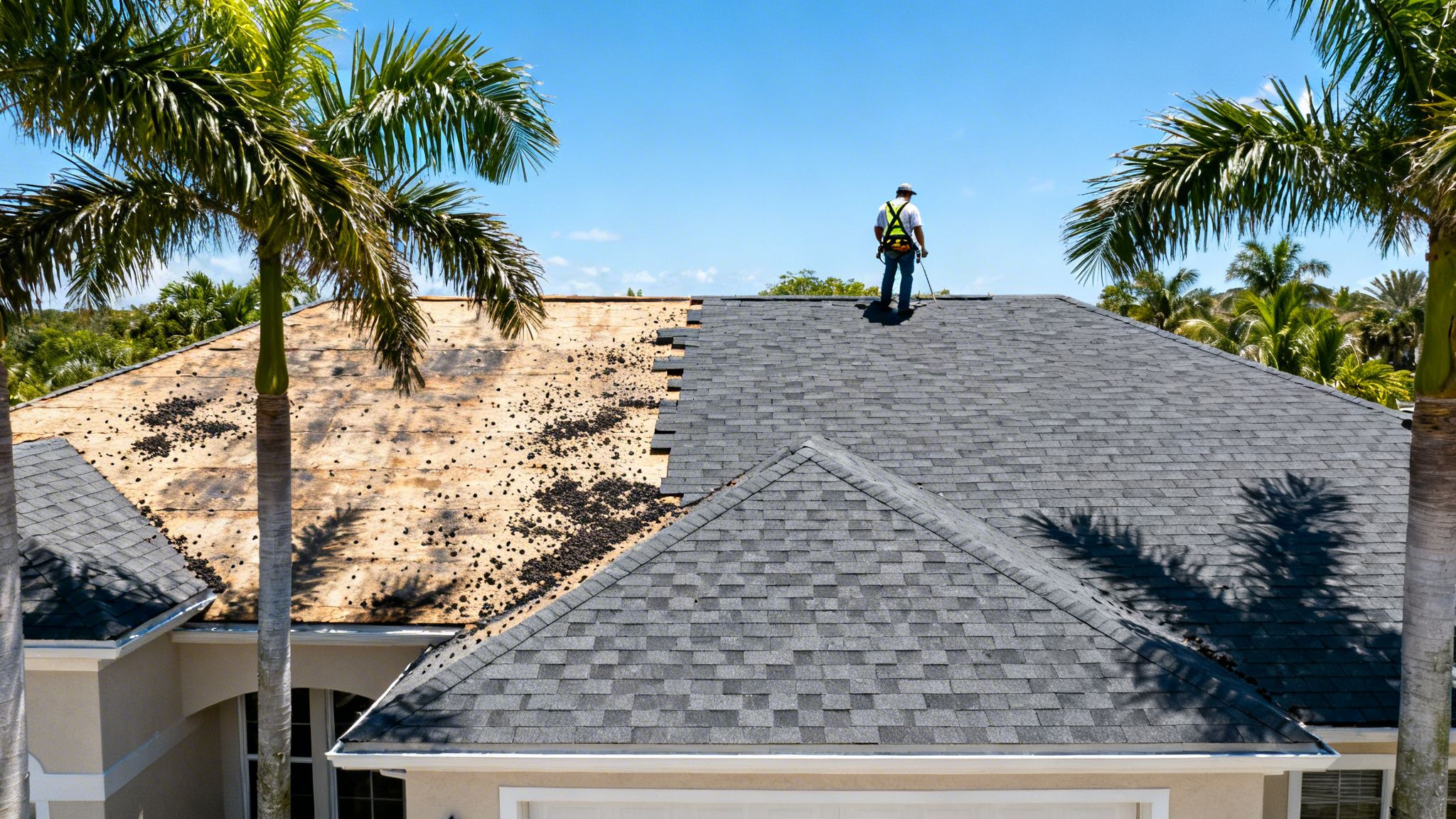
Figuring out when to replace your roof in West Palm Beach can be the difference between a planned, stress-free upgrade and a full-blown emergency. Here in South Florida, our climate is unforgiving. Waiting until you see an obvious leak often means you’ve waited far too long. Proactive assessment isn't just a good idea—it's essential for protecting your home’s value and its structural integrity before the next storm season arrives.
When to Replace Your West Palm Beach Roof
Think of your roof like the tires on your car. They might look perfectly fine one day, but you know they have a limited lifespan. A sudden blowout during a downpour is a disaster every homeowner wants to avoid. In West Palm Beach, the combination of intense sun, relentless humidity, and the seasonal threat of hurricanes means your roof's "tread" wears down much faster than in other parts of the country. Learning to spot the subtle signs of wear is key to deciding when a full replacement is a smarter investment than just another temporary patch.
A complete roof replacement in West Palm Beach isn't just about fixing existing problems; it's about preventing future ones. By the time water is dripping into your living room, you're already playing catch-up. That water could have already damaged insulation, drywall, and even your home's core structure. Understanding the early warning signs empowers you to act decisively and stay ahead of the curve.
Visual Clues Your Roof Is Aging
The most straightforward way to gauge your roof's health is simply to look for visible signs of deterioration. These clues tell you that the materials are reaching the end of their effective life.
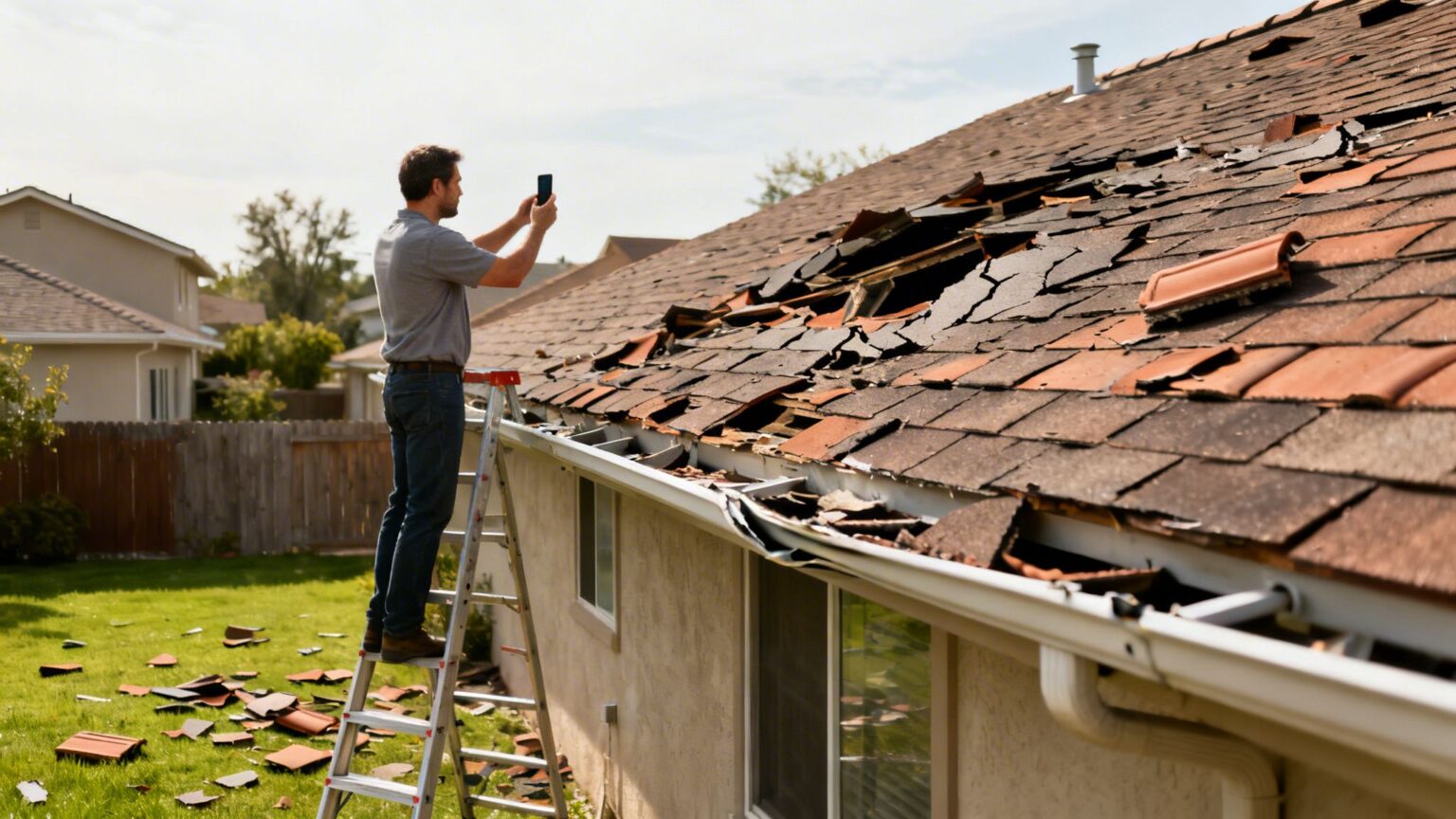
- Curling or Clawing Shingles: When asphalt shingles start to curl up at the edges or lift in the middle, they’re no longer shedding water properly. This creates perfect entry points for moisture.
- Widespread Granule Loss: Seeing a lot of dark, sand-like granules in your gutters? That’s the "sunscreen" for your shingles. When it’s gone, it leaves ‘balding’ spots that expose the underlying asphalt to rapid UV degradation.
- Cracked or Missing Tiles: On a tile roof, even just a few cracked or dislodged tiles can compromise the entire system. This allows water to seep into the underlayment, which is the roof's last line of defense.
- Rust or Corrosion: For metal roofs, any significant rust is a clear signal that the protective coating has failed. This weakens the panel's integrity and makes it vulnerable to leaks.
Beyond the Surface Red Flags
Some of the most serious warning signs aren't visible from the street. These internal symptoms often point to a roof that has lost its protective power in less obvious ways. One of the biggest factors is simply age, as every material has a different lifespan. You can get a better idea of what to look for by checking our gallery of common roof damage.
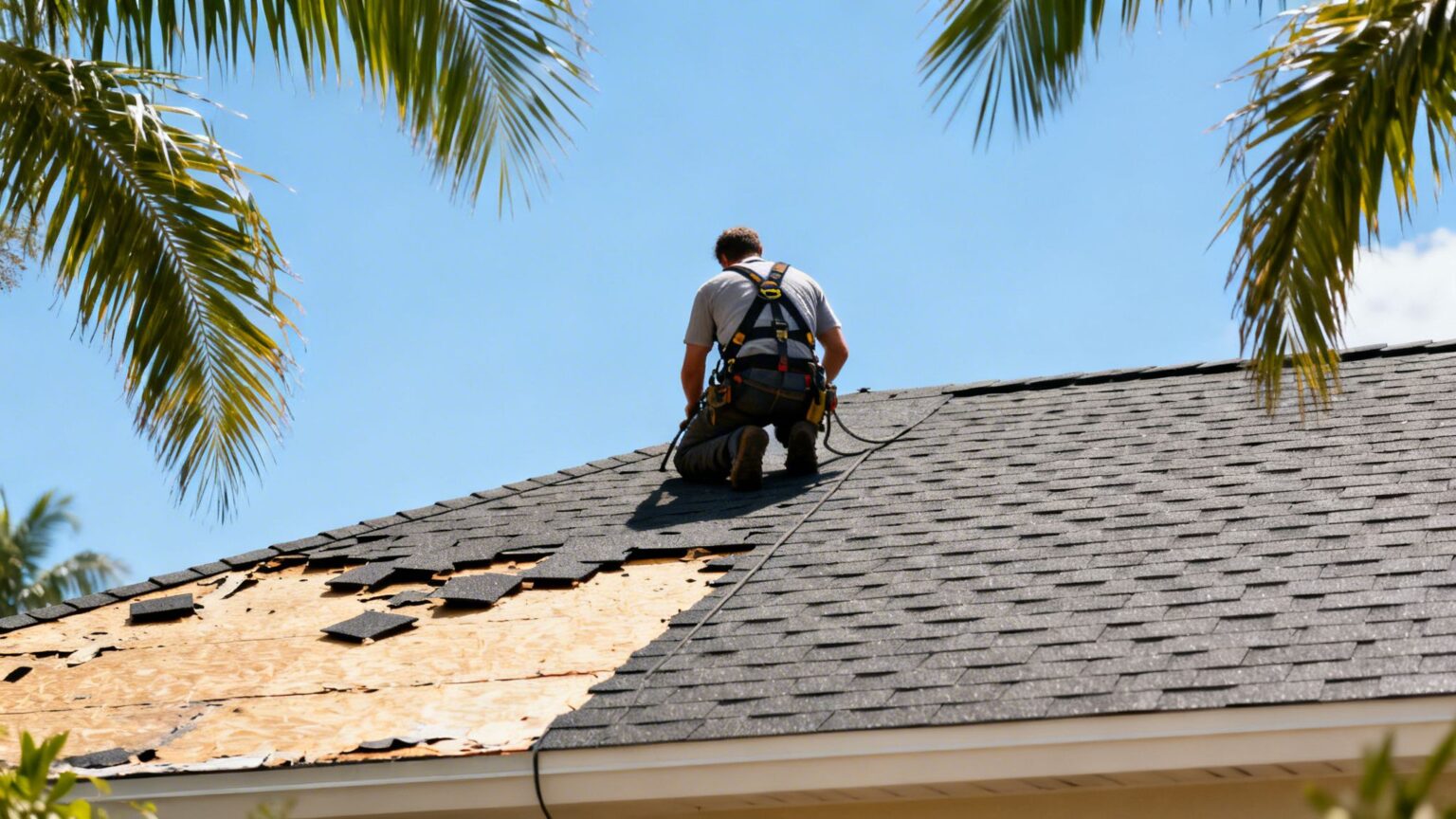
A key consideration is the return on investment. In Palm Beach County's evolving real estate market, homes with neglected roofs face significant hurdles. As of early 2026, a new roof is a powerful tool to boost home value, with metal roofing recouping 60-70% of its cost and tile providing a 45-55% ROI due to their durability and storm resistance.
Soaring energy bills can also be a major red flag. If your roof can no longer reflect heat effectively, your air conditioning system has to work overtime, leading directly to higher monthly costs. Likewise, any signs of moisture, mold, or mildew in your attic are direct evidence that your roof's ventilation and water-shedding capabilities are failing. When you see these issues, it's time to seriously consider a full replacement, as it's almost always more economical than an endless cycle of costly repairs. You can learn more about the financial impact of roof replacement on home value in Palm Beach County.
Understanding Roof Replacement Costs in West Palm Beach
Figuring out the budget for a new roof can feel like trying to nail down a number that keeps changing, especially here in a market as unique as West Palm Beach. The final price you pay isn't just about square footage. It's really a mix of specific local factors that all add up to the total investment needed to protect your home. Getting a handle on these key cost drivers is the first real step toward making a smart, informed decision.
A full roof replacement in West Palm Beach is a lot more involved than just laying down new shingles or tiles. The price tag covers the whole nine yards: quality materials, the skilled labor to install them right, essential safety measures, and all the administrative hoops we have to jump through. Every single one of these elements is critical for the final quality and how long your new roof will last.
Primary Price Drivers for Your New Roof
Several big pieces make up the total cost of any roofing project. I like to think of it like building a custom car—sure, the base model has a price, but the engine you choose, the safety features you add, and the quality of the paint job all shape the final bill.
- Roofing Material: This is usually the biggest variable. Affordable asphalt shingles have a lower upfront cost, while premium materials like standing seam metal or classic clay tile are a bigger investment but deliver far superior durability and lifespan.
- Labor Costs: Skilled labor is a huge part of the budget. Installing a roof that can stand up to Florida's strict High-Velocity Hurricane Zone (HVHZ) codes isn't a job for just anyone. It takes specialized training and a meticulous eye for detail, and that expertise is reflected in the cost.
- Project Complexity: A simple, single-story gable roof is much less expensive to replace than a multi-level home with steep pitches, lots of valleys, skylights, and tricky angles. Every one of those features adds time, materials, and complexity to the job.
- Permits and Disposal: Palm Beach County requires permits for all roof replacements, and those come with a fee. The quote also includes the responsible disposal of all your old roofing materials, which can be a pretty substantial expense on its own.
To really nail down a budget, it’s always a good idea to get professional estimating services that can properly account for all these local variables.
Comparing Material Costs and Long-Term Value
While that upfront cost is definitely a big deal, the true value of a new roof is measured over its entire life. A cheaper roof that you have to replace in 15 years might end up costing you a lot more in the long run than a pricier option that lasts for 50 years or more.
To give you a clearer picture, here’s a look at what homeowners can expect to pay for different roofing materials on a typical 2,000 sq. ft. home in our area.
2026 Estimated Roof Replacement Costs in West Palm Beach (2,000 sq. ft. Home)
| Roofing Material | Estimated Cost Range | Average Lifespan in South Florida | Primary Benefit |
|---|---|---|---|
| Asphalt Shingles | $12,000 – $18,000 | 15 – 25 years | Most affordable upfront cost and wide availability. |
| Standing Seam Metal | $16,000 – $36,000 | 40 – 70 years | Exceptional durability, wind resistance, and energy efficiency. |
| Concrete/Clay Tile | $20,000 – $50,000+ | 50+ years | Unmatched longevity, classic aesthetic, and superior fire resistance. |
As you can see, the initial investment varies quite a bit. But when you factor in how long each system lasts, the long-term value of materials like metal and tile becomes much clearer.
This infographic really drives that point home, showing the typical lifespan for these popular roofing materials right here in our South Florida climate.

The data doesn't lie. While shingles have the shortest lifespan, materials like metal and tile offer significantly longer protection, which easily justifies their higher initial investment—especially in a region like ours that's constantly battered by severe weather.
The total cost is a direct reflection of the materials, labor, and code requirements specific to our area. Investing in a higher-quality system isn't just an expense; it's an upgrade to your home's primary defense against the elements.
Recent data paints an even clearer picture. In West Palm Beach and the rest of South Florida, a roof replacement in 2026 for a typical 1,500-2,000 square foot home can range anywhere from $12,000 to over $40,000.
Most homeowners will find themselves paying around $15,000 for asphalt shingles. Meanwhile, durable metal roofing typically falls between $16,000 and $36,000, and premium tile can cost anywhere from $20,000 to $50,000. These numbers are heavily influenced by our strict HVHZ building codes, which demand reinforced materials and specialized installation techniques that naturally drive up project costs.
In fact, labor alone often makes up 40% to 60% of the total bill, especially when demand surges after a storm.
Navigating Hurricane Codes and Permits

Think of a modern roof in South Florida as a high-tech fortress, meticulously engineered to withstand the full force of a major hurricane. Getting a roof replacement in West Palm Beach is about much more than just picking out new tiles or shingles. It’s about building a complete system that meets some of the strictest construction codes in the entire country.
These regulations aren't just bureaucratic red tape; they are your home's most powerful line of defense. The whole process is guided by the Florida Building Code, which has special rules just for our area. Understanding them helps demystify what’s required and shows you exactly what goes into creating a genuinely hurricane-ready roof. A professional roofer takes this complexity off your hands, turning a confusing maze of codes into a seamless, compliant installation.
Inside the High-Velocity Hurricane Zone
Palm Beach County is officially designated as a High-Velocity Hurricane Zone (HVHZ), a classification that shapes every single part of a roofing project. This isn't just a label; it's a mandate for superior strength and resilience. Living in an HVHZ means your new roof must be built to withstand wind speeds of 140 mph or more.
So, what does that mean for your actual roof replacement? It translates into very specific, non-negotiable building methods that go well beyond standard practices elsewhere.
- Enhanced Fastening: Your shingles, tiles, or metal panels will be attached with more nails or specialized fasteners, all placed at precise intervals. This stops them from being peeled off by extreme winds.
- Mandatory Secondary Water Barrier: This is a self-adhering membrane that gets applied directly to the roof deck. Think of it as a waterproof "gasket" for your entire home. If your primary roofing material is ever breached in a storm, this layer is your critical last defense against massive water intrusion.
- Superior Underlayment: The material sitting just underneath your final roofing layer has to meet higher standards for tear resistance and water protection.
- Stronger Flashing: The metal strips around chimneys, vents, and roof valleys must be thicker and installed more securely, preventing these common weak points from failing under pressure.
These requirements dramatically increase the durability and safety of your roof, ensuring your home is as protected as it can be when the next major storm rolls through.
The Critical Role of Permits and Inspections
The permitting process is the backbone of code enforcement. It’s the official system that guarantees your new roof is built correctly from the ground up. A permit isn’t just a piece of paper; it's documented proof that your project is being done legally and to the high safety standards required here.
The permitting and inspection process is your ultimate quality control. It provides third-party verification that your contractor has followed every HVHZ requirement to the letter, protecting your investment and your family.
The process has several key stages, each one designed to verify compliance:
- Permit Application: Your contractor submits detailed plans to the Palm Beach County building department. These plans must specify all the materials and installation methods to prove they meet HVHZ codes.
- In-Progress Inspections: A county inspector will visit the job site at critical points. They’ll check the nailing patterns, the application of the secondary water barrier, and other crucial details before the roof is covered up.
- Final Inspection: Once the project is complete, the inspector returns for a final review to make sure every last component is finished correctly.
- Permit Close-Out: After passing the final inspection, the permit is officially "closed." This final step is vital for your insurance and for the future sale of your home, as an open permit can create major headaches down the road.
This rigorous oversight really highlights why professional work is so important. In fact, Palm Beach County's public sector follows these same high standards for its own buildings, recently expanding its list of prequalified contractors through 2030 to handle major projects, including significant upgrades at Palm Beach International Airport. You can see the details of these county-level roofing initiatives, which demand the same level of compliance required for your home.
The Roof Replacement Process Step by Step

Getting a full roof replacement can seem like a huge project, but when you work with a professional, it’s a surprisingly straightforward process. Knowing what’s coming next demystifies the entire experience. It’s less like a chaotic construction site and more like a well-rehearsed play where every scene is planned.
Let’s pull back the curtain on what a roof replacement in West Palm Beach actually involves. We’ll walk through each stage, from signing the contract to the final handshake, so you’re never left wondering what’s happening on your property.
Stage 1: The Pre-Construction Phase
Long before the first shingle is torn off, a lot of critical planning takes place. This behind-the-scenes work is what sets the stage for a smooth, efficient project.
It all starts with our in-depth consultation, where we finalize your choice of materials—whether asphalt shingles, standing seam metal, or classic tile—and get the contract signed. From there, your work is done. Our team immediately gets to work pulling the necessary permits from the Palm Beach County building department. This isn't just paperwork; it's a crucial step that guarantees your new roof is 100% compliant with local codes.
With permits approved, we order your materials for delivery directly to your home. Just before the work begins, our crew meticulously preps the job site.
- Property Protection: We carefully lay out heavy-duty tarps to protect your siding, windows, and landscaping from any debris.
- Safety Measures: A secure perimeter is established, creating a safe work zone for our crew while keeping your family out of harm’s way.
- Equipment Placement: A dumpster for old materials and debris is strategically placed, usually in the driveway, to cause minimal disruption.
This setup phase is all about preparation and respect for your property. We ensure the site is safe, your home is shielded, and the team has exactly what they need to get started.
Stage 2: The Active Construction Phase
This is where things get real. You'll hear the sounds of progress as the old roof comes off and the new one takes shape. It’s a busy and often loud phase, but an experienced crew works with a rhythm and efficiency that’s impressive to watch.
The first big step is the tear-off. Our team systematically strips away all the old roofing materials, right down to the underlying roof deck. This is a moment of truth. It's the only time we get a completely unobstructed view of the structural wood sheathing underneath.
Next, we conduct a thorough deck inspection. We’re looking for any plywood that’s soft, rotted, or shows signs of water damage. If we find compromised sections, they must be replaced. Installing a beautiful new roof over a weak deck is like putting brand-new tires on a car with a broken axle—it just doesn't make sense. A solid deck is the foundation for a long-lasting roof.
With a sound deck confirmed, the crew begins installing the brand-new roofing system, layer by layer.
- Secondary Water Barrier: First, we apply a self-adhering "peel and stick" underlayment across the entire roof deck. This creates a powerful, waterproof seal that acts as your second line of defense against Florida’s rain.
- Drip Edge and Flashing: New metal flashing is installed along all the roof's edges and in valleys to masterfully direct water flow away from vulnerable areas.
- New Roofing Material: Finally, your chosen shingles, tiles, or metal panels are installed with precision, following both manufacturer guidelines and the strict HVHZ fastening codes required in our area.
Stage 3: Finalization and Cleanup
Once the last tile or shingle is fastened, the project enters its final chapter. Our crew begins a meticulous cleanup process, clearing away all debris and old materials. We even use high-powered magnetic rollers to sweep the lawn, flowerbeds, and driveway for any stray nails. Our mission is to leave your property looking even better than when we arrived.
The very last step is the final inspection. We schedule a visit with the city or county building inspector, who comes out to verify that the entire installation meets or exceeds all local code requirements. Once they give their approval, the permit is officially closed. This final sign-off is your official confirmation that the job was done right, giving you total peace of mind. You can see examples of what this completed work looks like on local homes in our project gallery.
How to Choose the Right Roofing Contractor
Let’s be direct: choosing the contractor for your roof replacement in West Palm Beach is the most critical decision you will make. The quality of the materials you select won't matter if the installation is poor. A great contractor gives you a durable, long-lasting shield over your head; a bad one can turn your investment into a recurring nightmare of leaks and repairs.
Think of it like hiring a surgeon for a critical operation. You wouldn't simply go with the cheapest quote or the first name you find online. You’d insist on someone with a proven track record, impeccable credentials, and a team you can genuinely trust. Protecting your home, your most valuable asset, demands that same level of care and investigation.
The Contractor Must-Haves
Before you even think about comparing quotes, there are a few non-negotiable requirements every legitimate roofing contractor in Florida must meet. If a company hesitates or can't provide instant proof for everything on this list, you should walk away. These aren’t just suggestions—they are the absolute minimum for operating legally and safely in our community.
Your contractor must have:
- A Valid Florida Roofing License: This is the big one. You can, and absolutely should, verify their license number on the state’s official database. Paletz Roofing and Inspections proudly displays ours. An unlicensed roofer is a massive red flag and a huge liability.
- Comprehensive Insurance Coverage: This means they need both general liability insurance and, just as importantly, workers' compensation insurance. If a worker gets injured on your property and the contractor isn’t covered, you could find yourself on the hook financially.
- A Physical Local Office: A company with a real, verifiable address in the West Palm Beach area is accountable. They are invested in the community and can't just pack up and vanish if a problem arises—unlike the "storm chasers" who pop up after a hurricane and disappear just as quickly.
A contractor’s license and insurance aren't just pieces of paper. They are your primary defense against shoddy work, legal troubles, and serious financial risk. Never, ever skip this verification step.
Key Questions to Ask Every Potential Roofer
Once you’ve confirmed a contractor meets the basic legal standards, it’s time to dig deeper. The way they answer the following questions will tell you everything you need to know about their expertise, professionalism, and whether they're the right team for your project. A confident, experienced roofer will have clear, confident answers.
First, ask them about their experience with HVHZ codes. Don't just take "we follow them" as an answer. Ask for specific examples, like how they handle secondary water barriers or the enhanced nailing patterns required in Palm Beach County. Their familiarity with our specific rules is absolutely critical.
Next, find out who will be your project manager on-site. You need one dedicated point of contact who can answer questions, provide daily updates, and oversee the crew’s work. Without that person, communication can break down fast.
You also need to understand the warranties they offer on their workmanship. The material warranty is standard, but the contractor's own warranty is what covers any installation errors. Look for a company that stands firmly behind the quality of their labor for years to come.
Finally, ask if they can provide a list of local references. A reputable roofer will be proud to connect you with past clients in your area. Taking a few minutes to speak with them is one of the best ways to get an honest assessment of what it's like to work with that company.
Asking these direct questions helps you vet not only their technical skill but also their commitment to you as a customer. Remember, you aren't just buying a roof; you're entrusting a team with a complex and vital project on your home. For example, our team at Paletz Roofing and Inspections has been licensed and insured since 1990, and you can see our established history in South Florida as a testament to our commitment.

Major Red Flags to Watch Out For
Knowing what to avoid is just as important as knowing what to look for. Certain behaviors are giant, waving red flags that should tell you to steer clear of a contractor who might be inexperienced, untrustworthy, or running an outright scam.
- Demands for Full Payment Upfront: No reputable contractor will ever ask for the entire project cost before work begins. A reasonable down payment for materials (10-30%) is standard practice, but final payment is only due after the work is complete and has passed final inspection.
- Vague or Incomplete Quotes: A professional quote is a detailed, itemized document. If you get a piece of paper that just says "New Roof – $18,000" without breaking down the costs for materials, labor, permits, and waste disposal, it’s a sign of amateurism.
- High-Pressure Sales Tactics: Be very wary of any roofer who pushes you to sign a contract on the spot. A "today only" special is a classic gimmick. A true professional will encourage you to take your time, review all your quotes, and do your research.
- Encouraging You to Handle the Permits: This is a huge red flag. A professional, licensed contractor always handles the entire permitting process themselves. If they ask you to pull the permit as the homeowner, it’s almost always because they are not properly licensed or insured to do so.
Ultimately, choosing the right partner for your roof replacement is about finding a balance of proven expertise, verifiable credentials, and transparent communication. By using this guide, you can confidently sort through the options and select a contractor who will protect your home and your investment for decades to come.
Common Questions About Roof Replacements
Even after you've decided on the materials and a contractor, a few practical questions always pop up. It's completely normal. You’re likely wondering how a roof replacement in West Palm Beach will disrupt your daily life, what the real timeline looks like, and what to do once the crew packs up.
We hear these questions all the time. Getting clear, honest answers is the final step before you can move forward with total confidence. Let's walk through them.
Can I Stay in My Home During the Roof Replacement?
Yes, absolutely. In nearly every residential roofing project we handle, you and your family can stay right where you are. Our crews work during standard daytime hours, so your evenings will be just as quiet as always.
Now, there will be noise—there’s no way around it. The tear-off phase, when we're stripping away the old roofing, can be particularly loud. But a professional crew knows how to work efficiently to get through that stage as quickly as possible. We also go to great lengths to protect your property, covering landscaping, A/C units, and windows to shield them from any debris.
At the end of each day, our team does a thorough cleanup of the work area, so you won't feel like you're living in a messy construction zone. Only in extremely rare cases, like when we uncover the need for major structural repairs to the roof framing, might we suggest relocating. For over 99% of our projects, you can comfortably stay put.
How Long Will the Entire Project Take?
This is a fantastic question, and the answer has two very different parts: the time we spend on-site and the total project timeline from start to finish. It's crucial to understand both.
The hands-on work at your house is usually quicker than most people expect. For a typical single-family home here in West Palm Beach, the actual roof installation takes between 2 and 5 days. The exact timing depends on your roof's size, its complexity, and the material you've chosen—a shingle roof, for example, is generally faster to install than tile.
The complete process, however, from the day you sign the contract to the final sign-off, often takes several weeks.
The total project timeline includes crucial off-site steps that ensure quality and compliance. While the visible work is quick, the background processes like permitting and inspections are what guarantee a successful, code-compliant outcome.
Here’s a breakdown of what that longer timeline includes:
- Permit Approval: Once the contract is signed, we submit detailed plans to the Palm Beach County building department. It can take one to three weeks—sometimes a bit longer—for the permit to be reviewed and issued.
- Material Delivery: As soon as the permit is in hand, we coordinate the delivery of all your roofing materials.
- Scheduling Inspections: Throughout the job, we have to schedule mandatory in-progress and final inspections with county officials. Their availability can sometimes add a day or two to the schedule.
A contractor you can trust will give you a clear, realistic schedule that accounts for all these phases and keep you in the loop every step of the way.
Will a New Roof Lower My Homeowners Insurance Premium?
Yes, in all likelihood, you will see a significant discount on your Florida homeowners insurance. This is one of the best and most immediate financial perks of getting a roof replacement in West Palm Beach. For insurance companies, a brand-new roof built to the latest High-Velocity Hurricane Zone (HVHZ) codes is a massive reduction in their risk—and they reward you for it.
After your new roof is finished and has passed its final inspection, the next step is to schedule a Wind Mitigation Inspection. A licensed inspector will create an official report documenting all the hurricane-resistant features of your home, with your new roof being the star of the show.
You simply send this form (officially known as the OIR-B1-1802) to your insurance agent. The upgraded features it documents, like a secondary water barrier and stronger roof-to-wall connections, almost always qualify you for substantial premium credits. A new roof isn't just a home improvement project; it's one of the smartest investments you can make to lower your long-term cost of living in Florida.
What Is a Secondary Water Barrier?
Think of it as a waterproof "gasket" that seals your entire roof deck. This self-adhering membrane is applied directly to the plywood sheathing before a single shingle, tile, or metal panel is laid down.
Its job is simple but absolutely critical: to prevent water from pouring into your home even if your primary roofing material gets damaged or blown off in a hurricane. This layer is required by the Florida Building Code for all new roofs in our area, and for good reason—it's your home's last and most important line of defense against catastrophic water intrusion.
During the intense, wind-driven rain of a South Florida storm, shingles can lift and tiles can break. When that happens, the secondary water barrier is what stands between a simple repair and devastating water damage to your attic, ceilings, and walls. It’s a non-negotiable part of any modern, hurricane-resilient roof.
Navigating the specifics of a roof replacement can be a lot to handle, but you don't have to do it alone. With over 30 years of experience serving West Palm Beach, Paletz Roofing and Inspections has the expertise to manage every detail, from permitting and code compliance to flawless installation. If you're ready for a stress-free process and a roof built to last, visit us online to schedule your free, no-obligation estimate today.