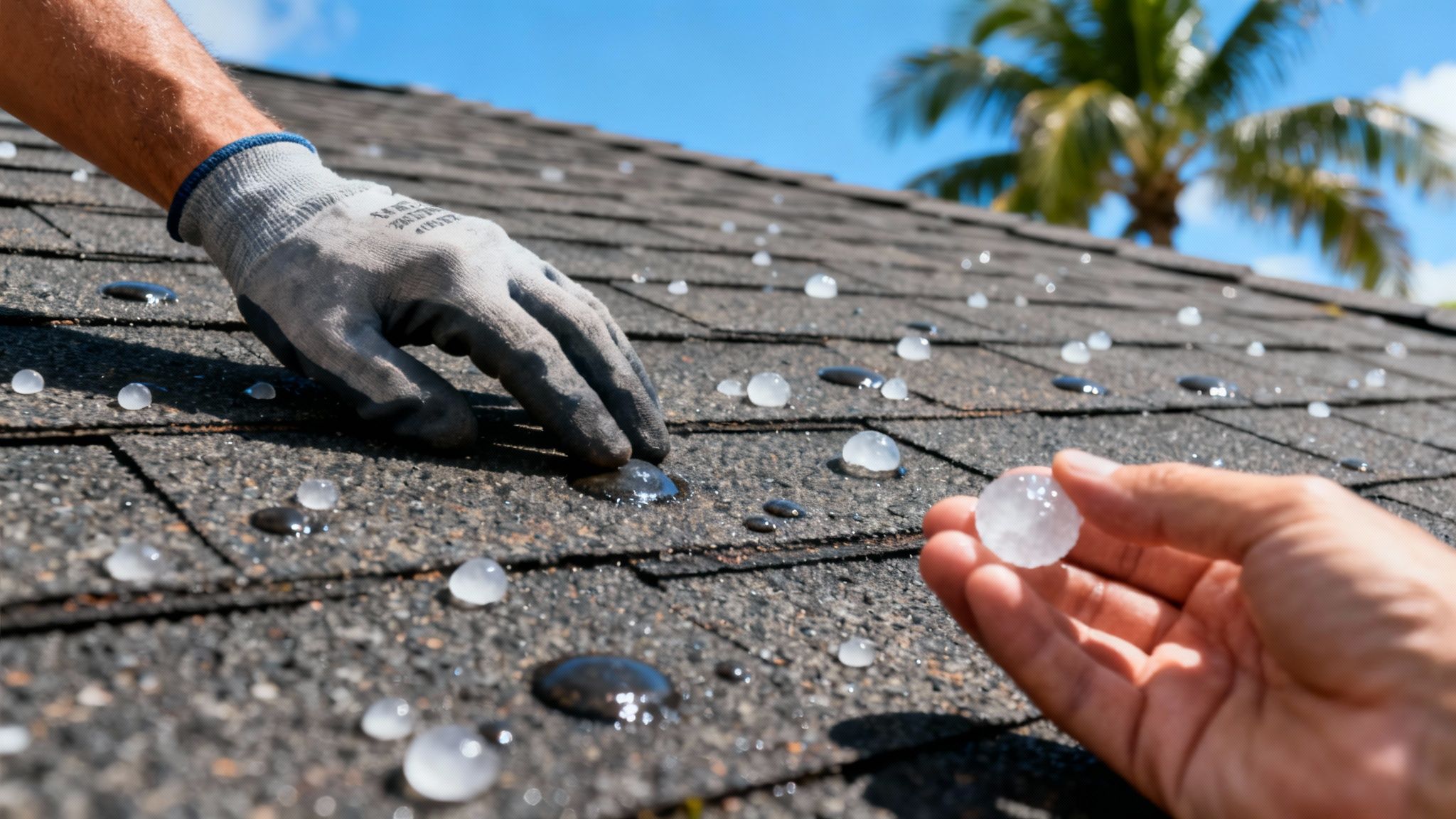
While most of us in Boynton Beach are laser-focused on hurricane prep, there's another, sneakier threat that often flies under the radar: hailstorms. These storms can pepper your roof with damage, creating hail dents on a roof that quietly compromise its strength long before you ever spot a leak. Think of it as a slow-motion attack, weakening your home's most important line of defense.
The Unseen Threat of Boynton Beach Hailstorms
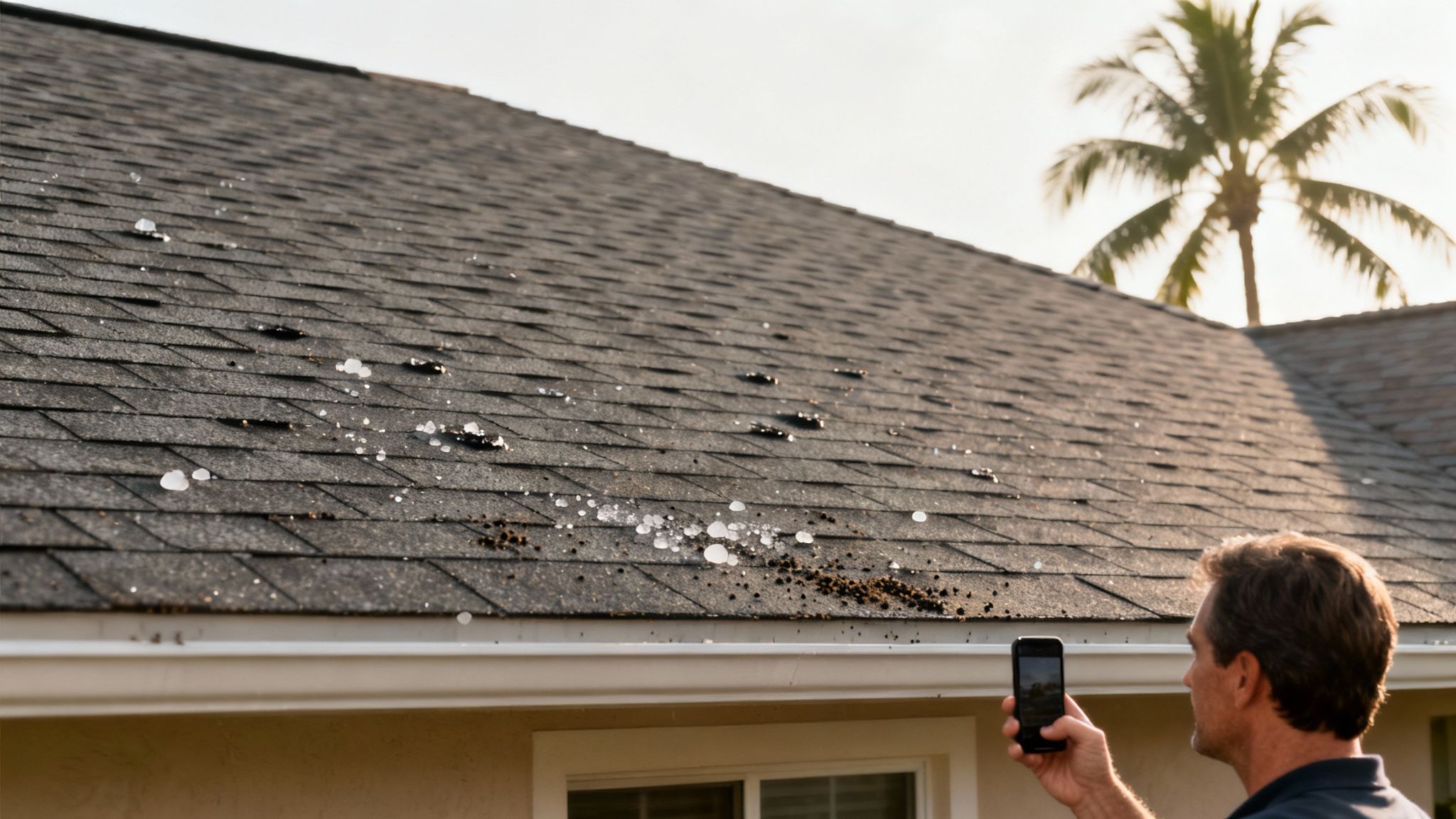
It’s a huge misconception that hail isn't a real problem here in South Florida. The reality is, our unique weather patterns cook up some pretty intense thunderstorms that are more than capable of dropping damaging hail. These hailstones are like a volley of tiny, hard rocks slamming into your roof, and even the pea-sized ones add up over time.
The real danger isn't from a single storm, but from the cumulative effect of repeated hits over the years. Each impact creates a "bruise" on an asphalt shingle, knocking off the protective granules that shield it from the sun's harsh UV rays and moisture. This process slowly eats away at the shingle, leaving it brittle and vulnerable to cracks.
The Frequency of Hail in Our Area
This isn't just a "what if" scenario; it's a documented problem for homeowners right here in our community. According to historical weather data, Doppler radar has picked up hail near Boynton Beach on 32 separate occasions in the last decade. The last big one dropped quarter-sized hail—big enough to cause instant, obvious dents—all over local neighborhoods. You can dig into detailed Boynton Beach hail reports to get a feel for the local patterns.
A single hail dent might not look like much, but it's like a small crack in your armor. It creates a weak point where water, heat, and UV radiation can start breaking down your roof's defenses, setting you up for future leaks and expensive repairs.
What to Do Immediately After a Storm
Knowing the right steps to take right after a hailstorm can save you a fortune down the road. Acting fast is key, both for checking the damage and getting ready for a possible insurance claim. Here's what you need to do as soon as the storm passes:
- Safety First: Whatever you do, don't climb on your roof. Wet shingles are incredibly slick, and walking on a damaged roof can make things even worse.
- Ground-Level Inspection: Take a walk around your property and look for clues. Check your gutters, downspouts, AC unit, and any other soft metal surfaces for dents. If they're dinged up, your roof likely is too.
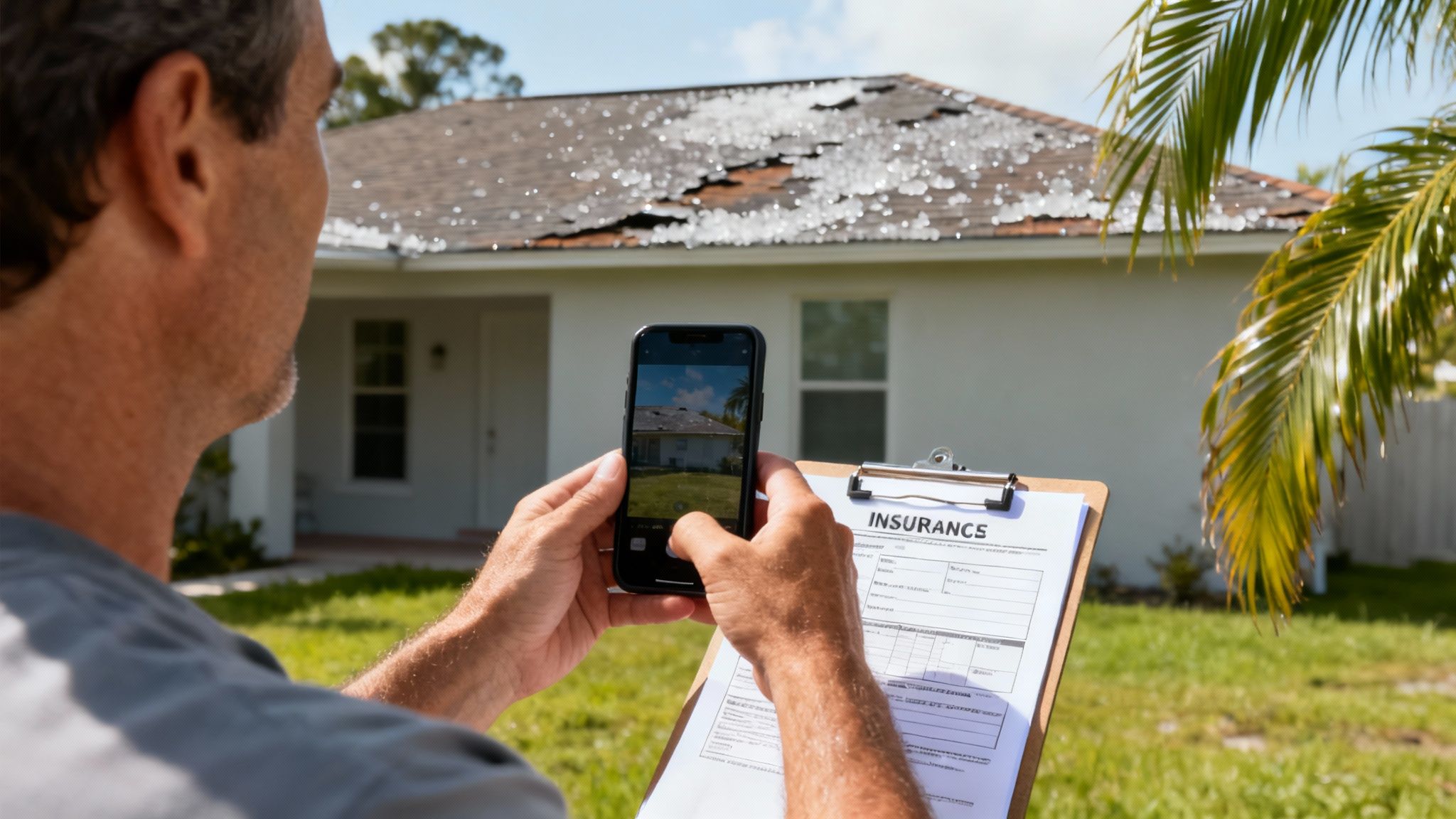
- Document Everything: From a safe spot on the ground, take plenty of clear photos and videos of any damage you can see. Make a note of the date and time the storm hit.
How to Spot Hail Damage on Your Roof
After a big storm rolls through Boynton Beach, most of us look for the obvious stuff—a downed palm frond or a fence panel that’s seen better days. But the real trouble can be hiding in plain sight right above your head. Learning how to spot hail dents on your roof is a crucial skill for any homeowner, and it starts with knowing what to look for on your specific roof type.
And let’s get one thing straight: never climb on your roof to check for damage, especially after a storm when it’s wet and potentially unstable. All you need is a decent pair of binoculars and a short walk around your property. You’re looking for anything that just doesn’t look right—anything that breaks the uniform pattern of your roof.
Telltale Signs on Asphalt Shingles
Asphalt shingles are the most common roof type you’ll see in our area, and hail damage on them can be deceptively subtle. You're not looking for perfect little craters. Instead, the damage is more insidious, quietly compromising the shingle's ability to keep water out.
- Granule Loss: Think of hailstones as tiny hammers pelting your roof. They knock off the sand-like mineral granules that protect the shingle from the sun. Look for "bald" spots on your shingles. You might also notice a bunch of black granules collecting in your gutters or where your downspouts drain.
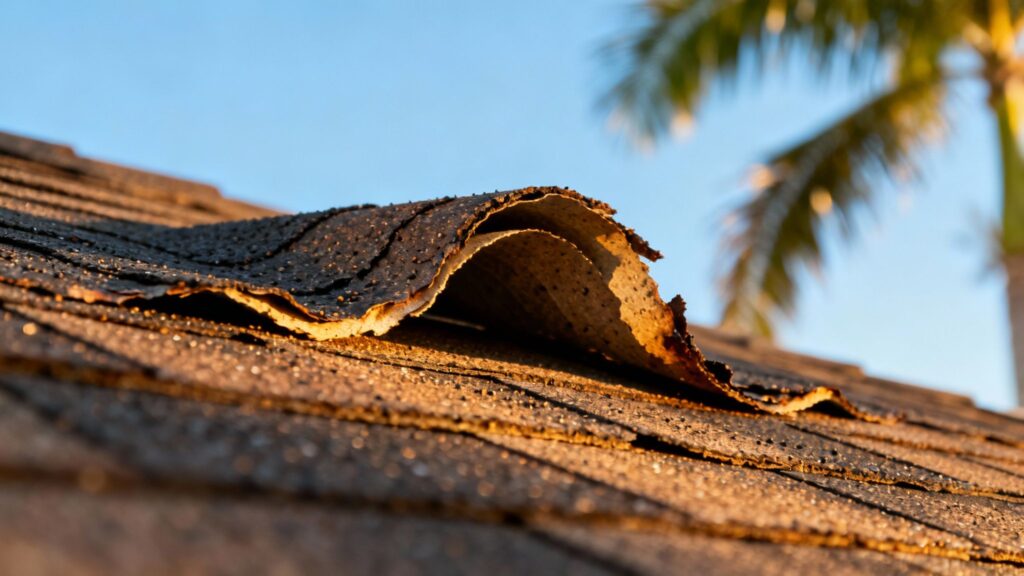
- Shingle Bruising: This is the one that really matters. A solid hail impact can create a soft spot that feels like a bruised apple if you were to touch it. This means the fiberglass mat underneath has been fractured, creating a weak point that's just waiting to spring a leak.
- Random Damage Patterns: Unlike the uniform look of normal aging, hail damage is completely random. It shows up in scattered spots across the roof, not in a consistent pattern of wear.
This infographic breaks down how a hailstorm can quickly turn from a minor weather event into a major headache for your roof.
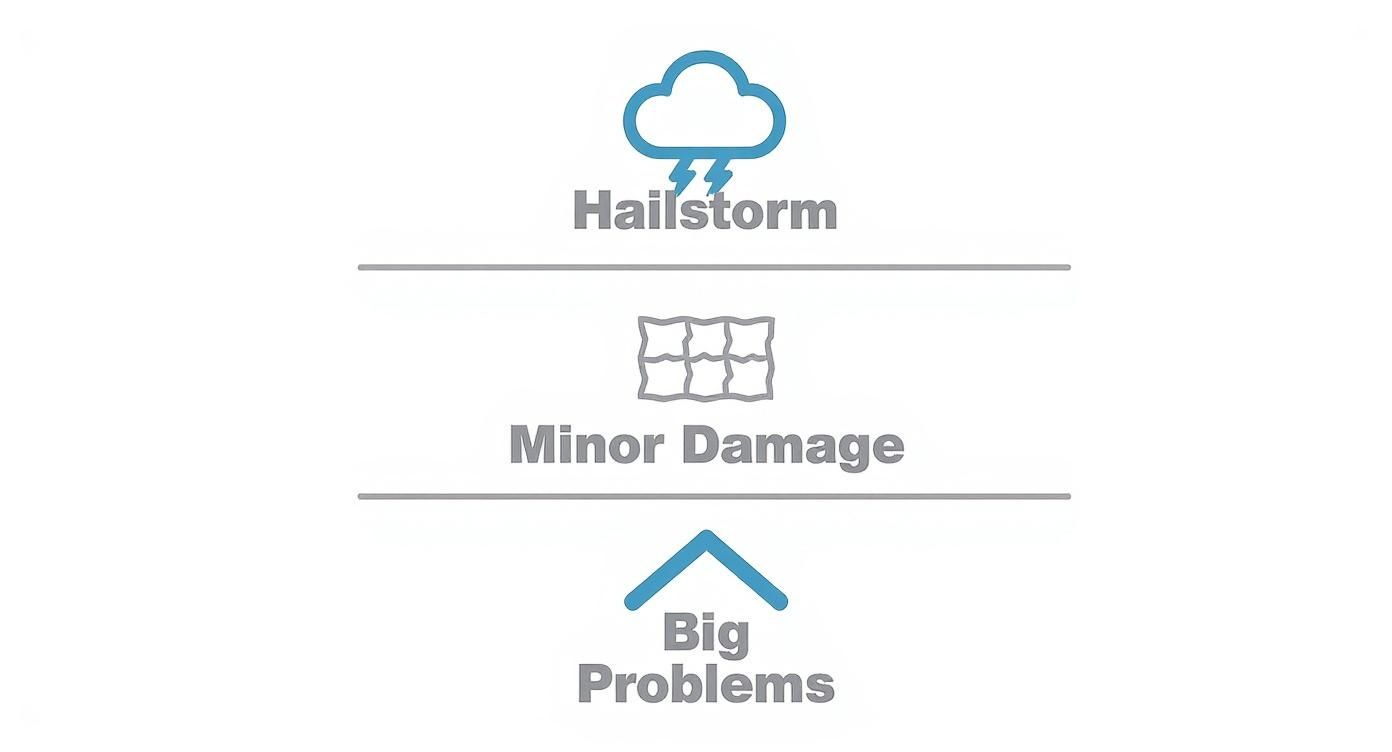
As you can see, what starts as hail leads to cracked shingles, and if you ignore that, you're setting yourself up for a leaky roof and all the problems that come with it.
Damage on Metal and Tile Roofs
Of course, not everyone in Florida has shingles. Other common materials show the scars of a hailstorm differently, and it’s just as important to know what to look for.
A quick-reference table can help you identify potential hail dents and damage on your specific type of roof.
Signs of Hail Damage by Roof Material
| Roof Material | Primary Sign of Hail Damage | What It Looks/Feels Like |
|---|---|---|
| Asphalt Shingle | Granule Loss & Bruising | Black "bald spots" or soft, spongy areas on the shingle. |
| Metal Roof | Dents & Scratches | Visible indentations, from small dings to large dents. Scratches might expose bare metal. |
| Clay/Concrete Tile | Cracks & Chips | Varies from fine, hairline cracks to completely shattered or missing pieces of tile. |
Remember, this is just a starting point. The severity will always depend on the size and intensity of the hail.
On a metal roof, you'll see more classic-looking dents. The seriousness really depends on the hail's size and the gauge of the metal. While some small dings are just cosmetic, a bigger impact can crack the factory finish, leaving the raw metal exposed to rust and corrosion down the line.
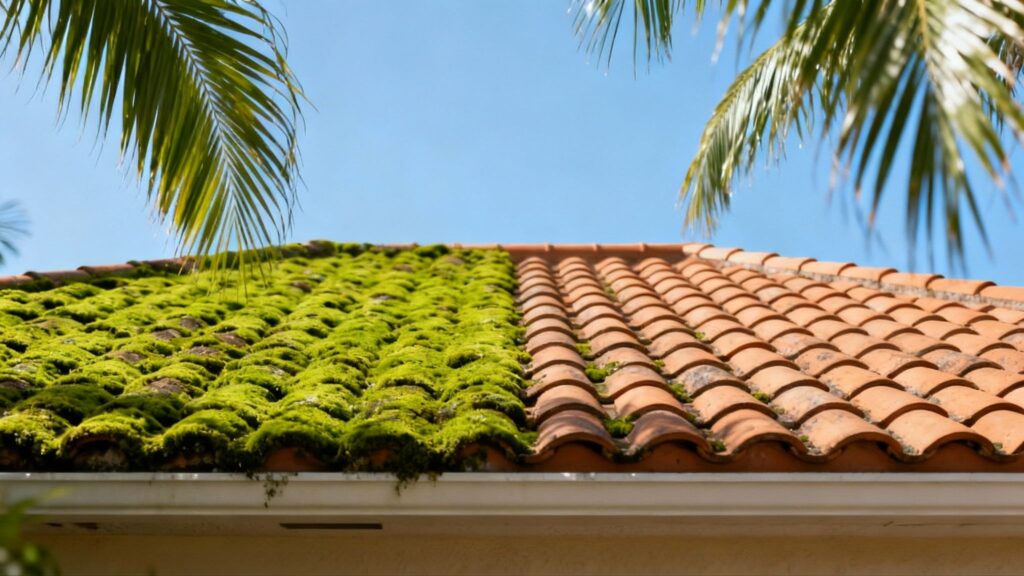
With tile roofs, you’re on the lookout for cracks, chips, or tiles that have been completely shattered. Clay and concrete are tough, but they can be brittle against a hard, direct hit from a large hailstone. Just one cracked tile is an open invitation for water to get in. You can see clear examples of what these different types of hail damage look like in this visual guide.
Key Takeaway: The most dangerous hail damage isn't always the obvious dent. It's the hidden bruising and micro-fractures that weaken your roof's waterproofing layer, setting the stage for future leaks that can rot your roof deck and cause serious interior damage.
Knowing the difference between this kind of damage and normal aging is critical. Wear and tear looks uniform—like color fading across the whole roof. Hail damage, on the other hand, is sporadic and chaotic. The moment you find what looks like hail dents on your roof in Boynton Beach, your next move should be to call a licensed professional for a safe and thorough inspection.
The Hidden Costs of Ignoring Hail Dents
It’s easy to look at a few small dents on your roof and dismiss them as a minor cosmetic issue—something to deal with later. But ignoring the first signs of hail dents on a roof in Boynton Beach is a lot like ignoring a small chip in your windshield. Sooner or later, that small problem is going to spread.
Each one of those dents is more than just a divot; it’s a tiny fracture in your roof's most important line of defense. Think of the granules on an asphalt shingle as its built-in sunscreen. A single hail strike can blast those protective granules away, leaving the sensitive asphalt mat underneath exposed to Florida’s intense UV rays and constant humidity.
This exposure makes the shingle brittle, speeds up its decay, and creates a perfect pathway for water to get in. What starts as a leak so small you'd never notice it can quickly become a much bigger headache.
From Minor Dents to Major Disasters
The journey from a few harmless-looking dents to a full-blown roofing crisis is usually a slow and silent one. You don't see the damage happening from the ground, but a cascade of expensive problems is often unfolding just out of sight.
The most common results of leaving hail damage unchecked include:
- Widespread Water Leaks: Even one compromised shingle can let water seep through to the roof decking, which then finds its way into your attic, ceilings, and walls.
- Structural Wood Rot: Once moisture gets into the wooden decking and support beams, rot isn't far behind. This slowly weakens the entire structure of your roof.
- Toxic Mold Growth: A dark, damp attic with a slow leak is the perfect breeding ground for mold, creating serious health risks for you and your family.
- Compromised Insulation: When your attic insulation gets waterlogged, it stops working. Your AC will have to work overtime just to keep your home cool, and your energy bills will climb.
The real threat from hail damage isn't the initial hit. It's the slow, steady breakdown of your roof's defenses that happens over time. A small, untreated problem today can easily turn into a $10,000 emergency repair tomorrow.
The Financial Fallout of Inaction
Putting off a hail damage inspection doesn't just put your roof at risk—it puts your finances at risk, too. If you wait too long to get it checked out, your insurance company might have grounds to deny a future claim. They could argue that you failed to mitigate the damage, leaving you on the hook for the entire repair bill.
The financial impact can be huge. A single storm with just 1-inch hail can lead to repair costs anywhere from $1,500 to $5,000 for a single home. With over 36,000 housing units in Boynton Beach, even a moderate hailstorm can rack up millions in local damages. You can dig deeper into the financial effects of Florida hailstorms to see just how these storms hit homeowners' wallets.
Ultimately, a damaged roof will also drag down your property value, which is a major liability in Boynton Beach’s competitive real estate market.
How to Navigate a Florida Roof Insurance Claim
Discovering hail dents on your roof in Boynton Beach is just the first step. The insurance claim process that follows can feel like its own storm, but it doesn't have to be. With a clear strategy, you can manage your claim with confidence and get the fair settlement you need to properly repair your home.
The secret? Be organized, thorough, and proactive from the very beginning. Your first move, even before calling your insurance company, is to document everything. Take dozens of clear photos and videos of the damage from every possible angle (safely, from the ground). You'll want close-ups of the dents and wider shots to show the full scope of the problem. This initial evidence is your most powerful tool.
Your First Steps in the Claims Process
Once you have your photos and videos ready, it's time to get the ball rolling. This initial phase really sets the tone for your entire claim, so getting it right is essential.
-
Review Your Policy: Before you pick up the phone, pull out your homeowner's insurance policy. Find the section on your deductible for wind and hail damage, look for the claim filing deadline, and note any specific rules for reporting damage. Knowing these details upfront saves a lot of headaches later.
-
Contact Your Insurer: Notify your insurance company about the damage as soon as you can. Have your policy number ready, along with the date of the hailstorm and a general description of what you've found. They’ll give you a claim number—write it down and keep it handy for every future conversation.
-
Get a Professional Inspection: This is a big one. Have a trusted, local Boynton Beach roofing contractor perform a thorough inspection. Their detailed report will serve as a crucial second opinion and a baseline to compare against what the insurance adjuster finds. A pro roofer can spot subtle damage that an untrained eye will almost certainly miss.
Remember, the insurance adjuster works for the insurance company. While most are professional, their job is to assess the damage from their company's perspective. Your roofer’s report provides a vital counter-assessment that represents your best interests.
Preparing for the Adjuster's Visit
The adjuster's inspection is a pivotal moment in your claim. Being prepared can make a huge difference in the outcome. When they arrive, make sure you're present and have all your documentation ready to go, including your roofer's report and all the photos you took.
Walk the property with the adjuster. Politely point out all the areas of concern that you and your contractor identified. This isn't just about the roof—include damage to gutters, window screens, and even your AC unit. Good communication here ensures nothing gets overlooked.
After the visit, the adjuster will submit their report, and you'll receive a settlement offer. It’s critical to understand that the first offer is not always the final offer. If it seems too low to cover the documented repairs, you absolutely have the right to contest it. This is exactly where having detailed evidence and a professional estimate becomes invaluable.
For a good visual reference, you can review examples of documented hail damage on different roof types to get a better sense of what adjusters are looking for.
If you hit a wall or face an outright denial on your roof insurance claim, it's important to know your rights and options. Sometimes, this might mean seeking legal assistance for insurance disputes. Navigating a claim for hail dents on a roof in Boynton Beach takes diligence, but with the right preparation, you can achieve a fair resolution.
Finding a Trusted Roofer in Boynton Beach
After a storm rolls through Boynton Beach, a different kind of storm often begins. Your neighborhood will likely see a flood of contractors knocking on doors, offering quick fixes for hail dents on a roof in Boynton Beach. While some are legitimate local pros, many are "storm chasers"—out-of-town opportunists who do shoddy work and vanish before the first rain reveals their mistakes.
Choosing the right roofer is hands-down the most important decision you'll make in this whole process. A great contractor isn't just there to fix your roof; they're your ally, your advocate, and your guide when you're dealing with the insurance company. The trick is learning how to tell the genuine experts from the predators.
Vetting Your Local Roofing Contractor
Before you even think about signing a contract, a little bit of homework will save you a world of headaches. Your mission is to find a roofer who is an established part of the community, fully insured, and knows Florida’s specific building codes and weather challenges like the back of their hand. While you're looking for a roofer, some general advice on finding good contractors can be super helpful. For instance, check out these tips for finding a trusted home builder in Florida, because many of the same principles apply.
Start by making a shortlist of local companies and then make sure they meet these non-negotiable criteria:
- Florida State License: Is their license active and in good standing? This is your proof that they’ve met the state's tough requirements.
- Proof of Insurance: They absolutely must have both general liability and worker's compensation. If they don't, you could be on the hook for any accidents that happen on your property.
- Local Physical Address: A real, local office is a huge sign that they're an established business and not just a fly-by-night storm chaser.
What a Professional Estimate Includes
A real estimate is much more than a number scribbled on a napkin. It should be a detailed, professional document that breaks down the entire project, leaving no room for surprise charges down the line. You can get a sense of the kind of thoroughness you should expect by looking at a hail damage assessment in this visual guide.
A proper estimate will clearly lay out:
- Material Details: The specific brand, type, and color of shingles or other materials.
- Labor Costs: A clear breakdown of what the crew's work will cost.
- Additional Items: Line items for things like permits, dumpster fees for debris removal, and any new underlayment or flashing needed.
- Project Timeline: A solid start date and a realistic estimate for completion.
- Warranty Information: The specifics on both the manufacturer's material warranty and the roofer’s own guarantee on their workmanship.
Be wary of any contractor who gets cagey about providing a detailed written estimate or tries to pressure you into signing right then and there. A true professional is transparent and will give you all the time and information you need to feel confident about your decision.
Got Questions About Hail Damage? We've Got Answers.
Even when you know what hail damage looks like, a storm's aftermath is always confusing. You're suddenly dealing with tight deadlines, insurance jargon, and big decisions about your home. Let's clear things up by tackling the most common questions we hear from homeowners dealing with hail dents on a roof in Boynton Beach.
How Long Do I Have to File an Insurance Claim in Florida?
This is probably the most critical question we get, and the answer isn't as straightforward as you'd hope. While Florida law provides a general window for filing a storm damage claim, the most important document here is your individual insurance policy. Don't rely on state statutes alone.
Many policies have clauses requiring you to report damage "promptly" or within a much shorter period, sometimes just one year. If you wait, the insurance company has an opening to argue that later storms or general neglect caused the damage, not the original hailstorm. The absolute best practice is to act the moment you discover a problem.
Crucial Takeaway: Do not wait. The clock starts ticking the second the storm passes. Delaying your claim doesn't just risk missing a policy deadline; it makes it much harder to prove your case.
Will Filing a Hail Damage Claim Make My Insurance Rates Go Up?
It’s a common fear: file a claim and watch your premiums shoot up. Many homeowners are so worried about this that they consider paying for major repairs out of pocket. Fortunately, when it comes to weather-related events, this is usually a misconception.
Insurance companies group claims by cause. If you cause a preventable fire, your individual rates will almost certainly be affected. A hailstorm, however, is considered an "Act of God"—an event completely out of your control.
- Individual Impact: A single claim for storm damage will typically not cause your personal insurance rates to increase.
- Regional Impact: If a massive hailstorm causes widespread damage across Boynton Beach, it can trigger a general rate increase for everyone in the area. In that case, your rates might go up whether you filed a claim or not.
So, holding off on a necessary claim won't save you from a regional rate adjustment. It just means you'll be paying for the repairs yourself.
Do I Need a Full Roof Replacement, or Can It Just Be Repaired?
The right answer really depends on the extent of the damage and the current age and condition of your roof. A professional roofer needs to get up there and assess a few key factors to give you a solid recommendation.
If the damage is minor and isolated on a fairly new roof, a simple repair might do the trick. For example, if a few shingles in one small spot got hit, just replacing them could be enough. However, a full replacement is often the only real solution when:
- The hail impacts are scattered across multiple slopes of the roof.
- The roof is older (typically 15+ years for asphalt shingles) and already nearing the end of its useful life.
- The damage is bad enough to have compromised the materials underneath, making spot repairs a waste of money.
What’s the Difference Between Functional and Cosmetic Damage?
Understanding these two terms is absolutely essential before you talk to an insurance adjuster. They are not the same thing, and the difference is often what determines whether your policy covers the damage.
Functional damage is any damage that stops the roof from doing its main job: shedding water and protecting your home. A shingle that's been bruised by hail, creating a soft spot and cracking the fiberglass matting, is functionally damaged. It might not leak today, but it will fail eventually. This is almost always covered.
Cosmetic damage, on the other hand, only affects how the roof looks without hurting its performance. Think of a shallow dent on a metal roof panel that didn't crack the paint or create a way for water to get in. Some policies specifically exclude coverage for purely cosmetic issues, so you have to read the fine print.
If you've spotted potential hail damage or just have more questions, don't let a small issue turn into a huge headache. Contact Paletz Roofing and Inspections for a complete, professional inspection and a clear plan to protect your Boynton Beach home. Visit us at https://paletzroofing.com to schedule your free estimate today.